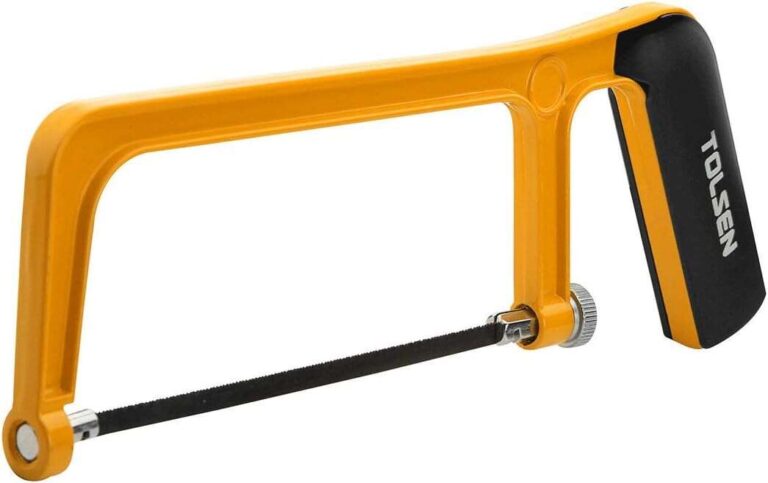
Can A Hacksaw Cut Rocks: What To Know
Yes, a hacksaw can cut some rocks, but it is usually slow, hard on the blade, and unsuitable for most hard stone. A standard hacksaw may work on soft rock, such as soft limestone, sandstone, shale, or some concrete products. It will struggle with hard rock that contains quartz, feldspar, or other tough minerals.
For a clean and useful cut, a diamond blade on a wet tile saw, masonry saw, or rock saw is usually the better choice. A hacksaw is best treated as a low-cost option for a small, nonvaluable piece of soft material.
Introduction
For a homeowner in the United States, the short answer is simple: you can try a hacksaw on a soft rock, but do not expect it to cut hard stone like granite or quartz. The rock’s hardness, grain, thickness, and abrasiveness all affect the result.
A hacksaw removes material with small metal teeth. Rock does not bend away from those teeth like wood or plastic. Instead, it grinds down the teeth, causes chips, and may crack under pressure. The job can also create fine dust, including respirable crystalline silica when the rock contains quartz.

Why a Hacksaw Can Cut Some Rocks
A hacksaw works by using teeth to scrape and break small pieces from a material. This works well when the material is softer than, or not much harder than, the steel teeth. It becomes much less effective when the material is hard and abrasive.
Rock is not one single material. It is a mix of minerals, and each mineral has different properties.
Rock hardness matters
The Mohs hardness scale ranks minerals from 1 to 10:
- Talc: 1
- Gypsum: 2
- Calcite: 3
- Fluorite: 4
- Apatite: 5
- Quartz: 7
- Topaz: 8
- Corundum: 9
- Diamond: 10
Many common rocks contain quartz or feldspar. Quartz has a Mohs hardness of 7, which is far harder than the steel used in ordinary hacksaw blades. Even when the blade starts cutting, the rock can wear the teeth down quickly.
Rock texture also affects the result
A soft rock may still be difficult to cut if it is thick, dense, or full of hard grains. For example:
- Soft limestone may cut slowly but steadily.
- Sandstone may cut, but its sand-sized grains can wear the blade.
- Slate may split along natural layers instead of making a clean saw cut.
- Granite is too hard and abrasive for a normal hacksaw to be practical.
- Quartzite is especially difficult because it contains a large amount of hard quartz.
- Concrete may be cut with masonry tools, but its aggregate can quickly ruin a hacksaw blade.
The key point is that a hacksaw does not need to be harder than every mineral in the rock to begin cutting. It does need to survive long enough to remove enough material. That is where most attempts fail.

Which Rocks Can a Hacksaw Cut?
A hacksaw has the best chance with small, soft, and relatively uniform pieces of rock. Even then, the cut may be rough and may take much longer than expected.
| Material | Can a standard hacksaw cut it? | Practical result |
|---|---|---|
| Soft limestone | Sometimes | Slow but possible on thin pieces |
| Chalk | Usually | Cuts easily, but may crumble |
| Soft sandstone | Sometimes | Blade wears quickly |
| Shale | Sometimes | May split instead of cutting |
| Slate | Limited | Better with a slate or masonry tool |
| Marble | Poorly | Possible in thin sections, but not efficient |
| Concrete | Poorly | Aggregate damages the teeth |
| Granite | Not practical | Use a diamond blade |
| Quartzite | Not practical | Too hard and abrasive |
| Quartz crystal | No, not with a normal blade | Use diamond or professional lapidary equipment |
A hacksaw may also cut mineral specimens that have a soft matrix around a harder crystal. The blade can pass through the softer surrounding material but stop or dull when it reaches the hard mineral.
Do not use a hacksaw as your first choice for a valuable fossil, crystal, gemstone, or historic stone. Vibration and uneven pressure can cause a specimen to split in an unwanted place.
How to Cut a Soft Rock With a Hacksaw
If the rock is small, inexpensive, and likely to be soft, you can attempt the cut by hand. Work outdoors or in a well-ventilated area, and avoid making dry dust.
What you need
Gather these items before starting:
- A hacksaw frame
- A new, coarse-tooth bi-metal blade
- A vise or other solid support
- Soft scrap wood, cardboard, or rubber to protect the rock
- A pencil or wax marking crayon
- A ruler or straightedge
- Eye protection
- Hearing protection if the cut becomes loud
- A dust-control method, such as light wetting
- A suitable work surface
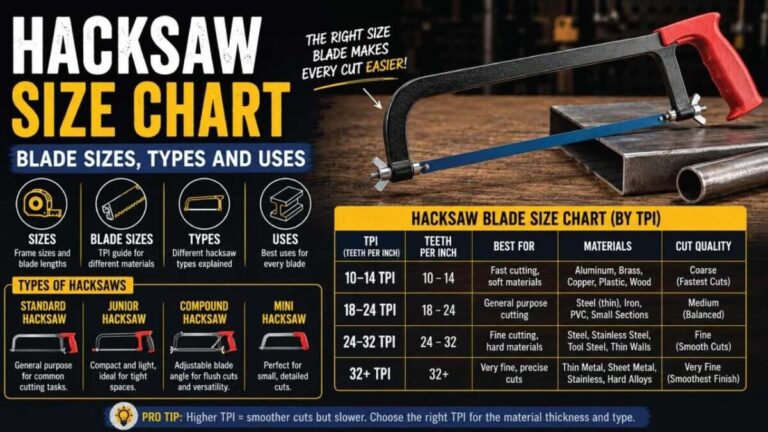
A coarse blade is less likely to clog with grit than a very fine blade. A new blade also gives you the best chance of finishing before the teeth wear away.
Step-by-step method
-
Check the rock.
Look for cracks, loose layers, and weak spots. If the rock has a natural split line, the piece may break before the saw reaches the full depth. -
Mark the cut.
Draw a clear line around the rock. A narrow line is easier to follow than a wide painted mark. -
Support the rock.
Place it in a vise with soft material between the jaws and the stone. Tighten the vise enough to hold the rock, but not enough to crush it. -
Start a shallow groove.
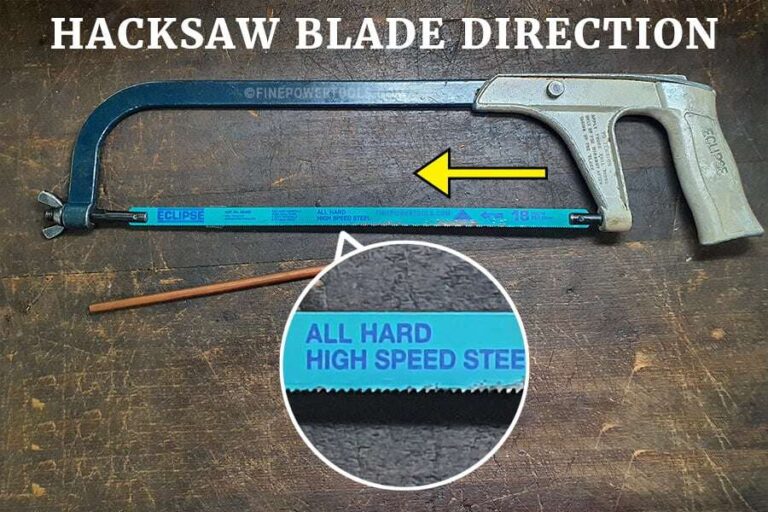
Hold the hacksaw at a low angle and use short strokes. The first groove keeps the blade from wandering. -
Use light, even pressure.
Let the teeth do the work. Heavy force can bend the blade, break the rock, or cause the blade to jump. -
Keep the blade straight.
A twisted blade can bind in the groove. If the cut becomes wider on one side, stop and reset the blade. -
Control dust.
Lightly wet the cutting area when suitable. Do not spray water onto an electric tool, outlet, extension cord, or power connection. -
Stop and inspect often.
Check the blade and the rock after several strokes. Replace the blade if the teeth become smooth, clogged, or badly worn. -
Finish carefully.
Near the end, reduce pressure. The remaining section may snap suddenly. Support both sides of the rock so the break does not damage the finished edge.
Signs that the method is working
The method is working when:
- The groove stays close to the marked line.
- The blade removes visible material with each stroke.
- The rock does not move in the vise.
- The blade remains straight.
- The cutting area does not produce a large cloud of dust.
If the blade only polishes the surface, the rock is likely too hard, the blade may be worn, or the teeth may be too fine.

When a Hacksaw Is the Wrong Tool
A hacksaw is the wrong tool when you need speed, accuracy, a smooth face, or a cut through hard stone. It is also a poor choice when the material is thick or valuable.
Use a different method in these cases:
- Granite, quartzite, and quartz: Use a diamond blade.
- Thick masonry or concrete: Use a masonry saw or a concrete-cutting tool.
- Flat slate or tile: Use a tile cutter, wet saw, or tool made for slate.
- Gemstones and crystals: Use lapidary equipment, such as a trim saw with a diamond blade.
- Large landscape rocks: Use a professional stone-cutting service or suitable powered equipment.
- A clean decorative edge: Use a wet saw with the correct diamond blade and finishing tools.
A diamond blade does not cut in the same way as a toothed hacksaw. It uses diamond particles to grind through the material. That makes it far more suitable for hard stone, but it also creates slurry and requires careful control.
Do not assume that any metal-cutting blade is suitable for rock. Carbide-grit blades may handle some abrasive materials better than ordinary toothed blades, but they still may not match a diamond blade for hard natural stone.

Safety Risks When Cutting Rock
Rock cutting has two main hazards: flying chips and fine dust. The dust risk deserves special attention in the United States because many rocks contain crystalline silica.
Protect your eyes and face
Wear safety glasses with side protection. A face shield can add protection when the rock may chip, but it should be worn over safety glasses rather than used alone.
Keep other people away from the cutting area. Small fragments can travel farther than expected, especially when a rock breaks under pressure.
Control silica dust
Quartz-bearing rock can release respirable crystalline silica when it is cut, crushed, drilled, or ground. Fine particles may remain airborne even when you cannot see them.
Use these controls:
- Prefer wet cutting when the tool and setup allow it.
- Work outdoors or use effective local exhaust ventilation.
- Avoid dry sawing indoors.
- Do not blow dust away with compressed air.
- Clean dust with a wet method or a vacuum designed for fine hazardous dust.
- Wash your hands before eating or drinking.
- Use respiratory protection only as part of a suitable protection plan.
The Occupational Safety and Health Administration has specific silica rules for construction and general industry. Workplace requirements can differ from occasional home work, so employers should review OSHA requirements and their written exposure-control procedures.
Avoid unsafe clamping
Do not hold the rock in your hand while sawing. The blade can slip, and the rock can fracture without warning.
Do not clamp a fragile specimen directly in bare metal jaws. Use padding, but make sure the rock cannot rotate or fall into the blade path.
Use water with care
Water can reduce dust, but it creates a shock hazard around electric tools. Keep cords, plugs, outlets, and power strips dry. Use ground-fault circuit-interrupter protection where appropriate, and follow the tool manufacturer’s instructions.
Never pour water over a hand hacksaw blade as a substitute for proper dust control. The main concern is keeping the cutting action controlled and preventing loose dust from becoming airborne.

Hacksaw Versus a Diamond Saw
The best tool depends on the rock and the result you want.
| Tool | Best for | Main advantage | Main limitation |
|---|---|---|---|
| Standard hacksaw | Small, soft rocks | Low cost and simple setup | Very slow; blade wears quickly |
| Carbide-grit hand saw | Some abrasive, soft-to-medium materials | More resistant to wear than basic teeth | Still limited on hard rock |
| Wet tile saw | Tile, slate, and some stone | Straight cuts with water control | Requires equipment and safe setup |
| Rock trim saw | Specimens and small stones | Designed for lapidary work | Not suited to large masonry |
| Masonry saw | Concrete and heavy stone | Handles thick, hard materials | More expensive and produces slurry |
| Angle grinder with diamond blade | Short cuts and shaping | Portable and powerful | High dust, noise, and kickback risk |
A hacksaw makes sense when the stone is soft and the cut is small. A diamond saw makes sense when the rock is hard or the cut must be clean. The cheaper tool is not always the cheaper choice if it consumes several blades and hours of work.

Common Mistakes to Avoid
Using a fine-tooth blade
Fine teeth can clog with grit and create more friction. Start with a new, coarse blade suited to the material.
Pushing too hard
Force does not make hard rock soft. Excess pressure increases the chance of a bent blade, broken stone, or sudden slip.
Cutting a valuable specimen
A hand hacksaw gives you limited control over internal cracks and hard inclusions. Practice on scrap rock first.
Ignoring the rock’s grain
Layered rock may split along a plane rather than follow the saw line. If the grain keeps redirecting the cut, change tools or accept that the piece may need professional work.
Cutting dry indoors
A visible dust cloud is a warning, not a normal part of the job. Stop, improve ventilation and dust control, and use a safer method.
Confusing “cut” with “scratch”
A blade may leave a bright line or shallow groove without making useful progress. Check how much material the blade removes, not just whether it marks the surface.

Can a Hacksaw Cut Concrete or Brick?
A hacksaw may scratch or slowly damage soft mortar, lightweight concrete, or very soft brick, but it is not a practical tool for ordinary concrete or fired brick.
Concrete often contains hard aggregate, such as quartz-rich gravel. Those grains can rapidly wear a hacksaw blade. Use a masonry saw, diamond blade, or tool designed for the thickness and type of material.
For a small brick, a masonry chisel may be more practical than a hacksaw. Use eye protection and control dust during any cutting, drilling, or breaking work.
Can You Use a Hacksaw on a Geode?
You can try a hacksaw on a very soft geode, but it is usually a poor way to open one. A geode may have a hard outer shell and delicate crystals inside. Hand sawing can take a long time and may damage the interior.
A lapidary shop can cut and polish a geode with a diamond saw. This is the safer choice when the specimen has monetary, scientific, or personal value.
Can a Hacksaw Cut Glass or Quartz?
A normal hacksaw is not suitable for cutting glass or quartz. Both can be hard, brittle, and prone to cracking. Use a diamond-rated tool designed for the material, and seek professional help for valuable pieces.
Do not assume that a blade labeled “metal cutting” or “hardened steel cutting” can handle quartz. Those labels describe the blade’s intended metal applications, not its ability to cut hard minerals.
How Do You Smooth a Rock After Cutting?
After a successful cut, smooth the edge with progressively finer wet-dry abrasive paper, diamond hand pads, or a lapidary grinding tool. Keep the surface wet when the abrasive and tool permit it to reduce dust.
Start with a coarse abrasive to remove sharp points. Move to finer grades only after the edge is even. Wear eye protection, and do not polish a material that may contain hazardous fibers or coatings unless you know what it is.
Key Takeaways
- A hacksaw can cut some soft rocks, but it is slow and rough.
- Hard rocks such as granite, quartzite, and quartz need a diamond blade.
- Rock type, thickness, grain, and abrasiveness determine the result.
- Secure the rock, use light pressure, and wear eye protection.
- Control dust, especially when the rock may contain quartz.
- For valuable specimens or clean cuts, use a lapidary or masonry saw.
FAQs
Will a hacksaw cut limestone?
It may cut soft limestone, especially when the piece is thin. The blade can still wear quickly because limestone may contain harder grains and abrasive particles.
What is the best blade for cutting rock by hand?
For a small, soft rock, use a new coarse-tooth bi-metal blade or a carbide-grit blade made for abrasive materials. For hard rock, a hand-held diamond saw is usually more effective.
Can I cut rock with a dry hacksaw?
You can make a dry hand cut, but dry cutting may release fine dust. Wet the work when safe and practical, and avoid dry cutting indoors.
How long does it take to cut rock with a hacksaw?
There is no fixed time. A thin, soft stone may take minutes, while a thicker or more abrasive piece may take hours or may wear out the blade before the cut is complete.
Should I use a hacksaw on granite?
No. A standard hacksaw is not practical for granite. Use a diamond blade on a properly supported wet saw or have a stone professional make the cut.
Conclusion
A hacksaw can cut a small piece of soft rock, but it is a limited solution. If the rock is hard, thick, valuable, or contains quartz, choose a diamond blade and control the dust. Before you begin, test the tool on an unimportant piece and stop if the blade only polishes the surface, the rock begins to crack, or dust becomes difficult to control.
Recent Tool Guides
 Hammer
How To Hammer Flowers Onto Paper: Easy Guide
Learn how to hammer flowers onto paper with simple steps, helpful tips, and beautiful results for...
Read Guide → Wrench
How To Use A Hex Wrench: Easy Step-By-Step Guide
Learn how to use a hex wrench correctly with simple steps, helpful tips, and common mistakes...
Read Guide → Hacksaw
How To Cut Curtain Pole With Hacksaw: Easy Guide
Learn how to cut curtain pole with hacksaw safely and neatly. Follow simple steps for accurate...
Read Guide → Wrench
How To Use A Husky Torque Wrench: Easy Guide
Learn how to use a Husky torque wrench correctly with simple steps, torque settings, and safety...
Read Guide → Hammer
How To Hold A Hammer: Safe Grip Guide
Learn how to hold a hammer with the right grip, stance, and technique for safer, more...
Read Guide → Hacksaw
How To Cut Flexible Metal Conduit With Hacksaw: Easy Guide
Learn how to cut flexible metal conduit with hacksaw safely and cleanly. Follow simple steps for...
Read Guide →