What Is A Hacksaw Look Like: Visual Guide And Uses
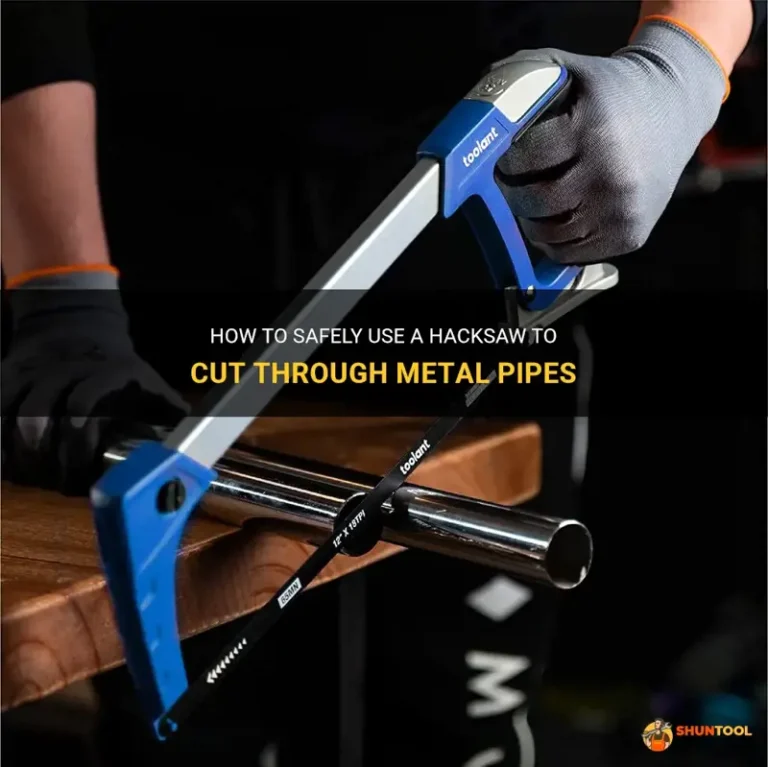
A hacksaw is a small hand saw with a thin, straight blade held inside a rigid metal frame. In the United States, people use it to cut metal pipe, threaded rod, bolts, screws, plastic pipe, and other hard materials. Most hacksaws have a handle at one end, a blade stretched between two frame posts, and a tension screw that keeps the blade tight.
If you have seen a rectangular saw frame with fine teeth facing forward, you have likely seen a hacksaw. Its simple shape can look basic, but each part has a specific job.

What Does a Hacksaw Look Like?
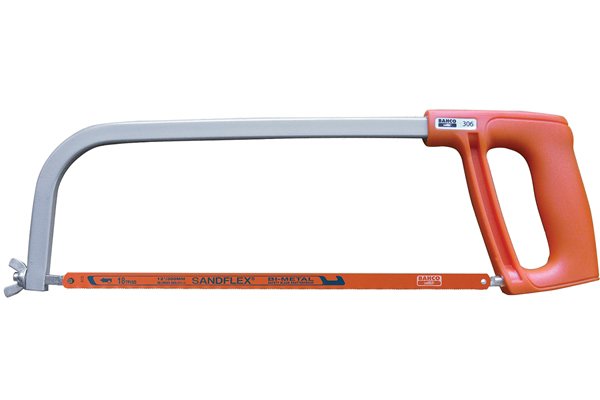
A standard hacksaw looks like a narrow, upside-down “U” or “C” shaped frame with a blade across the open side. The handle is usually mounted near one end of the frame. The blade runs from the handle end to the far end and is held in place by small pins.
Here are the main parts:
- Frame: The strong metal body that supports the blade.
- Blade: A thin, toothed strip made for cutting.
- Handle: The part you grip while pushing and pulling the saw.
- Blade pins: Small posts that hold the blade at both ends.
- Tension screw or knob: The part used to tighten the blade.
- Adjustment holes: Openings that let the frame fit different blade lengths.
A full-size hacksaw often uses a blade about 12 inches long, although the exact size can vary by design. Compact hacksaws use shorter blades and smaller frames.
The frame may be fixed in length or adjustable. A fixed frame is sturdy and simple. An adjustable frame is more flexible because it can accept blades of different lengths.
Simple visual description
Imagine a picture with these features:
- A metal frame shaped like a rounded rectangle or upside-down “U.”
- A black, blue, red, or metal handle at one end.
- A narrow silver blade stretched along the bottom.
- Small teeth along one edge of the blade.
- A screw or lever near the front or rear of the frame.
That is the basic appearance of a hacksaw.
Hacksaw Parts and What They Do
Each hacksaw part affects how the tool cuts and how safely it works.
Frame
The frame keeps the blade straight during a cut. It must resist bending because a loose or flexible frame can make the blade wander.
Most frames are made from steel or another strong metal. Some modern models use a tubular frame to reduce weight while keeping the tool stiff.
Blade
The blade is narrow and flexible. Its teeth are usually made from hardened steel or a high-speed steel alloy. The blade has two small holes, one near each end, where the frame pins fit.
Hacksaw blades come with different tooth counts. Common choices include:
- 14 teeth per inch (TPI): Coarse teeth for thicker materials.
- 18 TPI: A general-purpose choice for many jobs.
- 24 TPI: Fine teeth for thinner metal.
- 32 TPI: Very fine teeth for thin sheet metal or small parts.
The correct blade should keep at least two or three teeth in contact with the work during the cut. This helps prevent tooth damage and rough cutting.
handle
the handle gives you control and protects your hand from the frame. Common handle styles include:
- Closed pistol-grip handles
- Straight handles
- Rubber-coated grips
- Ergonomic molded handles
A closed handle can provide more control, especially when cutting hard material. A simple straight handle may work well for light jobs and compact saws.
Tension screw
The tension screw tightens the blade between the two frame ends. The blade should be firm, but excessive force can damage the blade, frame, or mounting points.
A properly tensioned blade should not flop from side to side. It should feel firm when lightly pressed with a finger.
Blade pins
The pins fit through the holes in the blade. They stop the blade from sliding as you cut. If a pin is bent or worn, the blade may shift or break.
How to Tell a Hacksaw Apart From Similar Saws
A hacksaw is often confused with other hand saws. Its blade and frame make it easy to identify when you know what to look for.
| Tool | What it looks like | Common use |
|---|---|---|
| Hacksaw | Thin blade in a metal frame | Cutting metal, plastic, bolts, and pipe |
| Coping saw | Thin blade in a deep U-shaped frame | Curved cuts in wood and some soft materials |
| Bow saw | Wide curved frame with a longer blade | Cutting branches and wood |
| Reciprocating saw | Power tool with a blade extending from the front | Fast cutting with electric or battery power |
| Junior hacksaw | Small frame with a short blade | Light cuts in small parts |
| Utility knife | Handle with a short exposed blade | Cutting cardboard, plastic film, and thin materials |
The biggest visual clue is the blade. A hacksaw blade is usually straight, narrow, and filled with small, evenly spaced teeth. The frame holds the blade under tension.
A hacksaw also differs from a reciprocating saw because it has no motor, battery, trigger, or power cord. You move the blade by hand.
What Materials Can a Hacksaw Cut?
A hacksaw is mainly a metal-cutting hand tool, but it can cut several other materials when fitted with the right blade.
It can commonly cut:
- Steel tubing
- Copper pipe
- Aluminum
- Brass
- Threaded rod
- Bolts and screws
- Nails
- Plastic pipe
- Rigid plastic trim
- Thin sheet metal
The blade type matters. A fine-tooth blade usually works better on thin metal and small parts. A coarse-tooth blade removes material faster from thicker stock.
A hacksaw is not the best choice for thick structural steel, large wood boards, masonry, or long production cuts. Those jobs may need a powered metal saw, a circular saw with the correct blade, or another tool designed for the material.
How to Use a Hacksaw Correctly
Before cutting, choose the right blade, secure the material, and check that the blade is tight.
1. Choose the blade
Match the tooth size to the material thickness. Use finer teeth for thin stock and coarser teeth for thicker stock.
Avoid using a coarse blade on thin sheet metal. The teeth may catch, bend the sheet, or produce a rough cut.
2. Install the blade
Most hacksaw blades cut when you push the saw forward. Install the blade with the teeth pointing away from the handle.
Some frames allow the blade to face in different directions. Follow the frame design and blade instructions if the tool uses a special mounting system.
3. Tighten the blade
Turn the tension screw until the blade is firm. Do not overtighten it. A blade that is too loose may buckle, while one that is too tight may snap.
4. Secure the workpiece
Hold the material in a vise or clamp. Keep the cut close to the vise jaws when possible. This reduces vibration and helps prevent the material from moving.
Never hold a small metal part in your hand while sawing toward your fingers.
5. Start with slow strokes
Place the blade on the cut line and use short, gentle strokes to create a groove. Once the groove guides the blade, use longer strokes that move most of the blade length.
Keep the blade aligned with the cut. Do not twist the frame.
6. Use steady pressure
Apply pressure on the forward stroke, then reduce pressure as you pull the saw back. Let the teeth cut the material instead of forcing the tool.
When the cut is nearly complete, slow down. This helps prevent the material from breaking suddenly or damaging the final edge.
Signs the cut is going well
- The blade stays straight.
- The material does not move.
- The teeth remove small, even chips.
- The frame does not twist.
- The blade does not squeal or bind.
If the blade slips, stops cutting, or bends, pause and inspect the setup.

Hacksaw Safety Tips
A hacksaw is a hand tool, but it can still cause cuts, pinches, and eye injuries. Wear safety glasses when cutting metal because small chips can break away from the workpiece or blade.
Use these safety practices:
- Inspect the blade before use.
- Replace blades with missing, damaged, or badly worn teeth.
- Keep the workpiece clamped.
- Keep both hands behind the blade path.
- Use a controlled grip on the handle.
- Do not use a bent frame.
- Do not force the blade through the material.
- Keep the saw clean and dry.
- Store spare blades where the teeth cannot injure someone.
- Deburr sharp edges after cutting.
The Occupational Safety and Health Administration recommends suitable eye and face protection where flying particles may create a hazard. For workplace use, follow the safety rules set by your employer and the applicable OSHA requirements.
A broken blade can whip or leave a sharp edge. If a blade snaps, stop work, remove the broken pieces carefully, and check the frame before installing a new blade.
Common Hacksaw Problems and Fixes
Most hacksaw problems come from the wrong blade, poor tension, or an unsecured workpiece.
The blade keeps breaking
Possible causes include:
- Excessive tension
- Twisting the frame
- Using too much downward force
- Starting with a crooked cut
- Using the wrong blade for the material
Install a new blade, tighten it only until firm, and begin the cut with light strokes.
The saw cuts slowly
A dull blade is the most likely cause. A blade with teeth too fine for thick material may also cut slowly.
Check the teeth and choose a blade suited to the material thickness. Cutting fluid may help reduce heat and friction when cutting some metals, but use it only when suitable for the material and workplace.
The blade jumps out of the cut
The workpiece may be loose, or the blade may be dull. The frame may also be twisted during the stroke.
Clamp the material more firmly and start a shallow guide groove before using longer strokes.
The cut is not straight
A loose blade, uneven pressure, or a worn blade can cause a crooked cut. Check the blade tension and keep the frame square to the workpiece.
If the cut has already wandered, do not force the blade sideways. Start a new cut if enough material remains.

Hacksaw Blade Selection Table
Use this table as a starting point, not as a replacement for the blade maker’s instructions.
| Blade tooth count | Typical use | Main trade-off |
|---|---|---|
| 14 TPI | Thick metal and heavy stock | Cuts faster but may catch on thin material |
| 18 TPI | General metal cutting | Balanced speed and smoothness |
| 24 TPI | Thin-wall tubing and sheet metal | Smooth cut but slower material removal |
| 32 TPI | Very thin metal and small parts | Reduces tooth catching but clogs faster in thick stock |
For thin material, choose a blade that keeps several teeth engaged at once. If only one tooth contacts the work, it may catch and break.
For thick material, a coarse blade usually clears chips better. However, very coarse teeth can leave a rough edge and may snag thin walls.
Full-Size Hacksaw vs. Mini Hacksaw
A full-size hacksaw is larger and gives you more blade contact and control. It is usually the better choice for repeated cuts, thicker metal, and work held in a vise.
A mini hacksaw has a small handle and a short blade. It is useful in tight spaces and for light cuts, but it may require more strokes and provide less control.
Choose a full-size hacksaw when:
- You need to cut steel or thick tubing.
- You want a firm two-handed grip.
- You expect to make several cuts.
- The workpiece is securely clamped.
Choose a mini hacksaw when:
- Space is limited.
- The material is thin.
- You need a compact tool for a small repair kit.
- A full frame will not fit around the workpiece.
Frequently Asked Questions
Is a hacksaw only for cutting metal?
No. A hacksaw can also cut rigid plastic, PVC pipe, brass, aluminum, threaded rod, and other materials when you use a suitable blade. It is best known for metal cutting because its fine teeth and rigid frame suit that work.
Which way should hacksaw teeth face?
On most standard hacksaws, the teeth face away from the handle. The saw cuts on the forward stroke. Check the tool and blade instructions because some specialty frames may use a different setup.
How tight should a hacksaw blade be?
The blade should be firm and straight, with no loose side movement. Do not tighten it as hard as possible. Excessive tension can damage the blade or frame.
Can a hacksaw cut wood?
It can cut wood in an emergency, but it is not the right tool for most woodwork. A wood saw has larger teeth and a blade shape designed to clear wood chips more efficiently.
What is the difference between a hacksaw and a jigsaw?
A hacksaw is a manual tool with a blade held in a frame. A jigsaw is a powered tool that moves a blade up and down. A jigsaw can cut curves more easily, while a hacksaw offers simple, controlled cuts without electricity or a battery.
Conclusion
A hacksaw looks like a narrow metal frame with a straight, toothed blade stretched across it. Its key parts are the frame, blade, handle, blade pins, and tension screw.
For safe and clean cuts, choose the right tooth count, install the blade with the teeth facing forward, clamp the material, and use steady strokes. If the blade bends, slips, or breaks, stop and correct the setup instead of forcing the saw.
For most household repairs in the United States, a standard 12-inch hacksaw with an 18- to 24-TPI blade is a practical starting point.
Recent Tool Guides
 Hammer
How To Hammer Flowers Onto Paper: Easy Guide
Learn how to hammer flowers onto paper with simple steps, helpful tips, and beautiful results for...
Read Guide → Wrench
How To Use A Hex Wrench: Easy Step-By-Step Guide
Learn how to use a hex wrench correctly with simple steps, helpful tips, and common mistakes...
Read Guide → Hacksaw
How To Cut Curtain Pole With Hacksaw: Easy Guide
Learn how to cut curtain pole with hacksaw safely and neatly. Follow simple steps for accurate...
Read Guide → Wrench
How To Use A Husky Torque Wrench: Easy Guide
Learn how to use a Husky torque wrench correctly with simple steps, torque settings, and safety...
Read Guide → Hammer
How To Hold A Hammer: Safe Grip Guide
Learn how to hold a hammer with the right grip, stance, and technique for safer, more...
Read Guide → Hacksaw
How To Cut Flexible Metal Conduit With Hacksaw: Easy Guide
Learn how to cut flexible metal conduit with hacksaw safely and cleanly. Follow simple steps for...
Read Guide →