Can A Hacksaw Cut Brick: Safe Cutting Guide
Introduction
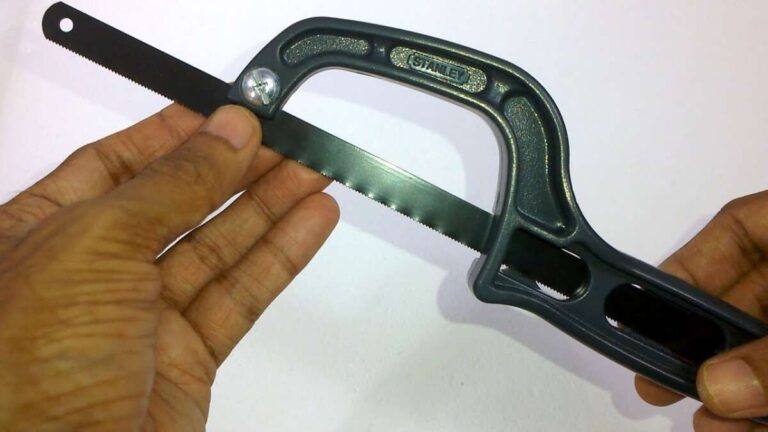
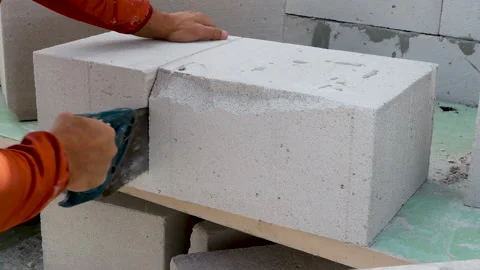
A hacksaw can cut some brick, but a standard metal-cutting hacksaw is usually a poor choice. Its fine steel teeth may wear out fast, clog with grit, or barely scratch the brick. A hacksaw fitted with a carbide-grit or masonry-rated blade can work for a small cut in a soft brick, but it will be slow and tiring.
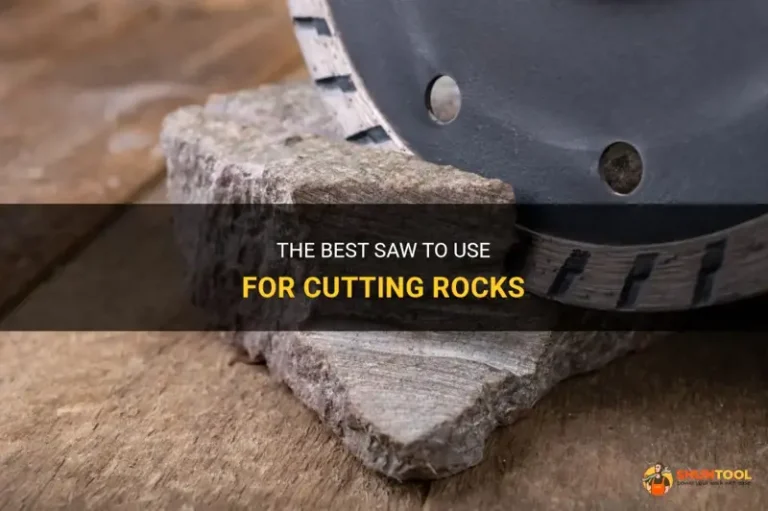
For most jobs in the United States, a diamond masonry blade, angle grinder, wet saw, or brick chisel is a better tool. The right choice depends on the cut size, the type of brick, the finish you need, and how much dust you can safely control.

What Happens When a Hacksaw Cuts Brick?
A hacksaw cuts by using sharp teeth that remove small pieces of material with each stroke. This works well on metals, wood, plastic, and other materials that are softer than the blade teeth.
Brick is different. It is a fired ceramic material made mainly from clay and mineral particles. Its surface is hard and abrasive. Instead of cutting cleanly, brick tends to wear down the teeth of an ordinary hacksaw.
The result is usually:
- Slow cutting
- Dull or damaged teeth
- A rough cut edge
- Excess hand force
- More chance of the blade slipping
- Fine mineral dust
A hacksaw may still be useful when the brick is soft and the cut is short. It can also help with a small notch where power tools are not suitable. However, it is not a good choice for cutting many bricks or making long, straight cuts.
Standard hacksaw blade versus masonry blade
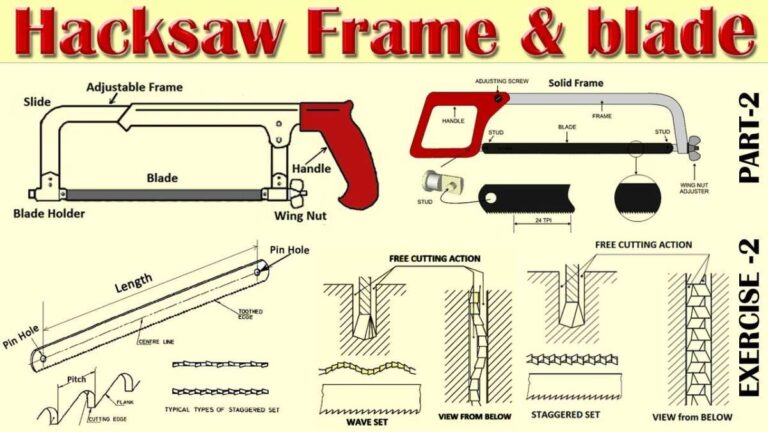
A typical hacksaw blade has hardened metal teeth. The tooth pattern is made for materials such as steel, copper, aluminum, and plastic.
A masonry-rated hacksaw blade usually uses carbide grit rather than normal saw teeth. The grit acts more like a file. It slowly abrades the brick instead of slicing it with sharp teeth.
That difference matters. A normal hacksaw blade is not the same as a carbide-grit blade, even if both fit the same hacksaw frame.

Can You Cut Brick With a Normal Hacksaw?
You can sometimes score or slowly cut a soft brick with a normal hacksaw, but the method has clear limits.
It may work for:
- A very small notch
- A thin, soft brick
- A noncritical decorative piece
- A one-time repair
- A cut where noise must stay low
It is usually a bad choice for:
- Dense engineering brick
- Pavers
- Concrete blocks
- Firebrick
- Long cuts
- Repeated work
- Clean, visible edges
- Brick that forms part of a wall
A normal hacksaw blade may cut a shallow groove, but it often loses its edge before reaching through the brick. Pressing harder does not solve the problem. More pressure can bend the blade, cause it to bind, or make it slip from the marked line.
A simple decision guide
| Task | Best practical choice | Why |
|---|---|---|
| Small notch in soft brick | Carbide-grit hacksaw blade or brick chisel | Low cost and good control |
| One straight cut | Angle grinder with diamond masonry blade | Fast and fairly accurate |
| Many straight cuts | Wet saw with masonry blade | Consistent results |
| Rough break along a marked line | Brick chisel and masonry hammer | No power supply needed |
| Thin brick veneer | Diamond blade or tile saw | Helps reduce breakage |
| Structural wall modification | Qualified masonry contractor | The wall may need support and inspection |
The main trade-off is simple: a hacksaw gives you control and low noise, but it sacrifices speed and cutting power.

How to Cut Brick With a Hacksaw
Use this method only for a small cut in a loose, nonstructural brick. Do not use it to modify a load-bearing wall or an installed masonry opening without professional advice.
What you need
Gather these items before starting:
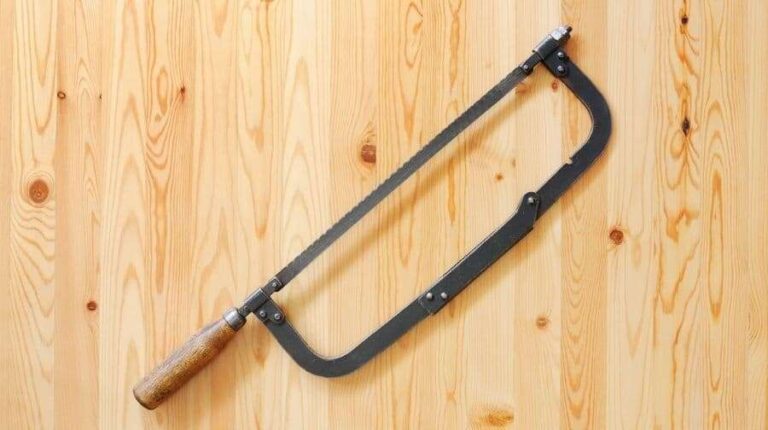
- Hacksaw frame
- New carbide-grit or masonry-rated blade
- Pencil, marker, or chalk
- Tape measure and straightedge
- Clamps or a stable workbench
- Safety glasses
- Work gloves
- Hearing protection if other tools are nearby
- Proper dust control
- A brick chisel for finishing, if needed
A normal metal-cutting blade may work for a very shallow test groove, but a carbide-grit blade is the better option for actual masonry.
Step 1: Check the brick
Look for cracks, loose sections, and old mortar. If the brick is part of a wall, first determine whether it is structural or part of a veneer system.
Do not cut into a wall just because the brick looks removable. Brickwork may support floors, roofs, arches, chimneys, or other masonry above it.
If the brick is installed, contact a qualified mason or building professional before cutting.
Step 2: Mark the cut
Measure the cut twice. Draw a clear line on every face that will be cut.
For a full-depth cut, extend the line around the brick. This gives you a guide as you turn the brick and helps keep the cut square.
If you need a precise finished size, mark the waste side of the line. The blade removes a small amount of material, known as the kerf.
Step 3: Secure the brick
Place the brick on a firm surface. Clamp it without crushing it.
Support the brick close to the cut line, but leave enough room for the blade to move. A loose brick can shift and cause the blade to bind. Do not hold the brick in your hand while sawing.
Step 4: Start a shallow groove
Place the blade on the marked line. Use short, light strokes to create a guide groove.
Do not force the blade. The first goal is to make a straight track. Once the groove is established, use longer strokes while keeping the blade aligned with the mark.
If the blade jumps out of the groove, stop and reset it. A wandering blade can ruin the cut and increase the chance of injury.
Step 5: Cut from more than one side
When possible, cut partway from one face, then turn the brick and continue from the opposite face. Use the marked lines as your guide.
This reduces the amount of material the blade must remove in one pass. It can also reduce breakout on the visible face.
Step 6: Finish the cut
When only a thin section remains, support both sides of the brick. Finish with the hacksaw or use a brick chisel to separate the piece.
Tap the chisel lightly. Heavy blows can cause the brick to split beyond the line.
Signs the method is working
The process is going well when:
- The groove stays on the marked line
- The blade moves without heavy force
- The brick remains stable
- Dust stays controlled
- The cut deepens with each pass
- The brick does not show cracks outside the cut
Stop if the blade bends, the brick shifts, or cracks begin spreading away from the line.
Which Tool Is Better Than a Hacksaw for Brick?
A hacksaw is best reserved for small, low-risk work. Other tools are faster and often produce a cleaner result.
Brick chisel and masonry hammer
A brick chisel, sometimes called a bolster chisel, is a simple hand tool with a wide cutting edge. You score the brick around the cut line, then tap the chisel to split the material.
This method is useful when:
- You do not have power tools
- The edge will be covered by mortar
- A rough cut is acceptable
- You need to make a small adjustment
The main risk is uncontrolled cracking. It takes practice to create a clean break.
Angle grinder with a diamond masonry blade
An angle grinder is often the fastest option for a short cut. A diamond blade can score or cut brick with much less effort than a hacksaw.
Use careful dust control. Dry cutting masonry can create respirable crystalline silica, a serious inhalation hazard. OSHA requires specific controls for covered construction tasks involving silica exposure.
A grinder also creates sparks, noise, vibration, and flying fragments. It requires more skill than a hand saw.
Circular saw with a masonry blade
A circular saw fitted with the correct masonry blade can make a straight cut. It is useful for repeated cuts, but it produces substantial dust if used dry.
Do not install a blade unless the saw and blade are approved for that use. Follow the tool maker’s instructions and use the guard.
Wet saw
A wet saw uses water to cool the blade and suppress dust. It is often the best choice for clean cuts in brick, pavers, tile-like brick veneer, and other masonry products.
A wet saw needs:
- A suitable work area
- Ground-fault protection where required
- Safe water management
- A compatible masonry blade
- Proper support for the brick
Wet cutting reduces airborne dust, but it does not remove every hazard. Slurry can make surfaces slippery, and electrical tools must be used according to the manufacturer’s safety instructions.

How to Choose the Right Cutting Method
Choose the method by considering the cut, the material, and the work environment.
Use a hacksaw when
A hacksaw can make sense when all of these are true:
- The brick is loose and easy to secure
- The cut is short
- The brick is relatively soft
- You can work slowly
- A rough edge is acceptable
- You have a carbide-grit blade
Use a chisel when
A chisel may be better when:
- The cut can be rough
- You need a low-cost method
- The brick is thick enough to score
- You want to avoid electrical tools
- Dust from power cutting would be difficult to control
Use a grinder or saw when
A power tool is usually more suitable when:
- The cut is long
- You need a straight edge
- You have several bricks to cut
- The brick is dense
- The cut will remain visible
- Time matters
Hire a professional when
Get qualified help before cutting if:
- The brick is in a load-bearing wall
- The work involves an arch, chimney, or fireplace
- You need to enlarge a doorway or window
- The wall may support a floor or roof
- Utility lines may be hidden in or near the wall
- The building is historic
- You are unsure whether the brick is structural
A cut brick is easy to replace. A damaged wall can be expensive and dangerous.

Safety Rules for Cutting Brick
Brick cutting creates more than a cut hazard. It can expose you to flying fragments, sharp edges, noise, vibration, and silica dust.
Control silica dust
Brick and mortar can contain crystalline silica. Breathing fine silica dust can damage the lungs and is linked with serious diseases, including silicosis and lung cancer.
The Occupational Safety and Health Administration provides construction requirements for respirable crystalline silica. OSHA’s guidance emphasizes methods such as:
- Wet cutting
- Local exhaust ventilation
- Enclosures
- Proper respiratory protection when required
- Avoiding dry sweeping of dust
A basic disposable dust mask is not automatically enough for every cutting task. Respirator selection depends on the exposure and the job conditions. Follow OSHA requirements and the respirator maker’s instructions.
For small outdoor work, wetting the cut can help control dust. Do not spray water near electrical equipment unless the tool and setup are designed for wet use.
Wear suitable personal protection
At minimum, use:
- Safety glasses with side protection
- Gloves that allow a firm grip
- Long sleeves and sturdy work clothing
- Hearing protection for powered tools
- Respiratory protection when required by the work conditions
A face shield can add protection when using a grinder, but it should be worn with safety glasses rather than used as a substitute.
Inspect the blade and tool
Before cutting, check that:
- The blade is rated for masonry
- The blade is not cracked or damaged
- The hacksaw frame holds the blade tightly
- The power-tool guard is installed
- The blade size matches the tool
- The workpiece is firmly supported
Never use a damaged abrasive or diamond blade.

Common Mistakes to Avoid
Using a fine metal blade for a large brick cut
A fine metal-cutting blade may create a mark, but it is not designed for long masonry cuts. It can become dull before the cut is complete.
Use a carbide-grit blade for small work or switch to a masonry saw for a longer cut.
Pushing harder instead of changing tools
More force does not make an unsuitable blade effective. It increases fatigue and makes the blade more likely to slip.
If the cut is not deepening after steady strokes, stop and reassess the blade and tool.
Cutting without securing the brick
A moving brick can pinch the blade and cause a sudden slip. Secure the brick on a stable surface before starting.
Cutting only from one face
For a full-depth cut, working from one side can cause the blade to wander or the far face to break out. Mark all faces and cut from more than one side when practical.
Ignoring the finished edge
A hacksaw may leave a rough edge. If the edge will remain visible, allow time for dressing with a masonry file, rubbing stone, or a more suitable cutting tool.
Dry-cutting indoors
Dry masonry cutting can spread fine dust through a home. Move the work outdoors when possible, use wet methods or dust extraction, and keep other people away from the area.
Cutting installed brick without checking the wall
A brick that looks decorative may still be part of a structural system. Do not remove or cut installed masonry without understanding what it supports.

Can a Hacksaw Cut Pavers, Concrete Blocks, or Mortar?
A hacksaw is generally not the right tool for concrete pavers or concrete blocks. These materials are often denser and more abrasive than ordinary clay brick.
A carbide-grit blade may scratch or slowly abrade some lightweight materials, but the work can take too long to be practical. A masonry blade, wet saw, or chisel is usually a better fit.
Mortar joints are softer than brick, but that does not mean a hacksaw is the best tool. A grout saw, cold chisel, oscillating tool with a masonry accessory, or mortar-removal tool may be more suitable, depending on the joint and the surrounding masonry.
Do not confuse brick veneer with a full masonry wall. Thin brick veneer may be cut more like tile, but it still creates hard mineral dust and can chip easily.

Frequently Asked Questions
Will a hacksaw blade cut through a brick?
A standard hacksaw blade may cut a soft brick very slowly, but it is likely to dull. A carbide-grit blade is more suitable because it abrades the brick rather than relying on sharp metal teeth.
What is the best blade for cutting brick by hand?
A carbide-grit masonry blade made for a hacksaw frame is the best hand-saw option. A brick chisel may be faster when a rough break is acceptable.
Can I use a hacksaw to cut a brick wall?
Do not use a hacksaw to cut a brick wall until you know whether the wall is structural. Cutting installed masonry can affect support, weather resistance, and nearby utilities. Consult a qualified masonry or building professional when the wall’s role is unclear.
Is cutting brick dangerous?
It can be. The main hazards include silica dust, flying chips, sharp edges, noise, and tool kickback. Use dust controls, eye protection, secure support, and the correct blade.
Can I cut brick without power tools?
Yes. You can use a brick chisel and masonry hammer, or a carbide-grit hacksaw blade for a small cut. These methods are slower and may leave a rougher edge than a masonry saw.

Final Recommendation
A hacksaw can cut brick under limited conditions, especially when fitted with a carbide-grit blade and used on a loose, soft brick. For a standard metal-cutting hacksaw, the more accurate answer is: it may scratch or slowly cut brick, but it is not the practical tool for most jobs.
Use a chisel for a simple rough cut, a diamond masonry blade for speed, or a wet saw for cleaner repeated cuts. Control silica dust, secure the brick, and get professional help before cutting any installed or potentially structural masonry.
Evidence used
- OSHA, Respirable Crystalline Silica—Construction, for silica exposure controls and construction safety requirements: https://www.osha.gov/silica-crystalline/construction
- CDC/NIOSH, Silica and Worker Health, for the health risks associated with respirable crystalline silica: https://www.cdc.gov/niosh/silica/
- Manufacturer instructions for the specific hacksaw, carbide-grit blade, grinder, saw, or wet saw should be checked before use because blade compatibility and operating limits vary by model.
Recent Tool Guides
 Hammer
How To Hammer Flowers Onto Paper: Easy Guide
Learn how to hammer flowers onto paper with simple steps, helpful tips, and beautiful results for...
Read Guide → Wrench
How To Use A Hex Wrench: Easy Step-By-Step Guide
Learn how to use a hex wrench correctly with simple steps, helpful tips, and common mistakes...
Read Guide → Hacksaw
How To Cut Curtain Pole With Hacksaw: Easy Guide
Learn how to cut curtain pole with hacksaw safely and neatly. Follow simple steps for accurate...
Read Guide → Wrench
How To Use A Husky Torque Wrench: Easy Guide
Learn how to use a Husky torque wrench correctly with simple steps, torque settings, and safety...
Read Guide → Hammer
How To Hold A Hammer: Safe Grip Guide
Learn how to hold a hammer with the right grip, stance, and technique for safer, more...
Read Guide → Hacksaw
How To Cut Flexible Metal Conduit With Hacksaw: Easy Guide
Learn how to cut flexible metal conduit with hacksaw safely and cleanly. Follow simple steps for...
Read Guide →