Where To Buy Woodworking Hand Tools: Best Places
The best places to buy woodworking hand tools in the United States are local woodworking stores, trusted specialty retailers, hardware stores, maker spaces, estate sales, and established online sellers. The right choice depends on the tool, your skill level, your budget, and whether you need help checking fit and quality.
For a first set, buy common tools from a local store or a well-known retailer with a clear return policy. For premium hand planes, chisels, marking tools, and saws, use a woodworking specialist. For used tools, inspect them in person when possible. Avoid listings with poor photos, vague descriptions, or no return option.

The Best Places to Buy Woodworking Hand Tools
Each buying source has a different strength. A local store may offer advice and hands-on inspection. An online store may offer more brands and better stock. A used-tool seller may offer great value, but the tool may need repair.
| Buying source | Best for | Main benefit | Main risk |
|---|---|---|---|
| Local hardware store | Basic hammers, screwdrivers, clamps, and layout tools | Fast purchase and no shipping wait | Limited woodworking range |
| Woodworking specialty store | Planes, chisels, saws, marking tools, and sharpening gear | Better selection and useful advice | Prices may be higher |
| manufacturer website | Premium or hard-to-find tools | Direct model details and support | Shipping cost and limited comparisons |
| Large online retailer | Common tools and quick price checks | Wide stock and easy ordering | Quality can vary by seller |
| Used-tool store or auction | Vintage planes, saws, and vises | Lower prices and older tool designs | Hidden damage or repair work |
| Estate sale or flea market | Budget tools and shop equipment | Chance to find useful tools cheaply | Little product history or return protection |
| Tool library or maker space | Occasional-use tools | Try before buying | Tools may not be available when needed |
Local hardware stores
A neighborhood hardware store is useful for simple hand tools. You may find tape measures, utility knives, screwdrivers, hammers, levels, clamps, and fasteners.
Many hardware stores do not carry a deep range of woodworking tools. Still, they are helpful when you need one item today. They are also a good place to compare handle shape, weight, and grip before you buy.
Ask whether the store accepts returns on opened tools. Keep your receipt until you know the tool works for your project.
Woodworking specialty retailers
Specialty retailers are often the best choice for tools that need careful selection. These include:
- Bench planes
- Block planes
- Bench chisels
- Japanese and Western hand saws
- Marking knives
- Combination squares
- Honing guides
- Sharpening stones
- Cabinet scrapers
- Wooden hand planes
- Replacement blades and parts
In the United States, common specialty retailers include Woodcraft, Rockler, Highland Woodworking, and Tools for Working Wood. These stores may carry both entry-level and premium tools.
A specialty retailer can also make it easier to find replacement irons, saw files, handles, and sharpening supplies. That support matters because many hand tools need care over time.
Manufacturer websites
Buy from the maker when you need a specific model, part, or warranty. This route can help you confirm:
- Tool dimensions
- Steel type, when listed
- Replacement parts
- Warranty terms
- Care instructions
- Compatible accessories
- Authorized dealer information
Examples include Lie-Nielsen for premium planes and saws, Veritas for precision woodworking tools, and several smaller American makers that sell direct.
A manufacturer’s website tells you what the maker claims about the tool. It does not prove that the tool will suit every user. Check independent reviews, return terms, and the tool’s intended use before ordering.
Large online marketplaces
Large online marketplaces can be convenient for common tools. They may also show many prices for the same model.
Check who actually sells and ships the tool. A marketplace may list products from the platform itself, an authorized dealer, or an independent seller. Those sources can have different return policies and warranty coverage.
Be careful with premium tools that seem far cheaper than normal. Check the model number, packaging photos, seller history, and warranty terms. A low price may reflect a used item, an older version, missing parts, or a seller who is not approved by the maker.

Which Store Is Best for Your First Woodworking Tools?
For a first woodworking kit, buy basic tools from a store with easy returns and buy specialized tools from a woodworking retailer. You do not need the most expensive tool in each category.
A practical beginner set may include:
- 12- or 16-ounce claw hammer
- 6-inch or 12-inch combination square
- Sharp marking pencil or marking knife
- 12-foot tape measure
- Utility knife
- Screwdriver set
- Two or three clamps
- Bevel-edge chisels
- Block plane
- Handsaw suited to your work
- Sharpening stone or abrasive system
- Safety glasses and hearing protection when needed
Your project should guide the list. A person who builds small boxes needs different tools from someone who repairs furniture or frames a shop wall.
Best buying source by tool
| Tool type | Good place to start | What to check |
|---|---|---|
| Tape measure | Hardware store | Lock, hook movement, readable markings |
| Combination square | Hardware or specialty store | Square accuracy and blade stiffness |
| Chisels | Specialty retailer | Edge quality, handle comfort, back flatness |
| Hand plane | Specialty retailer or trusted used seller | Sole, mouth, iron, lever, and adjustment |
| Handsaw | Specialty retailer or maker | Tooth pattern, handle fit, blade tension |
| Clamps | Hardware or woodworking store | Jaw alignment and pressure |
| Sharpening tools | Specialty retailer | Abrasive type, size, and maintenance needs |
| Vintage tool | Used-tool seller | Cracks, rust, missing parts, and repair cost |
Buy the tool that solves your current problem
Do not build a large tool collection before you know what work you enjoy. Start with tools that support your next two or three projects.
For example, a small furniture repair project may need a combination square, chisels, a block plane, clamps, and a sharpening method. It may not need a shoulder plane, router plane, or specialist saw.
This approach saves money and reduces clutter. It also helps you learn which tool features matter to you.
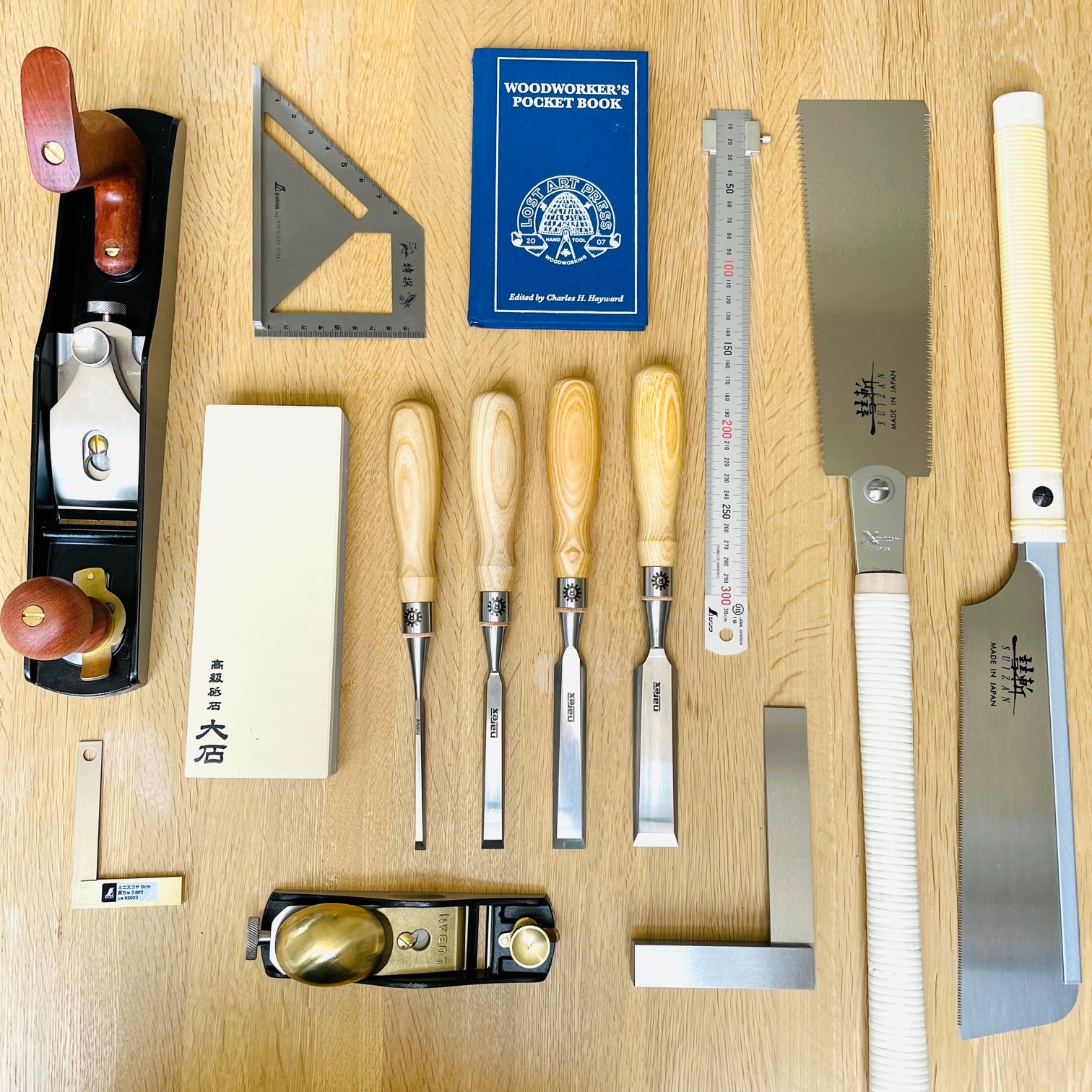
Where to Buy Premium Woodworking Hand Tools
Premium hand tools are best bought from the manufacturer or a specialist retailer with strong product knowledge. These sellers are more likely to stock replacement parts and explain differences between models.
Premium tools often cost more because of materials, machining, design, small-batch production, or quality control. Higher price does not remove the need to check fit, use, and maintenance.
Popular premium tool categories
Hand planes
A premium plane may offer careful machining, a strong adjustment system, and a well-made blade. It can be a good choice if you use a plane often and want reliable setup.
Before buying, check:
- Plane size and intended work
- Blade width
- Blade steel and replacement cost
- Adjustment style
- Sole design
- Body material
- Return policy
A smoother, jack plane, jointer plane, and block plane serve different jobs. A longer plane can help span a hollow board, while a shorter plane is easier to control on small parts.
Chisels
Good chisels should hold an edge and feel secure in the hand. Handle shape matters as much as steel for many users.
Check whether the chisels are designed for:
- Hand paring
- Light chopping
- Heavy mallet work
- Joinery
- Carving
Do not assume that every chisel can handle heavy striking. Some handles and tang designs suit gentle hand pressure, while others are made for repeated mallet use.
Hand saws
Choose the tooth pattern for the cut. A crosscut saw and a rip saw are not meant to cut wood in the same way.
Also check:
- Blade length
- Tooth size
- Tooth pitch
- Handle shape
- Replacement blade availability
- Whether the saw can be sharpened
A saw that feels good in the hand may still be wrong for your material or cut direction. Read the maker’s use guide before ordering.
Marking and measuring tools
A precise square or marking knife can improve every joint you make. These tools deserve careful buying because a small error can repeat across an entire project.
Check the square against a known straight edge. If you buy online, select a brand with a clear return policy. For expensive precision tools, look for documented accuracy claims and instructions for checking them.
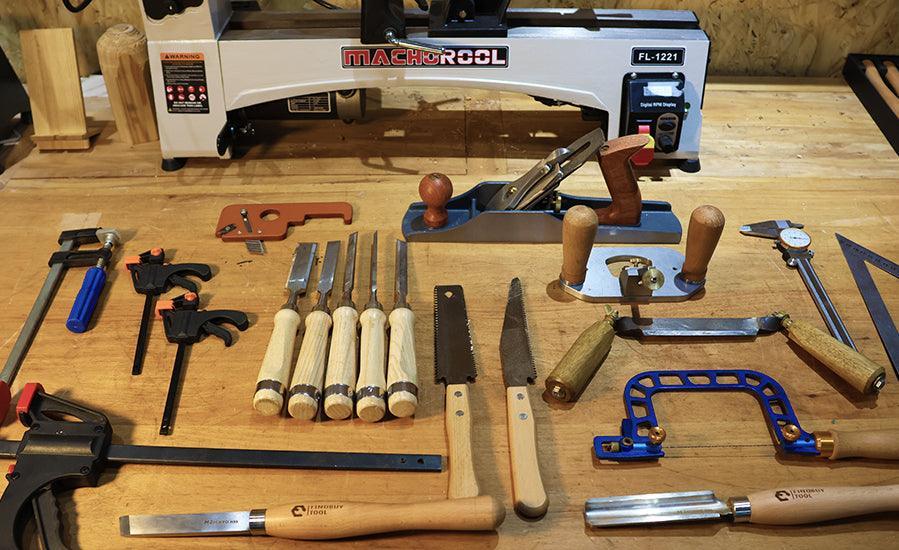
Where to Buy Used Woodworking Hand Tools
Used woodworking hand tools can offer strong value, especially for vintage planes, chisels, saws, vises, and braces. Buy from a seller who shows clear photos and describes defects.
Good sources in the United States include:
- Local tool dealers
- Woodworking club sales
- Estate sales
- Garage sales
- Antique tool shows
- Online auction sites
- Classified listings
- Reuse centers
- Community workshops
Used tools can be excellent. They can also hide problems that cost more to fix than a new tool.
What to inspect before buying
Planes
Look for:
- A cracked body
- A bent or badly worn lever
- Damaged threads
- Missing screws
- A badly pitted sole
- A cracked tote or knob
- A warped or deeply pitted iron
Light surface rust is often manageable. Deep pitting near the cutting edge can reduce the useful life of the blade.
Lay a straightedge along the sole if the seller permits it. A used plane does not need to look new, but its key parts must work together.
Chisels
Check for:
- Cracks in the handle
- A bent blade
- Severe edge damage
- Deep rust
- A badly mushroomed end
- A missing ferrule
- A blade that is too short after repeated grinding
A dark stain is not the same as structural damage. Focus on cracks, bends, and missing material.
Saws
Look for:
- A bent blade
- Broken teeth
- Heavy rust
- A loose handle
- Missing screws
- A blade that has been filed unevenly
Some saws can be sharpened and set. That work takes practice and the right files. Include those costs in the purchase price.
Use a simple used-tool cost calculation
A used tool is a good deal only when the total cost makes sense.
Total cost = purchase price + shipping + parts + abrasives + repair tools + your time
For example, a $25 plane may need a $20 replacement iron and several hours of cleanup. A $70 ready-to-use plane may be the better buy.
This is a planning estimate, not a fixed repair cost. The true cost depends on the tool’s condition and the work you can do yourself.
Questions to ask a used-tool seller
Ask:
- Is the tool complete?
- Are any parts cracked or bent?
- Does every adjustment work?
- Has the tool been repaired?
- Can you provide a photo of the sole, blade, and threads?
- What is the return policy?
- Is the price firm?
If the seller refuses basic condition questions, move on. There will be another tool.

How to Compare Online Woodworking Tool Sellers
Compare the seller, not just the tool price. A cheaper listing may become more expensive after shipping, missing parts, or a difficult return.
Use this checklist before ordering:
Confirm the exact model
Tool names can be similar. Check the full model number, size, handedness, blade type, and included parts.
This matters for replacement blades and accessories. A part that fits one model may not fit a revised model.
Check the seller
Look for:
- A clear business name
- A physical contact method
- A stated return policy
- Warranty information
- Accurate product photos
- Secure payment options
- Reviews that discuss the exact item
Do not rely on star ratings alone. Read reviews for comments about packaging, missing parts, condition, and support.
Review shipping and return costs
A hand tool may be heavy. Shipping can change the final price.
Check:
- Shipping charge
- Delivery estimate
- Return shipping responsibility
- Restocking fees
- Damage claims process
- Time limit for returns
Open the package soon after delivery. Inspect the tool before removing labels or changing the edge.
Buy from authorized dealers for warranty-sensitive tools
Some manufacturers limit warranty support to tools sold through approved channels. If warranty coverage matters, check the maker’s dealer list or contact the maker before buying.
This is especially useful for expensive planes, specialty saws, and tools with electronic or adjustable parts.

How Much Should You Spend on Woodworking Hand Tools?
Spend enough to get safe, usable tools with replacement support. Do not spend more simply because a tool has a premium label.
A simple budget plan looks like this:
| Budget level | Best approach | Suitable for |
|---|---|---|
| Low | Basic new tools plus carefully chosen used tools | Small repairs and early projects |
| Moderate | Better chisels, square, plane, and sharpening setup | Regular hobby work |
| High | Premium tools bought slowly as needs develop | Frequent and demanding use |
The most useful upgrade is often a good sharpening method. A costly chisel with a dull edge will not perform well. A modest chisel that is sharp and well supported can do useful work.
Spend more on tools that affect accuracy
Consider spending more on:
- Combination squares
- Marking gauges
- Marking knives
- Chisels used for fine joinery
- A plane you use often
- Sharpening stones or systems
You may save money on tools that do not need high precision, such as a rough-use mallet or a general-purpose clamp.
Avoid buying a full set by default
Large sets may include tools you rarely use. They can also make it harder to identify which tool is causing a problem.
Buy fewer tools, then add tools when a project shows a clear need. This keeps your budget focused and helps you learn each tool well.
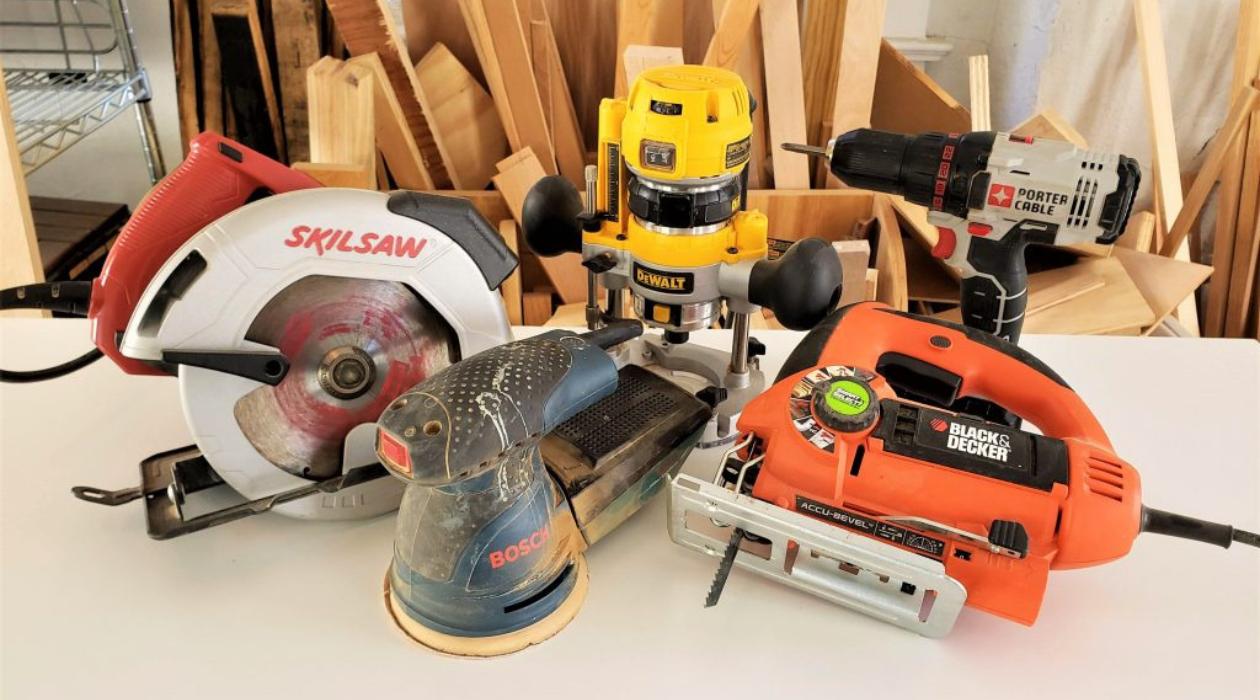
Common Mistakes When Buying Woodworking Hand Tools
The most common mistake is choosing by price alone. A low price does not show whether the tool is accurate, complete, comfortable, or supported.
Avoid these errors:
Buying a tool without a sharpening plan
Most cutting tools need maintenance. Before buying a plane iron, chisel, or saw, know how you will sharpen it.
Your plan may use water stones, oil stones, diamond plates, abrasive paper, or a guided system. Each method has different costs and care needs.
Ignoring hand size and grip
A tool can be well made and still feel wrong in your hand. If possible, hold chisels, saws, and marking tools before buying.
Poor grip can reduce control and cause fatigue. Stop using a tool that causes pain or numbness.
Assuming new means ready to use
Some tools need setup. A plane may need blade adjustment. A chisel may need honing. A saw may need tooth setting.
Read the instructions before cutting wood. Do not force a tool that binds or slips.
Buying counterfeit or mismatched parts
Use the exact model number when ordering replacement blades and hardware. Avoid listings that use brand names but show a different product in the photos.
When a price looks unusual, compare it with the manufacturer and two established sellers. Treat the difference as a reason to verify, not as proof of a bargain.
Forgetting safe use
Wear eye protection when chips may fly. Keep cutting edges controlled and store them so they cannot contact your hand. Secure the workpiece before planing, chiseling, or sawing.
Use a sharp tool with controlled force. A dull edge often needs more force and may slip.
A Simple Buying Process for Any Woodworking Hand Tool
Use this process before you buy:
- Name the task. Decide what cut, joint, repair, or surface you need to make.
- Choose the tool type. Confirm that a hand plane, chisel, saw, or marking tool is the right solution.
- Set a total budget. Include shipping, sharpening supplies, replacement parts, and repair work.
- Compare two or three sellers. Check the exact model and the seller’s return terms.
- Inspect the tool. Look at fit, finish, moving parts, edge condition, and included parts.
- Test safely. Check adjustment and stability before using the tool on a valuable project.
- Keep the receipt and product details. You may need them for returns or replacement parts.
Success means the tool performs its intended task, stays under control, and can be maintained at a reasonable cost.
If the tool fails, stop using it. Check for missing parts, incorrect setup, damage, or a wrong model. Contact the seller before modifying the tool, since filing, grinding, or sharpening may affect a return.
Frequently Asked Questions
Is it better to buy woodworking tools online or in person?
Buy in person when fit, balance, or condition matters. This is useful for used planes, chisels, saws, and squares. Buy online when you need a specific model, replacement part, or wider selection. Choose a seller with clear product details and returns.
Are vintage woodworking tools worth buying?
They can be, especially when the tool is complete and repair costs are low. Check for cracks, bends, missing parts, deep pitting, and damaged threads. Compare the full repair cost with the price of a usable new tool.
What woodworking tools should I buy first?
Start with measuring and marking tools, a saw, chisels, a plane suited to your work, clamps, and a sharpening method. Add tools when a project requires them.
Should beginners buy expensive woodworking hand tools?
Not usually. Beginners should buy reliable tools that fit their work and budget. Spend more on tools that affect accuracy or that you will use often. Learn setup and sharpening before buying premium versions.
How can I avoid fake woodworking tools online?
Check the exact model number, seller identity, product photos, warranty terms, and normal retail price. Buy from the maker or an authorized dealer when possible. Be cautious with unusually low prices and vague listings.
Conclusion
The best place to buy woodworking hand tools depends on the tool and your level of experience. Use local hardware stores for basic items, specialty woodworking retailers for precision tools, manufacturer websites for specific models and parts, and used-tool sellers for value.
Start with the next project in mind. Compare the full cost, inspect the tool, confirm the return policy, and plan for sharpening. A small set of well-chosen tools will serve you better than a large set bought without a clear purpose.
Recent Tool Guides
 Hammer
How To Hammer Flowers Onto Paper: Easy Guide
Learn how to hammer flowers onto paper with simple steps, helpful tips, and beautiful results for...
Read Guide → Wrench
How To Use A Hex Wrench: Easy Step-By-Step Guide
Learn how to use a hex wrench correctly with simple steps, helpful tips, and common mistakes...
Read Guide → Hacksaw
How To Cut Curtain Pole With Hacksaw: Easy Guide
Learn how to cut curtain pole with hacksaw safely and neatly. Follow simple steps for accurate...
Read Guide → Wrench
How To Use A Husky Torque Wrench: Easy Guide
Learn how to use a Husky torque wrench correctly with simple steps, torque settings, and safety...
Read Guide → Hammer
How To Hold A Hammer: Safe Grip Guide
Learn how to hold a hammer with the right grip, stance, and technique for safer, more...
Read Guide → Hacksaw
How To Cut Flexible Metal Conduit With Hacksaw: Easy Guide
Learn how to cut flexible metal conduit with hacksaw safely and cleanly. Follow simple steps for...
Read Guide →