

Disinfect hand tools by cleaning off debris first, then using a proper disinfectant with enough contact time.
Keeping hand tools clean is one thing. Knowing how to disinfect hand tools the right way is another. If you work in a shop, garden, workshop, or job site, this matters more than most people think. I’ve seen perfectly good tools spread rust, grime, and even plant disease simply because they were wiped off too quickly and put away wet.
Why disinfect hand tools matters
Disinfecting hand tools is about more than appearance. It helps reduce the spread of bacteria, fungi, plant pathogens, and germs from one surface, plant, or person to another. That matters in gardening, woodworking, home repair, salons, medical settings, and any place where tools touch skin, soil, sap, or organic material.
In my experience, the biggest mistake is assuming a tool looks clean just because it is not dirty. A shiny tool can still carry contamination in small grooves, joints, and blades. If you disinfect hand tools properly, you protect the tool, the task, and the person using it.
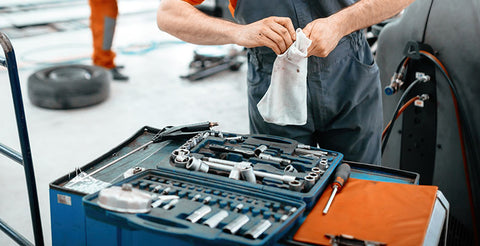
What does it mean to disinfect hand tools?
To disinfect hand tools means to kill or reduce harmful microorganisms on the tool’s surface after cleaning. Cleaning removes dirt, grease, and residue. Disinfection comes after that and targets germs that can stay behind even when the tool looks spotless.
This step is important because disinfectants do not work well on dirty surfaces. A film of oil or soil can block the disinfecting agent. That is why the process is always: clean first, disinfect second, then dry.
When you should disinfect hand tools
You should disinfect hand tools any time there is a chance of cross-contamination. That includes tools used on plants, on skin, around bodily fluids, or in shared workspaces. It is also smart to disinfect after using tools on sick plants or after borrowing tools from someone else.
Common situations include:
- Garden shears used on diseased plants
- Pruners used on multiple trees or shrubs
- Nail tools, tweezers, or grooming tools shared between people
- Workshop tools that touch sticky resin, mold, or wet materials
- Job site tools passed between crews
I learned this the hard way with pruning tools. One season, I skipped disinfection between plants and ended up moving a fungal issue across part of a hedge. It was a small mistake with a big cleanup.
What you need before you start
Before you disinfect hand tools, gather the right supplies. You do not need anything fancy, but you do need the right order and the right product.
Have these items ready:
- Warm water
- Dish soap or a mild cleaner
- A stiff brush or nylon scrub pad
- Clean rags or paper towels
- A disinfectant
- Gloves if the disinfectant is harsh
- A dry storage area
Good disinfectants for hand tools include 70% isopropyl alcohol, diluted bleach solutions when appropriate, hydrogen peroxide-based cleaners, or commercial disinfectants labeled for tool use. Always follow the label directions, since contact time matters.
How to disinfect hand tools step by step
The safest way to disinfect hand tools is to follow a simple process. Rushing through it usually leads to poor results.
1. Remove visible dirt and residue
Start by wiping off soil, sap, grease, or dust. Use soap and water for general cleaning. If the tool has a lot of buildup, scrub the joints, edges, and handles carefully.
This step matters because disinfectant works best on a clean surface. Think of it like trying to paint over mud. The cleaner the surface, the better the result.
2. Wash the tool thoroughly
Use warm water and soap to clean all surfaces. Pay close attention to grooves, hinges, blades, and textured grips. Rinse well so no soap film is left behind.
If the tool has wooden handles, do not soak it for long periods. Too much water can swell the wood and shorten the tool’s life. I usually wipe wooden parts instead of dunking them.
3. Apply the disinfectant
Once the tool is clean and reasonably dry, apply the disinfectant. Make sure every surface that contacts skin, plants, or materials is covered. This can mean spraying, wiping, or soaking, depending on the product and the tool.
Use the product exactly as directed. Some tools need to sit wet for several minutes to be fully disinfected. That waiting period is called contact time, and skipping it is one of the most common errors.
4. Keep the surface wet for the full contact time
This is the part people often miss. If the disinfectant dries too soon, it may not do the job. Leave the tool wet for the full time listed on the label.
For example, alcohol may evaporate quickly, so you may need to reapply it to keep the surface wet. Bleach solutions also need careful handling because they can lose strength over time. Fresh solution works better than old solution.
5. Rinse if needed
Some disinfectants should be rinsed off after use, especially if the tool will touch food, skin, or sensitive surfaces. Others can air dry. Read the label and do not guess.
If you use bleach on metal tools, a light rinse with clean water can help reduce corrosion. I’ve found that a quick rinse and thorough drying can save a tool from rusting after repeated disinfecting.
6. Dry the tool completely
Drying is not optional. Moisture left on metal tools can lead to rust, and trapped water in joints can cause damage. Use a clean cloth or let the tool air dry fully before storing it.
For pruning tools and hand pruners, I like to open and close the blades a few times after drying so I know no water is hiding in the hinge. A tiny bit of moisture can become a big problem later.
7. Store the tool in a clean place
Once the tool is disinfected and dry, store it somewhere clean and dry. A dusty shelf or damp shed can undo your work fast. A proper storage routine helps keep the tool ready for the next use.
Best disinfectants for hand tools
Different tools need different disinfectants. The best choice depends on the material, the risk level, and the type of contamination. Not every disinfectant is safe for every tool.
Common options include:
- 70% isopropyl alcohol, which is useful for many small hand tools and quick disinfection
- Diluted bleach solution, which can be effective but may corrode metal if used carelessly
- Hydrogen peroxide-based disinfectants, which are often gentler on some materials
- Quaternary ammonium products, which are used in some professional settings
- Commercial tool disinfectants, which are designed for specific industries
For most home and garden users, alcohol and approved commercial products are often the easiest to manage. Bleach can work well too, but it needs careful mixing, fresh solution, and prompt drying.
What not to do when disinfecting hand tools
A lot of tool damage comes from simple mistakes. I see these often, especially when someone is trying to move fast.
Avoid these errors:
- Do not disinfect dirty tools
- Do not mix disinfectants
- Do not skip contact time
- Do not soak tools longer than needed unless the label allows it
- Do not store tools while they are still wet
- Do not use harsh chemicals on tools with delicate finishes unless the product is safe for them
- Do not assume one quick wipe is enough
One mistake I made early on was overusing bleach on a favorite pair of pruners. They worked fine at first, but the finish started to suffer. That taught me to match the product to the tool instead of reaching for the strongest option.
How to disinfect hand tools without causing damage
You want the tool clean, but you also want it to last. The trick is to use the mildest effective method for the job. That means cleaning first, using the right disinfectant, and drying carefully.
A few smart habits help:
- Wipe metal parts dry immediately after disinfecting
- Oil moving parts lightly if the tool manufacturer recommends it
- Test a disinfectant on a small area if the tool has a special coating
- Use plastic or stainless steel tools when frequent disinfection is part of the routine
- Store tools away from moisture and chemicals
This balance is important. Disinfection should protect your work, not slowly destroy the tool you rely on.
Special tips for garden and pruning tools
Garden tools deserve extra care because they can spread plant disease from one branch or bed to another. If you are cutting diseased tissue, disinfect hand tools between cuts or between plants when needed. That can help reduce the spread of fungal spores, bacteria, and viruses.
Good gardening habits include:
- Removing sap and soil after each use
- Disinfecting pruners after cutting diseased material
- Keeping a small bottle of alcohol handy in the garden
- Using separate tools for healthy and infected plants when possible
- Sharpening tools often so clean cuts heal better
I’ve found that gardeners who build disinfection into their routine have fewer problems later. It takes less time than fixing a spread-out disease issue.
Special tips for workshop and home repair tools
Workshop tools may not need the same level of disinfection as medical or garden tools, but they still benefit from cleaning and disinfecting. Shared tools, especially in garages or job sites, can carry grime, oil, and germs from one person to another.
Focus on:
- Handles, grips, and trigger areas
- Measuring tools used by multiple people
- Cutting tools with exposed blades
- Any tool used in damp, mold-prone areas
For these tools, a clean wipe with the right disinfectant is often enough. Just be careful around electrical parts, batteries, and sensitive coatings.
How often should you disinfect hand tools?
How often you disinfect hand tools depends on how and where they are used. In a garden or shared workspace, disinfecting after each use may be best. In lower-risk home settings, regular cleaning plus periodic disinfection may be enough.
A simple rule works well:
- After contact with sick plants, body fluids, or contaminated surfaces, disinfect right away
- After shared use, disinfect before passing the tool to someone else
- For personal tools, disinfect on a schedule based on use and exposure
If you are unsure, disinfect more often rather than less. It is easier to prevent contamination than to clean up after it.
Simple routine you can follow every time
A repeatable routine makes the job easy. Here is the method I recommend for most hand tools:
- Brush off dirt and debris
- Wash with soap and water
- Rinse and wipe dry
- Apply the right disinfectant
- Keep the surface wet for the recommended time
- Rinse if required
- Dry fully
- Store clean and dry
This routine is simple enough to remember and strong enough to work. Once it becomes a habit, disinfecting hand tools feels as normal as putting them away.
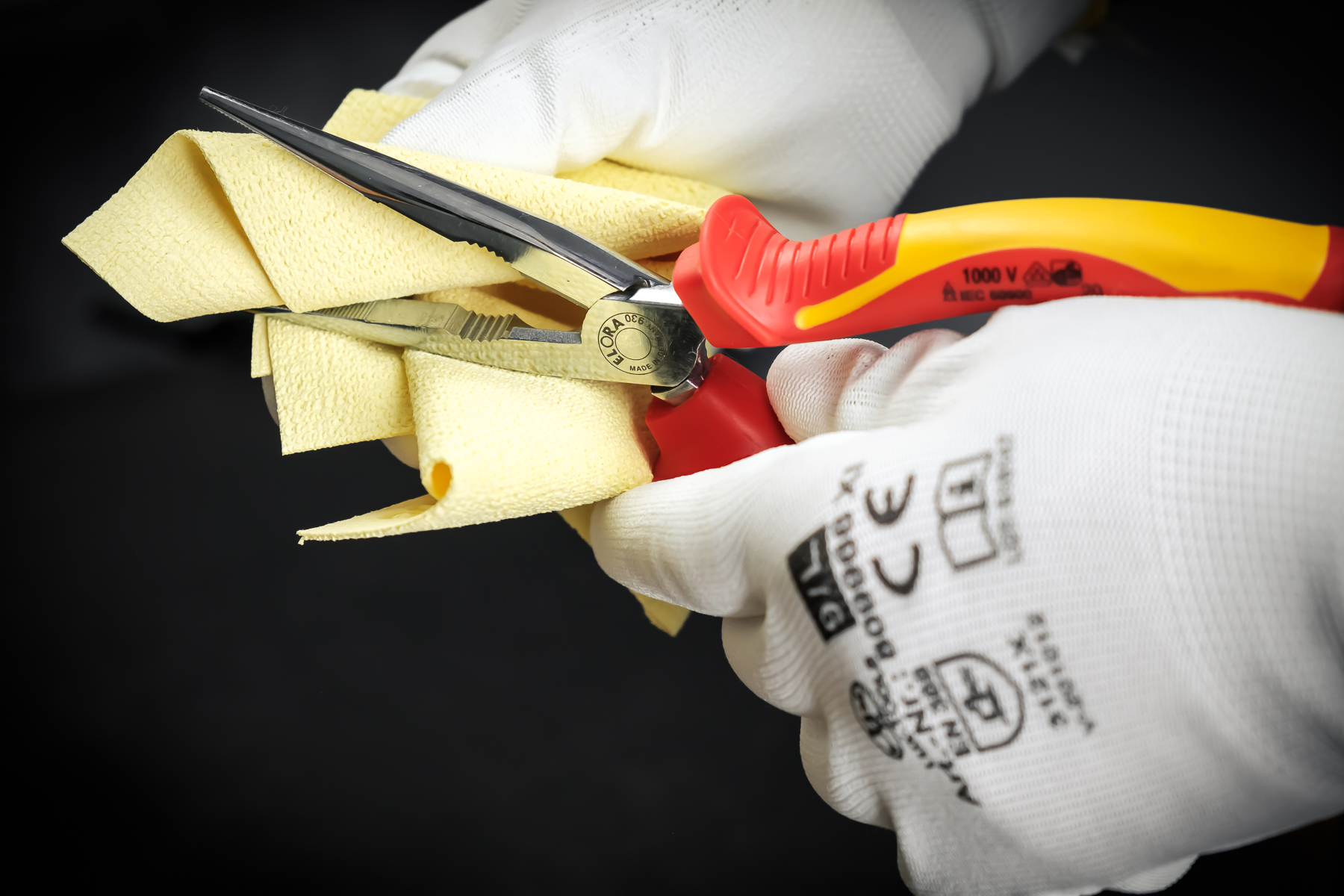
Frequently Asked Questions of how to disinfect hand tools
What is the easiest way to disinfect hand tools?
The easiest method is to clean the tool first, then wipe or spray it with a suitable disinfectant like 70% isopropyl alcohol. Keep the surface wet for the full contact time, then dry it completely.
Can I use bleach to disinfect hand tools?
Yes, bleach can disinfect some hand tools if it is properly diluted and used carefully. It can also corrode metal, so rinse and dry the tool well afterward if the product label allows rinsing.
Do I need to disinfect hand tools after every use?
Not always, but you should disinfect after use on sick plants, shared tools, or anything contaminated with bodily fluids or heavy grime. For personal tools in low-risk settings, regular cleaning plus occasional disinfection may be enough.
Is alcohol or bleach better for disinfecting hand tools?
Alcohol is often easier for small hand tools because it is quick and less messy. Bleach can be effective too, but it is harsher on metal and must be mixed and used correctly.
How do I disinfect wooden-handled hand tools?
Wipe wooden handles with a damp cloth and a safe disinfectant instead of soaking them. Too much liquid can damage the wood, so dry them right away after cleaning.
Why is contact time important when disinfecting hand tools?
Contact time is the amount of time the disinfectant must stay wet on the tool to work properly. If you wipe it off too soon or let it dry too fast, the disinfectant may not fully kill germs.
Conclusion
Knowing how to disinfect hand tools the right way helps protect your work, your health, and the life of the tool itself. The process is simple: clean first, disinfect with the right product, wait for proper contact time, and dry everything completely. When you build this into your routine, you cut down on contamination and avoid a lot of preventable problems.
The best part is that this habit does not take much time once you get used to it. Start with one tool set today, follow the steps above, and make disinfection part of your normal cleanup. If you want, save this guide, share it, or leave a comment with the tools you disinfect most often.
