

A mini hacksaw is used to make precise cuts through small metal, plastic, wood, and other thin materials.
If you need to cut a bolt, pipe, screw, wire, or narrow piece of trim in a tight space, a mini hacksaw can be the right tool. This guide explains what is a mini hacksaw used for, how it works, which materials it cuts best, and how to use it safely and effectively.
What Is a Mini Hacksaw?
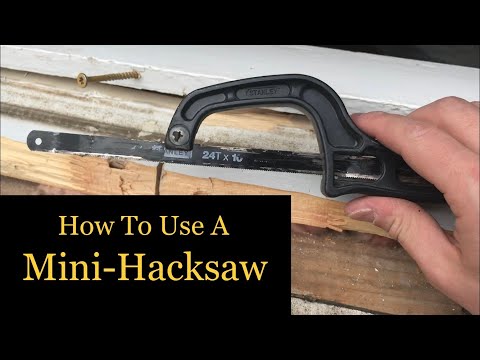
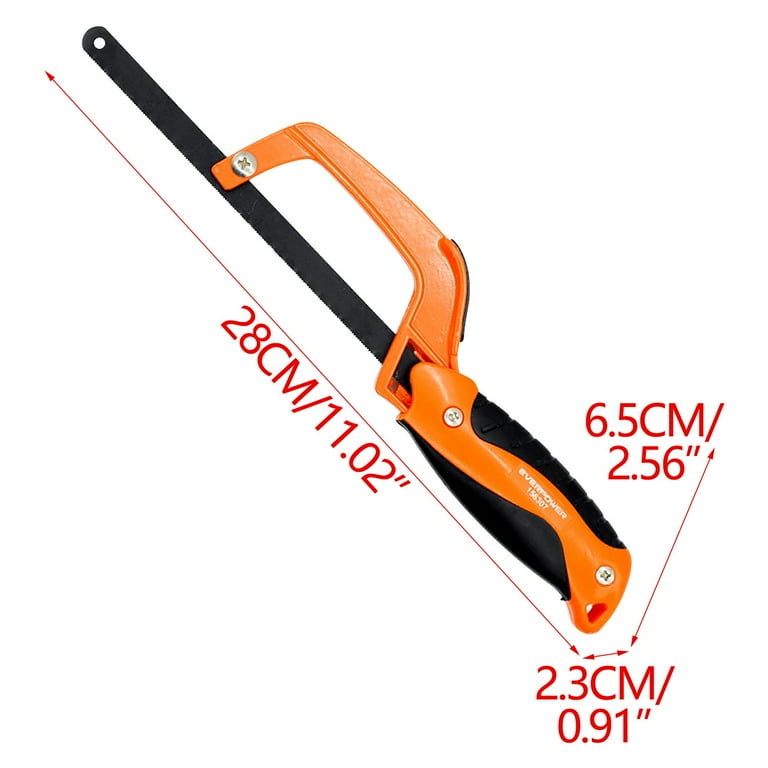
A mini hacksaw is a small hand saw with a narrow, fine-toothed blade held in a compact metal or plastic frame. It works much like a full-size hacksaw, but its smaller design gives you better control in tight areas.
Most mini hacksaws have a blade that is about 6 to 12 inches long. Some models use a simple straight handle, while others have a C-shaped frame or a pistol-style grip. The blade may be fixed in place or adjustable for different lengths.
The answer to what is a mini hacksaw used for depends on the blade and frame design. In general, it is made for light cutting jobs where a standard hacksaw is too large, too heavy, or hard to control.
Common parts include:
• Frame: Holds the blade under tension.
• Blade: Uses small teeth to remove material with each stroke.
• Handle: Gives you a firm and safe grip.
• Tension system: Keeps the blade straight during a cut.
A mini hacksaw is not a power tool. It depends on steady hand pressure and repeated forward strokes. Think of it as a small, controlled version of a metal-cutting saw.

What Is a Mini Hacksaw Used For?
A mini hacksaw is used for cutting small, thin, or hard-to-reach materials. Its compact size makes it useful for repair work, home improvement, plumbing, electrical jobs, crafts, and light maintenance.
Here are the most common uses:
Cutting Metal
A mini hacksaw can cut many small metal items, such as:
• Bolts and threaded rods
• Screws and nails
• Aluminum strips
• Copper tubing
• Steel brackets
• Metal mesh
• Small chains
• Thin sheet metal
It works best on metal that is narrow enough to fit inside the frame. For example, you may use one to shorten a bolt that sticks out too far from a nut.
Cutting Plastic Pipe
Many people use a mini hacksaw to cut PVC, CPVC, ABS, and other plastic pipes. The fine teeth create a clean cut when you guide the saw slowly.
A mini hacksaw is helpful under sinks or inside cabinets because the frame takes up less room than a full-size saw. After cutting plastic pipe, remove burrs with sandpaper or a utility knife.
Cutting Wood and Trim
A mini hacksaw can cut thin wood, plastic trim, laminate strips, and small molding pieces. However, it is not the best choice for thick lumber.
Its fine teeth may leave a smooth edge on small pieces. For larger wood cuts, use a handsaw, backsaw, or power saw designed for wood.
Cutting Wire and Cable
A mini hacksaw can cut some heavy wire, cable armor, and thin metal conduit. It is useful when regular wire cutters cannot handle the material.
Always confirm that the wire is not live before cutting. A hacksaw does not provide electrical protection, and contact with energized wiring can cause serious injury.
Cutting Tile and Craft Materials
With the right blade, a mini hacksaw may cut thin plastic, fiberglass, foam board, or some craft materials. It can also help with small hobby projects and model work.
The blade must match the material. A coarse blade may crack plastic, while a fine blade may clog when used on soft material.

Why Use a Mini Hacksaw Instead of a Regular Hacksaw?
The main benefit of a mini hacksaw is control. Its short frame lets you work in places where a full-size hacksaw cannot move freely.
A mini hacksaw is often better when:
• The work area is narrow.
• The material is small.
• You need a short, accurate cut.
• You want a lightweight hand tool.
• You need to cut close to a wall or fitting.
• You are working on a small repair.
A full-size hacksaw gives you more cutting depth and a longer stroke. It is usually faster for thick metal or repeated cuts. A mini hacksaw gives you better access, but the work may take more time.
One common mistake is expecting a mini hacksaw to perform like a heavy-duty metal saw. It is a precision tool for light work, not a replacement for an angle grinder, reciprocating saw, or full-size hacksaw.

What Materials Can a Mini Hacksaw Cut?
The blade type determines what a mini hacksaw can cut. Hacksaw blades are often described by teeth per inch, or TPI. Fine blades have more teeth per inch, while coarse blades have fewer.
Metal
Use a blade made for metal. A blade with about 18 to 32 TPI works well for many small metal jobs.
Fine teeth are useful for thin metal because they reduce the chance of catching or bending the material. Coarser teeth can work better on thicker metal.
Plastic
Use a sharp fine-tooth blade for PVC and similar plastics. Move the blade at a steady speed. Too much pressure can crack the pipe or cause a rough edge.
Wood
A mini hacksaw can cut thin wood, but a wood saw is usually more efficient. If you use a mini hacksaw, choose a blade with larger teeth and support the work well.
Aluminum and Copper
Soft metals such as aluminum and copper are easy to cut, but they can clog the teeth. Clean the blade often and avoid forcing it through the material.
Stainless Steel
Stainless steel is harder than ordinary mild steel. It can be cut with a quality bi-metal blade, but the process may be slow. Use light pressure and keep the blade straight.
How to Choose the Right Mini Hacksaw Blade
Choosing the right blade makes the cut cleaner and reduces the risk of breaking teeth. Look at the material, thickness, and shape before starting.
Consider these features:
• Teeth per inch: Fine teeth suit thin metal and plastic. Coarser teeth suit thicker materials.
• Blade material: Carbon steel blades are affordable. Bi-metal blades are more durable and flexible.
• Blade length: The blade must fit the frame and provide enough stroke length.
• Tension: A tight blade cuts straighter and is less likely to buckle.
• Replaceability: Choose a model with easy-to-find replacement blades.
For thin sheet metal, use a fine-tooth blade. For a small steel rod, choose a medium-tooth blade. For soft plastic, use a sharp blade that will not melt or tear the surface.
A worn blade creates more heat and requires more force. Replacing the blade is often safer and faster than trying to finish a difficult cut with dull teeth.

How to Use a Mini Hacksaw Correctly
Using a mini hacksaw is simple, but good technique improves both safety and accuracy.
Mark the cut line clearly. Use a pencil, marker, or scribe that is suitable for the material.
Secure the workpiece. Use a vise or clamp so the material cannot move.
Check the blade direction. Most hacksaw blades cut on the forward stroke, so the teeth should point away from the handle.
Start with short strokes. Create a shallow groove on the cut line before using longer strokes.
Keep the blade straight. Twisting the frame can bend or break the blade.
Use light pressure. Let the teeth do the cutting instead of pushing hard.
Use the full blade length when possible. This helps spread wear across the teeth.
Slow down near the end. Thin material can bend or tear as the cut breaks through.
Smooth the edge. Remove sharp burrs with a file or fine sandpaper.
A useful workshop lesson is to avoid rushing the first few strokes. A crooked starting groove can guide the blade away from the marked line. Take a few slow strokes at the start, and the rest of the cut will usually be much easier.

Safety Tips for Using a Mini Hacksaw
A mini hacksaw is simple, but its blade is sharp and can cause cuts or punctures. Basic safety habits matter.
Follow these practices:
• Wear safety glasses to protect your eyes from metal chips and broken teeth.
• Wear work gloves when handling rough materials, but keep gloves away from moving blades.
• Clamp the material securely.
• Keep your free hand behind the blade path.
• Inspect the blade before use.
• Replace blades with missing, bent, or damaged teeth.
• Do not use a hacksaw on energized electrical wiring.
• Keep the cutting path away from your body.
• Store the tool with the blade protected when possible.
Do not hold a small object in your hand while sawing it. This is one of the most common mistakes with compact hand tools. Even a short blade can slip and cut fingers quickly.
When cutting metal, small chips may be sharp. Clean the work area with a brush rather than bare hands.

Mini Hacksaw Limitations
Knowing what is a mini hacksaw used for also means knowing what it is not designed to do. A mini hacksaw is best for light cutting, not heavy production work.
Its main limitations include:
• Slow cutting through thick metal
• Limited cutting depth
• Short blade travel
• Greater effort on hard materials
• Possible blade bending under heavy pressure
• Less efficient performance on large wood pieces
• Difficulty making long, perfectly straight cuts
For thick steel plate, large pipe, or repeated cuts, use a full-size hacksaw or a suitable power tool. For masonry, concrete, and thick tile, use a tool with a blade designed for those materials.
Using the wrong tool can damage the blade, ruin the workpiece, or cause injury. The best tool is not always the strongest one. It is the tool that matches the size, shape, and material of the job.

Mini Hacksaw vs. Junior Hacksaw
The terms mini hacksaw and junior hacksaw are sometimes used for similar tools, but they are not always identical.
A mini hacksaw usually has a very compact frame and may use a short blade. It is designed for small cuts and tight spaces.
A junior hacksaw often has a small C-shaped frame with a handle at one end. It may accept a longer blade and offer more support than a simple mini hacksaw.
Both tools can cut small metal, plastic, and thin materials. Before buying replacement blades, check the blade length and mounting style because the two designs may not use the same parts.
How to Maintain a Mini Hacksaw
Proper care helps the frame and blade last longer. Maintenance is quick and does not require special equipment.
• Wipe metal dust from the frame after use.
• Keep the blade dry to reduce rust.
• Store the tool in a dry place.
• Release blade tension during long-term storage if the manufacturer recommends it.
• Check screws, pins, and tension parts for looseness.
• Replace damaged blades instead of trying to straighten them.
• Lightly clean resin or plastic buildup from the teeth.
Do not apply heavy oil to the blade before cutting. Oil can attract dust and make the handle slippery. If rust appears, replace the blade when the damage affects the teeth or blade strength.
Common Mistakes to Avoid
Many poor cuts come from technique rather than tool quality. Avoid these common errors:
Pressing Too Hard
Heavy pressure can bend the blade, damage the teeth, and make the cut wander. Use moderate pressure on the forward stroke and reduce pressure on the return stroke.
Using the Wrong Blade
A coarse blade may tear thin sheet metal. A fine blade may clog or wear quickly in thick material. Match the TPI to the material thickness.
Failing to Secure the Work
A moving pipe or bolt makes accurate cutting almost impossible. It can also cause the blade to slip.
Cutting Too Fast
Fast strokes create heat and wear the teeth. Slow, even strokes usually produce a cleaner cut.
Ignoring Burrs
Freshly cut metal can have razor-sharp edges. Always file or sand the cut edge before handling the part.
Frequently Asked Questions About What Is a Mini Hacksaw Used For
What is a mini hacksaw used for?
A mini hacksaw is used to cut small metal, plastic, wood, wire, pipe, bolts, screws, and thin trim. Its compact size makes it useful in tight spaces and for light repair work.
Can a mini hacksaw cut steel?
Yes, a mini hacksaw can cut thin or small pieces of steel when fitted with a suitable metal-cutting blade. Cutting thick or hardened steel may take a long time and may require a full-size hacksaw or power tool.
Can a mini hacksaw cut PVC pipe?
Yes, a mini hacksaw can cut PVC, CPVC, and some ABS pipe. Use a sharp fine-tooth blade, secure the pipe, and smooth the cut edge after sawing.
Is a mini hacksaw better than a utility knife?
A mini hacksaw is better for metal, rigid plastic, pipe, and other hard materials. A utility knife is better for thin cardboard, flexible plastic, insulation, and soft sheet materials.
Which way should the teeth face on a mini hacksaw?
The teeth should usually face away from the handle because most hacksaw blades cut on the forward stroke. Check the tool instructions if your model has a different blade design.
Can a mini hacksaw cut wood?
It can cut thin wood and small trim pieces, but a wood saw usually cuts faster and more cleanly. Use a blade with suitable teeth and support the wood to prevent splintering.
How do you keep a mini hacksaw from slipping?
Start with short strokes to form a groove, keep the blade straight, and clamp the workpiece firmly. Avoid excessive pressure, which can make the blade jump out of the groove.
Conclusion
A mini hacksaw is a compact cutting tool for small jobs involving metal, plastic, pipe, wire, thin wood, and trim. It is especially useful when space is limited and you need more control than a larger saw can provide.
Choose the right blade, secure the material, use steady strokes, and wear eye protection. With these simple habits, a mini hacksaw can become a dependable part of your home repair or workshop toolkit. Explore more hand-tool guides, compare blade types, and share your own mini hacksaw tips in the comments.
