

A hacksaw cuts metal, plastic, pipe, bolts, hardware, and other tough materials with control.
Knowing what to use a hacksaw for helps you choose the right tool, blade, and cutting method. This simple hand saw remains useful in home repairs, plumbing, workshops, and construction because it is low-cost, portable, and precise. With the right technique, you can make clean cuts without power tools.
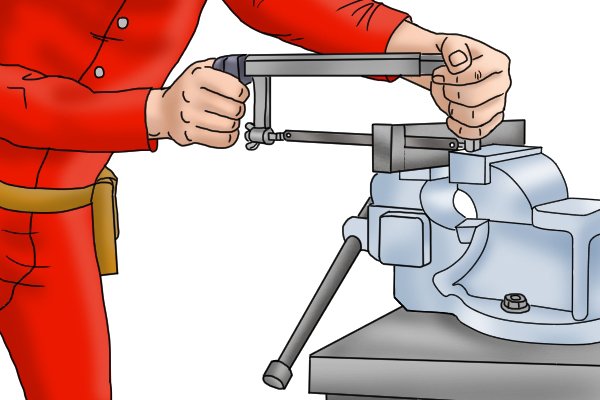
What to Use a Hacksaw For
A hacksaw is a hand tool made for cutting hard materials. It has a metal frame and a thin, replaceable blade with small teeth. Most hacksaws use a 12-inch blade, though smaller versions are available for tight spaces.
The main answer to what to use a hacksaw for is cutting metal and other rigid materials that are too hard for a regular wood saw. Common uses include:
• Cutting steel rods, bolts, screws, nails, and threaded rod
• Trimming copper, brass, aluminum, and steel pipe
• Cutting plastic pipe and conduit
• Shortening metal brackets, angle iron, and small tubing
• Removing damaged fasteners
• Cutting wire mesh and hardware cloth
• Making small cuts in PVC and ABS plumbing parts
A hacksaw is best for jobs that need control rather than speed. It works like a small hand-powered file with teeth. Each stroke removes a little material, so you can follow a marked line with care.

Materials You Can Cut With a Hacksaw
Understanding what to use a hacksaw for starts with knowing which materials it can handle. The blade matters as much as the saw frame. A poor blade can make an easy job slow, rough, and frustrating.
Metal
Hacksaws are often used for light and medium metal work. They can cut:
• Mild steel
• Stainless steel
• Aluminum
• Copper
• Brass
• Sheet metal
• Steel cable, when the blade is suitable
• Threaded rod
• Small steel tubing
A hacksaw can cut metal pipe, but thick steel takes time. For large structural steel, a reciprocating saw, angle grinder, or band saw may be a better choice.
Plastic and PVC
A hacksaw can cut many types of plastic pipe. Plumbers often use one to cut PVC, CPVC, ABS, and some plastic conduit.
The cut may leave rough edges. After cutting, remove burrs with a utility knife, deburring tool, or fine sandpaper. Smooth edges help pipe fittings seat correctly.
Wood
A hacksaw is not designed for wood. Its fine teeth may cut thin wood or plastic trim in an emergency, but the result is usually slow and uneven. Use a wood saw for boards, framing lumber, and other wood projects.
Ceramic, Glass, and Masonry
A standard hacksaw blade is not suitable for ceramic tile, glass, brick, or concrete. These materials need special abrasive or diamond tools. Using the wrong blade may damage the material or cause the blade to break.
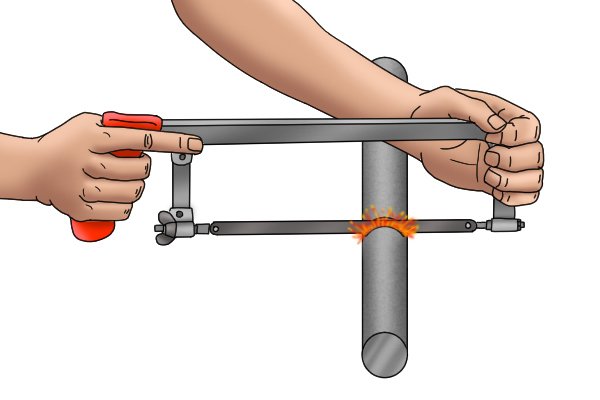
Common Jobs for a Hacksaw
The best way to understand what to use a hacksaw for is to look at everyday repair jobs. Many of these tasks take only a few minutes when the saw is set up correctly.
Cutting a Bolt or Threaded Rod
A hacksaw can shorten a bolt that is too long or cut threaded rod for a shelf, hanger, or repair bracket. Thread the nut onto the bolt before cutting. After the cut, unscrew the nut to help restore damaged threads at the end.
Mark the cut with a permanent marker or wrap masking tape around the bolt. Hold the bolt firmly in a vise. Use steady strokes and let the blade do the work.
Cutting Metal Pipe
A hacksaw can cut copper, steel, and some aluminum pipe. This is useful for plumbing repairs, small frames, and workshop projects.
Secure the pipe before cutting. If the pipe moves, the blade may bind and produce a crooked cut. Afterward, remove the burrs from the inside and outside edges.
Trimming Plastic Pipe
When replacing a short section of PVC or ABS pipe, a hacksaw can make a clean cut. Mark the pipe all around, then cut slowly while keeping the blade square.
A crooked cut can leave a gap inside a fitting. That gap may weaken the joint or prevent a proper seal. A pipe cutter can be faster for some plastic and copper pipe, but a hacksaw remains useful when space is limited.
Removing a Stripped Screw or Bolt
A hacksaw can cut a slot into the head of a damaged screw. You can then use a flathead screwdriver to turn it.
This method requires care. Protect the nearby surface with tape, keep the blade straight, and make the slot deep enough for the screwdriver. Stop if the metal begins to bend or the head becomes too thin.
Cutting Brackets and Hardware
Small metal brackets, shelf supports, hooks, hinges, and mounting plates are common hacksaw jobs. The saw gives you more control than a power tool, especially when the part is already installed.
For a cleaner cut, clamp the part near the cutting line. Support the waste side so it does not twist during the final strokes.
Cutting Wire Mesh
A fine-tooth hacksaw blade can cut some wire mesh, screen, and hardware cloth. Wear gloves because cut wire can leave sharp points.
For thick fencing or repeated cuts, aviation snips, bolt cutters, or a powered tool may save time. A hacksaw is better for occasional cuts or small repairs.
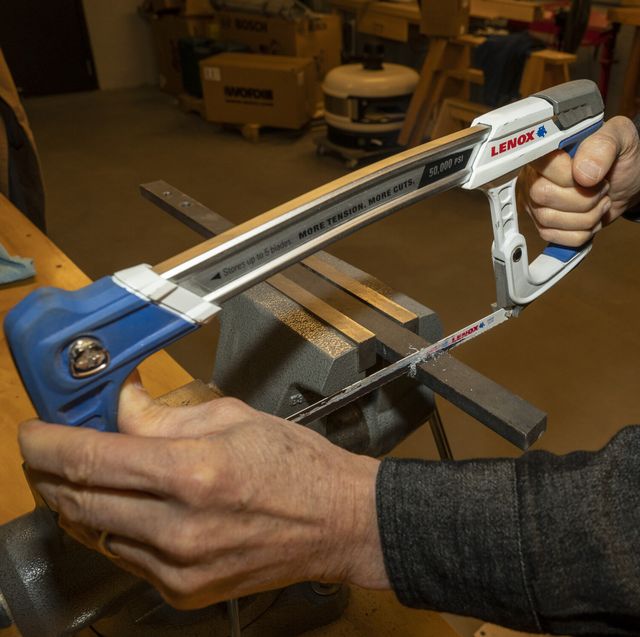
Choosing the Right Hacksaw Blade
Blade choice is a key part of what to use a hacksaw for. Hacksaw blades are rated by teeth per inch, often called TPI.
Blade Teeth per Inch
Common blade sizes include:
• 14 TPI for thicker metal and larger cuts
• 18 TPI for general-purpose metal work
• 24 TPI for thin metal and tubing
• 32 TPI for thin sheet metal, small tubing, and fine cuts
Use a blade with at least three teeth touching the material at one time. If too few teeth contact the work, the blade can snag. If the teeth are too fine, the cut may be slow and the teeth may fill with material.
Blade Materials
Hacksaw blades may use different materials and designs:
• Carbon steel blades are low-cost and suitable for light work.
• High-speed steel blades resist heat and wear better.
• Bi-metal blades combine flexible backing with hard cutting teeth.
For general home repairs, an 18 or 24 TPI bi-metal blade is a useful choice. It handles many small metal and plastic jobs without needing several specialized blades.
Blade Direction
Most hacksaw blades cut on the forward stroke. Install the blade so the teeth point away from the handle. Some compact saws use a different design, so check the frame or blade instructions.
A backward blade may slide instead of cutting. It can also make the work feel harder than it should.

How to Use a Hacksaw Correctly
Knowing what to use a hacksaw for is only part of the job. Good technique improves speed, safety, and cut quality.
Mark the cutting line clearly. Use a marker, scribe, or tape.
Choose the correct blade. Match the TPI to the thickness of the material.
Install the blade with the teeth facing forward.
Tighten the frame until the blade is firm. Do not overtighten it.
Secure the material in a vise or clamp.
Start with short, light strokes to create a groove.
Keep the blade square to the material unless you need an angled cut.
Use long, steady strokes that use most of the blade length.
Apply moderate pressure on the forward stroke.
Ease off pressure on the return stroke.
Slow down as you reach the end of the cut.
Smooth sharp edges with a file or deburring tool.
A common mistake is pressing too hard. I have found that heavy pressure often makes the blade wander, especially on thin tubing. A relaxed grip and a steady rhythm usually produce a straighter cut.

Hacksaw Safety Tips
A hacksaw is simple, but its blade can cause cuts, punctures, and eye injuries. Safe setup matters more than speed.
• Wear safety glasses when cutting metal or brittle plastic.
• Use work gloves when handling sharp edges, but keep gloves away from moving power tools.
• Clamp the work firmly before cutting.
• Check that the blade is tight and free of cracks.
• Keep both hands on the saw when possible.
• Keep fingers away from the cutting path.
• Do not use a dull, bent, or damaged blade.
• Remove burrs from the cut edge.
• Keep bystanders away from the work area.
• Clean up metal fragments after the job.
Metal filings can be tiny and sharp. Use a brush or vacuum rather than your bare hand. If you cut painted, coated, or treated material, avoid creating dust and follow the product safety guidance.
A hacksaw does not create the same sparks as an angle grinder, but it can still produce hot fragments through friction. Let the material cool before touching the cut.
:max_bytes(150000):strip_icc()/SPR-types-of-saws-5409526-7-X-Hacksaw-8a18e4b2946e4d16b3a40789e9656359.jpg)
How to Make a Straight Hacksaw Cut
A straight cut depends on three things: a clear mark, solid support, and a square blade.
Start by marking the line around the material. On round pipe, make several marks that connect around the full circumference. This gives you a visual guide as the blade moves.
Place the material so the cut is close to the vise jaws. Too much material sticking out can cause vibration. Start slowly, then use smooth strokes once the groove is established.
If the blade begins to drift, stop and widen the groove carefully. Do not force the blade sideways. Bending the blade can damage the teeth or cause it to snap.
For sheet metal, place the work between thin boards or clamp it close to the cut. This reduces vibration and helps prevent the sheet from bending.

Hacksaw Limitations
A hacksaw is useful, but it is not the best tool for every cut. Knowing its limits helps you work safely and avoid wasted time.
A hacksaw may be a poor choice when:
• The material is very thick.
• You need many identical cuts.
• The work requires high speed.
• The material is too hard for a standard blade.
• The cut is in a deep or difficult location.
• You need a perfectly smooth production finish.
For thick steel, an angle grinder, reciprocating saw, band saw, or metal-cutting saw may work better. Power tools can also create sparks, noise, heat, and flying fragments, so they require extra protection and careful setup.
A hacksaw also needs physical effort. If the blade stops cutting, do not simply push harder. Check whether the blade is dull, the TPI is wrong, or the material is moving.
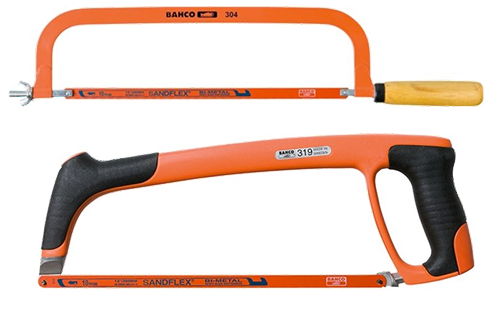
Hacksaw Alternatives
The right alternative depends on the material, cut length, and work setting.
• A pipe cutter makes clean, round cuts in many copper and plastic pipes.
• Aviation snips cut thin sheet metal.
• Bolt cutters handle thick bolts, chains, and some wire.
• An angle grinder cuts thick metal quickly but creates sparks and heat.
• A reciprocating saw works well for demolition and hard-to-reach cuts.
• A band saw provides controlled, repeated cuts in a workshop.
• A coping saw handles some curved cuts in thin material.
• A utility knife can score thin plastic, vinyl, and soft materials.
For a single small repair, the hacksaw is often the most practical choice. It needs no battery, outlet, fuel, or complex setup. That simplicity is one reason it remains common in toolboxes.
Hacksaw Maintenance and Storage
Basic care keeps a hacksaw ready for the next job. Wipe metal dust from the frame and tension screw after use. Store spare blades where they will not bend or rust.
Replace the blade when:
• The teeth look worn or rounded.
• The blade slips instead of cutting.
• The cut becomes rough.
• The blade bends during normal use.
• You must apply unusual force.
Keep the blade slightly relaxed when storing the saw for a long time. This can reduce stress on the frame. Before the next job, inspect the handle, frame, pins, and tension mechanism.
In my experience, storing a hacksaw with a worn blade causes more trouble than the blade itself costs. A fresh blade can turn a tiring job into a quick one.
Practical Examples of What to Use a Hacksaw For
Here are several simple examples that show what to use a hacksaw for around the home and workshop.
Installing a Wall Shelf
If a metal shelf bracket is too long, clamp it in a vise and cut off the excess. File the cut edge before installation so it does not damage the wall or snag clothing.
Repairing a Bike
A hacksaw can cut excess seatpost, cable housing, or small metal hardware. Protect the bike’s frame and use a fine blade for thin tubing.
Do not cut a bicycle frame or safety-critical part unless you understand the structural risk. Some parts should be replaced rather than modified.
Fixing a Plumbing Line
A hacksaw can remove damaged sections of plastic or copper pipe. Cut slowly, clean the edges, and test-fit the replacement before applying adhesive or making a soldered joint.
Turn off the water first. Drain the line and confirm that no pressure remains.
Building a Small Metal Project
A hacksaw can cut threaded rod, aluminum angle, steel strip, and light tubing for shelves, brackets, plant stands, and craft projects. Mark every cut before starting and group similar cuts to save time.
Cutting a Padlock Shackle
A hacksaw may cut a small, exposed shackle, but this can take time. Only cut locks that you own or have permission to remove. For heavy locks, a locksmith or professional cutting tool is safer and more effective.
Mistakes to Avoid When Using a Hacksaw
Small errors can damage the blade or ruin the cut. Avoid these common problems:
• Using a wood saw blade for metal
• Installing the blade backward
• Cutting without securing the material
• Applying too much pressure
• Using a blade with the wrong TPI
• Starting with long, hard strokes
• Letting the blade twist
• Ignoring sharp burrs
• Reusing a cracked blade
• Cutting close to hidden wires or pipes
Before cutting installed material, check what is behind it. A hacksaw can easily damage electrical wiring, plumbing, or finished surfaces.
When I first learned metalwork, one of the most useful lessons was to spend more time on setup. A clear mark and firm clamp often matter more than raw cutting strength.
Frequently Asked Questions About What to Use a Hacksaw For
What is a hacksaw mainly used for?
A hacksaw is mainly used to cut metal, plastic pipe, threaded rod, bolts, screws, and small hardware. It is designed for controlled hand cutting rather than fast material removal.
Can you use a hacksaw to cut wood?
You can cut very thin wood in an emergency, but a hacksaw is not designed for wood. Its fine metal-cutting teeth work slowly and may leave a rough cut.
Can a hacksaw cut PVC pipe?
Yes, a hacksaw can cut PVC, CPVC, ABS, and some plastic conduit. Use a fine or medium blade, keep the pipe secure, and remove burrs after cutting.
What hacksaw blade should you use for thick metal?
A 14 or 18 TPI blade usually works well for thicker metal. Choose a strong bi-metal blade when possible, and make sure several teeth contact the material during each stroke.
Why does my hacksaw blade keep breaking?
A blade may break because it is too tight, bent, dull, poorly installed, or forced sideways. Secure the material, use steady strokes, and replace the blade if it shows damage.
Can a hacksaw cut stainless steel?
Yes, a hacksaw can cut stainless steel with a sharp bi-metal blade. Use steady pressure and avoid rushing because stainless steel can generate heat and wear a blade quickly.
Should hacksaw teeth face forward or backward?
In most standard hacksaws, the teeth should face forward, away from the handle. The blade usually cuts during the forward stroke.
Conclusion
A hacksaw is a practical tool for cutting metal, plastic pipe, bolts, threaded rod, brackets, wire mesh, and small hardware. The best results come from choosing the right blade, securing the material, using steady strokes, and smoothing the finished edge.
Use a hacksaw when you need control, portability, and a low-cost solution. Start with a simple repair, practice on scrap material, and build your confidence with each cut. Explore more hand-tool guides, and share your own hacksaw tips in the comments.
