Where To Donate Used Hand Tools: Best Places To Donate
The best places to donate used hand tools in the USA are Habitat for Humanity ReStore, local tool libraries, vocational schools, community workshops, Goodwill, The Salvation Army, and nonprofit groups that support housing or job training. The right choice depends on the tool’s condition, your location, and whether you want to donate in person or arrange a pickup.
Before you give anything away, clean the tools, check for damage, and call the organization. Donation rules can differ by city and by store.
Introduction
A box of old screwdrivers, wrenches, hammers, or pliers can still help someone build a home, learn a trade, or repair a car. In the United States, many local groups welcome useful tools, but not every charity accepts every type of item.
Start with a nearby organization that has a clear use for tools. A Habitat ReStore may resell them to fund home-building work. A tool library may lend them to local residents. A trade school may use them for hands-on training.
Do not donate tools that are unsafe to use. Broken handles, cracked jaws, sharp rust flakes, exposed springs, or damaged electrical parts can create risk for staff and future users.

Best Places to Donate Used Hand Tools
The best donation site is the one that can use the tools safely and keep them in service. These are the main options in the United States.
1. Habitat for Humanity ReStore
Habitat ReStore is often the first place to check for usable hand tools. Local ReStores sell donated home goods, building supplies, hardware, and other items. Revenue supports Habitat for Humanity housing work.
Many ReStores accept items such as:
- Hammers
- Screwdrivers
- Pliers
- Wrenches
- Socket sets
- Clamps
- Levels
- Hand saws
- Crowbars
- Toolboxes
- Gardening hand tools
Rules vary by location. Some stores accept power tools, while others accept only items that can be tested or sold safely. Use the Habitat for Humanity ReStore locator before you load your car.
Best for: Clean, working tools in fair or good condition.
2. Local tool libraries
A tool library lends tools to residents in the same way a public library lends books. Some are independent nonprofits. Others operate through housing groups, libraries, or community centers.
Tool libraries may value common tools more than unusual ones. A basic claw hammer or adjustable wrench can help many borrowers. A specialty tool may help fewer people but still fill an important gap.
Search for:
- “Tool library near me”
- “Community tool library”
- “Tool lending library”
- “Borrow tools [your city]”
Ask whether the group accepts direct donations, needs specific tools, or has a drop-off schedule.
Best for: Working tools that local residents can borrow for repairs and small projects.
3. Vocational schools and community colleges
Career and technical education programs may use hand tools in classes for:
- Automotive repair
- Carpentry
- Plumbing
- HVAC
- Welding
- Electrical work
- Construction
- Manufacturing
- Small-engine repair
Contact the school’s career and technical education office, shop teacher, or department chair. Do not leave tools at the front desk without approval. Schools may have rules about tool types, condition, storage, and liability.
A complete set is often more useful than a random group of tools. For example, a matching socket set with its case is easier for students to organize and use.
Best for: Reliable tools that support hands-on learning.
4. Community workshops and makerspaces
Community workshops, repair spaces, and makerspaces may accept tools for shared use. These groups often support woodworking, metalworking, bicycle repair, electronics, or general home repair.
Policies differ widely. Some makerspaces accept only tools that fit their current projects. Others may ask for a cash donation instead of more equipment.
Before donating, ask:
- Does the space accept hand tools?
- Are there tools it needs most?
- Must the tools be tested first?
- Does it accept donated toolboxes or storage cabinets?
- Can it accept large or heavy items?
Best for: Specialty tools and quality tools that a shared workspace can maintain.
5. Goodwill
Some Goodwill organizations accept hand tools. Goodwill is a network of independent local organizations, so one store may accept an item that another store does not.
Use the Goodwill locator to find a local organization. Call before you go, especially if you have:
- Large tool sets
- Heavy tool chests
- Rusted tools
- Blades
- Power tools
- Items with missing parts
Goodwill usually decides whether to sell, recycle, or discard an item. It may not send your tools directly to a person who needs them.
Best for: Common tools that are clean, safe, and easy to resell.
6. The Salvation Army
Some Salvation Army thrift stores accept household tools. Policies depend on the local location and the condition of the items.
Check the Salvation Army location finder or call the store. Ask about drop-off hours and whether the location accepts toolboxes, garden tools, or power tools.
Best for: Basic tools that are in usable condition and suitable for a thrift store.
7. Vietnam Veterans of America
Vietnam Veterans of America, often known as VVA, operates donation pickup programs in many parts of the United States. Some locations accept tools and household items.
Service areas and accepted items vary. Use the VVA donation pickup page to check your ZIP code. Confirm that the program accepts your specific tools before placing them outside.
Best for: People who need a pickup service for ordinary household tools.
8. Local housing and repair nonprofits
Local groups may use tools for home repairs, accessibility updates, disaster recovery, or neighborhood projects. Possible organizations include:
- Community development groups
- Housing rehabilitation nonprofits
- Rebuilding programs
- Volunteer repair teams
- Homeless service agencies
- Community action agencies
- Faith-based repair ministries
- Youth construction programs
These groups may not advertise tool donations on their websites. A short phone call or email can help you find out what they need.
Best for: Tools that can support repair work or affordable housing projects.
9. Buy Nothing groups and local mutual-aid networks
If a charity will not accept your tools, a local mutual-aid group may help you give them directly to a neighbor. Common options include:
- Buy Nothing groups
- Freecycle groups
- Local Facebook groups
- Neighborhood listservs
- Community bulletin boards
- Nextdoor free-item listings
Describe the tools honestly. Include the brand, type, condition, missing parts, and pickup location. Do not hide rust or damage.
Best for: Useful tools that need a new owner but do not fit a charity’s donation rules.
How to Prepare Used Hand Tools for Donation
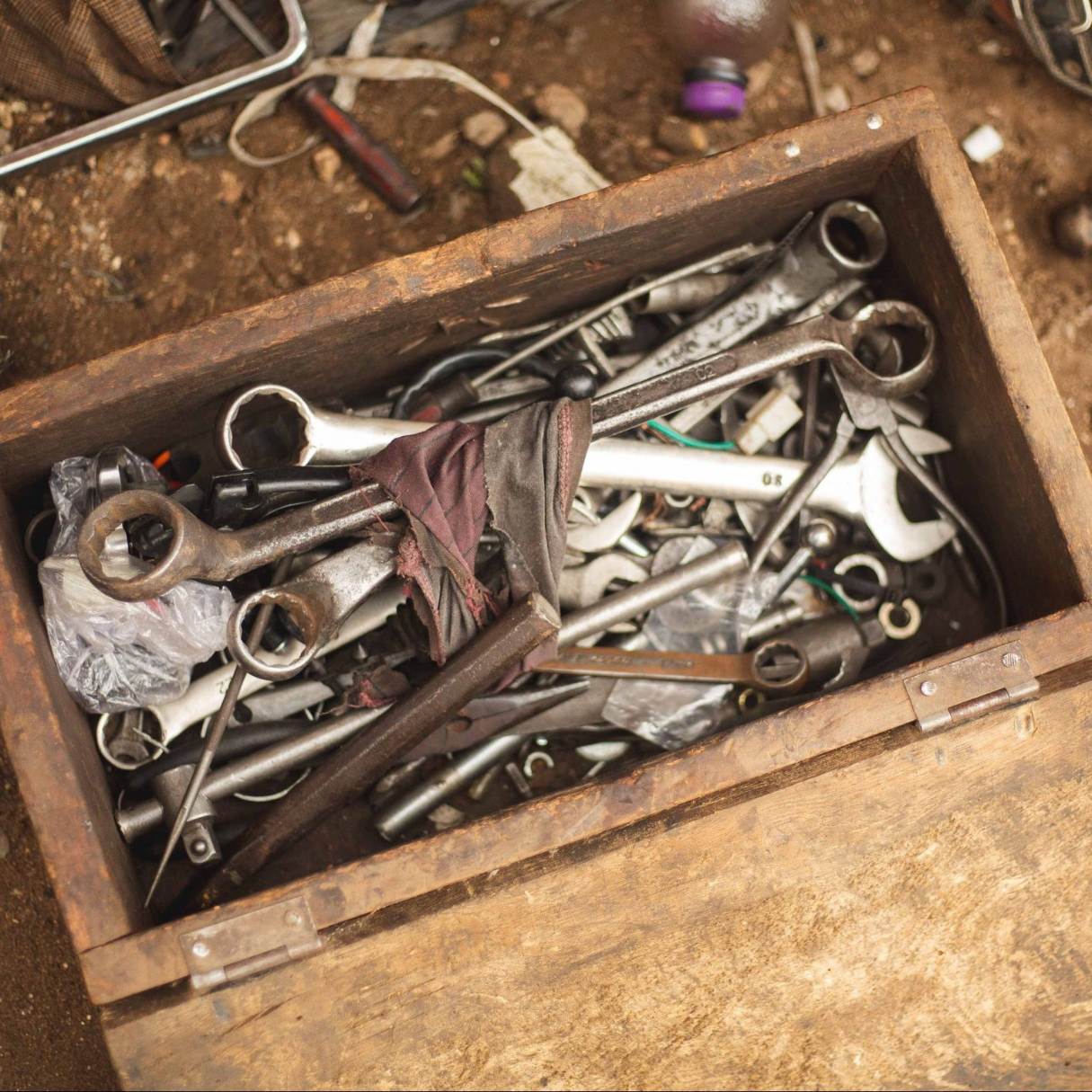
A clean, sorted donation is easier for a charity to accept. It also gives the next user a safer start.
Step 1: Sort the tools
Group items by type. For example:
- Hammers
- Pliers
- Wrenches
- Screwdrivers
- Saws
- Clamps
- Gardening tools
- Automotive tools
- Measuring tools
Keep tool sets together. Place loose items in a box or bag so they do not get lost.
Step 2: Check for safety problems
Do not donate a tool if it has a serious defect. Set aside tools with:
- Cracked or loose handles
- Bent striking surfaces
- Split jaws
- Deep rust that weakens the metal
- Missing safety guards
- Sharp broken edges
- Loose heads
- Damaged insulation
- Missing parts that prevent safe use
A little surface rust does not always make a hand tool unusable. Wipe it clean and tell the receiving group about it. The organization can decide whether to restore or recycle it.
Step 3: Clean the tools
Use a dry cloth to remove dirt and loose dust. For light grime, use mild soap and water, then dry the tool fully. Moisture left on steel can cause more rust.
Do not use harsh chemicals unless you know they are safe for the tool’s finish. Avoid mixing cleaners.
Step 4: Test moving parts
Check whether:
- Pliers open and close smoothly
- Adjustable wrenches move without binding
- Ratchets engage in both directions when designed to do so
- Tape measures lock and retract safely
- Levels have readable vials
- Clamps hold pressure
- Folding tools lock in place
Do not test a tool in a way that could cause injury. If you are unsure, label it as “untested” and ask the organization whether it wants it.
Step 5: Include useful parts
Keep these items with the main tool:
- Cases
- Blades
- Bits
- Sockets
- Adapters
- Manuals
- Original storage trays
- Replacement handles
Label loose sets with a simple list. For example: “3/8-inch drive socket set, metric, 10 pieces.”
Step 6: Call before you donate
Ask four simple questions:
- Do you accept used hand tools?
- Are there tool types you do not accept?
- Do the tools need to be fully working?
- Where and when should I drop them off?
This call can prevent a wasted trip and keep unwanted items out of a charity’s waste stream.
Where to Donate Different Types of Tools
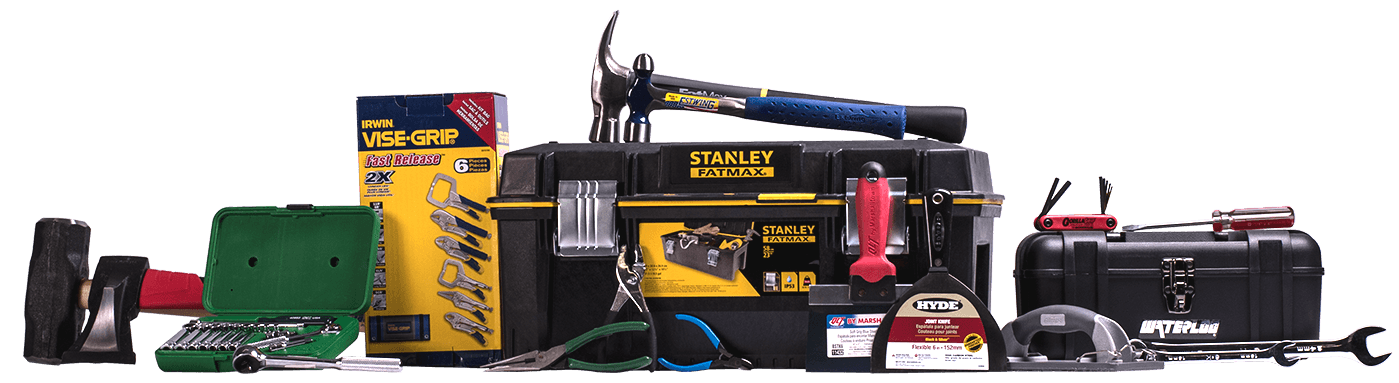
The tool type can change the best donation choice. Use this guide as a starting point.
| Tool type | Good places to try first | Key condition |
|---|---|---|
| Hammers and screwdrivers | ReStore, Goodwill, tool libraries | Handle and tip should be secure |
| Wrenches and pliers | ReStore, trade schools, tool libraries | Jaws and moving parts should work |
| Socket sets | Trade schools, makerspaces, ReStore | Keep sizes and case together |
| Woodworking tools | Makerspaces, vocational schools, ReStore | Blades and guards need safe handling |
| Gardening tools | ReStore, community gardens, mutual-aid groups | Remove soil and check handles |
| Automotive hand tools | Trade schools, auto programs, makerspaces | Identify sizes and missing pieces |
| Toolboxes and cabinets | ReStore, schools, workshops | Empty them and check hinges |
| Damaged or heavily rusted tools | Scrap-metal recycler or local waste program | Do not donate unsafe items |
| Sharp blades and cutting tools | Contact the receiving group first | Use safe packaging |
| Handheld power tools | ReStore, trade schools, tool libraries | Confirm testing and battery rules |
A tool that is not useful to a thrift store may still be valuable to a trade program. A school may accept a worn but repairable tool. A public tool library may need durable tools with common sizes.

Should You Donate, Sell, Recycle, or Throw Away Tools?
Donate a tool when it is safe, complete enough to use, and likely to help another person. Sell it when it has strong value and you are willing to spend time listing, packing, and meeting buyers.
Recycle a tool when it is beyond safe use but contains recoverable metal. Contact your local recycling center or scrap-metal dealer first. Rules for mixed materials, batteries, and sharp objects vary.
Use a household hazardous waste program for items that contain hazardous substances. Examples can include:
- Solvent-soaked materials
- Containers with unknown chemicals
- Lead-related products
- Certain adhesives or coatings
- Pressurized containers
Do not place unknown chemicals in a donation box. Contact your city, county, or state waste agency for instructions.
A simple decision test
Ask these questions in order:
-
Is it safe?
If no, do not donate it. -
Is it usable or repairable?
If yes, find a group that accepts that type. -
Is it complete enough to identify?
If no, sort it for recycling or ask a specialist group. -
Can someone use it locally?
If yes, a tool library, school, or mutual-aid group may be a strong fit. -
Will the organization accept it today?
Confirm before delivery.
This approach saves time and reduces the chance that a charity must pay to dispose of your donation.
How to Donate Large Tool Collections
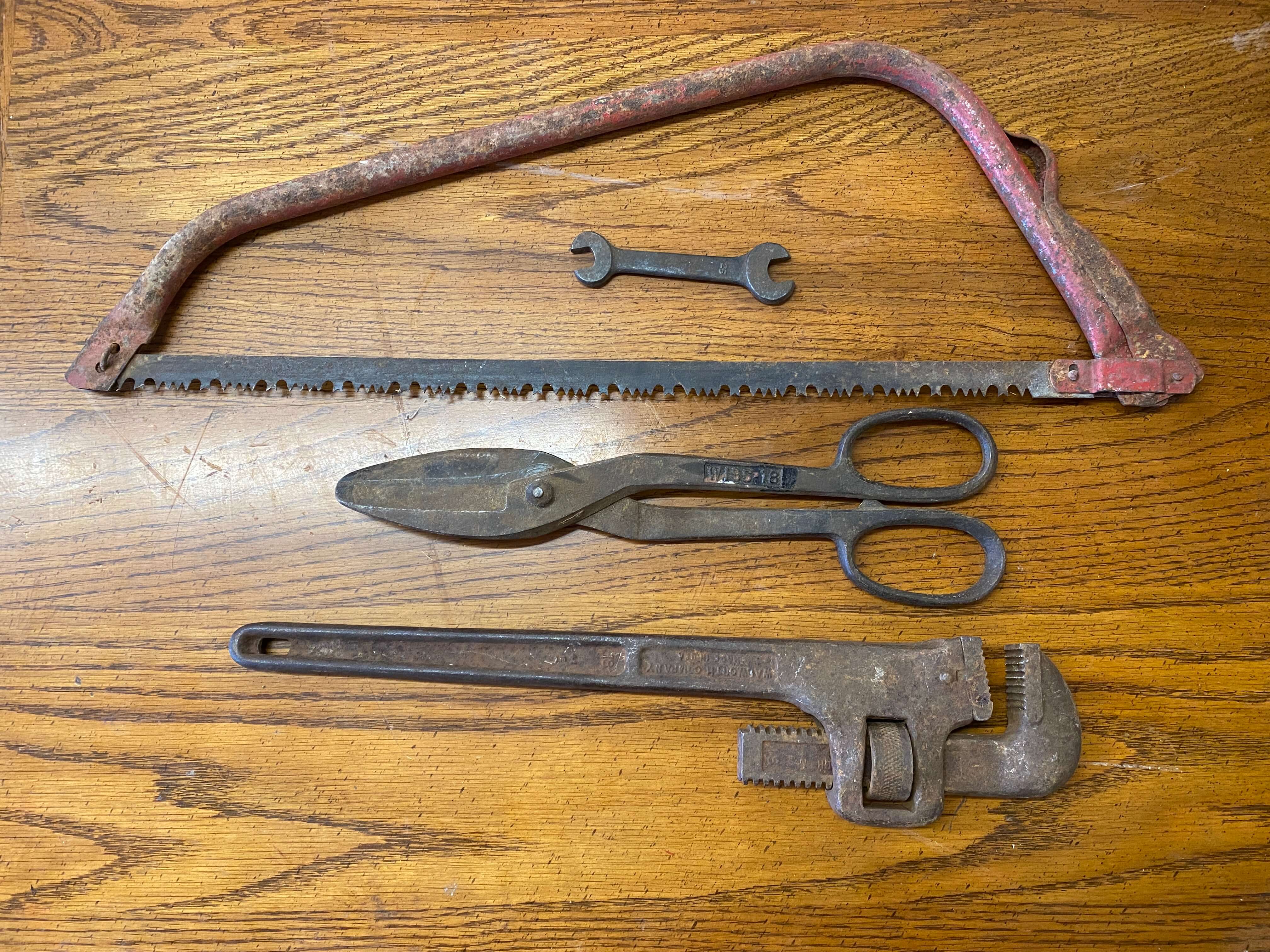
Large collections need more planning than a small box of tools. Start by making a short inventory.
List:
- Number of boxes
- Main tool types
- Brand names, if relevant
- Tool condition
- Toolboxes or cabinets
- Approximate weight
- Whether the collection is from a business or household
Photographs can help an organization decide if it has space for the donation. Do not move a heavy tool chest alone. Use proper lifting help or ask the organization whether it offers pickup.
Some charities accept only small household donations at a retail store. A vocational school, makerspace, or nonprofit workshop may be better equipped for a full collection.
If the collection belonged to a retired tradesperson, group similar tools and label them. A clear system makes the donation more useful for students and volunteers.

Common Mistakes to Avoid
Leaving tools without checking the policy
A donation center may close early, reject certain items, or lack space for large equipment. Call first.
Donating unsafe tools
Charities are not a dumping site for broken items. A dangerous tool can injure a worker or future user.
Mixing useful tools with trash
Separate tools from paint cans, oily rags, broken plastic, and household waste. This helps staff sort the donation.
Hiding missing parts
A missing socket, blade, or handle may change the value of a set. Mark incomplete items clearly.
Assuming every charity gives tools directly to workers
Many thrift charities sell donations and use the proceeds for programs. That still supports the mission, but it is different from giving tools directly to a student or builder.
Forgetting tax records
If you want to claim a charitable contribution, ask for a receipt at the time of donation. The organization may not assign a value to your items. In the United States, the IRS generally expects the donor to determine fair market value and keep suitable records. For tax advice, consult a qualified tax professional and review IRS Publication 561.

Frequently Asked Questions
Can I donate rusty hand tools?
You can donate tools with light surface rust if they remain safe and functional, but call first. Heavy rust, weak metal, sharp flakes, or seized moving parts may make a tool unsuitable for donation.
Will Goodwill take old tools?
Some Goodwill organizations accept old tools, but each local organization sets its own policy. Contact the local store before you go.
Can I donate tools that do not work?
Only if the receiving group specifically accepts tools for repair, parts, or training. Otherwise, recycle or dispose of them through an appropriate local program.
Where can I donate tools for people learning a trade?
Try vocational schools, community colleges, workforce programs, makerspaces, and nonprofit construction programs. Ask what tools the program needs before sending a donation.
Can I donate hand tools by mail?
Usually, local drop-off is easier and less costly. Some national programs may accept mailed items, but check shipping rules and costs first. Do not mail sharp tools without safe packaging.
What should I do with old tools that contain batteries?
Remove batteries when possible and follow your local battery recycling rules. Rechargeable batteries and damaged lithium-ion batteries may require special handling. Ask the receiving organization whether it accepts the tool without the battery.
Conclusion
For most people, the best places to donate used hand tools are a nearby Habitat ReStore, tool library, vocational school, makerspace, or local housing nonprofit. Goodwill, The Salvation Army, VVA, and mutual-aid groups are also useful options, but their policies vary.
Clean and sort the tools. Remove unsafe items. Keep tool sets together. Then call before you visit.
Your next step is simple: search for a local ReStore, tool library, or trade school, and ask whether it accepts the exact tools you have.
Recent Tool Guides
 Hammer
How To Hammer Flowers Onto Paper: Easy Guide
Learn how to hammer flowers onto paper with simple steps, helpful tips, and beautiful results for...
Read Guide → Wrench
How To Use A Hex Wrench: Easy Step-By-Step Guide
Learn how to use a hex wrench correctly with simple steps, helpful tips, and common mistakes...
Read Guide → Hacksaw
How To Cut Curtain Pole With Hacksaw: Easy Guide
Learn how to cut curtain pole with hacksaw safely and neatly. Follow simple steps for accurate...
Read Guide → Wrench
How To Use A Husky Torque Wrench: Easy Guide
Learn how to use a Husky torque wrench correctly with simple steps, torque settings, and safety...
Read Guide → Hammer
How To Hold A Hammer: Safe Grip Guide
Learn how to hold a hammer with the right grip, stance, and technique for safer, more...
Read Guide → Hacksaw
How To Cut Flexible Metal Conduit With Hacksaw: Easy Guide
Learn how to cut flexible metal conduit with hacksaw safely and cleanly. Follow simple steps for...
Read Guide →