
Old hand tools should be reused, donated, recycled, or safely trashed based on their condition and material.
If you have a drawer full of rusty wrenches, bent screwdrivers, or chipped hammers, you are not alone. I have sorted through plenty of worn-out toolboxes over the years, and the best approach is usually simple: keep what still works, pass on what can help someone else, and recycle or discard the rest the right way. Learning how to dispose of old hand tools properly keeps usable metal out of landfills and helps you avoid tossing something that could still serve a purpose.
Why proper disposal of old hand tools matters
Getting rid of old hand tools is not just about clearing space in the garage. It is also about safety, waste reduction, and making sure valuable materials do not go to waste. Most hand tools are made from steel, iron, aluminum, wood, or mixed materials, and many of those parts can be recycled or repurposed.
I have seen people throw away entire toolboxes because they looked worn, only to learn later that several tools were still usable with a little cleaning. That is a common mistake. When you understand how to dispose of old hand tools, you can save money, reduce trash, and make smarter choices for the environment.
First, sort your old hand tools by condition
Before you decide how to dispose of old hand tools, inspect each item carefully. This step makes the whole process easier and prevents good tools from being lost in the junk pile.
Use these simple groups:
- Keep and use again: Tools that still work well and are safe to use.
- Clean and repair: Tools with rust, loose handles, or dull edges that can be fixed.
- Donate or give away: Tools that are usable but no longer needed.
- Recycle: Tools made mostly of metal that are broken beyond practical repair.
- Trash: Tools that are too damaged, unsafe, or mixed with non-recyclable parts.
A quick inspection now can save a lot of frustration later. It also helps you treat each tool based on its real condition instead of just its age.
How to dispose of old hand tools the right way
There is no single answer for every tool. The best method depends on the tool’s condition, material, and whether it can still be used by someone else. When I clear out old tools, I always start with the options that keep items in use longer.
Donate usable tools
If a hammer still has a solid head and the handle is intact, someone else can likely use it. The same goes for screwdrivers, pliers, clamps, tape measures, hand saws, and wrenches that are still functional.
Good places to donate include:
- Habitat for Humanity ReStores
- Local trade schools
- Community workshops
- School vocational programs
- Charities that accept building supplies
- Neighbors, friends, or family members
Donation works best when the tool is safe and usable. If I would not hand it to a beginner without warning, I do not donate it.
Sell or give away tools that still have value
Some old hand tools are not junk at all. Vintage Stanley planes, Snap-on wrenches, high-quality chisels, and cast-iron tools can have real resale value. Even basic tools can be useful to someone starting a home repair kit.
You can sell them through:
- Online marketplaces
- Garage sales
- Local buy and sell groups
- Flea markets
- Tool swap events
This is one of the smartest ways to dispose of old hand tools because it keeps them in circulation and may put a little cash back in your pocket.
Recycle metal hand tools
If a tool is broken beyond repair, recycling is often the best choice. Many hand tools are mostly steel or iron, which makes them good candidates for scrap metal recycling.
Before recycling, check whether the tool includes:
- Plastic grips
- Wooden handles
- Rubber coatings
- Electronic parts in specialty tools
Some recycling centers want the tools separated by material. Others accept them as mixed scrap. A quick call ahead prevents wasted trips.
Trash tools that cannot be reused or recycled
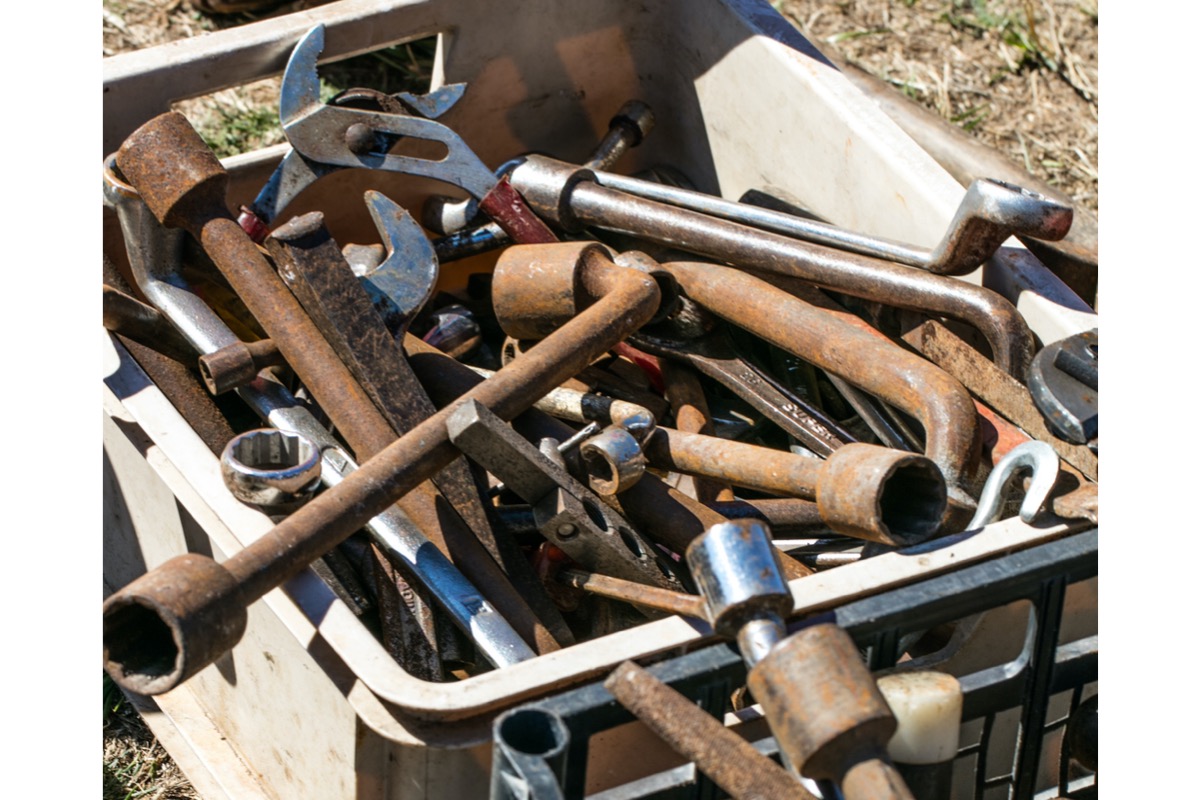
Some hand tools are too damaged or too mixed to recycle easily. If a tool has a cracked handle, dangerous sharp edge, broken mechanism, or heavy contamination with adhesives, paint, or oil, it may need to go in the trash.
Before tossing it:
- Wrap sharp edges in cardboard or tape
- Remove batteries from any attached electronic parts
- Keep broken glass or blades protected
- Follow your local trash rules
When you are learning how to dispose of old hand tools, the trash should usually be the last option, not the first.
How to tell if a hand tool should be kept, fixed, or thrown out
A good rule I use is simple: if the tool is safe, functional, and worth less time than money to repair, keep it. If not, move on.
Ask these questions:
- Is the tool still structurally sound?
- Can it be cleaned and used safely?
- Will a repair cost more than a replacement?
- Is the tool worth donating or selling?
- Does it contain only recyclable materials?
For example, surface rust on a wrench is usually fixable. A cracked hammer handle is more serious and may make the tool unsafe, especially if the head could loosen.
Cleaning old hand tools before disposal
Cleaning matters more than people think. A clean tool is more likely to be donated, sold, or recycled without trouble. It also makes sorting much easier.
Simple cleaning steps:
- Wipe off dirt, grease, and dust
- Remove loose rust with a wire brush or steel wool
- Wash off mild grime with soap and water
- Dry tools fully to prevent more rust
- Separate tools by metal, wood, and plastic if needed
I once helped clean out a basement toolbox that looked like a lost cause. After a little rust removal and handle tightening, nearly half the tools were ready for donation. That experience taught me a simple lesson: do not judge a tool by how dusty it looks.
What to do with rusty hand tools
Rust does not always mean a tool is worthless. Light rust is often cosmetic, while deep rust can weaken the metal. The key is knowing the difference.
You can try to salvage lightly rusted tools by:
- Scrubbing with a wire brush
- Soaking metal parts in rust remover
- Applying oil after cleaning
- Sanding wooden handles if needed
If rust has eaten deeply into the metal, caused pitting, or weakened the tool’s working end, it is better to recycle or discard it. Safety should always come first when deciding how to dispose of old hand tools.
Special disposal tips for sharp or dangerous hand tools
Some old hand tools can injure people during handling or transport. Chisels, utility blades, saws, awls, and broken metal pieces deserve extra care.
Use these safety steps:
- Cover sharp points with cardboard or thick tape
- Bundle loose sharp tools together
- Place broken pieces in a rigid container
- Label the container if needed
- Keep them out of reach of children and pets
This is especially important if you are donating, recycling, or tossing the tools in a curbside bin. A little preparation prevents injuries.
Can old hand tools go in curbside recycling?
Usually, no. Most curbside recycling programs are not set up for loose hand tools. They can jam sorting equipment or get rejected because they are not standard household recyclables.
Instead, try:
- Scrap metal recycling centers
- Tool recycling programs
- Household hazardous waste events, if paint or chemicals are involved
- Donation centers, if the tool still works
Always check local rules before placing hand tools in any bin. Recycling rules vary by city and county, and that is where many people make mistakes.
What about tools with wooden handles or mixed materials?
Tools with mixed materials need extra attention. A hammer with a wood handle, a saw with a plastic grip, or pliers with rubber coating may need to be separated before recycling.
Here is a practical approach:
- Remove wooden handles if the recycler requests it
- Check whether plastic grips can be cut off
- Put metal parts in scrap recycling
- Compost untreated wood only if local rules allow it
- Trash mixed non-recyclable parts if they cannot be separated
The more carefully you sort, the more likely your old tools can be handled correctly.
Best places to take old hand tools
If you are ready to get rid of them, you need the right destination. Different tools fit different drop-off points.
Useful options include:
- Local scrap metal yards for metal tools
- Charities and reuse centers for working tools
- Habitat for Humanity ReStores for resale or reuse
- Vocational schools for training use
- Community tool libraries
- City recycling drop-off sites
When in doubt, call ahead and ask what they accept. I have learned that a two-minute phone call saves a wasted drive and keeps the whole process smooth.
Environmental benefits of disposing of old hand tools responsibly
Responsible disposal does more than clean out your garage. It reduces waste, supports reuse, and saves raw materials. Metal recycling uses less energy than making new metal from ore, and that matters.
The benefits include:
- Less landfill waste
- Lower demand for new materials
- More affordable tools for other people
- Less risk from sharp or broken items
- Better use of existing resources
This is one of those small household tasks that quietly makes a bigger difference than people expect.
Common mistakes to avoid
People often make the same errors when trying to dispose of old hand tools. Avoiding these can save time and prevent injuries.
Common mistakes include:
- Throwing usable tools away too early
- Mixing sharp tools with loose trash
- Putting metal tools in curbside recycling without checking rules
- Donating broken or unsafe items
- Ignoring rust, oil, or contamination before recycling
I have seen a lot of “junk” become useful again simply because someone took five extra minutes to sort it. That habit pays off.
Frequently Asked Questions of how to dispose of old hand tools
Can I donate old hand tools that have rust?
Yes, if the rust is light and the tool still works safely. Clean it first so the recipient can use it right away. If the rust is deep or the tool is unsafe, recycle it instead.
Are old hand tools recyclable?
Many are, especially if they are mostly metal. Steel and iron hand tools often go to scrap metal recycling centers, but you may need to remove plastic or wood parts first. Always check local recycling rules.
Can I throw broken hand tools in the trash?
Yes, if they cannot be reused or recycled. Wrap sharp edges and broken pieces so they do not injure anyone handling the trash. Trash should be the last option when other routes are not possible.
What hand tools have resale value?
Quality brands, vintage tools, and specialty items often sell well. Socket sets, hand planes, vises, and premium wrenches may be worth more than you think. Even common tools can sell if they are clean and fully functional.
How do I know if a hand tool is unsafe to keep?
Look for cracks, loose heads, bent shafts, broken grips, or severe rust damage. If the tool could fail during use, it is safer to replace or recycle it. Safety matters more than sentiment.
Conclusion
Knowing how to dispose of old hand tools is really about making smart choices one tool at a time. Donate what still works, sell what has value, recycle what is mostly metal, and trash only what truly cannot be used again. That approach keeps your space tidy, protects others from injury, and gives useful materials a better second life.
If your toolbox is overdue for a cleanup, start with one drawer today. Sort slowly, stay safe, and choose the best path for each tool. If this guide helped, explore more home organization and recycling tips, or leave a comment with your own tool disposal experience.