What Are Hand And Power Tools: Complete Beginner’s Guide
Hand and power tools are devices used to cut, shape, fasten, repair, and build materials with human or motor power.
Understanding what are hand and power tools helps you choose the right tool, work faster, and avoid common safety mistakes. From a simple screwdriver to a cordless drill, each tool has a specific job, strength, and limit. This guide explains the main types, uses, benefits, risks, and safe working methods in clear terms.

What Are Hand and Power Tools?
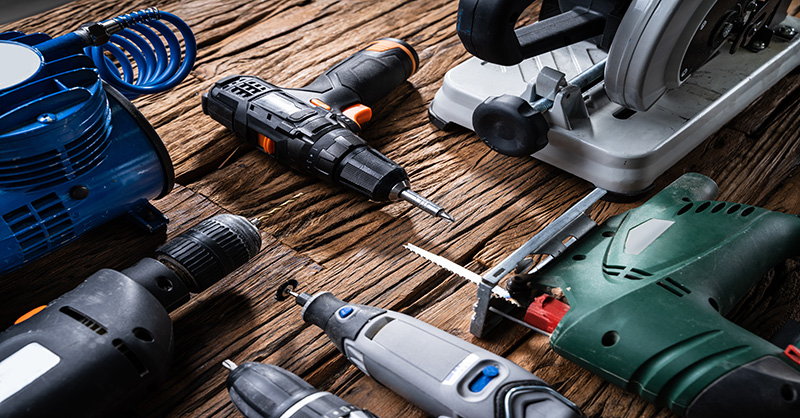
Hand and power tools are equipment used to complete tasks such as building, repairing, cutting, drilling, sanding, tightening, and shaping. Hand tools work mainly through human force. Power tools use electricity, batteries, compressed air, or fuel to create extra force and speed.
The difference is simple. A hand saw depends on your arm, while a circular saw uses a motor. A manual screwdriver turns with your wrist, while an impact driver delivers fast rotary force from a motor.
Knowing what are hand and power tools also means understanding that the two groups often work together. A carpenter may use a power drill to make pilot holes, then use a hand screwdriver for final control. A mechanic may use an impact wrench to remove a tight bolt and a hand wrench to tighten it carefully.
Common examples include:
• Hand tools such as hammers, pliers, wrenches, screwdrivers, chisels, files, and measuring tapes
• Power tools such as drills, saws, sanders, grinders, nail guns, routers, and impact drivers
• Accessories such as drill bits, saw blades, sanding discs, sockets, and driver bits
Tools are not good or bad by themselves. The right choice depends on the material, task, workspace, skill level, and desired result.

Types of Hand Tools
Hand tools are often the first tools people learn to use. They are affordable, easy to carry, and useful in almost every home, workshop, garage, and job site.
Cutting and shaping tools
Cutting tools remove material or divide it into smaller pieces. Common examples include handsaws, utility knives, bolt cutters, aviation snips, and chisels.
A wood chisel removes small amounts of wood when struck or pushed. A utility knife cuts cardboard, plastic, drywall, and other thin materials. Always use a sharp blade because a dull blade needs more force and may slip.
Fastening tools
Fastening tools help install or remove screws, bolts, nuts, nails, and other hardware. Examples include screwdrivers, wrenches, ratchets, socket sets, and hammers.
A properly sized screwdriver should fit the screw head fully. The wrong size can damage the screw and cause the tool to slip. In my practical experience, taking ten seconds to choose the correct bit often prevents several minutes of frustration.
Holding and gripping tools
Pliers and clamps hold, bend, twist, or position materials. Slip joint pliers, needle nose pliers, locking pliers, and tongue and groove pliers each serve different purposes.
Pliers should not replace a wrench when turning a nut. Their jaws can damage the fastener and may slip under heavy force. Use the tool designed for the shape of the job.
Measuring and marking tools
Accurate work starts with accurate measurement. Tape measures, combination squares, levels, chalk lines, calipers, and marking gauges help workers plan and check their work.
The old phrase “measure twice, cut once” remains useful because small measuring errors can ruin expensive materials. Mark clearly, check the mark, and account for the width of a saw blade when cutting.
Striking tools
Hammers and mallets apply impact force. A claw hammer drives and removes nails. A ball peen hammer shapes metal. A rubber mallet applies force with less risk of damaging a surface.
Never strike a hardened steel tool with a regular hammer unless the tool is designed for that use. Flying metal fragments can cause serious eye injuries.

Types of Power Tools
Power tools use a motor or another energy source to perform work. They can save time and reduce physical effort, but they also require more training and care than most hand tools.
Electric power tools
Corded electric tools draw power from a wall outlet. Examples include drills, circular saws, reciprocating saws, angle grinders, and sanders.
Corded tools provide steady power and do not need battery charging. However, the cord can create a trip hazard or limit movement. Inspect the cord before use, and keep it away from blades, heat, water, and sharp edges.
Cordless power tools
Cordless tools use rechargeable battery packs. Drills, impact drivers, saws, lights, and grinders are widely available in cordless designs.
The main benefits are mobility and convenience. Their limits include battery cost, charging time, added weight, and reduced performance when the battery is low or the work is very demanding.
A useful habit is to keep batteries dry, cool, and away from metal objects that could bridge the terminals. Use only the charger and battery system recommended by the manufacturer.
Pneumatic tools
Pneumatic tools use compressed air from an air compressor. Common examples include nail guns, impact wrenches, air ratchets, spray guns, and die grinders.
These tools can be light and powerful. They also need hoses, fittings, and a compressor with the correct pressure and air volume. Check connections before use, and never point a pneumatic tool at another person.
Gas powered tools
Gas engines power some outdoor and construction tools, including chainsaws, lawn equipment, concrete saws, and some large generators.
Gas powered tools can work far from electrical outlets. They also produce exhaust, noise, heat, and vibration. Never operate a fuel burning tool in a closed garage, basement, or other poorly ventilated space because carbon monoxide can build up quickly.
Hand Tools vs. Power Tools
The best choice depends on control, speed, force, and the material being worked. Neither type is always better.
| Feature | Hand tools | Power tools |
|---|---|---|
| Main energy source | Human effort | Electricity, batteries, air, or fuel |
| Speed | Usually slower | Usually faster |
| Control | Often precise and direct | May require more practice |
| Noise | Usually low | Can be high |
| Maintenance | Often simple | May need batteries, cords, blades, or servicing |
| Safety risk | Often lower, but not risk free | Usually higher because of speed and stored energy |
| Best use | Small repairs and careful adjustments | Repeated, heavy, or time sensitive work |
Hand tools are useful when you need fine control or must work in a small space. Power tools are useful when you need to remove a lot of material, drive many fasteners, or repeat the same task.
A careful worker often starts with a hand tool when the task is uncertain. For example, use a hand scraper to test a surface before using a power sander. This approach can prevent accidental damage.

Common Uses of Hand and Power Tools
Understanding what are hand and power tools becomes easier when you see how they fit into real work.
Home repairs
Homeowners use screwdrivers, pliers, wrenches, hammers, drills, and sanders for common repairs. These tools can help with furniture assembly, picture hanging, shelf installation, minor plumbing work, and basic maintenance.
Use a stud finder before drilling into a wall. Check for hidden wires and pipes when the project requires deep drilling or cutting. If you are unsure about a structural, electrical, gas, or plumbing issue, contact a qualified professional.
Woodworking
Woodworkers use hand planes, chisels, clamps, saws, routers, drills, sanders, and nailers. Hand tools offer control for joints and fine details. Power tools remove stock quickly and make repeated cuts more efficient.
A good woodworking process often moves from rough work to fine work. Use a power saw for the rough cut, then use a hand plane, chisel, or sanding block for the final fit.
Automotive repair
Mechanics use socket sets, ratchets, torque wrenches, screwdrivers, pliers, impact wrenches, grinders, and inspection lights.
An impact wrench can remove a stubborn fastener, but it should not replace a torque wrench for final tightening when the manufacturer specifies a torque value. Over-tightening can damage threads, bolts, wheels, or engine parts.
Construction and remodeling
Construction workers use drills, saws, nail guns, levels, hammers, utility knives, and measuring tools. Power tools improve speed, while hand tools help with setup, adjustment, and finishing.
The best results come from planning the work before turning on a tool. Measure the material, secure it, choose the right blade or bit, and decide where the waste will go.
Gardening and outdoor work
Outdoor tools include pruners, loppers, shovels, axes, hedge trimmers, string trimmers, chainsaws, and blowers.
Sharp cutting tools need less force and provide better control. Clean and store them after use. For chainsaws and other high risk tools, follow the manufacturer’s instructions and use task specific protective equipment.

Benefits of Hand Tools
Hand tools remain important because they offer direct control and simple operation. They do not require batteries, outlets, or compressors.
Key benefits include:
• Lower purchase cost for many basic tools
• Easy transport and storage
• Quiet operation
• Precise control for small adjustments
• Simple maintenance
• Useful operation during power outages
Hand tools also help beginners learn how materials respond to force. You can feel when a screw starts to cross thread or when a chisel meets a knot in wood. That feedback is valuable.
Their main weakness is physical effort. Repeated use can cause fatigue, blisters, muscle strain, or repetitive motion injuries. Use a comfortable grip, take breaks, and avoid forcing a tool beyond its intended purpose.

Benefits of Power Tools
Power tools make many jobs faster and easier. A cordless drill can make dozens of holes in the time a hand brace needs for a few. A power sander can prepare a large surface with far less effort.
Important benefits include:
• Faster work on large or repeated tasks
• Greater cutting, drilling, sanding, or fastening power
• Better productivity on job sites
• Useful performance for hard materials
• Reduced effort for some physically demanding tasks
Power tools are not always more accurate. Speed can magnify mistakes. A fast saw can ruin a board in seconds, while a hand saw may give you more time to correct your path.
One lesson many new users learn the hard way is that more power does not solve poor setup. Secure the material first, use the correct accessory, and let the tool do the work instead of pushing aggressively.
Hand and Power Tool Safety
Safety is a core part of understanding what are hand and power tools. The tool itself is only one part of the risk. The material, workspace, accessory, body position, and work method also matter.
Before using any tool:
-
Read the manufacturer’s instructions.
-
Inspect the tool, cord, battery, guard, handle, and accessory.
-
Confirm that the blade, bit, wheel, or attachment is made for the task.
-
Secure the workpiece with a clamp or vise.
-
Remove loose clothing, jewelry, and items that could catch.
-
Keep children and bystanders away.
-
Wear suitable eye protection.
-
Keep your hands away from cutting and moving parts.
-
Disconnect power before changing an accessory or clearing a jam.
-
Store the tool clean, dry, and out of reach of unauthorized users.
Safety glasses protect against flying chips and dust. Hearing protection helps reduce noise exposure from saws, grinders, nail guns, and compressors. Respiratory protection may be needed for certain dusts, coatings, or fumes, but it must be selected and used correctly.
Do not remove a guard because it seems inconvenient. Guards help control contact with moving parts and may also direct sparks, chips, or debris away from the operator.
Choosing the Right Tool
Choosing a tool starts with the job, not the brand name. Ask what material you will work on, how often you will use the tool, and what level of control you need.
Consider these points:
• Task: Choose a drill for holes, a driver for screws, and a saw for cutting.
• Material: Wood, metal, masonry, plastic, and tile need different blades and bits.
• Frequency: Occasional users may need a basic tool, while frequent users may benefit from professional features.
• Power source: Decide whether corded, cordless, pneumatic, or gas power suits the workspace.
• Control: Select a lower speed or smaller tool when precision matters.
• Accessories: Check that replacement blades, bits, wheels, and batteries are available.
• Comfort: A balanced tool with a suitable grip can reduce fatigue.
• Safety features: Look for guards, brakes, adjustable speed, overload protection, and secure handles.
For a first home toolkit, start with quality basics instead of buying every tool at once. A tape measure, utility knife, screwdrivers, pliers, adjustable wrench, hammer, level, hex keys, and cordless drill cover many simple tasks.
Tool Care and Maintenance
Proper care improves tool performance and helps prevent failures. Clean dust and debris after use. Wipe metal surfaces to reduce rust, and follow the manufacturer’s instructions for lubrication.
Keep cutting edges sharp and replace damaged accessories. A cracked grinding wheel, bent blade, dull bit, or damaged cord can turn a routine task into a serious hazard.
Store tools in a dry place. Keep batteries away from extreme heat and moisture. Rechargeable batteries should not be left where their terminals can touch keys, coins, screws, or other metal objects.
Create a simple inspection habit. Before each use, look for cracks, loose parts, missing guards, exposed wires, unusual smells, and strange sounds. If something seems wrong, stop using the tool until it has been repaired or replaced.
Common Mistakes to Avoid
Many tool accidents come from rushed decisions rather than difficult work. Avoid these common mistakes:
• Using the wrong tool because it is nearby
• Holding a small workpiece in one hand while cutting with the other
• Using a dull blade or damaged accessory
• Skipping eye or hearing protection
• Applying too much force
• Ignoring a loose guard or damaged cord
• Using a power tool in wet conditions
• Leaving a tool connected or switched on when unattended
• Cutting without checking behind or below the work surface
• Using an impact tool when a torque controlled tool is required
A simple pause can prevent most of these errors. Ask yourself what can move, break, spark, cut, or become airborne before starting.
What Are Hand and Power Tools Used For in a Professional Setting?
Professionals use hand and power tools to build, install, repair, shape, measure, and maintain materials and equipment. The same tool may serve different industries, but the correct accessory and work method can change.
For example, a drill used by a carpenter may make holes in wood, while a mechanic may use a drill with a metal cutting bit. An electrician may use insulated hand tools, while a mason may use a rotary hammer with a masonry bit.
Professional users also rely on inspection routines, training, maintenance logs, and personal protective equipment. Workplace safety guidance commonly stresses machine guarding, electrical safety, noise control, and proper training.
Tool selection is part of quality control. A tool that works quickly but leaves rough edges, damaged fasteners, or inaccurate cuts may increase the total cost of the job.
Frequently Asked Questions About What Are Hand and Power Tools
What are hand and power tools used for?
Hand and power tools are used for tasks such as cutting, drilling, fastening, shaping, sanding, measuring, and repairing. Hand tools use human force, while power tools use electricity, batteries, compressed air, or fuel.
What is the main difference between hand tools and power tools?
Hand tools rely on physical effort and usually offer simple, direct control. Power tools use a motor or energy source to work faster and produce more force, but they often require greater safety awareness.
Are hand tools safer than power tools?
Hand tools often have fewer moving parts and lower operating speeds, so many tasks carry less risk. However, hand tools can still cause cuts, eye injuries, strains, and impact injuries when used incorrectly.
What power tools should a beginner buy first?
A cordless drill and driver set is useful for many basic home projects. Add safety glasses, a tape measure, screwdrivers, pliers, a hammer, a level, and suitable drill and driver bits.
How should power tools be stored?
Clean power tools before storage and keep them in a dry, secure place. Remove batteries when the manufacturer recommends it, protect cords from damage, and store blades and bits safely.
Can one tool replace several others?
Some multitools and adjustable tools can handle several light tasks, but they may not match the speed or accuracy of specialized tools. Use a dedicated tool when the job demands high force, precision, or repeated work.
Conclusion
Hand and power tools help people build, repair, maintain, and create. Hand tools provide direct control and simple operation, while power tools offer speed and extra force. Both types work best when matched to the material, task, and user’s skill.
The clearest answer to what are hand and power tools is that they are practical devices powered by human effort or an external energy source. Start with basic tools, learn their limits, inspect them before use, and wear the right protection every time.
Choose one small project, practice the correct method, and build your toolkit as your skills grow. Explore trusted tool guides, follow manufacturer instructions, and share your own workshop lessons in the comments.
Recent Tool Guides
 Hammer
How To Hammer Flowers Onto Paper: Easy Guide
Learn how to hammer flowers onto paper with simple steps, helpful tips, and beautiful results for...
Read Guide → Wrench
How To Use A Hex Wrench: Easy Step-By-Step Guide
Learn how to use a hex wrench correctly with simple steps, helpful tips, and common mistakes...
Read Guide → Hacksaw
How To Cut Curtain Pole With Hacksaw: Easy Guide
Learn how to cut curtain pole with hacksaw safely and neatly. Follow simple steps for accurate...
Read Guide → Wrench
How To Use A Husky Torque Wrench: Easy Guide
Learn how to use a Husky torque wrench correctly with simple steps, torque settings, and safety...
Read Guide → Hammer
How To Hold A Hammer: Safe Grip Guide
Learn how to hold a hammer with the right grip, stance, and technique for safer, more...
Read Guide → Hacksaw
How To Cut Flexible Metal Conduit With Hacksaw: Easy Guide
Learn how to cut flexible metal conduit with hacksaw safely and cleanly. Follow simple steps for...
Read Guide →