Where To Exchange Craftsman Hand Tools: Best Trade-In Guide
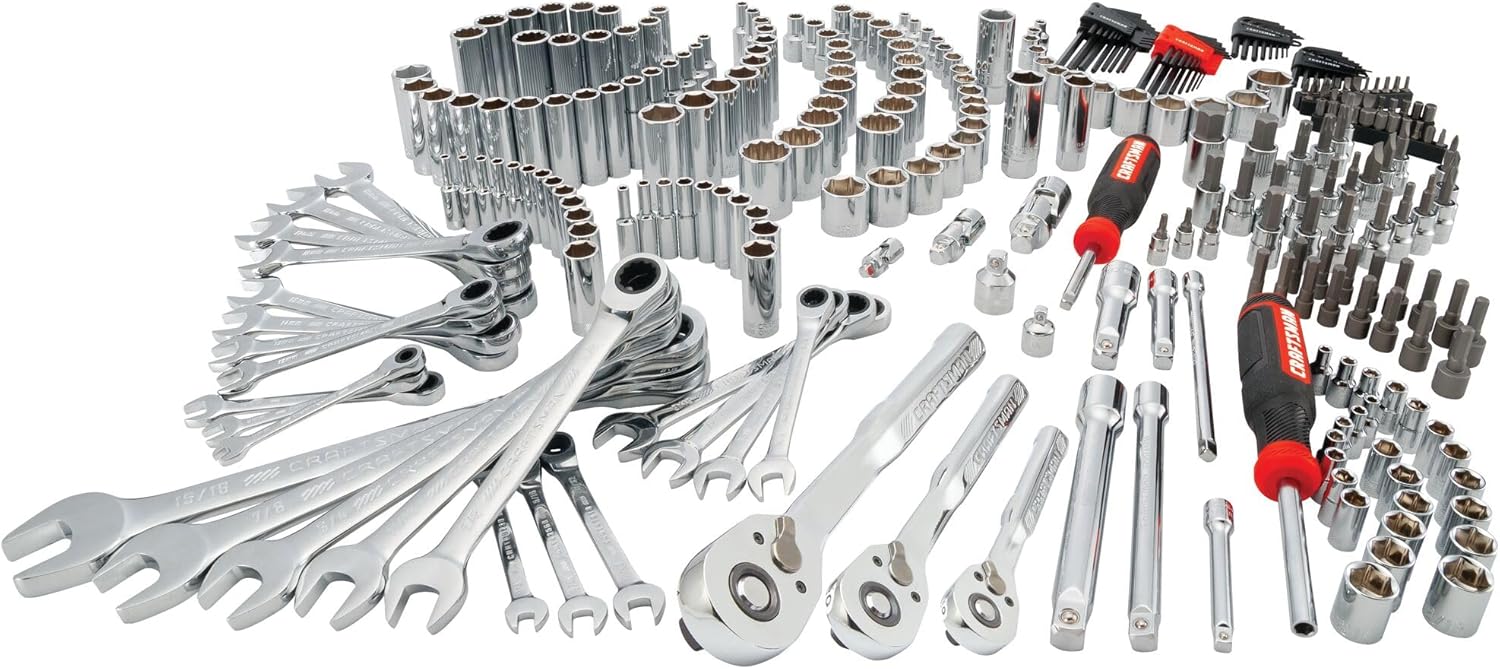
In the United States, you can exchange Craftsman hand tools in three main ways: use the Craftsman warranty for a defective tool, ask the original retailer about its return policy, or trade or sell a used tool through a local or online marketplace. The best option depends on why you want to exchange it, when you bought it, and whether the tool is damaged or simply unwanted.
A warranty exchange is usually the right path for a broken Craftsman hand tool. A store return may work for a recent purchase. For an older tool that still works, a private sale, tool swap, pawn shop, or local marketplace is often more practical.
The Best Place Depends on the Type of Exchange
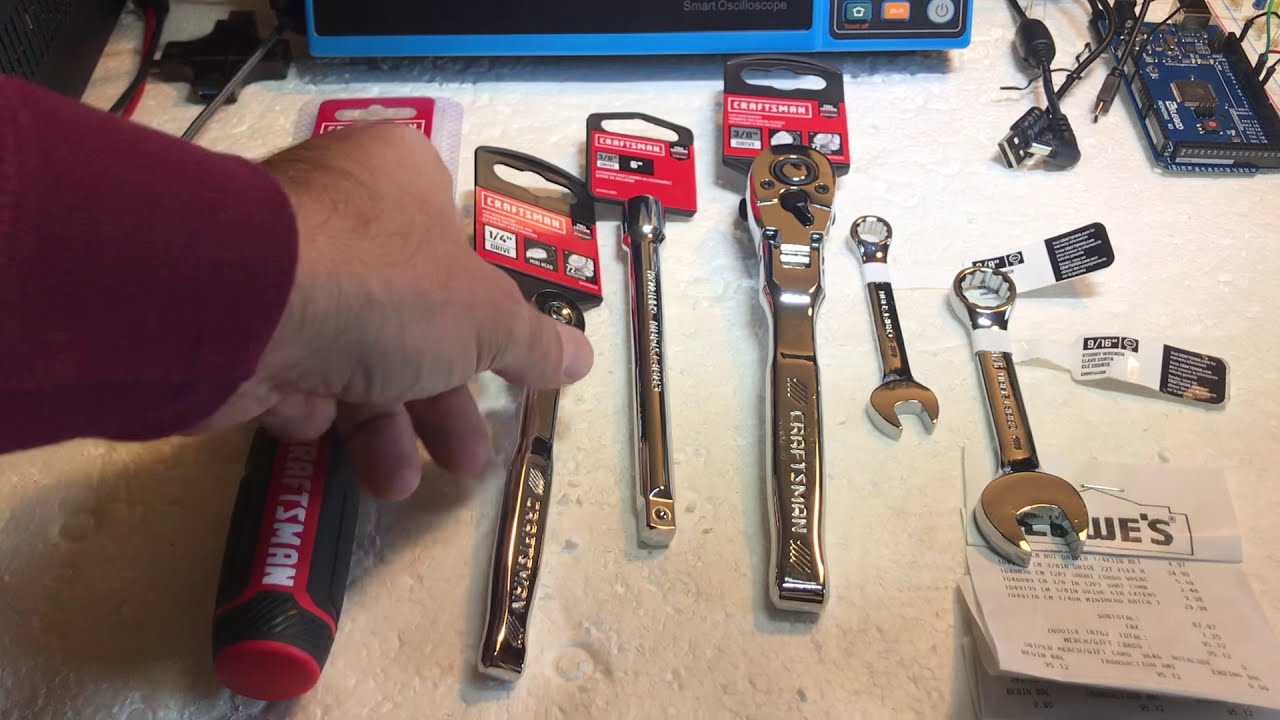
Start by deciding whether you need a warranty replacement, a retail return, or a used-tool trade. These options follow different rules.
| Your situation | Best first option | What to bring or provide |
|---|---|---|
| The tool broke during normal use | Craftsman warranty support or an authorized retailer | Tool, model details, photos, and purchase information if available |
| You bought the tool recently | Original store | Receipt, order number, packaging, and payment details |
| You received the wrong tool | Original store or online seller | Receipt, order record, unused tool, and all parts |
| You no longer need a working tool | Local marketplace, tool swap, or used-tool buyer | Clear photos, tool details, and an honest condition report |
| The tool is badly rusted or incomplete | Scrap dealer or parts buyer | Tool separated from other materials when required |
| You have a large set of tools | Local buyer, auction, consignment shop, or marketplace | Inventory, photos, and a realistic asking price |
The word “exchange” can cause confusion. A warranty exchange usually means replacing a defective tool with the same or a comparable tool. A private trade means swapping your tool for another item. A store return may result in a refund instead of a replacement.
Quick decision rule
- Broken tool: Check the Craftsman warranty first.
- Recent purchase: Check the retailer’s return policy.
- Working used tool: Sell or trade it locally.
- Unsafe or badly damaged tool: Ask a scrap or recycling facility what it accepts.
How to Use the Craftsman Warranty
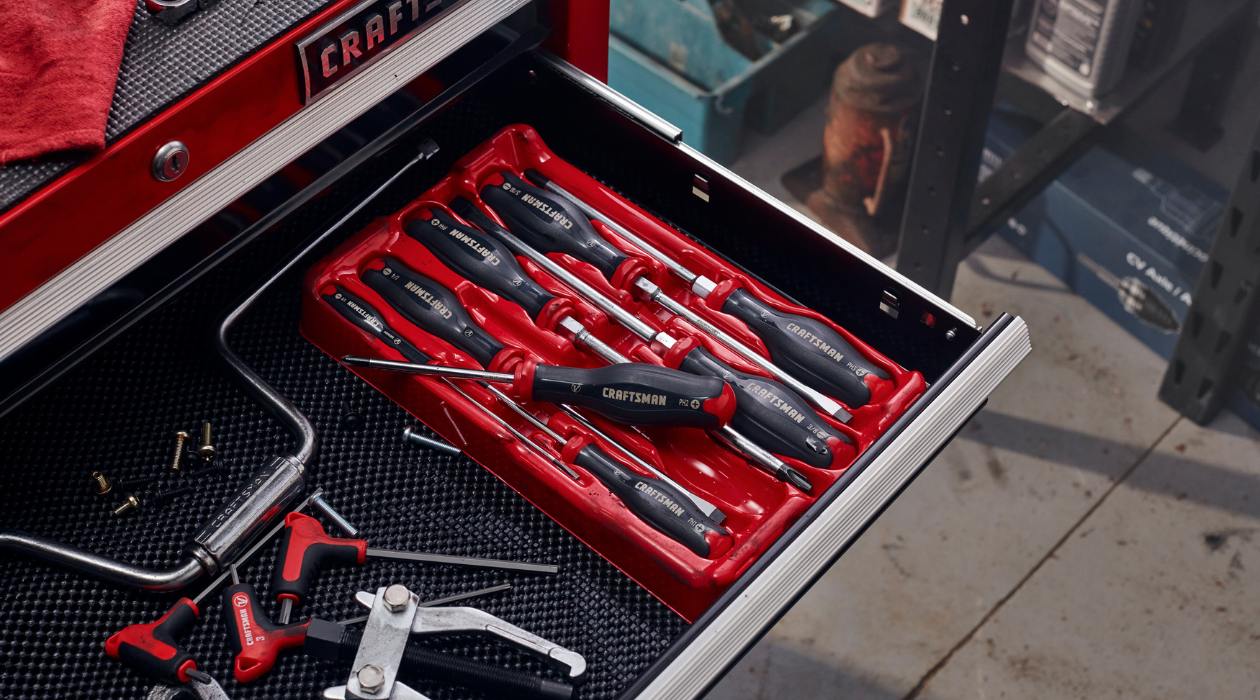
Craftsman hand tools are widely known for warranty coverage, but the exact process can depend on the tool category, date of purchase, retailer, and current warranty terms. Before visiting a store, check the official Craftsman warranty information and confirm that the retailer handles warranty replacements.
A warranty generally applies to a defect or failure covered by the warranty. It does not always cover loss, theft, intentional damage, misuse, changes to the tool, or normal wear that is not treated as a manufacturing defect.
Follow these steps
-
Identify the tool.
Record the tool type, size, drive size, part number, and any markings on the handle or body. -
Inspect the failure.
Take clear photos of a cracked ratchet, broken jaw, damaged head, or failed mechanism. Do not repair or alter the tool before asking about warranty service. -
Find the current warranty terms.
Use the official Craftsman website rather than relying on an old receipt, forum post, or social media comment. Warranty terms can vary by product line. -
Contact the retailer or Craftsman support.
Ask whether the location provides direct warranty exchanges. Some stores may direct you to customer service or an authorized service channel. -
Bring the old tool.
Take the complete tool, not just the broken part, unless support tells you otherwise. -
Bring proof of purchase if you have it.
A receipt, online order record, credit-card statement, or gift receipt may help. Some warranty programs may not require proof for every hand tool, but you should not assume that all locations follow the same process. -
Ask what replacement is available.
The exact model may be discontinued. The store may offer a comparable replacement, store credit, or another remedy allowed by the warranty terms.
What usually helps a warranty claim
- The original tool
- A readable model or part number
- A short description of what failed
- Photos of the damage
- The purchase date and retailer
- The receipt or online order number
- Your contact information
Do not discard a broken tool before the claim is approved. A retailer or warranty agent may need to inspect it.

Where to Exchange Craftsman Tools Bought at a Store
The original retailer is usually the first place to ask about a return or exchange. In the United States, Craftsman tools may be sold through home improvement stores, hardware stores, farm and fleet retailers, and online sellers. Each seller can have its own return window and condition rules.
A store’s normal return policy is separate from the Craftsman product warranty. A recent purchase may qualify for a return even when there is no product defect. An older tool may fall outside the store’s return period but still qualify for warranty service.
If you bought the tool from a home improvement store
Take the tool and proof of purchase to the store’s customer service desk. If you paid with a card, the retailer may be able to find the transaction. Online orders may require an order number, account record, or shipping confirmation.
Ask two clear questions:
- “Can I return or exchange this purchase under your store policy?”
- “If not, do you process Craftsman warranty replacements here?”
This wording helps separate a retail return from a manufacturer warranty claim.
If you bought the tool online
Start with the order page for the seller. Check whether the item is still within the seller’s return period and whether the seller requires the tool to be shipped back.
Do not mail a tool to an address found on an old web page or an unofficial forum. Use the seller’s current instructions or the official Craftsman support page.
If you bought the tool at a local hardware store
Small hardware stores may provide better personal service, but they may not stock every replacement model. Call first and describe the tool and the problem. Ask whether the store exchanges the item directly or refers warranty claims elsewhere.

How to Trade or Sell Used Craftsman Hand Tools
If the tool still works and you simply want something different, a private sale or trade is not a warranty exchange. It is a secondhand transaction, so the price depends on condition, demand, completeness, and local supply.
Good places to look include:
- Facebook Marketplace
- Craigslist
- OfferUp
- Local tool swap groups
- Garage and estate sales
- Community bulletin boards
- Construction or mechanic groups
- Pawn shops
- Used-tool dealers
- Consignment and auction services
A local trade is often easiest for heavy tool sets because you avoid shipping costs. Smaller tools can be listed online, but shipping may reduce the amount you receive.
Prepare the tool before listing it
Clean off loose dirt and surface oil. Do not sand away model markings or repaint a tool in a way that hides damage. Photograph the brand, model number, size markings, moving parts, and any rust or cracks.
Describe the condition plainly:
- “Works normally; light surface rust”
- “Ratchet slips under load”
- “Socket set is missing three pieces”
- “Handle has a crack”
- “Never used; packaging opened”
Honest descriptions reduce disputes and help buyers decide quickly.
Estimate a fair trade value
There is no single used price for every Craftsman hand tool. A simple way to set an asking price is:
Estimated asking price = local price for a similar used tool × condition factor − missing-part adjustment
This is a guide, not a formal valuation. For example, a complete, clean socket set may command more than a mixed set with missing sizes. A tool with a broken mechanism may have little resale value even if the metal looks clean.
Compare several current listings for the same or a similar model. Give more weight to completed sales when the platform provides them, because an unsold listing only shows what someone hopes to receive.

Can You Exchange Craftsman Tools at a Pawn Shop?
A pawn shop may buy or offer a loan on Craftsman hand tools, but it is not a Craftsman warranty center. The shop will normally judge the tool by resale demand, condition, completeness, and how quickly it expects to sell it.
You may receive less than you would from a private buyer because the pawn shop must cover testing, storage, overhead, and profit. A pawn shop can still be useful when you want a quick transaction.
Before accepting an offer:
- Ask whether the amount is a sale price or a loan amount.
- If it is a loan, ask about interest, fees, and the due date.
- Confirm what happens if you do not repay the loan.
- Compare the offer with at least one local marketplace listing.
- Keep personal information and receipts out of the tool case.
Do not use a pawn shop as a warranty substitute. If the tool failed during normal use, contact Craftsman or the original retailer first.

What to Do With Broken, Rusted, or Incomplete Tools
A badly damaged tool may not qualify for a retail return, but that does not mean it has no value. First check whether the failure could be covered by a Craftsman warranty. If not, consider repair, parts use, private sale with full disclosure, or metal recycling.
Repair may make sense when:
- The tool has a replaceable spring or pin.
- The handle is damaged but the working head is sound.
- The tool is an older or unusual model.
- Replacement cost is higher than a simple repair.
- You can obtain the correct part from a reliable source.
Do not repair a tool that is used for high force if the repair could cause sudden failure. A cracked ratchet, damaged breaker bar, split wrench, or bent striking tool can release energy and cause injury.
Recycling may make sense when:
- The tool is severely cracked or bent.
- The mechanism cannot be restored safely.
- The tool has little resale demand.
- A local facility accepts ferrous or mixed metals.
Call the recycling center before you go. Rules differ for steel, chrome-plated tools, plastic handles, oily materials, and mixed metal items. Never place oily rags, solvents, or unknown chemicals in a scrap bin unless the facility accepts them.
Craftsman Exchange Options Compared
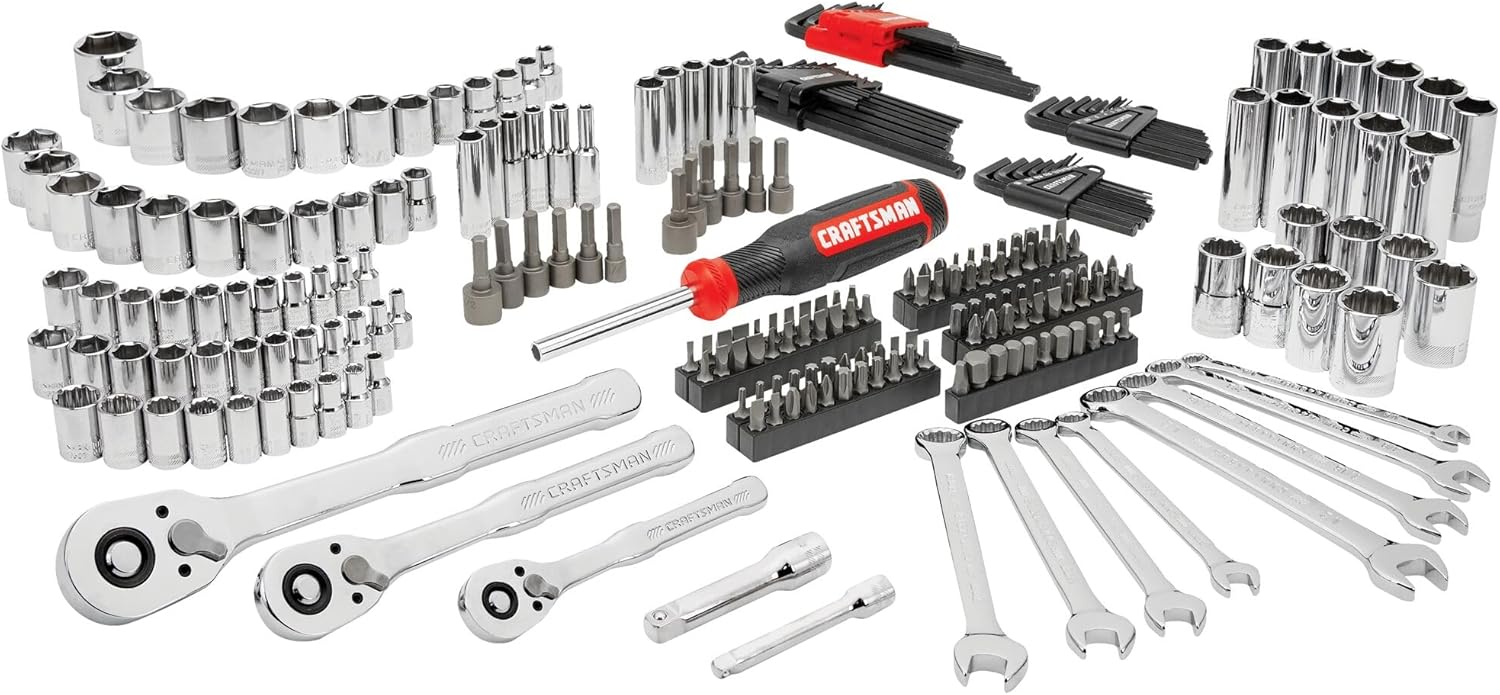
The table below compares the main ways to exchange, return, trade, or dispose of Craftsman hand tools.
| Option | Best for | Main advantage | Main limitation |
|---|---|---|---|
| Craftsman warranty | Covered tools that failed | May provide a replacement without buying another tool | Coverage and process must be confirmed |
| Original retailer | Recent purchases or wrong items | May offer a refund or direct exchange | Return windows and conditions apply |
| Private marketplace | Working tools you no longer need | May produce a higher price | Requires time, messages, and buyer screening |
| Tool swap group | Trading for another tool | Can match you with a tool user | Trade values may be hard to compare |
| Pawn shop | Fast sale or secured loan | Quick and local | Offers may be below private-sale value |
| Consignment or auction | Larger collections | Useful for estates or shop clear-outs | Fees and delayed payment may apply |
| Scrap recycler | Unusable metal tools | Keeps material out of the trash | Usually provides little money |
The key trade-off is speed versus value. A warranty claim may provide the best result for a failed tool. A private sale may provide more money for a working tool, but it usually takes more effort.

Mistakes to Avoid Before an Exchange
The most common mistake is taking a warranty claim to a store without checking whether that location handles Craftsman warranty service. A quick call can prevent a wasted trip.
Avoid these errors:
- Throwing away the broken tool before approval
- Claiming a tool is defective when it was modified or misused
- Hiding missing pieces or damage in a private listing
- Assuming every Craftsman tool has identical warranty terms
- Using an old warranty page without checking its date
- Mailing a tool without written instructions
- Paying a third party for a service that Craftsman provides directly
- Treating a pawn loan as a sale
- Shipping heavy tools without calculating postage and insurance
- Using a cracked tool for force, impact, or load-bearing work
If a tool can fail and injure someone, stop using it until its condition is clear. Replacement is usually safer than trying to make a structurally damaged hand tool “good enough.”

What Information Should You Have Ready?
The exchange process is easier when you collect the basic facts first. Write down the tool’s brand, type, size, model number, and the problem. Take photos in good light.
Keep these details together:
- Full name of the tool
- Drive size or measurement
- Model or part number
- Date and place of purchase
- Receipt or order number
- Description of the failure
- Photos of the tool and markings
- List of missing pieces
- Whether the tool has been modified or repaired
If you are selling or trading the tool, also record whether it works under normal use. Do not test a damaged tool in a way that could cause it to break.
Frequently Asked Questions
Can I exchange a Craftsman hand tool without a receipt?
Possibly, but do not assume it. The retailer or warranty provider may use the tool’s markings, product category, or purchase records to determine eligibility. A receipt or online order record can make the process easier.
Does Lowe’s exchange all Craftsman hand tools?
Not automatically. Lowe’s may sell Craftsman products, but store returns and manufacturer warranty service are separate matters. Check the current Lowe’s return policy and ask the specific store whether it handles the tool in question.
Can I return a Craftsman tool to Sears?
That depends on the purchase record, the current Sears location, and the applicable return or warranty process. Sears stores and service channels can differ, so confirm before traveling.
Is it better to sell or use the Craftsman warranty?
Use the warranty first if the tool failed during normal use and appears covered. Sell or trade it if it works and you simply no longer want it. Do not sell a defective tool without clearly telling the buyer about the defect.
What is the safest way to ship a Craftsman tool?
Clean and secure the tool, protect sharp edges, prevent moving parts from shifting, and use a box strong enough for the weight. Compare shipping cost with the tool’s value. For heavy sets, a local sale may be more practical.
Can I exchange only one piece from a Craftsman tool set?
Sometimes. The result depends on whether the item is covered individually, whether the set is sold as one product, and whether replacement parts are available. Contact the retailer or Craftsman with the set’s model number before separating pieces.
Final Answer: Where Should You Go First?
For a broken Craftsman hand tool, start with the official Craftsman warranty information, then call the original retailer or an authorized store before visiting.
For a recent purchase, contact the seller and use its return or exchange process.
For a working tool you no longer need, compare local marketplace listings, tool swap groups, pawn shops, and consignment options. Give an accurate condition report, keep the tool’s markings visible, and choose the option that balances value, speed, and safety.
Useful starting points include the official Craftsman warranty page, the original retailer’s current return policy, and local marketplace listings for comparable tools. Check those sources close to the time of the exchange because store policies, product availability, and warranty procedures can change.
Recent Tool Guides
 Hammer
How To Hammer Flowers Onto Paper: Easy Guide
Learn how to hammer flowers onto paper with simple steps, helpful tips, and beautiful results for...
Read Guide → Wrench
How To Use A Hex Wrench: Easy Step-By-Step Guide
Learn how to use a hex wrench correctly with simple steps, helpful tips, and common mistakes...
Read Guide → Hacksaw
How To Cut Curtain Pole With Hacksaw: Easy Guide
Learn how to cut curtain pole with hacksaw safely and neatly. Follow simple steps for accurate...
Read Guide → Wrench
How To Use A Husky Torque Wrench: Easy Guide
Learn how to use a Husky torque wrench correctly with simple steps, torque settings, and safety...
Read Guide → Hammer
How To Hold A Hammer: Safe Grip Guide
Learn how to hold a hammer with the right grip, stance, and technique for safer, more...
Read Guide → Hacksaw
How To Cut Flexible Metal Conduit With Hacksaw: Easy Guide
Learn how to cut flexible metal conduit with hacksaw safely and cleanly. Follow simple steps for...
Read Guide →