Will A Hacksaw Cut Steel: Best Cutting Guide
Yes. A hacksaw will cut most common steel, including mild steel, carbon steel, pipe, threaded rod, bolts, flat bar, and sheet metal. The key is to use the right blade, hold the work firmly, and let the blade cut without forcing it.
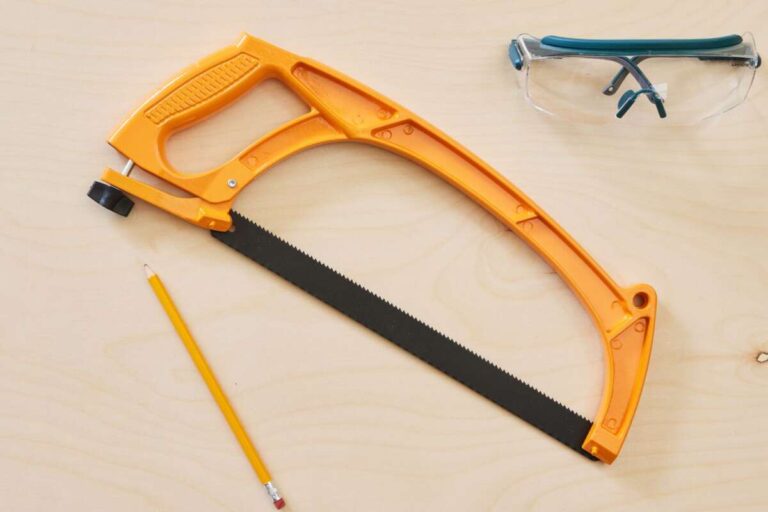
For most home projects in the United States, a hand hacksaw is useful for small steel cuts where a power tool would be excessive. It is slower than an angle grinder or reciprocating saw, but it makes less noise and creates no sparks when used correctly.
A hacksaw may struggle with thick steel, hardened steel, large sections, or repeated cuts. In those cases, a powered metal-cutting tool may be a better choice.

What Kind of Steel Can a Hacksaw Cut?
A hacksaw can cut steel that is softer than the blade teeth. Common examples include:
- Mild steel tubing
- Carbon-steel bolts
- Threaded rod
- Steel pipe
- Flat bar
- Angle iron
- Sheet metal
- Wire cable
- Automotive brackets
- Some stainless steel parts
The most important factor is the steel’s hardness and thickness. Mild steel is usually easy to cut by hand. Stainless steel can also be cut, but it may take more time because it tends to work-harden when overheated or cut with too much pressure.
A hacksaw may not be practical for:
- Hardened tool steel
- Hardened bolts
- Thick structural steel
- Large steel plate
- Very thick stainless steel
- High-volume production work
A standard hacksaw uses a narrow, replaceable blade with teeth designed to remove small chips of metal. It does not melt or burn through steel. Each forward stroke removes a small amount of material.
What is the difference between a hacksaw and a wood saw?
A hacksaw has fine, hardened teeth made for metal. A wood saw has larger teeth with a shape and spacing suited to wood fibers.
Do not use a wood saw on steel. Its teeth can dull quickly, catch in the metal, or break. Use a blade marked for metal cutting.
Will a hacksaw cut stainless steel?
Yes, but stainless steel often needs more care than mild steel. Use a sharp bi-metal blade, keep steady pressure on the forward stroke, and avoid rubbing the blade without cutting.
If the blade slips over the same spot without removing metal, the stainless steel may be hardening from heat or pressure. Stop, replace the blade if needed, and use a controlled cutting motion.
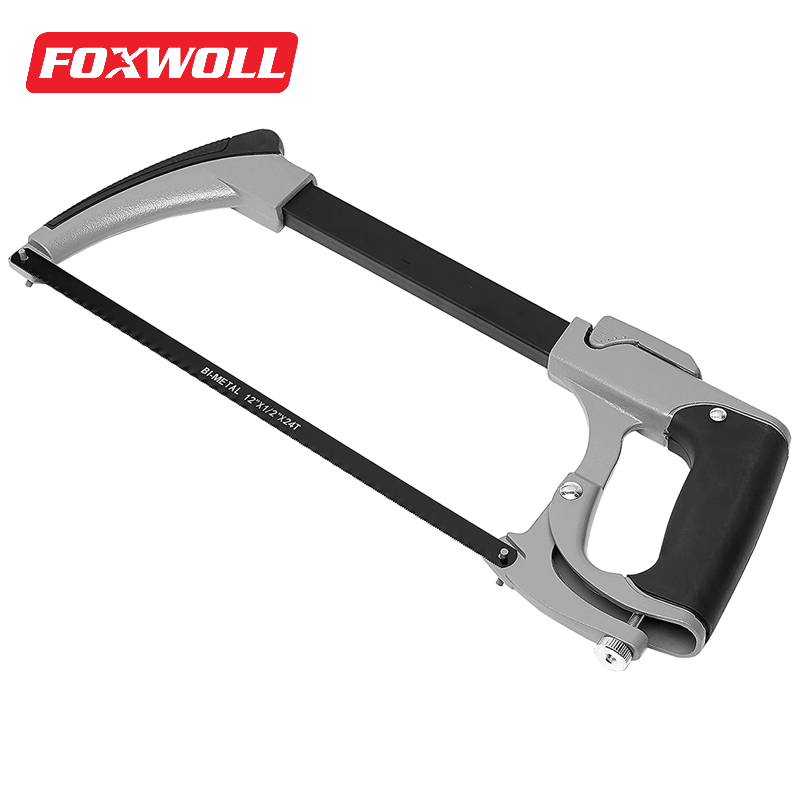
Choose the Right Hacksaw Blade
The blade is often more important than the hacksaw frame. A poor blade can make a simple steel cut slow, rough, and frustrating.
Blade material
For steel, choose one of these blade types:
- Bi-metal blade: A strong general choice for steel and stainless steel. It combines flexible backing steel with harder cutting teeth.
- High-carbon steel blade: Often less expensive, but more likely to break or wear sooner.
- High-speed steel blade: Designed for harder materials, though it may cost more and can be less forgiving if misused.
For most home repairs, a quality bi-metal blade is the safest starting point.
Blade teeth per inch
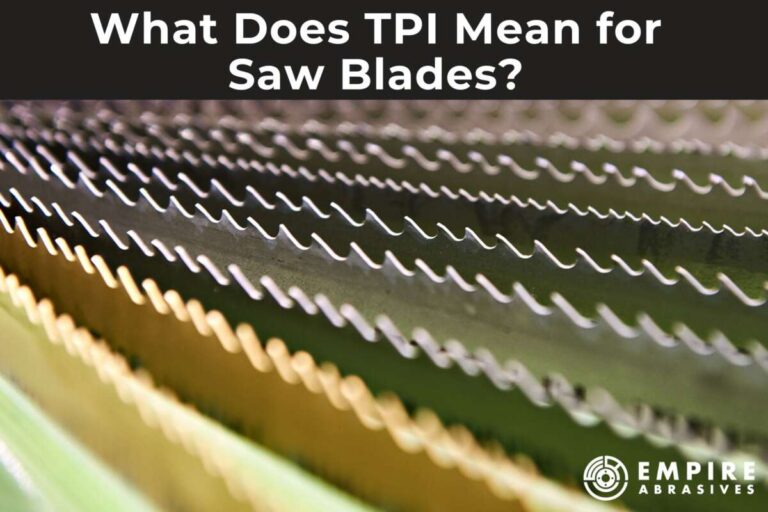
Hacksaw blades are commonly sold in tooth counts such as 14, 18, 24, and 32 teeth per inch, or TPI.
Use the material thickness to choose the tooth count:
| Steel workpiece | Useful starting blade |
|---|---|
| Thin sheet metal | 24–32 TPI |
| Thin-wall tubing | 24–32 TPI |
| General steel bar or pipe | 18–24 TPI |
| Thicker steel sections | 14–18 TPI |
The blade should have at least two or three teeth in the workpiece at one time. If the material is thin, use finer teeth. If it is thick, use coarser teeth so chips have room to clear.
A blade with too few teeth can snag and strip teeth. A blade with too many teeth can clog with chips and cut very slowly.
Blade length and direction
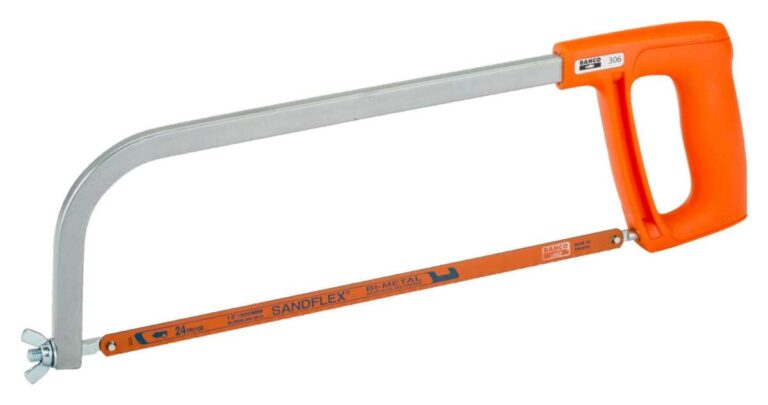
Many full-size hacksaws use blades around 12 inches long, but the correct size depends on the frame. Check that the blade fits the frame and can be tensioned properly.
Most hacksaw blades are installed with the teeth pointing away from the handle. The blade normally cuts on the forward stroke. Check the markings on the blade or frame because some specialty frames allow different setups.
How to Cut Steel With a Hacksaw
Follow these steps for a clean and controlled cut.
1. Mark the cut
Use a permanent marker, machinist’s scribe, or layout dye to mark the cutting line. For a straight cut, wrap paper around round pipe and use its edge as a guide.
If the cut must be precise, mark the line around the full part. This helps you keep the blade square as you work.
2. Secure the steel
Clamp the workpiece in a bench vise. Support it close to the cut so it does not vibrate.
Place thin sheet metal between soft jaw covers or pieces of scrap wood if the vise may damage the surface. Keep the cut line close to the vise jaws, but leave enough room for the hacksaw frame to move.
Never hold the steel in your hand while cutting. The blade can slip, and the part may move suddenly.
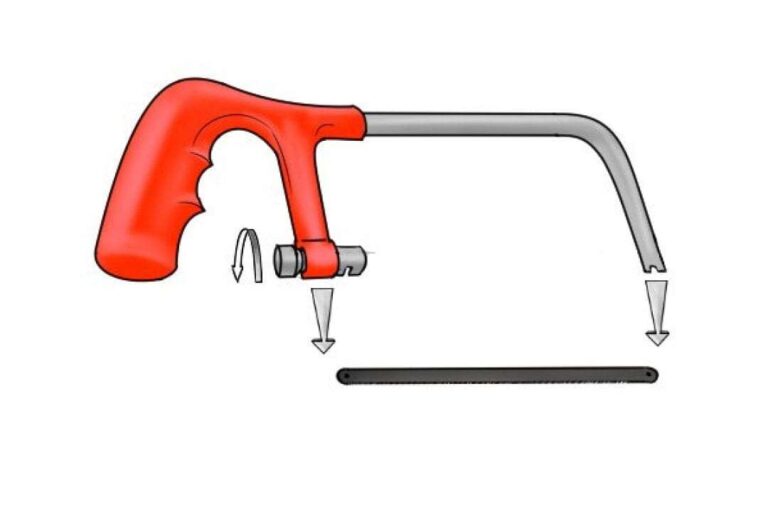
3. Install and tension the blade
Fit the blade into the frame with the teeth facing in the cutting direction. Tighten it until the blade feels firm and does not twist easily.
Do not overtighten a basic hacksaw frame. Excess tension can bend the frame or break the blade. A properly tensioned blade should stay straight during the cut.
4. Start with a shallow notch
Place the blade on the waste side of the mark. Use several light strokes to create a small groove.
Starting gently helps prevent the blade from wandering. Once the groove is established, the blade will track more easily.
5. Use long, steady strokes
Use most of the blade length on each stroke. Apply pressure during the cutting stroke and release most of the pressure as you return the blade.
Keep the blade square to the workpiece unless the design calls for an angled cut. Let the teeth remove the metal. Pressing too hard can bend the blade, strip teeth, or make the cut crooked.
6. Use cutting fluid when helpful
A small amount of cutting oil can reduce heat and friction, especially on thicker steel or stainless steel. Apply it to the cut line rather than soaking the entire workpiece.
For thin steel, dry cutting may be simpler. Do not use a fluid that creates a slip hazard or is not suitable for your work area.
7. Finish the cut carefully
As the blade approaches the far side, support the waste piece so it does not bend and tear the remaining metal.
Reduce pressure near the end. A sudden break can damage the edge or cause the blade to jump.
8. Remove the burr
The cut edge may have a sharp burr. Use a metal file or deburring tool to smooth it.
Check both sides of the cut. A burr can cause cuts during handling, even when the main cutting work is complete.
Signs of a good cut
A successful hacksaw cut usually has:
- A line that follows the mark
- Minimal bending or distortion
- Teeth that remain intact
- A manageable amount of burr
- No deep gouges beside the cut
- A workpiece that stayed firmly clamped
What Changes How Fast a Hacksaw Cuts Steel?
Cutting speed depends on more than the tool. The steel, blade, technique, and setup all affect the result.
Steel thickness
Thicker steel requires more strokes and more time. A hacksaw is practical for small sections, but cutting a large steel plate by hand can be tiring and inefficient.
For thick material, compare the effort with an angle grinder, band saw, reciprocating saw, or cold-cut metal saw.
Steel hardness
Mild steel is easier to cut than hardened steel. Hardened bolts and tool steel can dull a standard blade quickly.
If a file barely scratches the surface, the part may be hardened. A hacksaw may still mark it, but it may not be the right tool for completing the cut.
Blade condition
A dull blade creates heat and friction instead of clean chips. Replace it when:
- It takes much more force to cut
- The teeth look rounded
- The blade slips over the metal
- The cut becomes uneven
- Several teeth are missing
A new blade often solves a problem that appears to be poor technique.
Tooth count
Use finer teeth for thin material and coarser teeth for thick material. The goal is to keep several teeth engaged without packing the gullets with chips.
Pressure and stroke length
Heavy pressure is not the same as effective cutting. Use firm, even pressure on the forward stroke and a lighter return stroke.
Short, choppy strokes wear one small area of the blade. Long strokes spread wear across more teeth.
Workpiece support
Vibration wastes cutting effort. If the steel moves, the teeth may catch, chatter, or break.
Clamp the material close to the cut. For long pieces, support the free end with a stand or a stable surface.
Hacksaw Versus Other Ways to Cut Steel
A hacksaw is not always the best steel-cutting tool. The right choice depends on the material, cut quality, location, and number of cuts.
| Tool | Best use | Main trade-off |
|---|---|---|
| Hand hacksaw | Small cuts and occasional repairs | Slow and tiring on thick steel |
| Angle grinder with cutoff wheel | Fast cuts in many steel shapes | Sparks, noise, dust, and a rougher edge |
| Reciprocating saw | Awkward locations and demolition work | More vibration and less control |
| Portable band saw | Repeated or cleaner cuts | Higher cost and less convenient for some locations |
| Cold-cut metal saw | Fast, accurate cuts in suitable stock | Requires a compatible saw and blade |
| Oxy-fuel or plasma cutter | Thick plate and fabrication work | Requires training, equipment, and fire controls |
A hacksaw is often the better option when you need a quiet cut, have only one or two cuts to make, or work indoors where sparks are a concern.
An angle grinder may be faster, but it can ignite nearby combustibles. A hacksaw does not create the same spark stream, though the cut edge and metal chips can still be sharp and hot from friction.
Common Mistakes When Cutting Steel With a Hacksaw
Avoiding a few common errors can make the job safer and easier.
Using the wrong blade
A blade made for wood will not cut steel well. A coarse blade on thin sheet metal may snag, while a very fine blade on thick bar stock may clog.
Choose the blade based on the material thickness, not just the size of the hacksaw frame.
Cutting without a vise
A loose workpiece can move, twist, or catch the blade. Secure the steel before you start.
If you do not have a bench vise, use a suitable clamp and a stable work surface. Do not rely on your foot or hand to hold the part.
Pushing on the return stroke
The hacksaw usually cuts in one direction. Pressing hard while pulling back can damage the teeth and make the blade flex.
Use pressure only in the cutting direction unless the blade design says otherwise.
Letting the blade wander
A wandering blade often starts with too much pressure. Make a shallow starter groove, then keep the frame aligned with the mark.
For long cuts, pause to check the blade angle rather than trying to correct a large error at the end.
Ignoring heat
Steel can become hot near the cut. Let it cool before touching it directly, or use pliers when appropriate.
Cutting oil can help, but keep oily rags and other flammable materials away from sparks, hot surfaces, and power tools.
Skipping eye protection
Wear safety glasses with side protection. Small metal chips and broken teeth can travel toward your face.
The Occupational Safety and Health Administration also emphasizes proper tool condition, guarding, and safe work practices for hand and power tools.
Wearing loose gloves near moving power tools
Gloves can protect against sharp edges during handling, but they can also catch in rotating equipment. Use task-appropriate hand protection and follow the tool manufacturer’s instructions.
For a hand hacksaw, gloves may help with sharp stock, but they do not replace eye protection or a secure clamp.
Key Takeaways
- Yes, a hacksaw can cut most common steel.
- Mild steel, bolts, pipe, tubing, and threaded rod are typical targets.
- Use a metal-cutting bi-metal blade when possible.
- Choose 24–32 TPI for thin steel and about 14–24 TPI for thicker steel.
- Clamp the workpiece firmly in a vise.
- Start with light strokes, then use long, steady cutting strokes.
- Replace a dull blade instead of forcing it.
- Wear safety glasses and deburr the finished edge.
- Use a powered metal-cutting tool for thick, hardened, or high-volume work.
FAQs About Cutting Steel With a Hacksaw
Can a hacksaw cut through a steel bolt?
Yes. A hacksaw can cut many ordinary steel bolts. Use a sharp 18–24 TPI blade for a typical bolt, secure the bolt in a vise, and cut with steady strokes.
Hardened bolts may be much harder to cut. If the blade only polishes the surface, stop forcing it and choose a tool or blade designed for hardened material.
Can a hacksaw cut steel pipe?
Yes. A hacksaw is well suited to small steel pipe and tubing. Mark the cut around the pipe, use a fine-to-medium blade, and rotate the pipe or adjust your angle as needed to keep the cut square.
Support the pipe close to the cut so it does not vibrate.
Can a junior hacksaw cut steel?
A junior hacksaw can cut thin steel, small bolts, and light tubing. Its smaller frame and blade make it useful in tight spaces, but it usually removes less metal per stroke than a full-size hacksaw.
Use it for light work rather than thick bar stock or large pipe.
Why does my hacksaw not cut steel?
The most likely causes are a dull blade, the wrong tooth count, poor tension, loose work, or too much pressure.
Check the setup in this order:
- Confirm that the blade is made for metal.
- Check that the teeth are sharp and intact.
- Clamp the workpiece firmly.
- Make sure the blade is tight and aligned.
- Reduce pressure and use longer strokes.
- Add a small amount of suitable cutting oil for thick or stainless steel.
Can a hacksaw cut hardened steel?
Sometimes, but not reliably with a standard blade. Hardened steel can wear down ordinary hacksaw teeth quickly.
A specialist abrasive wheel, carbide tool, powered metal saw, or professional machining method may be more suitable. Avoid forcing the hacksaw because a broken blade can create a sharp hazard.
Is it better to push or pull a hacksaw?
Most hacksaw blades are designed to cut on the forward push stroke. Apply pressure as you push and ease off as you pull the blade back.
Always confirm the tooth direction after installing the blade.
Conclusion
A hacksaw will cut steel when the material is within the blade’s hardness and thickness limits. For small jobs, it is a low-cost and controlled option that works well on mild steel, pipe, tubing, bolts, and threaded rod.
Use the right TPI, clamp the work securely, make long strokes, and replace the blade when it becomes dull. If the steel is hardened, very thick, or part of a large cutting job, switch to a tool designed for that level of work rather than forcing a hand hacksaw.
Recent Tool Guides
 Hammer
How To Hammer Flowers Onto Paper: Easy Guide
Learn how to hammer flowers onto paper with simple steps, helpful tips, and beautiful results for...
Read Guide → Wrench
How To Use A Hex Wrench: Easy Step-By-Step Guide
Learn how to use a hex wrench correctly with simple steps, helpful tips, and common mistakes...
Read Guide → Hacksaw
How To Cut Curtain Pole With Hacksaw: Easy Guide
Learn how to cut curtain pole with hacksaw safely and neatly. Follow simple steps for accurate...
Read Guide → Wrench
How To Use A Husky Torque Wrench: Easy Guide
Learn how to use a Husky torque wrench correctly with simple steps, torque settings, and safety...
Read Guide → Hammer
How To Hold A Hammer: Safe Grip Guide
Learn how to hold a hammer with the right grip, stance, and technique for safer, more...
Read Guide → Hacksaw
How To Cut Flexible Metal Conduit With Hacksaw: Easy Guide
Learn how to cut flexible metal conduit with hacksaw safely and cleanly. Follow simple steps for...
Read Guide →