Who Uses A Hacksaw: Common Users And Jobs
A hacksaw is used by people in the United States who need to cut metal, plastic pipe, conduit, bolts, screws, and other hard materials by hand. Plumbers, electricians, mechanics, maintenance workers, metalworkers, contractors, and DIY homeowners all use hacksaws.
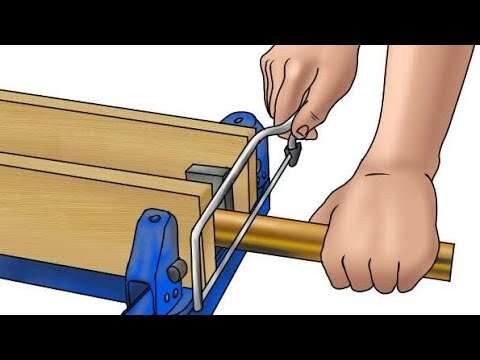
The tool is useful when a power saw is too large, too loud, unavailable, or unsafe for a small job. It works best for straight cuts in thin or medium-thick stock. The user fits a fine-toothed blade into a metal frame, holds the work firmly, and moves the saw back and forth with steady pressure.
What Is a Hacksaw?
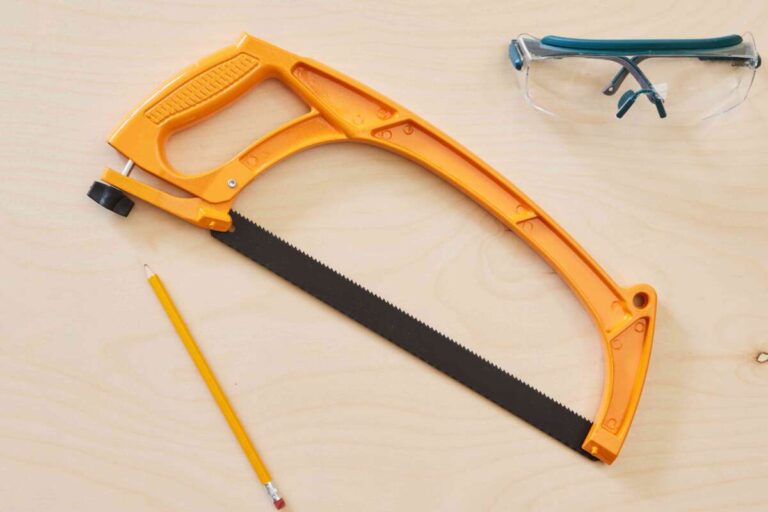
A hacksaw is a hand saw with a narrow, replaceable blade held under tension in a rigid frame. Most blades have small teeth made for cutting metal. Some blades also work on plastic, composite material, and other products listed by the blade maker.
A standard hacksaw has four main parts:
- Frame: Holds the blade and keeps it straight.
- Blade: A thin strip with teeth along one edge.
- Tensioning system: Tightens the blade so it does not bend during a cut.
- Handle: Gives the user a firm grip and control.
Hacksaw blades come in different tooth counts. A higher tooth count gives a smoother cut on thin material. A lower tooth count removes material faster from thicker stock.
A hacksaw is not the same as a wood saw. Wood saws have larger teeth and a wider blade. Using a hacksaw on wood is slow and may damage the blade. A hacksaw also differs from a reciprocating saw or band saw because it uses human force rather than a motor.

Who Uses a Hacksaw?
Many trades and home repair tasks call for a hacksaw. The best tool depends on the material, the space around the cut, and the amount of work.
Plumbers
Plumbers use hacksaws to cut:
- Copper pipe
- Plastic pipe
- Threaded rod
- Bolts
- Pipe brackets
- Small metal fittings
A hacksaw can help when a pipe cutter will not fit or when the plumber needs to remove a damaged fastener. After cutting plastic pipe, the plumber usually removes burrs from the edge so the joint fits well.
For copper tubing, a tubing cutter often makes a cleaner and more even cut. A hacksaw remains useful in tight spaces or for materials that a tubing cutter cannot handle.
Electricians
Electricians use hacksaws to cut:
- Electrical conduit
- Threaded conduit
- Metal boxes
- Cable tray parts
- Bolts and screws
- Plastic raceway
A clean conduit cut matters. Sharp edges can damage wire insulation. An electrician may file or ream the cut end after sawing. The exact finishing step depends on the conduit type and the fitting used.
Before cutting any installed electrical part, the circuit must be de-energized and verified. A hacksaw is a hand tool, but it can still contact live equipment or create a dangerous short circuit.
Automotive Mechanics
Mechanics use hacksaws for small repair and removal jobs. Common examples include cutting:
- Rusted bolts
- Exhaust hardware
- Brackets
- Studs
- Thin sheet metal
- Plastic panels
- Hose clamps
A hacksaw can be useful when a bolt spins instead of loosening. The mechanic may cut through the bolt or the nut, depending on access and the risk of damaging nearby parts.
Mechanics often choose a compact hacksaw or a small blade holder for work inside an engine bay. The narrow blade can reach areas that do not allow room for a powered cutting tool.
Maintenance Workers
Building and equipment maintenance workers use hacksaws for repairs involving:
- Metal shelving
- Pipe supports
- Bolts
- Wire mesh
- Door hardware
- Small brackets
- Plastic plumbing parts
A hacksaw is easy to carry and does not need electricity, a battery, or compressed air. That makes it practical for quick repairs in offices, factories, apartments, schools, and commercial buildings.
Maintenance teams should still use the correct tool for the material. Cutting heavy structural steel or large pipe by hand may take too long and may produce a poor result.
Metalworkers and Fabricators
Metalworkers use hacksaws to cut small pieces of:
- Steel
- Aluminum
- Brass
- Copper
- Stainless steel
- Metal tubing
A hacksaw can make accurate cuts when the user marks the material and supports it close to the cut. It is often useful for one-off work, small repair jobs, and materials that are too small or awkward for a larger machine.
For repeated cuts or thick stock, a band saw, cold saw, or abrasive saw may be faster. Those tools also require different training and safety controls.
Construction Workers
Construction workers may use hacksaws to cut conduit, threaded rod, mesh, pipe, and hardware. The tool is helpful when a worker needs a controlled cut without bringing a large power tool into a crowded work area.
Workers should keep the cutting area clear. A blade can catch if the material moves, and the cut edge may be sharp even when the cut looks complete.
DIY Homeowners
Homeowners use hacksaws for common projects such as:
- Cutting a bolt that will not come out
- Shortening curtain rods
- Cutting plastic pipe
- Trimming metal shelving
- Adjusting a threaded rod
- Removing small sections of wire mesh
- Cutting light-duty conduit
For occasional home use, a standard full-size hacksaw often covers many tasks. A compact model can help in tight spaces, but its shorter handle may provide less control and comfort.

What Materials Can a Hacksaw Cut?
A hacksaw can cut many metals and some plastics, but the blade must match the job.
| Material | Can a hacksaw cut it? | Practical guidance |
|---|---|---|
| Mild steel | Yes | Use a suitable metal-cutting blade and steady strokes. |
| Stainless steel | Yes | Use a sharp blade and avoid forcing the cut. |
| Aluminum | Yes | Clear chips often so the teeth do not clog. |
| Copper | Yes | Support the work and remove burrs after cutting. |
| Brass | Yes | A fine blade often gives good control. |
| PVC pipe | Yes | Mark the cut and smooth the edge afterward. |
| ABS pipe | Yes | Use a clean blade and support the pipe. |
| Thin sheet metal | Usually | Clamp it well to limit vibration. |
| Hardened steel | Sometimes | A standard blade may wear quickly or fail to cut. |
| Wood | Not recommended | Use a wood saw with teeth made for wood. |
| Concrete or masonry | No | Use a tool and blade made for masonry. |
A hacksaw may cut a material in theory but still be a poor choice in practice. Thickness, hardness, access, and the number of cuts all affect the decision.
The blade also matters. Blade tooth counts are often described as teeth per inch, or TPI. A coarse blade removes material faster. A fine blade gives better control on thin material. The teeth should stay engaged with the work instead of skipping across the surface.
Why Do People Use a Hacksaw Instead of a Power Saw?
People choose a hacksaw when they need control, portability, or low noise. It can be used almost anywhere and does not produce the same moving-power hazards as a motorized saw.
A hacksaw is often a good choice when:
- The job involves only one or two cuts.
- The material is thin or small.
- The work area is tight.
- No electrical outlet is nearby.
- Battery tools are not charged.
- Noise or sparks would cause a problem.
- The user wants a low-cost hand tool.
- A slow, controlled cut is safer than a fast cut.
A power saw may be better for thick metal, repeated cuts, large pipe, or production work. It may save time, but it also brings added risks such as kickback, rotating parts, sparks, noise, and electrical or battery hazards.
The deciding trade-off is simple: a hacksaw gives control and access, while a powered saw gives speed and cutting capacity.

How to Use a Hacksaw Safely
Use a hacksaw only after securing the material and choosing a suitable blade. The Occupational Safety and Health Administration advises workers to keep hand tools in good condition and use the right tool for the job. Its hand and power tools guidance also stresses inspection and safe work practices.
Follow these steps:
- Inspect the saw. Check the frame, handle, blade, and tension system. Do not use a cracked frame or a badly worn blade.
- Choose the blade. Match the tooth size to the material thickness. Use a blade made for the material.
- Install the blade correctly. On most hacksaws, the teeth point away from the handle. Follow the frame maker’s instructions if the design differs.
- Tighten the blade. The blade should be firm and straight. Do not bend it sideways to increase tension.
- Mark the cut. Use a visible line or wrap tape around pipe to guide a square cut.
- Secure the work. Use a vise, clamp, or another stable method. Do not hold the material in your hand while cutting.
- Start with light strokes. Make a small groove on the cut line before using longer strokes.
- Keep the blade straight. Use the full length of the blade when possible. This helps spread wear across the teeth.
- Apply steady pressure. Press during the forward stroke and ease pressure on the return stroke. Do not force the blade.
- Slow down near the end. The material may break suddenly when only a thin section remains.
- Remove burrs. Use a file or deburring tool when the cut edge is sharp.
- Clean the area. Collect metal filings and dispose of sharp offcuts safely.
Wear safety glasses when cutting. Gloves may protect against sharp edges, but they must not become caught in moving equipment. Keep loose clothing, hair, and jewelry away from the work.
If the work involves lead paint, contaminated metal, unknown coatings, or dust-producing materials, use controls suitable for that hazard. A hacksaw does not make hazardous material safe.

Common Hacksaw Mistakes
Most hacksaw problems come from poor support, the wrong blade, or too much force.
Using a Dull Blade
A dull blade cuts slowly and may slip. It also encourages the user to push harder. Replace the blade when the teeth are worn, broken, clogged, or no longer cutting cleanly.
Choosing the Wrong Tooth Count
Large teeth may catch on thin sheet metal. Very fine teeth may clog or cut slowly in thick stock. Choose a blade that keeps several teeth in contact with the material.
Failing to Clamp the Work
A moving pipe or loose bracket can cause a crooked cut. It can also pinch the blade. Clamp the work close to the cut, but avoid crushing hollow pipe.
Cutting Too Fast
Fast strokes create heat and fatigue. They can also make the blade wander from the mark. Smooth, even strokes usually work better than rapid movement.
Twisting the Blade
Side pressure can bend or snap a hacksaw blade. Keep the frame aligned with the cut. If the cut starts to wander, stop and correct the setup rather than forcing the blade back on line.
Ignoring the Cut Edge
Metal and plastic edges can remain sharp after sawing. A file, deburring tool, or suitable abrasive can make the edge safer and help parts fit correctly.
Cutting Installed or Energized Parts
Never assume a pipe, conduit, wire, or machine part is empty or inactive. Confirm the condition before cutting. When the risk involves electricity, gas, pressure, refrigerant, or structural support, stop and use the required professional procedure.

Hacksaw Alternatives
A hacksaw is not always the best tool. Consider the material and the job size before cutting.
| Tool | Often better for | Main limitation |
|---|---|---|
| Tubing cutter | Clean cuts on copper or plastic tubing | Needs room to rotate around the tube |
| Bolt cutter | Some soft or medium-hard bolts, rods, and wire | May crush the cut end and cannot cut every grade |
| Reciprocating saw | Fast cuts in pipe, wood, and demolition work | Louder, less precise, and more hazardous |
| Angle grinder | Thick metal and heavy cutting work | Creates sparks, noise, dust, and a hot cut edge |
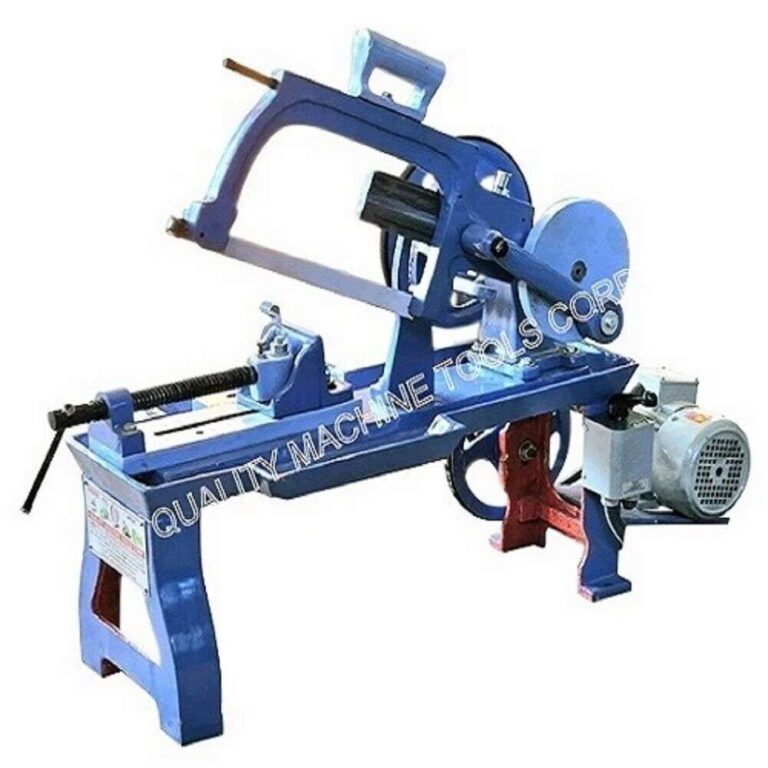
| Band saw | Repeated or accurate metal cuts | Larger, less portable, and needs machine access |
| PVC ratchet cutter | Small plastic pipe | Limited by pipe size and material hardness |
| Metal file | Minor shaping and edge cleanup | Removes material slowly |
Use a tubing cutter when a clean, round cut is needed and the tool fits around the pipe. Use a power tool when the material is thick or many cuts are required. Use a hacksaw when access, control, and simplicity matter more than speed.

Frequently Asked Questions
Can a hacksaw cut through a bolt?
Yes. A hacksaw can cut many ordinary bolts, screws, and threaded rods. Secure the part, use a suitable metal blade, and support the section so it does not vibrate. Hardened fasteners may wear the blade quickly or require a different tool.
Can a hacksaw cut PVC pipe?
Yes. A hacksaw can cut PVC and other plastic pipe. Mark the pipe, hold it firmly, and smooth the cut edge before fitting the pipe. A plastic-pipe cutter may be faster for small pipe if it fits the material and diameter.
Should hacksaw teeth face forward or backward?
On most standard hacksaws, the teeth face forward, away from the handle. The saw cuts on the forward stroke. Check the tool instructions because some specialty frames use a different setup.
How do I stop a hacksaw blade from breaking?
Use the correct blade, tighten it properly, keep the frame straight, and avoid twisting the blade. Clamp the work and use steady strokes. A blade may also break because it is worn, damaged, or installed with too much tension.
Is a hacksaw safe for electrical conduit?
It can be, but only when the conduit and surrounding equipment are confirmed de-energized and safe to cut. After cutting metal conduit, remove sharp burrs that could damage wire insulation. For installed electrical systems, follow applicable electrical safety rules or ask a qualified electrician.
Key Takeaways
- Plumbers, electricians, mechanics, maintenance workers, metalworkers, construction workers, and DIY homeowners use hacksaws.
- A hacksaw is mainly for controlled cuts in metal, plastic pipe, conduit, bolts, and threaded rod.
- Choose the blade based on the material and its thickness.
- Clamp the work, keep the blade straight, and use steady strokes.
- Wear eye protection and remove sharp burrs after cutting.
- Choose a power saw, tubing cutter, or other alternative when the material is thick, the cuts are numerous, or the hacksaw cannot reach safely.
Conclusion
A hacksaw is a simple tool with a wide role in U.S. homes, workshops, job sites, and repair shops. Its main strength is controlled cutting in places where a powered saw is unnecessary or difficult to use.
For the best result, match the blade to the material, secure the work, cut with steady strokes, and treat every finished edge as sharp. If the job involves live electricity, pressurized systems, hazardous coatings, or structural parts, stop and use the proper professional method.
Recent Tool Guides
 Hammer
How To Hammer Flowers Onto Paper: Easy Guide
Learn how to hammer flowers onto paper with simple steps, helpful tips, and beautiful results for...
Read Guide → Wrench
How To Use A Hex Wrench: Easy Step-By-Step Guide
Learn how to use a hex wrench correctly with simple steps, helpful tips, and common mistakes...
Read Guide → Hacksaw
How To Cut Curtain Pole With Hacksaw: Easy Guide
Learn how to cut curtain pole with hacksaw safely and neatly. Follow simple steps for accurate...
Read Guide → Wrench
How To Use A Husky Torque Wrench: Easy Guide
Learn how to use a Husky torque wrench correctly with simple steps, torque settings, and safety...
Read Guide → Hammer
How To Hold A Hammer: Safe Grip Guide
Learn how to hold a hammer with the right grip, stance, and technique for safer, more...
Read Guide → Hacksaw
How To Cut Flexible Metal Conduit With Hacksaw: Easy Guide
Learn how to cut flexible metal conduit with hacksaw safely and cleanly. Follow simple steps for...
Read Guide →