What Is A Ball Peen Hammer: Uses And Buying Guide
Introduction
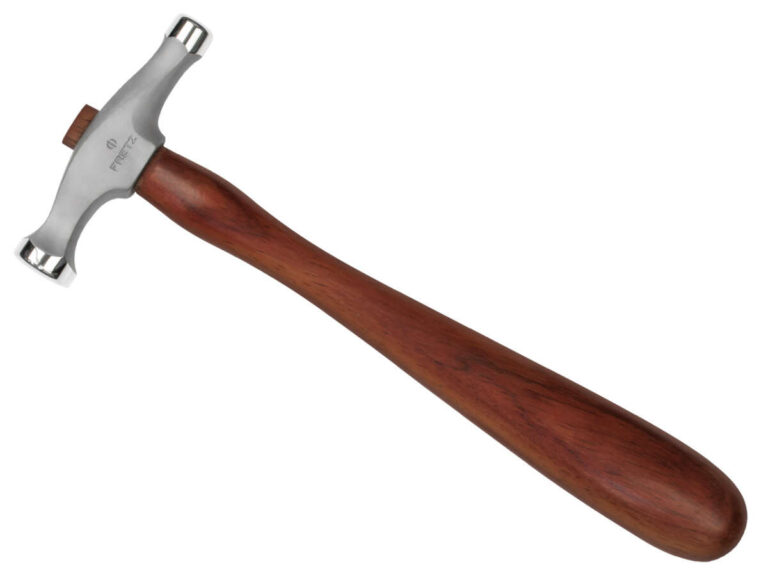
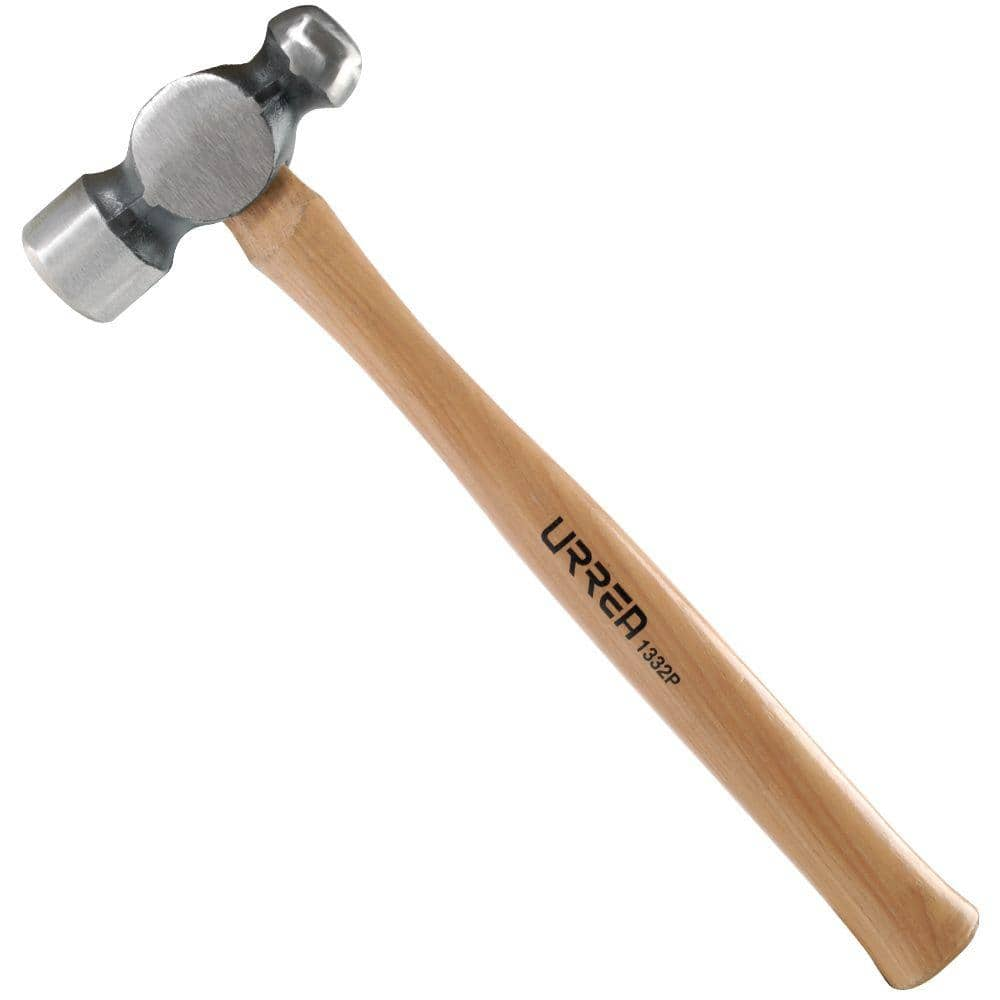
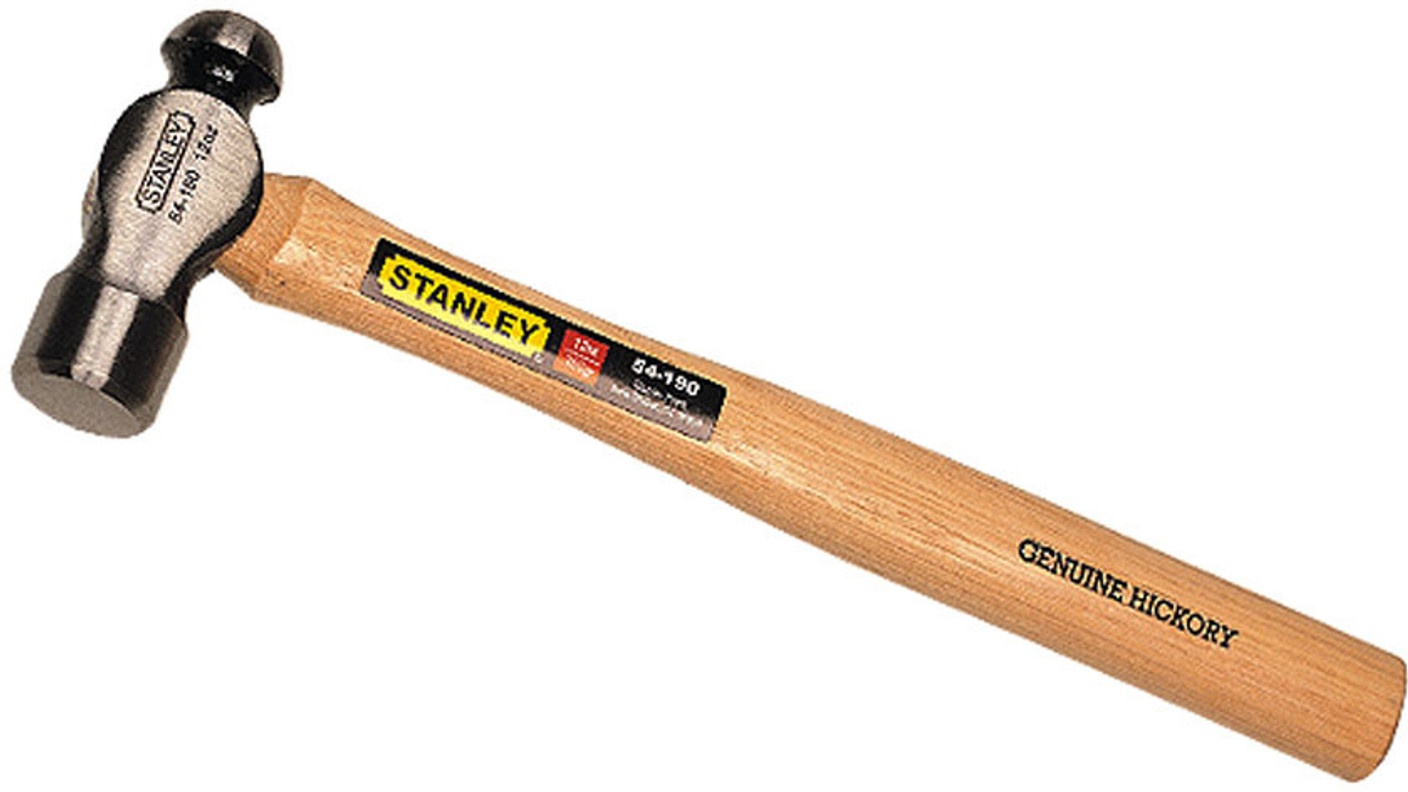
In U.S. workshops, a ball peen hammer is a small hand tool used for metalwork, riveting, shaping, and driving punches. It has one flat striking face and one rounded end called the peen. The rounded end gives the tool its name.
A ball peen hammer is not the same as a claw hammer. A claw hammer is made mainly for driving and pulling nails. A ball peen hammer is made mainly for working with metal and striking other tools, such as punches and chisels.
This guide explains what a ball peen hammer does, how to use it, how to choose the right size, and how to stay safe.
What Is a Ball Peen Hammer?
A ball peen hammer is a metalworking hammer with two different heads:
- A flat face for general striking
- A rounded ball-shaped peen for shaping and spreading metal
The head is usually made from hardened steel. The handle may be made from wood, fiberglass, or another shock-resistant material.
The ball peen end is not a cutting tool. It works by pressing and spreading metal when you strike it. This process is called peening. For example, a worker can use the rounded end to spread the end of a rivet so the rivet holds two pieces of metal together.
The tool is also called a pein hammer or engineer’s hammer. In the United States, “ball peen hammer” is the most common name.
How the two ends differ
| Part | Main purpose |
|---|---|
| Flat face | Striking punches, light shaping, and general metalwork |
| Ball peen | Spreading rivets and shaping metal |
| Handle | Holding and controlling the hammer |
| Eye and wedge | Securing the head to the handle |
The flat face usually does most of the striking. The ball end is more specialized and needs more control.

What Is a Ball Peen Hammer Used For?
A ball peen hammer is used for metalwork that needs controlled impact. Its most common uses include:
Peening rivets
The rounded end can spread the end of a rivet. This creates a wider head that helps lock parts together.
To peen a rivet, place the work on a firm surface. Support the factory-made rivet head on the opposite side. Then tap the exposed end with the ball peen. Use light blows and turn around the rivet as needed.
Do not begin with hard swings. Heavy blows can bend the rivet or damage the work.
Striking punches and chisels
The flat face is often used to strike:
- Pin punches
- Center punches
- Cold chisels
- Prick punches
- Drift punches
Use a hammer that matches the size of the punch or chisel. A very heavy hammer can damage a small punch. A very light hammer may require too many blows.
Shaping soft metal
The ball end can shape some metals by moving small amounts of material. This may help with light fabrication, repair work, and craft projects.
The result depends on the metal, its thickness, and whether it has been heated. A ball peen hammer is not a substitute for a forming hammer when you need a smooth finish.
creating a textured surface
Repeated ball-end strikes can leave a dimpled texture. Metalworkers may use this effect for appearance or to move metal in a small area.
The marks are permanent. Practice on scrap metal before working on a finished part.
Light shop and repair work
A ball peen hammer may also help with:
- Loosening or setting small pins
- Starting a punch
- Adjusting metal brackets
- Assembly work
- Small machine repairs
It is best for controlled work, not for demolition or heavy construction.
Ball Peen Hammer vs. Claw Hammer
A ball peen hammer and a claw hammer serve different jobs.
| Feature | Ball peen hammer | Claw hammer |
|---|---|---|
| Main job | Metalwork and striking tools | Driving and removing nails |
| Head design | Flat face and rounded peen | Flat face and curved claw |
| Typical users | Mechanics, machinists, metalworkers | Carpenters, builders, homeowners |
| Pulling nails | No | Yes |
| Rivet work | Yes | No |
| Common size system | Ounces | Ounces or pounds |
A claw hammer’s curved claw is designed to pull nails. A ball peen hammer has no claw because its rounded end is intended for shaping and peening.
Do not use a claw hammer for precision metalwork unless the task allows it. Its face and claw are not designed for the same control.
Likewise, do not use a ball peen hammer to pull nails. You could damage the tool or lose control.

How to Use a Ball Peen Hammer
Use the hammer with a stable workpiece, controlled swings, and the correct striking surface.
For striking a punch
- Secure the workpiece on a stable surface.
- Choose a punch that fits the job.
- Hold the punch upright with your non-striking hand.
- Keep your fingers away from the impact zone.
- Tap the punch with the flat face of the hammer.
- Check the result after each blow.
- Stop if the punch bends, cracks, or develops a damaged head.
When a punch has a mushroomed head, stop using it. The raised metal can break off during impact.
For peening a rivet
- Place the riveted parts on a solid support.
- Keep the original rivet head supported.
- Position the ball end on the exposed rivet tail.
- Use light taps around the edge of the tail.
- Work toward the center as the metal spreads.
- Check that the rivet is tight and not cracked.
- Stop if the surrounding metal begins to bend or split.
A rivet may need a properly sized setting tool for a clean result. The ball peen alone can work for basic repairs, but it does not replace a rivet set when appearance and consistency matter.
For shaping metal
Use several light blows instead of one hard blow. Light blows give you better control and reduce the risk of deep dents.
Work over a suitable anvil, bench block, or other hard support made for metalwork. Do not strike directly on a fragile bench, tile floor, glass surface, or unstable object.

How to Choose the Right Ball Peen Hammer
Choose the hammer by weight, handle, face condition, and the work you plan to do.
Hammer weight
Ball peen hammers are commonly sold by head weight. U.S. sizes often range from a few ounces to several pounds.
| Approximate head weight | Suitable work |
|---|---|
| 4–8 ounces | Small pins, light craft work, delicate parts |
| 8–16 ounces | General shop work and small metal repairs |
| 1–2 pounds | Larger punches, heavier forming, stronger impacts |
| More than 2 pounds | Heavy metalwork requiring greater force |
These are general guidelines, not fixed rules. The correct size depends on the material and the punch or tool being struck.
A lighter hammer improves control. A heavier hammer delivers more force but can cause more damage if your aim is poor.
Handle material
Wood handles are traditional and can feel comfortable in the hand. They are also replaceable on many models. Check for cracks, loose fibers, and movement at the head.
Fiberglass handles often resist splitting and may reduce some vibration. They still require inspection for cracks, looseness, or damage.
Steel handles can be strong, but they may transmit more shock to the user. A grip designed to reduce slip can improve control.
Head condition
Look for a head that is:
- Firmly attached
- Free of cracks
- Evenly finished
- Not deeply chipped
- Not badly mushroomed
The striking face should not have sharp raised edges. A damaged face can send metal fragments into the air.
Handle length
A shorter handle can give more control in tight spaces. A longer handle may produce more swing speed, but it also needs more room and careful handling.
For small repair work, control usually matters more than maximum force.

Ball Peen Hammer Safety
Wear safety glasses whenever you use a ball peen hammer. Metal chips can come from the hammer face, the punch, the workpiece, or the surface below it.
Follow these basic safety rules:
- Inspect the hammer before each use.
- Do not use a loose hammerhead.
- Do not use a cracked or split handle.
- Replace or repair damaged tools.
- Wear eye protection with side coverage.
- Keep bystanders away from the strike area.
- Use the correct hammer for the punch or chisel.
- Keep the workpiece stable.
- Keep your hand behind the punch, not near its head.
- Do not strike hardened surfaces unless the tool maker allows it.
- Do not strike one hammer with another.
- Avoid striking a hammer face against another hardened steel face.
- Use gloves only when they do not reduce your grip or control.
The Occupational Safety and Health Administration requires hand tools to be maintained in safe condition under 29 CFR 1910.242(a). That general rule does not make every hammer safe for every task, so the tool’s condition and intended use still matter.
A hammerhead that is mushroomed, cracked, chipped, or loose should not remain in service. If you are unsure whether a tool is safe, ask a qualified tool professional or replace it.

Common Mistakes to Avoid
The most common mistake is using a ball peen hammer as if it were a general-purpose construction hammer.
Avoid these errors:
Using the ball end for every job
The rounded end is useful for peening and shaping. It is not the best face for striking a punch. Use the flat face unless the task calls for the ball end.
Swinging too hard
Hard blows do not always produce better results. They can bend a punch, dent the work, split a rivet, or damage the hammer.
Start with light blows. Increase force only when the workpiece and tool can handle it.
Ignoring the support surface
Metal must have proper support during shaping and riveting. A soft or unstable surface absorbs force and can create uneven results.
Use a bench block, anvil, or other suitable support.
Using a damaged punch
A punch with a mushroomed head can shed fragments. Dress or replace it according to the tool maker’s instructions.
Do not keep striking a damaged punch just because it still “works.”
Working without eye protection
Even a small hammer can create dangerous chips. Safety glasses are a basic requirement for impact work, not an optional accessory.

Can You Use a Ball Peen Hammer on Hardened Steel?
You should not assume that a ball peen hammer is safe for striking hardened steel. Hardened surfaces can cause the hammer face or workpiece to chip. Flying fragments may cause serious eye injuries.
Use the hammer only for materials and tools that match its design. Follow the manufacturer’s instructions for the hammer, punch, chisel, and workpiece.
For repeated heavy impact, use tools made for that application. A general-purpose ball peen hammer may not be suitable for hardened machine parts, masonry, or high-strength fasteners.
If a job involves unknown metal, high impact, or a risk of flying fragments, stop and identify the material before striking it.

Frequently Asked Questions
Why is it called a ball peen hammer?
It is called a ball peen hammer because one end of the head has a rounded ball shape. “Peen” refers to the end of a hammer used to shape or spread metal.
What is the flat side of a ball peen hammer used for?
The flat side is used for general striking, including driving punches and chisels. It can also perform some light shaping work.
Is a ball peen hammer good for automotive work?
Yes, it can be useful for automotive work involving punches, pins, small rivets, and light metal shaping. Use the correct size and protect finished surfaces from unwanted dents.
Can a ball peen hammer drive nails?
It can drive a nail in an emergency, but it is not the right tool for regular nail work. A claw hammer gives better control and includes a claw for removing nails.
What size ball peen hammer should a beginner buy?
An 8- to 16-ounce model is a practical starting size for many light shop and repair tasks. Choose a lighter model when control and small parts matter more than impact force.
How do you maintain a ball peen hammer?
Keep the head clean and dry. Store the hammer where it will not be exposed to moisture. Inspect the head, handle, and striking faces before use. Replace the tool if it develops cracks, chips, severe mushrooming, or a loose head.
Conclusion
A ball peen hammer is a metalworking tool with a flat face and a rounded peen. The flat face strikes punches and chisels, while the ball end spreads rivets and shapes metal.
Choose the hammer by head weight, handle condition, and the size of the work. Use light, controlled blows, support the workpiece, and wear eye protection. For most beginners, a sound 8- to 16-ounce hammer is a useful starting point for small repairs and general shop work.
Recent Tool Guides
 Hammer
How To Hammer Flowers Onto Paper: Easy Guide
Learn how to hammer flowers onto paper with simple steps, helpful tips, and beautiful results for...
Read Guide → Wrench
How To Use A Hex Wrench: Easy Step-By-Step Guide
Learn how to use a hex wrench correctly with simple steps, helpful tips, and common mistakes...
Read Guide → Hacksaw
How To Cut Curtain Pole With Hacksaw: Easy Guide
Learn how to cut curtain pole with hacksaw safely and neatly. Follow simple steps for accurate...
Read Guide → Wrench
How To Use A Husky Torque Wrench: Easy Guide
Learn how to use a Husky torque wrench correctly with simple steps, torque settings, and safety...
Read Guide → Hammer
How To Hold A Hammer: Safe Grip Guide
Learn how to hold a hammer with the right grip, stance, and technique for safer, more...
Read Guide → Hacksaw
How To Cut Flexible Metal Conduit With Hacksaw: Easy Guide
Learn how to cut flexible metal conduit with hacksaw safely and cleanly. Follow simple steps for...
Read Guide →