What Is Hacksaw Used For: Uses And Safety Tips
Introduction
In U.S. homes, garages, plumbing jobs, and construction sites, a hacksaw is used mainly to cut metal and some hard plastic by hand. It is useful for cutting bolts, threaded rod, metal pipe, conduit, wire shelving, brackets, and plastic tubing when a powered saw is not needed.
A hacksaw is simple, low-cost, and easy to control. Its thin blade has small teeth that remove material as you push and pull the frame. The right blade, steady work, and safe handling matter more than force.
What Is a Hacksaw?
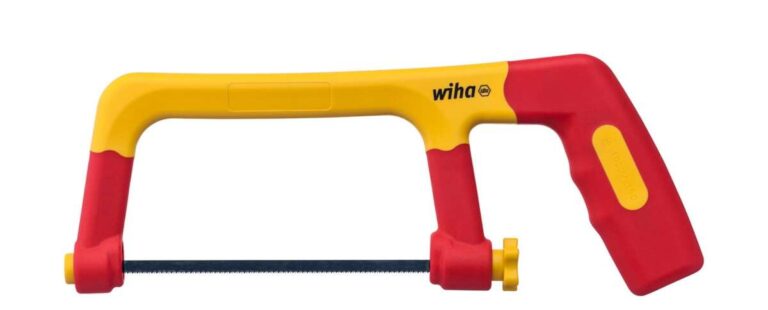
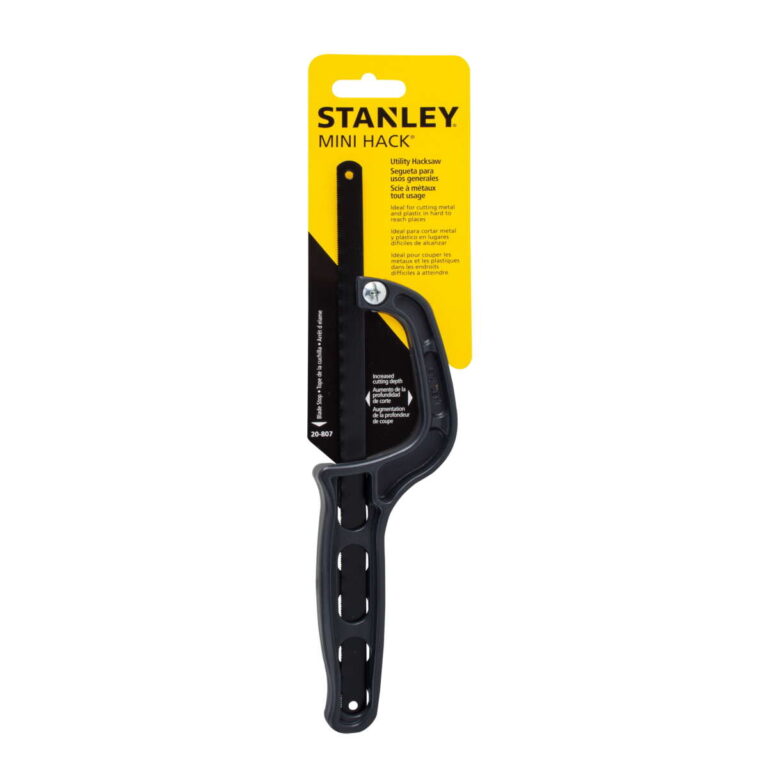
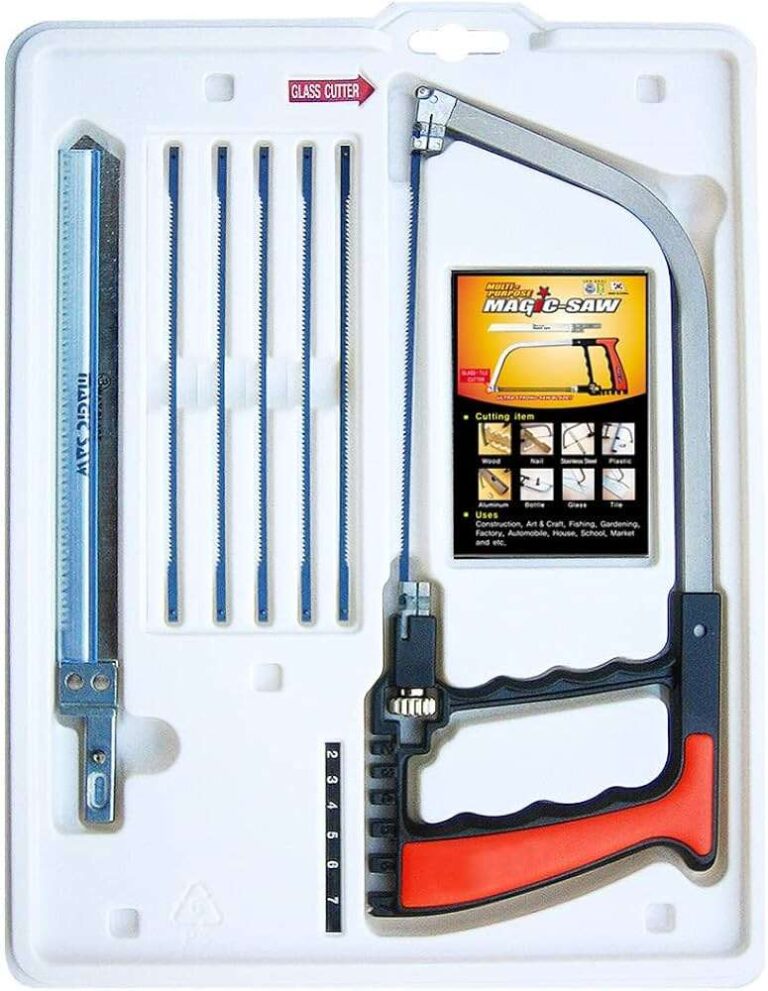
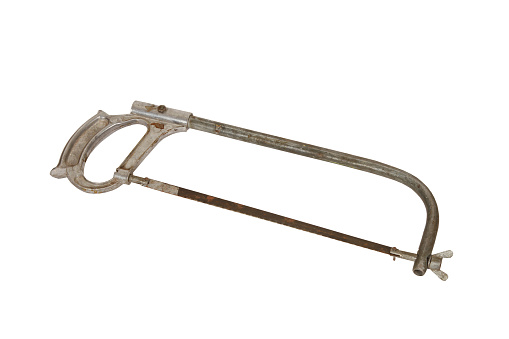
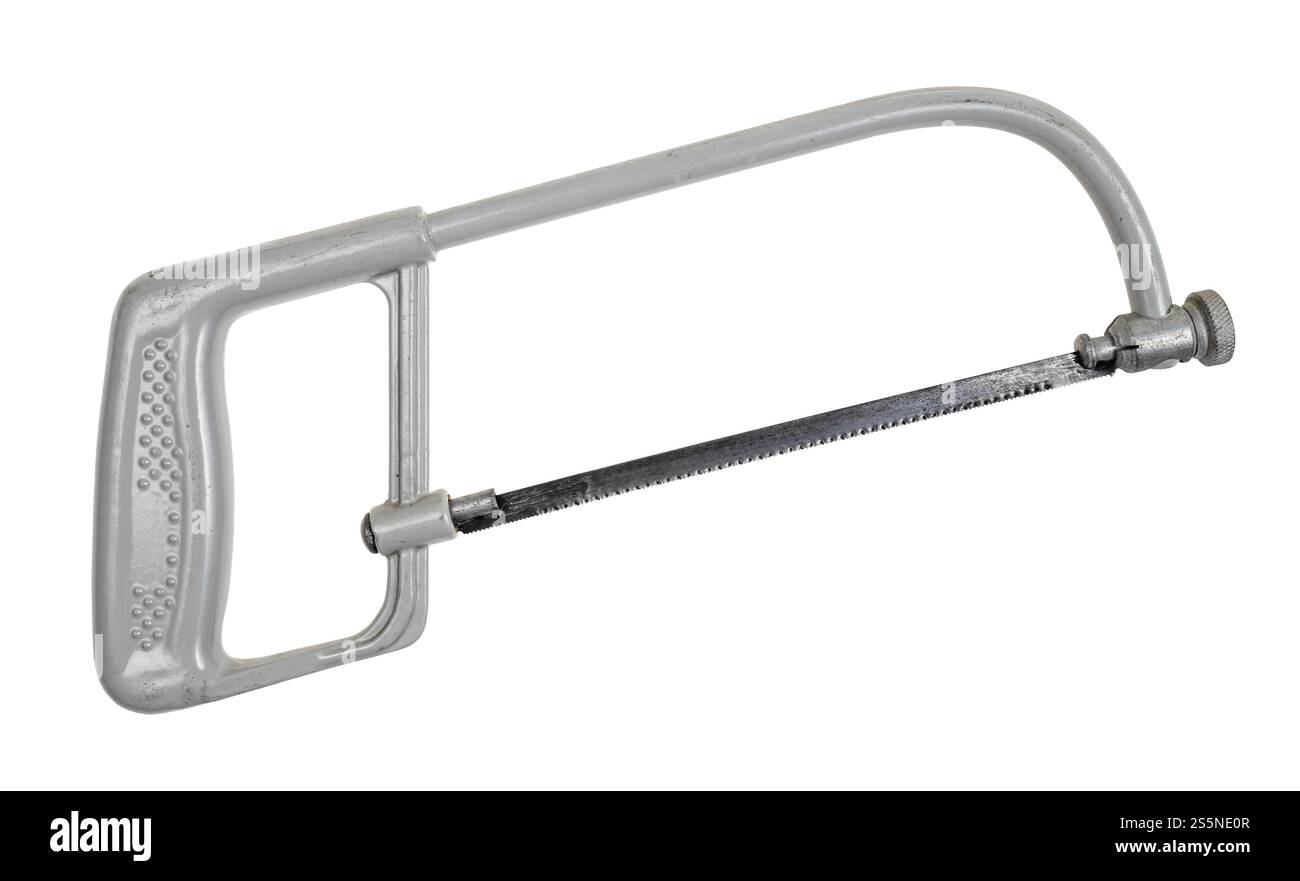
A hacksaw is a hand saw with a rigid frame and a narrow, replaceable blade. Most standard hacksaws in the United States use blades about 12 inches long, although smaller junior hacksaws and larger specialty models also exist.
The blade is held under tension between two pins or posts. A handle gives you control while the teeth cut through the material. Unlike a wood saw, a hacksaw has fine teeth designed for hard materials.
A standard hacksaw has four main parts:
- Frame: Holds the blade straight.
- Blade: Carries the cutting teeth.
- Tension mechanism: Keeps the blade tight.
- Handle: Lets you guide and push the tool.
Most hacksaw blades are made from carbon steel or bi-metal steel. Bi-metal blades combine a flexible back with harder teeth. They usually resist tooth breakage better than basic carbon-steel blades.
What Is a Hacksaw Used For?
A hacksaw is used to make controlled cuts in thin metal, tubing, hardware, and some plastics. It works best when the material is too hard for a wood saw but does not justify using a powered cutting tool.
Common uses include:
Cutting metal pipe and tubing
A hacksaw can cut copper pipe, steel tubing, aluminum tubing, and thin-wall conduit. Plumbers and electricians often use one when working in a tight space or when sparks from a power tool would be a problem.
Before cutting pipe, mark the cut line around the full circumference. This helps keep the cut square. A crooked cut may make fittings harder to install or leave a rough edge.
Cutting bolts and threaded rod
A hacksaw can shorten bolts, screws, threaded rod, and other fasteners. Thread a nut onto the bolt before cutting. After the cut, remove the nut to help straighten the damaged first thread.
For a cleaner result, place the cut just outside the final thread that you need. Protect the finished threads with tape or soft jaws if the part is already installed.
Cutting metal brackets and hardware
a hacksaw can cut:
- Angle iron
- Flat bar
- Metal shelving
- Small brackets
- Chain
- Nails and screws
- Sheet metal edges
- Small sections of steel or aluminum
It is not usually the fastest tool for thick steel. However, it can be more practical than a grinder when you need a quiet cut with little heat.
Cutting plastic pipe and tubing
A hacksaw can cut PVC, CPVC, ABS, nylon, and some other rigid plastics. Use a blade with fine teeth to reduce chipping and tearing.
After cutting plastic, remove the burrs from the inside and outside edges. A utility knife, deburring tool, or fine file can help. Do not use a dull blade, since it may crush the pipe instead of cutting it.
Cutting wire and cable hardware
A hacksaw can cut some wire rope, cable hardware, and metal mesh. It is not the right tool for live electrical wire. Turn off power, confirm that the circuit is de-energized, and use a tool made for the specific cable when required.
Cutting in tight or remote spaces
A hacksaw is useful where a powered saw cannot fit. It does not need electricity, a battery, or an air supply. That makes it practical for repairs in crawl spaces, utility rooms, vehicles, and job sites without power.
How Does a Hacksaw Cut?
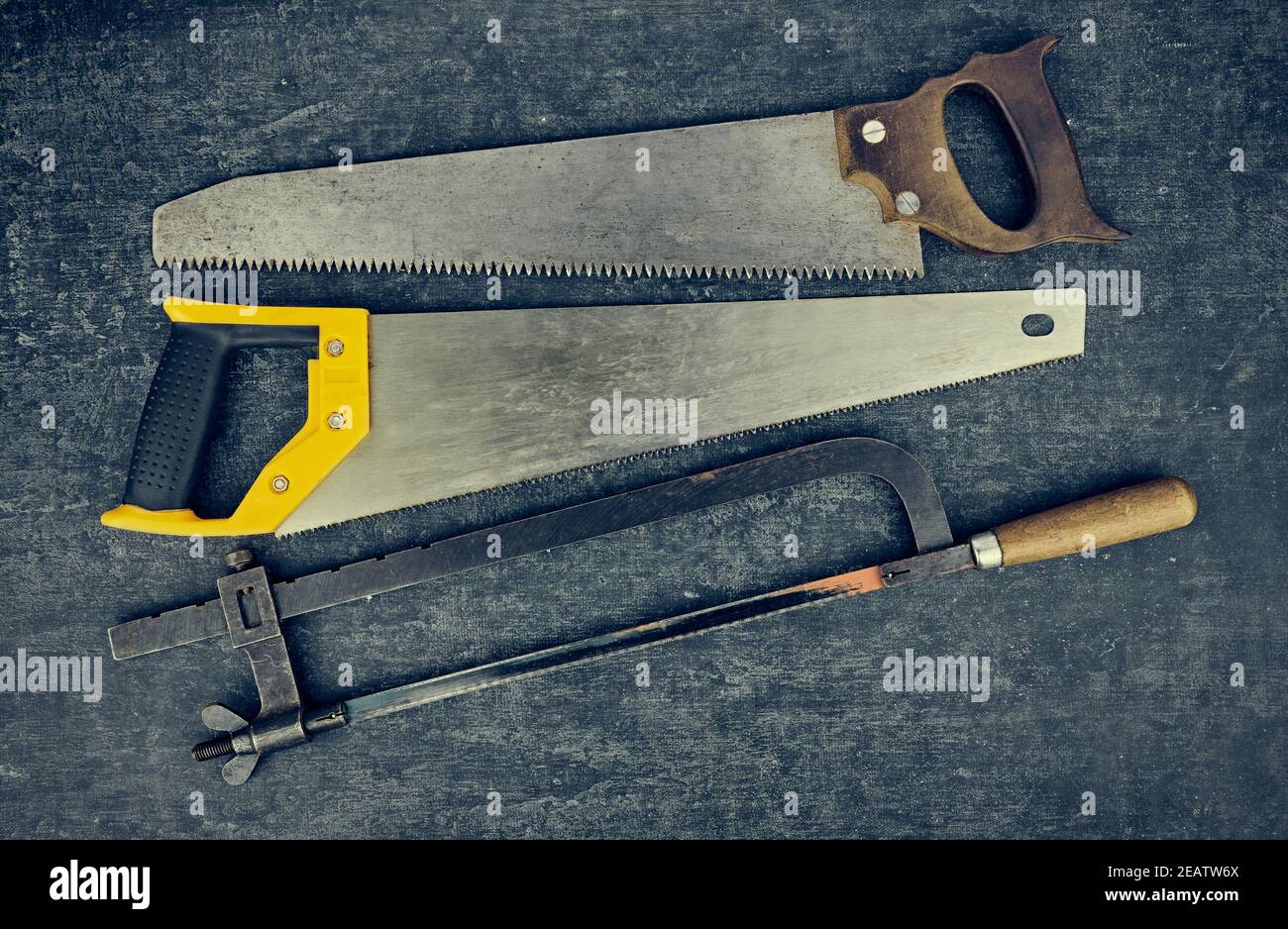
A hacksaw cuts when its teeth scrape across the material and remove small chips. The blade works in both directions, but many hacksaw blades are installed so the teeth point away from the handle. In that setup, the blade cuts mainly on the forward stroke.
The number of teeth affects the cut:
- Coarse teeth: Remove material quickly but can catch on thin stock.
- Medium teeth: Work well for general metal cutting.
- Fine teeth: Make smoother cuts in thin metal and plastic.
The blade should have at least two or three teeth touching the material at the same time. If only one tooth engages the work, it may catch, bend, or break.
The blade also needs enough tension. A loose blade can wander and twist. Excessive tension can damage the frame or snap the blade. Tighten it until the blade feels firm and straight, but do not force the tension knob.
How to Choose the Right Hacksaw Blade
Choose the blade based on the material’s thickness and hardness. Tooth count is often listed as teeth per inch, or TPI.
| Blade type | Typical use |
|---|---|
| 14–18 TPI | Thick metal, heavy stock, aluminum, and larger pipe |
| 20–24 TPI | General-purpose metal cutting |
| 28–32 TPI | Thin sheet metal, conduit, small tubing, and plastic |
These ranges are general guides. Blade design, material hardness, and blade quality also affect performance.
For thin material, use more teeth per inch. For thick material, use fewer teeth per inch so the gullets—the spaces between teeth—can clear chips.
A useful rule is to keep at least two or three teeth in contact with the material. For example, a thin sheet may need a 28-TPI blade, while a thick steel bar may cut better with an 18-TPI blade.
Blade material
- Carbon-steel blades: Low cost and suitable for light work.
- Bi-metal blades: More flexible and less likely to break.
- High-speed-steel blades: Useful for demanding cutting, but they may cost more.
Use a fresh blade when the teeth look rounded, the cut becomes slow, or you must apply much more pressure than usual.

How to Use a Hacksaw Correctly
Follow these steps for a clean and controlled cut.
1. Choose the correct blade
Match the TPI to the material thickness. Use a blade made for metal when cutting steel, aluminum, or conduit. Use fine teeth for thin plastic and tubing.
2. Inspect the tool
Check the frame, handle, blade, and tension mechanism. Do not use a blade with missing teeth, cracks, severe rust, or a bent edge.
3. Mark the cut
Use a marker, pencil, or scribe. For round pipe, draw the line around the entire pipe. A wrap of masking tape can create a useful guide.
4. Secure the workpiece
Clamp the material firmly in a vise or with approved clamps. Place the cut close to the support point. Unsupported material can vibrate, bend, or grab the blade.
Do not hold the workpiece in one hand while cutting toward that hand. This reduces control and increases injury risk.
5. Install the blade correctly
For most standard hacksaws, point the teeth away from the handle. Check the frame or blade instructions if the tool uses a special blade system.
6. Start with short strokes
Place the blade on the mark and use light, short strokes to create a shallow groove. Once the groove guides the blade, use longer strokes.
7. Keep steady pressure
Press during the cutting stroke and ease pressure on the return stroke. Let the teeth do the work. Heavy force can bend the blade and produce a crooked cut.
8. Keep the blade square
Hold the frame at a right angle to the material unless you need a specific angled cut. Watch the blade from the front and side as you work.
9. Finish carefully
Slow down when the cut is almost complete. Thin material can break suddenly, causing the blade or your hand to move forward.
10. Remove burrs
Use a file, deburring tool, or fine abrasive pad. Sharp burrs can cut skin and may interfere with fittings or fasteners.
Signs of a good cut
A successful hacksaw cut is:
- Close to the marked line
- Fairly square
- Free of major bends or tears
- Smooth enough for the next step
- Cleaned of sharp burrs

Hacksaw Safety Tips
Wear safety glasses when cutting metal or plastic. Small chips, broken teeth, and burrs can travel toward your eyes.
Use gloves when handling sharp stock or burrs, but make sure the gloves do not become caught in the blade. Good hand placement and a secure workpiece are more important than gloves alone.
Follow these basic precautions:
- Clamp the material before cutting.
- Keep both hands on the tool when practical.
- Keep fingers away from the blade path.
- Replace damaged or dull blades.
- Do not use a hacksaw as a pry bar.
- Keep the frame straight while cutting.
- Store the tool with the blade protected when possible.
- Keep the work area clear of cords and loose objects.
- Cut only materials suitable for the blade.
- Remove burrs before touching or installing the cut piece.
For construction work, the U.S. Occupational Safety and Health Administration requires hand and power tools to be maintained in safe condition. OSHA’s general hand-tool rule is found in 29 CFR 1926.301. Follow the tool maker’s instructions and any job-site rules as well.
When not to use a hacksaw
Choose another tool when:
- The metal is too thick for practical hand cutting.
- You need many repeated cuts.
- The material is under tension.
- The cut requires high precision.
- The workpiece contains hazardous material.
- A powered tool would create an unacceptable spark, heat, or noise hazard.
- The material is live electrical equipment or part of a pressurized system.
A hacksaw is not a substitute for a pipe cutter when a clean, round plumbing cut is required. It is also not the best tool for large structural steel, hardened steel, or thick plate.

Hacksaw vs. Other Cutting Tools
The best tool depends on the material, cut quality, speed, and work area.
| Tool | Best suited for | Main advantage | Main limitation |
|---|---|---|---|
| Hacksaw | Small metal and plastic cuts | Low cost and strong control | Slow for thick or repeated cuts |
| Tubing cutter | Copper and thin-wall tubing | Makes a clean, round cut | Limited by tube size and material |
| Reciprocating saw | Fast cuts in pipe, wood, and metal | High speed and reach | More vibration and less control |
| Angle grinder | Thick metal and fast removal | Powerful and versatile | Sparks, heat, noise, and abrasive dust |
| Metal-cutting bandsaw | Repeated metal cuts | Controlled and consistent | Less portable and more expensive |
| Bolt cutters | Certain rods, bolts, and chain | Very fast on suitable stock | Can deform the cut and may not work on hardened steel |
| Utility knife or plastic cutter | Thin plastic and some tubing | Clean, simple cuts | Unsafe or ineffective on metal |
Use a hacksaw when control, portability, and low heat matter more than speed. Use a powered tool when you have many cuts or thick material, but follow the tool’s safety rules and use the correct blade.
Common Hacksaw Problems and Fixes
The blade keeps bending
The workpiece may not be clamped well, or you may be pushing too hard. Secure the material, check blade tension, and reduce pressure.
The blade breaks
A blade may break because it is damaged, installed backward for the task, too tight, or twisted during the cut. Replace it and keep the frame square.
The cut is crooked
Start with short strokes and keep the blade aligned with the mark. A loose frame, poor support, or excessive force can also cause a crooked cut.
The teeth clog
Soft metals such as aluminum can fill the spaces between teeth. Use a suitable blade, clean the teeth, and avoid forcing the tool. A blade with the wrong TPI may also clog more easily.
The hacksaw cuts very slowly
Check for a dull blade, unsuitable TPI, low tension, or a material that is too thick. A hacksaw is not designed to cut every type of metal efficiently.
Plastic cracks or tears
Use a fine-tooth blade, support the pipe close to the cut, and reduce pressure near the end. Deburr the finished edge with care.
Frequently Asked Questions
Can a hacksaw cut wood?
It can cut very thin wood in an emergency, but it is not designed for wood. The fine metal-cutting teeth may clog and make slow, rough progress. Use a wood saw for normal wood cutting.
Can a hacksaw cut stainless steel?
Yes, a hacksaw can cut stainless steel when fitted with a sharp, suitable bi-metal blade. Stainless steel is harder than many common metals, so the cut may be slow. Use steady pressure and avoid twisting the blade.
Which way should hacksaw teeth face?
On most standard hacksaws, the teeth face away from the handle. This makes the blade cut on the forward stroke. Some specialty frames may use a different setup, so check the manufacturer’s instructions.
How tight should a hacksaw blade be?
The blade should be firm, straight, and free of visible sag. Do not tighten it so much that the frame bends or the blade snaps. If the blade moves sideways during a light cut, check its tension and the mounting pins.
Can a hacksaw cut PVC pipe?
Yes. A fine-tooth hacksaw can cut PVC, CPVC, and ABS pipe. Clamp the pipe, cut slowly, and remove burrs from both edges before joining the pipe.
Conclusion
A hacksaw is mainly used for controlled hand cuts in metal and hard plastic. It can shorten bolts, cut pipe and conduit, trim brackets, and handle small repair jobs without electricity or excessive heat.
Choose the blade by material thickness, secure the workpiece, use light steady strokes, and remove sharp burrs when finished. If the material is thick, hardened, under tension, or part of a live or pressurized system, stop and choose a more suitable tool or qualified help.
Recent Tool Guides
 Hammer
How To Hammer Flowers Onto Paper: Easy Guide
Learn how to hammer flowers onto paper with simple steps, helpful tips, and beautiful results for...
Read Guide → Wrench
How To Use A Hex Wrench: Easy Step-By-Step Guide
Learn how to use a hex wrench correctly with simple steps, helpful tips, and common mistakes...
Read Guide → Hacksaw
How To Cut Curtain Pole With Hacksaw: Easy Guide
Learn how to cut curtain pole with hacksaw safely and neatly. Follow simple steps for accurate...
Read Guide → Wrench
How To Use A Husky Torque Wrench: Easy Guide
Learn how to use a Husky torque wrench correctly with simple steps, torque settings, and safety...
Read Guide → Hammer
How To Hold A Hammer: Safe Grip Guide
Learn how to hold a hammer with the right grip, stance, and technique for safer, more...
Read Guide → Hacksaw
How To Cut Flexible Metal Conduit With Hacksaw: Easy Guide
Learn how to cut flexible metal conduit with hacksaw safely and cleanly. Follow simple steps for...
Read Guide →