

Hand tools are important because they let people cut, fasten, shape, measure, repair, and build with direct control. In the United States, homeowners, mechanics, contractors, farmers, and maintenance workers use them every day in garages, workshops, job sites, and homes.
Unlike power tools, hand tools do not need electricity, fuel, or a battery. They are often quiet, portable, simple to maintain, and useful for tasks that need care more than speed. A good hand tool can also help you make small repairs without setting up a large machine.

What Are Hand Tools?
Hand tools are tools powered by human effort rather than a motor. Common examples include:
- Screwdrivers
- Hammers
- Pliers
- Wrenches
- Saws
- Chisels
- Files
- Clamps
- Tape measures
- Levels
- Utility knives
- Allen keys
- Pipe cutters
Each tool has a job. A wrench turns a fastener. A saw cuts material. A level checks whether a surface is even. Pliers grip, bend, or cut wire.
Hand tools are not the same as power tools. A drill, circular saw, or angle grinder uses a motor. That motor can save time, but it also adds noise, moving parts, heat, and other hazards.
The best tool depends on the task, material, work area, and level of control needed.

Why Are Hand Tools Important?
Hand tools matter because they provide control, access, flexibility, and independence. They also form the base of many skilled trades.
1. Hand tools provide precise control
A hand tool moves only when the user moves it. This gives the user a clear sense of pressure, direction, and resistance.
For example, a small screwdriver can help you tighten a screw without damaging its head. A hand file can remove a small amount of metal at a time. A chisel can shape wood with more control than a fast cutting machine.
This control helps with:
- Small repairs
- Fine adjustments
- Delicate materials
- Tight spaces
- Finishing work
- Tasks that need a careful touch
Power tools may work faster, but speed is not always useful. When one wrong cut can ruin a part, control often matters more.
2. Hand tools work without power
A hand tool can work during a power outage, on a remote property, or in an unfinished building. You do not need an outlet, charged battery, extension cord, or fuel.
This makes hand tools useful for:
- Emergency repairs
- Roadside work
- Outdoor projects
- Farm maintenance
- Camping
- Home repairs
- Construction sites without finished power
A basic tool kit can solve many common problems. It can tighten a loose cabinet pull, replace a door hinge, repair a bicycle, or assemble furniture.
3. Hand tools are portable
Most hand tools are small enough to carry in a toolbox, tool bag, drawer, or vehicle. A technician can bring the needed tools to the job instead of moving the object to a workshop.
Portability is useful for plumbers, electricians, carpenters, auto technicians, and building maintenance workers. It also helps homeowners who do not have a large work area.
A compact set of tools may cover many tasks. This saves storage space and reduces setup time.
4. Hand tools are often simple to maintain
A hand tool has fewer parts than a powered tool. Many have no motor, switch, cord, battery, or electronic control system.
Basic care often includes:
- Wiping off dirt and moisture
- Drying tools after use
- Lightly oiling some metal parts
- Keeping cutting edges sharp
- Checking handles and grips
- Storing tools in a dry place
Simple care can extend useful life. However, simple does not mean indestructible. A cracked handle, bent wrench, mushroomed chisel head, or damaged screwdriver can cause injury or damage to the work.
5. Hand tools can cost less to use
The purchase price varies by tool quality and type. Still, hand tools usually do not need fuel, charging equipment, replacement batteries, or motor service.
They may also cost less when the task is small. For example, using a screwdriver to tighten one loose screw is more practical than setting up a powered driver.
Cost depends on more than the first price. A cheap tool may wear out or fit poorly. A well-made tool may cost more but offer better fit, grip, strength, and service life.
6. Hand tools help build practical skills
Hand tools teach how materials behave. Users learn how much force a screw needs, how wood grain affects a cut, and how a fastener feels when it is tight.
These skills help people:
- Diagnose problems
- Choose the right tool
- Avoid damaging parts
- Work more safely
- Complete repairs with less waste
A beginner who learns to use a tape measure, level, screwdriver, wrench, and handsaw gains a strong base for many home projects.
7. Hand tools can reduce noise and setup
Most hand tools make less noise than powered equipment. This can help in homes, occupied buildings, and shared work areas.
They also require less setup. You may not need to find an outlet, manage a cord, install a battery, or wear hearing protection for a short, quiet task. Safety needs still depend on the work. Cutting, striking, or scraping may create sharp debris or loud impact noise.
Hand tools are not automatically safe. Their main risks often come from misuse, poor condition, slips, sharp edges, and excessive force.
What Are the Main Types of Hand Tools?
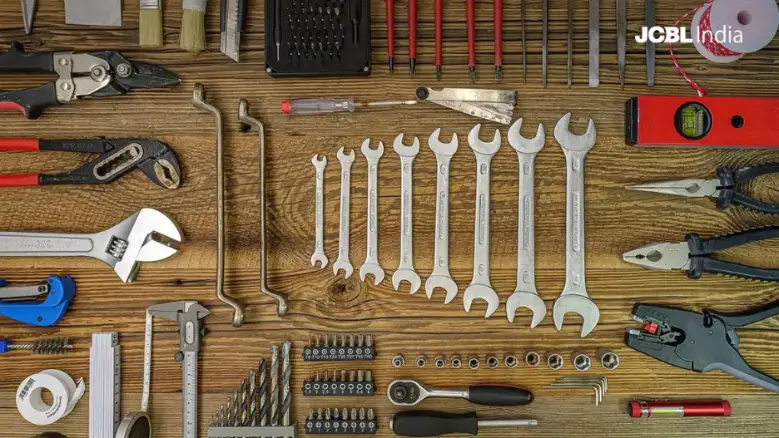
Different hand tools apply force in different ways. Knowing the main groups helps you choose the right tool.
| Tool group | Common examples | Main job |
|---|---|---|
| Fastening tools | Screwdrivers, nut drivers, Allen keys | Turn screws and small fasteners |
| Gripping tools | Pliers, locking pliers, clamps | Hold, bend, pull, or position parts |
| Turning tools | Open-end wrenches, socket wrenches, pipe wrenches | Turn nuts, bolts, and fittings |
| Striking tools | Hammers, mallets, dead-blow hammers | Drive, shape, or remove parts |
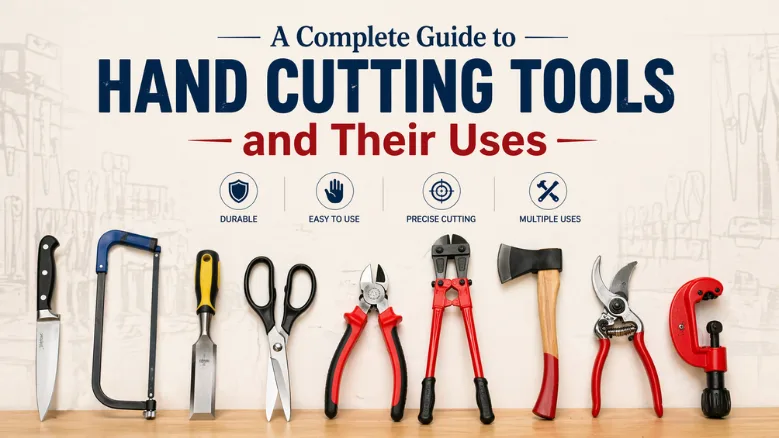
| Cutting tools | Handsaws, snips, utility knives, bolt cutters | Cut wood, plastic, wire, or thin metal |
| Shaping tools | Files, rasps, chisels | Remove material and refine surfaces |
| Measuring tools | Tape measures, rulers, squares, calipers | Check size, distance, and angles |
| Layout tools | Levels, chalk lines, marking gauges | Mark or check position and alignment |
The tool must match the material and the fastener. For example, a pipe wrench is designed for certain pipe fittings. It is not a general substitute for a correctly sized wrench on a standard bolt.
Using the wrong tool may round a fastener, crack a part, bend the tool, or make the user apply unsafe force.
Hand Tools Versus Power Tools
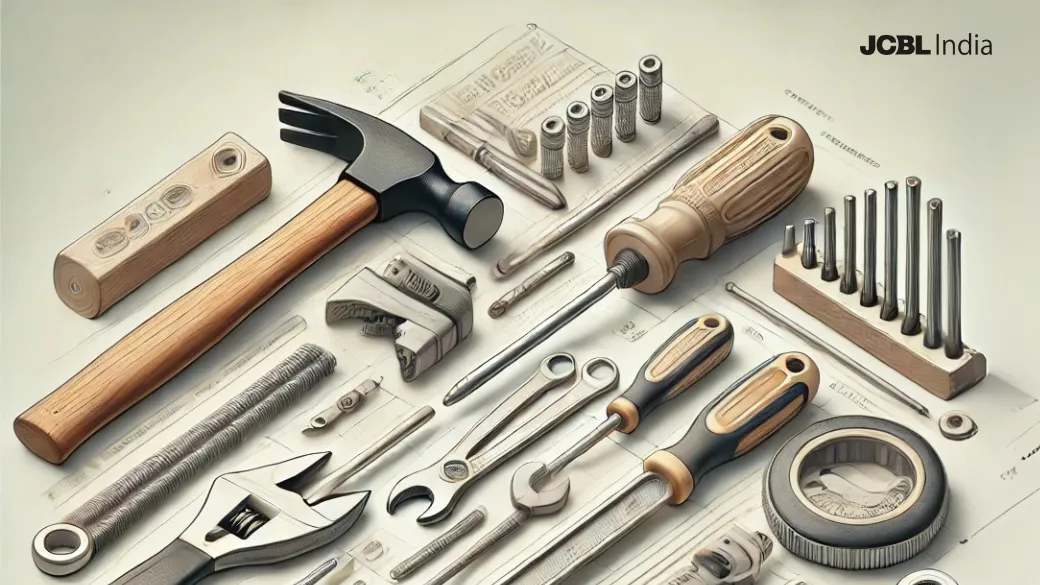
Hand tools and power tools solve many of the same problems, but they have different strengths.
| Factor | Hand tools | Power tools |
|---|---|---|
| Power source | Human effort | Electricity, battery, air, or fuel |
| Control | Usually high | Varies by tool and speed |
| Work speed | Often slower | Often faster |
| Noise | Usually lower | Often higher |
| Portability | Usually easy | Depends on power source |
| Setup | Usually quick | May need power, bits, guards, or settings |
| Maintenance | Often simple | May need battery, motor, or drive care |
| Best fit | Small, careful, or remote tasks | Repeated, heavy, or high-volume work |
This is not a contest between the two types. Many jobs need both.
A carpenter may use a power saw for long cuts and a handsaw for a final adjustment. An auto technician may use an impact tool to remove a stuck fastener and a hand wrench for final control. A homeowner may use a drill to make pilot holes and a hand screwdriver to finish the screws.
The deciding factor is the task. Choose the tool that gives enough power without removing needed control.

How Do Hand Tools Improve Work Quality?
Hand tools improve work quality when the user chooses the correct tool and applies steady force. They support accuracy in several ways.
Better fit
The correct screwdriver tip should fill the screw head. The correct wrench should fit the fastener closely. A good fit reduces slipping and damage.
Better control
A hand tool lets the user stop, check, and adjust after each small movement. This helps when alignment matters.
Better feedback
Your hand can feel changes in resistance. A screw that suddenly turns too easily may be stripped. A bolt that stops before full seating may be cross-threaded. This feedback can prevent damage.
Less material removal
A hand file, rasp, or chisel can remove small amounts of material. This helps when a part needs a careful fit rather than a fast, rough cut.
Easier inspection
Hand work often moves at a slower pace. That gives the user more chances to see cracks, poor alignment, loose parts, and other defects.
These benefits do not remove the need for skill. A hand tool can still damage a surface or cause injury when used with the wrong angle, excess force, or poor technique.

How Do Hand Tools Support Safety?
Hand tools can support safe work, but only when they are selected, inspected, and used correctly. The Occupational Safety and Health Administration advises employers and workers to maintain tools and use the right tool for the job.
Follow these basic rules:
- Inspect the tool before use. Look for cracks, loose heads, bent parts, worn jaws, damaged cords on hybrid tools, and dull or broken edges.
- Use the correct tool. Do not use a screwdriver as a pry bar or a wrench as a hammer unless the tool is designed for that purpose.
- Keep a firm stance. Position your body so a slip will not send your hand into a sharp edge.
- Secure the workpiece. Use a vise or clamp when possible. Do not hold a small object in one hand while cutting toward it.
- Wear suitable protection. Safety glasses help protect against chips, dust, and broken fragments. Gloves may help with some tasks but can create a snag risk around rotating equipment.
- Keep cutting edges controlled. Cover sharp tools during storage and carry them with the point or edge facing away from you.
- Do not extend a wrench handle without approval from the tool maker. Extra leverage can overload the tool or fastener.
- Replace damaged tools. Do not rely on tape, makeshift handles, or improvised repairs for parts that carry force.
OSHA’s general industry rule also states that hand and portable powered tools must be maintained in a safe condition under 29 CFR 1910.242. Workplace rules may require additional training, protective equipment, and procedures.
What Makes a Hand Tool Good?
A good hand tool fits the task, the fastener, and the user. Brand name alone does not prove that a tool is right for every job.
Check for these features:
- Correct size and shape
- Strong connection between the working end and handle
- Comfortable grip without sharp edges
- Clear markings
- Jaws or tips that align properly
- Handles that are free of cracks
- Cutting edges suited to the material
- A design that does not require unusual force
For a home toolkit, start with tools that solve common problems. A practical basic set may include:
- Phillips and slotted screwdrivers
- Adjustable wrench
- Combination wrenches
- Slip-joint and needle-nose pliers
- Claw hammer
- Tape measure
- Utility knife
- Level
- Hex key set
- Handsaw
- Safety glasses
Add specialty tools only when a real task requires them. This keeps the kit useful and avoids buying tools that sit unused.

Common Mistakes When Using Hand Tools
Several mistakes make hand tools less effective and less safe.
Using the wrong size
A loose wrench or screwdriver can slip. It can damage the fastener and injure the user.
Applying too much force
More force does not always solve the problem. It may break the tool, strip a screw, or cause a sudden slip. First check the tool size, direction, fastener condition, and alignment.
Using a damaged tool
A cracked handle or worn jaw can fail under load. Remove damaged tools from service.
Striking a tool that is not made for impact
Many screwdrivers, chisels, and punches have different designs for striking. Only strike tools intended for that use.
Ignoring the work surface
A stable workpiece is easier to control. Clamping often improves both safety and accuracy.
Carrying tools carelessly
Do not place uncovered blades in a pocket or leave tools on a ladder where they can fall. Use a tool bag, sheath, box, or secure storage area.
Leaving tools wet
Moisture can cause rust. Rust can weaken parts and make moving joints stick. Dry tools after use and store them in a dry place.
How Should Hand Tools Be Stored and Maintained?
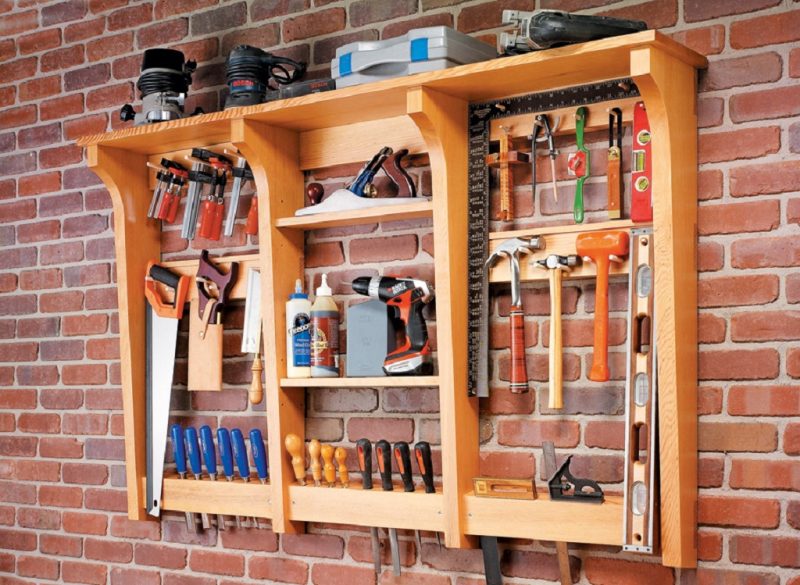
Store hand tools where they stay dry, visible, and protected. A toolbox, drawer, pegboard, or cabinet can work well.
Use these maintenance steps:
- Clean dirt and residue after use.
- Dry metal tools before storage.
- Apply suitable oil to hinges and moving joints.
- Sharpen cutting tools with the correct method.
- Keep blades covered.
- Separate heavy tools from delicate measuring tools.
- Check handles and grips on a regular schedule.
- Keep measuring tools away from impacts.
- Replace tools that no longer hold a safe edge or fit.
Do not use a tool beyond its design. A file without a proper handle, for example, can expose the user to the tang. A hammer with a loose head can send the head flying.
A clean, organized toolbox also helps you notice missing or damaged tools before the next job.

Are Hand Tools Better for Beginners?
Hand tools are often a good starting point because they show how a task works. They are usually easier to control and need fewer settings than power tools.
Beginners should start with simple jobs:
- Tightening cabinet hardware
- Hanging a picture with proper wall support
- Measuring and marking a board
- Assembling furniture with the supplied instructions
- Replacing a basic door hinge
- Cutting cardboard or thin material with safe technique
Read the tool instructions when available. Practice on scrap material before working on a finished surface.
Some tasks are not suitable for beginners. Stop and seek qualified help for work involving energized electrical systems, gas lines, structural parts, pressurized systems, or unknown hazardous materials. In the United States, local codes and licensing rules may apply to some home repairs.
Key Takeaways
- Hand tools use human power and give direct control.
- They work without electricity, batteries, fuel, or compressed air.
- They are useful for repairs, construction, maintenance, crafts, and emergency work.
- They often create less noise and require less setup than power tools.
- The right tool can improve accuracy and reduce damage.
- Hand tools are not risk-free. Inspect them, use them as designed, and wear suitable protection.
- A small, well-chosen toolkit is more useful than a large set of tools you do not understand.
Frequently Asked Questions
Why are hand tools important in the workplace?
Hand tools let workers perform repairs, assembly, adjustment, measurement, and maintenance at the point of work. They are portable and do not always need electricity. Employers must provide tools that are suitable and maintained in a safe condition when workplace rules apply.
Are hand tools safer than power tools?
Not always. Hand tools may have fewer mechanical hazards, but they can still cause cuts, struck-by injuries, eye injuries, strains, and slips. Safe use depends on the tool, task, material, condition, training, and protective equipment.
What hand tools should every homeowner have?
A basic homeowner kit often includes screwdrivers, pliers, an adjustable wrench, a hammer, a tape measure, a level, a utility knife, hex keys, safety glasses, and a handsaw. Add tools based on actual repair needs.
How do I know when to use a hand tool instead of a power tool?
Use a hand tool when the task is small, delicate, remote, quiet, or needs close control. Use a power tool when repeated work, hard material, or production speed makes human force impractical. Always follow the tool maker’s instructions.
Can hand tools replace power tools?
They can replace power tools for some small or light tasks, but not all. A handsaw may replace a powered saw for a short cut. It may not be practical for many long cuts or thick material. Choose based on workload, accuracy, safety, and available power.
Conclusion
Hand tools are important because they make practical work possible with control and few resources. They help people repair, build, measure, shape, and maintain items in homes and workplaces across the United States.
Their value is not just low cost or portability. Hand tools also teach skill, provide useful feedback, and let users make careful adjustments. Choose the correct tool, inspect it before use, secure the work, and stop when a job exceeds your training or equipment.
