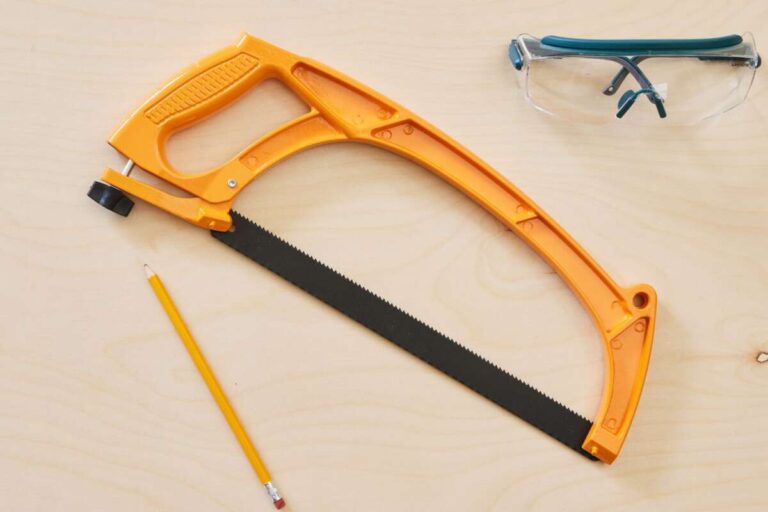
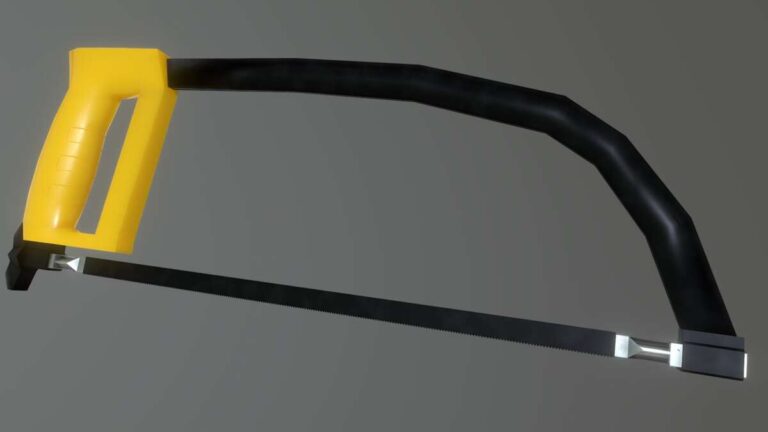
What Does A Hacksaw Cut: Materials And Uses
Introduction
A hacksaw cuts metal, plastic, and some other rigid materials, depending on the blade. In a typical American home workshop, people use hacksaws to cut threaded rod, bolts, steel pipe, copper tubing, aluminum stock, PVC pipe, and plastic conduit.
A hacksaw is not a good choice for every job. Its narrow, fine-tooth blade works best on small pieces that you can hold firmly. The right blade tooth count, steady pressure, and proper support make a clean cut. The wrong blade can bend, clog, break, or leave a rough edge.

What materials can a hacksaw cut?
A hacksaw can cut many common metal and plastic materials. The blade, not just the frame, determines what the tool can handle.
| Material | Can a hacksaw cut it? | Best blade or approach |
|---|---|---|
| Mild steel | Yes | Bi-metal blade with 18 to 24 teeth per inch |
| Stainless steel | Yes | High-quality bi-metal blade with fine teeth |
| Aluminum | Yes | Coarse blade with 14 to 18 teeth per inch |
| Copper tubing | Yes | Fine or medium blade |
| Brass | Yes | Fine or medium blade |
| Threaded rod | Yes | Medium or fine blade |
| Bolts and screws | Yes | Fine-tooth blade |
| Steel pipe | Yes | Medium blade; support the pipe well |
| Cast iron | Usually | Coarse, strong blade; expect a slow cut |
| PVC pipe | Yes | Fine-tooth blade |
| ABS pipe | Yes | Fine-tooth blade |
| CPVC pipe | Yes | Fine-tooth blade |
| Plastic conduit | Yes | Fine-tooth blade |
| Fiberglass rod | Sometimes | Fine-tooth or abrasive blade; control dust |
| Wood | Technically | Possible for small cuts, but a wood saw is better |
| Hardened tool steel | Poor choice | Use an abrasive wheel or specialized cutting tool |
| Concrete or masonry | No | Use a masonry saw or appropriate power tool |
| Glass | No | Use a glass-cutting tool |
| Ceramic tile | No | Use a tile saw or tile-cutting tool |
Metal
Metal is the main material a hacksaw is designed to cut. It can handle thin sheet metal, flat bar, angle iron, small pipe, bolts, screws, nails, and threaded rod.
A standard hacksaw can cut common steels, but harder metal takes more time. Stainless steel can also be slow because it resists cutting and may harden if you press too hard or let the blade rub without cutting.
A hacksaw is useful for small metal work because it gives you control. It does not create sparks like many power saws, and it can work in tight spaces. However, it is slower than an angle grinder, reciprocating saw, or band saw.
Plastic
A hacksaw can cut many rigid plastics. Plumbers and DIY users often use one to cut PVC, ABS, and CPVC pipe. It can also cut plastic conduit and some molded plastic parts.
Use a blade with fine teeth when cutting plastic. Coarse teeth may grab the material, chip the edge, or cause the plastic to crack. Move the blade at a steady pace and avoid forcing it through the pipe.
After cutting plastic pipe, remove burrs from both the inside and outside edges. A sharp edge can damage a fitting, reduce the quality of a solvent-welded joint, or leave loose chips inside the pipe.
Wood
A hacksaw may cut thin wood in an emergency, but it is not the right tool for normal wood cutting. Its fine metal-cutting teeth clog with wood dust, and the narrow blade tends to wander.
Use a handsaw, backsaw, Japanese pull saw, or powered wood saw for lumber and plywood. These tools have tooth shapes and blade designs made for wood fibers.
Fiberglass and composite materials
Some hacksaw blades can cut fiberglass rods, plastic-reinforced parts, and other composites. The cut may create fine dust, so wear eye protection and avoid breathing the dust.
Support the material close to the cut. Fiberglass can splinter when the blade exits the far side. A fine blade and light pressure usually give better control.
How does a hacksaw cut?
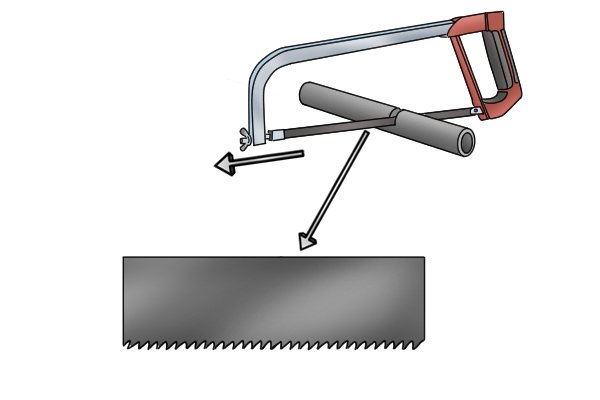
A hacksaw cuts by scraping away small pieces of material with a row of hardened teeth. Each tooth removes a small chip as the blade moves across the workpiece.
Most hacksaws cut on the forward push stroke. The teeth normally point away from the handle. The return stroke brings the blade back without doing much cutting.
The frame keeps the blade straight and under tension. A tight blade is less likely to bend or buckle. A loose blade may twist, wander, or break.
The cutting action depends on three main factors:
- Tooth count: Fine teeth make smaller cuts and work well on thin or hard material.
- Blade tension: Proper tension keeps the blade straight.
- Pressure and speed: Moderate pressure lets the teeth cut instead of rubbing.
A hacksaw does not cut faster because you push harder. Too much force can strip teeth, bend the blade, or make the cut drift away from the mark.
How to choose the right hacksaw blade
Choose the blade by matching its tooth count to the material thickness. Tooth count is usually listed as teeth per inch, or TPI.
| Blade size | Typical use |
|---|---|
| 14 TPI | Thick aluminum, large steel sections, and heavy pipe |
| 18 TPI | General metal work and thicker plastic |
| 24 TPI | Thin wall tubing, small steel, and general-purpose work |
| 32 TPI | Thin sheet metal, small bolts, and thin-wall tubing |
A useful rule is to keep at least two or three teeth in contact with the material at once. If the material is thin, use more teeth per inch. If it is thick, a coarser blade usually clears chips better.
For example:
- A thick steel rod may work well with a 14- or 18-TPI blade.
- A thin metal bracket may need a 24- or 32-TPI blade.
- PVC pipe often cuts well with an 18- to 32-TPI blade.
- A small bolt usually benefits from a fine 24- or 32-TPI blade.
Carbon steel, high-speed steel, and bi-metal blades
Basic carbon-steel blades cost less and work for light jobs. They wear faster and are more likely to break if twisted.
High-speed steel blades resist heat and wear better. Bi-metal blades combine a flexible blade body with harder cutting teeth. They are often a good choice for repeated metal cutting because they balance strength and tooth life.
A carbide-grit blade has no normal saw teeth. Instead, it uses an abrasive cutting edge. This type can help with some hard, brittle, or abrasive materials, but it cuts differently from a standard hacksaw blade.
Blade length and frame fit
Most full-size hacksaw frames use blades around 12 inches long, although compact frames use shorter blades. Check that the blade fits the frame before buying it.
The blade should sit straight between the pins. Tighten the tension mechanism until the blade feels firm. Do not over-tighten it, since excessive tension can damage the frame or cause a brittle blade to fail.

How to cut metal with a hacksaw
Use the following steps for a controlled cut.
- Mark the cut line. Use a permanent marker, scriber, or layout tool. Wrap masking tape around round tubing to create a guide line.
- Choose the blade. Match the TPI to the thickness of the material.
- Install the blade correctly. Point the teeth away from the handle unless the frame design states otherwise.
- Secure the workpiece. Clamp it in a vise. Place the cut close to the vise jaws to reduce vibration.
- Start with short strokes. Make a shallow groove on the waste side of the line.
- Keep the blade square. Hold the frame at a right angle to the work unless the job calls for an angled cut.
- Use long, steady strokes. Use as much of the blade length as the workpiece allows.
- Apply light forward pressure. Ease off pressure on the return stroke.
- Slow down near the end. Support the waste piece so it does not tear away or bend the material.
- Deburr the edge. Use a file, deburring tool, or fine abrasive paper.
The cut is going well when the blade makes a steady sound, the groove stays on the mark, and the teeth remove visible chips. If the blade squeals, slips, or only polishes the surface, check the blade and your technique.
Cutting a bolt or threaded rod
When cutting a bolt, thread a nut onto the bolt before making the cut. Afterward, remove the nut over the cut end. The nut can help straighten minor damage to the threads.
For threaded rod, clamp the rod firmly and use a fine or medium blade. Make the cut slowly near the end to prevent the rod from bending.
Cutting pipe
Support pipe close to the cut. A vise with soft jaws can prevent crushing, especially with copper or thin-wall tubing.
For round pipe, start the groove on one side and keep the blade square as you work around the wall. Do not twist the hacksaw to finish the last section. Twisting can pinch and damage the blade.
After cutting, clean the edge. For plastic pipe, remove plastic curls and dust. For metal pipe, remove sharp burrs that could cut skin or damage seals.

Common hacksaw problems and fixes
The blade breaks
A blade may break because it is loose, over-tightened, twisted, or forced through the material. It may also be worn or installed with the teeth facing the wrong direction.
Install a new blade, set moderate tension, and keep the frame straight. Let the teeth do the work.
The cut wanders
A wandering cut often comes from starting at an angle or using too much pressure. It can also happen when the workpiece moves in the vise.
Start with short strokes. Once the groove is established, lengthen the strokes while keeping the frame square. Tighten the workpiece before continuing.
The teeth clog
Soft aluminum and some plastics can clog fine teeth with chips. A blade with slightly fewer teeth per inch may help. Clear the chips often and avoid pushing so hard that the material smears across the teeth.
For aluminum, a small amount of suitable cutting lubricant may reduce clogging. Keep lubricant away from areas where contamination would create a problem.
The blade cuts slowly
A slow cut may mean the blade is dull, the TPI is wrong, or the material is harder than expected. Check that the teeth are making chips rather than rubbing the surface.
Replace a worn blade. If the material is thick, try a coarser blade. If it is thin, use a finer blade so the teeth stay engaged.
The material bends
Thin sheet metal and tubing can flex during cutting. Clamp the work close to the cut and support both sides when possible.
For sheet metal, sandwiching the material between thin pieces of scrap wood can reduce vibration. Leave enough access for the blade to pass through.

Hacksaw safety in the United States
Wear safety glasses when using a hacksaw. Small metal chips, broken teeth, and fragments from the workpiece can travel toward your eyes.
Secure the material before cutting. Never hold a small metal part in one hand while sawing it with the other. The blade can slip and cut your hand.
Keep the handle and frame dry. A slippery grip makes it harder to control the blade. Inspect the blade before use and replace it if it is cracked, badly bent, or missing teeth.
Use care around pipes and electrical parts. Shut off and drain plumbing before cutting a pipe. De-energize electrical equipment and verify that it is safe before cutting conduit or nearby components. A hacksaw should never be used as a way to test whether a wire or circuit is live.
For fiberglass, painted surfaces, or unknown coatings, control dust and wear suitable respiratory protection when the product label or job conditions call for it. Do not assume that an old coating is harmless.
A hacksaw is a hand tool, but the material can still move suddenly. Keep both hands on the tool when practical, keep your fingers away from the blade path, and store the saw with the blade protected.
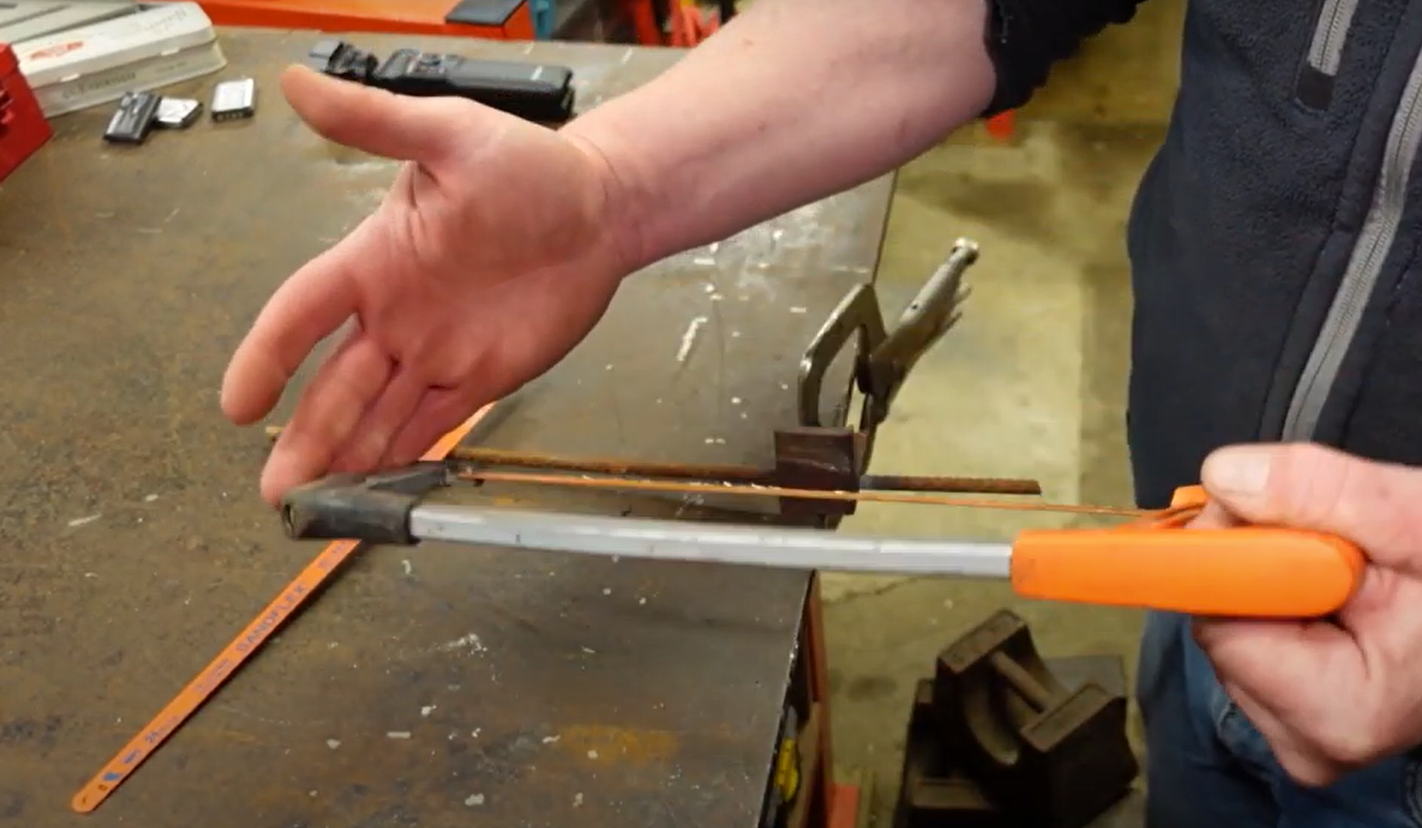
Hacksaw vs. other cutting tools
A hacksaw is a good choice when you need control, low cost, and a cut without power. It is less suitable when the material is very thick, the cut count is high, or the job needs a precise production finish.
| Tool | Best use | Main limitation |
|---|---|---|
| Hacksaw | Small metal and plastic cuts | Slow for thick or repeated cuts |
| Reciprocating saw | Demolition and larger pipe | More vibration and less control |
| Angle grinder | Fast cuts in metal | Sparks, noise, and more serious kickback risk |
| Band saw | Repeated, straighter metal cuts | Larger, less portable tool |
| Tubing cutter | Clean cuts on suitable round tubing | Limited to compatible sizes and materials |
| PVC ratchet cutter | Small plastic pipe | Does not suit all pipe sizes or hard materials |
| Handsaw | Wood and some plastic | Not ideal for most metal |
Choose the hacksaw when the workpiece is small enough to secure and the slower cutting speed is acceptable. Choose another tool when the material is too thick for efficient hand cutting or when the job requires many identical cuts.

Quick takeaway: A hacksaw mainly cuts metal and rigid plastic. Use the blade’s TPI to match the material thickness, secure the workpiece, keep the frame straight, and finish by removing sharp burrs.
Frequently asked questions
Can a hacksaw cut steel?
Yes. A hacksaw can cut mild steel, many steel bolts, threaded rod, small pipe, and thin sheet steel. Use a sharp bi-metal blade and choose the TPI based on the steel’s thickness.
Can a hacksaw cut PVC pipe?
Yes. A hacksaw can cut PVC, ABS, and CPVC pipe. Use a fine-tooth blade, support the pipe well, and remove burrs after the cut.
Can a hacksaw cut aluminum?
Yes. Aluminum is relatively easy to cut, but it can clog the teeth. A clean, sharp blade with medium or coarse teeth often works better than an extremely fine blade.
Can a hacksaw cut wood?
It can cut thin wood, but it is a poor choice for regular woodwork. Use a wood saw because its teeth clear wood chips and follow the grain more effectively.
Why does my hacksaw blade keep breaking?
The most common causes are too much pressure, a loose or over-tightened blade, a twisted frame, a moving workpiece, or a worn blade. Keep the frame straight and let the teeth cut at a steady pace.
Conclusion
A hacksaw cuts many common materials, with metal and rigid plastic being its main targets. It can cut steel, aluminum, copper, brass, threaded rod, bolts, PVC, ABS, and plastic conduit when paired with the right blade.
For the best result, match the blade’s teeth per inch to the material thickness. Clamp the workpiece, start slowly, use steady push strokes, and deburr the finished edge. If the material is hardened, very thick, brittle, or made of masonry or glass, choose a tool designed for that job instead.
Recent Tool Guides
 Hammer
How To Hammer Flowers Onto Paper: Easy Guide
Learn how to hammer flowers onto paper with simple steps, helpful tips, and beautiful results for...
Read Guide → Wrench
How To Use A Hex Wrench: Easy Step-By-Step Guide
Learn how to use a hex wrench correctly with simple steps, helpful tips, and common mistakes...
Read Guide → Hacksaw
How To Cut Curtain Pole With Hacksaw: Easy Guide
Learn how to cut curtain pole with hacksaw safely and neatly. Follow simple steps for accurate...
Read Guide → Wrench
How To Use A Husky Torque Wrench: Easy Guide
Learn how to use a Husky torque wrench correctly with simple steps, torque settings, and safety...
Read Guide → Hammer
How To Hold A Hammer: Safe Grip Guide
Learn how to hold a hammer with the right grip, stance, and technique for safer, more...
Read Guide → Hacksaw
How To Cut Flexible Metal Conduit With Hacksaw: Easy Guide
Learn how to cut flexible metal conduit with hacksaw safely and cleanly. Follow simple steps for...
Read Guide →