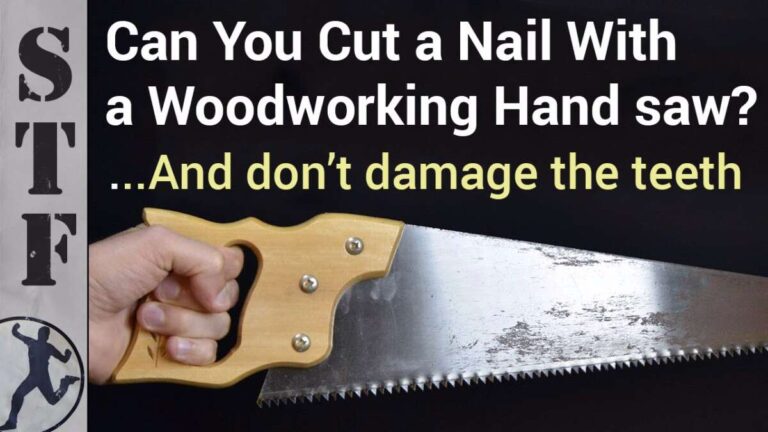
Does A Hacksaw Cut Wood: Safe Cutting Tips
Yes, a hacksaw can cut wood, but it is not the right tool for most wood-cutting jobs. A hacksaw has a thin blade with small teeth made mainly for cutting metal. It may cut softwood, plywood, dowels, or thin boards in a pinch, but the work will be slow and the cut may be rough.
For regular wood projects in the United States, use a handsaw, panel saw, backsaw, Japanese pull saw, or power saw instead. A hacksaw is best treated as an emergency option for light wood cuts.
What Is a Hacksaw?
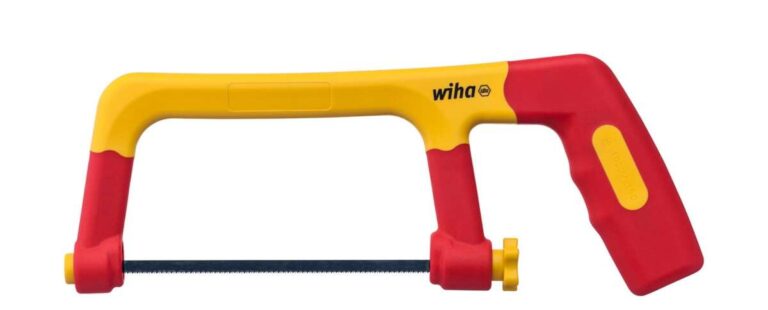
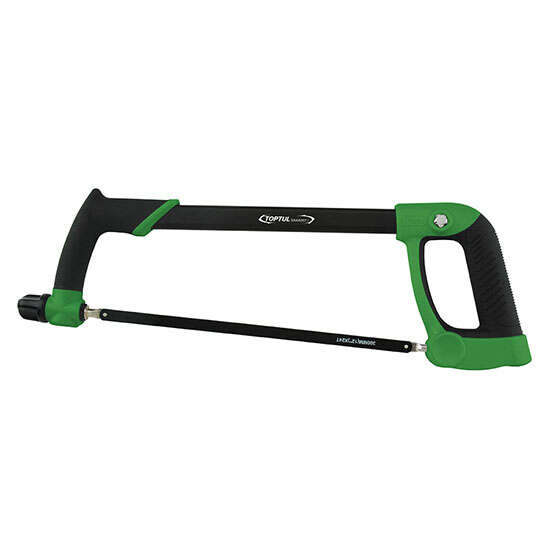
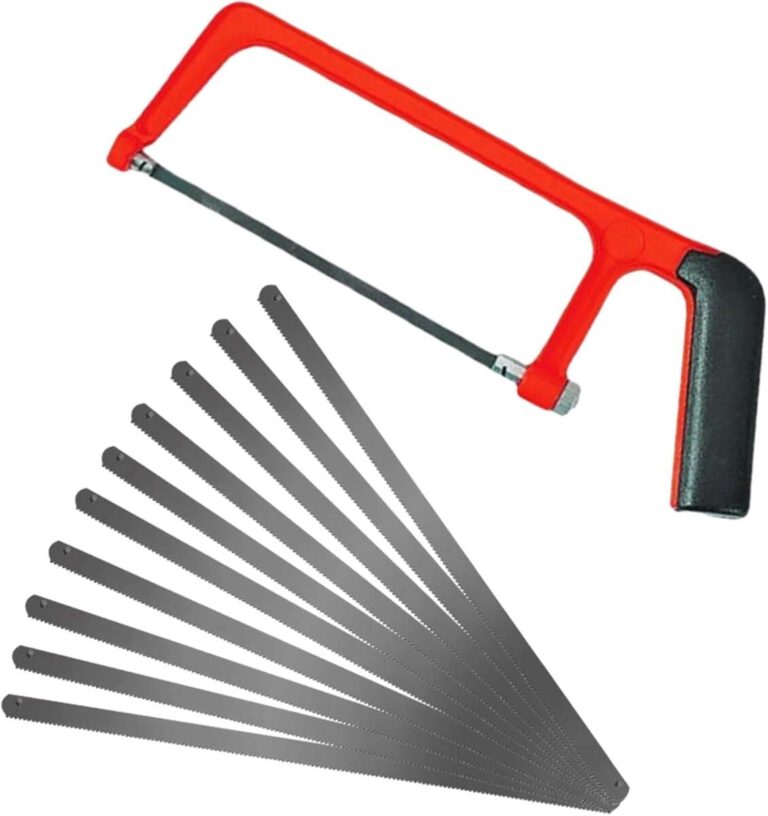
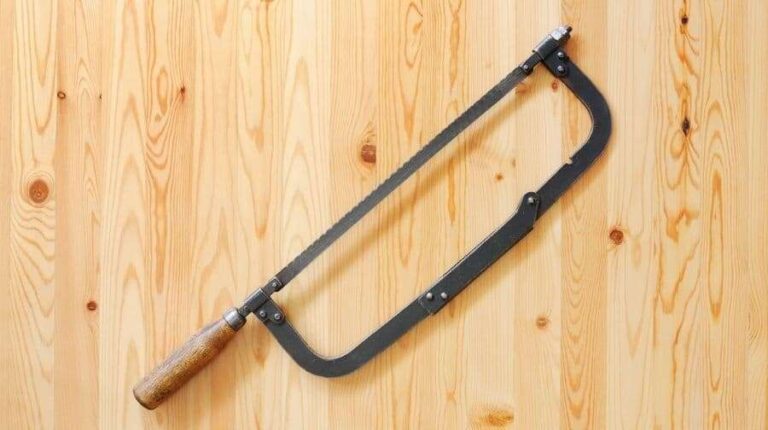
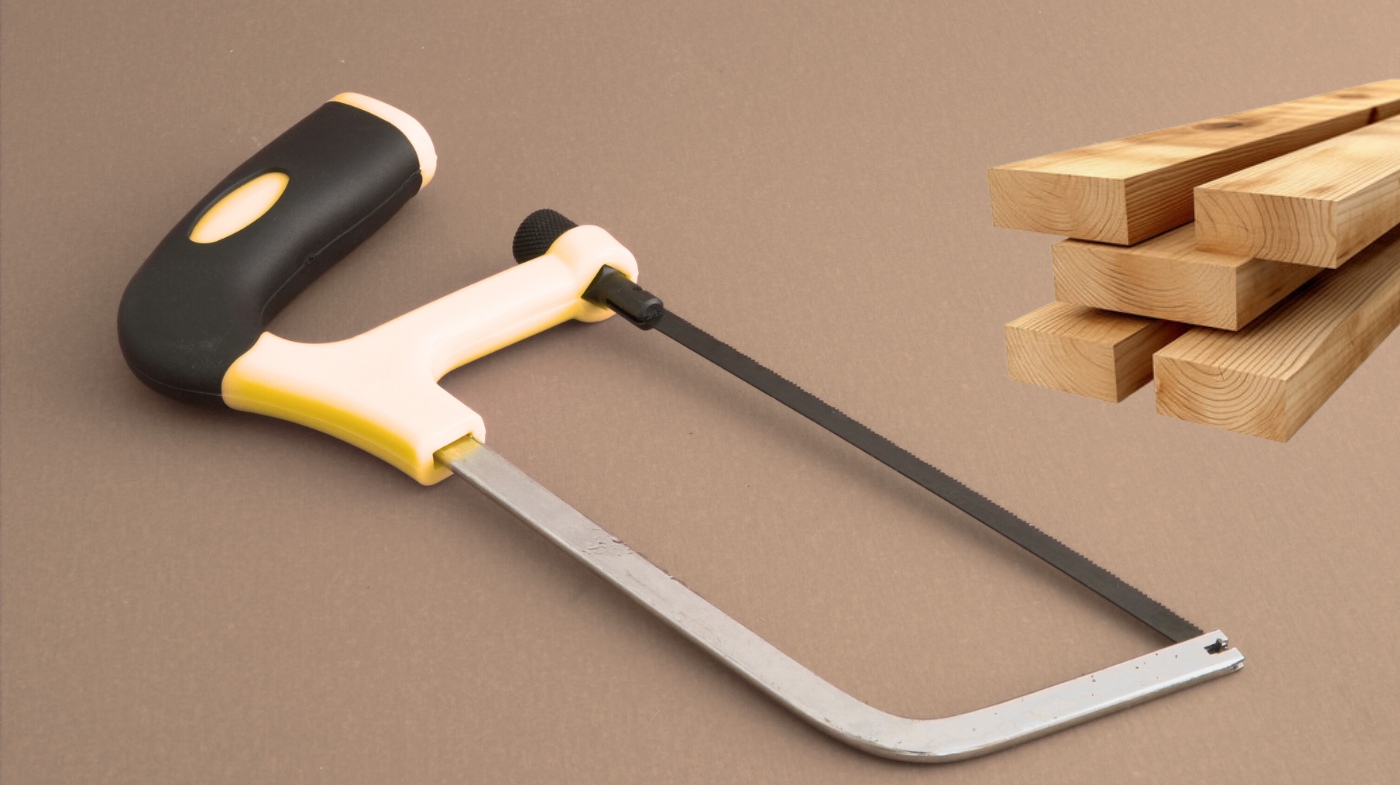
A hacksaw is a hand tool with a metal frame and a narrow, replaceable blade. Most hacksaw blades have fine teeth, often ranging from about 14 to 32 teeth per inch, or TPI.
The tool is made to cut materials such as:
- Steel
- Aluminum
- Copper
- PVC pipe
- Plastic
- Thin sheet metal
The frame holds the blade under tension. The handle gives you control while you push and pull the tool across the material.
Wood saws use a different tooth shape and spacing. Their teeth are often larger and farther apart. This design clears wood chips faster and removes material more quickly.
A hacksaw’s fine teeth can still cut wood. However, the teeth may fill with sawdust. The blade can also bend, bind, or move very slowly through thick stock.

How Well Does a Hacksaw Cut Wood?
A hacksaw cuts thin, soft wood better than thick, hard wood. It works best for small jobs where speed and a perfect finish do not matter.
A hacksaw may work for:
- Cutting a small wood dowel
- Trimming a thin pine strip
- Shortening a small piece of softwood
- Cutting thin plywood
- Making a light notch
- Removing a small wooden peg
- Cutting wood when no better saw is available
It is a poor choice for:
- Cutting large boards
- Ripping plywood over a long distance
- Cutting hardwood
- Building decks or furniture
- Making many repeated cuts
- Cutting thick lumber
- Making a clean finish cut
The main problem is tooth design. Fine hacksaw teeth take small bites. Wood saw teeth usually take larger bites and clear chips more easily.
Softwood vs. hardwood
Softwood, such as pine or cedar, is usually easier to cut with a hacksaw. Hardwood, such as oak, maple, or walnut, takes much more effort.
The thickness of the wood matters as well. A hacksaw may handle a thin dowel, but a 2-by-4 is a poor match. You could cut it, but the process would be slow, tiring, and hard on the blade.
Green wood and wet wood
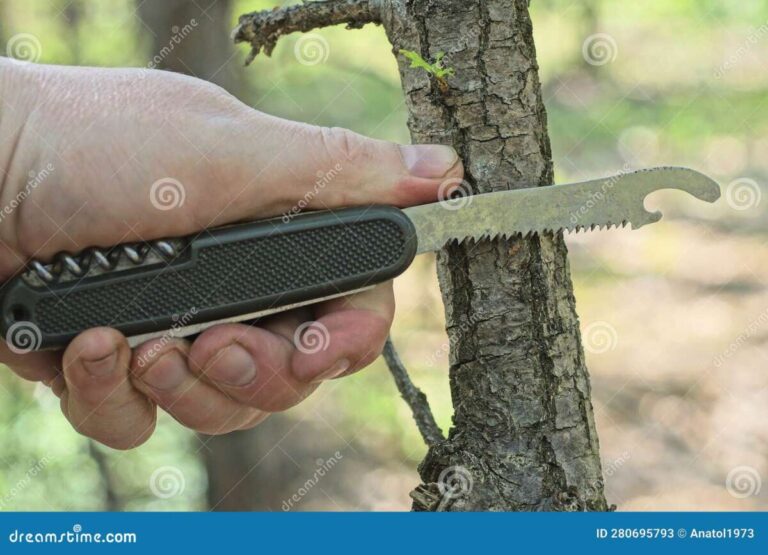
Fresh or wet wood may clog a hacksaw blade even faster than dry wood. The fibers can stick between the teeth. A pruning saw or bow saw is better for branches and green wood.

Why Is a Hacksaw Not Ideal for Wood?
A hacksaw is not ideal for wood because its blade is designed for small, controlled cuts in hard materials. Wood needs a blade that removes larger chips and allows dust to escape.
Here are the main limits:
Fine teeth clog with sawdust
A blade with many teeth per inch creates fine dust. That dust can pack between the teeth and stop the blade from cutting well.
When the teeth clog, the saw may feel as if it has become dull. cleaning the blade may help, but it will not change the basic design.
The cut takes longer
Each tooth removes only a small amount of wood. You must make many more strokes to cut through the same piece.
This is not a major issue for a small dowel. It becomes a serious problem with thick lumber or long cuts.
The blade may bend
Hacksaw blades are narrow and flexible. Too much side pressure can bend the blade or make the cut wander.
A bent blade may also pinch inside the cut. If you force it, the blade can snap.
The cut may be rough
A hacksaw can leave a narrow but uneven cut in wood. The result depends on the blade, the wood, your technique, and how firmly you hold the work.
For visible work, use a saw made for wood or plan to sand and trim the cut.
Which Hacksaw Blade Is Best for Cutting Wood?
If you must cut wood with a hacksaw, choose a sharp blade with fewer teeth per inch. A blade in the lower part of the common hacksaw range will usually clear wood dust better than a very fine blade.
As a general guide:
| Blade type | Typical use | Suitability for wood |
|---|---|---|
| 14 TPI | Thick metal and some plastic | Better for thick, soft wood than fine blades |
| 18 TPI | General metal work | Usable for small wood cuts |
| 24 TPI | Thin metal and tubing | Slow in wood |
| 32 TPI | Thin metal and fine work | Usually too fine for wood |
These are general blade categories, not strict rules. Always check the blade maker’s instructions.
A coarse wood blade is still better than a coarse hacksaw blade for most wood. The tooth shape, rake angle, and blade width are designed for wood fibers rather than metal.
Do not use a dull blade to compensate for the wrong blade type. A dull blade creates more force, more heat, and more risk of slipping.
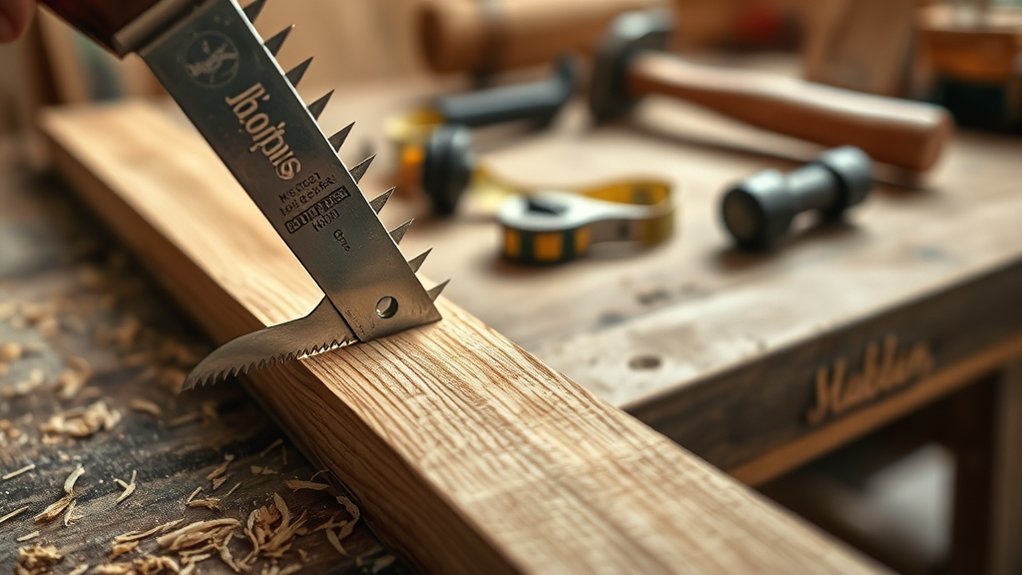
How to Cut Wood With a Hacksaw
Use a hacksaw on wood only when the piece is small, stable, and safe to hold. For thick boards or structural work, choose a proper wood saw.
What you need
Gather:
- A hacksaw with a secure frame
- A sharp blade
- A clamp or vise
- A pencil or marking knife
- Safety glasses
- Work gloves, if they do not reduce your grip
- Sandpaper or a file for the cut edge
Step 1: Mark the cut
Mark the cut line clearly on the wood. A pencil works for most boards. A knife line may be more exact on smooth stock.
Check the measurement twice. A hacksaw removes a narrow amount of material, but a wandering cut can remove more than expected.
Step 2: Support the wood
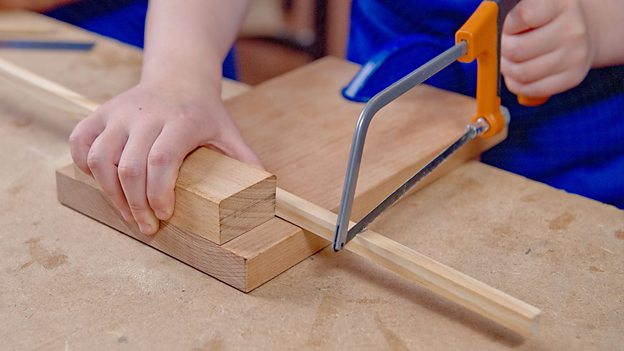
Clamp the wood to a workbench or place it in a vise. Keep the waste side free.
Do not hold a small piece in your hand while sawing. The blade can slip and cut your fingers.
Step 3: Fit the blade correctly
Install the blade so the teeth point forward, toward the end of the frame. Most hacksaws cut on the forward stroke.
Tighten the frame until the blade feels firm. Do not overtighten it. Excess tension can damage the frame or cause the blade to break.
Step 4: Start with short strokes
Place the blade on the waste side of the line. Use short, gentle strokes to create a shallow groove.
Keep the blade at a low angle at first. This helps prevent the teeth from catching on the edge.
Step 5: Use steady pressure
Once the groove is established, use longer strokes. Press lightly on the forward stroke and reduce pressure on the return stroke.
Let the teeth do the work. Heavy force will not make the fine blade cut like a wood saw.
Step 6: Keep the blade straight
Watch both the mark and the blade. Keep the blade square to the face of the wood unless you need an angled cut.
If the blade starts to twist, stop and reset it. Do not force it back into line.
Step 7: Finish the cut carefully
Support the waste piece near the end of the cut. This helps prevent the wood from breaking and tearing out.
Slow down as the blade nears the far side. Finish with light strokes.
Step 8: Smooth the edge
Use sandpaper, a file, or a proper woodworking tool to remove splinters. Check the edge before handling the piece.
A successful cut should follow the marked line, leave no dangerous splinters, and show no signs of a bent or damaged blade.

Hacksaw vs. Wood Saw: Which Should You Use?
The best saw depends on the material, cut length, and finish you need.
| Tool | Best for | Main advantage | Main limitation |
|---|---|---|---|
| Hacksaw | Metal, plastic, and small emergency wood cuts | Common and precise for small cuts | Slow in wood |
| Handsaw | General board cutting | Simple and fast | Needs more space |
| Panel saw | Plywood and sheet goods | Long, straight cuts | Less useful for tiny parts |
| Backsaw | Joinery and trim | Accurate cuts | Limited cutting depth |
| Japanese pull saw | Fine woodworking | Clean, controlled cuts | Thin blade can bend |
| Pruning saw | Branches and green wood | Clears wood chips well | Not suited to fine joinery |
| Jigsaw | Curves and internal cuts | Handles curved shapes | Needs power and blade control |
| Circular saw | Long cuts in boards and sheets | Fast and efficient | Higher injury risk |
| Reciprocating saw | Demolition and rough cuts | Cuts many materials | Rough finish |
Use a hacksaw when the cut is small and the tool is already available. Use a wood saw when the cut is long, the wood is thick, or the finish matters.
For a branch, choose a pruning saw. For a 2-by-4, use a handsaw or circular saw. For trim and joints, use a backsaw or pull saw.
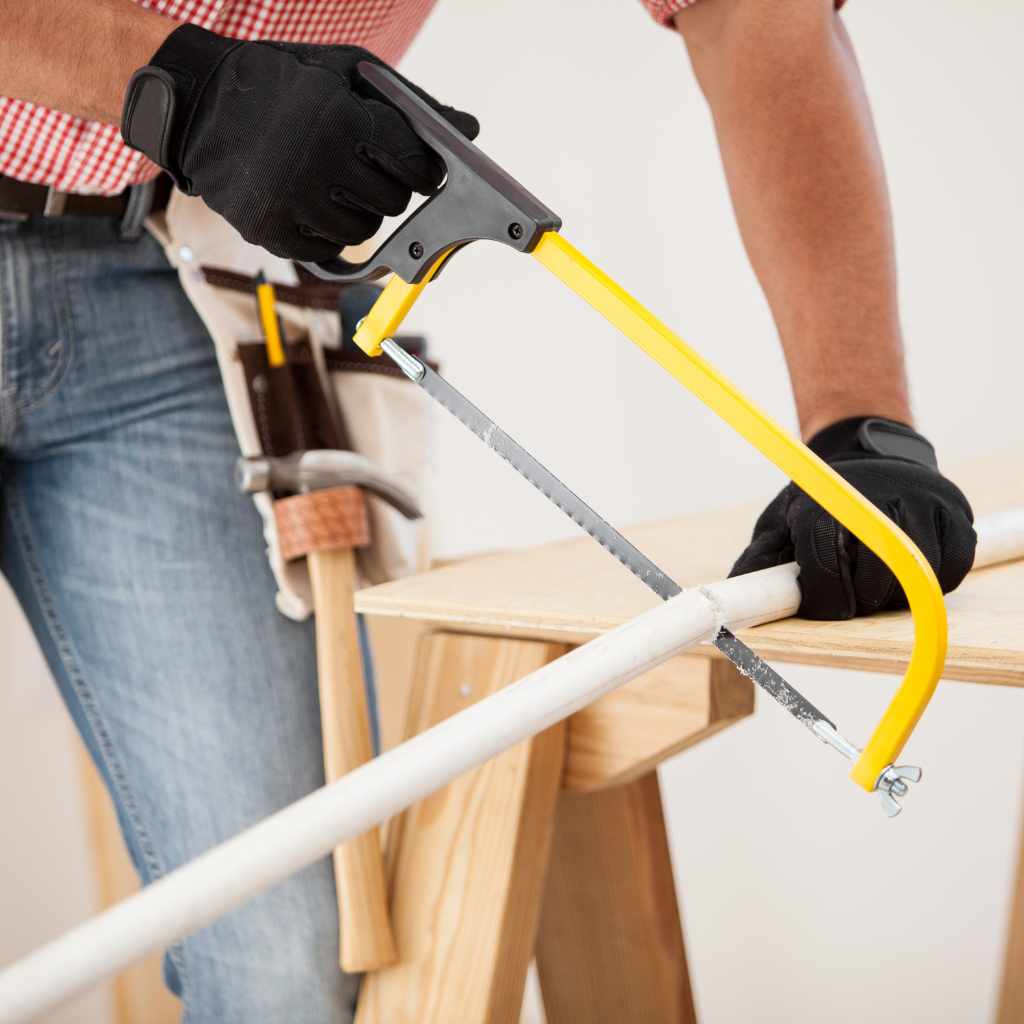
Safety Tips for Cutting Wood With a Hacksaw
A hacksaw is a hand tool, but it can still cause cuts, punctures, and eye injuries. Safe setup matters more than speed.
Follow these precautions:
- Wear safety glasses to block chips and broken teeth.
- Clamp the wood before cutting.
- Keep both hands behind the blade.
- Keep your fingers away from the cut line.
- Check that the blade is tight and undamaged.
- Replace a blade that is bent, cracked, or missing teeth.
- Keep the work area clear.
- Use a stable bench or vise.
- Cut away from your body when possible.
- Do not twist the blade during a stroke.
- Do not force a stuck blade.
- Keep children away from the work area.
Gloves can protect against splinters, but loose gloves may reduce control. Do not wear anything that can catch on the blade or workpiece.
If the blade binds, stop moving the saw. Support the wood, loosen the pressure, and remove the blade only after it stops moving.
Can you use a hacksaw on treated lumber?
You can physically cut treated lumber with a hacksaw, but it is usually a poor choice. Treated wood can be dense and wet, which makes fine teeth clog quickly.
Use a saw made for wood. Follow the treated-wood manufacturer’s cleanup and disposal guidance, and avoid creating unnecessary dust. Wash your hands after handling the material.

Common Mistakes to Avoid
The most common mistake is treating a hacksaw like a wood saw. Its fine blade needs light pressure and a stable workpiece.
Avoid these errors:
Using a very fine blade
A fine blade may seem more precise, but it can clog quickly in wood. Choose a coarser blade when the material and blade maker allow it.
Cutting freehand
Freehand cutting makes the blade wander. It also increases the chance that the wood will move.
Clamp the work even if the cut seems quick.
Pushing too hard
Force can bend the blade, damage the teeth, and make the cut less straight. Use smooth strokes instead.
Cutting thick lumber
A hacksaw may start the cut but become difficult to control as the blade travels deeper. Switch to a proper wood saw for thick stock.
Ignoring the blade direction
Most hacksaw blades cut on the forward stroke. Installing the blade backward makes the tool feel ineffective and may encourage unsafe force.
Holding the wood near the blade
Small parts are hard to control by hand. Use a vise, clamp, or a larger sacrificial board to support the piece.
Using a damaged blade
A cracked or bent blade can break under tension. Replace it before cutting.

When Should You Use a Different Tool?
Choose another tool when the hacksaw cannot meet the needs of the job.
Use a handsaw when you need to cut a board quickly. Use a backsaw when you need a straight, clean cut in trim or joinery. Use a pruning saw for branches and a jigsaw for curves.
A power saw may save time on repeated cuts, but it requires more care. Read the tool manual, use the correct blade, secure the material, and keep your hands clear of the cutting path.
The deciding factors are simple:
- Small cut and soft wood: A hacksaw may work.
- Thick wood: Use a handsaw or power saw.
- Clean visible edge: Use a wood saw made for finish work.
- Branch or green wood: Use a pruning saw.
- Many cuts: Use the correct wood-cutting tool for the job.
- Metal and wood together: Choose a blade rated for the material you are cutting, or use separate tools.

Key Takeaways
- Yes, a hacksaw can cut wood.
- It works best on thin softwood, dowels, and small pieces.
- It is slow and inefficient on thick lumber and hardwood.
- A coarse hacksaw blade is usually better than a fine blade for wood.
- Clamp the workpiece and use light, steady strokes.
- A handsaw, pruning saw, or power saw is usually the better choice.
- Stop if the blade bends, binds, or shows damage.
FAQs
Can a hacksaw cut a 2-by-4?
Yes, but it is not practical. A hacksaw will take much longer than a handsaw and may produce a rough or uneven cut. Use a handsaw, circular saw, or reciprocating saw instead.
Can you cut plywood with a hacksaw?
Yes, a hacksaw can cut thin plywood. The blade may leave a rough edge and can clog with wood dust. For cleaner results, use a fine-tooth panel saw, backsaw, jigsaw, or circular saw with a plywood blade.
Can a hacksaw cut a wooden dowel?
Yes. A hacksaw works reasonably well on small wood dowels, especially when the dowel is clamped firmly. Sand the end after cutting to remove splinters.
Can you use a metal hacksaw blade to cut wood?
Yes, for a small or emergency cut. A metal-cutting blade has fine teeth, so it will usually cut wood slowly. A wood blade is more efficient because its teeth are made to clear wood chips.
Will cutting wood damage a hacksaw blade?
It can. Wood dust may clog the teeth, and knots or hard wood can dull the blade. Inspect the blade after use and replace it if the teeth are dull, bent, cracked, or missing.
What is the best hand saw for cutting wood?
A standard handsaw is the best general choice for boards. A backsaw suits trim and joinery, while a pruning saw is better for branches. Choose based on the wood, cut shape, and finish you need.
Conclusion
A hacksaw does cut wood, but only in limited situations. It is suitable for small cuts in thin or soft wood when you work slowly and secure the material.
For thick boards, hardwood, branches, or repeated cuts, use a saw designed for wood. The right blade will cut faster, stay straighter, and reduce the chance of slips, splinters, and blade damage.
Recent Tool Guides
 Hammer
How To Hammer Flowers Onto Paper: Easy Guide
Learn how to hammer flowers onto paper with simple steps, helpful tips, and beautiful results for...
Read Guide → Wrench
How To Use A Hex Wrench: Easy Step-By-Step Guide
Learn how to use a hex wrench correctly with simple steps, helpful tips, and common mistakes...
Read Guide → Hacksaw
How To Cut Curtain Pole With Hacksaw: Easy Guide
Learn how to cut curtain pole with hacksaw safely and neatly. Follow simple steps for accurate...
Read Guide → Wrench
How To Use A Husky Torque Wrench: Easy Guide
Learn how to use a Husky torque wrench correctly with simple steps, torque settings, and safety...
Read Guide → Hammer
How To Hold A Hammer: Safe Grip Guide
Learn how to hold a hammer with the right grip, stance, and technique for safer, more...
Read Guide → Hacksaw
How To Cut Flexible Metal Conduit With Hacksaw: Easy Guide
Learn how to cut flexible metal conduit with hacksaw safely and cleanly. Follow simple steps for...
Read Guide →