Can A Hacksaw Cut Carbon Steel: Best Cutting Guide
Introduction
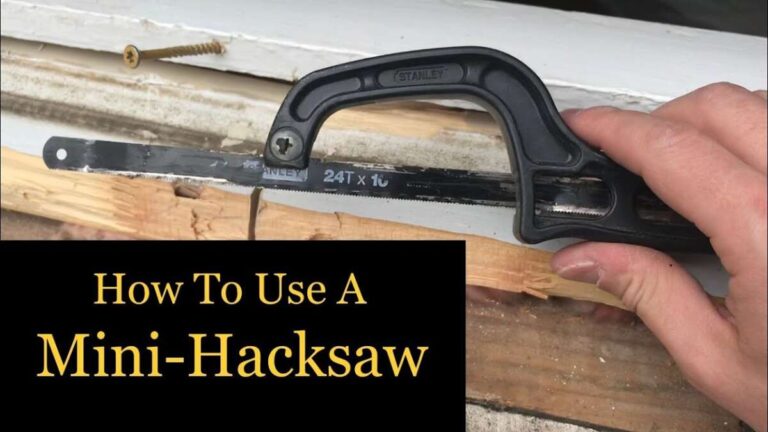
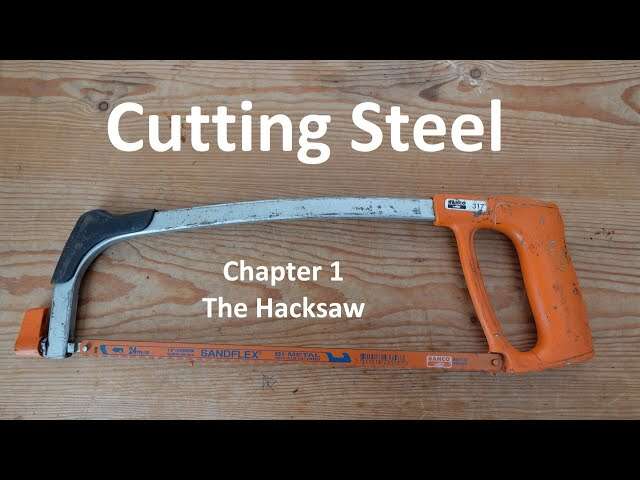
Yes, a hacksaw can cut carbon steel. For homeowners, DIY users, and workers in U.S. garages and shops, a hand hacksaw is a practical way to cut small carbon-steel rods, bolts, bars, pipes, and sheet pieces. The job works best when you use a sharp bi-metal blade with the right tooth count and hold the steel firmly.
The main limits are size and hardness. A hacksaw can cut mild steel with steady strokes, but thick or hardened carbon steel may take a long time. For large stock, frequent work, or hardened parts, a powered metal-cutting saw is usually safer and more efficient.

What Is Carbon Steel?
Carbon steel is steel made mainly from iron and carbon. It may also contain small amounts of other elements. The amount of carbon affects the steel’s strength, hardness, and ease of cutting.
For hacksaw work, carbon steel usually falls into three practical groups:
- Low-carbon steel: Also called mild steel. It is the easiest carbon steel to cut.
- Medium-carbon steel: Stronger and harder. It takes more effort and needs a good blade.
- High-carbon or hardened steel: Much harder to cut by hand. It may wear out a hacksaw blade quickly.
Common carbon-steel items include:
- Bolts and threaded rod
- Steel pipe and tubing
- Flat bar and angle iron
- Nails and rods
- Brackets and hardware
- Thin sheet metal
A steel part may look like mild steel but still be hardened. Heat treatment can change how easily a hacksaw cuts it.
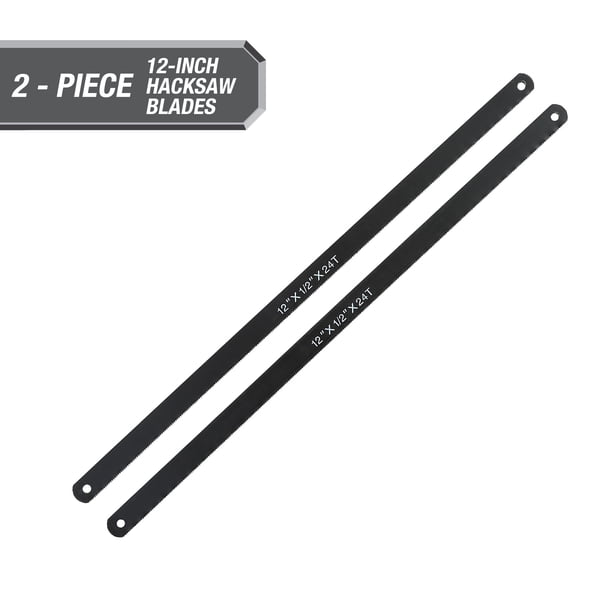
Can a Hacksaw Cut Carbon Steel?
A hacksaw can cut carbon steel because its teeth are harder than the steel surface. Each tooth removes a small amount of metal as you push the blade across the workpiece.
The process is slow compared with an angle grinder, band saw, or metal-cutting saw. However, a hacksaw has useful advantages:
- It does not need electricity.
- It creates little heat.
- It produces no sparks during normal use.
- It gives good control on small parts.
- It can cut steel in places where power tools do not fit.
A standard hacksaw is well suited to carbon steel less than about 1 inch thick, depending on the steel grade, blade, and user. That is a practical guide, not a strict limit. A strong user can cut thicker stock, but the work becomes slow and tiring.
Thin tubing and sheet metal need a fine-tooth blade. Thick bar stock needs larger teeth that can clear chips without clogging.
The best answer is simple: yes, but the blade and the steel thickness determine how well it works.

Choose the Right Hacksaw Blade
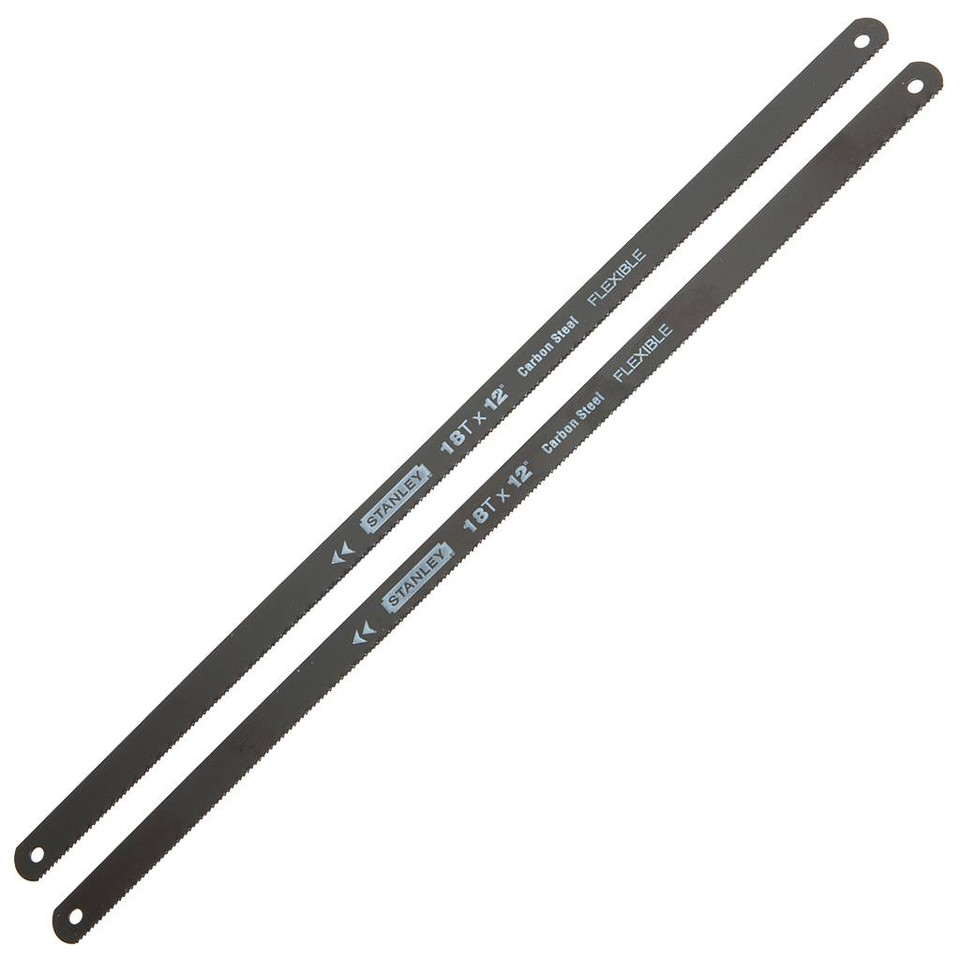
Blade selection has a greater effect on cutting speed and blade life than many people expect. Use a blade made for metal, not a wood-cutting blade.
Blade material
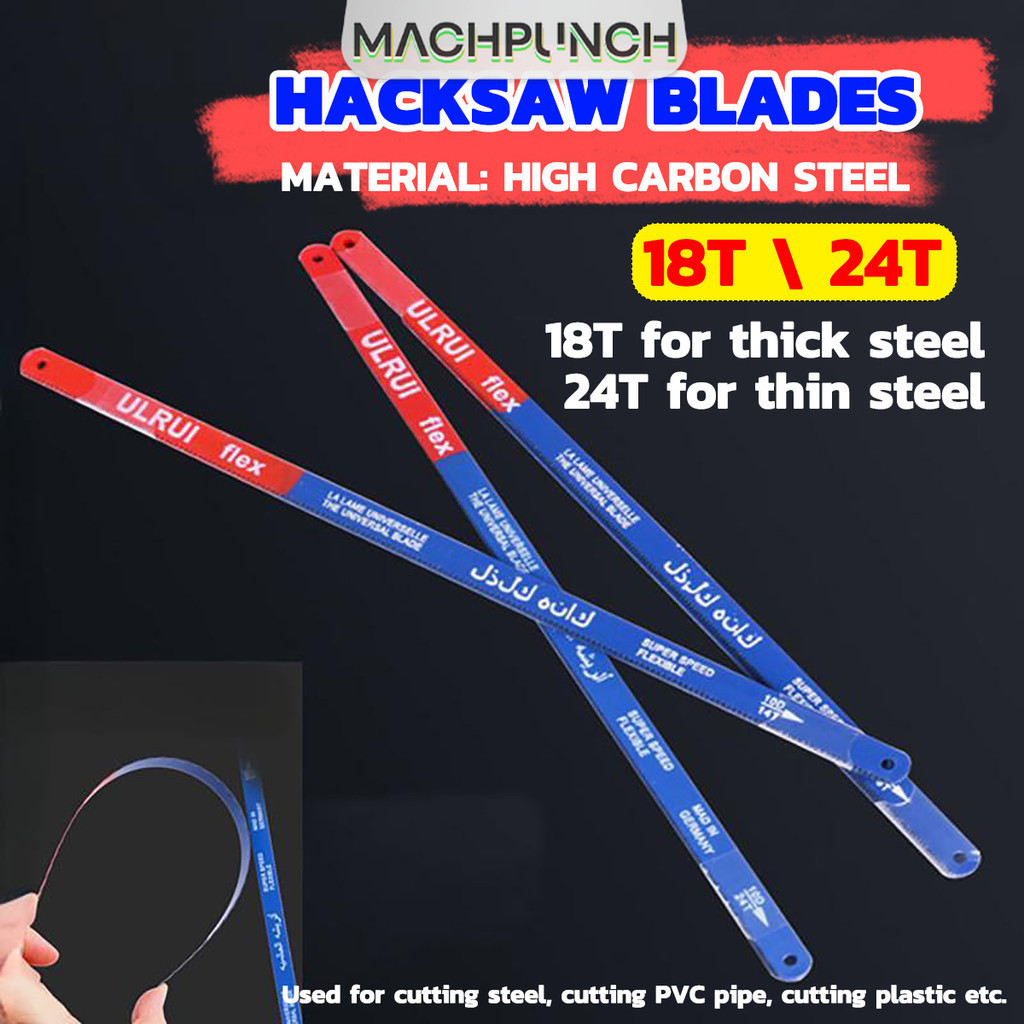
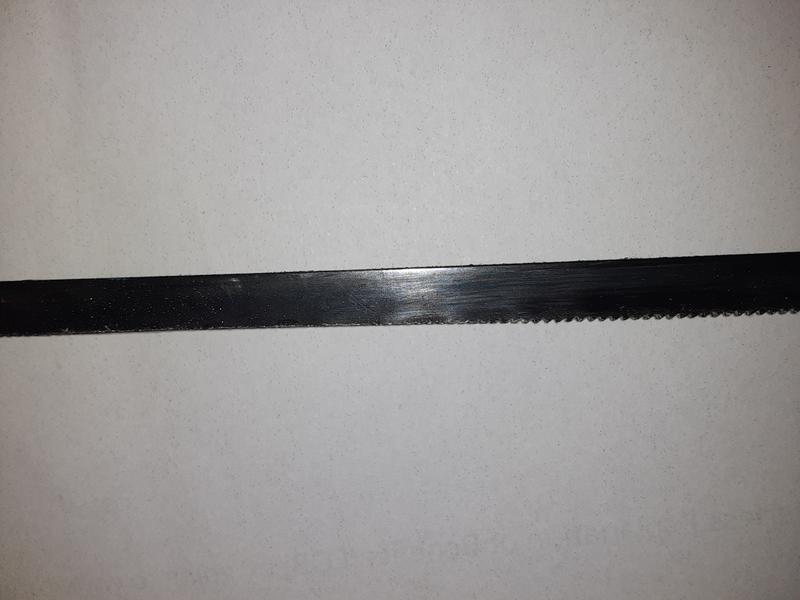
A bi-metal blade is usually the best general choice for carbon steel. It combines flexible spring steel with a harder tooth edge. This design helps the blade resist tooth breakage while cutting tough metal.
A high-carbon steel blade can also cut carbon steel, especially mild steel. It may cost less, but it can break more easily if you twist it or apply too much force.
Blade tooth count
hacksaw blades are commonly marked by teeth per inch, or TPI. Use the following table as a starting point:
| Carbon-steel workpiece | Useful blade range | Reason |
|---|---|---|
| Thick bar or angle iron | 14–18 TPI | Larger teeth remove metal faster |
| Medium plate or solid rod | 18–24 TPI | Balanced cutting and chip clearance |
| Thin tubing or small pipe | 24 TPI | Helps prevent tooth snagging |
| Sheet metal or thin-wall tube | 32 TPI | Keeps several teeth in the material |
Try to keep at least two or three teeth in contact with the workpiece at all times. If only one tooth contacts the edge, it may catch and break. If too many fine teeth contact thick steel, the blade may cut slowly and clog with metal chips.
Blade length and tension
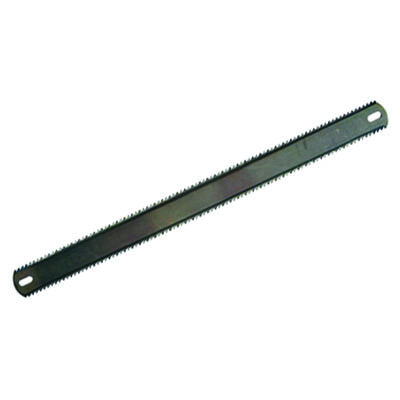
Most full-size hacksaws use blades around 12 inches long. Install the blade so the teeth point forward if the saw is designed to cut on the push stroke.
Tighten the blade until it feels firm. Do not over-tighten it. Excessive tension can damage the frame or cause the blade to snap.
How to Cut Carbon Steel With a Hacksaw
Follow these steps for a clean and controlled cut.
1. Mark the cut
Use a permanent marker, scriber, or layout tool to mark the cut line. A square can help you mark a straight line around a pipe or bar.
For a bolt, mark the thread with tape or a marker. Leave enough extra material if you plan to file the end later.
2. Secure the steel
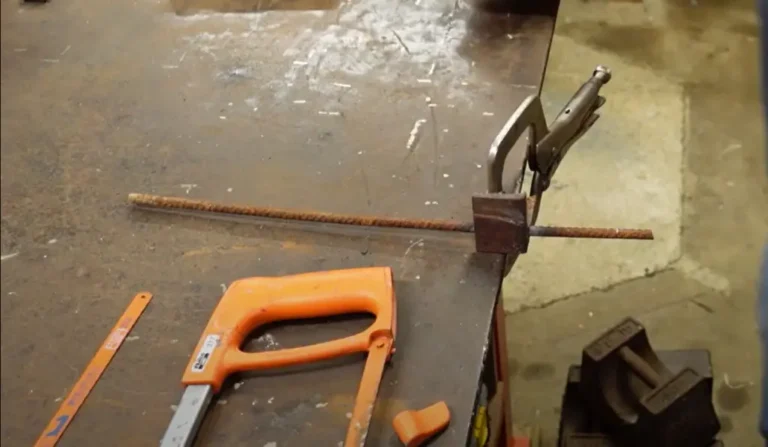
Clamp the workpiece in a vise. Keep the cut close to the vise jaws. This reduces vibration and helps prevent the steel from bending.
Do not hold the steel in your hand while cutting. A moving workpiece can catch the blade and cause a sudden slip.
If you are cutting pipe, support both sides of the cut. Unsupported tubing may collapse or move as the blade exits.
3. Select the correct blade
Choose the TPI based on the material thickness. Use a sharp blade with no missing or badly worn teeth.
For most mild carbon-steel work, an 18- or 24-TPI bi-metal blade is a useful starting point.
4. Start with a shallow groove
Place the blade on the waste side of the mark. Make a few light strokes to create a shallow groove.
Starting gently keeps the blade from wandering. Once the groove is established, increase the stroke length and pressure.
5. Use steady forward strokes
A hacksaw normally cuts on the forward stroke. Apply light pressure as you push, then reduce pressure as you pull the blade back.
Use most of the blade length on each stroke. Short, fast strokes can wear one small part of the blade and create an uneven cut.
Keep the blade square to the workpiece unless you need a deliberate angle. Let the teeth do the work. Heavy force can bend the blade, break teeth, or make the cut wander.
6. Slow down near the end
As the blade approaches the far side, reduce pressure. Thin pieces can break suddenly, and the blade may jump from the cut.
Support the waste piece so it does not tear away or pinch the blade.
7. Deburr the cut
After cutting, use a file or deburring tool to remove sharp edges. Check the cut for cracks, a bent edge, or a rough surface.
If the cut must be precise, leave a small amount of extra metal and file it to the final size.
Should You Use Cutting Oil?
Cutting oil can help when cutting thick or tough carbon steel. It reduces friction and helps carry heat and chips away from the cut.
For a small hand-hacksaw job, use only a small amount. Apply it to the cut line or blade, not to the vise handle or areas where it may make the tool slippery.
Oil is most useful when:
- The steel is thick.
- The cut is long.
- The material is medium- or high-carbon steel.
- The blade starts to squeal or heat up.
- The teeth begin to load with chips.
You may not need oil for a short cut through thin mild steel. A clean, sharp blade and firm work holding often matter more.
Keep oil away from ignition sources and clean any residue from the work area. Follow the product label for storage and safe use.
When a Hacksaw Is Not the Best Tool
A hacksaw is not the best choice for every carbon-steel job. Consider another tool when the workpiece is large, very hard, or part of repeated production work.
| Situation | Better option |
|---|---|
| One small bolt or rod | Hand hacksaw |
| Several cuts in small stock | Portable band saw |
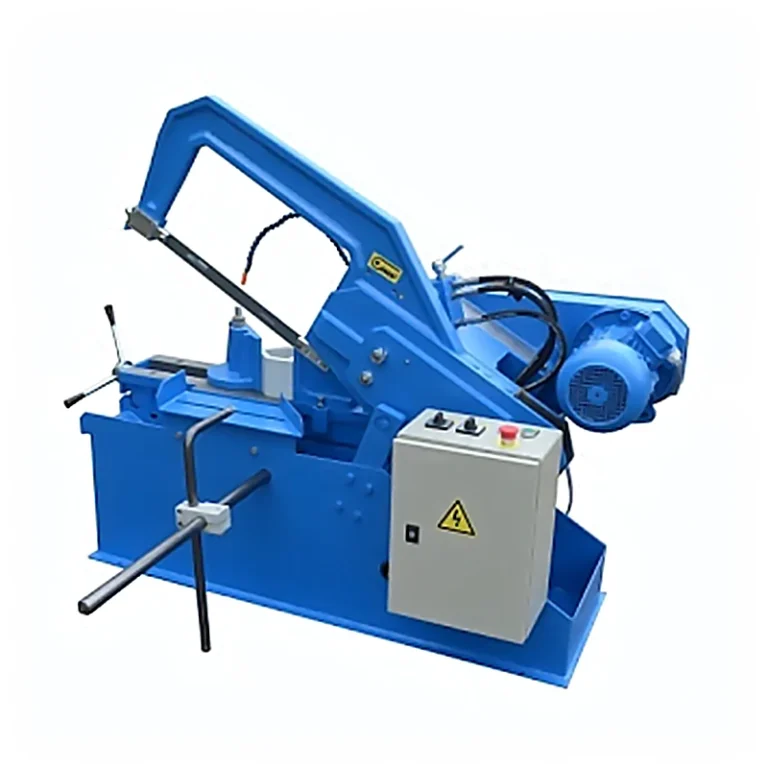
| Thick plate or large bar | Metal-cutting band saw or cold saw |
| Fast rough cuts | Angle grinder with a rated metal-cutting wheel |
| Hardened tool steel | Abrasive wheel, carbide method, or machine-shop process |
| Long, accurate production cuts | Band saw, cold saw, or industrial saw |
An angle grinder cuts faster, but it creates sparks, noise, abrasive dust, and more heat. A band saw may produce a cleaner and cooler cut, but it costs more and needs more setup.
Do not assume that a saw can cut hardened steel just because it cuts mild steel. If the file will not scratch the surface easily, the material may be hardened. A hacksaw blade may skate across it instead of cutting.

Safety Tips for Cutting Carbon Steel
Wear safety glasses or goggles while sawing. Small chips and broken teeth can travel toward your face.
Use these basic precautions:
- Clamp the work securely.
- Keep both hands on the saw handle and frame as needed.
- Keep fingers away from the blade path.
- Replace a bent, cracked, or tooth-damaged blade.
- Wear work gloves when handling sharp steel and finished cuts.
- Avoid loose clothing, jewelry, and cords near the work.
- Clear metal chips with a brush, not your bare hand.
- Let the workpiece cool if friction makes it hot.
- Remove burrs before handling or installing the part.
Gloves can protect against sharp edges, but they do not replace safe clamping and control. If you switch to an angle grinder, use the grinder guard, the correct wheel, eye and hearing protection, and protection suited to sparks and dust.
For structural steel, pressure vessels, vehicle parts, or safety-critical components, do not rely on appearance alone. Cutting may affect fit, strength, coatings, or required tolerances. Use the relevant drawing, manufacturer instructions, or a qualified professional when the part has a safety function.

Common Problems and Fixes
The blade will not cut
The blade may be dull, installed backward, or too fine for thick material. Check the tooth direction and replace the blade if the teeth look worn.
The steel may also be hardened. Try a new bi-metal blade only if the material is suitable for hand cutting. If the blade still skates, use a tool designed for hardened steel.
The blade breaks
Blade breakage often comes from too much tension, a loose workpiece, sideways pressure, or a bent stroke. Clamp the steel more firmly, reduce force, and keep the blade straight.
Do not reuse a blade that has cracked or lost teeth.
The cut wanders
A wandering cut can result from starting too fast or using a dull blade. Begin with light strokes and a shallow groove. Keep the saw square and use the full blade length.
If accuracy matters, mark the line on several sides of the workpiece and check your progress as you cut.
The blade gets hot
Heat usually means too much pressure, a dull blade, poor chip clearance, or a long cut. Reduce pressure, use cutting oil when suitable, and allow the blade to cool.
A hot blade may lose tension or become more likely to break.
The teeth clog
Fine teeth can clog when used on thick, soft steel. Switch to a lower-TPI blade that gives chips more room to clear.
Clean the blade with a brush after it cools. Do not wipe chips away with your fingers.
Key Takeaways
- Yes, a hacksaw can cut carbon steel.
- Low-carbon steel is the easiest type to cut by hand.
- Use a sharp metal-cutting blade, preferably bi-metal.
- Choose about 14–18 TPI for thick stock and 24–32 TPI for thin tubing or sheet.
- Clamp the steel, start with a shallow groove, and use steady forward strokes.
- Use light pressure and keep the blade square.
- A hacksaw may struggle with hardened or very thick steel.
- Wear eye protection and remove sharp burrs after cutting.
Frequently Asked Questions
Can a hacksaw cut a carbon-steel bolt?
Yes. A hacksaw can cut most mild-steel and standard carbon-steel bolts. Use an 18- to 24-TPI blade, clamp the bolt firmly, and file the threads after cutting. For a clean reinstallation, protect the threads with a nut before cutting; removing the nut can help reform minor thread damage.
Can a hacksaw cut carbon-steel pipe?
Yes. A hacksaw can cut carbon-steel pipe and tubing. A 24- or 32-TPI blade usually works well for thin-wall pipe. Support the pipe near the cut so it does not flex or pinch the blade.
Can a hacksaw cut hardened carbon steel?
Sometimes, but it may be impractical. Hardened carbon steel can be harder than the blade teeth, so the blade may slide over the surface or wear very quickly. A grinder, abrasive saw, carbide tool, or machine-shop process may be more suitable.
Is a hacksaw better than an angle grinder for carbon steel?
A hacksaw is better for small, controlled cuts when you want little heat and no sparks. An angle grinder is faster for thick steel but creates sparks, noise, dust, and a rougher cut. Choose based on the material, workspace, accuracy needs, and safety controls.
How long does it take to cut carbon steel with a hacksaw?
The time depends on thickness, hardness, blade condition, and your stroke rate. A small mild-steel bolt may take only a few minutes. Thick bar or hardened steel can take much longer and may not be practical by hand.
Conclusion
A hacksaw can cut carbon steel when the material is within the tool’s practical limits. Use a sharp blade made for metal, select the TPI for the steel’s thickness, clamp the work securely, and cut with steady forward strokes.
For mild steel and small parts, a hacksaw is simple and effective. For thick, hardened, or repeated cuts, use a powered metal-cutting tool or seek professional machining help.
Recent Tool Guides
 Hammer
How To Hammer Flowers Onto Paper: Easy Guide
Learn how to hammer flowers onto paper with simple steps, helpful tips, and beautiful results for...
Read Guide → Wrench
How To Use A Hex Wrench: Easy Step-By-Step Guide
Learn how to use a hex wrench correctly with simple steps, helpful tips, and common mistakes...
Read Guide → Hacksaw
How To Cut Curtain Pole With Hacksaw: Easy Guide
Learn how to cut curtain pole with hacksaw safely and neatly. Follow simple steps for accurate...
Read Guide → Wrench
How To Use A Husky Torque Wrench: Easy Guide
Learn how to use a Husky torque wrench correctly with simple steps, torque settings, and safety...
Read Guide → Hammer
How To Hold A Hammer: Safe Grip Guide
Learn how to hold a hammer with the right grip, stance, and technique for safer, more...
Read Guide → Hacksaw
How To Cut Flexible Metal Conduit With Hacksaw: Easy Guide
Learn how to cut flexible metal conduit with hacksaw safely and cleanly. Follow simple steps for...
Read Guide →