Can A Bi-Metal Hacksaw Blade Cut Corroded Bolts: Guide
Introduction
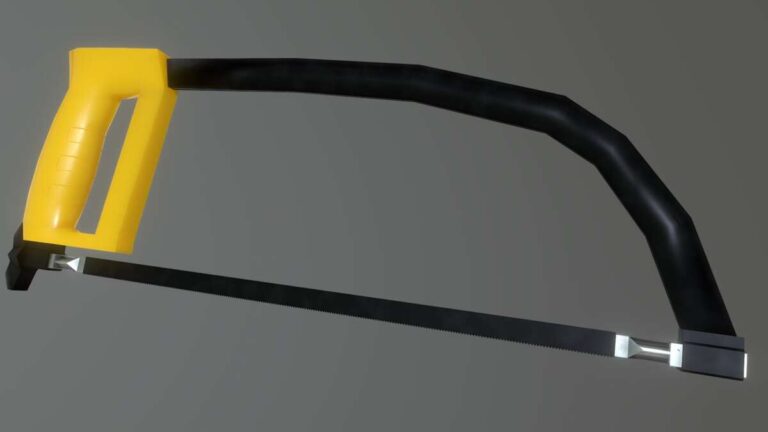
Yes. A bi-metal hacksaw blade can cut through a corroded steel bolt, and it is often one of the safest low-cost options for home repairs, auto work, farm equipment, and maintenance projects in the United States.
The cut may take longer than it would on clean steel. Rust can make the bolt harder to hold, increase friction, and clog the teeth with debris. The right blade, firm work support, steady strokes, and basic eye protection make the job much easier.
A bi-metal blade is not magic, though. If the bolt is very thick, badly seized, in a tight space, or part of a safety-critical assembly, an electric reciprocating saw, nut splitter, grinder, or professional repair may be a better choice.
What Makes a Bi-Metal Blade Suitable for Corroded Bolts?
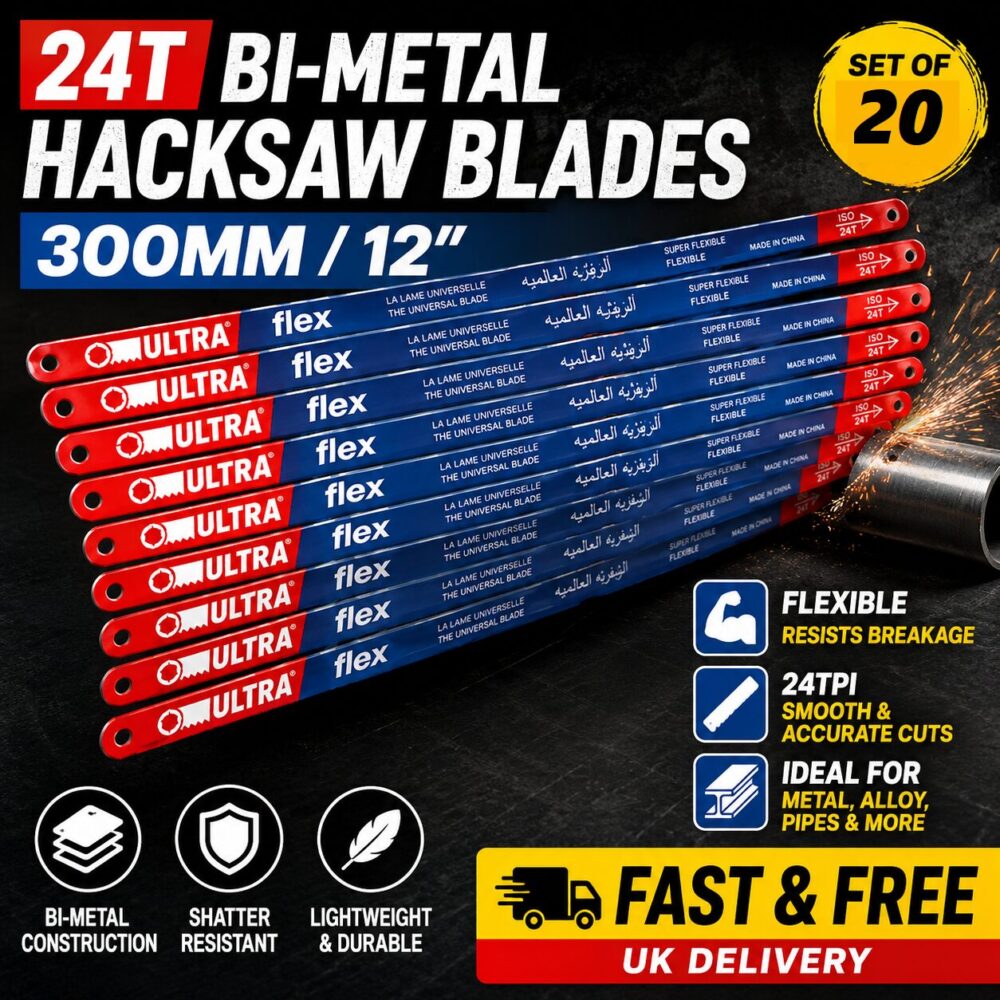
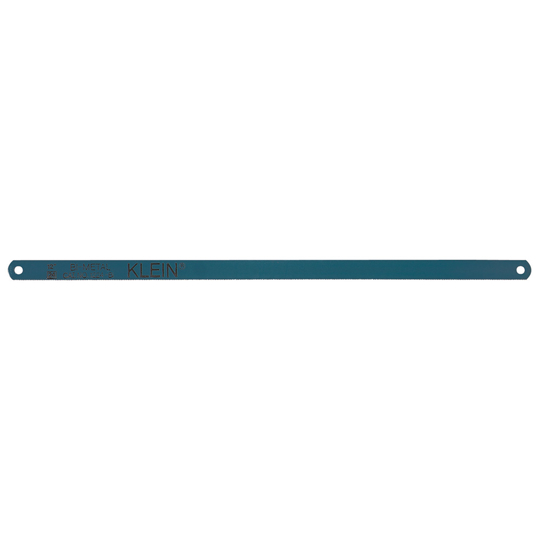
A bi-metal blade joins two types of steel. The blade body is usually flexible spring steel, while the teeth use harder high-speed steel. This design gives the blade both toughness and wear resistance.
That combination matters when cutting rusty bolts because the blade must handle:
- Hard steel
- Rust scale
- Vibration
- Slight blade bending
- Heat from friction
- Uneven contact with the bolt
A cheap carbon-steel blade may cut a soft or clean bolt. It is more likely to dull, snap, or lose teeth when used on hardened or corroded steel. A bi-metal blade generally tolerates this work better.
What corrosion does to the cutting job
Rust does not always make the steel itself much harder. Instead, corrosion can cause several problems:
- The bolt may be seized in place. Rust can lock the threads to the nut or surrounding metal.
- The surface may be uneven. Flakes and pits make it harder to start a straight cut.
- The bolt may move while you cut. Movement wastes blade strokes and can damage teeth.
- Rust particles can clog the kerf. The kerf is the narrow cut made by the blade.
- The fastener may have lost strength. A badly corroded bolt can break before the blade reaches the center.
The main challenge is usually not cutting the steel. It is holding the work securely and preventing the blade from wandering.
Which Bi-Metal Hacksaw Blade Should You Use?
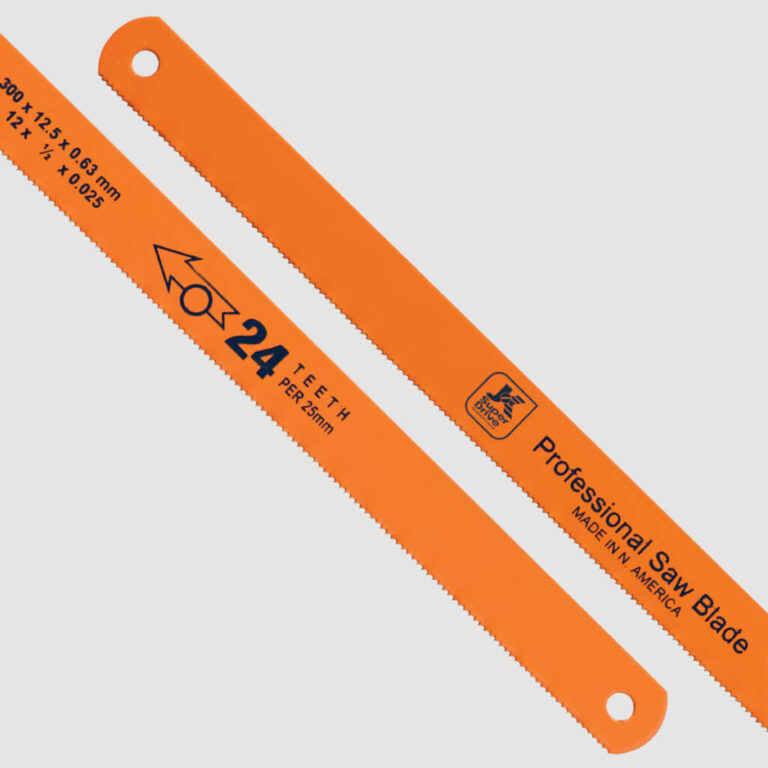
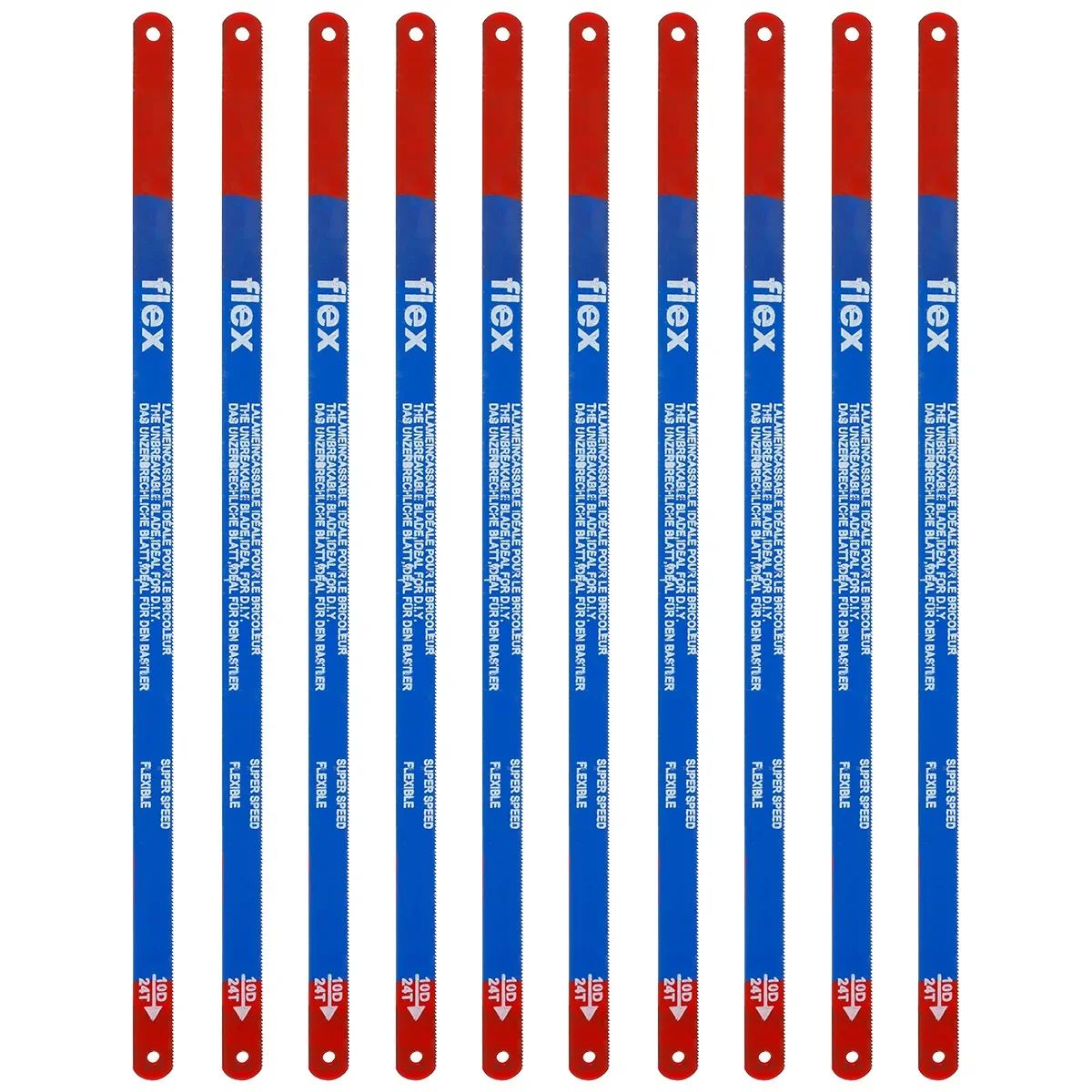
Choose the blade tooth pitch based on the bolt diameter. A blade should keep at least two or three teeth engaged with the metal during each stroke. If too few teeth touch the bolt, the blade can catch and strip teeth. If too many teeth contact the metal, the cut can be slow and prone to clogging.
| Bolt or steel thickness | Useful starting tooth pitch | Main trade-off |
|---|---|---|
| Thin bolt or narrow section | 24–32 teeth per inch (TPI) | Smooth cut, but slower |
| Common small or medium bolt | 18–24 TPI | Good balance for hand cutting |
| Large bolt or thick steel | 14–18 TPI | Faster chip removal, rougher cut |
These ranges are starting points, not fixed rules. Check the blade maker’s guidance when available.
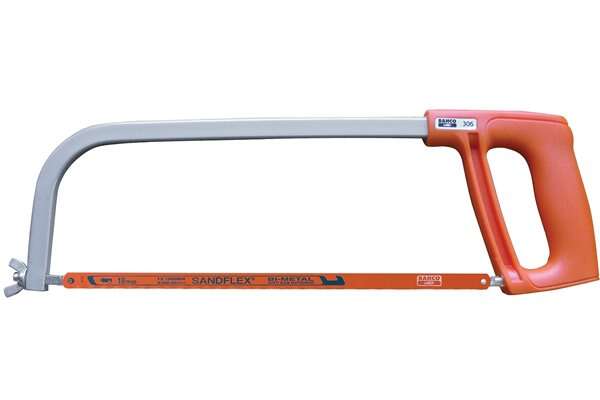
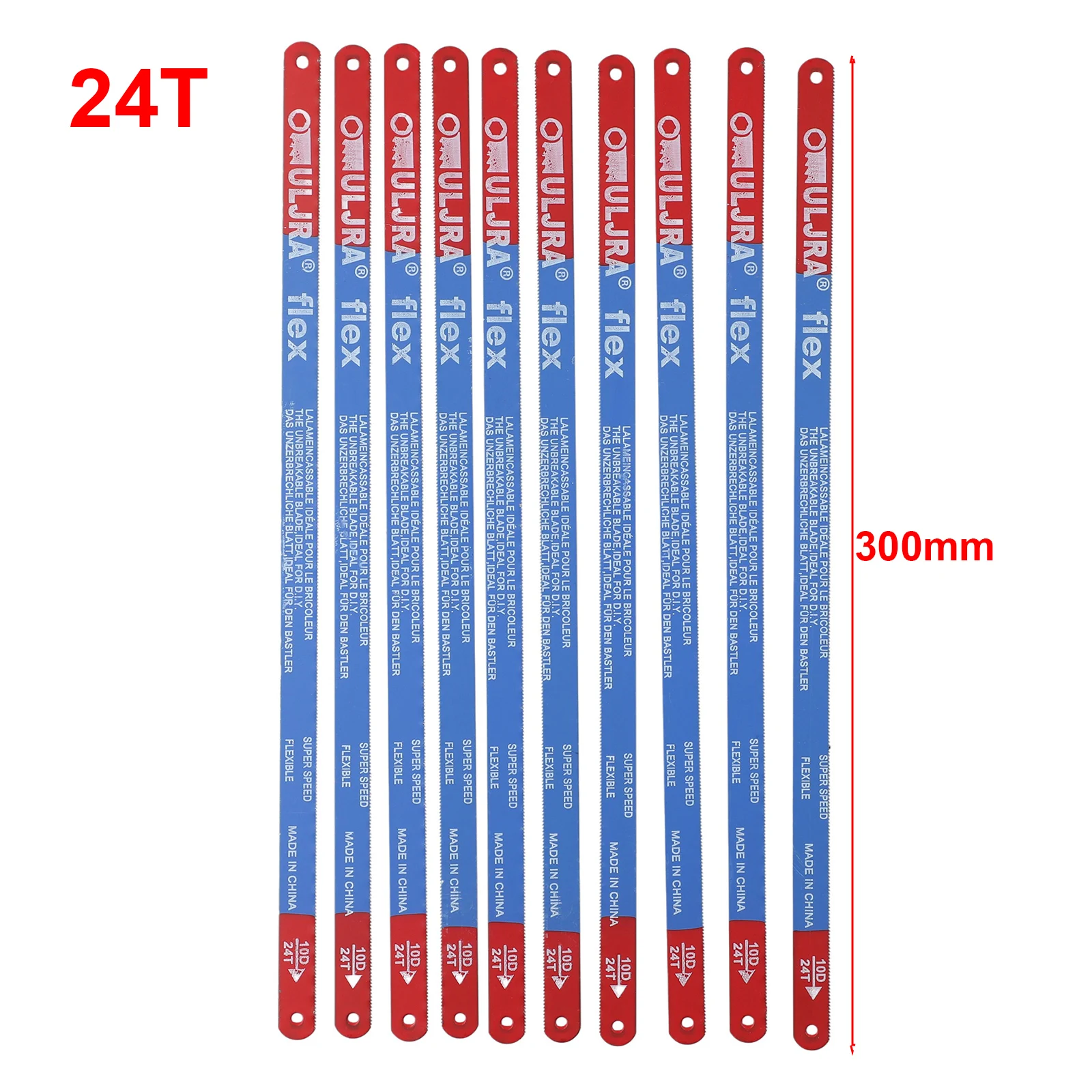
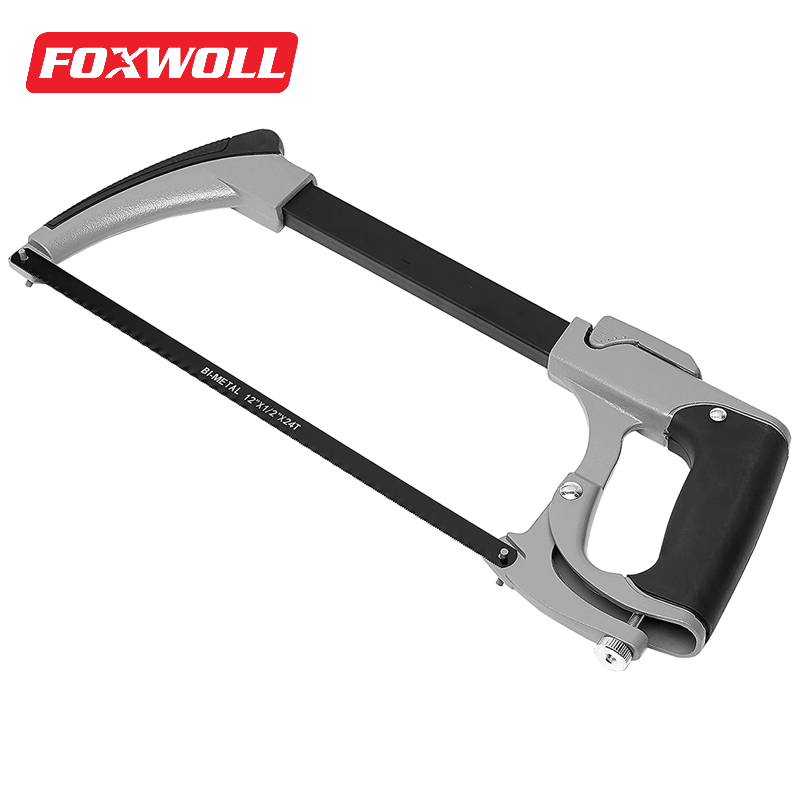
For most household and automotive bolts, an 18- or 24-TPI bi-metal blade is a practical choice. Use a full-size hacksaw frame when possible. It gives better control and supports the blade along its length.
Blade features that help
Look for:
- Bi-metal construction
- A blade length that fits the frame
- A tooth pitch suited to the bolt diameter
- A stiff, straight blade
- A secure frame with working tension
- A standard hacksaw hole pattern
A blade marked for metal cutting is preferable to a general-purpose blade. Do not assume that every blade labeled “metal” is designed for the same thickness or material.
How to Cut a Corroded Steel Bolt With a Hacksaw
Use this method when you have enough room to work and the bolt is not part of a pressurized, energized, or safety-critical system.
1. Confirm that cutting is the right repair
Cutting a bolt destroys the fastener. Before starting, ask whether you need to preserve the bolt, nut, bracket, or nearby surface.
If the bolt holds a suspension part, brake component, seat belt, structural connection, pressure line, or load-bearing assembly, do not treat it as a simple hardware job. Follow the equipment manufacturer’s repair instructions or ask a qualified mechanic or technician.
2. Wear suitable protection
At minimum, use:
- Safety glasses with side protection
- Work gloves that allow a firm grip
- Long sleeves and sturdy footwear
- Hearing protection if using a powered tool nearby
Gloves do not replace safe hand placement. Keep fingers away from the blade path, and do not hold a small bolt in your hand while cutting it.
3. Clean the bolt and surrounding area
Brush away loose rust, dirt, and paint with a stiff wire brush. Cleaning helps you see the cut line and reduces the chance that debris will interfere with the blade.
Do not use compressed air near your face. It can spread rust and metal particles into your eyes or lungs.
If you plan to use penetrating oil, apply it before cutting and allow time for it to work. Keep oil away from sparks, flames, hot surfaces, and electrical sources.
4. Support the work firmly
Clamp the bolt or the part containing it whenever possible. A secure workpiece improves cutting speed and reduces tooth damage.
If the bolt is attached to a vehicle or machine, support the assembly according to the service instructions. Do not rely on a jack alone to support a raised vehicle.
5. Mark the cut
Use a permanent marker, center punch, or scribe to mark the cut. A shallow starter groove can help the blade stay in place.
If you are removing a nut, cut through one side of the nut rather than cutting deeply into the stud or bolt. Stop before reaching the threads if possible. Then split the nut with a cold chisel or nut splitter.
6. Install and tension the blade
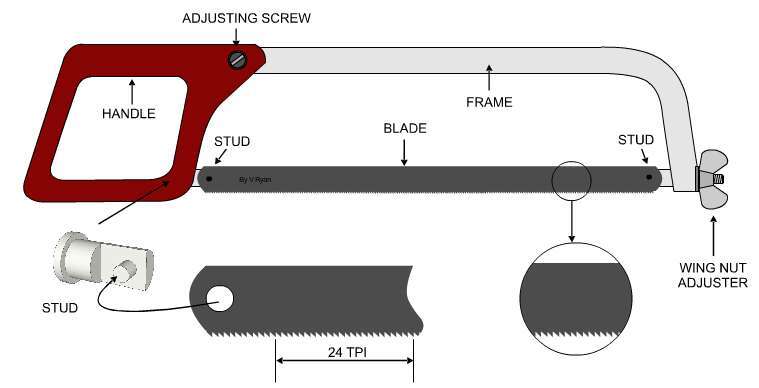
Fit the blade so the teeth point in the cutting direction. On most standard hacksaws, the teeth point away from the handle because the blade cuts on the forward stroke.
Tighten the frame until the blade is straight and firm. A loose blade can twist, wander, or break. Do not over-tighten a light-duty frame, since excessive tension can damage the frame or blade.
7. Start with short, light strokes
Place the blade in the starter groove. Use short strokes until the cut is established. Once the groove is stable, use longer strokes that use much of the blade length.
Apply steady pressure on the forward stroke. Reduce pressure on the return stroke. Let the teeth remove the metal rather than forcing the blade into the bolt.
8. Keep the blade square
Try to keep the blade at a right angle to the bolt. A tilted blade creates a sloped cut and can pinch in the kerf.
If the bolt is round, the blade may slide at first. A small starter notch solves this problem. If the blade continues to wander, stop and deepen the groove rather than pushing harder.
9. Use lubricant only when appropriate
A small amount of cutting oil can reduce friction and heat. It may help on thick steel, but it is not always needed for a short cut through a small bolt.
Do not use oil if it creates a fire risk. Avoid flammable liquids near sparks, hot metal, fuel systems, batteries, or enclosed spaces with poor ventilation.
10. Finish the cut carefully
As the blade nears the far side, reduce pressure. The remaining section can break suddenly, and the blade may strike the surrounding material.
After the bolt is cut, remove sharp edges with a file. Replace the damaged fastener with the correct grade, diameter, thread pitch, length, and washer arrangement.
How Long Does It Take to Cut a Rusty Bolt?
The time depends more on bolt size, access, blade condition, and movement than on rust alone.
A small, well-supported bolt may take only a few minutes by hand. A large bolt in a cramped space may take much longer. If the blade has the wrong tooth pitch or the bolt moves with every stroke, progress can nearly stop.
A simple way to estimate the work is:
Total cutting effort = material thickness × resistance × number of effective strokes
This is not a precise engineering formula. It is a practical reminder that a thicker bolt, harder steel, poor support, or dull blade increases the work.
Signs the blade is cutting properly
You should see:
- A narrow, straight groove
- Small metal chips or fine filings
- Consistent progress with each forward stroke
- Teeth that remain sharp and intact
- A blade that stays reasonably cool
Signs something is wrong
Stop and inspect the setup if:
- The blade skates across the bolt
- The bolt flexes or spins
- The teeth strip or break
- The blade becomes very hot
- The cut slopes sharply
- You produce dust but little metal removal
- The frame or blade begins to twist
The cause may be poor support, a dull blade, too much pressure, the wrong TPI, or a blade that is not intended for the material.

What If the Hacksaw Will Not Cut the Bolt?
If a bi-metal blade is making little progress, check the problem in a safe order.
The bolt moves
Clamp the part or add support close to the cut. If the bolt is loose but still attached, hold the head with a wrench while cutting, provided your hand stays clear of the blade.
The blade skips
Stop and create a deeper starter groove with a file, center punch, or a few controlled strokes. A round bolt gives the blade little surface area at the beginning.
The teeth clog
Use a coarser blade, clean the teeth, and reduce pressure. Excessive force can pack chips into the tooth gullets.
The blade dulls quickly
The bolt may be hardened, the blade may be low quality, or the tooth pitch may be too fine. Replace the blade rather than continuing with damaged teeth.
The cut is too slow
Improve support first. Then consider a sharper bi-metal blade, a more suitable TPI, or a powered tool. A slow cut is not always a blade problem; poor access can be the main cause.
The bolt is too thick or inaccessible
A hand hacksaw may not be the best tool. Depending on the location and hazards, alternatives include:
- Reciprocating saw with a metal-cutting bi-metal blade
- Compact cutoff tool
- Angle grinder with a suitable metal-cutting wheel
- Nut splitter
- Drill and bolt extractor
- Professional removal service
Powered cutting tools remove metal faster but create more sparks, noise, heat, and kickback risk. Keep them away from fuel, vapors, batteries, tires, hydraulic lines, and other materials that can be damaged.

Hacksaw Versus Other Ways to Remove a Corroded Bolt
The best method depends on whether you want to save the bolt, save the nut, or protect the surrounding part.
| Method | Best use | Main advantage | Main limitation |
|---|---|---|---|
| Bi-metal hand hacksaw | Accessible bolts and controlled work | Low cost and good control | Slow on thick steel |
| Reciprocating saw | Long cuts or difficult access | Fast and useful in tight areas | More vibration and damage risk |
| Angle grinder | Thick bolts and heavy steel | Very fast cutting | Sparks, heat, and high injury risk |
| Nut splitter | Removing a seized nut | Often saves the stud or bolt | Needs access around the nut |
| Penetrating oil and wrench | Bolt may still turn | Can preserve the fastener | May fail on severe corrosion |
| Drill and extractor | Broken or rounded fasteners | Useful when no cutting path exists | Extractors can break and complicate repair |
A hacksaw is often the best first choice when control matters more than speed. It creates fewer sparks than a grinder and makes it easier to stop before damaging a nearby bracket.
A nut splitter is usually better than cutting through the entire bolt when the nut is the part that must be removed. It can reduce damage to the threads, although severe rust can still make removal difficult.

Safety Limits You Should Not Ignore
Cutting a corroded bolt can create hazards that are easy to miss.
Avoid heat near fuel and pressure systems
Sparks and hot metal can ignite fuel vapors, solvents, aerosols, and some dusts. Do not use a grinder or powered cutter near a fuel tank, fuel line, gas cylinder, or flammable storage area unless the equipment and work method are specifically suitable.
Watch for stored energy
A bolt may hold a spring, bracket, suspension part, gate, cover, or other loaded component. Once the bolt is cut, the part may move suddenly.
Release or control stored energy before cutting. For vehicles and machinery, use the applicable service procedure.
Protect nearby surfaces
A hacksaw can damage wiring, hoses, painted panels, threads, and sealing surfaces. Place a thin shield behind the cut when possible. A piece of sheet metal can help protect a nearby part, but it must not create a new pinch or electrical hazard.
Treat rust as contaminated debris
Old rust may contain dirt, coating material, and other contaminants. Wash your hands after the job. If old paint or coating may contain lead or another hazardous substance, do not dry-sand or create airborne dust. Use the appropriate controls for the material and setting.
Replace the fastener correctly
Do not replace a structural or automotive fastener with an ordinary hardware-store bolt unless the repair instructions allow it. Match the required strength grade, size, thread, length, and corrosion protection.
The cut itself may be easy. Choosing the wrong replacement bolt can create the greater risk.
Common Mistakes When Cutting Rusty Bolts
Using a dull blade
A dull blade makes you push harder. That increases heat, fatigue, and the chance of a slip. Replace the blade when the teeth no longer produce steady chips.
Choosing too many or too few teeth
A very fine blade can clog in thick steel. A very coarse blade may catch on a small bolt and remove too few teeth at once. Match TPI to the thickness being cut.
Cutting without support
A moving bolt absorbs your effort and can break teeth. Secure the work before you start.
Pressing on every stroke
A hacksaw cuts mainly on the forward stroke. Heavy pressure on the return stroke adds wear without helping the cut.
Cutting all the way through a nut
If you are removing a seized nut, cutting one side and splitting the nut is often safer than cutting through the bolt and nearby threads.
Ignoring the surrounding assembly
A blade may reach a hidden wire, hose, seal, or painted surface before it reaches the bolt. Inspect both sides of the cut when possible.
Key Takeaways
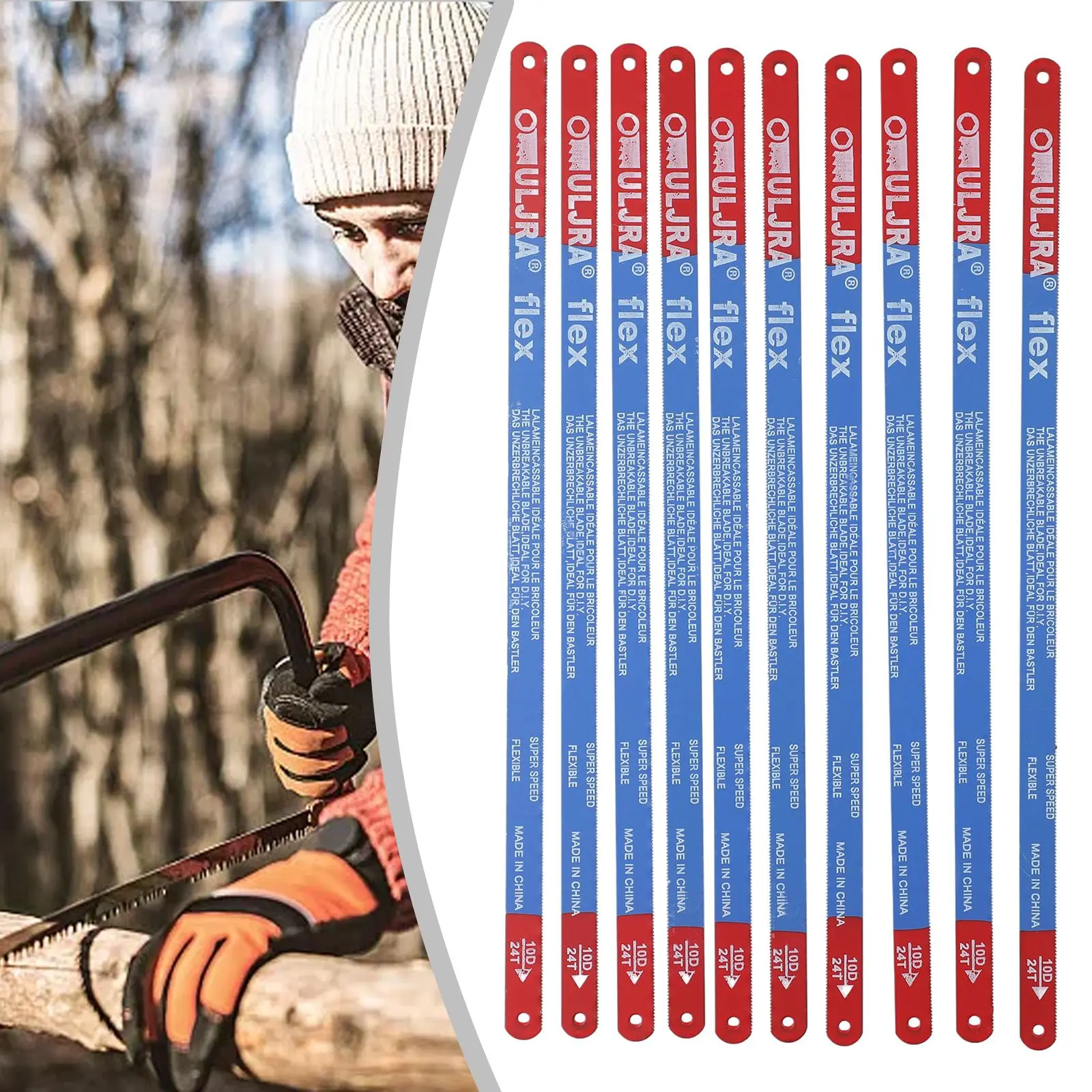
- Yes, a bi-metal hacksaw blade can cut corroded steel bolts.
- An 18- or 24-TPI blade is a useful starting point for many small and medium bolts.
- Clean the area, support the work, mark the cut, and start with short strokes.
- Keep the blade straight and use pressure mainly on the forward stroke.
- Use a nut splitter when removing the nut is the goal and access allows it.
- Use extra caution around fuel, wiring, pressure, springs, vehicle support points, and load-bearing parts.
- Replace the cut fastener with the correct size and strength grade.
Frequently Asked Questions
Will a bi-metal blade cut a hardened bolt?
It may, but hardened bolts can wear a blade quickly. Use a quality metal-cutting bi-metal blade and avoid excessive pressure. If the blade makes little progress, a powered metal-cutting tool or professional method may be needed.
Should I use penetrating oil before cutting?
Penetrating oil may help loosen the threads, but it will not make the blade cut through steel by itself. Use it only when it does not create a fire or contamination hazard. Wipe away excess oil before using a tool that can create sparks.
What is better for a rusty bolt: 18 TPI or 24 TPI?
For many common bolts, both can work. Choose 24 TPI for a smaller bolt or thinner section and 18 TPI for a thicker bolt. The key is to keep several teeth engaged without allowing the teeth to clog.
Can I use a hacksaw on stainless steel bolts?
Yes, a bi-metal blade can cut stainless steel, but stainless steel can work-harden if you rub the blade without cutting. Use firm, steady strokes and avoid letting the blade skate. A sharp blade and secure workpiece are especially important.
Is it better to cut the bolt or the nut?
Cut the nut when you want to preserve the stud or bolt and can safely reach the nut. Cut through the bolt when the fastener itself is disposable or the nut cannot be split. Check for nearby threads, brackets, wires, and hoses before choosing.
When should I stop and call a professional?
Stop when the bolt supports a critical vehicle, structural, pressure, electrical, or machine component and you cannot confirm a safe repair method. Also stop if cutting may release stored energy or create a fire hazard. A qualified mechanic or technician can identify the correct replacement and removal method.
Sources and Evidence
The general material guidance in this article is based on documented tool and workplace-safety information, including:
- OSHA, Hand and Portable Powered Tools and Equipment, 29 CFR 1910.242:
https://www.osha.gov/laws-regs/regulations/standardnumber/1910/1910.242 - OSHA, Personal Protective Equipment, 29 CFR 1910.132:
https://www.osha.gov/laws-regs/regulations/standardnumber/1910/1910.132 - The American Society of Mechanical Engineers, ASME B107 hand-tool standards for applicable hand-tool design and performance principles.
- Manufacturer guidance from established blade makers, including Lenox and Starrett, on bi-metal construction, tooth pitch, blade selection, and metal-cutting use.
Manufacturer specifications describe intended blade construction and use. They do not prove that one blade will cut every bolt faster than another under all field conditions.
Conclusion
A bi-metal hacksaw blade is a practical way to cut a corroded steel bolt when you need control, low cost, and limited sparks. The best results come from using the right TPI, holding the work firmly, starting a clean groove, and letting the teeth cut instead of forcing the blade.
Before you begin, inspect what the bolt holds and what sits behind it. If the fastener is part of a critical assembly or the work area contains fuel, pressure, stored energy, or hidden wiring, use the proper service procedure or get qualified help.
Recent Tool Guides
 Hammer
How To Hammer Flowers Onto Paper: Easy Guide
Learn how to hammer flowers onto paper with simple steps, helpful tips, and beautiful results for...
Read Guide → Wrench
How To Use A Hex Wrench: Easy Step-By-Step Guide
Learn how to use a hex wrench correctly with simple steps, helpful tips, and common mistakes...
Read Guide → Hacksaw
How To Cut Curtain Pole With Hacksaw: Easy Guide
Learn how to cut curtain pole with hacksaw safely and neatly. Follow simple steps for accurate...
Read Guide → Wrench
How To Use A Husky Torque Wrench: Easy Guide
Learn how to use a Husky torque wrench correctly with simple steps, torque settings, and safety...
Read Guide → Hammer
How To Hold A Hammer: Safe Grip Guide
Learn how to hold a hammer with the right grip, stance, and technique for safer, more...
Read Guide → Hacksaw
How To Cut Flexible Metal Conduit With Hacksaw: Easy Guide
Learn how to cut flexible metal conduit with hacksaw safely and cleanly. Follow simple steps for...
Read Guide →