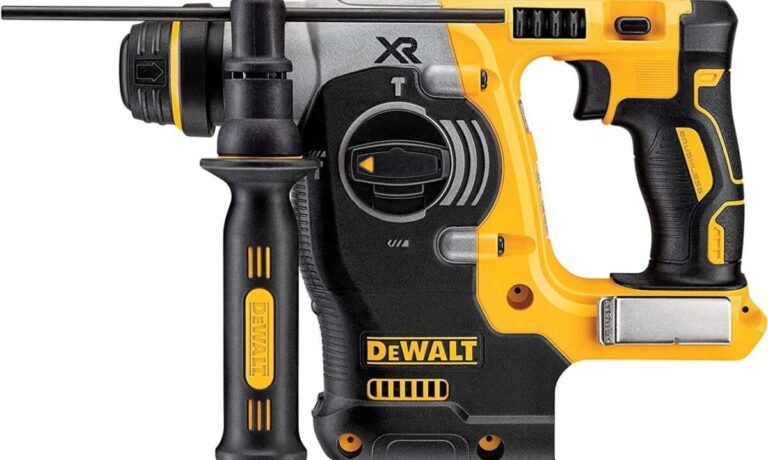
Can A Hammer Drill Be Used On Concrete: What To Know
Yes. A hammer drill can be used on concrete, especially for small holes for anchors, screws, shelves, conduit, and light fixtures. Its hammer setting makes the bit move forward in short pulses while it spins, helping it break through masonry.
For large holes, deep drilling, thick concrete, or frequent work, a rotary hammer is usually faster and easier. The right choice depends on the concrete, hole size, drill bit, and number of holes.
This guide applies to common concrete work in the United States, including basement walls, garage slabs, patios, foundations, and concrete block.

How a Hammer Drill Works on Concrete
A hammer drill combines rotation with rapid impact. The bit spins while the tool adds many small forward blows. These blows help chip the concrete so the cutting edges can remove it.
A standard drill only spins. It may drill through wood or metal, but it usually struggles with concrete. Pressing harder can overheat the bit, damage the motor, and create a poor hole.
A hammer drill has at least two useful modes:
- Drill mode: Rotation only.
- Hammer-drill mode: Rotation plus impact.
- Chisel mode: Available on some rotary hammers, but not on most standard hammer drills.
Use hammer-drill mode for concrete and masonry. Use regular drill mode when working with wood, metal, tile, or other materials that could crack under impact.
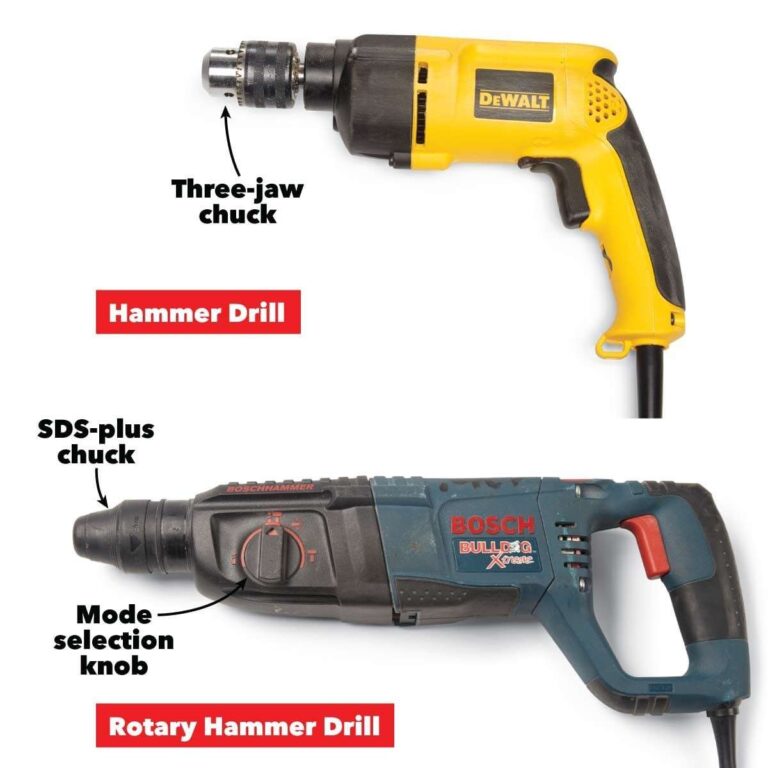
Hammer Drill vs. Rotary Hammer
The names sound similar, but these tools are not the same.
| Tool | Best use | Typical bit system | Main limitation |
|---|---|---|---|
| Standard drill | Wood, metal, plastic | Round-shank bits | Usually poor for concrete |
| Hammer drill | Small holes in brick, block, and concrete | Round-shank masonry bits | Slow in thick or hard concrete |
| Rotary hammer | Larger or deeper holes in concrete | SDS-Plus or SDS-Max bits | Heavier and less useful for light drilling |
| Demolition hammer | Chipping and breaking concrete | Chisels, often SDS-Max | Does not function like a normal drill |
A hammer drill is often enough for holes around ¼ to ½ inch in diameter. That is a general working range, not a universal limit. The tool’s manual, motor size, bit rating, and concrete hardness can change the result.
A rotary hammer is the better choice when you need many holes, holes larger than about ½ inch, deep holes, or work in reinforced concrete. It delivers stronger impacts with less effort from the user.

What You Need Before Drilling Concrete
You need the right bit, a suitable drill, a way to control dust, and basic safety gear.
Choose a Masonry Bit
Use a bit made for concrete or masonry. These bits have a carbide tip that can withstand abrasive mineral material.
Common choices include:
- Carbide-tipped masonry bits: Suitable for many small holes.
- SDS-Plus bits: Used with rotary hammers.
- SDS-Max bits: Used with larger rotary hammers and heavy work.
- Diamond core bits: Used for large, clean holes, often with specialized equipment.
Do not use a wood bit for concrete. Do not use a standard high-speed steel twist bit unless the manufacturer specifically rates it for masonry. The bit may dull quickly or overheat.
Check the Drill’s rating
look at the drill’s manual or label for:
- Hammer-drilling function
- Maximum masonry bit size
- Recommended duty cycle
- Corded or cordless operating limits
- Side-handle requirements
- Compatible bit shank size
A cordless hammer drill can work well for small holes. Hard concrete and repeated drilling can drain the battery quickly. A corded model may provide more consistent power, but keep the cord away from water and the drilling area.
Mark the Hole
Mark the center of the hole with a pencil or marker. If the surface is smooth, place a small piece of painter’s tape over the mark. The tape can help the bit stay centered when it first touches the concrete.
Before drilling, confirm that the hole will not enter:
- Electrical wiring
- Plumbing
- Gas piping
- Reinforcing steel
- Post-tension cables
- Embedded heating lines
Use a suitable detector when possible. For post-tensioned concrete, such as some garage floors and elevated slabs, do not drill without knowing where the tendons are located. Damaging one can create a serious structural hazard.
How to Drill Into Concrete With a Hammer Drill
Follow these steps for a small anchor or fastener hole.
1. Read the Anchor Instructions
The anchor package should state the required hole diameter and depth. Match the masonry bit to that size.
For example, a concrete screw may require a specific bit diameter. A plastic expansion anchor may require a different size. A hole that is too large may not hold correctly.
2. Mark the Drilling Depth
Wrap painter’s tape around the bit at the required depth. Stop when the tape reaches the concrete surface.
Another option is to use the drill’s depth stop. Leave enough extra depth for dust at the bottom of the hole unless the anchor instructions say otherwise.
3. Put on Safety Gear
At a minimum, use:
- Safety glasses or a face shield
- Hearing protection
- A properly fitted dust respirator when required
- Work gloves that do not reduce tool control
- Sturdy shoes
Concrete dust contains respirable crystalline silica. The Occupational Safety and Health Administration, or OSHA, sets requirements for silica exposure in construction and recommends exposure-control methods such as wet drilling or dust collection.
4. Set the Drill to Hammer Mode
Select the hammer-drill symbol. Make sure the chuck is tight and the side handle is installed if the tool has one.
Hold the drill with both hands. Keep your feet balanced. A bit can catch on aggregate or reinforcement and twist the tool suddenly.
5. Start Slowly
Place the bit on the mark and begin at low speed. Let the bit create a small starting groove before increasing pressure.
Keep the drill straight. A slanted hole can make an anchor sit poorly and may weaken the fastener’s grip.
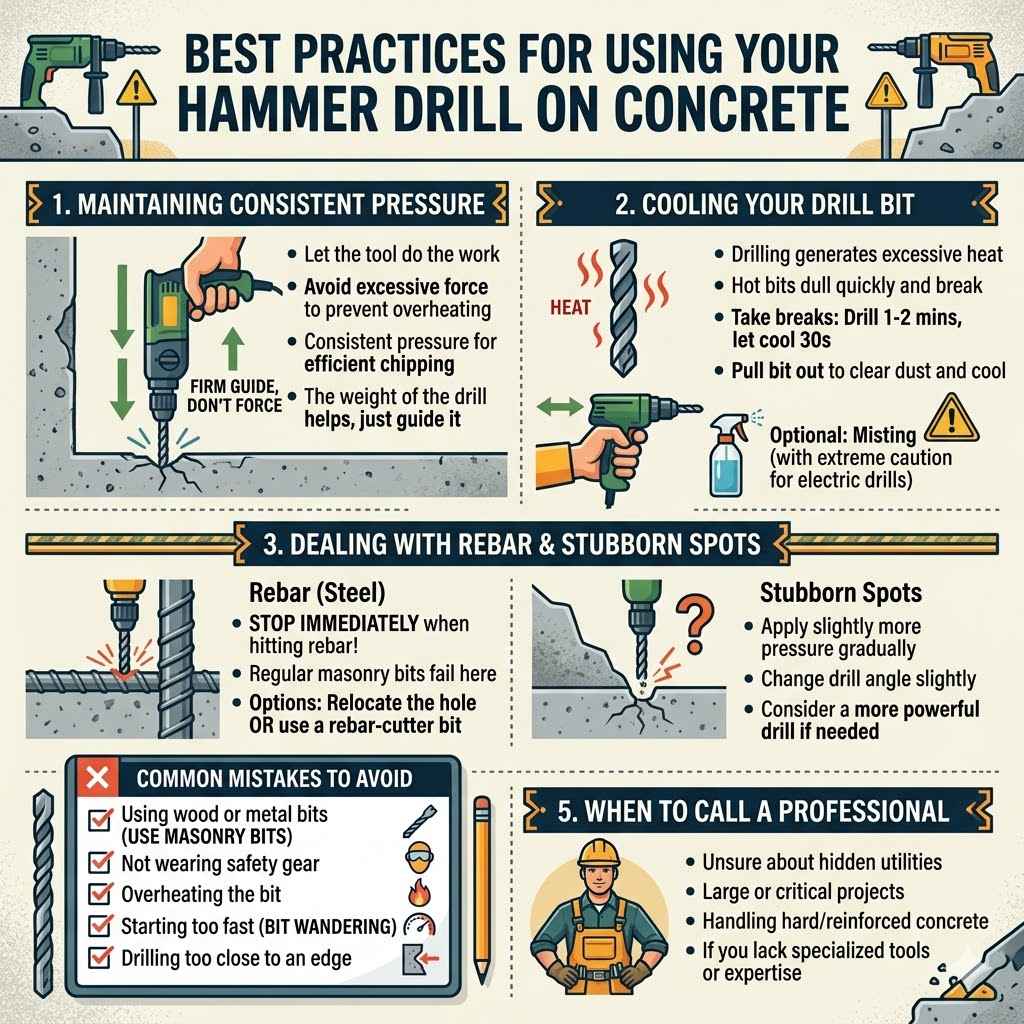
6. Apply Steady Pressure
Push firmly, but do not force the tool. The hammer action must do much of the breaking work.
If the bit stops making progress, pull it out every few seconds. This clears dust from the flutes and helps the bit cool. For a deeper hole, use short drilling cycles instead of running the tool continuously.
7. Clear the Hole
Remove dust with a vacuum, bulb blower, or the method required by the anchor maker. Do not blow concrete dust toward your face.
Dust left in the hole can reduce anchor holding power. Some concrete anchors require a specific hole-cleaning process, so follow the fastener instructions.
8. Install the Anchor or Fastener
Check that the anchor fits the hole correctly. Do not force a fastener into a hole that is too shallow or too small.
Tighten the fastener to the maker’s instructions. Overtightening can strip threads, crack weak concrete, or reduce the anchor’s holding strength.
Signs the Process Is Working
You should see:
- Fine concrete dust leaving the hole
- Steady cutting progress
- A bit that remains reasonably cool between pauses
- A hole with straight sides
- An anchor that fits according to its instructions
If the bit only spins, check whether the tool is actually in hammer mode. If the drill shakes heavily, stop and check the bit, chuck, side handle, and drilling angle.
When a Hammer Drill Is Not Enough
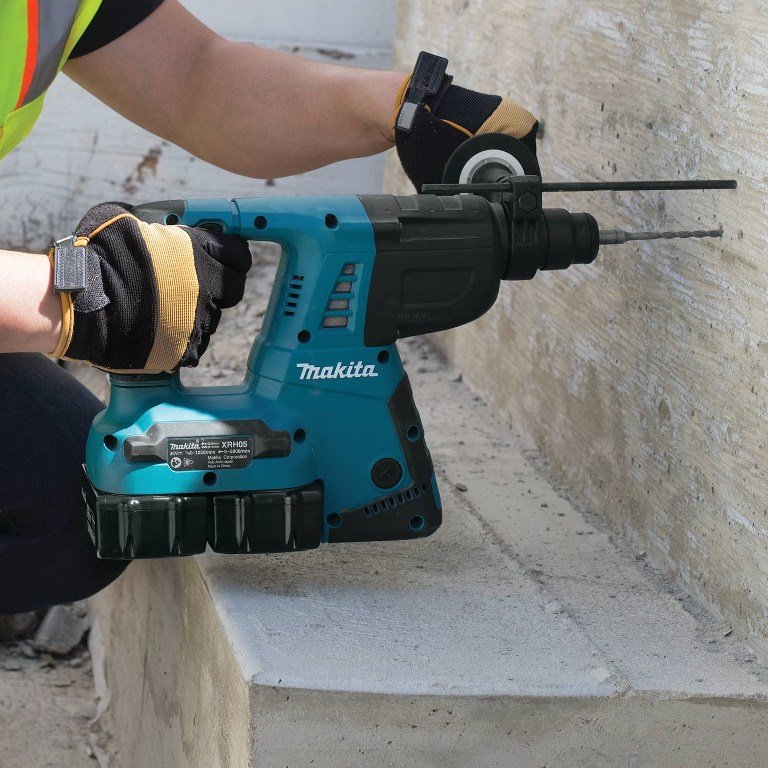
A hammer drill may work poorly in hard, dense, or reinforced concrete. It can also become tiring when you need many holes.
Choose a rotary hammer when:
- The hole is larger than the drill’s rated capacity
- The hole must be several inches deep
- You need many holes in one work session
- The concrete is very hard or old
- The bit frequently stalls
- You need to drill through a slab, footing, or thick foundation wall
- You need to use SDS bits
A rotary hammer uses a stronger piston-style impact system than the rubbing or mechanical impact system found in many hammer drills. The result is more force per blow and less need to push on the tool.
What If the Bit Hits Rebar?
Stop if drilling suddenly becomes much harder or the bit produces a metallic sound. You may have reached reinforcing steel.
Do not assume that you can simply push through. Drilling into rebar can damage the structure, ruin the bit, and create a hole in the wrong location. If the hole is optional, move it. If the location is required, ask a qualified contractor or engineer how to proceed.
Never drill into a post-tensioned slab without locating the tendons first. This is especially important in some U.S. garages, parking structures, condos, and elevated concrete decks.
What If the Concrete Cracks?
Stop drilling if you see a crack spreading from the hole. Possible causes include:
- The hole is too close to an edge
- The bit is too large
- The anchor is too large for the concrete
- The concrete is weak or damaged
- The fastener is over-tightened
- The drill is applying too much force
Move the hole only if the new location is safe and suitable. Do not use a cracked area to support a critical load without professional advice.

How to Control Concrete Dust
Concrete dust is not just a cleanup problem. Fine silica particles can pass deep into the lungs.
Use one or more of these controls:
- Attach a compatible dust-extraction system.
- Use a drill shroud connected to a suitable vacuum.
- Use water only when the tool, work area, and electrical setup allow it.
- Drill outdoors when practical.
- Keep bystanders away from the dust.
- Wear respiratory protection that matches the exposure and workplace rules.
Do not use water around an unsuitable corded drill, damaged cords, unprotected outlets, or other electrical hazards. Wet drilling can also create slurry that stains surfaces and makes the floor slippery.
For workplace construction in the United States, OSHA’s silica standard may require a written exposure-control plan, training, housekeeping controls, medical surveillance, or other measures. Requirements vary by task and employer. Home users should still use dust control because household exposure can affect everyone nearby.

Common Mistakes to Avoid
Using the Wrong Bit
A wood or metal bit will not perform like a carbide masonry bit. Match the bit type and diameter to the concrete and anchor.
Using Rotation-Only Mode
If the drill is set to regular drilling mode, it may make little progress. Check the mode selector before increasing pressure.
Pushing Too Hard
Heavy pressure can slow the bit, overheat the tool, and reduce impact action. Use steady pressure and let the hammer mechanism work.
Drilling Without Clearing Dust
Packed dust can block the bit and reduce anchor performance. Withdraw the bit often and clean the hole before installing the fastener.
Drilling Too Close to an Edge
Concrete can break away near an edge. Follow the anchor maker’s minimum edge-distance instructions. If no instructions are available, do not guess for a load-bearing application.
Ignoring Hidden Utilities
A small hole can still hit a wire or pipe. Check drawings, detectors, and the area on both sides of the concrete when possible.
Treating All Concrete as the Same
Fresh concrete, old concrete, lightweight concrete, precast concrete, block, and concrete with aggregate can behave differently. The tool that works well for a small basement-wall hole may struggle with a thick foundation or slab.

Quick Decision Guide
Use this guide before starting:
| Your task | Recommended tool |
|---|---|
| One or two small holes for a light-duty anchor | Hammer drill |
| Several small holes in a concrete wall | Hammer drill or rotary hammer |
| Large holes for pipe or conduit | Rotary hammer or core drill |
| Deep holes in a foundation | Rotary hammer |
| Drilling through concrete with possible rebar | Professional assessment may be needed |
| Removing tile, mortar, or small amounts of concrete | Rotary hammer with the correct chisel |
| Breaking a slab or wall | Demolition hammer or professional equipment |
The main trade-off is speed versus convenience. A hammer drill is more familiar and may already be in your toolbox. A rotary hammer costs more or requires a rental, but it can reduce drilling time and physical strain.

Frequently Asked Questions
Can a cordless hammer drill drill into concrete?
Yes. A cordless hammer drill can drill small holes in concrete when it has a masonry-rated bit and enough battery power. Hard concrete, large holes, and repeated drilling may require several batteries or a rotary hammer.
Can I use a regular drill for concrete?
You can sometimes make a very small hole in soft masonry with a masonry bit, but a regular drill has no impact action. It will usually be slow in concrete and may overheat. A hammer drill is the better choice for routine concrete holes.
How deep can a hammer drill go into concrete?
It can drill as deep as the bit length and tool rating allow, but practical performance drops as the hole becomes deeper. Dust also has more room to collect. For deep holes, use a rotary hammer and a bit designed for that depth.
Should I use water when drilling concrete?
Water can reduce dust and cool the bit, but it is not suitable for every drill or location. It creates slurry and can increase electrical risk. Use the tool maker’s instructions and an approved wet-drilling setup.
Can a hammer drill drill through rebar?
Some powerful tools and specialized bits can cut through steel, but drilling rebar is not automatically safe. The steel may be structural, and post-tensioned cables create a severe hazard. Stop when you suspect reinforcement and get qualified guidance.

Final Answer
A hammer drill can be used on concrete for small and medium holes when you use the hammer setting, a carbide-tipped masonry bit, steady pressure, and proper dust control.
For deep holes, large diameters, hard concrete, or repeated work, use a rotary hammer instead. Always check for wires, pipes, rebar, and post-tension cables before drilling. If the hole will support a heavy load or affect a structural element, follow the anchor instructions and consult a qualified professional when the risk is unclear.
Recent Tool Guides
 Wrench
How To Store A Torque Wrench: Smart Storage Guide
Learn how to store a torque wrench correctly to protect its calibration, prevent damage, and extend...
Read Guide → Hammer
How To Hammer Flowers Onto Paper: Easy Guide
Learn how to hammer flowers onto paper with simple steps, helpful tips, and beautiful results for...
Read Guide → Wrench
How To Use A Hex Wrench: Easy Step-By-Step Guide
Learn how to use a hex wrench correctly with simple steps, helpful tips, and common mistakes...
Read Guide → Hacksaw
How To Cut Curtain Pole With Hacksaw: Easy Guide
Learn how to cut curtain pole with hacksaw safely and neatly. Follow simple steps for accurate...
Read Guide → Wrench
How To Use A Husky Torque Wrench: Easy Guide
Learn how to use a Husky torque wrench correctly with simple steps, torque settings, and safety...
Read Guide → Hammer
How To Hold A Hammer: Safe Grip Guide
Learn how to hold a hammer with the right grip, stance, and technique for safer, more...
Read Guide →