

A hacksaw cuts metal, plastic, conduit, pipe, and other hard materials with a fine-toothed blade.
Understanding what is the use of a hacksaw helps you choose the right hand tool for repair, plumbing, electrical, and workshop jobs. A hacksaw is simple, low-cost, and easy to control, but safe and clean cuts depend on the blade, cutting method, and material. This guide explains its main uses, parts, benefits, limits, and practical tips.
What Is a Hacksaw?
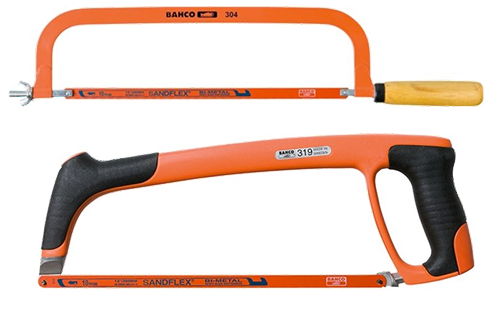
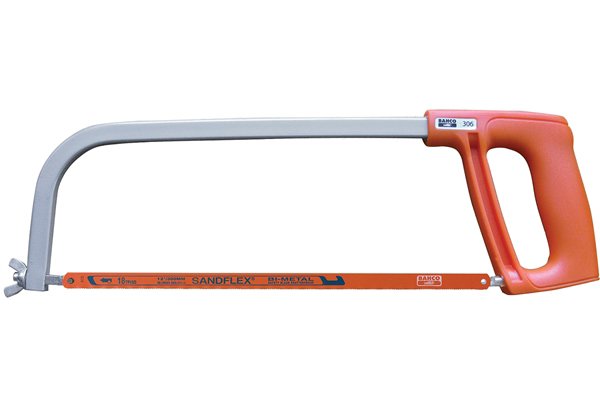
A hacksaw is a hand saw made for cutting hard materials. It has a rigid metal frame, a narrow replaceable blade, and a handle for a firm grip. Most hacksaw blades have small teeth designed to cut metal without removing too much material at once.
The answer to what is the use of a hacksaw is not limited to cutting steel. With the right blade, it can also cut aluminum, copper, brass, plastic pipe, threaded rod, bolts, nails, and thin sheet metal.
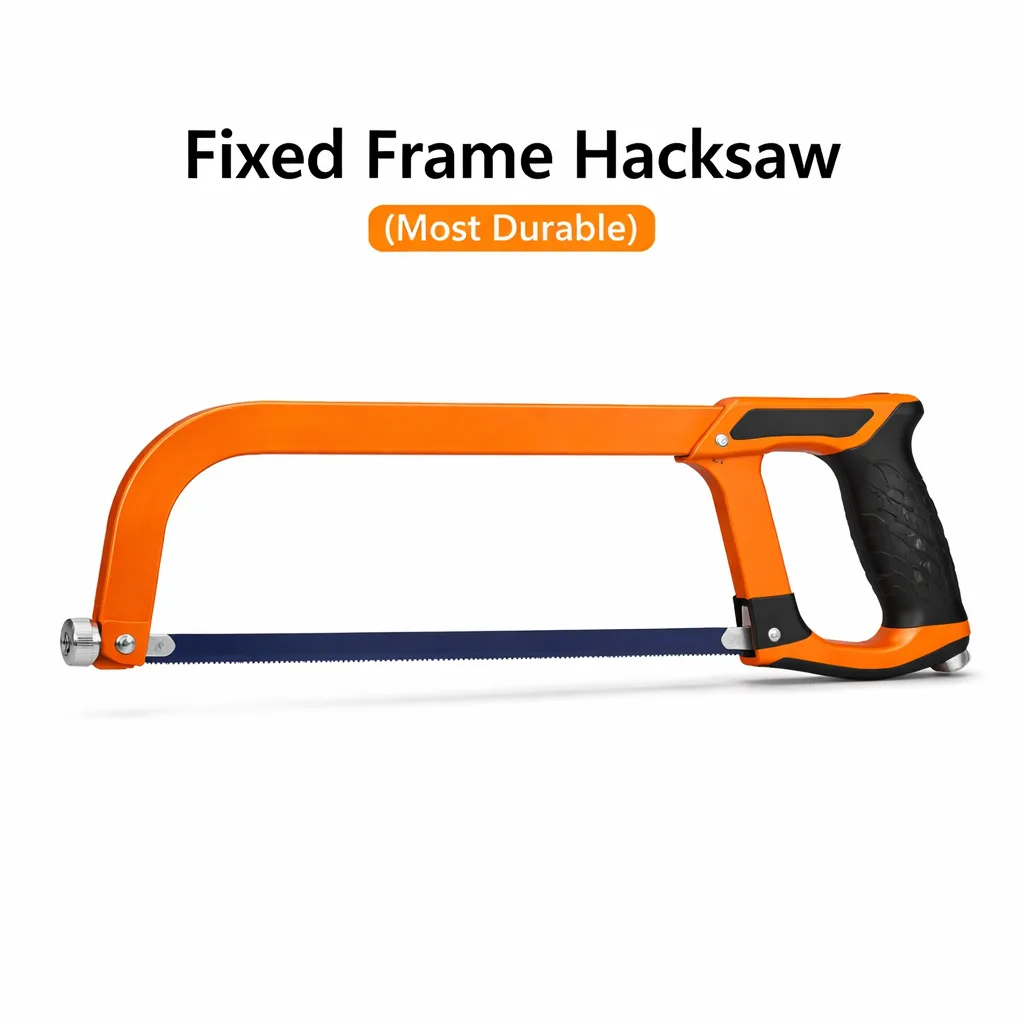
A standard hacksaw often uses a 12-inch blade, although compact versions use shorter blades. The frame may be fixed or adjustable. An adjustable frame can hold different blade lengths, which is useful for home repairs and varied workshop tasks.
What Is the Use of a Hacksaw?
The main use of a hacksaw is to make controlled cuts through metal and other tough materials. It works through a back-and-forth motion. The teeth cut during the forward stroke, while the return stroke resets the blade.
Common hacksaw uses include:
- Cutting metal rods, bars, and brackets
- Shortening threaded bolts and screws
- Cutting copper, aluminum, and steel tubing
- Trimming plastic and PVC pipe
- Removing damaged nuts, bolts, and fasteners
- Cutting electrical conduit
- Adjusting wire shelving and metal hardware
- Making small cuts where power tools cannot fit
- Cutting nails or screws that stick out from wood
- Preparing parts for plumbing, automotive, and repair work
When people ask what is the use of a hacksaw, they often need a tool for a small cut rather than a large construction job. A hacksaw is ideal when accuracy, portability, and low cost matter more than speed.
For example, you may use one to cut a threaded rod so a nut fits correctly. You may also use it to shorten a copper pipe under a sink or cut a metal bracket during a home improvement project.
How Does a Hacksaw Work?
A hacksaw blade has rows of small teeth. Each tooth acts like a tiny cutting edge. As you push the blade across the material, the teeth remove small chips and create a narrow cut called a kerf.
Most hacksaw blades are made from carbon steel, high-speed steel, or bi-metal steel. Bi-metal blades combine a flexible steel body with harder teeth. This design helps the blade resist breaking while keeping the teeth sharp.
The blade’s tooth count is measured as teeth per inch, or TPI. A higher TPI blade has smaller teeth and makes a smoother cut. A lower TPI blade has larger teeth and removes material faster.
- 14 to 18 TPI works well for thick metal and larger pieces.
- 24 TPI suits general-purpose cutting.
- 32 TPI works well for thin sheet metal, tubing, and small parts.
At least two or three teeth should touch the material during the cut. If only one tooth contacts the workpiece, the blade may catch, chatter, or break.
The answer to what is the use of a hacksaw also includes control. Unlike an angle grinder or reciprocating saw, a hacksaw gives you a slower cut that is easier to guide by hand.

Main Parts of a Hacksaw
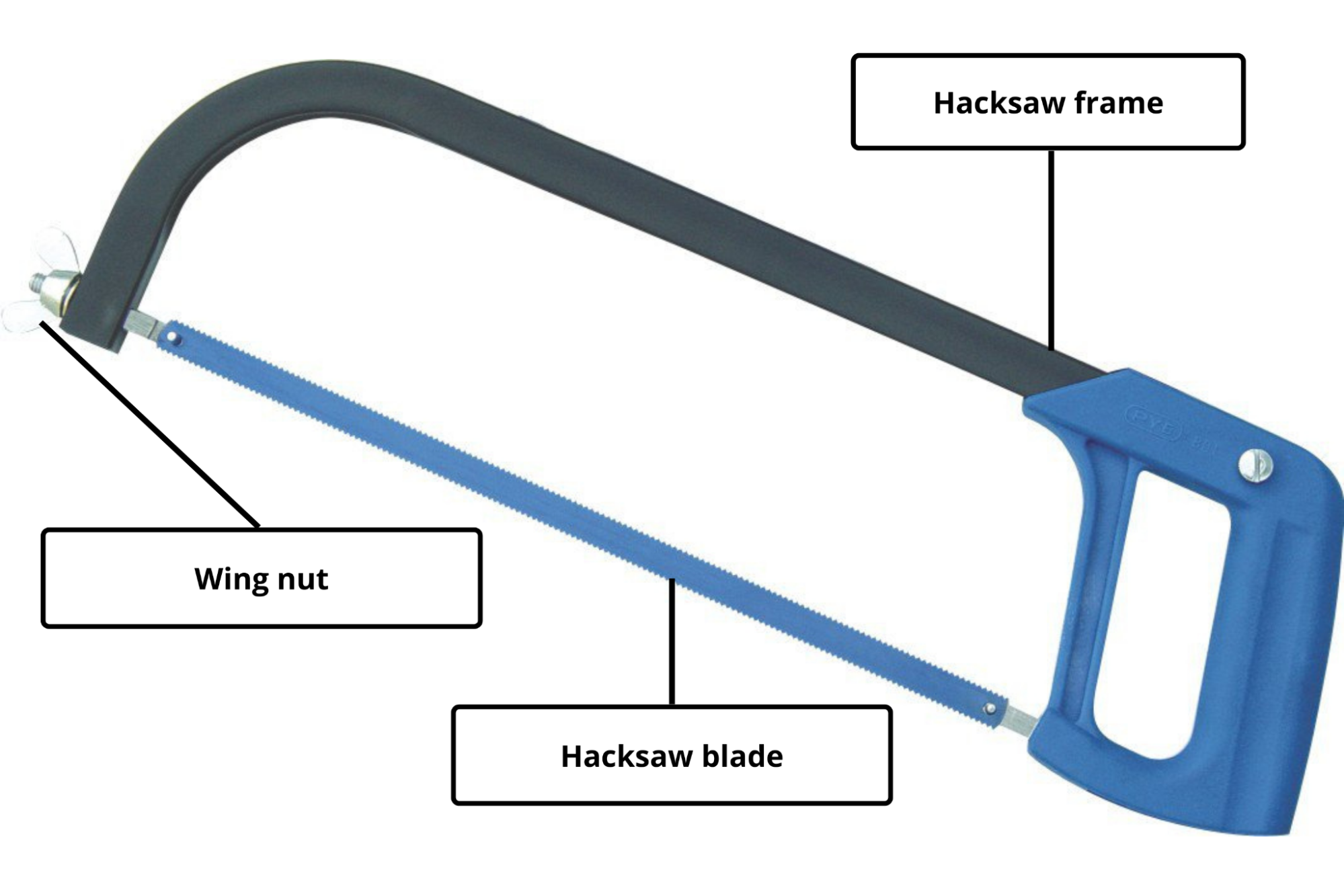
Knowing the parts of a hacksaw makes the tool easier to use and maintain.
Frame
The frame holds the blade straight and keeps it under tension. A strong frame reduces bending and helps produce a more accurate cut.
Some frames are fixed for one blade length. Others are adjustable and can hold several blade sizes.
Handle
The handle gives your hand a secure place to grip the saw. Many handles are shaped to reduce slipping and hand fatigue. A comfortable handle matters when cutting thick metal.
Blade
The blade is the cutting part of the tool. It has mounting holes at both ends and can usually be installed with the teeth facing forward.
Tensioning Mechanism
A screw, lever, or wing nut tightens the blade. The blade should feel firm when lightly plucked, much like a guitar string, but it should not be tightened so much that the frame or blade is damaged.
Blade Teeth
The teeth vary in size and spacing. Choosing the right tooth pattern is one of the most important parts of learning what is the use of a hacksaw.
:max_bytes(150000):strip_icc()/SPR-types-of-saws-5409526-7-X-Hacksaw-8a18e4b2946e4d16b3a40789e9656359.jpg)
Materials a Hacksaw Can Cut
A hacksaw is mainly a metal-cutting tool, but its actual range depends on the blade and the thickness of the material.
Metal
A hacksaw can cut:
- Mild steel
- Stainless steel
- Aluminum
- Copper
- Brass
- Threaded rod
- Metal conduit
- Thin sheet metal
- Small pipes and tubes
Harder metals take more time and require steady pressure. Stainless steel, for example, can work-harden if you push too hard or move the blade too slowly in one place.
Plastic
A fine-tooth hacksaw blade can cut PVC, ABS, acrylic, and other rigid plastics. Use light pressure because plastic can melt, crack, or grab the blade.
Wood
A hacksaw is not a good general-purpose wood saw. It may cut a small nail, screw, or thin piece of soft material, but a handsaw or fine-tooth wood saw is usually a better choice.
Drywall and Soft Materials
A hacksaw is not designed for drywall, foam, fabric, or soft materials. Using it for these jobs can dull the teeth and create poor results.
How to Use a Hacksaw Safely
Safe technique matters because a hacksaw blade can slip, break, or leave sharp edges. The following steps explain what is the use of a hacksaw in a safe, practical way.
- Mark the cut clearly with a pencil, marker, or center punch.
- Select a blade with the correct TPI for the material.
- Install the blade with the teeth pointing away from the handle.
- Tighten the blade until it is straight and firm.
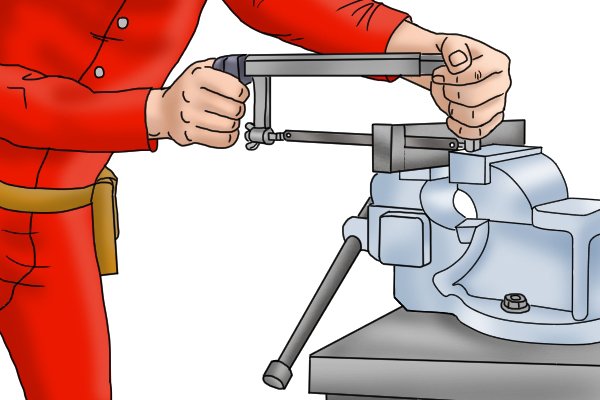
- Secure the workpiece in a vise or clamp.
- Start with short, gentle strokes to create a groove.
- Keep the blade square to the material.
- Use long, steady strokes that use most of the blade length.
- Apply moderate pressure on the forward stroke.
- Reduce pressure as the cut nears completion.
- Remove burrs with a file after finishing the cut.
Do not hold a small workpiece in your hand while cutting it. A vise is safer and gives you better control. Wear safety glasses because small metal chips can travel quickly.
Gloves may protect your hands from sharp edges, but they should fit well. Loose gloves, sleeves, jewelry, and hair can catch in tools. Keep your other hand away from the blade path.
A common workshop lesson is that force does not make a hacksaw work better. A sharp blade, firm support, and steady rhythm usually beat heavy pressure.
How to Choose the Right Hacksaw Blade
Blade selection affects speed, finish, and safety. To understand what is the use of a hacksaw in different jobs, match the blade to the material and its thickness.
Consider these factors:
- Tooth count: Choose fewer teeth for thick material and more teeth for thin material.
- Blade material: Bi-metal blades are durable and flexible for regular use.
- Blade length: A longer blade allows longer strokes and may reduce fatigue.
- Material hardness: Hard metals need a suitable high-quality blade.
- Cut finish: Fine teeth produce a smoother edge but cut more slowly.
- Workpiece shape: Tubes and thin sheets need enough teeth in contact with the surface.
A blade that is too coarse may catch on thin tubing. A blade that is too fine may clog with chips when used on thick metal. The best blade is the one that keeps several teeth engaged without forcing the tool.
Replace a blade when it becomes dull, bent, cracked, or missing teeth. A dull blade often causes more danger because users press harder and lose control.
Hacksaw Benefits
A hacksaw remains popular because it solves many small cutting problems without electricity or complex setup.
Low Cost
Basic hacksaws are affordable, and replacement blades are easy to find. This makes them useful for homeowners, students, tradespeople, and maintenance teams.
Portable Design
You can carry a hacksaw in a toolbox or vehicle. It works in a basement, attic, job site, garden shed, or other place where a power outlet may not be available.
Good Control
The slow cutting action allows you to follow a marked line. This is useful when a part must fit another component closely.
Quiet Operation
A hacksaw makes far less noise than a grinder or powered saw. It can be useful in occupied homes, small workshops, and areas where noise must be limited.
No Battery or Cord
The tool works anywhere. There is no battery to charge and no cord to manage.
These benefits explain what is the use of a hacksaw for many everyday repair jobs. It is not always the fastest tool, but it is often the simplest and safest option for a small cut.
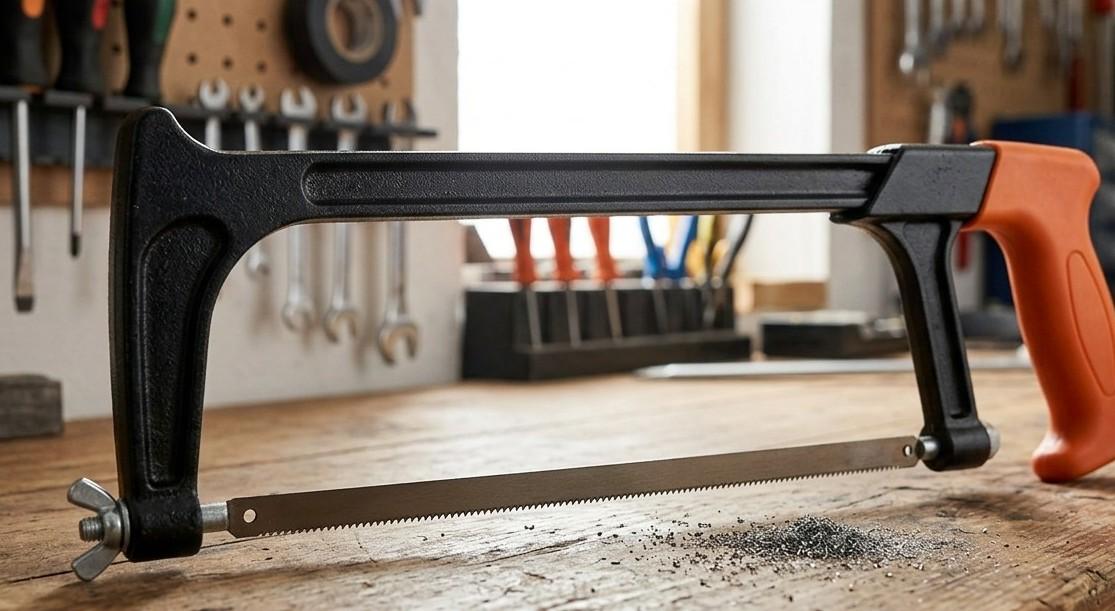
Limitations of a Hacksaw
A hacksaw is useful, but it is not the right tool for every task.
Its main limitations include:
- It cuts more slowly than powered saws.
- It can cause hand fatigue during long cuts.
- It may struggle with thick steel or large pipe.
- It produces burrs that require filing.
- The blade can break if it bends or twists.
- It is not ideal for repeated production work.
- It does not make the best cuts in wood.
- It needs a stable workpiece for accurate results.
For thick structural steel, large pipe, or many repeated cuts, a band saw, reciprocating saw, or abrasive saw may be more efficient. These tools require more safety training and may create sparks, noise, heat, or airborne particles.
Choosing a tool based on the job prevents wasted effort. A hacksaw is a precision hand tool, not a replacement for every powered saw.

Hacksaw vs. Other Saws
Understanding what is the use of a hacksaw is easier when you compare it with similar tools.
Hacksaw vs. Reciprocating Saw
A reciprocating saw uses a motor to move the blade rapidly. It cuts faster but creates more vibration and noise. A hacksaw gives better control for small, careful cuts.
Hacksaw vs. Angle Grinder
An angle grinder removes material very quickly and can cut thick metal. However, it creates sparks, heat, noise, and potentially dangerous fragments. A hacksaw is slower but usually easier to control for simple cuts.
Hacksaw vs. Tubing Cutter
A tubing cutter creates a clean, round cut on certain pipes. It may not work well on large sizes, hard steel, or irregular shapes. A hacksaw can handle more shapes but may leave a rougher edge.
Hacksaw vs. Wood Handsaw
A wood handsaw has larger teeth and a tooth pattern made for wood fibers. A hacksaw has fine teeth for metal and plastic. Using the correct saw improves both speed and finish.
Common Hacksaw Mistakes to Avoid
Many poor cuts come from technique rather than the tool itself. Avoid these common errors:
- Installing the blade backward
- Using a dull or damaged blade
- Choosing the wrong TPI
- Cutting without clamping the workpiece
- Pressing too hard
- Bending the blade during a stroke
- Using short, choppy movements
- Cutting at an angle
- Ignoring sharp burrs
- Continuing after the blade starts to bind
One mistake seen often is using a fine blade on thick metal because the user expects a smoother finish. The small teeth fill with chips, and the cut becomes slow. Another mistake is using a coarse blade on thin sheet metal, which can snag and tear the material.
After cutting, run a file along the edge to remove burrs. Test the edge with care, not with a bare fingertip. Even a small metal burr can cause a painful cut.
Maintenance and Storage Tips
A clean, sharp blade makes it easier to understand what is the use of a hacksaw in daily work. Wipe metal dust from the frame and handle after use. Check the tension screw and replace loose or damaged parts.
Store the hacksaw where the blade will not hit other tools. If you expect long-term storage, keep it dry to reduce rust. Lightly oil exposed steel parts when needed, but keep oil away from the handle if it makes the grip slippery.
Keep spare blades in their packaging or a small case. Do not place loose blades in a drawer where someone may reach in and get cut.
A well-maintained hacksaw does not need much care. The key habits are simple: keep the blade sharp, keep the frame straight, and store the tool safely.
Frequently Asked Questions About What Is the Use of a Hacksaw
What is the main use of a hacksaw?
The main use of a hacksaw is cutting metal and other hard materials by hand. It can cut items such as bolts, pipes, conduit, rods, brackets, and plastic tubing.
Can a hacksaw cut wood?
A hacksaw can cut very small pieces of soft wood, nails, or screws, but it is not designed for normal wood cutting. A handsaw or wood-cutting blade will usually work faster and leave a better edge.
Which hacksaw blade is best for thin metal?
A blade with about 24 to 32 teeth per inch is often suitable for thin metal and tubing. Fine teeth help prevent the blade from catching, but the workpiece must be held firmly.
Why does my hacksaw blade keep breaking?
A blade may break because it is too tight, installed incorrectly, bent during the cut, or forced against the material. Use steady strokes, keep the blade straight, and replace it if it is damaged.
Should hacksaw teeth face forward or backward?
The teeth should normally face forward, away from the handle. The blade cuts as you push the hacksaw forward, so correct installation improves control and cutting action.
Can a hacksaw cut PVC pipe?
Yes, a fine-tooth hacksaw blade can cut PVC and other rigid plastic pipe. Support the pipe well, use light pressure, and smooth the cut edge after sawing.
Is a hacksaw safe for beginners?
A hacksaw can be safe for beginners when the workpiece is clamped and the user wears eye protection. Start slowly, keep both hands controlled, and avoid touching the blade or fresh cut edge.
Conclusion
A hacksaw is a practical hand tool for cutting metal, plastic pipe, conduit, bolts, rods, brackets, and other hard materials. Its value comes from its low cost, quiet operation, portability, and precise control. The right blade, firm support, steady strokes, and proper eye protection make a major difference.
Now that you know what is the use of a hacksaw, choose the correct TPI for your material and practice on a small, secure workpiece. Keep the blade straight, avoid excessive force, and finish each cut by removing sharp burrs. Explore more tool guides or share your own hacksaw tips in the comments.
