What Is A Hacksaw Saw Used For: Best Uses Explained
A hacksaw is used to cut metal, plastic pipe, bolts, screws, and other hard materials by hand.
If you have ever faced a stubborn bolt, metal pipe, or threaded rod, a hacksaw is often the simplest tool for the job. This guide explains what is a hacksaw saw used for, how it works, which blade to choose, and how to make clean, safe cuts.

What Is a Hacksaw?
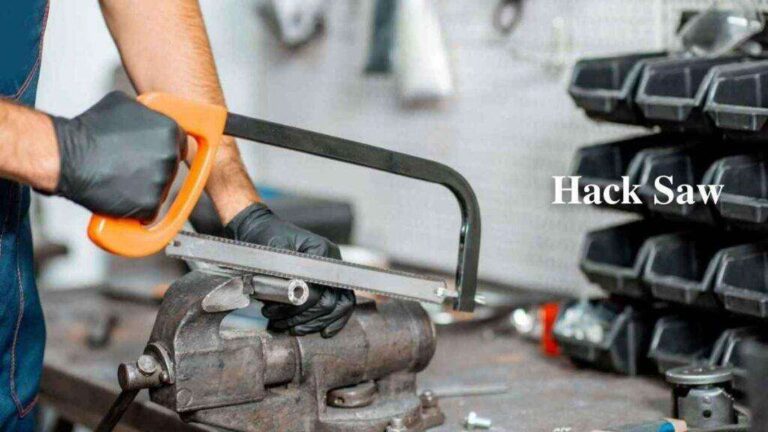
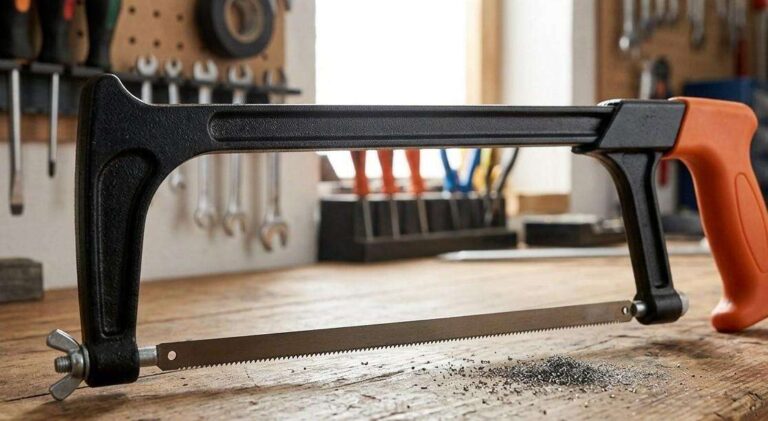
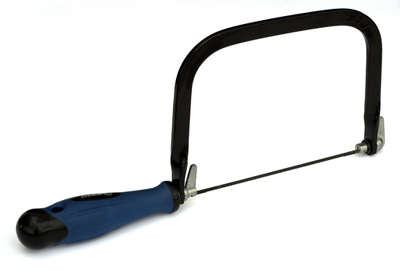
A hacksaw is a hand saw with a narrow, fine-toothed blade held under tension in a metal frame. It is made mainly for cutting metal, but the right blade can also cut plastic, wood, conduit, drywall anchors, and other materials.
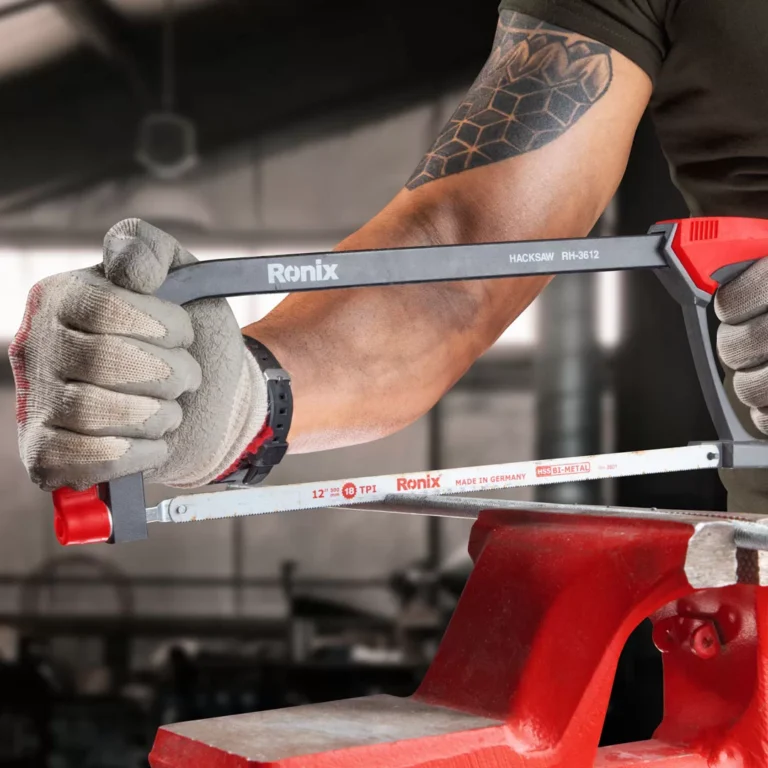
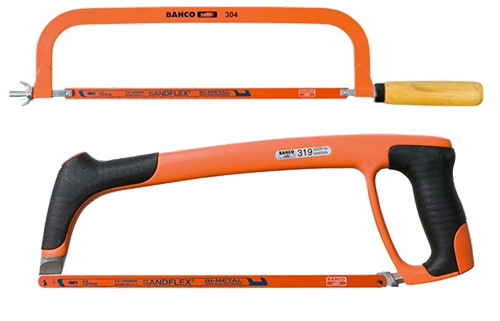
Most hacksaws have a pistol-grip handle and an adjustable frame. The frame lets you fit blades of different lengths. Common blade sizes include 10, 12, and 14 inches.
The blade has small teeth that remove material with each forward stroke. Unlike a wood saw, a hacksaw blade usually cuts on the push stroke. The return stroke should be light and controlled.
When people ask, “what is a hacksaw saw used for,” they usually mean which jobs this tool handles best. In simple terms, it is a precise hand tool for cutting thin, hard materials where a power saw may be too large, noisy, or risky.

What Is a Hacksaw Saw Used For?
A hacksaw is used for many repair, plumbing, construction, automotive, and workshop tasks. Its small size gives you good control in tight spaces.
Here are the most common uses:
• Cutting metal pipe, including copper, steel, aluminum, and brass pipe
• Trimming threaded rod, bolts, screws, and nails
• Cutting metal conduit used for electrical wiring
• Shortening plastic pipe, such as PVC and ABS
• Removing damaged bolts or rusted fasteners
• Cutting metal brackets, wire mesh, and small angle iron
• Trimming shelf brackets, curtain rods, and hardware
• Cutting plastic molding and thin trim
• Making small cuts during plumbing and home repairs
• Cutting through bicycle parts, chains, and light automotive components
A hacksaw works best when the material is not too thick. It can cut thick metal, but the job will take longer and require more effort. For large steel sections, a reciprocating saw, angle grinder, band saw, or metal-cutting saw may be a better choice.
In my own repair work, I have often reached for a hacksaw when a power tool would create more trouble than it solved. For example, trimming a bolt inside a cabinet is easier with a hacksaw because the frame gives steady control and produces little noise.
How Does a Hacksaw Work?
A hacksaw cuts through material with repeated strokes. The blade teeth act like many tiny chisels. As you push the saw forward, the teeth scrape and remove small pieces of the material.
The blade must remain tight in the frame. A loose blade can bend, wander, or break. A properly tensioned blade feels firm when you lightly press it with a finger.
Follow these basic steps:
-
Mark the cut with a pencil, marker, or scribe.
-
Secure the material in a vise or clamp.
-
Choose the correct blade for the material and its thickness.
-
Place the blade on the waste side of the cut line.
-
Start with short, slow strokes to create a small groove.
-
Use longer strokes once the groove guides the blade.
-
Keep steady pressure on the forward stroke.
-
Release pressure during the return stroke.
-
Slow down as the blade reaches the end of the cut.
-
Smooth sharp edges with a file.
The key is patience. Pressing too hard does not always make the cut faster. It can strip teeth, bend the blade, or leave a rough edge.
Choosing the Right Hacksaw Blade
The blade is just as important as the saw frame. Hacksaw blades are commonly described by teeth per inch, or TPI.
A higher TPI blade has smaller teeth. A lower TPI blade has larger teeth.
Low-TPI blades
Blades with about 14 to 18 TPI work well for thicker materials. They remove material quickly but leave a rougher cut.
Use them for:
• Thick aluminum
• Large steel bars
• Heavy copper pipe
• Thick plastic
Medium-TPI blades
Blades with about 20 to 24 TPI are useful for general repair work. This range is a good choice for many pipes, bolts, brackets, and thin metal sheets.
This is often the best starting point for homeowners.
High-TPI blades
Blades with about 28 to 32 TPI suit thin metal and small parts. Their fine teeth reduce the chance of catching or snagging.
Use them for:
• Thin sheet metal
• Small tubing
• Thin-wall conduit
• Small bolts
• Metal brackets
A useful rule is to keep at least three teeth in contact with the material during the cut. If only one or two teeth touch the work, the blade may catch and break.

Hacksaw Uses by Material
Understanding the material helps you choose the right blade and cutting method. The answer to what is a hacksaw saw used for changes slightly based on the job.
Metal
Hacksaws are best known for cutting metal. They can handle steel, stainless steel, aluminum, brass, copper, and mild iron when you use a suitable blade.
Hard metals need sharp, strong blades. Softer metals may clog the teeth, so clean the blade often and avoid forcing the saw.
Plastic pipe
A hacksaw can cut PVC, CPVC, ABS, and similar plastic pipe. Use slow strokes to prevent melting or crushing the pipe.
After cutting, remove the burrs inside and outside the pipe. A deburring tool, utility knife, or fine file can help. Smooth edges create better fittings and reduce the chance of leaks.
Bolts and threaded rod
A hacksaw is useful for shortening bolts and threaded rod. Before cutting, thread a nut onto the bolt. After the cut, remove the nut slowly. It can help restore damaged threads near the end.
Place masking tape around the cut area to reduce scratches and make the line easier to see.
Wood and soft materials
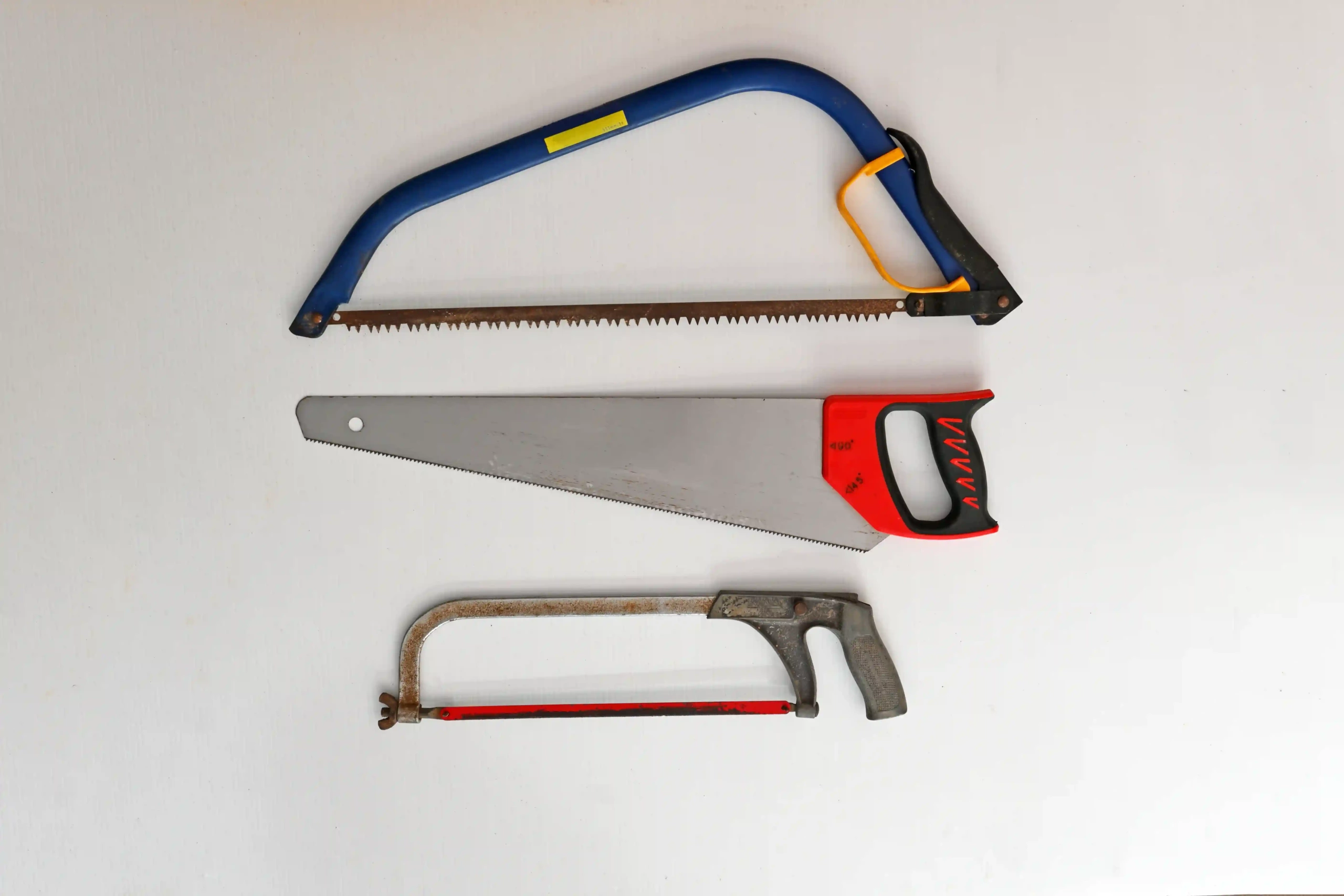
A hacksaw can cut some soft materials, but it is not a good general wood saw. Its fine teeth may clog, and the narrow blade can make slow progress.
For lumber, plywood, or tree branches, use a hand saw designed for wood.

Benefits of Using a Hacksaw
A hacksaw remains popular because it is simple, affordable, and dependable. It does not need electricity, batteries, or compressed air.
Main benefits include:
• Low cost: Replacement blades are inexpensive and easy to find.
• Good control: You can make careful cuts in small areas.
• Quiet operation: It creates far less noise than a power saw.
• Easy storage: A hacksaw fits in most toolboxes.
• Flexible use: You can change blades for different materials.
• Useful in tight spaces: The narrow blade can reach areas that larger tools cannot.
• Low maintenance: The frame needs little care beyond blade replacement.
For occasional home repairs, a hacksaw can provide more value than a large power saw. It is also useful during power outages, outdoor repairs, and work in places where sparks or loud noise are not acceptable.
Limitations of a Hacksaw
A hacksaw is useful, but it is not the right tool for every cut. It depends on hand power, so thick materials can take time and effort.
Common limitations include:
• Slow cutting through thick steel
• Difficulty making long, perfectly straight cuts
• Blade breakage when the frame twists
• Rough edges if the blade is dull
• Hand fatigue during large jobs
• Limited reach in very deep materials
• Poor results when the material is not firmly held
A hacksaw also requires care around sharp edges. Freshly cut metal can be extremely sharp, even when the cut looks smooth.
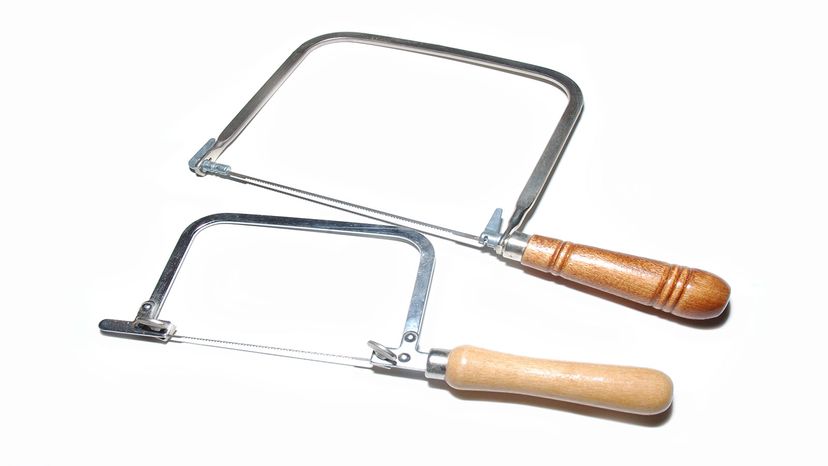
For repeated cuts, thick stock, or production work, consider a reciprocating saw, band saw, portable metal saw, or angle grinder. These tools can be faster, but they also create more noise, dust, sparks, and safety risks.
How to Use a Hacksaw Safely
Safe technique matters as much as tool choice. Wear safety glasses whenever you cut metal or plastic. Small chips can fly from the cut and cause serious eye injuries.
Use these safety habits:
• Secure the work in a vise or clamp.
• Inspect the blade before use.
• Replace blades with missing, bent, or dull teeth.
• Install the blade with the teeth facing forward.
• Keep both hands away from the cutting path.
• Wear gloves when handling sharp metal, but keep loose material away from the blade.
• Use hearing protection during long cutting sessions.
• Keep the work area clean and well lit.
• File sharp edges after cutting.
• Store the saw with care so the blade does not damage other tools.
Never hold a small piece of metal in one hand while sawing it with the other. The blade can slip, and the piece may cut your fingers. Clamp even small pieces whenever possible.

Common Hacksaw Mistakes to Avoid
Many poor cuts come from technique rather than the tool. Avoiding a few common errors can make your work faster and safer.
Using the wrong blade
A coarse blade may catch on thin metal. A fine blade may cut too slowly through thick stock. Match the TPI to the material thickness.
Cutting without support
Loose material vibrates and moves. This wastes energy and can break the blade. A vise gives the work a firm base.
Pressing too hard
Heavy pressure can bend the blade and damage the teeth. Use moderate pressure on the forward stroke and let the teeth do the work.
Using short strokes only
Short strokes wear out a small part of the blade. Use the full length of the blade when space allows. This spreads wear across more teeth.
Ignoring blade tension
A loose blade wanders. An overly tight blade can place stress on the frame or cause breakage. Tighten it until the blade feels firm, not overstretched.
Forgetting the finishing step
A cut edge may have burrs or sharp points. Use a file or deburring tool before handling the part or joining it to another piece.
I learned this last lesson after cutting a short piece of conduit and grabbing it too quickly. The edge looked harmless, but it sliced through a work glove. A few seconds with a file would have prevented the problem.
Hacksaw vs. Other Cutting Tools
Choosing between tools depends on the material, cut length, speed, and work area.
| Tool | Best use | Main advantage |
|---|---|---|
| Hacksaw | Small metal and plastic cuts | Low cost and high control |
| Reciprocating saw | Fast cuts in pipes and framing | Speed and reach |
| Angle grinder | Cutting and grinding metal | Fast removal and versatility |
| Band saw | Repeated straight cuts | Accuracy and smooth operation |
| Bolt cutter | Cutting chains, bolts, and soft rod | Fast cuts without a blade |
| Pipe cutter | Clean cuts on copper or plastic pipe | Smooth, round cuts |
| Jigsaw | Curved cuts in thin material | Shape flexibility |
A hacksaw is often the safest choice when you need one careful cut and do not want sparks. A pipe cutter may produce a cleaner cut on copper tubing, while a bolt cutter may work better on chain or soft steel rod.
The best tool is not always the fastest one. It is the tool that fits the material and gives you safe control.
How to Maintain a Hacksaw
A hacksaw needs little maintenance, but simple care extends its life.
Wipe metal dust from the frame after use. Check that the tension screw turns smoothly and that the blade mounts are not bent. Lightly oil the tension mechanism if it becomes stiff.
Store replacement blades in a dry place. Moisture can cause rust, especially on carbon steel blades. Bi-metal blades usually resist breakage better than basic carbon steel blades, but they still need dry storage.
Replace a blade when:
• It feels dull
• The teeth are missing
• The blade bends during normal use
• The cut begins to wander
• You need excessive force
A sharp blade is safer than a dull one because it needs less pressure. That simple fact is easy to overlook.
Practical Examples of Hacksaw Jobs
Knowing what is a hacksaw saw used for becomes easier when you see real situations.
Trimming a bolt
A bolt may stick out after installing a bracket. Mark the excess, thread on a nut, clamp the part, and cut through the waste section. File the end and remove the nut to protect the threads.
Cutting copper pipe
When replacing a plumbing fitting, mark the pipe and support it firmly. Use a fine-tooth blade, make a straight cut, and remove burrs before installing the new fitting.
Shortening threaded rod
Threaded rod often needs custom lengths for shelves, lighting, or mounting systems. A hacksaw makes accurate cuts when the rod is secured in a vise.
Cutting metal conduit
Electrical conduit may need trimming during an installation. Use a fine blade and remove burrs so the sharp edge does not damage wire insulation.
Removing a damaged fastener
If a screw head is stripped or a bolt is seized, you may cut a slot or remove the head with a hacksaw. Work slowly to avoid damaging the surface below.
Frequently Asked Questions About What Is a Hacksaw Saw Used For
What is a hacksaw saw used for?
A hacksaw is used to cut metal, plastic pipe, bolts, threaded rod, conduit, brackets, and other hard materials. It is most useful for small, controlled cuts.
Can a hacksaw cut wood?
A hacksaw can cut thin or soft wood, but it is not designed for normal woodworking. A wood hand saw provides larger teeth and cuts lumber much faster.
Can a hacksaw cut PVC pipe?
Yes, a hacksaw can cut PVC, CPVC, and ABS pipe. Use steady strokes, support the pipe well, and remove burrs after cutting.
Which hacksaw blade is best for metal?
A blade with 18 to 24 teeth per inch works well for many general metal-cutting jobs. Use a finer 28 to 32 TPI blade for thin metal and a coarser blade for thicker stock.
Why does my hacksaw blade keep breaking?
The blade may be too tight, too loose, dull, or installed incorrectly. Excessive pressure, twisting the frame, and cutting unsupported material can also cause breakage.
Should hacksaw teeth face forward or backward?
Hacksaw teeth normally face forward, toward the direction of the push stroke. The blade cuts as you push the saw away from your body.
Can a hacksaw cut stainless steel?
Yes, but stainless steel is hard and can quickly dull a poor-quality blade. Use a sharp bi-metal blade, steady pressure, and cutting oil when suitable for the job.
Conclusion
A hacksaw is a simple but powerful hand tool for cutting metal, plastic pipe, bolts, threaded rod, conduit, and other hard materials. It offers low cost, quiet operation, and excellent control, especially in tight spaces or for one-off repairs.
Choose the right blade, secure the material, use steady strokes, and finish the edge with a file. Once you understand what is a hacksaw saw used for, you can handle many home, plumbing, automotive, and workshop jobs with confidence. Keep one in your toolbox, practice on scrap material, and explore more practical tool guides to improve your repair skills.
Recent Tool Guides
 Hammer
How To Hammer Flowers Onto Paper: Easy Guide
Learn how to hammer flowers onto paper with simple steps, helpful tips, and beautiful results for...
Read Guide → Wrench
How To Use A Hex Wrench: Easy Step-By-Step Guide
Learn how to use a hex wrench correctly with simple steps, helpful tips, and common mistakes...
Read Guide → Hacksaw
How To Cut Curtain Pole With Hacksaw: Easy Guide
Learn how to cut curtain pole with hacksaw safely and neatly. Follow simple steps for accurate...
Read Guide → Wrench
How To Use A Husky Torque Wrench: Easy Guide
Learn how to use a Husky torque wrench correctly with simple steps, torque settings, and safety...
Read Guide → Hammer
How To Hold A Hammer: Safe Grip Guide
Learn how to hold a hammer with the right grip, stance, and technique for safer, more...
Read Guide → Hacksaw
How To Cut Flexible Metal Conduit With Hacksaw: Easy Guide
Learn how to cut flexible metal conduit with hacksaw safely and cleanly. Follow simple steps for...
Read Guide →