What Are The Best Hand Tools To Buy: Essential Guide
For most U.S. homes, the best hand tools to buy are a claw hammer, tape measure, screwdrivers, pliers, adjustable wrench, utility knife, hex keys, level, and a socket set. Buy solid tools with comfortable handles, clear markings, and a strong warranty. You do not need a huge kit at the start.
The right set depends on your work. A renter needs a small repair kit. A homeowner needs tools for furniture, plumbing, hardware, and basic maintenance. An automotive worker needs stronger sockets, ratchets, and specialty tools.
This guide explains which hand tools offer the most value, what features matter, what to skip, and how to build a useful set in the United States.
The Best Hand Tools to Buy for Most Homes
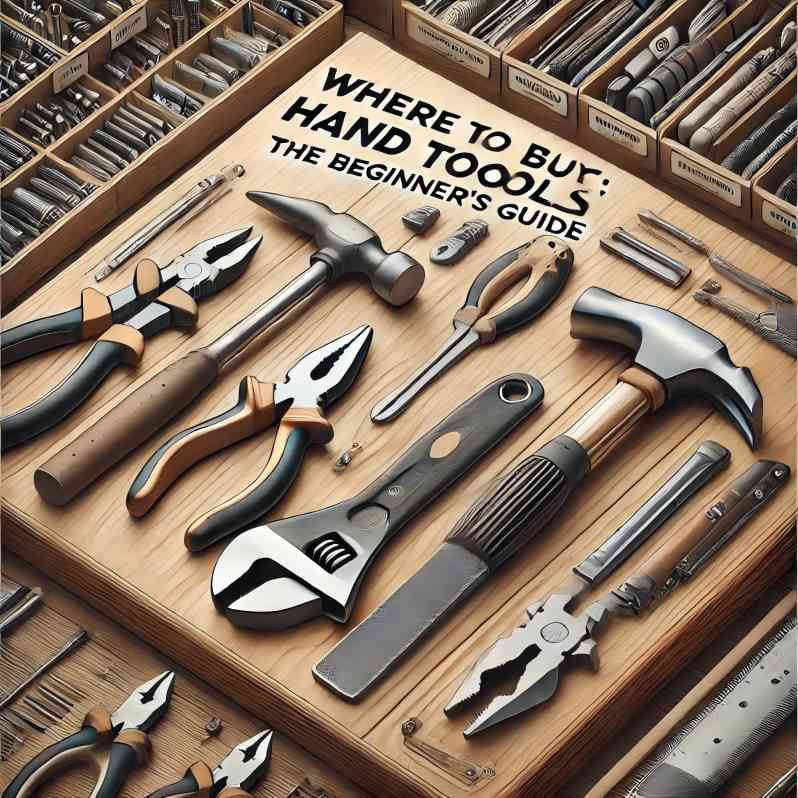
The best starter collection covers the fasteners and repairs you are most likely to meet. Buy these tools first, then add specialty tools as a real need appears.
| Tool | Best use | What to look for |
|---|---|---|
| Claw hammer | Nails, light demolition, small repairs | Balanced head and a shock-reducing grip |
| Tape measure | Measuring wood, furniture, rooms, and spaces | Clear markings and a locking blade |
| Screwdriver set | Slotted, Phillips, and basic screws | Hardened tips and comfortable handles |
| Combination pliers | Holding, bending, and cutting wire | Good joint movement and sharp cutters |
| Long-nose pliers | Reaching small parts and tight spaces | Narrow jaws that meet evenly |
| Adjustable wrench | Nuts and bolts of different sizes | Smooth adjustment with little jaw play |
| Hex key set | Furniture, bicycles, appliances, and equipment | Both metric and SAE sizes |
| Utility knife | Cardboard, plastic, flooring, and packaging | Secure blade lock and easy blade changes |
| Torpedo level | Checking shelves, frames, and small projects | Easy-to-read vials and a strong body |
| Socket and ratchet set | Faster work on nuts and bolts | Metric and SAE sockets with clear size marks |
1. Claw hammer
A 16-ounce claw hammer is a useful general-purpose size for many household tasks. It can drive and remove common nails without being as tiring as a heavier framing hammer.
Look for a hammer that feels balanced when you hold it near the end of the handle. The claw should have a clean shape and enough curve to pull nails. A smooth face works well for general repairs. A milled, or textured, face grips nails better but can leave marks in wood.
Do not use a hammer as a pry bar, wrench, or chisel. The wrong use can damage the tool or send a metal chip into your eyes.
2. Tape measure
A 16- to 25-foot tape measure covers most home work. A 25-foot model gives more reach, while a 16-foot model is often lighter and easier to carry.
Choose a tape with:
- Clear inch markings
- A sturdy hook
- A blade that locks firmly
- A case that feels easy to grip
- A blade that stays readable after normal use
Many U.S. projects use inches and feet, but metric measurements also appear on furniture, appliances, bicycles, and imported hardware. A tape with both systems can prevent mistakes.
3. Screwdrivers
A screwdriver set should include several Phillips and slotted sizes. Phillips screws are common in household hardware. Slotted screws still appear on hinges, older fixtures, electrical covers, and some plumbing parts.
A useful starting set includes:
- Phillips #1 and #2
- Slotted 1/8-inch, 3/16-inch, and 1/4-inch sizes
- A short stubby driver for tight spaces
- A longer driver for recessed screws
The tip should fit the screw head without rocking. A poor fit can strip the screw. Magnetic tips can help hold a screw, but they do not replace the need for a correct tip size.
A multi-bit screwdriver saves space. A full set is often better for frequent work because each driver has a stronger shaft and a more comfortable grip.
4. Pliers
Most homes benefit from three types of pliers:
- Combination or slip-joint pliers: General gripping and light cutting
- Long-nose pliers: Small parts and narrow spaces
- Tongue-and-groove pliers: Larger fittings and plumbing work
Pliers should open smoothly and close with jaws that meet well. The cutting edges should be clean and sharp. Avoid using pliers on finished nuts when an adjustable wrench or socket would fit. Pliers can mark the metal and round the corners.
5. Adjustable wrench
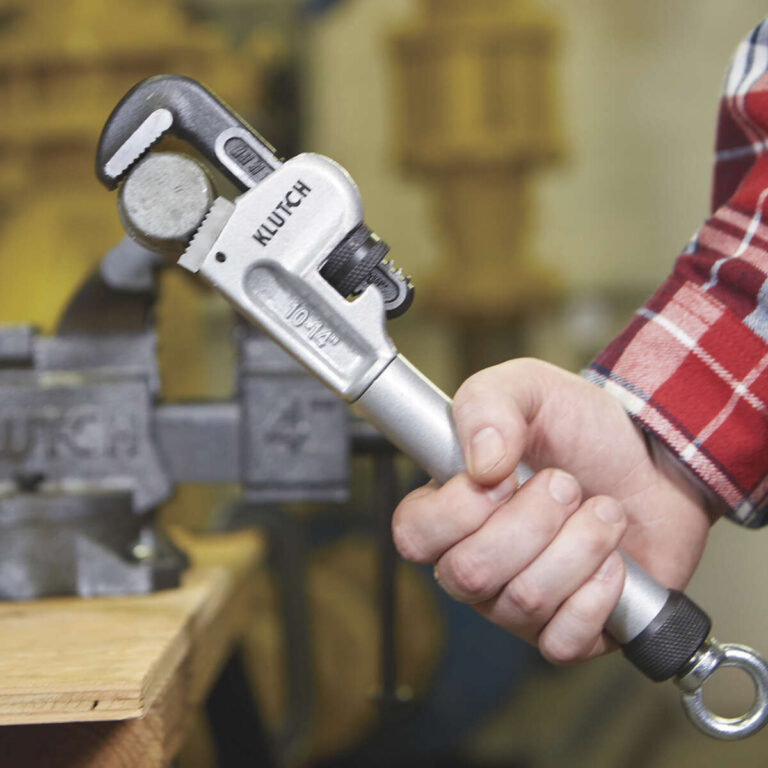
An adjustable wrench is useful when you need one tool for several nut sizes. A 6-inch wrench works well for small household repairs. An 8- or 10-inch wrench gives more reach and leverage.
The movable jaw should slide smoothly. It should also have little side-to-side movement. Set the wrench so the fixed jaw takes most of the force. This reduces the chance of slipping.
An adjustable wrench is convenient, but it is not always the best choice. A correctly sized combination wrench or socket usually grips a fastener more securely.
6. Hex keys
Hex keys, also called Allen keys, fit six-sided sockets found in furniture, bicycles, appliances, machinery, and door hardware.
Buy both:
- SAE sizes, measured in fractions of an inch
- Metric sizes, measured in millimeters
A folding set is easy to store. A loose L-shaped set often gives better leverage and lets you use either the short or long end. Ball-end hex keys help reach angled screws, but the ball end is not ideal for breaking loose a very tight fastener.
7. Utility knife
A utility knife is useful for boxes, carpet, plastic packaging, drywall paper, and many other materials. Choose a model with a secure blade lock and a handle that does not slip.
Retractable-blade models add protection during storage. Fixed-blade models can be stronger for heavy work, but they require more care. Replace dull blades instead of forcing them through material. A dull blade needs more pressure and is more likely to slip.
8. Level
A 9-inch or torpedo level handles small household jobs such as hanging pictures, setting shelves, and checking appliances.
For cabinets, long shelves, or framing, a longer level gives a better reference. A level does not make an uneven surface straight; it only tells you how that surface compares with gravity. Check the tool on a known level surface before trusting it for important work.
9. Socket and ratchet set
A socket set often becomes the most useful upgrade after screwdrivers and pliers. It lets you work faster on nuts and bolts and reduces damage to fastener corners.
For a general U.S. home kit, look for:
- Metric sockets from about 5 mm to 19 mm
- SAE sockets from about 3/16 inch to 3/4 inch
- A 1/4-inch drive for small fasteners
- A 3/8-inch drive for general household and automotive work
- Six-point sockets for tight or worn fasteners
- A reversible ratchet with a comfortable handle
Twelve-point sockets are convenient for more starting positions. Six-point sockets usually provide better contact on stubborn fasteners.
The Best Hand Tools by Type of Work
The best tools change when the job changes. Use the list below to avoid buying tools that do not match your work.
For renters and apartment repairs
A compact kit is enough for many basic tasks:
- 16-foot tape measure
- Phillips and slotted screwdrivers
- Small claw hammer
- Adjustable wrench
- Combination pliers
- Utility knife
- Small level
- Hex key set
- Flashlight
This set handles furniture assembly, loose cabinet hardware, picture hanging, small adjustments, and basic maintenance.
Do not drill, cut into walls, or alter electrical or plumbing systems without checking your lease and local rules.
For homeowners
Homeowners should add:
- 25-foot tape measure
- Larger tongue-and-groove pliers
- Socket and ratchet set
- Combination wrench set
- Pry bar
- Stud finder
- Caulking tool
- Wire stripper for approved low-risk tasks
- A sturdy tool box or bag
A small pry bar is safer for removing trim than a screwdriver. Using a screwdriver as a pry tool can bend the shaft or cause a hand injury.
For automotive work
Automotive work calls for tools that fit fasteners closely and withstand higher force:
- 3/8-inch drive socket set
- 1/2-inch drive sockets for larger fasteners
- Six-point metric and SAE sockets
- Combination wrenches
- Breaker bar
- Torque wrench
- Extensions and universal joint
- Screwdrivers
- Needle-nose and locking pliers
- Oil filter or specialty tools as needed
A torque wrench is different from a breaker bar. A breaker bar helps loosen tight fasteners. A torque wrench helps tighten a fastener to a specified force. Follow the vehicle maker’s service information for torque values.
Never work beneath a vehicle supported only by a jack. Use jack stands on a firm, level surface and follow the vehicle and jack-stand instructions.
For woodworking
Woodworking tools should help you measure, mark, cut, and hold material:
- Combination square
- Marking pencil or knife
- Hand saw
- Chisels
- Clamps
- Block plane
- Screwdrivers
- Mallet
- Sharpening equipment
A sharp chisel is safer and more useful than a dull one because it needs less force. Keep the cutting edge pointed away from your body and use eye protection when striking or cutting.
For plumbing
Basic plumbing repairs may need:
- Two adjustable wrenches
- Tongue-and-groove pliers
- Basin wrench
- Tubing cutter
- Strap wrench
- Plumber’s tape for approved threaded connections
- Bucket and towels
Do not use a metal wrench on a delicate plastic fitting unless the fitting maker allows it. Excess force can crack plastic parts or damage a valve.
For gas lines, major leaks, hidden pipes, or work that requires permits, use a licensed professional. If you smell natural gas, leave the area and contact the gas utility or emergency services from a safe location.

How to Choose Quality Hand Tools
The best hand tools are not always the most expensive. They should match the force, precision, and frequency of your work.
Inspect the working end first
The business end matters most. Check:
- Screwdriver tips with clean, even edges
- Pliers whose jaws meet correctly
- Wrench jaws with sharp, even surfaces
- Sockets with clear size marks
- Hammer faces without cracks or deep damage
- Utility knives with a secure blade mechanism
A comfortable handle cannot make up for a poor working end.
Choose the right material
Many quality tools use chrome-vanadium steel, carbon steel, or other hardened alloys. The material name alone does not prove quality. Heat treatment, design, machining, and quality control also affect performance.
For cutting tools, blade geometry and hardness matter. For wrenches and sockets, accurate sizing and good contact matter. For screwdrivers, the tip must resist wear without being so hard that it becomes brittle.
Consider comfort and control
A tool should feel secure without requiring excessive grip force. Look for handles that fit your hand and do not have sharp edges.
Soft grips can improve comfort, but they may wear faster in oily or dirty work. Smooth metal handles can last a long time but may be harder to hold with wet hands.
Buy the correct size range
A large set is not automatically a better set. Many kits contain duplicate sizes or tools you may never use.
For a first purchase, prioritize common sizes and types. Add specialty sizes after you identify a real need. This approach saves money and keeps your tool storage simple.
Check the warranty carefully
A lifetime warranty may cover defects but exclude normal wear, misuse, rust, or lost parts. Read the actual terms before treating a warranty as proof of durability.
Also check how claims work. Some brands require proof of purchase, a dealer visit, or shipping. Warranty coverage can change, so verify current terms on the manufacturer’s U.S. website before buying.
Tool Sets vs. Individual Tools
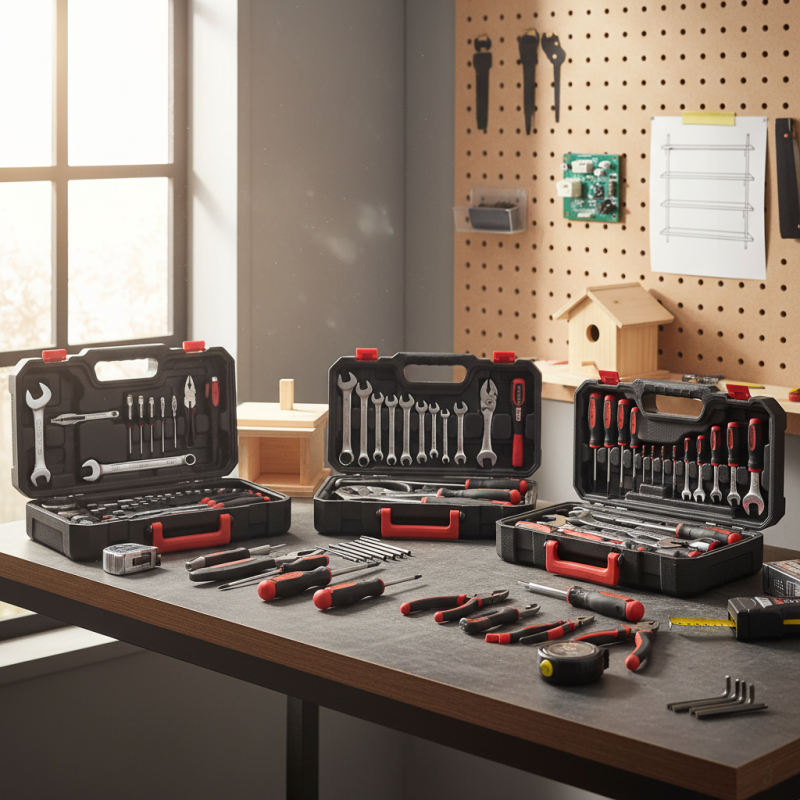
A tool set is often the cheapest way to get many basic items at once. Individual tools usually offer better control over quality and reduce unwanted pieces.
| Buying method | Main benefit | Main limitation |
|---|---|---|
| Large tool set | Low cost per item and easy storage | May include weak or unused tools |
| Small starter kit | Covers common repairs | May lack specialty sizes |
| Individual tools | Lets you choose quality and size | Costs more when bought one at a time |
| Professional set | Better for frequent, demanding work | Higher upfront cost |
| Used tools | Can offer good value | Condition and warranty may be uncertain |
A small, well-chosen kit usually beats a large kit with poor screwdrivers, thin pliers, and incomplete socket sizes.
For used tools, inspect the jaws, tips, ratchet action, handles, and signs of cracks. Avoid tools with mushroomed striking surfaces, bent shafts, damaged insulation, or missing safety parts.

Which Hand Tool Brands Are Worth Considering?
Brand names can help, but they should not replace inspection. Different brands may be strong in different tool categories, and product quality can vary by line.
In the U.S. market, buyers often compare brands such as:
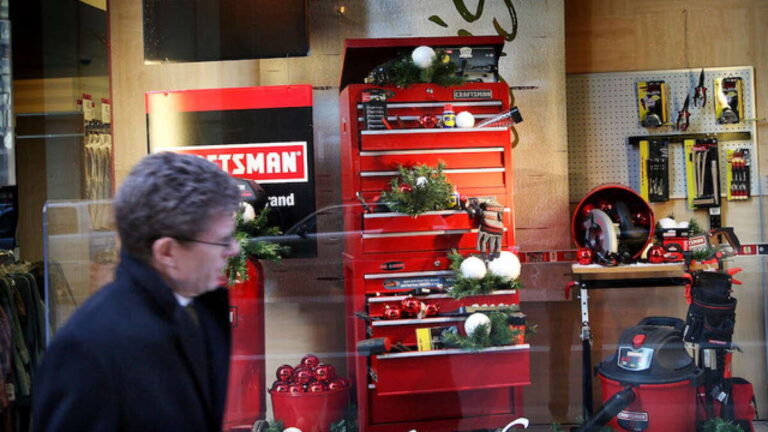
- Craftsman
- Channellock
- Klein Tools
- Stanley
- Milwaukee
- Husky
- Knipex
- Wiha
- Wera
- Tekton
- GearWrench
- Snap-on
This list is not a universal ranking. Some brands focus on pliers, some on electrical tools, some on screwdrivers, and others on automotive tools.
For example, an electrician may value tools designed for electrical work, while an automotive technician may place more weight on socket accuracy and ratchet durability. Compare the exact tool, warranty, size range, and intended use.
Be careful with claims such as “professional grade” or “military grade.” Those phrases do not tell you enough by themselves. Look for clear specifications, recognized standards where relevant, and a return policy.

Common Hand Tool Buying Mistakes
Buying the biggest set
Large sets can look like a bargain. They often contain tools you will not use while leaving gaps in common sizes.
Better approach: Buy the core tools first. Track which tool you need next, then add it.
Choosing the cheapest cutting tools
Low-cost cutters may dull quickly, develop rough hinges, or fail to cut cleanly.
Better approach: Spend more on tools that cut, grip, or apply force. These tools see more stress than a simple measuring tool.
Using the wrong tool
A screwdriver is not a chisel. Pliers are not a wrench. A knife is not a scraper. Using a tool outside its design can damage the tool and cause injury.
Better approach: Stop when a fastener slips, a handle flexes, or the tool needs extreme force. Find the correct tool or ask for help.
Ignoring metric sizes
Many products sold in the United States use metric fasteners. Furniture, bicycles, appliances, cars, and imported equipment may all need metric tools.
Better approach: Buy metric and SAE sizes when purchasing sockets or hex keys.
Storing tools while wet
Moisture can cause rust, especially in uncoated steel tools and tool boxes.
Better approach: Wipe tools dry, keep them in a dry space, and use light rust protection when appropriate. Keep oil away from tool handles where it could make them slippery.
Trusting a damaged tool
A cracked handle, bent shaft, split insulation, or loose hammer head is a warning.
Better approach: Remove damaged tools from service. Do not repair a critical safety part with tape or glue unless the manufacturer gives an approved repair method.
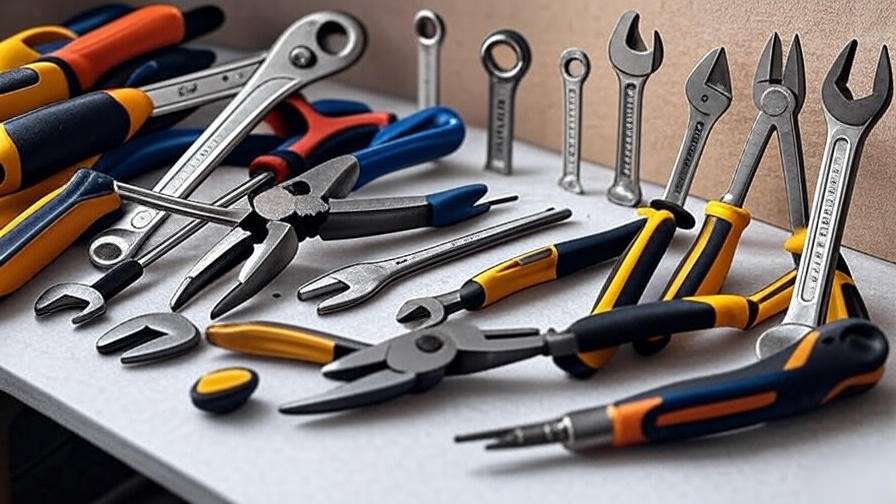
Hand Tool Safety for U.S. DIY Projects
The Occupational Safety and Health Administration advises employers to maintain hand tools and use them properly. Its general hand-tool guidance includes removing damaged tools from service and using the correct tool for the job. See OSHA hand and power tools guidance.
Use these basic rules:
- Wear safety glasses when cutting, striking, scraping, or working under a vehicle.
- Keep cutting edges sharp and pointed away from your body.
- Keep both hands behind the cutting path.
- Use a stable work surface.
- Do not add a pipe to a wrench for extra leverage unless the tool maker specifically allows it.
- Do not strike a wrench with a hammer unless it is designed for striking.
- Keep tool handles clean and dry.
- Do not use ordinary tools on energized electrical equipment.
- Use tools with the correct insulation and rating only when the work and tool instructions allow it.
- Follow local codes and permit rules for electrical, plumbing, gas, and structural work.
A tool labeled “insulated” is not automatically safe for live electrical work. Electrical work can cause shock, arc flash, burns, fire, or death. De-energize the circuit, verify it is de-energized with an appropriate tester, and use a qualified electrician when you are not trained for the task.

A Simple Hand Tool Buying Plan
If you are starting from nothing, buy in this order:
First purchase
- Claw hammer
- Tape measure
- Phillips and slotted screwdrivers
- Combination pliers
- Adjustable wrench
- Utility knife
- Hex key set
- Small level
Second purchase
- Socket and ratchet set
- Long-nose pliers
- Tongue-and-groove pliers
- Combination wrench set
- Pry bar
- Better storage
Buy only when needed
- Torque wrench
- Basin wrench
- Pipe cutter
- Locking pliers
- Chisels
- Specialty automotive sockets
- Electrical tools
- Masonry tools
- Precision drivers
This order gives you broad coverage without forcing you to pay for tools that may stay unused.
Frequently Asked Questions
What is the best hand tool set for a beginner?
A good beginner set has screwdrivers, pliers, a hammer, tape measure, adjustable wrench, utility knife, level, hex keys, and a small socket set. Choose a smaller set with solid working ends rather than a very large set with poor fit and weak handles.
Are expensive hand tools worth it?
They can be worth the cost if you use them often, need precise fit, or work with high force. For occasional home repairs, mid-priced tools are often enough. Spend more on pliers, cutters, sockets, and tools that could damage a fastener if they fit poorly.
Should I buy metric or SAE hand tools?
In the United States, buy both when purchasing socket sets or hex keys. SAE sizes remain common, but metric fasteners are also widespread in vehicles, furniture, appliances, and imported products.
What tools should never be used together?
Do not use a screwdriver as a chisel, pliers as a substitute for a wrench on finished fasteners, or a non-striking wrench with a hammer. Do not use ordinary hand tools on energized electrical circuits.
How should I store hand tools?
Keep tools dry and organized so you can spot damage. Store cutting tools with their edges protected. Keep sockets and hex keys labeled by size. A tool bag works for small kits; a drawer chest is better for a larger collection.
When should I hire a professional?
Hire a qualified professional for live electrical work, gas lines, major plumbing changes, structural repairs, work under an unsupported vehicle, and tasks that require permits or specialized training. Stop if the job presents a risk you cannot control.
Conclusion: The Best First Tools Are the Ones You Will Use
For most people in the United States, the best hand tools to buy are a balanced starter set of screwdrivers, pliers, a hammer, tape measure, adjustable wrench, utility knife, hex keys, level, and sockets.
Choose fit, comfort, durability, and safe use over the biggest tool count. Buy metric and SAE sizes where practical. Add specialty tools only when your projects show you what you need next.
Recent Tool Guides
 Hammer
How To Hammer Flowers Onto Paper: Easy Guide
Learn how to hammer flowers onto paper with simple steps, helpful tips, and beautiful results for...
Read Guide → Wrench
How To Use A Hex Wrench: Easy Step-By-Step Guide
Learn how to use a hex wrench correctly with simple steps, helpful tips, and common mistakes...
Read Guide → Hacksaw
How To Cut Curtain Pole With Hacksaw: Easy Guide
Learn how to cut curtain pole with hacksaw safely and neatly. Follow simple steps for accurate...
Read Guide → Wrench
How To Use A Husky Torque Wrench: Easy Guide
Learn how to use a Husky torque wrench correctly with simple steps, torque settings, and safety...
Read Guide → Hammer
How To Hold A Hammer: Safe Grip Guide
Learn how to hold a hammer with the right grip, stance, and technique for safer, more...
Read Guide → Hacksaw
How To Cut Flexible Metal Conduit With Hacksaw: Easy Guide
Learn how to cut flexible metal conduit with hacksaw safely and cleanly. Follow simple steps for...
Read Guide →