

Use the Rug Doctor Pro hand tool by spraying lightly, scrubbing gently, and extracting slowly until the area is clean.
Learning how to use Rug Doctor Pro hand tool correctly can refresh stairs, upholstery, car seats, and small carpet spots without soaking them. This guide explains the setup, cleaning method, drying steps, common mistakes, and safety tips in simple terms.
What Is the Rug Doctor Pro Hand Tool?
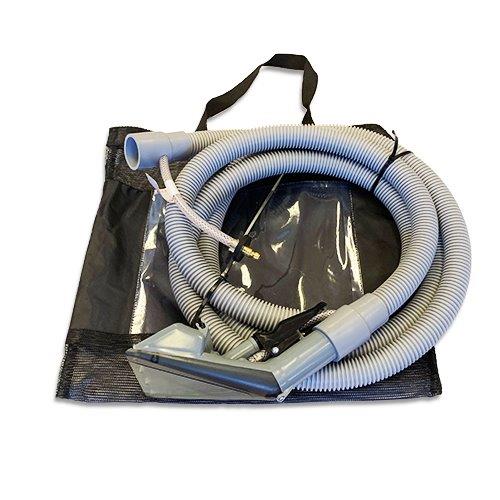
The Rug Doctor Pro hand tool is a small cleaning attachment made for detailed work. It connects to a compatible Rug Doctor carpet cleaning machine and uses water, cleaning solution, agitation, and suction.
It is useful for areas that a large carpet machine cannot reach well, such as:
• Upholstered chairs and sofas
• Carpeted stairs
• Car seats and floor mats
• Tight corners and edges
• Small stains and spills
• Mattresses, when the fabric and machine instructions allow it
The tool has two main jobs. It sprays cleaning liquid onto the surface, then pulls dirty water back into the machine. Think of it as a small window cleaner for fabric: the spray loosens dirt, while the suction removes it.
Before learning how to use Rug Doctor Pro hand tool, check the label on the fabric or carpet. Some materials, such as silk, velvet, leather, delicate woven fabrics, and fabrics that bleed color, may need professional care.
What You Need Before You Start
Good results begin before you turn on the machine. Prepare the area and gather the right supplies.
You will need:
• A compatible Rug Doctor machine
• The Rug Doctor Pro hand tool and hose
• The recommended Rug Doctor cleaning solution
• Warm water, following the machine’s fill instructions
• A vacuum cleaner
• White towels or clean absorbent cloths
• A small soft brush for testing
• Fans or open windows for drying
Read the machine and hand tool instructions before use. Model designs can vary, so the clean-water tank, dirty-water tank, hose connection, and solution measurements may not be identical.
Do not mix carpet cleaning formulas with bleach, dish soap, ammonia, vinegar, or other household chemicals. Mixing products can damage fibers and may create harmful fumes.
How to Use Rug Doctor Pro Hand Tool Step by Step
The best method is slow and controlled. More water does not mean more cleaning. In most cases, too much water creates a longer drying time and can leave marks or odors.
1. Vacuum the surface first
Vacuum loose dirt, crumbs, hair, and dust before wet cleaning. Pay close attention to seams, corners, and under cushions.
Dry debris can turn into mud when mixed with cleaning solution. Removing it first helps the hand tool work more effectively.
2. Check the fabric or carpet
Look for the care label. Codes may show whether the material can be cleaned with water.
Test a hidden spot before cleaning the full area:
- Apply a small amount of solution to an unseen area.
- Press it with a white towel.
- Wait several minutes.
- Check for color transfer, fading, texture changes, or water marks.
If color appears on the towel or the fabric changes, stop. A professional cleaner may be safer.
3. Fill the machine correctly
Fill the clean-water tank with the amount and temperature listed in the machine instructions. Use warm water if the manual permits it, but never use boiling water.
Add the recommended cleaning formula at the correct rate. Extra solution does not improve the result. It can leave sticky residue that attracts new dirt.
4. Connect the Pro hand tool
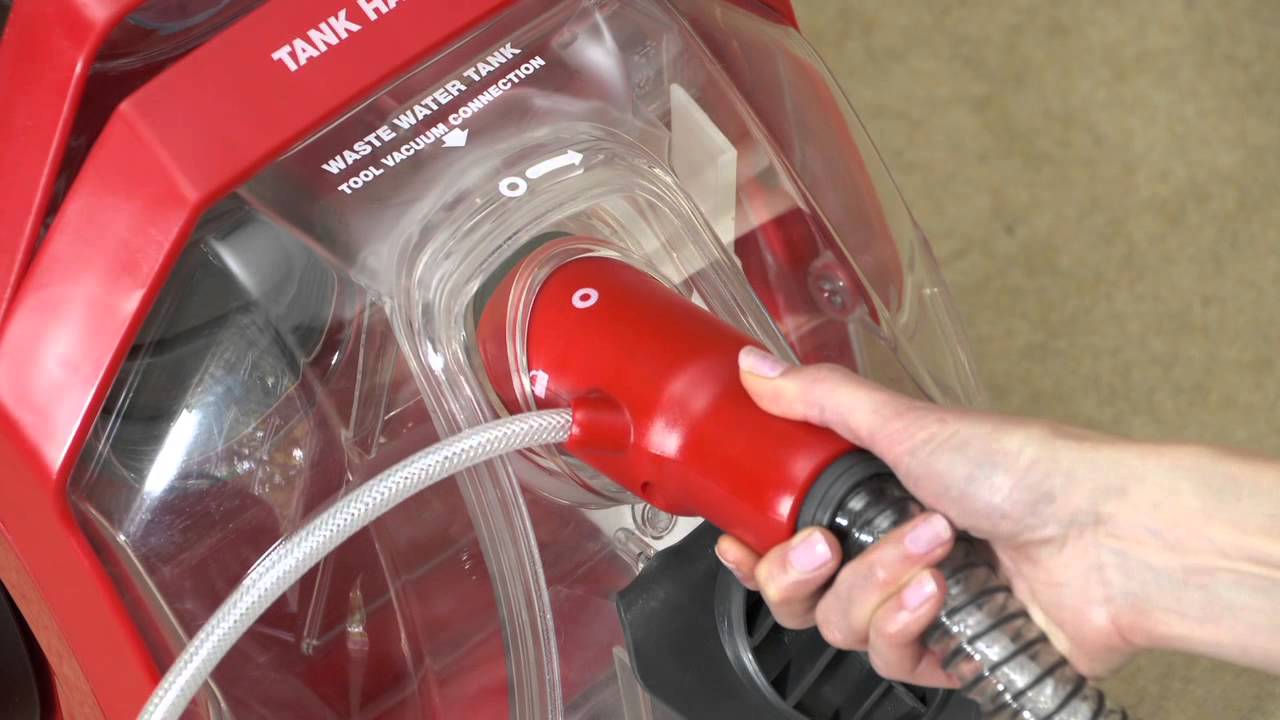
Turn the machine off before connecting the hose. Attach the hose firmly to the machine and connect the Rug Doctor Pro hand tool to the hose.
Check that the connection feels secure. A loose connection can reduce suction or cause water to leak onto the floor.
5. Work in small sections
Divide the surface into sections of about 2 square feet. Small sections help you control moisture and prevent missed spots.
Hold the tool flat against the surface. Do not press so hard that the spray head or suction opening becomes blocked.
6. Spray a light amount of solution
Squeeze the hand tool trigger briefly while moving the tool across the fabric or carpet. Use a light, even spray.
For a small stain, make one or two short spray passes. Let the solution sit for the time listed on the product label. This gives the formula time to loosen soil.
Avoid flooding the area. Upholstery foam and carpet padding can hold water for a long time.
7. Scrub gently when needed
Move the tool back and forth over stubborn soil with gentle pressure. Do not grind the stain into the fibers.
For delicate upholstery, use less agitation. Strong rubbing can spread the stain, flatten the nap, or damage the weave.
8. Extract slowly
Release the spray trigger. Then pull the tool slowly across the wet section to remove dirty water.
Make several dry extraction passes without spraying. Slow passes usually remove more moisture than fast passes. Keep the suction opening in contact with the surface.
This is the most important part of how to use Rug Doctor Pro hand tool. Spraying loosens dirt, but extraction removes the moisture and suspended soil.
9. Overlap each pass
Overlap each cleaning pass by about one-third of the tool’s width. This prevents stripes and untreated lines.
Keep your strokes straight when possible. On upholstery, follow the shape of the cushion and avoid forcing water into seams.
10. Blot and dry the area
Press a clean white towel against the cleaned area. Do not rub. Blotting helps remove surface moisture without damaging the fibers.
Set up fans, open windows, or run an air conditioner or dehumidifier. Drying may take several hours, depending on the material, airflow, humidity, and amount of water used.

How to Clean Upholstery With the Pro Hand Tool
Upholstery needs extra care because its fabric, padding, and frame can react differently to water. Always check the care label and test for colorfastness first.
When learning how to use Rug Doctor Pro hand tool on a sofa or chair, remove loose cushions if the care label allows it. Clean one cushion at a time and keep the fabric as dry as possible.
Use this process:
- Vacuum the cushion and the surrounding upholstery.
- Test the cleaning solution in a hidden area.
- Spray a small section lightly.
- Extract the section with slow passes.
- Blot with a white towel.
- Continue until the cushion is complete.
- Stand cushions upright so air can move around them.
Do not soak the inside of a cushion. Excess moisture can remain in the foam and create a musty smell. Avoid cleaning directly over wood trim, metal parts, electrical controls, or loose seams.
For microfiber, velvet, leather, and antique fabric, use the care label as the main guide. A carpet extractor is not automatically suitable for every upholstery material.
How to Clean Carpeted Stairs and Small Spots
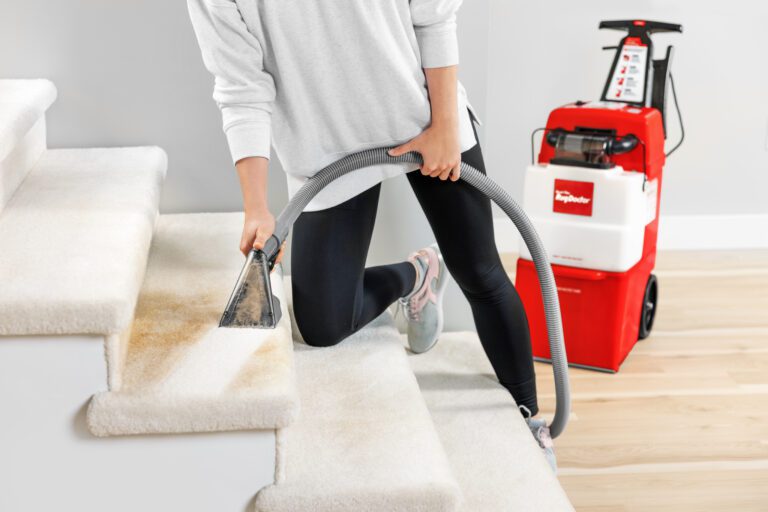
The Pro hand tool is often easier to control on stairs than a full-size carpet head. Start at the top and work downward so you do not step on wet areas.
Vacuum every stair first. Clean the tread, then the front edge, using only enough spray to loosen the soil. Extract each step slowly before moving to the next one.
For a spot on wall-to-wall carpet, clean beyond the visible stain by a few inches. A stain can spread below the surface, and cleaning only the center may leave a dark ring.
When learning how to use Rug Doctor Pro hand tool on a spot, avoid repeated soaking. If the mark remains after one careful cleaning, let the area dry fully before trying another treatment. Some stains need a specialized product or professional service.
Cleaning Car Seats and Floor Mats
The Rug Doctor Pro hand tool can be useful for fabric car seats and removable carpet mats. First, check for wiring, airbags, seat controls, and sensitive electronics.
Remove floor mats from the vehicle when possible. Vacuum them outside, clean them on a suitable surface, and allow them to dry completely before putting them back.
For fabric seats:
• Vacuum seams and gaps carefully.
• Use a light spray.
• Keep the tool away from switches and electrical controls.
• Extract slowly to reduce moisture.
• Leave doors open in a safe, ventilated area while the seats dry.
Never use a water-based cleaning method on leather unless the leather care instructions approve it. Do not saturate seat cushions, headliners, door panels, or areas near airbags.
How Much Solution and Water Should You Use?
Use the amount listed in the cleaning formula and machine manual. The correct amount depends on the machine model, solution type, and tank size.
A simple rule is to use enough solution to dampen the surface, not soak it. The surface should feel slightly wet during cleaning, but water should not pool, run into seams, or reach the padding below.
Using too much solution may cause:
• Slow drying
• Sticky residue
• Re-soiling
• Water marks
• Musty odors
• Damage to backing or padding
If the hand tool leaves the area very wet, make extra suction-only passes. If the surface still stays wet after several passes, stop cleaning and improve airflow rather than adding more solution.
Common Mistakes to Avoid
Even a good machine can produce poor results when the technique is rushed. These are the most common mistakes I see when explaining how to use Rug Doctor Pro hand tool.
Spraying too much
Large amounts of water can move stains deeper into padding. Light sprays and slow extraction are safer.
Moving too quickly
Fast strokes leave dirty water behind. Pull the tool slowly and make extra dry passes.
Skipping the test patch
A fabric may bleed or change texture even when it looks durable. Always test a hidden area first.
Scrubbing too hard
Hard scrubbing can damage carpet tips and upholstery fibers. Let the cleaning formula do part of the work.
Using the wrong chemical
Household soap may foam heavily or leave residue. Use the formula approved for the machine.
Cleaning without vacuuming
Dry dirt can become wet grit. Vacuuming first improves both cleaning and drying.
Closing the room after cleaning
A damp room dries slowly. Use airflow right away.
Walking on wet carpet
Foot traffic can flatten fibers and bring in new soil. Keep people and pets away until the area is dry.
In my own cleaning tests, the biggest improvement usually comes from slowing down the extraction pass, not from adding more formula. A patient pass often beats an aggressive scrub.
How to Get Better Results From the Rug Doctor Pro Hand Tool
A few small habits can make the process more consistent.
• Treat spills quickly, but blot instead of rubbing.
• Clean from the outside of a stain toward the center.
• Use white towels so you can see color transfer.
• Rinse or change towels when they become dirty.
• Clean matching cushions evenly to prevent color differences.
• Keep the tool moving while spraying.
• Make dry passes after every wet pass.
• Ventilate the space until the material is fully dry.
Some stains cannot be removed because they have permanently changed the fiber. Bleach marks, rust, burns, hair dye, and long-set oil stains may need professional treatment or replacement.
Cleaning also has limits. The Rug Doctor Pro hand tool removes soil and some stains, but it cannot repair damaged fabric, restore faded color, or fix padding that has already developed mold.
How to Clean and Store the Hand Tool
Clean the attachment after every use. Dirty residue left inside the tool can cause odors and reduce performance.
Follow these steps:
- Turn off and unplug the machine.
- Disconnect the hand tool and hose.
- Empty the dirty-water tank.
- Rinse the tool with clean water as directed.
- Check the spray opening for lint or debris.
- Wipe the exterior with a clean cloth.
- Allow the tool and hose to air-dry.
- Store the parts in a dry place without sharp bends in the hose.
Never store the tool while it is wet and sealed in a bag or closed container. Air drying helps reduce odor and microbial growth.
Clean the machine tanks as well. A clean tank and hose are part of using the Rug Doctor Pro hand tool safely and effectively.

Rug Doctor Pro Hand Tool Safety Tips
Use basic safety habits every time:
• Keep electrical plugs and connections dry.
• Do not pull the machine by its cord or hose.
• Keep children and pets away from wet floors.
• Wear gloves if you have sensitive skin.
• Improve ventilation when using cleaning products.
• Follow the product label and machine manual.
• Stop if the fabric bleeds, shrinks, or develops an unusual odor.
• Do not use the tool on materials not approved for water cleaning.
People with asthma or chemical sensitivities may prefer extra ventilation or professional cleaning. Never mix cleaning chemicals, even if a stain is difficult.
Frequently Asked Questions About How to Use Rug Doctor Pro Hand Tool
Can I use the Rug Doctor Pro hand tool on a couch?
You can use it on many water-safe fabric couches, but check the care label and test a hidden spot first. Use light spray and slow extraction to avoid soaking the cushion.
Do I spray while pulling the Pro hand tool?
Apply a short spray while moving the tool, then release the trigger and pull slowly to extract. Several suction-only passes help remove extra moisture.
How long does upholstery take to dry after using the hand tool?
Drying often takes several hours, but humidity, airflow, fabric type, and moisture level can change the time. Use fans and do not use the furniture until it is fully dry.
Can I use regular dish soap in the Rug Doctor Pro hand tool?
No. Dish soap can create excess foam and leave residue in the machine or fabric. Use the cleaning formula approved for the Rug Doctor machine.
Why is my carpet still wet after using the hand tool?
The tool may have been moved too quickly, or too much solution may have been applied. Make slow suction-only passes and increase airflow in the room.
Can the Pro hand tool remove every stain?
No. It can remove many types of soil and spills, but permanent dye, rust, burns, bleach damage, and old oil stains may not come out. Some stains require a specialist.
How often should I clean the hand tool?
Rinse and air-dry the tool after every use. Regular cleaning prevents residue, odors, and blocked spray openings.
Conclusion
Knowing how to use Rug Doctor Pro hand tool comes down to four habits: vacuum first, spray lightly, extract slowly, and dry the area fully. Always test the material, follow the machine instructions, and avoid flooding upholstery or carpet padding.
The hand tool works best when you treat it as a controlled extraction device, not a pressure washer. Start with a small section, watch the moisture level, and adjust your technique as you learn how the fabric responds.
Try these steps on a safe test area before tackling the full job. If you have a difficult stain or delicate material, consider professional advice and share your cleaning experience in the comments.
