Can I Cut Steel With A Hacksaw: Safe Cutting Guide
Yes, you can cut steel with a hacksaw. A manual hacksaw can cut steel tubing, threaded rod, bolts, flat bar, sheet metal, and other small metal parts. The job works best when you use a sharp bi-metal blade, clamp the steel firmly, and let the blade do the work.
A hacksaw is slow, but it is useful for home repairs, plumbing work, auto projects, metalwork, and jobs where power tools are not available. It also creates less heat and noise than an angle grinder or reciprocating saw.
The main limits are size, hardness, and time. A hacksaw may struggle with thick steel, hardened steel, or large cuts. For those jobs, a powered metal-cutting tool may be a better choice.

What Kind of Steel Can a Hacksaw Cut?
A hacksaw can cut many common steel products, including:
- Mild steel bar
- Steel pipe and tubing
- Threaded rod
- Bolts and screws
- Flat steel stock
- Thin sheet metal
- Steel brackets
- Metal conduit
- Stainless steel, with the right blade and technique
The steel type matters because some steel is soft and easy to cut, while other steel is hardened and resists the teeth. Mild steel is usually the easiest type for a hand hacksaw. Stainless steel can also be cut, but it may work-harden if you use too little pressure or let the blade rub without cutting.
A hacksaw can cut steel, but it is not ideal for every steel part. A thin bolt may take only a few minutes. A thick steel plate may take much longer and may wear out several blades.
Hacksaw size and cutting capacity
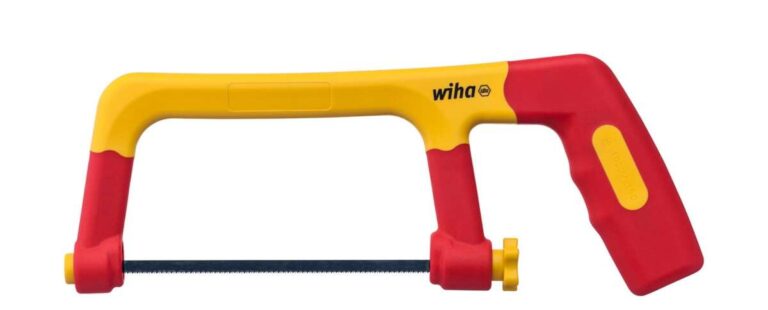
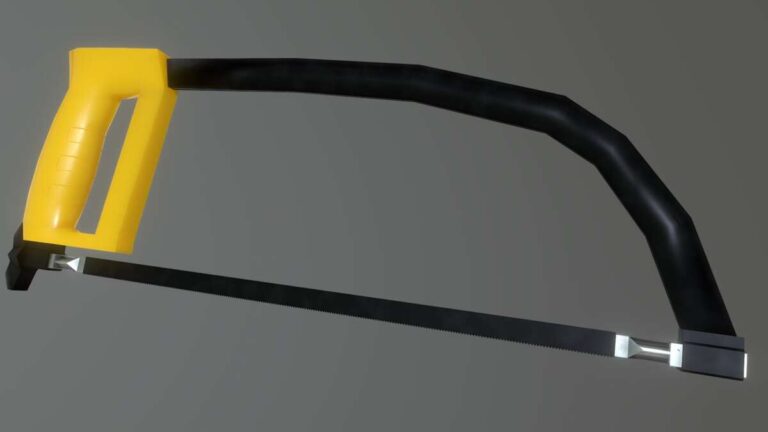
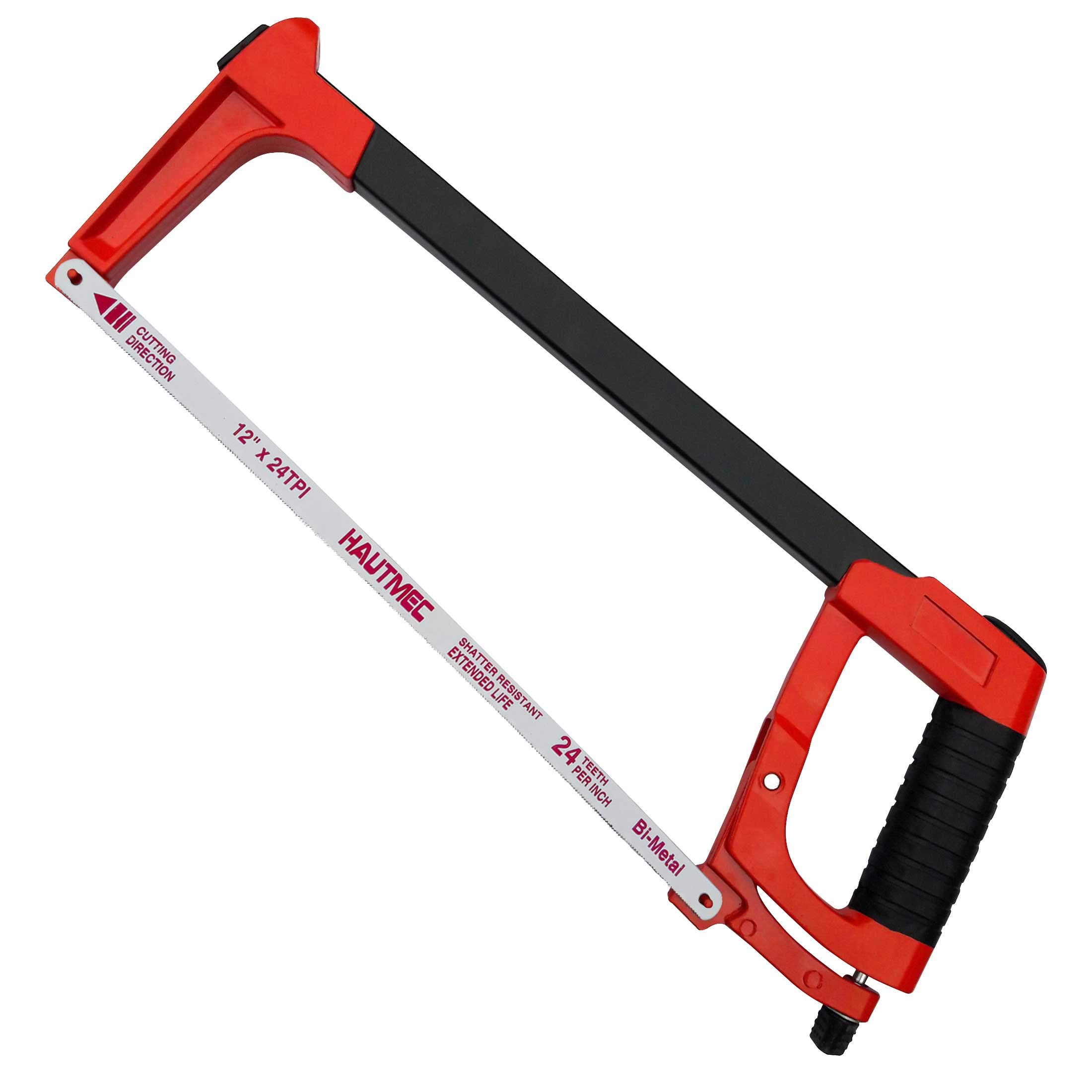
Most standard hacksaws use blades about 12 inches long. The frame holds the blade under tension and lets you make long, straight strokes.
A compact hacksaw can work in tight spaces, but its shorter blade removes less metal per stroke. A full-size frame is often more efficient for thick stock because it gives you a longer cutting motion.
The frame must also provide enough clearance around the steel. If the frame hits the workpiece, you may not be able to complete the cut.
Choose the Right Hacksaw Blade
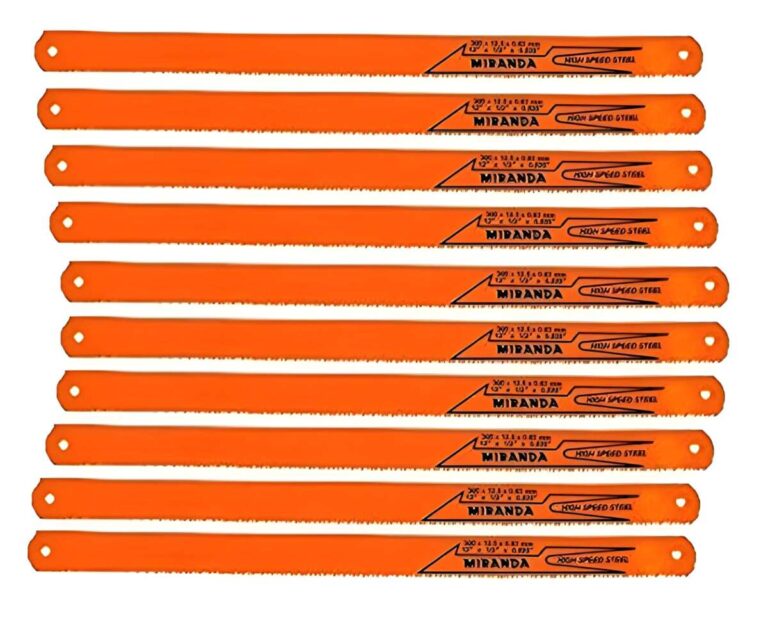
The blade is the most important part of the setup. Use a blade made for metal, not a wood-cutting blade.
Use a bi-metal blade for general steel work
A bi-metal blade is a strong general choice for steel. It combines a flexible blade body with harder teeth. This helps reduce tooth breakage while keeping the cutting edge hard.
High-speed steel, or HSS, blades can also cut steel. They may work well on hard metal, but they can be less forgiving if the blade bends or twists.
Avoid using a dull blade. A dull blade makes the job slower, creates more friction, and increases the chance that the blade will slip.
Pick the correct teeth per inch
Hacksaw blades are sold by teeth per inch, or TPI. The right TPI depends on the thickness of the steel.
| Steel thickness or type | Useful blade range |
|---|---|
| Thin sheet metal | 24–32 TPI |
| Small tubing and thin wall pipe | 24–32 TPI |
| General steel bar and pipe | 18–24 TPI |
| Thick steel stock | 14–18 TPI |
As a basic rule, at least two or three teeth should touch the steel during each stroke. If the teeth are too large for thin metal, they may catch and tear the edge. If the teeth are too fine for thick steel, the cut can be slow and the teeth may clog.
For a steel tube, choose a fine or medium blade. A coarse blade can catch on the far wall after it breaks through the first wall.
Check the blade direction
most hacksaw blades cut on the forward stroke. Install the blade so the teeth point away from the handle.
Some frames allow the blade to be installed in either direction. Follow the frame instructions if your tool uses a different design.
A blade installed backward will not cut properly. It may slide across the steel and create heat instead of removing metal.

How to Cut Steel With a Hacksaw
Follow these steps for a clean and controlled cut.
1. Measure and mark the steel
Mark the cut line with a permanent marker, scribe, or layout fluid. A square can help you draw a straight line around tubing or bar stock.
For a bolt or threaded rod, mark the exact length you need. Leave a small amount of extra material if you plan to file the end smooth.
A clear mark helps you avoid starting the cut in the wrong place. It also gives you a line to follow as the cut becomes deeper.
2. Secure the steel
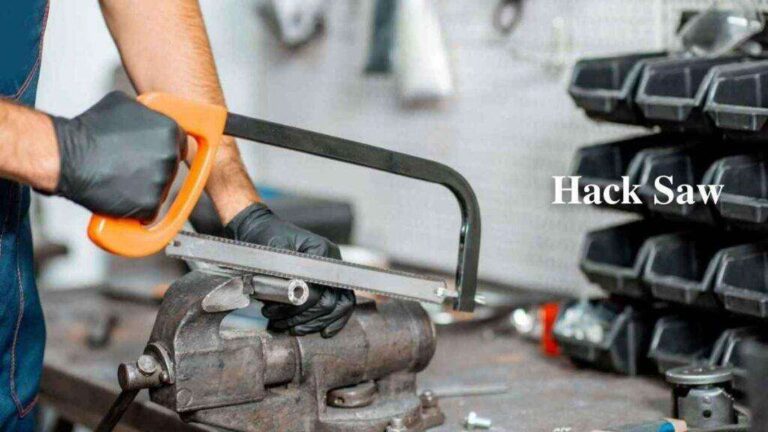
Clamp the steel in a vise before cutting. The workpiece should not move, rock, or vibrate.
Place the clamp close to the cut, but do not cover the cut line. If the steel extends far beyond the vise, support the free end to reduce movement.
Do not hold steel in your hand while cutting. The blade can slip, and the loose part may twist or fall when the cut is nearly complete.
For thin sheet metal, use backing or clamp the material between pieces of scrap wood. This can reduce vibration and help prevent a jagged edge.
3. Install and tension the blade
Fit the blade into the frame with the teeth facing forward. Tighten the frame until the blade is firm.
The blade should not hang loose, but do not overtighten it. Excessive tension can damage some frames or cause the blade to snap.
Replace a blade that is bent, cracked, missing teeth, or badly worn.
4. Start a shallow groove
Place the blade on the cut mark. Use short, light strokes to start a groove.
Keep the blade at about a 90-degree angle to the steel for a straight cut. For small round stock, you can begin with the frame slightly tilted, then level it after the groove is established.
Starting slowly helps keep the blade from wandering. Once the groove is clear, use longer strokes.
5. Use steady forward strokes
Push the blade forward with moderate pressure. Lift or ease pressure on the return stroke.
Do not force the blade. The teeth should remove small chips of steel with each forward pass. Too much force can bend the blade, break teeth, or make the cut crooked.
Use as much of the blade length as the space allows. Long strokes spread wear across more teeth and reduce the chance of wearing one small area too quickly.
6. Keep the cut straight
Watch both the cut line and the blade angle. If the blade starts to lean, stop and correct it before the groove becomes deep.
A twisted blade can bind in the cut. It may also produce an angled end that requires extra filing.
For a precise cut, keep the hacksaw frame square to the workpiece. Take your time near the end, when the remaining steel is thin.
7. Finish the cut carefully
Reduce pressure as the blade nears the other side. The final section can break suddenly.
Support the cut-off piece so it does not bend and pinch the blade. After the cut is complete, inspect both pieces for sharp edges and burrs.
Use a metal file or deburring tool to smooth the edge. Do not run your bare hand along the cut edge; even a small burr can cause a deep cut.

How Long Does It Take to Cut Steel With a Hacksaw?
The time depends on the steel’s thickness, hardness, shape, blade condition, and your cutting technique.
A small steel bolt may take one to three minutes. A thin-wall tube may take several minutes. Thick bar stock can take much longer, especially if the blade is fine or the steel is hard.
A simple way to estimate the work is to compare the steel’s cross-sectional area:
- A 1/4-inch bolt has a small area to cut.
- A 1-inch square bar has about 16 times the cross-sectional area of a 1/4-inch square bar.
- A tube may look large but can cut faster than solid bar because only the wall must be removed.
These are geometric comparisons, not time guarantees. Steel hardness and blade condition can change the result.
If you make little progress after several minutes, stop and check the blade. Common causes include a backward blade, dull teeth, poor tension, loose workholding, or a blade with the wrong TPI.
Can a Hacksaw Cut Stainless Steel?
Yes, a hacksaw can cut stainless steel, but stainless steel needs careful technique.
Use a sharp bi-metal blade with a medium or fine tooth count. Clamp the material firmly and use steady pressure. Avoid light rubbing strokes because friction can heat and harden the surface.
Stainless steel may become harder at the cut if the blade slips over the surface without removing material. Once that happens, the next teeth may have more trouble cutting.
Keep the blade moving with controlled strokes. If the blade becomes hot, pause and let the steel cool. Do not use excessive force to compensate for a dull blade.
Can a Hacksaw Cut Hardened Steel?
A hacksaw may cut some hardened steel, but the job can be difficult or impractical.
Hardened steel is designed to resist wear and cutting. A normal hacksaw blade may skate across the surface, lose its teeth, or make very slow progress.
For a hardened bolt, hardened shaft, tool steel, or heat-treated part, consider a tool designed for that material. Options may include:
- An abrasive cutoff wheel
- A carbide-rated cutting tool
- An angle grinder
- A metal-cutting band saw
- Professional machining equipment
Do not assume that a metal-colored part is hardened. If you do not know the material, begin with a new metal-cutting blade and use light test strokes. Stop if the blade only rubs, heats, or slips.
Hacksaw Safety for Cutting Steel
Wear safety glasses or safety goggles while cutting. Small metal chips and broken teeth can travel toward your face.
Use work gloves when handling the steel, but keep gloves away from moving powered tools. For a hand hacksaw, gloves can help protect against sharp edges, but they do not replace safe clamping and careful handling.
Follow these safety practices:
- Clamp the steel securely.
- Keep both hands behind the blade teeth.
- Keep the blade aligned with the cut.
- Replace damaged or loose blades.
- File sharp edges after cutting.
- Keep the work area clear.
- Do not use a hacksaw with a cracked frame.
- Wear hearing protection if nearby power tools are running.
- Use ventilation if cutting creates dust, coating residue, or fumes.
- Check the steel for paint, plating, or other coatings before cutting.
U.S. workplace rules address eye protection and the safe condition of hand tools. OSHA’s general hand-tool and eye-protection requirements are useful references for workplaces, but they do not replace the instructions for your specific tool or material.

Common Hacksaw Problems and Fixes
The blade will not cut
Check that the teeth face forward and that the blade is made for metal. A worn blade is the most common cause.
Also check whether the workpiece is moving. A loose part can absorb your cutting motion instead of allowing the teeth to remove steel.
The blade keeps breaking
The blade may be too tight, too loose, or twisted during the stroke. It may also be too fine for the material or damaged from previous use.
Keep the frame square and avoid turning the blade while it is inside the cut. Let the blade do the work instead of pushing hard.
The cut is crooked
A crooked cut usually starts with a poor groove or a tilted frame. Stop early and correct the angle.
For important cuts, mark the line clearly on all visible sides. On square stock, check the blade against the side and top faces as you progress.
The teeth clog with metal
Fine teeth can fill with chips when used on thick steel. Switch to a coarser blade if the material allows it.
You can also clear the cut by lifting the blade slightly on the return stroke. Do not scrape aggressively or force the blade sideways.
The steel gets hot
Heat can result from a dull blade, too much pressure, or fast rubbing without proper cutting. Stop and inspect the blade.
For some steel cuts, a suitable cutting lubricant can reduce friction. Use only a product that is appropriate for the material and tool, and keep liquids away from electrical tools and ignition sources.
Hacksaw or Power Tool: Which Should You Use?
A hacksaw is a good choice when the steel is small, the cut must be controlled, or you only need to make a few cuts.
Choose a powered tool when the steel is thick, the job involves many cuts, or time matters more than quiet operation. An angle grinder is fast, but it creates sparks and abrasive dust. A reciprocating saw can reach awkward areas, but it may produce a rougher cut. A band saw can make clean, repeatable cuts when the material fits the machine.
| Tool | Best use | Main trade-off |
|---|---|---|
| Hacksaw | Small, controlled cuts | Slow and tiring |
| Angle grinder | Fast cuts in many steel shapes | Sparks, noise, and dust |
| Reciprocating saw | Tight or awkward spaces | More vibration and less control |
| Metal-cutting band saw | Repeated straight cuts | Larger and less portable |
| Bolt cutter | Certain soft bolts or rods | Does not make a saw cut and may deform the steel |
The best tool depends on the steel, the cut location, the finish you need, and the safety controls available.

Key Takeaways
- Yes, a hacksaw can cut steel.
- Use a sharp metal-cutting bi-metal blade.
- Match the blade’s TPI to the steel thickness.
- Clamp the steel before cutting.
- Start with short strokes, then use steady full strokes.
- Keep the frame square and do not force the blade.
- Wear eye protection and file the cut edge when finished.
- Use a power tool for thick, hard, or high-volume steel cutting.
FAQs
Can I cut a steel pipe with a hacksaw?
Yes. Clamp the pipe firmly, use a 24–32 TPI blade for thin-wall pipe, and keep the blade square to the pipe. Rotate the pipe or work around the marked line if you cannot complete the cut from one position.
Can I cut a steel bolt with a hacksaw?
Yes. Secure the bolt in a vise and use a fine or medium metal-cutting blade. Afterward, file the end and clean the threads. You can place a nut on the bolt before cutting, then remove the nut to help restore the thread near the cut.
Can I cut rebar with a hacksaw?
Yes, but it is slow. A coarse bi-metal blade can work for one or two cuts. For repeated cuts or thick rebar, a powered metal-cutting tool is usually more practical.
Should I use oil when cutting steel with a hacksaw?
Sometimes. A small amount of suitable cutting fluid may reduce friction, but it is not always needed for thin steel. Keep the blade moving, avoid excess fluid, and clean the steel afterward. Never allow fluid to create a slip hazard.
When should I stop using a hacksaw?
Stop when the blade is dull, damaged, bent, missing teeth, or unable to cut after you confirm the setup is correct. Also stop if the steel is too thick or hard for safe manual cutting. A different tool may be safer and more efficient.
Conclusion
A hacksaw can cut most small and moderate steel parts when you use the right blade and a firm setup. The basic method is simple: mark the steel, clamp it, start a groove, use steady forward strokes, and finish slowly.
For mild steel, a sharp bi-metal blade is usually enough. For stainless or hardened steel, expect more resistance and use extra care. If the cut is thick, repeated, or difficult, choose a suitable powered metal-cutting tool instead of forcing the hacksaw.
Recent Tool Guides
 Hammer
How To Hammer Flowers Onto Paper: Easy Guide
Learn how to hammer flowers onto paper with simple steps, helpful tips, and beautiful results for...
Read Guide → Wrench
How To Use A Hex Wrench: Easy Step-By-Step Guide
Learn how to use a hex wrench correctly with simple steps, helpful tips, and common mistakes...
Read Guide → Hacksaw
How To Cut Curtain Pole With Hacksaw: Easy Guide
Learn how to cut curtain pole with hacksaw safely and neatly. Follow simple steps for accurate...
Read Guide → Wrench
How To Use A Husky Torque Wrench: Easy Guide
Learn how to use a Husky torque wrench correctly with simple steps, torque settings, and safety...
Read Guide → Hammer
How To Hold A Hammer: Safe Grip Guide
Learn how to hold a hammer with the right grip, stance, and technique for safer, more...
Read Guide → Hacksaw
How To Cut Flexible Metal Conduit With Hacksaw: Easy Guide
Learn how to cut flexible metal conduit with hacksaw safely and cleanly. Follow simple steps for...
Read Guide →