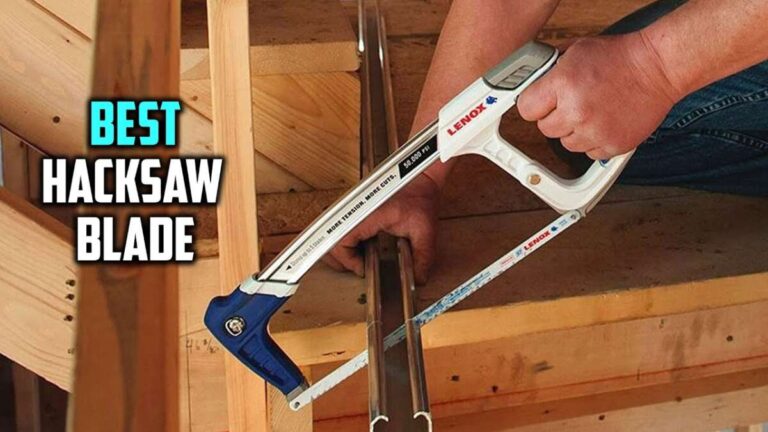
How To Install A Hacksaw Blade: Easy Step-By-Step Guide
Introduction
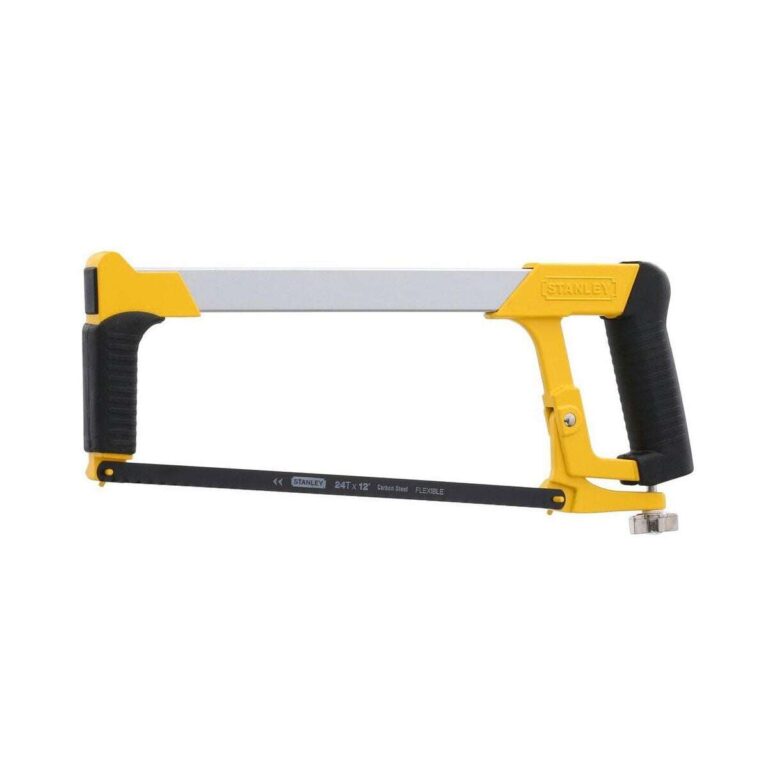
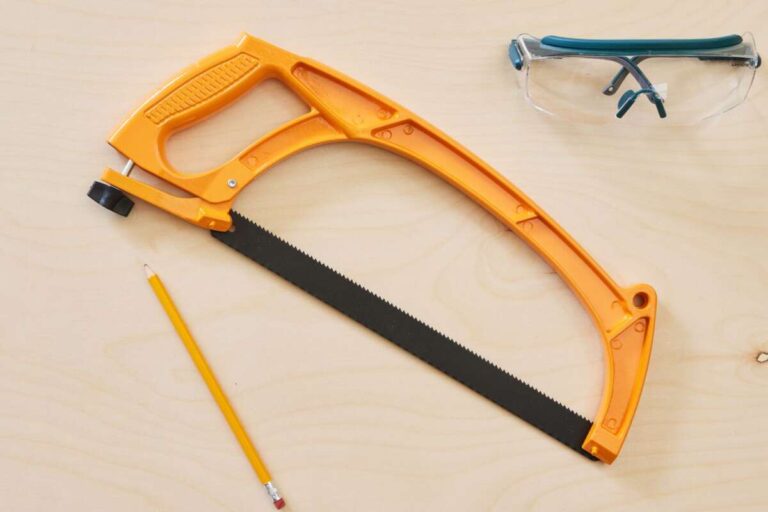
Installing a hacksaw blade is simple once you know which way the teeth should face and how tight the blade should be. In the United States, most standard hacksaw frames use a 12-inch blade with teeth that point away from the handle. The blade should cut when you push the saw forward, not when you pull it back.
Before you start, choose the right blade for the material, wear eye protection, and check that the frame is not bent or damaged. A correctly installed blade should sit straight, feel firm, and make a clean cut without twisting.

What You Need Before Installing the Blade
Gather the following items before you begin:
- A hacksaw frame
- A replacement hacksaw blade that fits the frame
- Safety glasses
- Work gloves, if suitable for the job
- A vise or other secure way to hold the workpiece
- A rag for wiping away metal dust
Most full-size hacksaw frames use blades about 12 inches long, but the distance between the mounting holes matters more than the blade’s total length. Check the frame and blade package for compatibility.
Check the Hacksaw Frame
Look at both blade pins or mounting posts. They should be straight and secure. If the frame has a tension knob or lever, make sure it moves freely.
Do not use a frame with:
- A cracked handle
- Bent blade mounts
- Loose pins
- Heavy rust that affects the moving parts
- A tension screw with damaged threads
A damaged frame may not hold the blade in line. That can cause the blade to twist, break, or slip during a cut.
Choose the Right Blade
Hacksaw blades vary by tooth count. Tooth count is usually listed as teeth per inch, or TPI.
| Blade size | Common use |
|---|---|
| 14 TPI | Thick metal, aluminum, brass, and larger stock |
| 18 TPI | General cutting of thicker metal |
| 24 TPI | Thin metal, tubing, conduit, and common repair work |
| 32 TPI | Very thin sheet metal and small parts |
As a basic rule, at least two or three teeth should touch the workpiece during the cut. If only one tooth contacts the material, the blade may catch or chip.
A coarse blade cuts faster in thick material. A fine blade gives better control on thin material but may clog or cut slowly in thick stock.
How to Install a Hacksaw Blade
Follow these steps for a standard hacksaw frame. The exact tensioning method may vary by frame design, so check the tool’s instructions if the frame uses an unusual locking system.
1. Release the Old Blade
Loosen the tension knob, lever, or wing nut until the blade becomes slack. Some frames use a quick-release lever. Others use a threaded screw that moves one blade mount.
Hold the blade near the center as you loosen it. Even a loose blade can have sharp teeth.
Remove the blade from the front and rear mounting pins. If the blade is broken, use pliers or a thick rag to handle it. Do not run your bare fingers along the teeth.
2. Check the New blade
inspect the replacement blade before fitting it. Look for bent sections, missing teeth, cracks, or heavy rust.
Make sure both mounting holes are open and centered. A damaged hole can prevent the blade from sitting correctly on the frame pins.
If the blade has printing or a logo on one side, do not use the printing as your guide. The teeth are the correct guide.
3. Point the Teeth Away From the Handle
Place the blade so the teeth point away from the handle. On a typical hacksaw, this means the teeth face forward.
The saw cuts on the forward push stroke. When you pull the frame back, use light pressure and let the blade reset for the next push.
Some specialty frames and compact saws may use a different setup. If the tool manual shows another blade direction, follow that manual.
4. Fit One End of the Blade
Hook one blade hole over the mounting pin at the end of the frame. Keep the teeth facing in the correct direction as you do this.
Do not force the blade sideways. If the hole does not line up, loosen the tension system more or adjust the moving mount.
5. Fit the Other End
Place the second blade hole over the other mounting pin. The blade should now rest straight between the two ends of the frame.
If the blade bows sharply, twists, or sits at an angle, remove it and check the fit. Do not try to correct a poor fit by tightening the tension knob.
6. Tighten the Blade
Turn the tension knob or operate the locking lever until the blade is firm. Tighten it enough to keep the blade straight during a cut, but do not force the knob.
Many hacksaw frames do not have a precise tension gauge. A practical check is to lightly pluck or tap the blade. It should feel firm and produce a short, clear vibration rather than hang loose.
The blade should not move from side to side when you press it lightly with one finger. It should still have a small amount of spring rather than feeling completely rigid.
7. Test the Frame
Hold the hacksaw by the handle and make a few slow strokes in the air. Confirm that:
- The teeth point away from the handle
- The blade stays in line with the frame
- The blade does not wobble
- The tension system remains locked
- No part of the blade touches the frame
If anything shifts, stop and correct it before cutting.
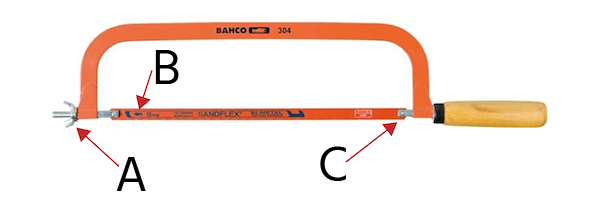
How to Know the Blade Is Installed Correctly
A properly installed hacksaw blade passes four simple checks.
The Teeth Face Forward
The teeth should point away from the handle on a standard hacksaw. This allows the blade to cut during the push stroke.
If the teeth face the handle, the blade may slide over the material instead of cutting. It may also bend or break when you apply force.
The Blade Is Straight
Sight along the blade from the front of the frame. It should form a straight line from one mounting point to the other.
A slight curve caused by normal tension may be acceptable on some frames, but a twisted blade is not. Remove and refit it.
The Blade Is Firm
A loose blade can chatter, wander, and break. An overly tight blade can place extra stress on the blade and frame.
The correct tension keeps the blade steady while still allowing a small amount of spring. If the frame has a maker-specified tension setting, use that setting instead of guessing.
The Blade Matches the Work
The blade should suit both the material and its thickness. For example:
- Use a finer blade for thin-wall tubing.
- Use a medium blade for common steel bar and pipe.
- Use a coarser blade for thick aluminum or heavy stock.
- Use a blade made for metal when cutting steel or nonferrous metal.
A hacksaw blade is not a universal wood saw. Using the wrong blade can damage the teeth and make the cut less controlled.
How to Use the Hacksaw After Installation
Installing the blade correctly is only part of the job. Your cutting method also affects blade life and safety.
Secure the material in a vise. Place the cut close to the vise jaws so the workpiece does not vibrate. Mark the cut line clearly before you start.
Rest the front of the blade on the mark. Use slow, even forward strokes with light pressure. Let the teeth do the cutting rather than forcing the frame through the material.
Keep most of the blade length in motion. Long strokes spread wear across more teeth and usually produce a smoother cut than short, fast strokes.
On the return stroke, reduce pressure. The blade should move back over the cut without digging into the material.
If the blade binds, stop and inspect the cut. The workpiece may have shifted, the blade may be too fine, or the cut may be closing around the blade.

Common Installation Problems and Fixes
The Blade Keeps Falling Off
Likely causes:
- The blade holes are not fully seated on the mounting pins.
- The tension knob is not tight enough.
- The frame has a bent mounting point.
- The blade is the wrong size.
Fix: Release the tension, refit both ends, and tighten the blade again. If it still falls off, compare the blade length and hole spacing with the frame specifications.
The Blade Wobbles During the Cut
Likely causes:
- The blade is too loose.
- The blade is twisted.
- The frame is bent.
- The blade is too thin for the cutting task.
Fix: Remove the blade and inspect it on a flat surface. Replace it if it is bent. Check the frame before installing another blade.
The Saw Does Not Cut Well
Likely causes:
- The teeth face the wrong way.
- The blade is dull.
- The TPI is not suited to the material.
- You are using too much pressure.
- The workpiece is moving.
Fix: Confirm that the teeth face away from the handle. Secure the workpiece, choose a suitable TPI, and use steady forward strokes.
The Blade Breaks Quickly
Likely causes:
- The blade is over-tightened.
- The blade twists during the cut.
- The workpiece is not secure.
- Too much force is being used.
- The blade is worn or defective.
Fix: Install a new blade and use less pressure. Keep the frame square to the workpiece. If the blade continues to break, inspect the frame for alignment problems.
The Teeth Strip Off
Tooth stripping often happens when a fine blade is used on thick material or when the blade catches at the start of a cut.
Start with short, gentle strokes until a groove forms. Then use longer strokes. Select a blade with a suitable TPI and keep at least two or three teeth engaged with the workpiece.
Safety Rules for Hacksaw Blades
Wear safety glasses whenever you cut metal. Small chips and broken teeth can travel quickly.
Secure the workpiece before cutting. Do not hold a small metal part in your hand while sawing it. A vise gives you better control and keeps your hands away from the blade.
Keep both hands on the tool when practical. Place one hand on the handle and the other on the front of the frame. Keep your fingers above and away from the teeth.
Replace a blade that is cracked, badly bent, missing several teeth, or too dull to cut with light pressure. Do not try to straighten and reuse a damaged blade.
After cutting, metal edges may be sharp. Deburr the cut edge with a file or suitable deburring tool, and handle the part carefully.
The Occupational Safety and Health Administration advises employers to keep hand tools in safe condition and use the right tool for the job. Its hand and power tools guidance is available at OSHA.gov.

Hacksaw Blade Direction: Quick Reference
For most standard hacksaws:
- Teeth point away from the handle.
- The blade cuts on the push stroke.
- Use light pressure on the return stroke.
- The blade must be tight enough to stay straight.
- The frame must remain square to the workpiece.
A few specialty saws may use a different blade direction. Always follow the instructions for that specific frame if they conflict with the standard setup.
Should You Use a Coarse or Fine Hacksaw Blade?
Choose the blade by matching its tooth spacing to the workpiece thickness.
A coarse blade removes material quickly from thick stock. A fine blade gives more tooth contact on thin sheet metal, tubing, and narrow parts.
For a simple example, a 24-TPI blade has teeth spaced more closely than an 18-TPI blade. That makes the 24-TPI blade a better starting choice for thin-wall tubing, while the 18-TPI blade may work better on thicker steel.
The best choice also depends on the material. Aluminum can load up the teeth, while steel may need a blade designed for harder cutting. If the blade clogs, binds, or heats up, stop and reassess the blade type and cutting method.
Key Takeaways
- Install a standard hacksaw blade with the teeth pointing away from the handle.
- Release the frame tension before removing or fitting a blade.
- Seat both blade holes fully on the frame pins.
- Tighten the blade until it is firm and straight, but do not force the tension knob.
- Match the TPI to the material thickness.
- Secure the workpiece and wear safety glasses.
- Replace blades that are bent, cracked, dull, or missing teeth.
FAQs
Which way should a hacksaw blade face?
On most standard hacksaws, the teeth should point away from the handle. This setup makes the blade cut on the forward push stroke.
How tight should a hacksaw blade be?
The blade should be firm and straight without being forced to extreme tension. It should not wobble or move sideways with light finger pressure. If the frame provides a specified tension setting, use it.
Can I install a hacksaw blade backward?
You can physically install some blades backward, but a standard hacksaw will not work correctly. The saw is designed to cut on the push stroke, so the teeth should normally face away from the handle.
How do I stop a hacksaw blade from breaking?
Use the correct blade size and TPI, secure the workpiece, keep the frame square, and use steady pressure. Avoid twisting the frame and do not over-tighten the blade.
How often should I replace a hacksaw blade?
Replace it when it becomes dull, bends, loses teeth, or requires heavy pressure to cut. A blade that skips, binds, or produces poor cuts may also need replacement.
Can I use a hacksaw to cut wood?
A standard metal-cutting hacksaw blade is not the best choice for wood. Its fine teeth can clog with sawdust and cut slowly. Use a hand saw or another blade designed for wood instead.
Conclusion
To install a hacksaw blade, loosen the frame, remove the old blade, place the new blade with its teeth facing away from the handle, seat both ends on the mounting pins, and tighten it until it is firm and straight.
Before cutting, confirm the blade direction, choose a suitable TPI, secure the material, and put on eye protection. If the blade wobbles, slips, or breaks, stop using the saw and check the fit, tension, frame condition, and blade choice.
Recent Tool Guides
 Hammer
How To Hammer Flowers Onto Paper: Easy Guide
Learn how to hammer flowers onto paper with simple steps, helpful tips, and beautiful results for...
Read Guide → Wrench
How To Use A Hex Wrench: Easy Step-By-Step Guide
Learn how to use a hex wrench correctly with simple steps, helpful tips, and common mistakes...
Read Guide → Hacksaw
How To Cut Curtain Pole With Hacksaw: Easy Guide
Learn how to cut curtain pole with hacksaw safely and neatly. Follow simple steps for accurate...
Read Guide → Wrench
How To Use A Husky Torque Wrench: Easy Guide
Learn how to use a Husky torque wrench correctly with simple steps, torque settings, and safety...
Read Guide → Hammer
How To Hold A Hammer: Safe Grip Guide
Learn how to hold a hammer with the right grip, stance, and technique for safer, more...
Read Guide → Hacksaw
How To Cut Flexible Metal Conduit With Hacksaw: Easy Guide
Learn how to cut flexible metal conduit with hacksaw safely and cleanly. Follow simple steps for...
Read Guide →