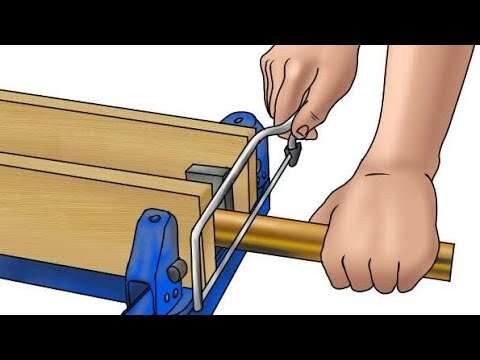
Where To Buy A Hacksaw: Best Places To Shop
If you need a hacksaw in the United States, you can buy one at most home improvement stores, hardware stores, farm-supply stores, and major online retailers. Home Depot, Lowe’s, Ace Hardware, Harbor Freight, Walmart, Amazon, and local independent hardware stores commonly sell hacksaws and replacement blades.
For most home repairs, look for a 12-inch hacksaw with a firm frame, a comfortable handle, and a replaceable 18-, 24-, or 32-teeth-per-inch blade. Choose the blade based on the material you need to cut. A fine blade suits thin metal, while a coarser blade works better on thicker stock and some plastic.
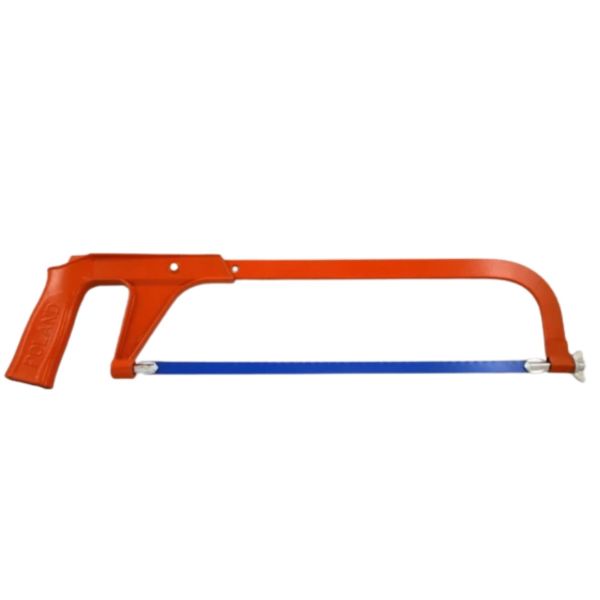
Best Places to Buy a Hacksaw in the USA
The best place depends on whether you want the lowest price, same-day pickup, expert help, or a wider choice of blades.
Home improvement stores
Home Depot and Lowe’s are strong choices for same-day shopping. Their tool aisles often include basic hacksaws, heavy-duty models, compact versions, and replacement blades.
These stores are useful when you:
- Need a hacksaw today
- Want to compare several frame styles in person
- Need blades, gloves, clamps, or cutting oil at the same time
- Prefer store pickup or easy returns
- Need help choosing between a standard and heavy-duty model
Search the store website for “hacksaw,” then select your local store. Stock can vary by location, so confirm availability before driving over.
Independent hardware stores
A local hardware store may have fewer models, but staff can often help you match the blade to the material. Many stores also carry individual replacement blades, which can be harder to find in a general department store.
This is a good option if you need to cut:
- Copper or steel pipe
- Threaded rod
- Small bolts
- PVC or ABS pipe
- Sheet metal
- Hardware that will not fit a powered saw
Harbor Freight
Harbor Freight is often a practical choice for a basic, low-cost hacksaw. It may also sell compact saws, blade packs, and other hand tools for occasional use.
Check the frame before buying. A low price is less useful if the frame flexes, the blade slips, or the tension knob is difficult to use. For light household work, a basic model may be enough. For repeated cuts, a stronger frame can save time and frustration.
Farm and farm-supply stores
Stores such as Tractor Supply Co. may carry hacksaws and metal-cutting blades in their hardware sections. These stores can be useful if you work with fencing, farm equipment, threaded rod, pipe, or general maintenance parts.
Their selection may lean toward durable tools rather than small household repair kits.
Walmart and other general retailers
Walmart may offer basic hacksaws in stores and online. Availability often depends on the location and seller. When buying online through a marketplace, check whether the item is sold and shipped by the retailer or by a third-party seller.
Read the product details for:
- Frame length
- Included blade
- Blade type
- Replacement blade compatibility
- Return terms
- Shipping time
Amazon and other online marketplaces
Online stores usually offer the widest range of hacksaws. You can find standard frames, mini hacksaws, adjustable models, junior hacksaws, heavy-duty tools, and large replacement-blade packs.
Online shopping works well when you already know what you need. It is less useful when you need to feel the handle or compare frame stiffness. Reviews can help, but confirm that they refer to the exact model and not a similar product in the same listing.

Where to Buy a Hacksaw Near You
To find a hacksaw near you, search the websites of nearby home centers, hardware stores, and discount tool stores. Use terms such as:
- “hacksaw near me”
- “metal hand saw near me”
- “12-inch hacksaw”
- “hacksaw blades near me”
- “hardware store hacksaw”
Then check the product page for local stock or curbside pickup.
A store may list a hacksaw as available but still have it in a locked tool area, a seasonal aisle, or a different department. Calling ahead can prevent a wasted trip, especially if you need a specific blade size.
A quick local-buying plan
- Search Google Maps or a retailer’s store locator.
- Open the tool listing for your local store.
- Confirm that the product is in stock.
- Check whether the package includes a blade.
- Buy replacement blades if you expect more than a few cuts.
- Ask whether the store accepts returns on opened hand tools.
If local stores do not have a standard hacksaw, ask for a metal-cutting hand saw. Some retailers use different names for similar tools.
How Much Does a Hacksaw Cost?
A basic hacksaw in the USA often costs about $10 to $25. Heavy-duty frames, specialty saws, and premium models may cost more. Replacement blades commonly cost less than a complete saw, but prices vary by brand, pack size, and tooth count.
These are general buying ranges, not fixed prices:
| Hacksaw type | Typical use | General price range |
|---|---|---|
| Basic 12-inch hacksaw | Occasional home repairs | $10–$20 |
| Adjustable or heavy-duty hacksaw | Frequent metal cutting | $20–$50 or more |
| Mini hacksaw | Tight spaces and small cuts | $5–$20 |
| Junior hacksaw | Small parts and light work | $8–$25 |
| Replacement blade pack | Ongoing cutting work | $5–$25 |
A cheap hacksaw can handle a few small cuts. A stronger frame is usually worth the extra cost if you need to cut steel, thick bolts, or several pieces of material.
Do not judge the tool by price alone. Compare the frame, handle, tension system, blade quality, and replacement-blade cost.

What Type of Hacksaw Should You Buy?
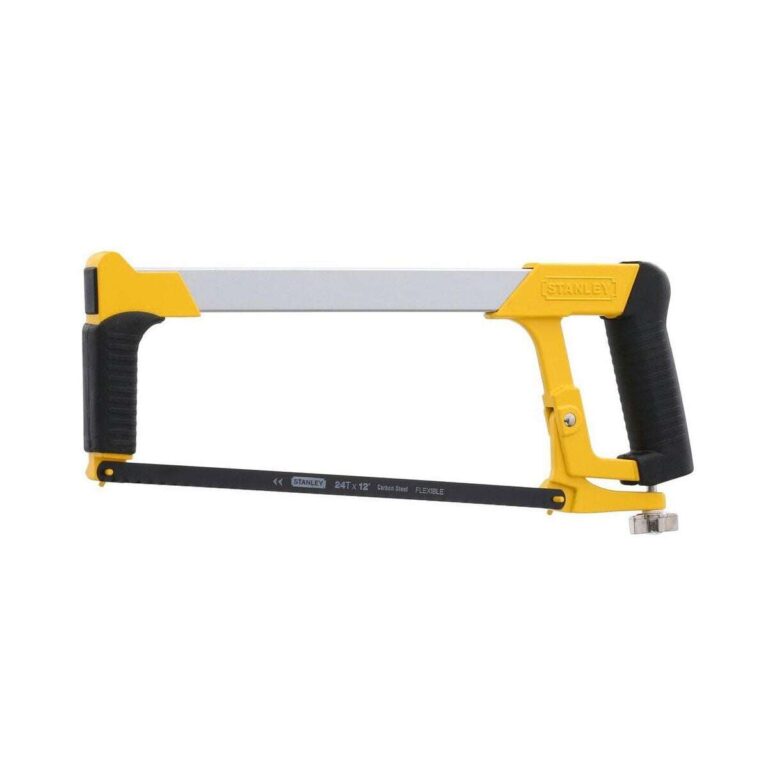
For general household work, buy a standard 12-inch hacksaw with a rigid frame and a replaceable blade. This size is easy to control and accepts common hacksaw blades.
Standard hacksaw
A standard hacksaw has a metal frame with two blade mounts and a handle. It is the best all-purpose choice for cutting small metal parts, plastic pipe, bolts, screws, and threaded rod.
Choose one with:
- A straight, stiff frame
- Secure blade pins or mounts
- A handle that does not twist
- A tension knob that turns easily
- A blade that sits straight in the frame
Heavy-duty hacksaw
A heavy-duty hacksaw is better for frequent use or harder materials. It may have a stronger frame, better tension control, and a more durable handle.
Buy this type if you regularly cut:
- Steel bar
- Thick threaded rod
- Large bolts
- Metal pipe
- Hardware for vehicles or equipment
A stronger saw will not make every cut fast. You still need the right blade and steady pressure.
Mini hacksaw
A mini hacksaw is useful in narrow spaces where a full frame will not fit. It can cut small bolts, plastic, wire, and light metal.
Its short blade and small grip make it less comfortable for long cuts. It is a useful second saw, but it is not usually the best first hacksaw.
Junior hacksaw
A junior hacksaw is a small frame saw with a narrow blade. It works well for small parts, light metal, craft work, and tight areas.
Check the blade size before buying replacements. Junior hacksaw blades are not always interchangeable with standard 12-inch hacksaw blades.
Compact or folding hacksaw
A compact or folding hacksaw can fit in a toolbox, glove compartment, or emergency repair kit. It is convenient, but the frame may not be as rigid as a full-size model.
Use it for light work and occasional repairs. For thick steel or repeated cuts, choose a full-size frame.
How to Choose the Right Hacksaw Blade
The blade is as important as the frame. Hacksaw blades are commonly described by teeth per inch, or TPI. A higher TPI means more, smaller teeth. A lower TPI means fewer, larger teeth.
| Blade tooth count | Best suited to |
|---|---|
| 18 TPI | Thick metal and larger workpieces |
| 24 TPI | General metal cutting |
| 32 TPI | Thin metal, small tubing, and delicate cuts |
As a simple rule, keep at least two or three teeth in contact with the material while cutting. If the material is thin, use a finer blade so the teeth do not catch and damage the workpiece.
Use a lower-tooth-count blade for thicker material, as long as the cut remains controlled. Use a higher-tooth-count blade for thin sheet metal, small tubing, and narrow bolts.
Blade material
Many replacement blades use carbon steel, bi-metal construction, or another hardened steel design. Bi-metal blades often cost more and may tolerate harder use, but the label and the exact material still matter.
Look for packaging that states the intended material. A blade marked for metal is not automatically the best choice for every metal. Check whether it is designed for steel, stainless steel, aluminum, plastic, or general use.
Blade length
A standard hacksaw blade is commonly around 12 inches long. Some frames accept different lengths, but you should confirm the tool’s instructions before buying replacements.
Do not force a blade into a frame that is too short or too long. Poor fit can cause the blade to bend, slip, or break.
What to Check Before Buying a Hacksaw
Inspect these features before you buy:
Frame strength
Hold the frame by the handle and check for excessive flex. A small amount of movement may be normal, but a frame that bends easily can make straight cuts difficult.
Blade tension
The tension system should hold the blade tight and straight. A loose blade tends to wander, while an overtightened blade can snap or place extra stress on the frame.
Handle comfort
Look for a handle that gives you a firm grip without sharp edges. A padded grip may feel better during long cuts, but comfort should not replace a rigid frame.
Blade mounting
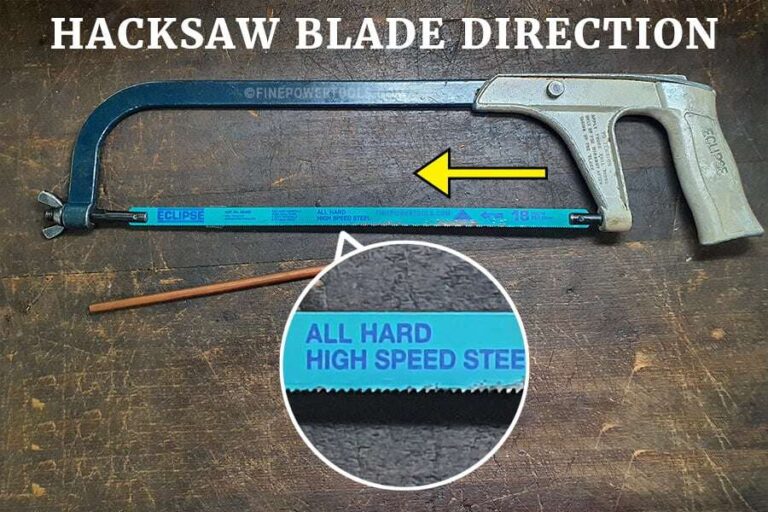
Check that the blade mounts are secure and aligned. Some hacksaws allow the blade to face in more than one direction. The teeth should point in the direction the manufacturer specifies, usually toward the forward cutting stroke.
Included accessories
Some kits include extra blades or a small storage case. Confirm what is actually in the package rather than assuming that every pictured accessory is included.
Replacement blades
Before choosing an unusual saw, check that replacement blades are easy to find in the USA. A low-cost tool is less useful if its blades are difficult or expensive to replace.
Can You Buy a Hacksaw at a Dollar Store?
Some dollar stores sell small hacksaws or compact saws, but quality and stock can vary widely. A dollar-store saw may work for a thin plastic pipe, a small wire, or one light repair.
For metal cutting, check the blade and frame carefully. If the blade is loose, the teeth look uneven, or the handle feels unsafe, choose a better tool.
The cheapest option is not always the lowest-cost option. A poor blade may take longer, break sooner, and damage the workpiece.
Hacksaw Alternatives
A hacksaw is not always the right tool.
Use a PVC or plastic-pipe cutter when you need clean, fast cuts in suitable plastic pipe. Use bolt cutters only when they are designed for the size and hardness of the item. Use an angle grinder, reciprocating saw, or portable band saw for larger or repeated cuts, but these powered tools require more safety control.
Use a jigsaw with the correct blade for some sheet materials, though the cut and control will differ. For a single small metal cut, a hacksaw is often simpler and quieter than a power tool.
Do not use a hacksaw to cut live electrical wiring, pressurized pipe, or unknown materials. Shut down, isolate, and verify the work before cutting.
How to Use a Hacksaw Safely
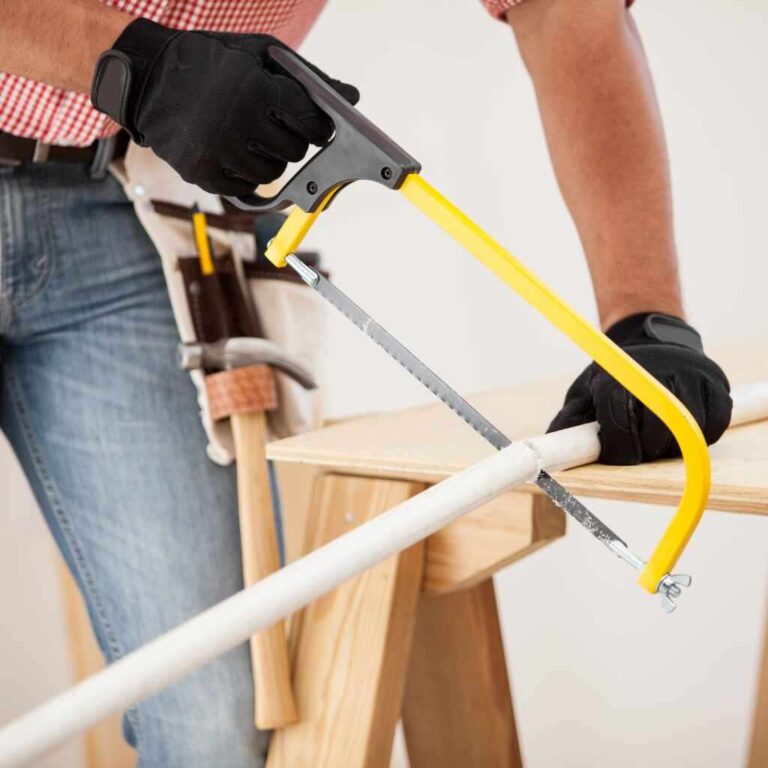
Before cutting, secure the workpiece in a vise or with an appropriate clamp. Wear safety glasses because metal chips and broken teeth can cause eye injuries. Keep fingers away from the blade path and maintain a stable stance.
Install the blade correctly and set enough tension to keep it straight. Start with a light groove, then use smooth strokes. Let the teeth cut instead of forcing the frame through the material.
Stop if the blade binds, twists, cracks, or becomes unusually hot. Inspect the workpiece and blade before continuing. Do not hold a small part in your hand while sawing it.
After cutting, remove sharp burrs with a file or deburring tool. The cut edge can remain sharp even when the saw work looks complete.
Common Hacksaw Buying Mistakes
Buying the wrong blade
A general-purpose blade may not suit thin sheet metal, stainless steel, or thick steel. Match TPI and blade material to the workpiece.
Choosing a flexible frame
A frame that flexes too much makes accurate cuts harder. Look for a rigid frame if you need straight cuts or plan to use the saw often.
Forgetting replacement blades
Most blades wear out. Buying a spare pack at the same time can save a second trip.
Assuming all blades fit
Standard, junior, mini, and specialty saws may use different blade sizes. Check compatibility before ordering.
Using too much force
Heavy pressure can bend the blade, stall the cut, and increase the risk of breakage. Use steady strokes and let the teeth do the work.
Frequently Asked Questions
Where is the best place to buy a hacksaw?
For same-day purchase, try Home Depot, Lowe’s, Ace Hardware, Harbor Freight, or a local hardware store. For the widest selection, compare online listings from major retailers and verify blade compatibility before ordering.
Can I buy a hacksaw at Walmart?
Many Walmart stores and Walmart.com listings carry basic hacksaws or compact hand saws. Local stock varies, so check the product page for store availability and confirm whether a third-party seller supplies the item.
What is the best hacksaw for home use?
A standard 12-inch hacksaw with a rigid frame, comfortable handle, and replaceable 24-TPI blade is a practical choice for many home repairs. Choose a different blade when cutting thin or unusually thick material.
Do hacksaws cut wood?
A hacksaw can cut some soft wood, but it is designed mainly for metal and certain plastics. A hand saw, panel saw, or wood-cutting blade will usually work better and faster on wood.
Can a hacksaw cut a bolt?
Yes. A hacksaw can cut many bolts, screws, and threaded rods when you use a suitable metal-cutting blade and secure the workpiece. File the cut end afterward to remove sharp burrs and help restore the thread.
Should hacksaw teeth point forward or backward?
On most standard hacksaws, the teeth point forward so the saw cuts on the forward stroke. Follow the frame or blade instructions if the model uses a different mounting design.
Final Buying Recommendation
For most people in the USA, start with a standard 12-inch hacksaw from a nearby home improvement or hardware store. Choose a rigid frame, secure blade mounts, and a replaceable 24-TPI metal-cutting blade. Add an 18-TPI blade for thicker material or a 32-TPI blade for thin metal.
If you only need one small repair, a basic model may be enough. If you expect frequent cuts, spend more on frame strength and buy extra blades. Before cutting, secure the workpiece, wear eye protection, and use a blade made for the material.
Recent Tool Guides
 Hammer
How To Hammer Flowers Onto Paper: Easy Guide
Learn how to hammer flowers onto paper with simple steps, helpful tips, and beautiful results for...
Read Guide → Wrench
How To Use A Hex Wrench: Easy Step-By-Step Guide
Learn how to use a hex wrench correctly with simple steps, helpful tips, and common mistakes...
Read Guide → Hacksaw
How To Cut Curtain Pole With Hacksaw: Easy Guide
Learn how to cut curtain pole with hacksaw safely and neatly. Follow simple steps for accurate...
Read Guide → Wrench
How To Use A Husky Torque Wrench: Easy Guide
Learn how to use a Husky torque wrench correctly with simple steps, torque settings, and safety...
Read Guide → Hammer
How To Hold A Hammer: Safe Grip Guide
Learn how to hold a hammer with the right grip, stance, and technique for safer, more...
Read Guide → Hacksaw
How To Cut Flexible Metal Conduit With Hacksaw: Easy Guide
Learn how to cut flexible metal conduit with hacksaw safely and cleanly. Follow simple steps for...
Read Guide →