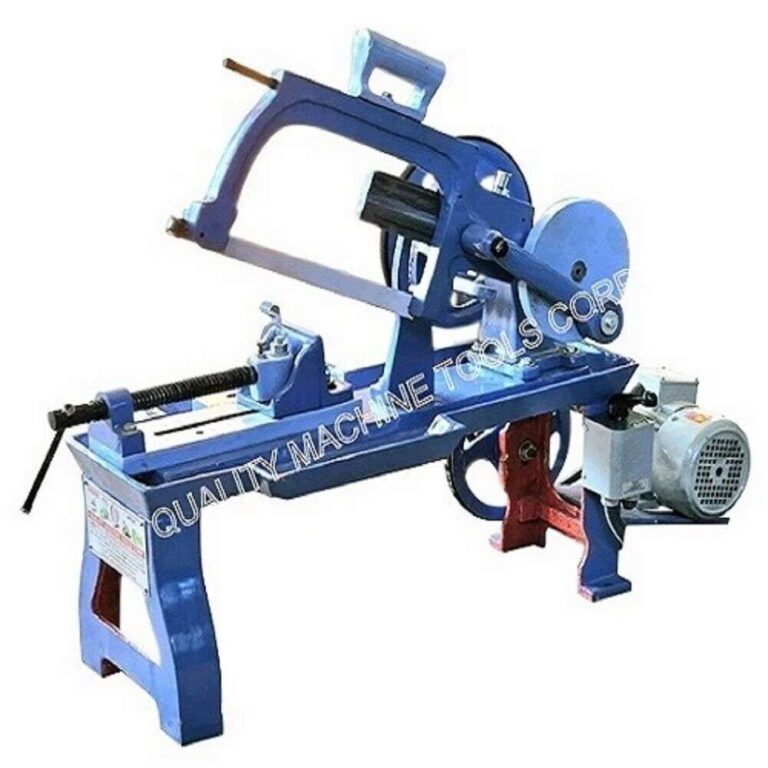
What Is Hacksaw: Uses, Types, And Buying Guide
Introduction
In the United States, a hacksaw is a common hand tool used to cut metal, plastic, conduit, pipe, threaded rod, and other hard materials. It has a thin, replaceable blade held under tension in a metal frame. You cut by moving the blade back and forth across the work.
A hacksaw is simple, low-cost, and useful when power tools are not available or when a controlled cut matters more than speed. The right blade, steady pressure, and safe work setup make the biggest difference.

What Is a Hacksaw?
A hacksaw is a manual frame saw with a fine-toothed blade designed mainly for cutting metal and other rigid materials. Unlike a wood saw, its blade has small teeth that remove a smaller amount of material with each stroke.
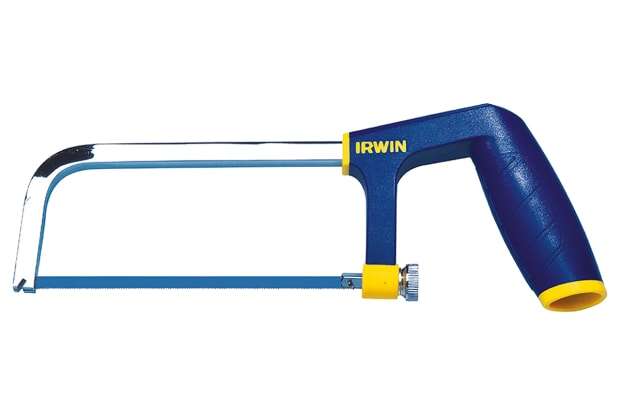
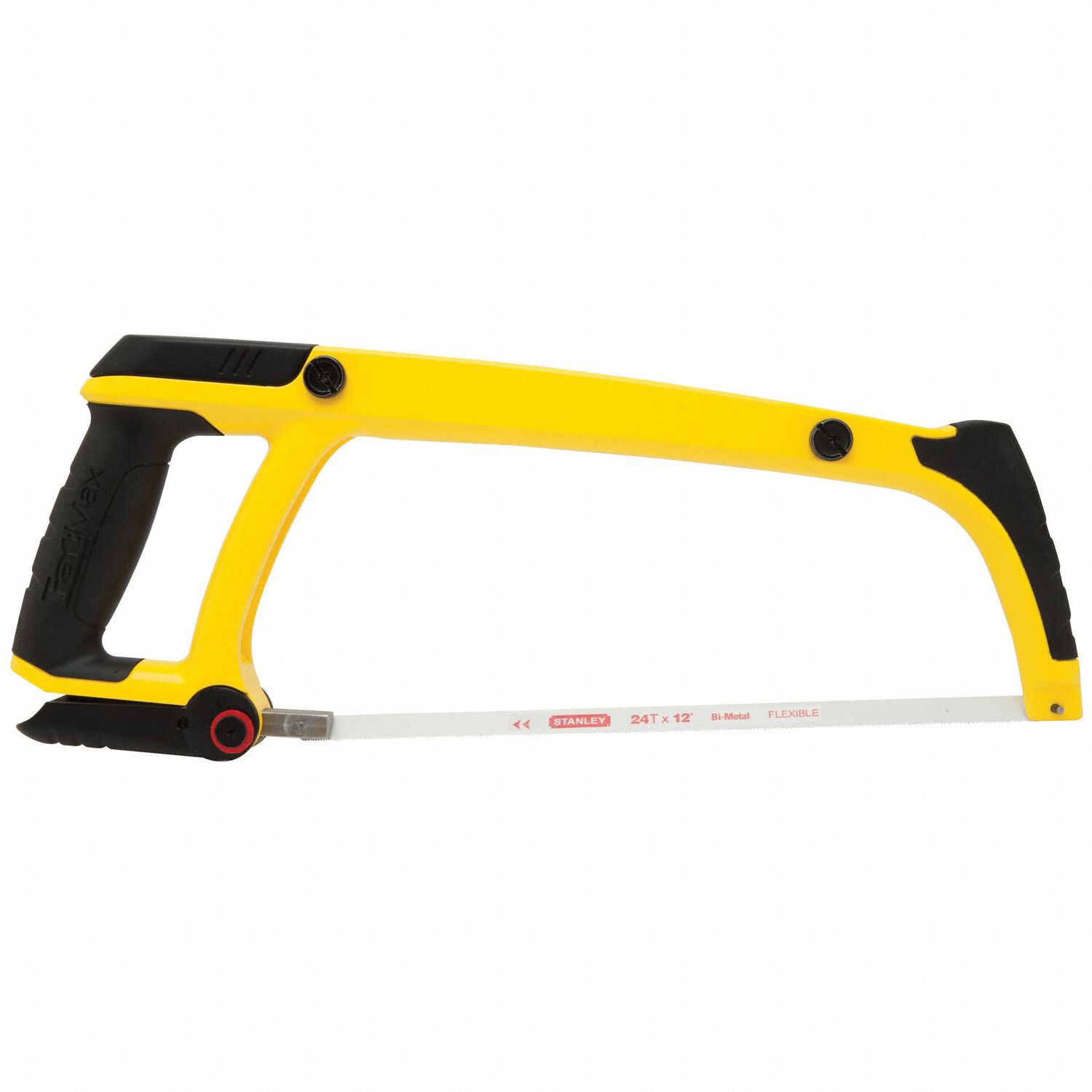
Most hacksaws have:
- A rigid metal frame
- A handle
- A blade tensioning screw or lever
- Two blade pins or mounting posts
- A narrow, toothed blade
The frame keeps the blade straight. The tension system pulls the blade tight so it does not bend during a cut.
A standard hacksaw blade is often about 12 inches long in the United States, although shorter blades and compact models are also common. The blade length refers to the distance between the mounting holes, not always the total blade length.
What does a hacksaw cut?
A hacksaw can cut:
- Steel
- Stainless steel
- Aluminum
- Copper
- Brass
- PVC and ABS plastic
- Electrical conduit
- Threaded rod
- Bolts and screws
- Small metal tubing
- Plastic pipe
It can also cut wood in an emergency, but a wood saw is usually faster and cleaner for that job.
A hacksaw is best for small or medium cuts where accuracy, low cost, and portability matter. It is not usually the best tool for long cuts through thick steel or repeated production work.
Why is it called a hacksaw?
The word “hacksaw” refers to a saw that cuts through hard materials with short, forceful strokes. The name does not mean the tool must be used roughly. In fact, smooth strokes and light pressure usually give better results than aggressive sawing.

Hacksaw Parts and How They Work
Each part of a hacksaw has a specific job. Knowing the parts helps you install the blade correctly and diagnose problems.
Frame
The frame holds the blade in a straight line. Many full-size frames have an adjustable design that accepts different blade lengths. A compact frame may use a shorter blade and work well in tight spaces.
A rigid frame reduces blade bending. If the frame flexes too much, the cut may wander and the blade may twist or break.
Handle
The handle gives you control and protects your hand from the blade. Many handles are shaped for a firm grip, but you should still wear suitable hand protection when the material or work area creates a risk.
Keep your hand behind the blade path. Do not place your fingers near the cut.
Blade tensioner
The tensioner may be a threaded screw, wing nut, or quick-release lever. It holds the blade tight between the frame posts.
A blade that is too loose can bend, buckle, or twist. A blade that is excessively tight may place unnecessary stress on the frame or blade. Tighten it until the blade feels firm and gives little movement when pressed sideways.
Blade pins
The blade has a mounting hole at each end. These holes fit over pins on the frame. The pins stop the blade from sliding during use.
Blade
The blade is the replaceable cutting part. Hacksaw blades vary by:
- Length
- Width
- Thickness
- Tooth count
- Tooth shape
- Material
- Cutting purpose
The teeth usually point away from the handle on a standard hacksaw. This means the blade cuts on the forward stroke.
Blade pitch
Blade pitch is the distance between teeth. Manufacturers often describe hacksaw blades by teeth per inch, or TPI.
Common blade choices include:
| Blade rating | Best use |
|---|---|
| 14 TPI | Thick metal and larger sections |
| 18 TPI | General cutting of heavier metal |
| 24 TPI | Thin-wall tubing, sheet metal, and common repair work |
| 32 TPI | Thin metal, small tubing, and clean cuts |
The blade should have at least two or three teeth in the material at all times. If only one tooth engages the work, the tooth may catch and break. If too many teeth engage, the blade may clog and cut slowly.

Hacksaw Blade Types and Tooth Selection
The best hacksaw blade depends on the material and its thickness. A blade that works well on thick steel may perform poorly on thin tubing.
High-carbon steel blades
High-carbon steel blades are usually the least expensive option. They work for light cutting and softer materials, but they may wear or break sooner than stronger blades.
Bi-metal blades
Bi-metal blades combine two types of steel. The blade body stays flexible, while the tooth edge resists wear. This design is common for general repair work because it balances toughness and cutting life.
A bi-metal blade may cost more than a basic carbon-steel blade, but it can be a practical choice when you cut steel, stainless steel, or mixed materials.
High-speed steel blades
High-speed steel, or HSS, teeth resist heat and wear. These blades can work well on hard metals, but they still need the correct tooth pitch and cutting method.
Fine-tooth blades
Fine-tooth blades, such as 24 or 32 TPI, suit thin materials. They help prevent the blade from catching on thin tubing or sheet metal.
Coarse-tooth blades
Coarse-tooth blades, such as 14 or 18 TPI, suit thicker stock. Their larger spaces clear chips more easily.
Variable-pitch blades
Some blades use teeth that vary in spacing. This design can reduce vibration and help prevent chatter in certain materials. It may be useful when a standard blade vibrates or produces a rough cut.
How to Choose the Right Hacksaw Blade
Use the material thickness as your first guide. Then consider hardness, shape, and the finish you need.
For a quick choice:
- Choose 14 or 18 TPI for thick steel, heavy bolts, and solid stock.
- Choose 18 or 24 TPI for general metal work.
- Choose 24 or 32 TPI for thin tubing, sheet metal, and small conduit.
- Choose a bi-metal blade for frequent work or harder metals.
- Use a fine-tooth blade when a coarse blade catches or skips.
For hollow tubing, select a blade that keeps several teeth in contact with the wall. For example, a 32 TPI blade may work better than an 18 TPI blade on thin-wall metal tubing.
Do not choose a very fine blade simply because it appears more precise. A fine blade can clog with chips when used on thick material.

How to Use a Hacksaw Correctly
A hacksaw works best when the material is secure and the blade stays straight. Follow these steps.
1. Mark the cut
Use a marker, pencil, or scribe to mark the cut line. For a square cut on pipe or rod, mark around the full outside surface.
A wraparound mark can help you keep the blade aligned as you work.
2. Secure the workpiece
Clamp the material in a vise or another suitable holder. Keep the cut close to the vise jaws. This reduces vibration and prevents the material from moving.
Do not hold the workpiece in one hand while sawing with the other. The blade can slip, and the material can shift without warning.
3. Install the blade
Place the blade on the frame pins with the teeth pointing forward, away from the handle. Tighten the tensioner until the blade is firm.
If the blade cuts only when you pull the saw, it may be installed backward. Some specialized blades cut in either direction, but most standard hacksaw blades cut on the forward stroke.
4. Start a shallow groove
Hold the hacksaw with both hands if the work allows. Use short, light strokes to start a groove on the cut line.
Starting slowly gives the blade a track. Heavy pressure at this stage can make the blade slip off the mark.
5. Use long, steady strokes
Once the groove is established, use smooth strokes that use most of the blade length. Apply pressure on the forward cutting stroke. Reduce pressure as you pull the blade back.
Let the teeth do the cutting. Excess pressure can bend the blade, damage the teeth, or make the cut wander.
6. Keep the blade straight
Keep the frame level with the cut. Avoid twisting the handle from side to side. Twisting can pinch the blade and cause it to break.
If you need to change direction, stop and reset the saw rather than forcing the blade through a sharp turn.
7. Slow down near the end
When only a small section remains, reduce pressure and shorten the stroke. The piece may break away suddenly, leaving a sharp edge.
Support the cut-off section when possible, but keep your fingers away from the blade and pinch points.
8. Deburr the cut
After cutting, remove sharp edges with a file, deburring tool, or suitable abrasive. A fresh cut on metal or plastic can be sharp enough to cut skin or damage wires.
Signs of a good cut
A good hacksaw cut usually has:
- A straight line
- Minimal blade wandering
- No major tooth marks outside the cut
- Little heat buildup
- A manageable burr
- No cracks or crushing around the material
If the blade chatters, bends, or cuts slowly, stop and check the blade choice, tension, work support, and cutting pressure.

Hacksaw Safety
A hacksaw is a hand tool, but it can still cause cuts, punctures, eye injuries, and strain. The Occupational Safety and Health Administration advises users to keep hand tools in good condition and use the right tool for the job. Its hand and power tools guidance is available at OSHA.gov.
Use these basic precautions:
- Wear safety glasses when cutting metal or brittle plastic.
- Clamp the work securely.
- Keep both hands behind the blade.
- Inspect the blade before use.
- Replace blades with missing or damaged teeth.
- Keep the frame and handle free of oil or grease.
- Keep your body balanced and your feet stable.
- Cut away from your body when practical.
- Remove sharp burrs after cutting.
- Store the hacksaw where the blade cannot injure someone.
Gloves can help with sharp edges and rough material, but they do not make a moving blade safe. Avoid loose gloves, loose clothing, jewelry, or anything that can catch on the work.
When should you use another tool?
Use a powered saw when the work involves many cuts, thick material, or a need for speed. A reciprocating saw, band saw, or cutoff tool may be more suitable, depending on the material and the manufacturer’s instructions.
Do not use a hacksaw on energized electrical equipment. Turn off power, follow lockout procedures where required, and have a qualified person handle electrical work that exceeds your training.

Hacksaw vs. Other Saws
A hacksaw is not the same as every saw with a narrow blade. The main difference is how the tool moves and what type of work it suits.
| Tool | Main motion | Best suited for |
|---|---|---|
| Hacksaw | Manual back-and-forth stroke | Small metal and plastic cuts |
| Junior hacksaw | Manual stroke with a small frame | Light work and tight spaces |
| Coping saw | Manual stroke with a deeper, flexible frame | Curved cuts in wood and some soft materials |
| Reciprocating saw | Powered back-and-forth stroke | Fast demolition and larger cuts |
| Band saw | Continuous loop blade | Repeated, controlled cuts |
| Cold saw | Powered circular blade | Accurate metal cuts in suitable machines |
| Wood handsaw | Manual forward stroke | Lumber and wood products |
A hacksaw offers control and low cost. A power saw offers speed but usually creates more noise, vibration, and safety concerns. The best choice depends on material, thickness, access, cut count, and the finish required.
Hacksaw vs. reciprocating saw
A reciprocating saw uses a powered blade that moves back and forth. It can cut much faster, but it is harder to control for a precise, small cut.
Choose a hacksaw when you need:
- A low-noise tool
- A simple repair tool
- A controlled cut
- No battery or outlet
- Minimal setup
Choose a reciprocating saw when you need:
- Many cuts
- Rapid removal
- Work in demolition or construction
- Cutting through larger sections

Common Hacksaw Problems and Fixes
The blade keeps breaking
Possible causes include:
- The blade is too tight
- The blade is installed at an angle
- You are twisting the frame
- The material is moving
- The blade has the wrong tooth pitch
- You are using too much force
Secure the work, reduce pressure, and keep the frame straight. If the blade breaks repeatedly, try a stronger bi-metal blade or a different TPI.
The saw cuts slowly
A dull blade, fine teeth on thick stock, or low pressure can cause slow cutting. Check whether the teeth are worn. Select a coarser blade for thick material and use steady forward pressure.
Do not solve slow cutting by pushing much harder. That often increases heat and blade damage.
The blade slips off the cut
The cut may not have a starting groove, or the material may be too smooth. Start with short strokes and keep the frame level. A firm clamp also helps.
The cut is not straight
The blade may be dull, loose, twisted, or poorly aligned. Check the tension and replace the blade if the teeth are worn unevenly.
The blade clogs
Soft metals and plastics can fill the spaces between teeth. Use a suitable blade with enough tooth spacing. Clean the blade and reduce pressure. For some materials, a lubricant approved for that application may help, but keep liquids away from electrical hazards and follow the blade maker’s guidance.

How to Maintain a Hacksaw
Good maintenance is simple:
- Wipe metal chips from the frame and blade.
- Check the handle for cracks or looseness.
- Inspect the tension screw and blade pins.
- Replace worn or broken blades.
- Store spare blades in a dry place.
- Keep the frame dry to limit rust.
- Avoid bending the frame during storage.
A hacksaw blade is a wear part. Replacing it is usually safer and more effective than trying to sharpen it by hand.
If the frame is bent, the tensioner is stripped, or the handle is damaged, replace the tool or the failed part. Do not use a frame that cannot hold the blade firmly.
Key Takeaways
- A hacksaw is a hand-operated frame saw used mainly for metal and plastic.
- Its thin blade cuts as you push it forward.
- Blade tooth count matters: coarse teeth suit thick material, while fine teeth suit thin material.
- Clamp the work and keep the blade straight.
- Use smooth strokes instead of heavy force.
- Wear eye protection and remove sharp burrs after cutting.
- Replace damaged, dull, or broken blades.
Frequently Asked Questions
Can a hacksaw cut wood?
Yes, a hacksaw can cut small pieces of wood, but it is not designed for efficient wood cutting. Its fine teeth may clog, and the cut will usually be slower than one made with a wood saw.
Can a hacksaw cut stainless steel?
Yes. Use a sharp, durable blade, such as a bi-metal blade, with a suitable tooth count. Stainless steel can work-harden when overheated or rubbed without cutting, so use steady pressure and avoid letting the blade skate across the surface.
Which direction should hacksaw teeth face?
On most standard hacksaws, the teeth should face away from the handle. The blade then cuts on the forward stroke. Check the blade design if the package gives different instructions.
How tight should a hacksaw blade be?
The blade should feel firm and should not move much from side to side. Do not tighten it far beyond that point. Excess tension can damage the blade, frame, or tensioning parts.
What is the best hacksaw blade for general use?
An 18- or 24-TPI bi-metal blade is a practical general-purpose choice for many household and maintenance tasks. Choose a finer blade for thin material and a coarser blade for thick stock.
Can you sharpen a hacksaw blade?
Most people should replace a hacksaw blade rather than sharpen it. The teeth are small and precisely formed, and a damaged blade may fail during use.
Conclusion
A hacksaw is a simple hand tool for controlled cuts in metal, plastic, conduit, pipe, bolts, and similar materials. Its performance depends less on force than on the correct blade, firm work support, proper tension, and steady strokes.
For most general repairs, start with a sharp 18- or 24-TPI blade. Clamp the material, mark the cut, begin with light strokes, and slow down near the end. If the job involves thick material, repeated cuts, or high speed, choose a suitable powered saw instead.
Recent Tool Guides
 Hammer
How To Hammer Flowers Onto Paper: Easy Guide
Learn how to hammer flowers onto paper with simple steps, helpful tips, and beautiful results for...
Read Guide → Wrench
How To Use A Hex Wrench: Easy Step-By-Step Guide
Learn how to use a hex wrench correctly with simple steps, helpful tips, and common mistakes...
Read Guide → Hacksaw
How To Cut Curtain Pole With Hacksaw: Easy Guide
Learn how to cut curtain pole with hacksaw safely and neatly. Follow simple steps for accurate...
Read Guide → Wrench
How To Use A Husky Torque Wrench: Easy Guide
Learn how to use a Husky torque wrench correctly with simple steps, torque settings, and safety...
Read Guide → Hammer
How To Hold A Hammer: Safe Grip Guide
Learn how to hold a hammer with the right grip, stance, and technique for safer, more...
Read Guide → Hacksaw
How To Cut Flexible Metal Conduit With Hacksaw: Easy Guide
Learn how to cut flexible metal conduit with hacksaw safely and cleanly. Follow simple steps for...
Read Guide →