

A hacksaw can cut metal, plastic, PVC, conduit, bolts, rods, pipes, and other thin, hard materials.
Knowing what can you cut with a hacksaw helps you choose the right blade, work safely, and avoid damaging the tool or material. A hacksaw is a simple hand saw, but its fine teeth and strong frame make it useful for many repair, plumbing, electrical, automotive, and workshop jobs.
What Can You Cut With a Hacksaw?
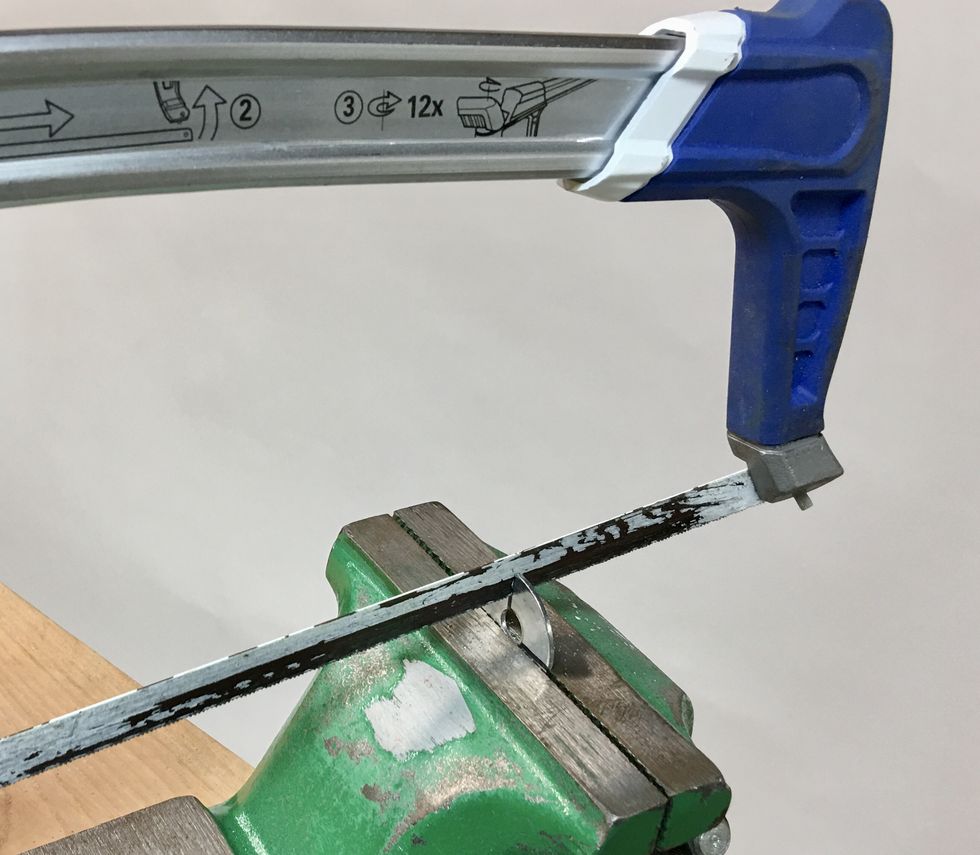
A hacksaw is made for controlled cuts through hard materials. Most models use a narrow, replaceable blade with fine teeth. The frame keeps the blade straight while you push it through the workpiece.
The most common materials you can cut with a hacksaw include:
• Steel and mild steel
• Stainless steel
• Aluminum
• Brass and copper
• Metal pipes and conduit
• Threaded rod and bolts
• Nails and screws
• PVC and ABS plastic
• Acrylic and some fiberglass products
• Thin wood, in limited cases
The exact result depends on the blade. A coarse blade may cut faster through thick metal. A fine blade gives smoother control on thin sheet metal, small tubing, and plastic.

Metals You Can Cut With a Hacksaw
Metal is the main material associated with a hacksaw. The tool can cut many common metals found in homes, garages, and building projects.
Steel and mild steel
A hacksaw can cut mild steel flat bar, angle iron, sheet metal, brackets, bolts, and small pipes. Mild steel is fairly tough, so use a sharp blade and steady pressure.
For thick steel, do not force the saw. Let the teeth remove the material. Excess pressure can bend the blade, break teeth, or produce a crooked cut.
Stainless steel
Stainless steel can also be cut with a hacksaw. It is harder than mild steel and may heat up during cutting. Use a sharp, high-quality blade and make slow, even strokes.
A blade with hardened teeth works well for stainless steel. Cutting oil can reduce heat and friction, but keep oil away from areas where contamination could cause a problem.
Aluminum
Aluminum is softer than steel and usually cuts with less effort. However, soft aluminum can clog the blade teeth. A blade with a suitable tooth pattern and a light coating of cutting lubricant can help prevent this.
Use light pressure. Heavy pressure can cause the aluminum to smear across the teeth instead of producing clean chips.
Copper and brass
Copper pipe, brass rod, and small fittings are easy materials for a hacksaw to cut. Plumbers often use hacksaws to cut copper tubing when a tubing cutter is not available.
Support the pipe close to the cut. This helps prevent crushing and reduces vibration. After cutting, remove the sharp inner edge with a deburring tool, file, or utility knife made for that task.
Threaded rod, bolts, nails, and screws
A hacksaw is useful when you need to shorten threaded rod or remove a damaged bolt. It can also cut nails, screws, wire shelving, and small metal fasteners.
Before cutting threaded rod, place a nut beyond the cut line. After cutting, remove the nut slowly. It can help restore damaged threads near the end.
When cutting a bolt, protect the finished surface with tape or a soft jaw. File the cut end so it does not leave a sharp edge.
The answer to what can you cut with a hacksaw includes nearly every common thin metal found in basic repair work, but thickness still matters. A hacksaw is a hand tool, not a replacement for a metal-cutting bandsaw or abrasive saw.

Plastic, PVC, and Other Synthetic Materials
A hacksaw works well on many rigid plastics. This makes it a useful tool for plumbing, drainage, irrigation, electrical, and home improvement projects.
PVC pipe
PVC pipe is one of the easiest materials to cut with a hacksaw. You can cut drain pipe, water pipe, conduit, and many fittings. Use a fine-tooth blade for a clean edge.
Mark the pipe all the way around before cutting. This guide helps keep the cut square. Afterward, remove burrs from the inside and outside of the pipe.
A rough edge can prevent a solvent-welded joint from sealing correctly. It can also leave loose plastic inside a plumbing line.
ABS and CPVC
A hacksaw can cut ABS and CPVC pipe in much the same way as PVC. Keep the blade straight and avoid crushing the pipe in the vise.
Use moderate pressure. Plastic can crack if the blade catches, especially in cold conditions or near an old fitting.
Acrylic and rigid plastic sheet
A fine hacksaw blade may cut thin acrylic, polycarbonate, and other rigid plastic sheets. Clamp the sheet between scrap boards when possible. This reduces vibration and helps prevent cracking.
Leave the protective film on the sheet while cutting. The film can reduce surface scratches. After the cut, smooth the edge with fine sandpaper.
Fiberglass and composite materials
Some thin fiberglass rods, panels, and composite parts can be cut with a hacksaw. The process creates fine dust, so wear eye protection and a suitable dust mask or respirator.
Do not assume every composite material is safe to cut by hand. Some products contain fibers, coatings, or resins that require special controls. Check the product instructions when the material is unfamiliar.
When people ask what can you cut with a hacksaw, rigid plastic is often overlooked. In practice, a hacksaw can be one of the most convenient tools for cutting plastic pipe and small synthetic parts.
Can a Hacksaw Cut Wood?
A hacksaw can cut thin wood, but wood is not its ideal material. The blade has fine teeth designed for metal, so it removes wood slowly and may clog with sawdust.
You might use a hacksaw for:
• Thin wood strips
• Small dowels
• Softwood trim
• Wooden craft pieces
• Emergency cuts when no wood saw is available
For normal woodworking, use a crosscut saw, panel saw, backsaw, jigsaw, or circular saw. These tools have tooth shapes that clear wood chips more effectively.
A hacksaw may also cut through wood that contains a nail or screw. Still, this can damage the blade. A combination approach is safer: use a wood saw for the wood and a hacksaw for the metal fastener.
The practical answer to what can you cut with a hacksaw is not “everything.” It can cut wood in a pinch, but the result will usually be slower and rougher than a proper wood-cutting tool.

Materials a Hacksaw Should Not Cut
Some materials are unsafe, inefficient, or likely to damage the blade. Knowing what to avoid is just as important as knowing what can you cut with a hacksaw.
Avoid using a standard hacksaw on:
• Thick steel plate
• Hardened tool steel
• Large cast iron sections
• Concrete or brick
• Stone, tile, and masonry
• Tempered glass
• Live electrical wires
• Pressurized gas or fluid lines
• Materials with unknown coatings
A hacksaw can sometimes cut thin cast iron, but cast iron is brittle and may chip. Thick sections require a more suitable cutting method.
Never cut a live wire. Turn off the circuit, confirm that power is absent with a properly rated tester, and follow local electrical safety rules. Even a small wire can create a dangerous arc or shock hazard.
Do not cut a sealed container, pressurized pipe, or fuel line unless you know it is empty and safe. Heat, sparks, or friction can create serious risks around fuel and gas.

Choosing the Right Hacksaw Blade
Blade choice controls speed, cut quality, and safety. Hacksaw blades are commonly described by teeth per inch, or TPI.
Fine-tooth blades
Fine blades often have about 24 to 32 teeth per inch. They work well for thin sheet metal, small tubing, conduit, and plastic.
The blade should have enough teeth engaged with the material. If only one or two teeth touch the work, they may catch and break.
Medium-tooth blades
Blades around 18 to 24 TPI are useful for general metal work. They offer a good balance between cutting speed and control.
This range is often a practical choice for bolts, brackets, pipe, and metal bar used in home repairs.
Coarse-tooth blades
Coarse blades may have about 14 to 18 TPI. They remove material faster from thicker metal, but they can snag thin sheet metal or soft plastic.
Use a coarse blade only when the workpiece is thick enough to keep several teeth engaged.
Blade material
Common blade types include:
• Carbon steel blades for light work and lower cost
• High-speed steel blades for harder materials and longer life
• Bi-metal blades with flexible backs and hardened teeth
For regular repair work, a bi-metal blade is often the best general choice. It costs more than a basic carbon steel blade but is less likely to snap when the frame flexes.
When deciding what can you cut with a hacksaw, match the blade to both the material and its thickness. A good blade cannot compensate for the wrong tooth pattern.

How to Cut Materials With a Hacksaw
Good technique makes a hacksaw safer and more accurate. The following method works for most small metal, plastic, and pipe cuts.
Mark the cut line clearly. Use a marker, pencil, or scribe that suits the material.
Choose the correct blade. Make sure several teeth will contact the workpiece during each stroke.
Install the blade correctly. Most hacksaw blades cut on the forward stroke, so the teeth should point away from the handle.
Secure the material. Use a vise, clamp, or stable work surface. Never hold the workpiece in your hand while sawing.
Start with short strokes. Create a shallow groove on the cut line before using longer strokes.
Keep the blade straight. Use the full length of the blade and maintain a steady rhythm.
Apply light pressure on the forward stroke. Reduce pressure as the blade returns.
Slow down near the end. Thin material can bend or tear as the cut breaks through.
Remove burrs. Use a file, deburring tool, or fine abrasive suited to the material.
Inspect the cut. Check for sharp edges, cracks, loose threads, or distortion.
A common mistake is pressing down too hard. The blade should feel like it is working, not digging into the material under force. One lesson experienced DIY users learn quickly is that patience produces a straighter cut than muscle.

Hacksaw Safety Tips
A hacksaw is simple, but it can still cause cuts, eye injuries, and hand strain. Basic precautions make a major difference.
• Wear safety glasses whenever you cut.
• Wear work gloves when handling sharp edges, but keep gloves away from moving powered tools.
• Keep both hands on the saw handle and frame when possible.
• Check the blade for cracks, missing teeth, or excessive wear.
• Keep the blade tight in the frame.
• Secure the workpiece close to the cut.
• Keep your free hand away from the blade path.
• Use a file to remove sharp burrs.
• Clean metal chips with a brush, not your bare hand.
• Wash your hands after cutting materials with oils, coatings, or chemical residue.
• Use ventilation when cutting plastic, fiberglass, or coated metal.
Safety agencies and tool manufacturers consistently stress eye protection, secure workpieces, and proper blade selection for hand-saw tasks. Those steps may seem basic, but they prevent many of the injuries linked to slipping tools and flying chips.

Common Problems and How to Fix Them
Even when you know what can you cut with a hacksaw, poor technique can lead to a bad result. Most problems have a simple cause.
The blade keeps breaking
A loose blade can twist during the cut. Excessive pressure can also break it. Tighten the blade correctly and use smooth strokes.
If the blade keeps snapping, check whether the material is too thick or too hard for the tool.
The cut is not straight
The problem may come from starting at an angle or moving the frame sideways. Make a shallow starting groove first. Keep both ends of the blade aligned with the cut line.
A vise can improve control, but do not tighten it so much that you crush thin tubing or plastic.
The blade clogs
Soft aluminum and some plastics can fill the tooth spaces. Clean the blade, reduce pressure, and use a more suitable tooth pattern.
A small amount of compatible cutting lubricant may help on metal. Do not use lubricant if it creates a safety issue or contaminates a surface that must be bonded or painted.
The material bends
Thin sheet metal and tubing need support close to the cut. Clamp the work firmly, but use pads or shaped blocks to prevent crushing.
For thin metal, a fine-tooth blade and shorter strokes usually provide better control.
The cut edge is rough
A worn blade, fast strokes, or poor support can create a rough edge. Replace the blade when needed and finish the cut with a file or abrasive paper.
A hacksaw is a cutting tool, not a finishing tool. Plan to deburr metal and plastic after nearly every cut.
:max_bytes(150000):strip_icc()/SPR-types-of-saws-5409526-7-X-Hacksaw-8a18e4b2946e4d16b3a40789e9656359.jpg)
Hacksaw Versus Other Cutting Tools
A hacksaw is affordable, portable, and quiet. It is excellent for small jobs where precision matters more than speed.
Use a hacksaw when:
• You need to make a few controlled cuts
• The material is small enough to secure
• You are working where power is unavailable
• Sparks or high heat would be a problem
• You need to cut bolts, pipe, conduit, or threaded rod
Choose another tool when:
• You need many repeated cuts
• The material is thick
• You need a perfectly square production cut
• The workpiece is too large to secure safely
• The material creates hazardous dust or fumes
A pipe cutter may produce a cleaner cut on copper tubing. An angle grinder may handle thick steel faster. A reciprocating saw can cut larger or awkward materials. A bandsaw is often better for repeated, accurate metal cuts.
The best answer to what can you cut with a hacksaw depends on the job, not just the material. A hacksaw is often the safest choice for one small cut, even when a power tool could finish faster.
Frequently Asked Questions About What Can You Cut With a Hacksaw
What can you cut with a hacksaw at home?
You can cut bolts, screws, nails, metal brackets, copper pipe, PVC pipe, conduit, threaded rod, and small pieces of aluminum or steel. A hacksaw can also cut thin plastic and light wood, though other saws may work better for those materials.
Can a hacksaw cut stainless steel?
Yes, a hacksaw can cut stainless steel with a sharp bi-metal blade. Use steady strokes, moderate pressure, and a suitable lubricant when appropriate.
Can a hacksaw cut PVC pipe?
Yes, a hacksaw cuts PVC, ABS, and CPVC pipe effectively. Mark the pipe around its full circumference, support it firmly, and deburr the cut before joining it.
Can a hacksaw cut through a bolt?
Yes, cutting bolts is one of the most common hacksaw tasks. Place a nut beyond the cut before sawing, then remove the nut carefully to help clean the threads.
Can a hacksaw cut wood?
A hacksaw can cut thin wood, but it is slow and may leave a rough edge. Use a hand saw, jigsaw, or another wood-cutting tool for regular woodworking.
What blade should you use for cutting metal?
A bi-metal hacksaw blade is a strong general choice for metal. Use finer teeth for thin material and coarser teeth for thicker stock.
Why does my hacksaw blade keep breaking?
The blade may be too loose, too tight, dull, or unsuitable for the material. Excessive pressure and side-to-side movement can also cause it to snap.
Conclusion
A hacksaw can cut many common materials, including steel, stainless steel, aluminum, copper, brass, bolts, threaded rod, PVC, ABS, conduit, and rigid plastic. It can cut thin wood in limited situations, but it is not the best choice for normal woodworking.
Choose the right blade, secure the workpiece, use steady strokes, and finish the edge with a file or deburring tool. With these habits, you can make clean, controlled cuts without relying on an expensive power tool.
Before your next project, inspect the material, select the correct blade, and plan the cut. Explore more hand-tool guides, share your own hacksaw tips, or leave a comment about the material you need to cut.
