What’s A Hacksaw Used For: Uses And Tips
In U.S. homes, garages, plumbing jobs, and repair shops, a hacksaw is used to cut hard materials by hand. It is best known for cutting metal, but the right blade can also cut plastic pipe, conduit, bolts, threaded rod, and some composite materials. Its thin, replaceable blade makes clean cuts where a larger power saw may be too loud, bulky, or hard to control.
A hacksaw is simple, low-cost, and useful. The key is to match the blade to the material, hold the work firmly, and use steady strokes instead of force.
What Is a Hacksaw?
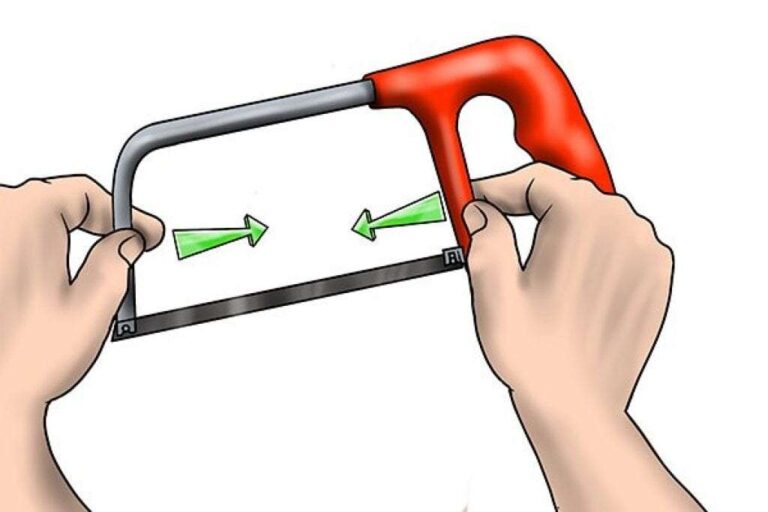
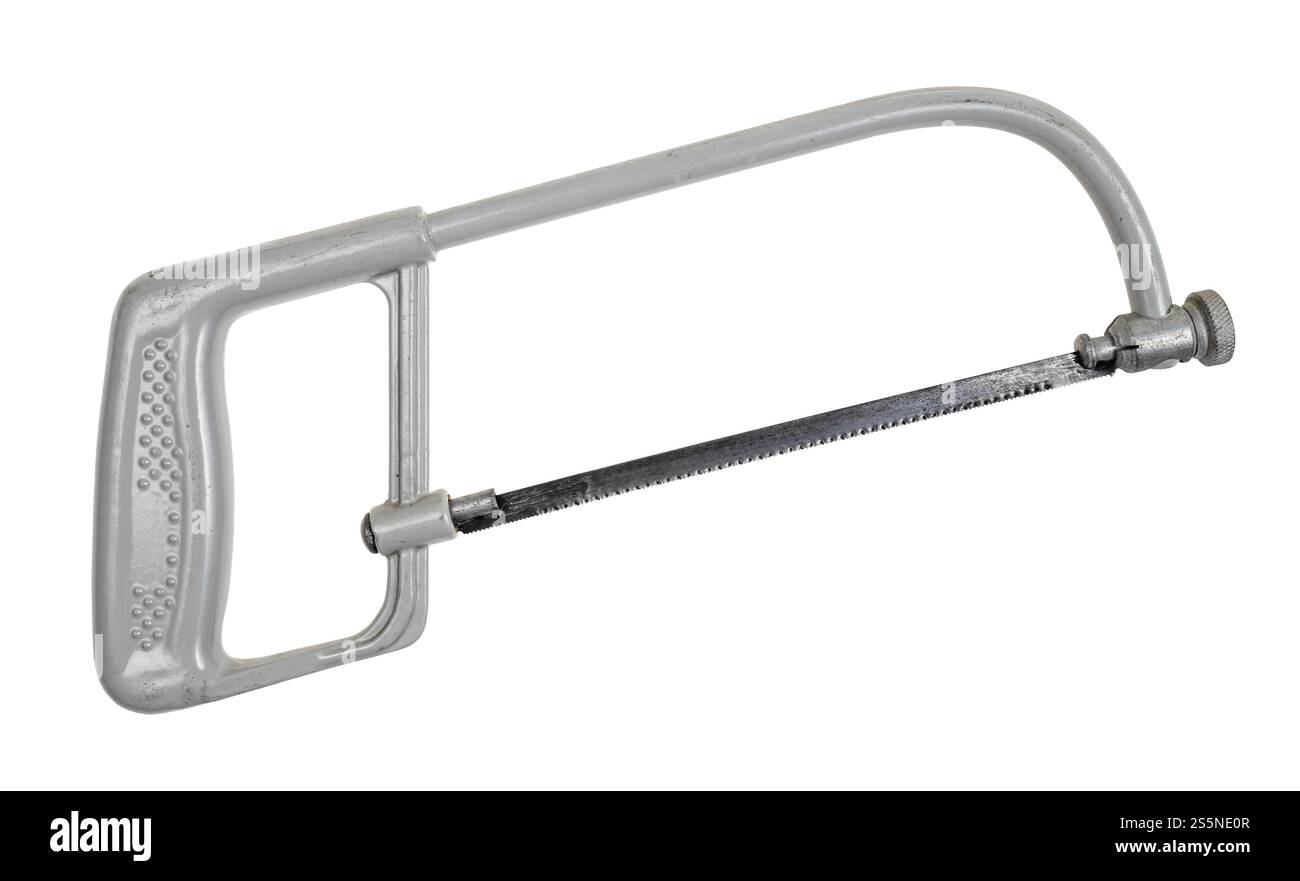
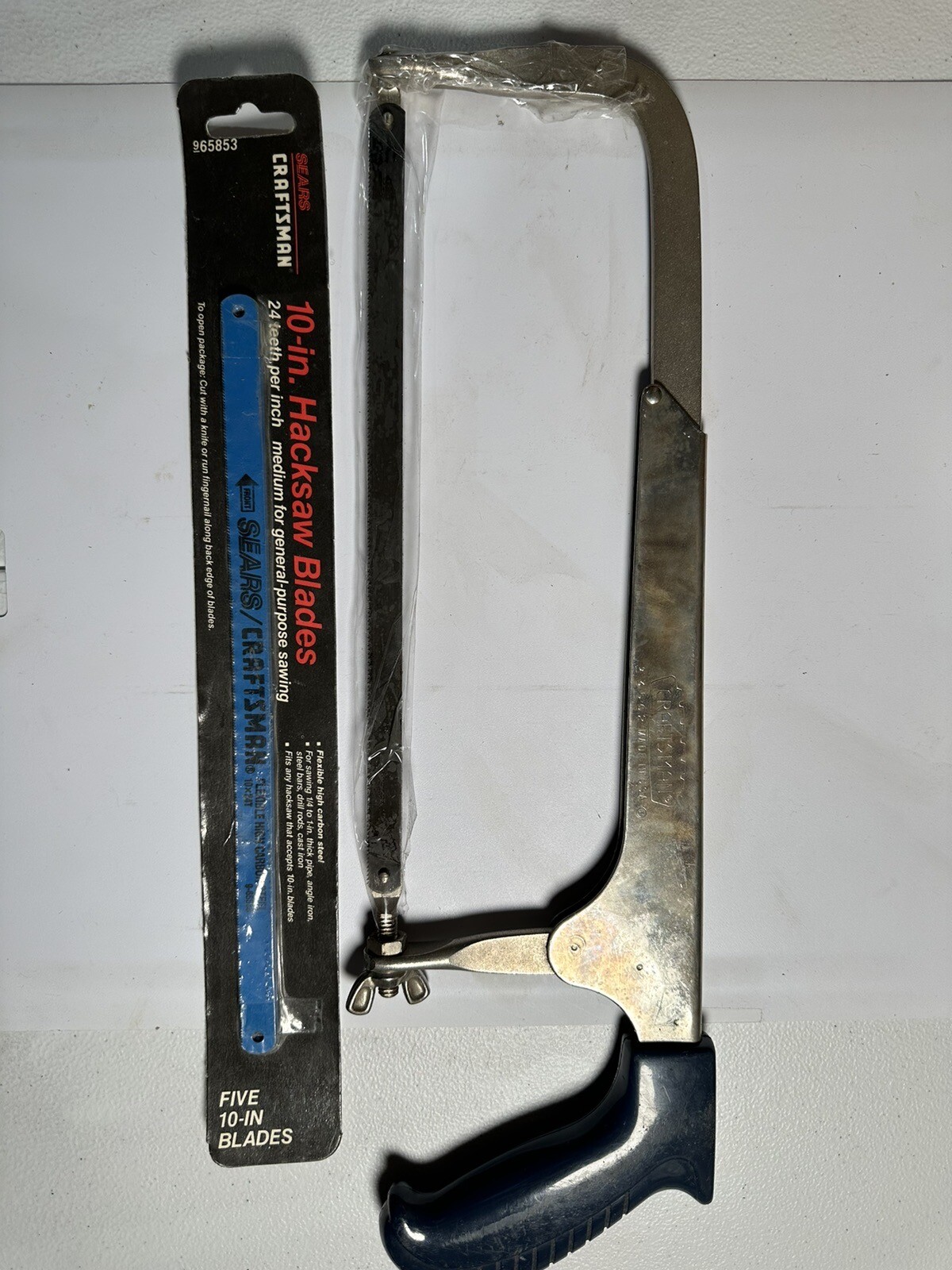
A hacksaw is a hand saw with a narrow, fine-toothed blade held in a metal frame. Most standard hacksaws have a handle, a front and rear blade mount, and a tension screw or lever.
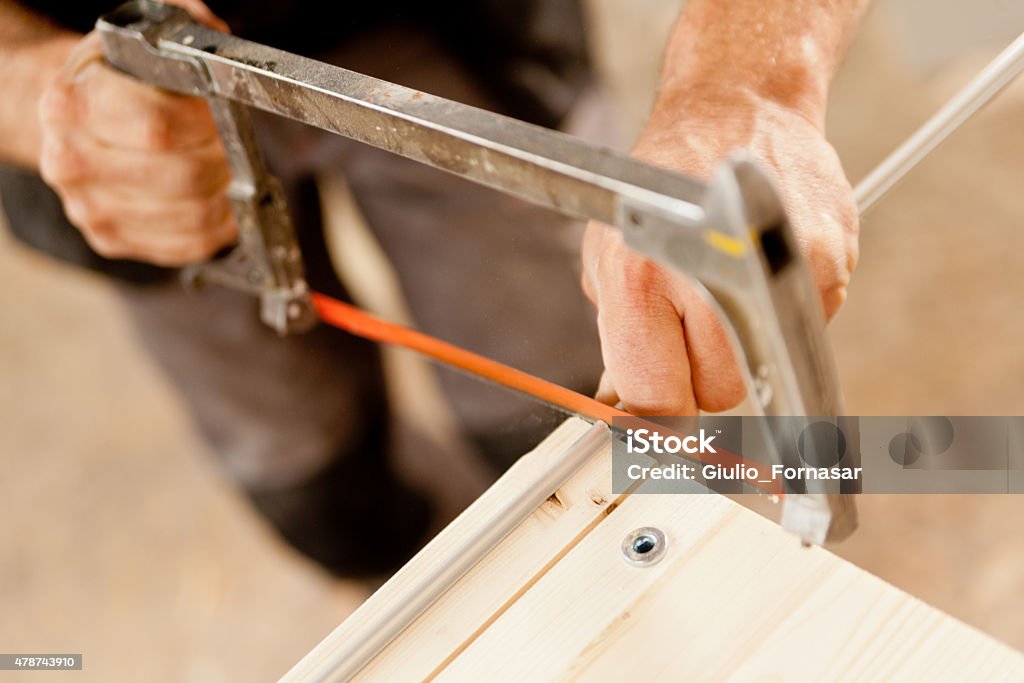
The blade cuts on the forward stroke. As you push the saw, the teeth remove small bits of material. The return stroke should use little pressure.
Main hacksaw parts
- Frame: Holds the blade straight and supports it during the cut.
- Handle: Gives you control and protects your hand.
- Blade: Has small teeth made for metal and other hard materials.
- Blade mounts: Hold the blade at each end.
- Tension adjuster: Keeps the blade tight.
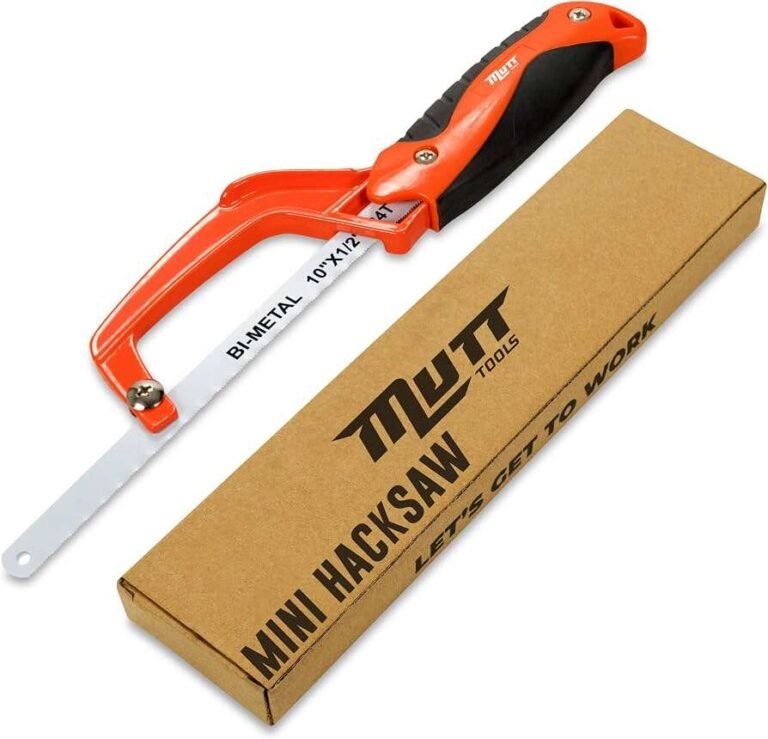
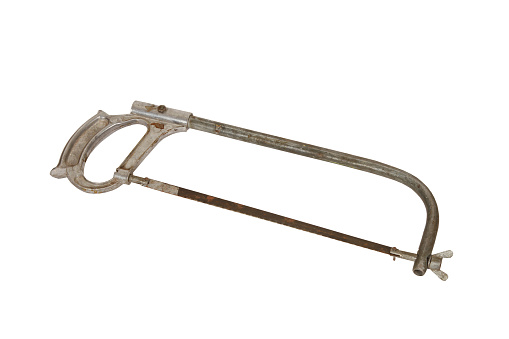
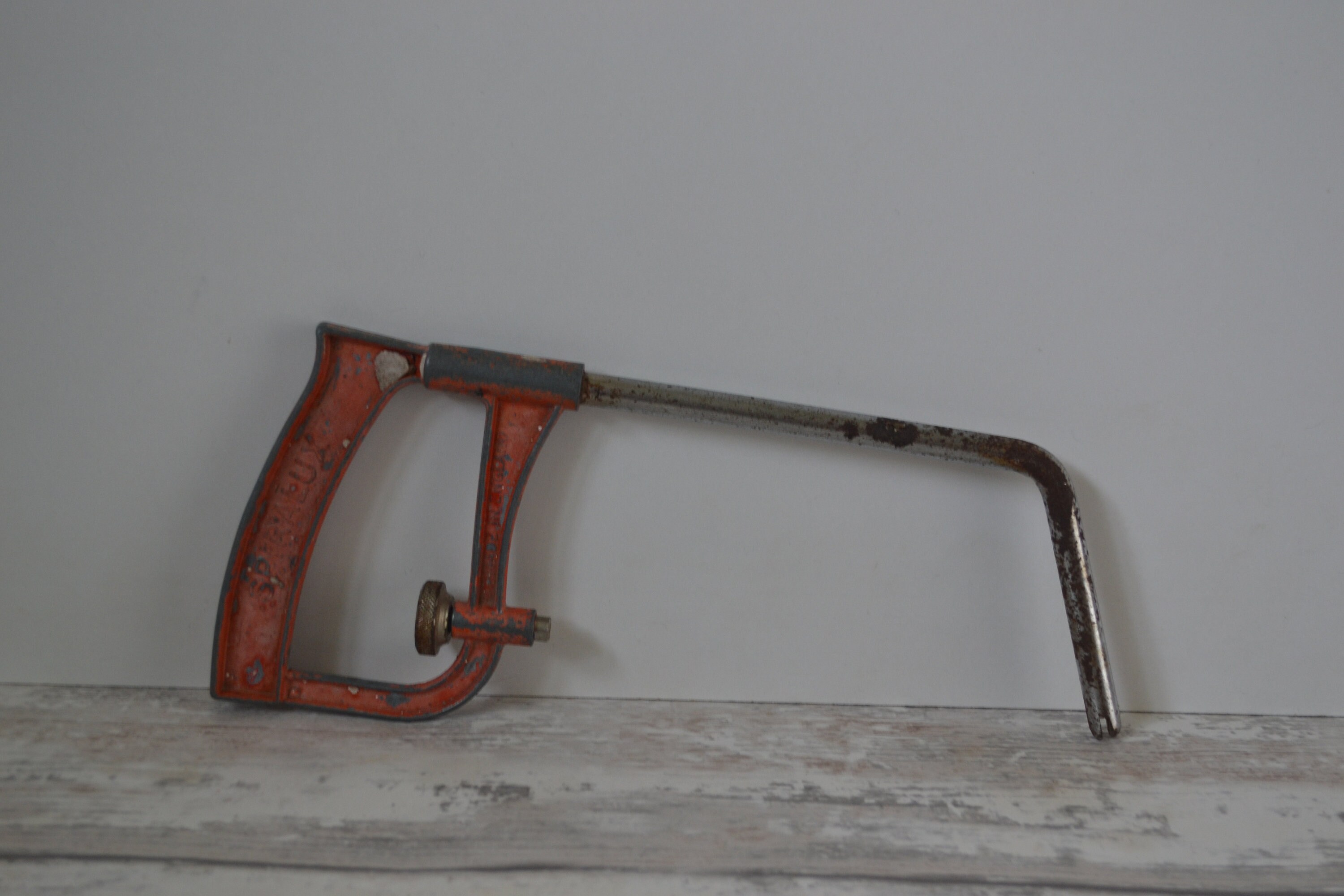
Most hacksaws use blades about 12 inches long, though smaller and larger models are also sold in the United States. Compact mini hacksaws use shorter blades and work well in tight spaces.
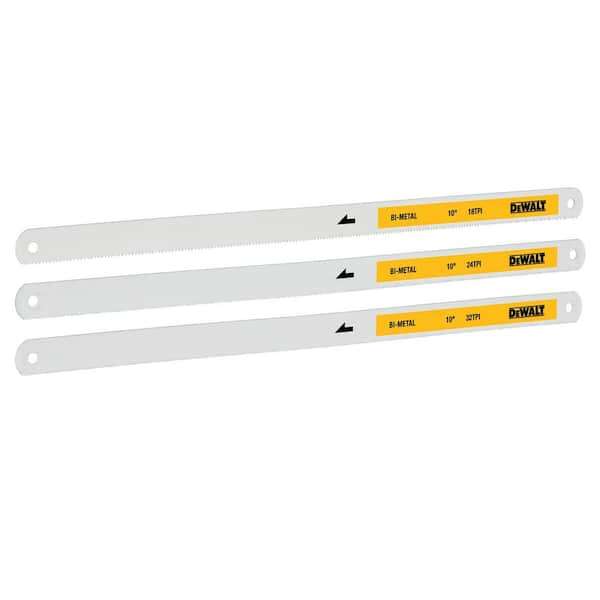
A hacksaw blade may have teeth ranging from coarse to fine. Tooth count is often listed as TPI, or teeth per inch. A higher TPI gives a smoother cut but removes material more slowly. A lower TPI cuts faster but may feel rougher.

What’s a Hacksaw Used For?
A hacksaw is mainly used to cut metal and other hard materials that are too tough for a standard wood saw.
Common uses include:
Cutting metal pipe and tubing
A hacksaw can cut steel pipe, copper tubing, aluminum tube, and thin-wall metal conduit. Plumbers, electricians, mechanics, and DIY users often use one when a power tool is not needed.
For thick steel, the cut may take time. A powered metal-cutting saw is usually faster, but a hacksaw gives better control and creates less noise.
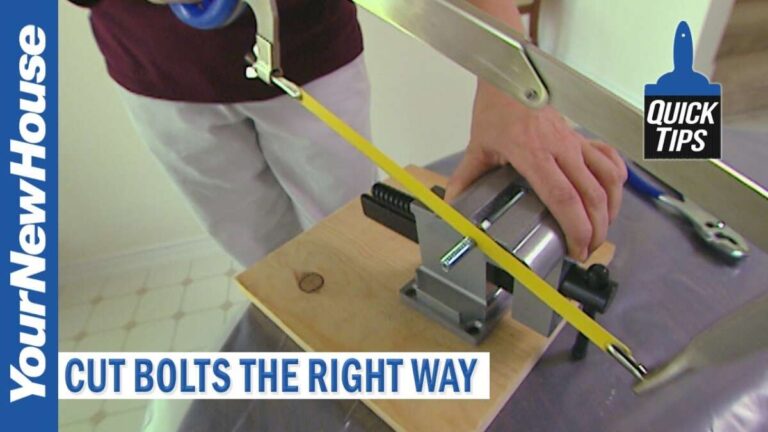
Cutting bolts and threaded rod
A hacksaw can shorten bolts, screws, all-thread rod, and threaded fasteners. This is useful when a bolt is too long or when a threaded rod must fit a specific space.
After cutting, file away the sharp edge. If the threads are damaged, a matching nut may help restore them when removed from the cut end. Thread damage is not always repairable, so cut slowly and keep the blade square.
Cutting metal conduit
Electrical conduit can often be cut with a hacksaw. After the cut, remove burrs from the inside and outside. Burrs can damage wire insulation or cause cuts during installation.
The conduit must not contain live wiring. Turn off power, verify that the circuit is de-energized, and follow local electrical rules before cutting near an electrical system.
Cutting plastic pipe
With a fine blade, a hacksaw can cut PVC, CPVC, ABS, and some other plastic pipe. The cut may have more burrs than one made with a plastic-pipe cutter, so clean the edge before joining the pipe.
For a fitting to seal well, the cut should be straight and free of rough chips. A utility knife, deburring tool, or fine file can help clean the edge.
Cutting brackets and small metal parts
A hacksaw works well for cutting:
- Metal shelf brackets
- Small angle iron
- Thin flat stock
- Wire mesh
- Hinges
- Appliance parts
- Bicycle components
- Light-duty hardware
Check the material before cutting. Some parts are hardened, spring-loaded, or under tension. They may need a different tool or a safer work method.
Removing damaged fasteners
A hacksaw can cut a slot into the head of a damaged screw. You can then try a flat-head screwdriver. This method works only when the screw head is easy to reach and there is enough metal to cut safely.
A hacksaw can also cut through a seized bolt or nut. Protect nearby surfaces from the blade and support the part before cutting.
Materials a hacksaw usually should not cut
A standard hacksaw is not the best tool for:
- Thick structural steel
- Large logs or lumber
- Concrete or masonry
- Hardened tool steel
- Large stainless-steel sections
- Materials that may release dangerous dust or fibers
A hacksaw can cut some of these materials in special cases, but the blade may wear out fast or bind. Use a tool made for the material and follow its safety instructions.
How to Use a Hacksaw Correctly
A good hacksaw cut starts with secure work and the right blade. Follow these steps.
1. Choose the right blade
Select the blade by material and thickness.
For thin metal, use a fine blade. The general rule is to keep at least two or three teeth in contact with the material during the cut. If the material is thin, a coarse blade may catch and bend it.
Typical blade choices include:
| Material or job | Useful blade choice |
|---|---|
| Thin sheet metal | Fine teeth |
| Steel pipe or tubing | Medium teeth |
| Thick metal stock | Coarser teeth |
| Plastic pipe | Fine or medium teeth |
| Aluminum | Medium teeth, with care to reduce clogging |
| Bolts and threaded rod | Fine or medium teeth |
Blade packaging may list TPI. Common hacksaw blades range from about 14 to 32 TPI, but the best choice depends on the material thickness and blade design.
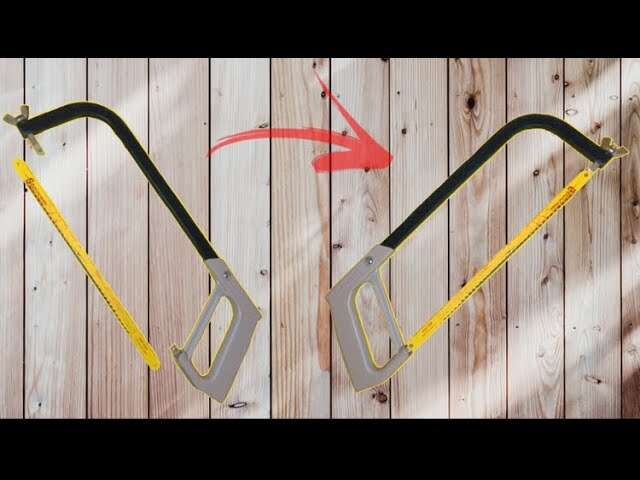
2. Install the blade in the correct direction
Most hacksaw blades are designed to cut when pushed. Point the teeth away from the handle.
Some specialty blades may have a different design. Follow the markings on the blade or its package if they conflict with this general rule.
3. Tighten the blade
The blade should be tight and straight. A loose blade can wander, twist, or buckle. An overly tight blade can place extra stress on the frame or mounts.
Tighten it until the blade does not move sideways with light finger pressure. Do not bend the frame to force the blade tighter.
4. Mark the cut
Use a marker, pencil, or scribe to mark the cut line. Wrap masking tape around pipe when you need a clear guide around its full diameter.
A square line helps produce a straight cut. For a bolt or threaded rod, mark all sides if you need a precise cut.
5. Secure the material
Place the work in a vise or clamp. The cut line should sit close to the support point. This reduces vibration and helps prevent the material from bending.
Do not hold small work in your hand while sawing. The blade can slip, and the material can spin or move.
6. Start with short strokes
Place the blade on the waste side of the mark. Use short, light strokes to form a shallow groove. This starting groove keeps the blade from sliding across the surface.
Once the groove is clear, use longer strokes. Keep the blade at a steady angle and follow the marked line.
7. Use steady pressure
Apply pressure on the forward stroke and release most pressure on the return stroke. Let the teeth do the cutting.
Pushing too hard can bend or break the blade. It may also cause a rough cut or make the saw jump.
8. Finish and clean the cut
Slow down as the blade nears the end. Support the waste piece so it does not break away and tear the remaining material.
Remove sharp edges with a file or deburring tool. Clean plastic chips and metal filings from the work area.
A successful cut is straight enough for the task, has no major cracks or tears, and leaves an edge that is safe to handle.
How to Choose the Right Hacksaw Blade
The best hacksaw blade depends on the material, its thickness, and the finish you need.
Blade tooth pattern
Most blades use one of these tooth patterns:
- Coarse teeth: Faster cutting in thick material.
- Medium teeth: A useful choice for general metal work.
- Fine teeth: Better for thin metal, small parts, and smoother cuts.
- Variable-pitch teeth: Tooth spacing changes along the blade. This can reduce vibration and help with mixed thicknesses.
A blade that is too coarse may catch on thin stock. A blade that is too fine may cut slowly and clog with chips.
Blade material
Common blade materials include:
- Carbon steel: Low cost, but it may wear faster.
- High-speed steel: Holds its edge better in many metal-cutting jobs.
- Bi-metal: Combines a flexible back with harder cutting teeth. It is often more resistant to breaking than a basic blade.
The blade material does not replace proper technique. A premium blade can still break if it is loose, twisted, or forced through the cut.
Full-size versus mini hacksaws
A full-size hacksaw gives more stroke length and often cuts faster. It is a good choice for pipe, bolts, brackets, and general shop work.
A mini hacksaw fits into narrow spaces. It is useful for small repairs, but it gives less support and may require more strokes. Keep the work firmly secured when using one.
Hacksaw Compared With Other Saws
A hacksaw is useful, but it is not the best tool for every cut.
| Tool | Best for | Main limitation |
|---|---|---|
| Hacksaw | Small metal, pipe, bolts, conduit | Slow on thick material |
| Tubing cutter | Clean cuts on copper or plastic pipe | Limited by pipe size and access |
| Reciprocating saw | Fast cuts in many materials | More vibration and less control |
| Angle grinder | Thick metal and rough cutting | Sparks, noise, and debris |
| Jigsaw with metal blade | Curved or controlled sheet-metal cuts | Needs the right blade and support |
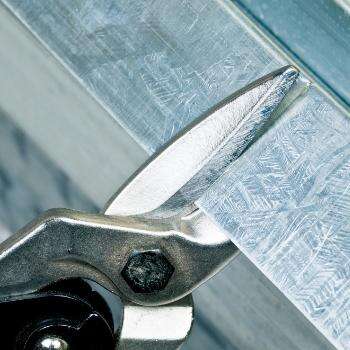
| Wood hand saw | Lumber and large wood pieces | Not designed for metal |
Use a tubing cutter when you need a clean, square cut on compatible pipe and have enough room to turn the tool. Use a power saw when the material is thick or the job includes many cuts.
Choose a hacksaw when control, low noise, portability, and low cost matter more than speed.
Hacksaw Safety Tips
A hacksaw is a hand tool, but it can still cause cuts, eye injuries, and pinch injuries.
- Wear safety glasses when cutting metal, plastic, or brittle material.
- Secure the work before starting.
- Keep both hands behind the blade and away from the cut path.
- Check that the blade is tight and free of cracks.
- Replace a dull or damaged blade.
- Do not use a blade that is bent or missing teeth.
- Keep the cut area clear of wires, hoses, and other hidden parts.
- Wear gloves only when they do not create a snag risk. Gloves are not a substitute for secure work.
- Remove burrs before handling the cut piece.
- Clean metal filings with a brush or vacuum suited to the material. Do not wipe sharp filings with bare hands.
- If cutting painted, coated, or unknown material, check whether the dust or coating may be hazardous.
For electrical work, do not assume that a nearby wire is safe. Turn off the correct circuit and verify the absence of voltage with a suitable tester. If you are not trained to do this, hire a qualified electrician.
For plumbing or pressurized systems, shut off the supply and release pressure before cutting. For gas lines, stop and contact a licensed professional rather than cutting an active line.

Common Hacksaw Mistakes
Using the wrong blade direction
If the teeth face the handle on a standard push-cut blade, the saw may not cut as intended. Install the blade with the teeth pointing away from the handle unless the blade instructions say otherwise.
Using too few teeth on thin material
A coarse blade can grab thin sheet metal or deform it. Use a finer blade so several teeth stay engaged.
Cutting without support
Loose work can vibrate, move, or pinch the blade. Clamp it close to the cut.
Pushing too hard
Force does not make a hacksaw work well. It increases heat, wear, and the risk of a bent blade. Use a smooth rhythm and moderate pressure.
Letting the blade wander
Start with short strokes. Once the groove forms, keep the frame aligned with the cut. Do not twist the handle to steer the blade.
Ignoring burrs
A cut edge can be sharp enough to slice skin or damage insulation. File the edge before installation or handling.
Reusing a dull blade
A dull blade makes the job slower and often produces more heat. If the teeth do not bite, replace the blade rather than forcing it.

Key Takeaways
- A hacksaw is mainly used to cut metal, plastic pipe, conduit, bolts, threaded rod, and small hardware.
- Choose the blade by material thickness and tooth count.
- Fine teeth suit thin material. Coarser teeth suit thicker stock.
- Secure the work and begin with short strokes.
- Push on the cutting stroke and ease off on the return stroke.
- Wear eye protection and remove burrs after cutting.
- Use a different tool for thick structural material, large wood, masonry, or hazardous systems.
Frequently Asked Questions
Can a hacksaw cut wood?
A hacksaw can cut soft or thin wood in a pinch, but it is not designed for efficient wood cutting. Its fine teeth may clog, and the cut will be slow. Use a wood saw for lumber, branches, plywood, and other wood products.
Can a hacksaw cut stainless steel?
Yes, a hacksaw can cut thin stainless steel with a sharp, suitable blade. Use steady pressure and avoid overheating the blade. Thick stainless steel may require a powered metal-cutting tool.
Can a hacksaw cut PVC pipe?
Yes. A fine or medium hacksaw blade can cut PVC pipe. Make the cut as square as possible, then remove burrs from the inside and outside before joining the pipe.
Why does my hacksaw blade keep breaking?
Common causes include loose or excessive tension, a bent frame, too much force, twisting the blade, or starting at an angle. The work may also be moving or the blade may be worn out. Secure the material, install a fresh blade, and use smooth strokes.
How long does a hacksaw blade last?
There is no fixed service life. Blade life depends on the material, thickness, tooth design, pressure, and number of cuts. Replace the blade when it cuts slowly, slips, has missing teeth, or requires unusual force.
Is a hacksaw better than an angle grinder?
Neither tool is always better. A hacksaw gives quiet, controlled cuts with no sparks from a motor. An angle grinder is much faster for thick metal but creates sparks, noise, dust, and more kickback risk. Choose based on the material, location, finish, and your training.
Conclusion
A hacksaw is used for controlled hand cuts in metal, plastic pipe, conduit, bolts, threaded rod, and small hardware. It works best when the blade matches the material, the work is clamped firmly, and the saw moves in smooth forward strokes.
For a small repair, a hacksaw may be all you need. For thick metal, repeated cuts, live utilities, or hazardous materials, choose a more suitable tool or get qualified help.
Recent Tool Guides
 Hammer
How To Hammer Flowers Onto Paper: Easy Guide
Learn how to hammer flowers onto paper with simple steps, helpful tips, and beautiful results for...
Read Guide → Wrench
How To Use A Hex Wrench: Easy Step-By-Step Guide
Learn how to use a hex wrench correctly with simple steps, helpful tips, and common mistakes...
Read Guide → Hacksaw
How To Cut Curtain Pole With Hacksaw: Easy Guide
Learn how to cut curtain pole with hacksaw safely and neatly. Follow simple steps for accurate...
Read Guide → Wrench
How To Use A Husky Torque Wrench: Easy Guide
Learn how to use a Husky torque wrench correctly with simple steps, torque settings, and safety...
Read Guide → Hammer
How To Hold A Hammer: Safe Grip Guide
Learn how to hold a hammer with the right grip, stance, and technique for safer, more...
Read Guide → Hacksaw
How To Cut Flexible Metal Conduit With Hacksaw: Easy Guide
Learn how to cut flexible metal conduit with hacksaw safely and cleanly. Follow simple steps for...
Read Guide →