How Is A Hacksaw Used: A Simple Cutting Guide
Introduction
A hacksaw is a hand tool used to cut metal, plastic pipe, conduit, bolts, threaded rod, and other hard materials. To use one, fit the right blade, secure the workpiece, place the blade on the cut line, and push the saw forward with steady pressure. Then lift slightly on the return stroke and repeat until the cut is complete.
This guide explains how to use a hacksaw in the United States, how to choose a blade, how to cut straight, and what to do when the blade binds or breaks. It also covers basic safety limits and when another tool may work better.

What Is a Hacksaw?
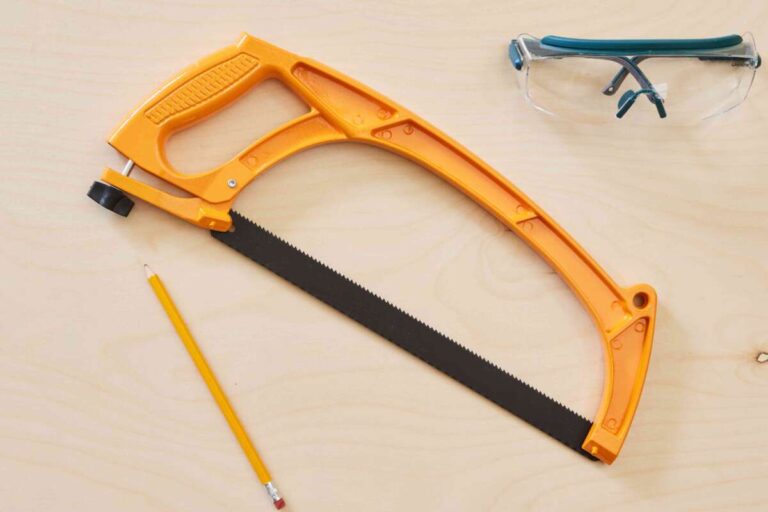
A hacksaw is a metal-cutting saw with a thin, replaceable blade held in a rigid frame. Most models use a blade about 12 inches long, although compact and adjustable versions are also common in U.S. hardware stores.
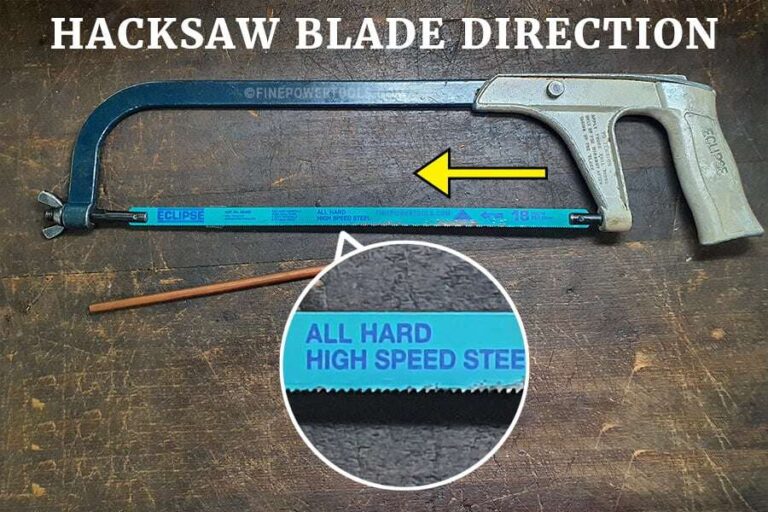
The blade has small teeth along one edge. These teeth usually point away from the handle. The saw cuts when you push it forward, not when you pull it back.
A standard hacksaw has four main parts:
- Frame: Holds and supports the blade.
- Handle: Gives you control and keeps your hand away from the teeth.
- Blade: Does the cutting work.
- Tensioning screw or lever: Tightens the blade so it stays straight.
Some frames accept blades in more than one position. This can help you make flush cuts or work in tight spaces. Follow the tool maker’s instructions when changing the blade position.
A hacksaw is designed for controlled, manual cuts. It is not a good choice for cutting wood, masonry, hardened tool steel, or thick structural steel. Using the wrong material can damage the blade and make the cut unsafe.

What Can You Cut With a Hacksaw?
A hacksaw can cut many small or medium-sized metal and plastic items. It works best when the material is held firmly and the cut does not require high speed.
Common uses include:
- Cutting steel, aluminum, brass, and copper
- Cutting PVC, ABS, and some other plastic pipe
- Trimming threaded rod and bolts
- Cutting metal conduit
- Shortening flat bar, angle stock, and small tubing
- Removing damaged fasteners
- Cutting through small chains, brackets, and hardware
- Making rough cuts in thin sheet metal
A hacksaw may struggle with thick stock, hardened steel, large pipe, or long production cuts. In those cases, a reciprocating saw, angle grinder, band saw, tubing cutter, or cold saw may be more suitable.
Before cutting, check whether the material contains hidden wires, pressurized fluid, gas, or other hazards. Never cut a pipe or conduit until you know what is inside it and have isolated the system when needed.

How to Choose the Right Hacksaw Blade
The best hacksaw blade depends on the material’s thickness and hardness. Blade choice is mainly based on teeth per inch, or TPI.
| Blade tooth count | Typical use |
|---|---|
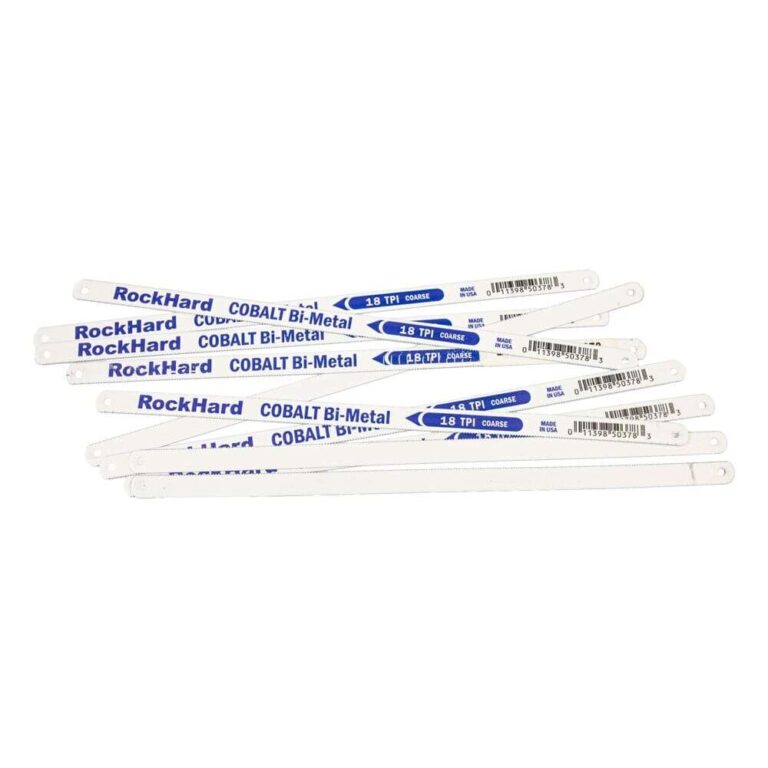
| 14–18 TPI | Thick metal, heavy tubing, aluminum, and larger cuts |
| 24 TPI | General-purpose metal cutting |
| 28–32 TPI | Thin sheet metal, small tubing, conduit, and thin-wall pipe |
Choose a blade that keeps at least two or three teeth in the material at all times during the cut. If the material is thin, use a finer blade. If it is thick, use a coarser blade so the teeth do not clog.
A blade with too few teeth may catch and chatter on thin metal. A blade with too many teeth can cut slowly and pack with chips in thick material.
Blade materials
Common hacksaw blades include:
- Carbon steel: Low cost and suitable for light-duty work.
- High-speed steel: Holds its edge better in demanding cuts.
- Bi-metal: Combines a flexible body with harder teeth and is often a durable general-purpose option.
- Carbide-grit: Designed for some abrasive or difficult materials, but it does not cut like a standard toothed blade.
For most household and workshop jobs, a sharp bi-metal blade with the correct TPI is a practical choice. Replace a blade when the teeth are dull, missing, bent, or clogged with material.

How to Use a Hacksaw Step by Step
Use the following process for a clean and controlled cut.
1. Inspect the saw and blade
Check that the frame is not bent and that the handle is secure. Look for cracked plastic, damaged tension parts, or loose blade pins.
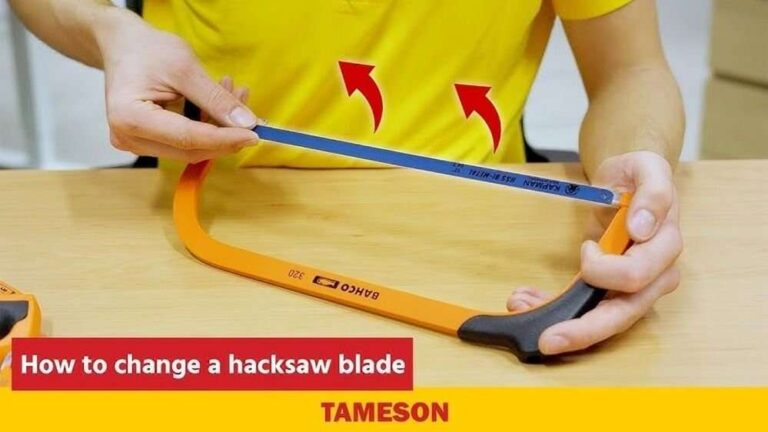
Install a blade with the teeth pointing away from the handle. Tighten it until the blade is firm and straight. Do not overtighten it, because excessive tension can damage the frame or cause the blade to snap.
2. Mark the cut line
Use a permanent marker, scribe, or fine-tip pencil to mark the location. Wrap masking tape around round pipe to create a guide that is easier to follow.
For a square cut, measure from a known end and mark the line all the way around the pipe. A line that goes around the full surface helps prevent the saw from drifting.
3. Secure the workpiece
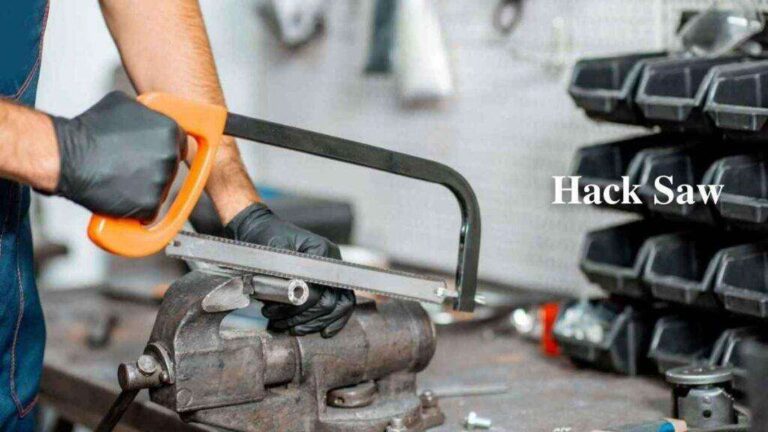
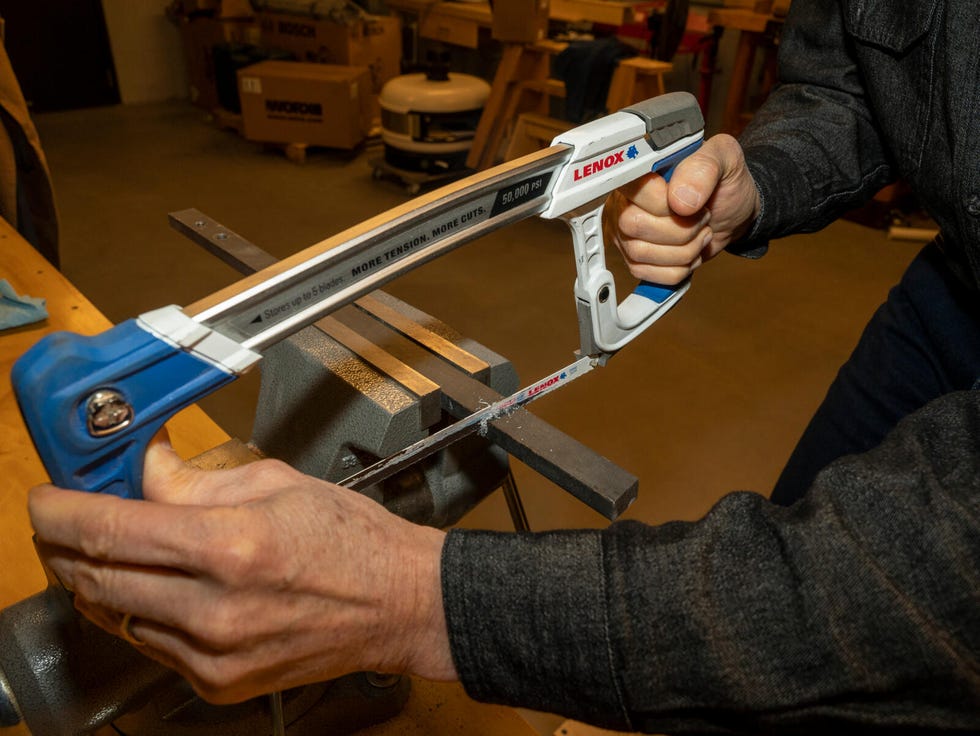
Clamp the material in a bench vise whenever possible. Place the cut close to the vise jaws, but leave enough room for the saw frame to move.
Use soft jaws, cardboard, wood, or a rag to protect finished surfaces. Do not hold the workpiece in your hand while sawing. A moving piece can cause the blade to slip and injure your hand.
If you cannot use a vise, support the material on a stable workbench and use a clamp. Never place your fingers near the intended cut.
4. Set the saw on the mark
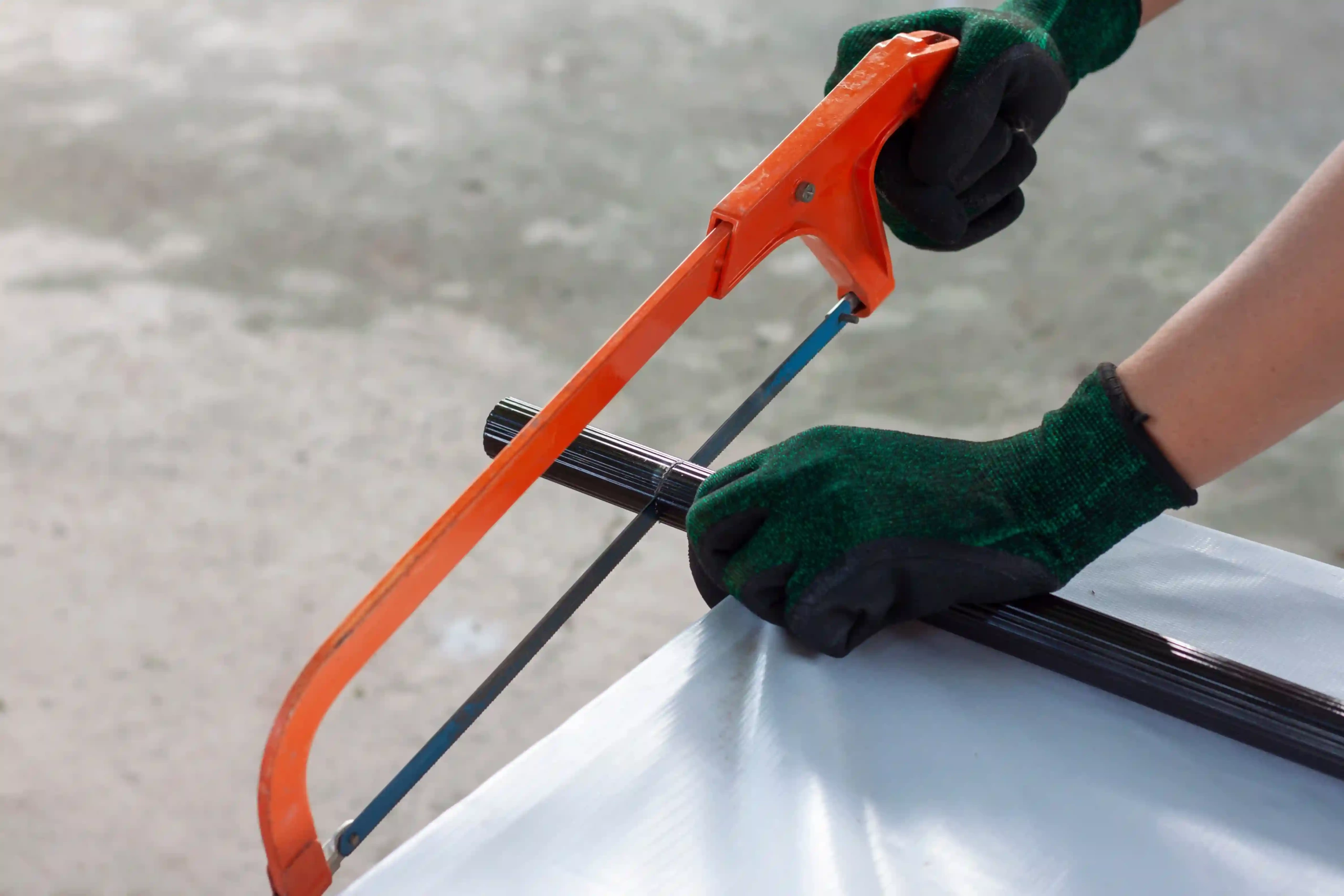
Hold the handle with your dominant hand. Place your other hand on the front of the frame if you need more control.
Set the blade at about a 45-degree angle for a general cut. A shallow angle gives more teeth contact and can help with thin material. Keep the frame aligned with the cut line.
5. Start with short strokes
Use short, light strokes to create a shallow groove. This starting groove, sometimes called a kerf, keeps the blade from wandering.
Do not begin with hard, long strokes. The blade can slide off the mark, scratch the workpiece, or damage its teeth.
6. Use steady forward strokes
Once the groove is established, use smooth strokes across most of the blade length. Apply pressure on the forward stroke and reduce pressure on the return stroke.
Keep the blade straight. Let the teeth do the cutting rather than forcing the frame. A steady rhythm usually cuts faster than heavy pressure.
7. Keep the cut aligned
Watch both the blade and the marked line. If the blade starts to twist, stop and correct its angle.
For a round pipe, rotate the workpiece when practical so you can keep the blade square to the surface. Do not twist the hacksaw from side to side while the teeth are engaged.
8. Finish the cut carefully
Slow down as the cut nears completion. Thin material may bend or break suddenly, leaving a sharp edge.
Support both sides of the workpiece if possible. Keep your free hand away from the cut and maintain control of the saw until the pieces separate.
9. Deburr the edge
After cutting, remove sharp edges with a file, deburring tool, or fine abrasive paper. Run the tool away from your hand and wear eye protection.
For pipe, remove chips and burrs from both the inside and outside edge. This helps protect seals, fittings, cables, and hands.

How to Make a Straight Cut With a Hacksaw
A straight hacksaw cut depends more on setup than force. Mark the cut clearly, clamp the workpiece near the cut, and start with short strokes.
Keep the frame square to the face of the material. If you are cutting a pipe, mark the line around its full circumference. Check the line from more than one angle as you work.
Long strokes can improve speed, but only after the groove is established. If the blade begins to lean, stop cutting and reset it rather than trying to force it back into position.
For a very accurate cut, leave a small amount of extra material and finish the edge with a file. A hacksaw can make a clean cut, but it is still a hand tool. A file helps correct small variations.
How to Cut Different Materials
Metal
Use a blade suited to the metal’s thickness. Lubrication may help on some metal cuts, but use it only when the blade or material maker allows it. Keep oil away from your hands and the saw handle so you do not lose your grip.
Do not use a hacksaw on metal that is hot, energized, pressurized, or contaminated with flammable material.
PVC and plastic pipe
A hacksaw can cut plastic pipe, but the blade must be sharp and fine enough to avoid tearing. Support the pipe well because flexible pipe can vibrate and produce a rough cut.
After cutting, remove burrs and plastic shavings. For repeated plumbing work, a ratcheting plastic-pipe cutter may make faster, cleaner cuts on compatible pipe sizes.
Threaded rod and bolts
Threaded rod should be clamped close to the cut. If you need to preserve the threads, install a nut before cutting. After the cut, remove the nut carefully; it can help reform minor damage as it passes over the end.
File the cut end and remove sharp burrs. Never rely on a damaged thread for a critical connection.
Sheet metal
Clamp thin sheet metal between scrap wood or use a backing block to reduce vibration. A fine-tooth blade usually works better than a coarse blade.
Wear gloves when handling the cut sheet, but do not use gloves that could catch in moving machinery. Keep your other hand away from the blade path.

Hacksaw Safety Rules
Wear safety glasses or goggles whenever you cut. Small metal chips and broken teeth can travel toward your face. OSHA’s general personal protective equipment guidance requires employers to assess workplace hazards and provide suitable protection where hazards are present.
Follow these basic rules:
- Clamp the workpiece before sawing.
- Keep both hands away from the blade teeth.
- Check the blade for cracks, bends, and missing teeth.
- Replace dull blades instead of forcing them.
- Keep the frame aligned with the cut.
- Use controlled strokes rather than sudden force.
- Keep the work area dry and free of loose objects.
- Remove burrs after cutting.
- Clean metal chips with a brush, not your bare hand.
- Wear hearing, face, or respiratory protection when the broader task requires it.
- Keep children and untrained people away from the work area.
Do not cut live electrical wiring. Turn off power at the correct disconnect and verify that the circuit is de-energized before cutting electrical components. If you cannot identify or isolate the hazard, stop and ask a qualified electrician.
Use extra care with old paint, coatings, or unknown materials. Cutting can create dust or chips that require additional controls. A hacksaw also should not be used to cut a pressurized gas, water, hydraulic, or refrigerant line.

Common Hacksaw Problems and Fixes
| Problem | Likely cause | Safer fix |
|---|---|---|
| Blade slips off the mark | No starting groove or too much pressure | Start with short strokes and lighter pressure |
| Blade bends | Workpiece moves or saw is twisted | Clamp the material and keep the frame straight |
| Teeth break | Wrong TPI, excessive force, or side pressure | Choose the correct blade and use forward pressure only |
| Cut takes too long | Dull blade or incorrect TPI | Install a sharp blade suited to the material |
| Blade binds | Kerf closes or material is unsupported | Reposition the clamp and support both sides |
| Cut is not square | Saw angle changes during the cut | Mark around the material and check alignment |
| Pipe edge is rough | Blade is dull or pipe vibrates | Use a finer blade, clamp the pipe, and deburr the edge |
| Frame feels loose | Insufficient blade tension | Tighten the tension system without overtightening |
If a blade breaks, stop immediately. Remove the broken piece with pliers after the workpiece is stable and your hands are protected. Inspect the frame and install a new blade before continuing.
Do not keep using a blade that skips, binds, or has several missing teeth. Those signs usually mean the blade or setup is no longer suitable.

Hacksaw Alternatives: When Should You Use Another Tool?
A hacksaw is useful when you need a low-cost, quiet, portable tool and only have a few cuts to make. Another tool may be better when the work involves many cuts, thick material, tight production tolerances, or a need for speed.
| Tool | Better choice when |
|---|---|
| Tubing cutter | You need a clean, square cut on compatible metal or plastic tubing |
| Reciprocating saw | You need to cut larger material in place |
| Angle grinder | You need fast cuts in substantial metal and can control sparks |
| Band saw | You need repeated, accurate cuts |
| Bolt cutter | You need to cut some softer rods, bolts, or chain without a fine edge |
| Pipe saw | You need a tool designed for certain plastic pipe sizes |
| Cold saw | You need fast, accurate metal cuts with controlled heat |
Each alternative has its own hazards. An angle grinder can create sparks and hot particles. A power saw can produce more noise, dust, and kickback risk. Choose the tool based on the material, work location, cut quality, and safety controls.
Frequently Asked Questions
Do you push or pull a hacksaw?
You push a hacksaw to cut. The blade teeth normally point away from the handle, so cutting pressure is applied on the forward stroke. Use light pressure on the return stroke.
Which way should the hacksaw blade face?
The teeth should usually face away from the handle. This is the standard setup for most hacksaw frames and blades. Check the frame instructions if your model uses a different blade position.
How tight should a hacksaw blade be?
The blade should be tight enough to stay straight and produce a firm tone when lightly plucked. It should not bow during a normal stroke. Avoid excessive tension, which can damage the frame or cause the blade to break.
Can a hacksaw cut stainless steel?
Yes, a hacksaw can cut some stainless steel when fitted with a sharp, suitable blade and used with steady pressure. Stainless steel can work-harden if you rub the blade without cutting, so avoid forcing a dull blade or making very light, repeated passes in one spot.
Can a hacksaw cut wood?
A standard hacksaw blade is not designed for wood. Its small metal-cutting teeth cut poorly in wood and can clog quickly. Use a handsaw, panel saw, or appropriate power saw instead.
How do you keep a hacksaw cut from wandering?
Start with short strokes, use a clear mark, clamp the workpiece, and keep the frame square. Do not twist the saw while the blade is in the cut. If accuracy matters, mark around the entire piece and finish with a file.
Conclusion
A hacksaw is used by fitting the correct blade, securing the material, starting a shallow groove, and making steady forward strokes. The key factors are blade TPI, firm workpiece support, straight alignment, and light pressure.
For the best result, use a sharp blade with at least two or three teeth engaged in the material, slow down near the end, and remove burrs after cutting. If the material is thick, energized, pressurized, hardened, or difficult to secure, stop and choose a safer tool or get qualified help.
Recent Tool Guides
 Hammer
How To Hammer Flowers Onto Paper: Easy Guide
Learn how to hammer flowers onto paper with simple steps, helpful tips, and beautiful results for...
Read Guide → Wrench
How To Use A Hex Wrench: Easy Step-By-Step Guide
Learn how to use a hex wrench correctly with simple steps, helpful tips, and common mistakes...
Read Guide → Hacksaw
How To Cut Curtain Pole With Hacksaw: Easy Guide
Learn how to cut curtain pole with hacksaw safely and neatly. Follow simple steps for accurate...
Read Guide → Wrench
How To Use A Husky Torque Wrench: Easy Guide
Learn how to use a Husky torque wrench correctly with simple steps, torque settings, and safety...
Read Guide → Hammer
How To Hold A Hammer: Safe Grip Guide
Learn how to hold a hammer with the right grip, stance, and technique for safer, more...
Read Guide → Hacksaw
How To Cut Flexible Metal Conduit With Hacksaw: Easy Guide
Learn how to cut flexible metal conduit with hacksaw safely and cleanly. Follow simple steps for...
Read Guide →