Will A Hacksaw Cut Through Metal: Complete Guide
Yes, a hacksaw can cut through many types of metal when fitted with the right blade and used correctly.
If you are asking, “will a hacksaw cut through metal,” the answer depends on the metal type, its thickness, and the blade’s tooth count. A hacksaw is a simple but useful hand tool for cutting steel pipe, aluminum, copper, threaded rod, bolts, and other small metal parts. This guide explains how it works, which blade to choose, how to cut safely, and when another tool may be a better choice.

Will a Hacksaw Cut Through Metal?
Yes, a hacksaw will cut through metal. Its fine-toothed blade removes small amounts of material with each forward stroke. The tool may look basic, but a sharp blade and steady technique can produce a clean cut.
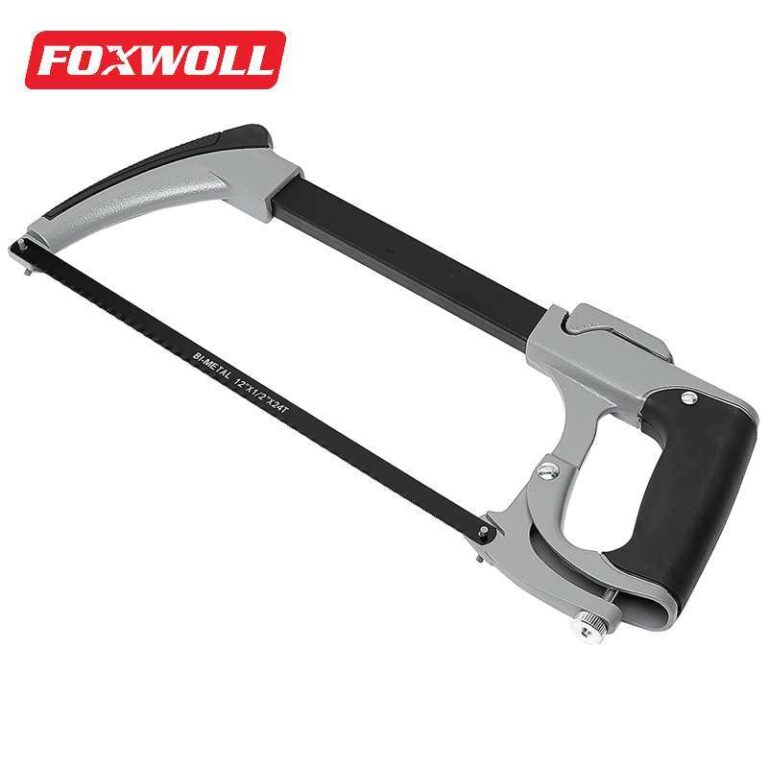
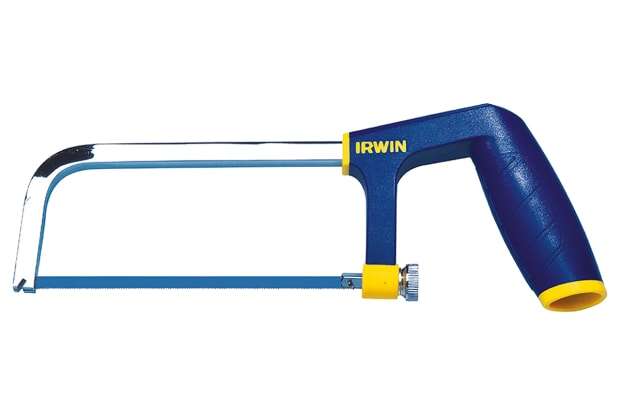
A standard hacksaw has three main parts:
• A metal frame that holds the blade
• A replaceable blade with hardened teeth
• A handle that helps you control the cutting motion
The frame keeps the blade straight. The teeth do the cutting. Your job is to apply steady pressure and keep the blade moving in a straight line.
A hacksaw works best on small jobs. It can cut metal pipe, angle iron, flat bar, sheet metal, bolts, screws, and metal brackets. It is also useful when power tools are too loud, too large, or unavailable.
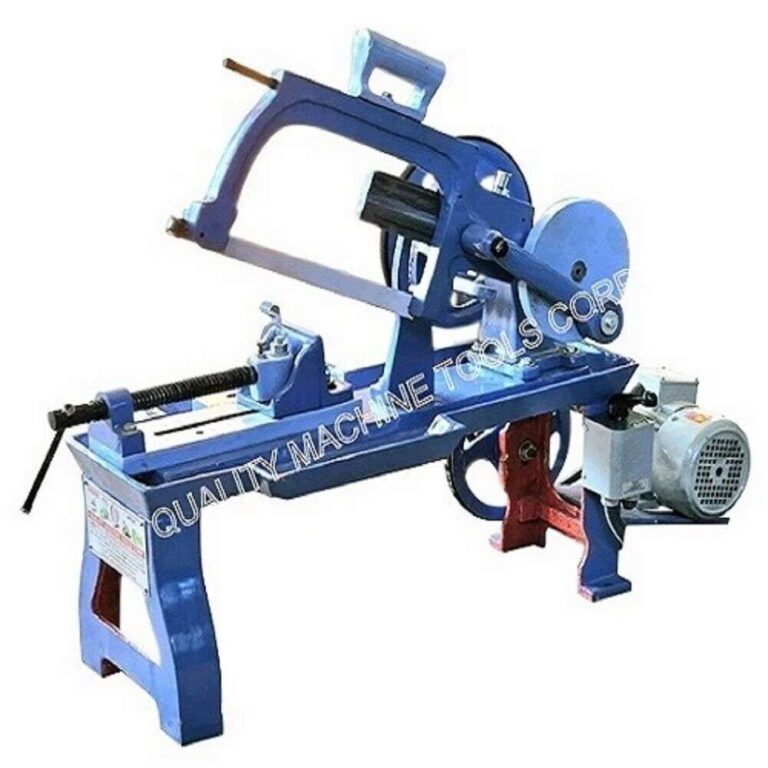
The main limits are speed and thickness. A hacksaw can cut thick steel, but the work may take time and effort. For large beams or heavy steel plate, a reciprocating saw, band saw, or abrasive metal saw is usually more practical.
What Types of Metal Can a Hacksaw Cut?
A hacksaw can cut many common metals, but each material feels different under the blade. Soft metals cut quickly, while hard metals need more patience and the right tooth count.
Aluminum
Aluminum is soft and usually easy to cut by hand. A blade with about 18 to 24 teeth per inch often works well for aluminum tubing, flat bar, and small brackets.
Use light pressure. Too much force can clog the teeth with soft metal. This condition is called loading, and it makes the blade slide instead of cut.
Copper and Brass
Copper and brass are also fairly soft. A fine blade can cut them with little effort. Clamp the work firmly because these metals can bend or move during the cut.
For thin copper pipe, support both sides of the cut. This helps prevent the pipe from flattening under pressure.
Mild Steel
Mild steel is one of the most common materials cut with a hacksaw. It includes many steel bolts, rods, brackets, pipes, and hardware items.
A blade with 18 to 24 teeth per inch is often a good general choice. For thicker mild steel, use a strong bi-metal blade and let the teeth do the work.
Stainless Steel
Stainless steel is harder to cut than mild steel. It can become harder when overheated or rubbed without cutting. This process is known as work hardening.
Use a sharp bi-metal blade, firm pressure, and slow strokes. Do not rush. If the blade only rubs the surface, it may make the cut more difficult.
Cast Iron
A hacksaw can cut some cast iron parts, but the material is hard and brittle. The cut may produce rough edges and take more time.
For small cast iron jobs, use a coarse, strong blade and secure the part well. For thick cast iron, a powered tool may be safer and more efficient.
Choosing the Right Hacksaw Blade
Blade choice affects both cutting speed and cut quality. The most important feature is tooth count, measured in teeth per inch, or TPI.
Use this basic guide:
• 14 to 18 TPI: Thick metal, heavy pipe, and solid bar
• 18 to 24 TPI: General-purpose steel, aluminum, and copper
• 24 to 32 TPI: Thin sheet metal, small tubing, and delicate parts
A good rule is to keep at least three teeth in contact with the metal during the cut. If only one or two teeth touch the work, the blade may catch, chatter, or break.
If the teeth are too coarse for thin metal, the blade may snag. If the teeth are too fine for thick metal, the blade may clog and cut very slowly.
Carbon Steel and Bi-Metal Blades
Carbon steel blades cost less and work for light cutting. They are suitable for soft metal and occasional use.
Bi-metal blades combine a flexible steel body with hardened teeth. They last longer and resist breaking. For regular work or hard metals, a bi-metal blade is usually worth the extra cost.
Blade Direction
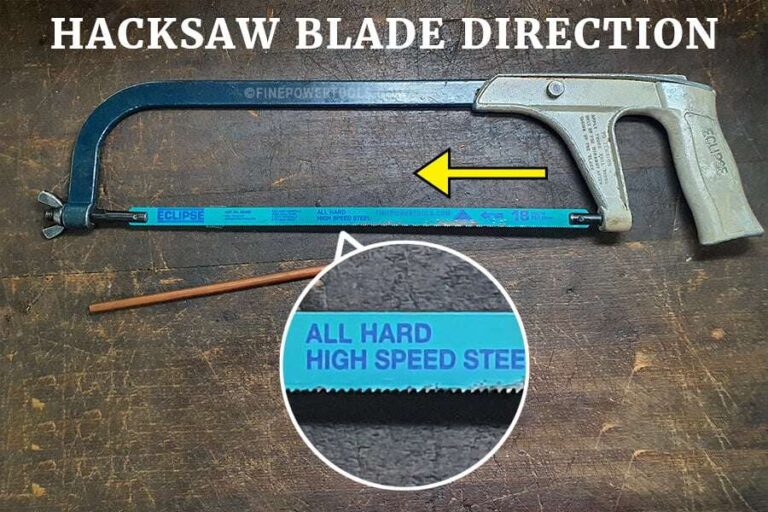
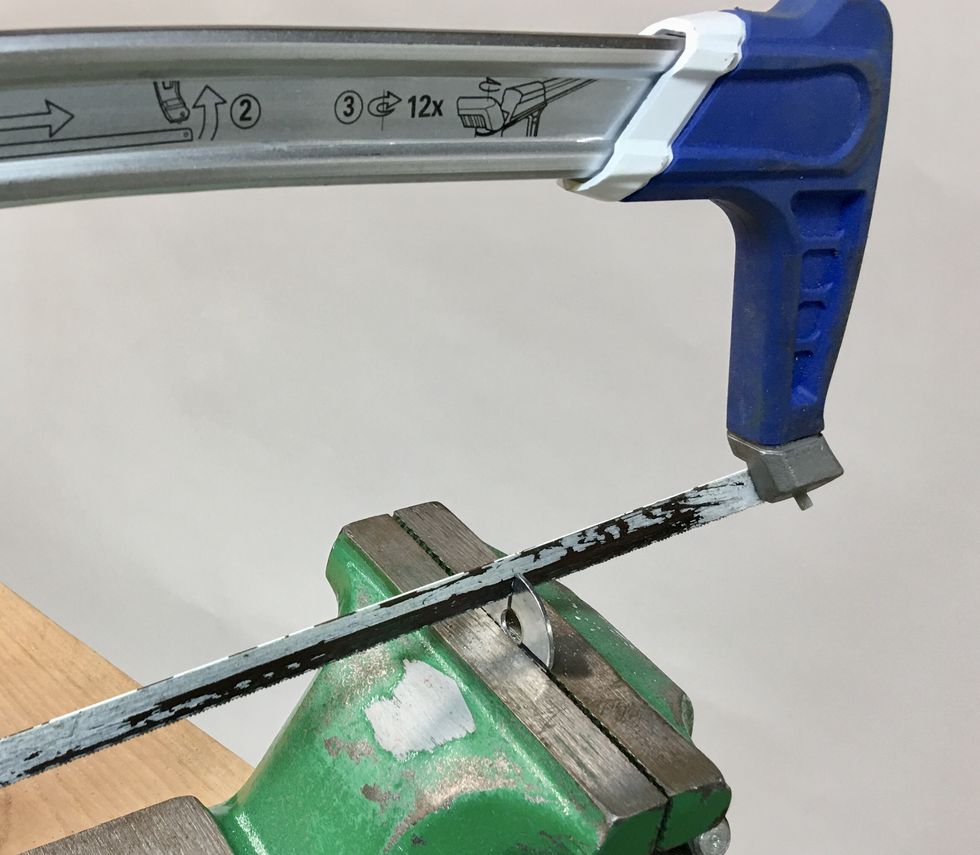
Most hacksaw blades cut on the forward stroke. Install the blade so the teeth point away from the handle. Some specialty blades may have different instructions, so check the package if you are unsure.
A blade installed backward will not cut properly. It may glide over the surface and tempt you to push too hard.

How to Cut Metal With a Hacksaw
If you are still asking, “will a hacksaw cut through metal,” the cutting method matters as much as the tool. Follow these steps for a cleaner and safer result.
- Mark the cut line
Use a permanent marker, scriber, or fine-tip paint marker. Wrap masking tape around a pipe to create a straight guide line.
- Secure the metal
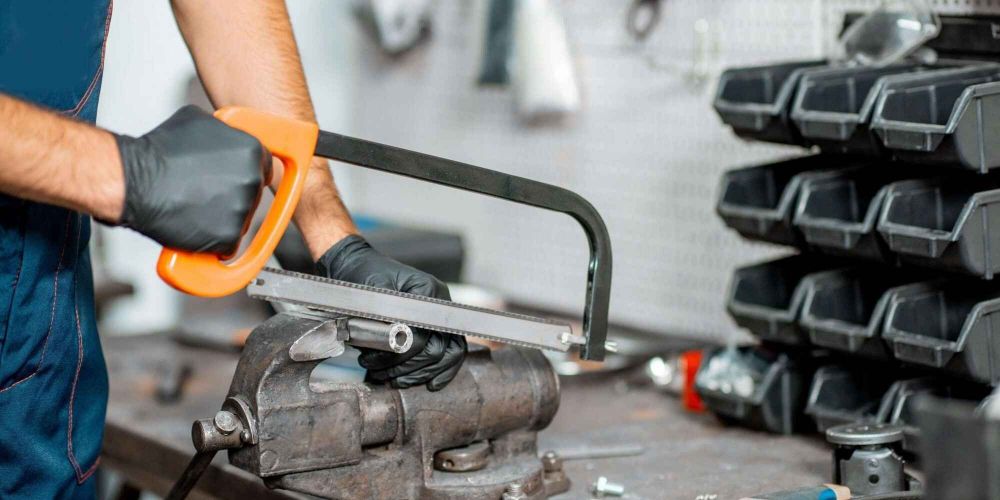
Place the work in a vise. Use soft jaws, wood blocks, or cardboard to protect finished surfaces. The metal should not shake, twist, or lift while you cut.
- Select the correct blade
Match the TPI to the metal thickness. Make sure the blade is sharp, straight, and firmly tensioned.
- Start with a shallow groove
Hold the hacksaw at a low angle. Make a few light strokes to create a small groove on the cut line. This groove keeps the blade from wandering.
- Use long, steady strokes
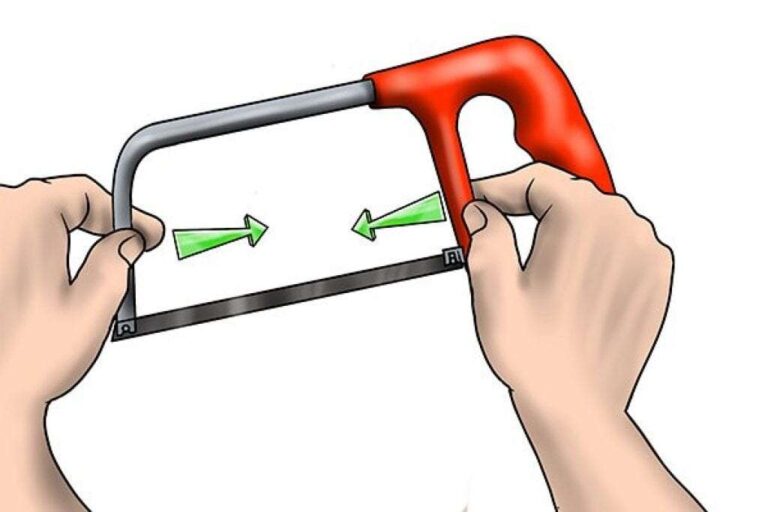
Move the blade across most of its length. Use moderate pressure on the forward stroke and release pressure on the return stroke.
- Keep the blade straight
Do not twist the frame. A twisted blade can bind or snap. Let the blade follow the same path through the metal.
- Slow down near the end
When only a small section remains, reduce pressure. The metal may break suddenly, and the blade can strike the vise or your hand.
- Smooth the edge
After the cut, use a file or deburring tool to remove sharp edges. Run your finger near the edge only after you know it is safe, and never slide your bare hand across fresh metal.
A common mistake I have seen in shop work is using short, fast strokes. This creates heat and wears the teeth quickly. Long strokes feel slower, but they usually cut faster and leave a straighter edge.

How Long Does It Take to Cut Metal With a Hacksaw?
The time depends on the material, thickness, blade, and your technique. A small steel bolt may take less than a minute. Thick steel bar may take several minutes or longer.
A clean setup can make a major difference. When I use a hacksaw, I first check the vise, blade tension, and cut mark. Those few seconds often save much more time than they cost.
Cutting speed also depends on tooth engagement. If the blade has too few teeth touching the metal, it can catch. If it has too many teeth in the cut, chips may not clear from the groove.
Stop and inspect the blade if:
• The cut becomes unusually slow
• The blade slips across the surface
• The teeth look worn or missing
• The metal becomes very hot
• The frame begins to twist
A dull blade does not become useful when you push harder. More force often causes poor cuts, broken blades, and tired hands.

Can a Hacksaw Cut Thick Metal?
A hacksaw can cut thick metal, but “thick” has practical limits. It may cut through a thick bolt, steel rod, or pipe if you have enough clearance and patience.
The problem is not only the metal thickness. The blade must reach through the full section without the frame hitting the work. A deep cut may also require more blade length than a small hacksaw can provide.
For thick metal, use these tips:
• Choose a coarse bi-metal blade
• Clamp the work close to the vise jaws
• Apply steady pressure
• Use cutting oil when suitable
• Clear metal chips from the cut
• Replace the blade if it becomes dull
Cutting oil can reduce friction and help extend blade life, especially with steel and stainless steel. Do not use oil if it creates a slip hazard or if the work area has a reason to remain dry.
If the cut is large, deep, or frequent, consider a powered tool. A hacksaw is reliable, but it is not always the most efficient choice.

Hacksaw Safety Tips for Cutting Metal
A hacksaw is safer than many power tools, but it can still cause cuts, punctures, eye injuries, and strained muscles. Treat it like any sharp tool.
Wear these basic protective items:
• Safety glasses to block chips
• Work gloves for handling sharp edges
• Hearing protection near loud machinery
• Closed-toe shoes with a firm sole
Gloves can protect your hands from burrs, but keep them away from moving power tools. For hand sawing, use gloves that fit well and do not catch on the blade or workpiece.
Check the tool before cutting. Do not use a blade with cracks, missing teeth, or a bent body. Make sure the handle is secure and the blade tension is firm.
Keep both hands in safe positions. One hand should control the handle. The other should hold the frame or steady the work only when it is safely away from the teeth.
Metal edges can stay sharp even after filing. Clean the work area and collect small chips with a brush or vacuum. Avoid wiping chips with your bare hand.
Work in a well-lit area. Good lighting helps you follow the mark and notice blade damage early. Safety guidance for hand tools consistently emphasizes eye protection, secure work, sound tools, and proper housekeeping.

Common Hacksaw Mistakes to Avoid
Even a simple hand tool can give poor results when used the wrong way. These mistakes are common and easy to prevent.
Using the Wrong Tooth Count
A fine blade on thick steel may cut very slowly. A coarse blade on thin sheet metal may catch and tear the material.
Match the blade to the thickness. Aim for several teeth touching the metal at once.
Pushing on the Return Stroke
The blade usually cuts on the forward stroke. Pressing hard while pulling back can damage the teeth and create unnecessary friction.
Lift pressure slightly on the return stroke. Keep the motion smooth.
Cutting Without a Vise
Holding metal in one hand while sawing with the other is risky. The piece can move, and the blade can slip into your fingers.
A vise gives you control and helps create a straight cut.
Using a Dull Blade
A dull blade can make a simple cut feel impossible. It may polish the metal instead of removing chips.
Replace the blade when it stops producing metal chips or when the teeth look rounded.
Cutting Too Fast
Fast strokes create heat and fatigue. They can also make the cut wander from the marked line.
Use a calm rhythm. Think of the blade as a row of tiny chisels, not a knife that needs force.
Hacksaw Alternatives for Cutting Metal
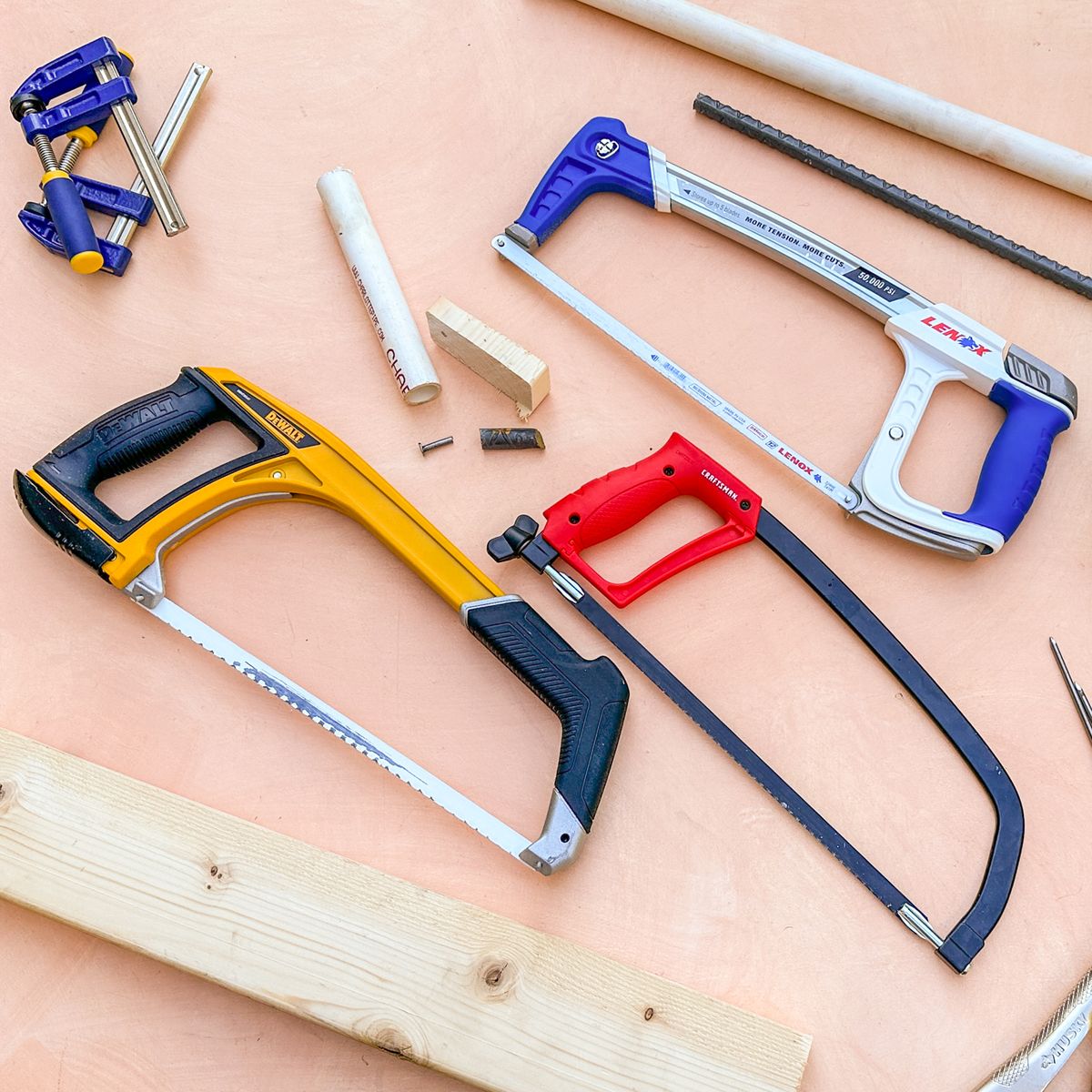
A hacksaw is ideal for small, controlled cuts, but other tools may fit the job better.
Reciprocating Saw
A reciprocating saw cuts pipe, studs, bolts, and heavy metal quickly. It needs the correct metal-cutting blade and careful control.
It produces more vibration and noise than a hand hacksaw. Secure the work and wear proper eye and hearing protection.
Angle Grinder
An angle grinder with a suitable cutoff wheel can cut steel fast. It also creates sparks, heat, and metal fragments.
Use a guard, face and eye protection, gloves, and safe spark control. Keep flammable materials away from the work area.
Portable Band Saw
A portable band saw can make clean cuts through pipe and structural metal. It is often easier to control than a grinder for repeated cuts.
This tool is useful for construction, maintenance, and fabrication work.
Tubing Cutter
A tubing cutter works well on copper, brass, and some thin-wall metal tubing. It creates a neat cut with less mess than sawing.
It may not work on thick steel or irregular shapes.
Bolt Cutters
Bolt cutters can cut some rods, bolts, chains, and soft metal hardware. They are not a good choice for hardened steel or thick structural parts.
Never assume a tool can cut hardened material simply because the jaws fit around it.
When a Hacksaw Is the Best Choice
A hacksaw is often the best tool when you need control rather than speed. It does not need electricity, batteries, or compressed air. It also creates little noise and no sparks during normal use.
Choose a hacksaw when:
• You need to make one or two small cuts
• You work indoors or near finished surfaces
• Sparks would create a hazard
• You need a low-cost tool
• You want precise control
• The metal is small enough to fit securely in a vise
For example, a hacksaw can shorten a threaded rod for a shelf bracket, remove a damaged bolt, or cut a short piece of aluminum angle. These tasks do not always justify a power tool.
The tool also gives beginners a chance to learn how metal behaves. You can feel when the teeth are cutting, when the blade is binding, and when the material is close to separating.
Frequently Asked Questions About Will a Hacksaw Cut Through Metal
Will a hacksaw cut through steel?
Yes, a hacksaw can cut through mild steel, including bolts, pipes, rods, and brackets. Use a sharp bi-metal blade with a suitable TPI rating and secure the steel in a vise.
Will a hacksaw cut through stainless steel?
Yes, but stainless steel usually takes more time than mild steel. Use a sharp blade, steady pressure, and slow strokes to reduce heat and avoid work hardening.
What hacksaw blade is best for metal?
A bi-metal blade with about 18 to 24 teeth per inch is a strong general choice for many metal jobs. Use a finer blade for thin sheet metal and a coarser blade for thick stock.
Can a hacksaw cut through a metal pipe?
Yes, a hacksaw can cut through steel, copper, aluminum, and some other metal pipes. Support the pipe firmly, mark the cut around its surface, and finish the edge with a file.
Why is my hacksaw not cutting metal?
The blade may be dull, installed backward, too fine, or too coarse for the material. The metal may also be moving, or you may be using short strokes with too little tooth contact.
Can a hacksaw cut hardened steel?
A standard hacksaw may struggle with hardened steel. A specialized abrasive wheel, carbide tool, or professional cutting method may be more suitable, depending on the part and its use.
Conclusion
A hacksaw can cut through many types of metal, including steel, aluminum, copper, brass, stainless steel, and some cast iron. The best results come from choosing the right TPI blade, securing the work, using steady strokes, and replacing dull blades.
It is a low-cost tool with real value for small repairs and careful cuts. Before starting, check the metal thickness, select a suitable blade, and protect your eyes and hands. Put these steps into practice on your next small metal project, and explore more hand-tool guides to build your skills with confidence.
Recent Tool Guides
 Hammer
How To Hammer Flowers Onto Paper: Easy Guide
Learn how to hammer flowers onto paper with simple steps, helpful tips, and beautiful results for...
Read Guide → Wrench
How To Use A Hex Wrench: Easy Step-By-Step Guide
Learn how to use a hex wrench correctly with simple steps, helpful tips, and common mistakes...
Read Guide → Hacksaw
How To Cut Curtain Pole With Hacksaw: Easy Guide
Learn how to cut curtain pole with hacksaw safely and neatly. Follow simple steps for accurate...
Read Guide → Wrench
How To Use A Husky Torque Wrench: Easy Guide
Learn how to use a Husky torque wrench correctly with simple steps, torque settings, and safety...
Read Guide → Hammer
How To Hold A Hammer: Safe Grip Guide
Learn how to hold a hammer with the right grip, stance, and technique for safer, more...
Read Guide → Hacksaw
How To Cut Flexible Metal Conduit With Hacksaw: Easy Guide
Learn how to cut flexible metal conduit with hacksaw safely and cleanly. Follow simple steps for...
Read Guide →