What Is A Hacksaw Used To Cut: Materials And Tips
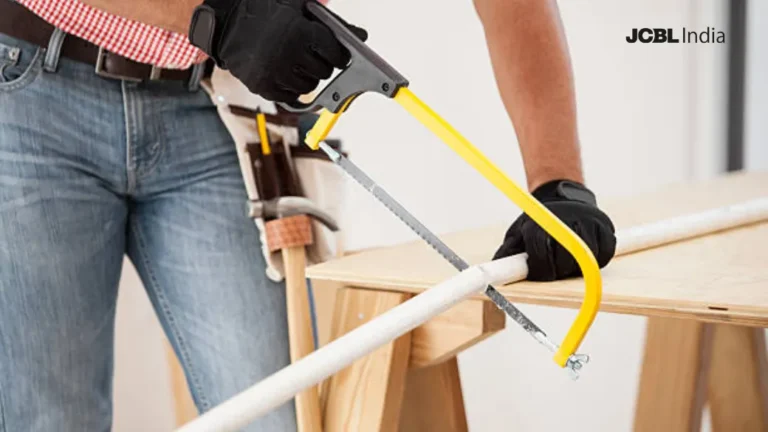
A hacksaw is used to cut metal, plastic, pipe, conduit, bolts, screws, and other tough materials.
If you have ever faced a stubborn bolt or metal pipe, you may have reached for a hacksaw. This simple hand tool uses a fine-toothed blade and steady strokes to make clean cuts through many hard materials. Knowing what is a hacksaw used to cut helps you choose the right blade, work safely, and avoid damaging both the tool and the material.
What Is a Hacksaw?
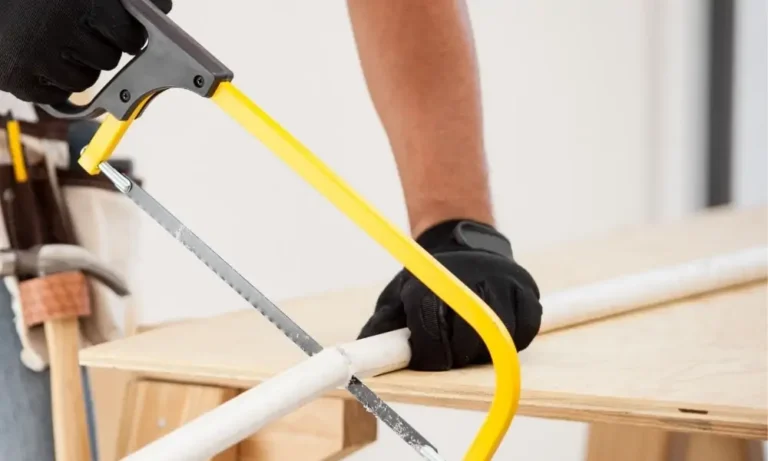
A hacksaw is a hand saw with a narrow, replaceable blade held under tension in a metal frame. Most hacksaw blades are made from hardened steel or high-speed steel. Their small teeth are designed to remove tiny amounts of material with each forward stroke.
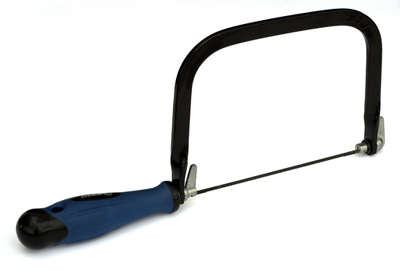
The most common hacksaw has a fixed metal frame and a handle at one end. Some models have adjustable frames, pistol-grip handles, or compact designs for work in tight spaces.
When asking what is a hacksaw used to cut, the short answer is metal and other hard materials that are too tough for a normal wood saw. The blade type controls the final result.
Common hacksaw parts include:
- Frame: Holds the blade straight and provides support.
- Handle: Gives you a firm and comfortable grip.
- Tensioning screw: Tightens the blade so it does not bend.
- Blade: Contains the cutting teeth.
- Blade pins: Secure the blade to the frame.
- Adjustable bar: Lets the frame fit different blade lengths.
A hacksaw is not powered by electricity. It depends on hand pressure and repeated strokes. That makes it slower than a reciprocating saw, but it also gives you excellent control.
What Is a Hacksaw Used to Cut?
A hacksaw is mainly used to cut metal, but its uses extend beyond metalwork. The right blade can cut several materials found in plumbing, construction, automotive repair, and home maintenance.
Here are the most common materials a hacksaw can cut:
- Steel rods and bars
- Aluminum tubing
- Copper pipe
- Brass fittings
- Metal conduit
- Threaded rod
- Bolts and screws
- Nails
- Chains
- Wire mesh
- Plastic pipe
- PVC conduit
- ABS pipe
- Fiberglass rods
- Thin metal sheet
The question “what is a hacksaw used to cut?” often comes from someone preparing for a repair. For example, a plumber may use one to cut copper pipe, while an electrician may use one to trim metal conduit. A homeowner may use it to shorten a bolt or remove a damaged screw.
A hacksaw works best on materials that are firm but not extremely thick. It can cut thick steel, but the work may take a long time. For very large beams, hardened steel, or heavy structural work, a powered cutting tool is usually more practical.
Cutting Metal
Metal is the classic hacksaw material. The blade teeth gradually wear through the metal as you push and pull the saw.
A hacksaw can cut:
- Mild steel
- Stainless steel
- Aluminum
- Copper
- Brass
- Cast iron
- Galvanized steel
Soft metals, such as aluminum and copper, cut fairly easily. Stainless steel takes more effort because it is harder and may become tougher if overheated or cut with too much pressure.
Cutting Plastic
A fine-tooth hacksaw blade can cut plastic pipe and plastic trim. It is often useful for PVC plumbing, conduit, irrigation pipe, and ABS drain pipe.
Use light pressure when cutting plastic. Heavy pressure can crush the pipe or create a rough, uneven edge. After cutting, remove burrs with a utility knife, file, or sandpaper.
Cutting Bolts, Screws, and Threaded Rod
A hacksaw is useful when a bolt is too long or a screw head is damaged. It can also cut threaded rod to the exact length needed for a project.
Before cutting, thread a nut onto the bolt. After the cut, remove the nut over the fresh threads. This can help straighten minor thread damage and make the bolt easier to install.

Choosing the Right Hacksaw Blade
Blade choice is one of the most important parts of learning what is a hacksaw used to cut. A poor blade may bend, clog, break, or produce a rough cut.
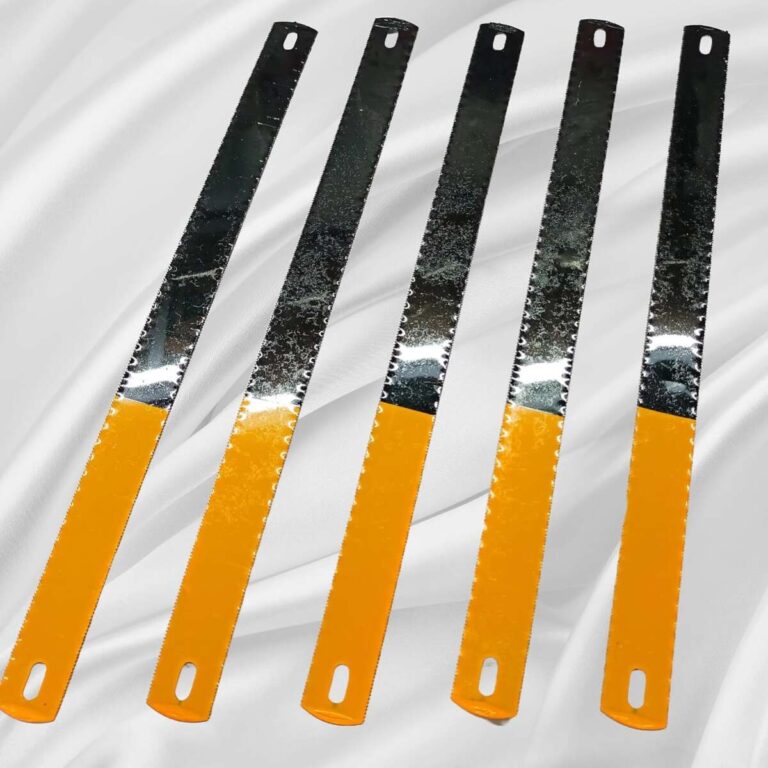
Hacksaw blades are usually described by teeth per inch, or TPI. Common blade sizes include:
- 14 TPI: Best for thick metal and large cross-sections.
- 18 TPI: Useful for medium-thick metal and general work.
- 24 TPI: A good choice for thin metal, conduit, and tubing.
- 32 TPI: Best for thin sheet metal, small tubing, and delicate cuts.
A simple rule helps:
- Use fewer teeth per inch for thick material.
- Use more teeth per inch for thin material.
You should aim to keep at least three teeth in contact with the material during the cut. If only one or two teeth touch the work, the blade may catch, vibrate, or break.
Blade Materials
Hacksaw blades come in several forms.
- Carbon steel blades cost less and work well for light jobs.
- Bi-metal blades combine flexibility with hard cutting teeth.
- High-speed steel blades resist wear and suit demanding work.
- Flexible blades are less likely to snap during awkward cuts.
For most home repairs, a bi-metal blade is a strong choice. It may cost more than a basic carbon steel blade, but it usually lasts longer and handles sudden movement better.
How to Use a Hacksaw Correctly
Using a hacksaw is simple, but good technique makes the work faster and safer. The goal is to let the teeth do the cutting instead of forcing the blade through the material.
Follow these steps:
- Mark the cut with a pencil, marker, or scribe.
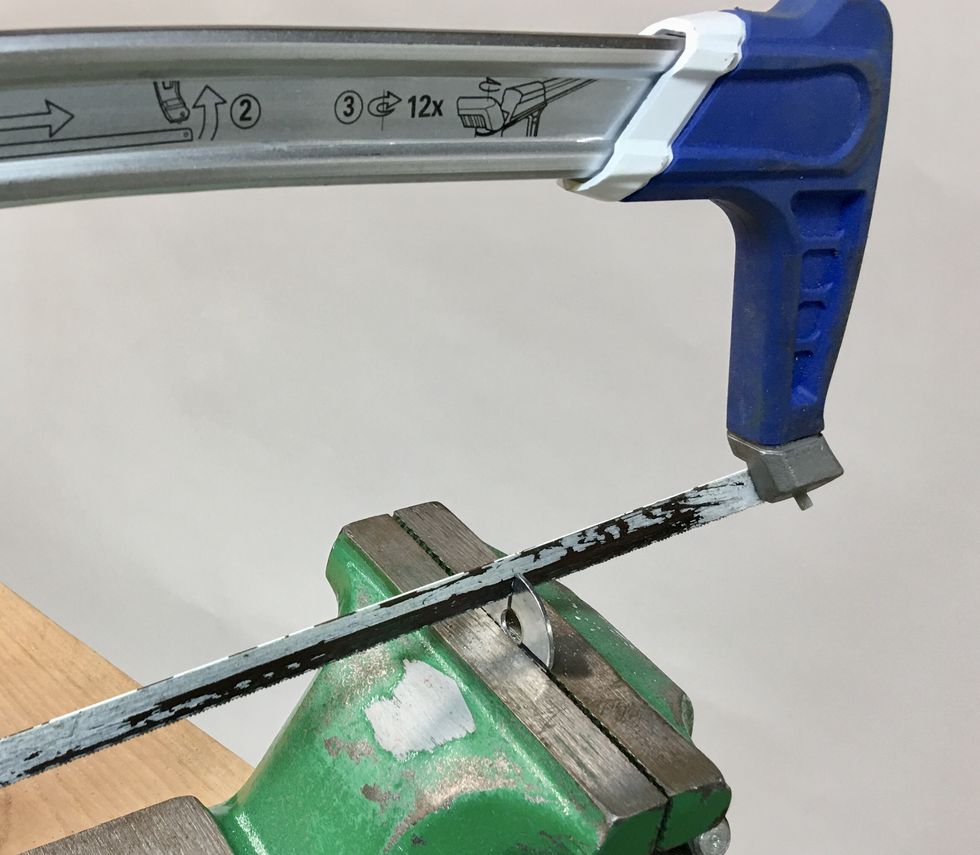
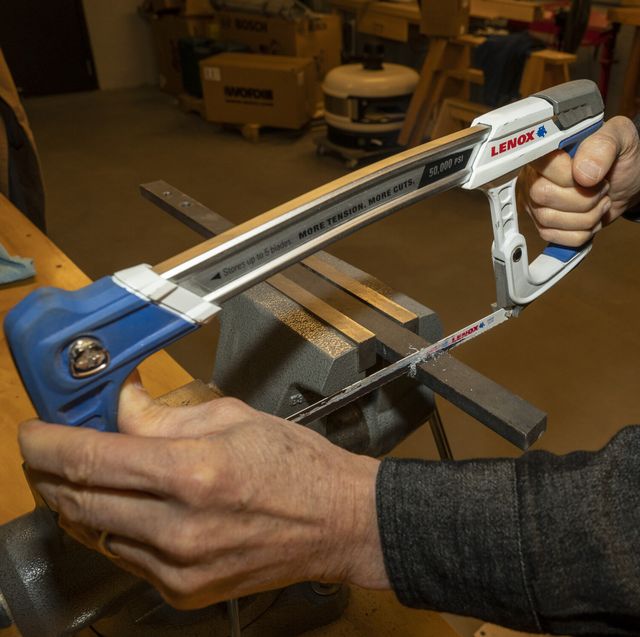
- Secure the material in a vise or clamp.
- Select a blade with the correct TPI.
- Install the blade with the teeth pointing forward.
- Tighten the blade until it is firm and straight.
- Place the blade on the mark.
- Start with short, slow strokes.
- Create a shallow groove before using longer strokes.
- Apply steady pressure on the forward stroke.
- Reduce pressure as the blade nears the end of the cut.
- Smooth the edge with a file after cutting.
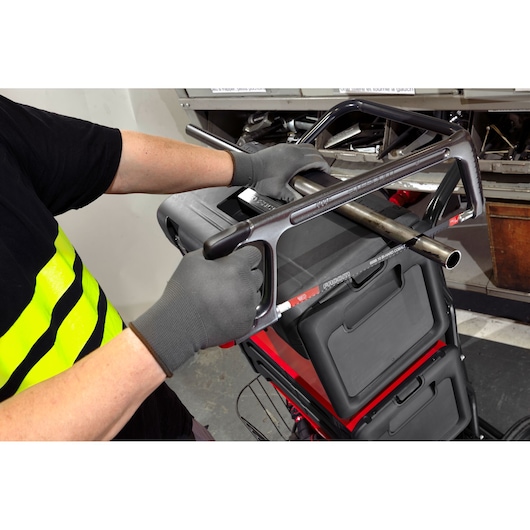
A hacksaw cuts mainly on the forward stroke. Avoid pressing hard while pulling the blade backward. Let the teeth glide back so they stay sharp and do not snag.
In my own workshop experience, the most common mistake is rushing the first few strokes. A slow start creates a straight guide groove. Once that groove is established, the blade tracks better and the cut becomes much cleaner.
Another lesson is to check blade tension before every major cut. A loose blade wanders, while an overly tight blade can snap when twisted. Firm tension is the target.
Hacksaw Cuts for Common Home Projects
Understanding what is a hacksaw used to cut becomes easier with practical examples. Many everyday repair tasks can be completed with this tool.
Plumbing Repairs
A hacksaw can cut copper pipe, plastic pipe, and threaded plumbing parts. It is useful when replacing a damaged section or adjusting pipe length.
Keep the pipe supported close to the cut. This reduces vibration and helps prevent a crooked edge.
Electrical Work
Electricians often use hacksaws to cut metal conduit, cable tray, and threaded hardware. A fine blade can make a controlled cut without the sparks produced by some power tools.
After cutting conduit, smooth the inside and outside edges. Sharp burrs can damage wire insulation or cut your hands.
Automotive Repairs
A hacksaw can cut exhaust clamps, small brackets, bolts, and thin metal parts. It may help remove a seized fastener when other methods fail.
Avoid cutting near fuel lines, brake lines, wiring, or plastic components. Protect nearby parts before starting.
Furniture and General Maintenance
A hacksaw can shorten threaded rod, cut shelf brackets, trim metal legs, and remove old nails. It is also useful for small garden repairs involving wire or thin metal supports.
For wood, use a wood saw instead. A hacksaw may cut thin wood in an emergency, but its fine teeth can clog and produce a poor result.
What a Hacksaw Cannot Cut Well
A hacksaw is useful, but it is not the best tool for every material. Knowing its limits prevents wasted time and unsafe work.
A standard hacksaw is not ideal for:
- Thick structural steel
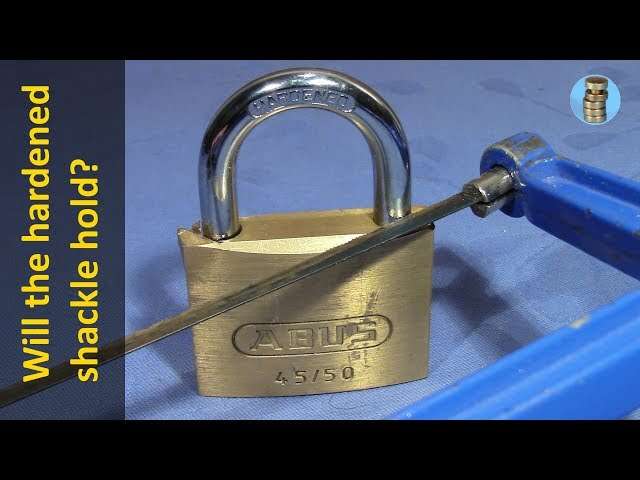
- Hardened tool steel
- Large tree branches
- Thick lumber
- Concrete
- Brick
- Stone
- Ceramic tile
- Glass
- Very thick cast iron
- Large metal plates
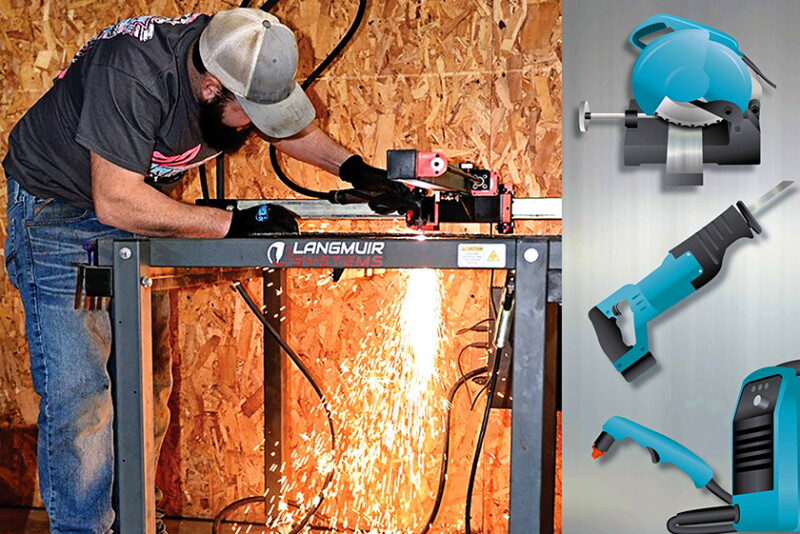
Some of these materials require a special blade or a different tool. For example, a diamond blade may suit tile, while a wood saw is better for lumber. A bolt cutter may be better for some chains, and an angle grinder may be more suitable for thick steel.
Do not use a hacksaw blade that is dull, cracked, or missing teeth. A damaged blade can slip and cause injury. Replace it when cutting becomes slow, rough, or difficult even with proper technique.
The tool also has a size limit. A hacksaw may cut a large pipe, but the frame depth may prevent the blade from reaching the center. In that case, a powered saw or pipe cutter may be more effective.

Hacksaw Safety Tips
A hacksaw is a low-risk tool when used correctly, but its sharp blade can still cause cuts, pinches, and eye injuries. Basic safety habits matter.
Use these precautions:
- Wear safety glasses to protect against metal chips.
- Clamp the work securely before cutting.
- Keep both hands clear of the blade path.
- Check that the blade is tight and undamaged.
- Cut away from your body when possible.
- Use controlled strokes rather than sudden force.
- Keep the handle dry and easy to grip.
- Remove burrs from the cut edge.
- Store spare blades safely.
- Keep children away from the work area.
Wear gloves when handling rough metal, but make sure they fit well. Loose gloves can catch on the blade or material. Eye protection remains essential, even during a small cut.
If the blade starts to twist, stop and reset the cut. Do not force it back into line. A twisted blade may snap or jump from the groove.
For professional work, follow the safety rules set by your workplace and applicable regulations. The exact protective equipment depends on the material, environment, and cutting method.
Hacksaw vs. Other Cutting Tools
A hacksaw is not always the fastest tool, but it offers control, low cost, and easy access. Comparing it with other tools helps you choose wisely.
Hacksaw vs. Reciprocating Saw
A reciprocating saw cuts much faster and handles thicker materials. However, it creates more vibration and can be harder to control in a small space.
Choose a hacksaw for precision and quiet work. Choose a reciprocating saw for speed and heavy demolition.
Hacksaw vs. Angle Grinder
An angle grinder can cut thick metal quickly. It also creates sparks, heat, noise, and abrasive dust.
A hacksaw is better when you need a cold cut near delicate parts or when sparks would create a hazard.
Hacksaw vs. Pipe Cutter
A pipe cutter can create a clean, round cut on certain copper, plastic, or metal pipes. It may not work well on every shape or location.
A hacksaw is more flexible because it can cut bolts, brackets, conduit, and irregular parts.
Hacksaw vs. Bolt Cutter
A bolt cutter is designed to shear chains, rods, and some bolts. It may damage the material more severely than a saw.
Use a hacksaw when you need a controlled cut or want to preserve one side of the material.
How to Get a Cleaner Hacksaw Cut
Clean cuts come from preparation rather than brute force. Take a minute to set up the work before you begin.
Use these practical tips:
- Measure twice and mark once.
- Secure the material close to the cut.
- Start with a fine guide groove.
- Keep the blade square to the material.
- Use long strokes that use most of the blade length.
- Keep a steady rhythm.
- Use cutting oil on suitable metals.
- Clear chips from the groove when needed.
- Support thin material to prevent bending.
- File the cut edge after sawing.
Cutting oil can reduce friction and heat when cutting steel. Do not use it carelessly around materials that may react with oil or in areas where contamination is a concern. For aluminum, a suitable lubricant can help prevent the teeth from clogging.
I once improved a rough cut simply by changing from an 18 TPI blade to a 24 TPI blade. The thinner tubing needed more teeth in contact with the surface. This small change made the cut straighter and reduced the burrs.

Frequently Asked Questions About What Is a Hacksaw Used to Cut
What is a hacksaw used to cut most often?
A hacksaw is most often used to cut metal, including steel, aluminum, copper, brass, bolts, conduit, and threaded rod. With the right blade, it can also cut plastic pipe and other firm materials.
Can a hacksaw cut wood?
A hacksaw can cut thin wood in some situations, but it is not designed for that job. A hand wood saw or panel saw will usually cut faster and leave a better edge.
Can a hacksaw cut PVC pipe?
Yes, a hacksaw can cut PVC pipe and other plastic tubing. Use a fine-tooth blade, support the pipe well, and remove the burrs after cutting.
Can a hacksaw cut stainless steel?
Yes, but stainless steel requires effort and a sharp, durable blade. A bi-metal blade with about 18 to 24 teeth per inch usually works well for common stainless steel tubing and small parts.
Which direction should hacksaw teeth face?
The teeth should normally point away from the handle, so the blade cuts on the forward stroke. This setup matches the way most hacksaws are designed to work.
How do I choose the right hacksaw blade?
Choose the blade by the thickness and hardness of the material. Use a lower TPI for thick metal and a higher TPI for thin metal, tubing, and sheet material.
Why does my hacksaw blade keep breaking?
A blade may break because it is too tight, twisted, dull, poorly installed, or forced through the material. Check the tension, keep the blade straight, and use steady pressure.
Conclusion
A hacksaw is a practical hand tool for cutting metal, plastic pipe, conduit, bolts, screws, threaded rod, and many other firm materials. Its success depends on the blade’s tooth count, the material’s thickness, and your cutting technique.
Choose the right blade, secure the work, use steady forward strokes, and finish the edge with a file. With these simple habits, you can handle many home, plumbing, electrical, automotive, and workshop repairs with confidence. Put the advice into practice on your next project, and explore more tool guides to build your repair skills.
Recent Tool Guides
 Hammer
How To Hammer Flowers Onto Paper: Easy Guide
Learn how to hammer flowers onto paper with simple steps, helpful tips, and beautiful results for...
Read Guide → Wrench
How To Use A Hex Wrench: Easy Step-By-Step Guide
Learn how to use a hex wrench correctly with simple steps, helpful tips, and common mistakes...
Read Guide → Hacksaw
How To Cut Curtain Pole With Hacksaw: Easy Guide
Learn how to cut curtain pole with hacksaw safely and neatly. Follow simple steps for accurate...
Read Guide → Wrench
How To Use A Husky Torque Wrench: Easy Guide
Learn how to use a Husky torque wrench correctly with simple steps, torque settings, and safety...
Read Guide → Hammer
How To Hold A Hammer: Safe Grip Guide
Learn how to hold a hammer with the right grip, stance, and technique for safer, more...
Read Guide → Hacksaw
How To Cut Flexible Metal Conduit With Hacksaw: Easy Guide
Learn how to cut flexible metal conduit with hacksaw safely and cleanly. Follow simple steps for...
Read Guide →