Can A Hacksaw Cut Stainless Steel: Best Cutting Guide
Yes, a hacksaw can cut stainless steel when you use the right blade, steady pressure, and proper cutting technique.
Knowing can a hacksaw cut stainless steel helps you choose the right tool for the job and avoid wasted effort. Stainless steel is tough, heat resistant, and prone to work hardening, but a good manual hacksaw can cut many thin sheets, tubes, rods, and bolts with care. This guide explains the best blade, cutting method, safety steps, common mistakes, and when to use a power tool instead.
Can a hacksaw cut stainless steel?
Yes, a hacksaw can cut stainless steel. However, stainless steel is harder to cut than mild steel because it resists wear and can harden when too much heat or friction reaches the cut.
A hacksaw works best on small jobs, repair work, and thin stainless steel stock. It may cut:
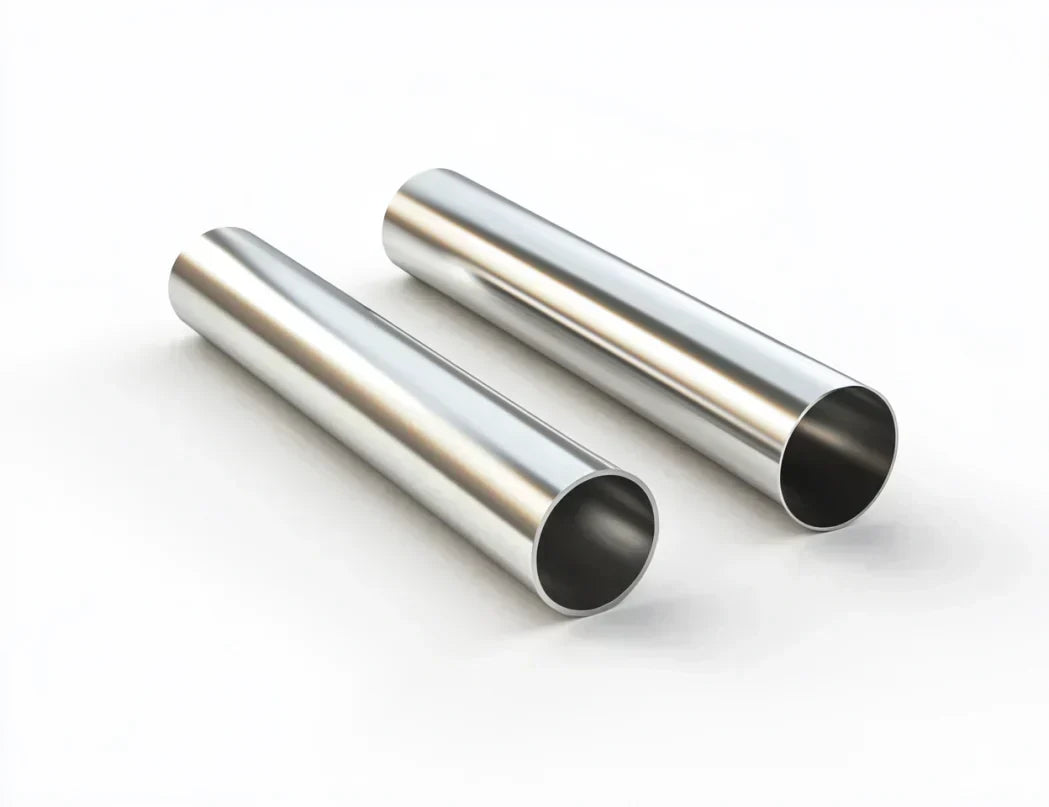
• Stainless steel pipe and tubing
• Threaded rod and bolts
• Thin sheet metal
• Small flat bars
• Stainless steel wire and brackets
• Kitchen or workshop parts
The key is to use a sharp, fine-tooth blade made for metal. A dull blade will slide across the surface, create heat, and make the stainless steel even harder at the cut line.
A manual hacksaw is not the fastest tool, but it gives you control. It also avoids the sparks, noise, and heat produced by many power saws.
Why stainless steel is hard to cut
To understand can a hacksaw cut stainless steel, it helps to understand how this metal behaves under pressure.
Stainless steel contains chromium. This chromium forms a thin protective oxide layer that helps prevent rust. Many stainless grades also contain nickel, molybdenum, or other elements that improve strength and corrosion resistance.
These same properties can make cutting more difficult. Stainless steel often creates more friction than mild steel, and some grades become harder when the blade rubs without removing metal.
Work hardening
Work hardening is the main problem. It happens when pressure or heat changes the surface of the metal and makes it harder.
For example, if you move a hacksaw too slowly with light pressure, the teeth may rub instead of cut. That rubbing can harden the surface. Once this happens, the blade may struggle to bite into the cut.
The practical lesson is simple: use firm, even strokes. Let the teeth cut the metal instead of polishing it.
Heat buildup
Heat can damage the blade and make the cut rough. Stainless steel does not conduct heat away as quickly as some common steels, so heat can stay near the cutting area.
A sharp blade, steady strokes, and cutting oil help control heat. For thicker stock, pause briefly if the blade becomes too hot to touch safely.
Stainless steel grades
Not all stainless steel cuts in the same way. Common grades include:
• 304 stainless steel, which is widely used and moderately difficult to cut
• 316 stainless steel, which contains molybdenum and may feel tougher
• 410 stainless steel, which is harder and more wear resistant
• 430 stainless steel, which is often easier to cut than 304 or 316
The exact cutting effort depends on the grade, thickness, shape, and condition of the metal.

Choose the right hacksaw blade
The blade matters more than the frame. If you are asking can a hacksaw cut stainless steel, start by checking the blade material, tooth count, and condition.
Use a bi-metal blade
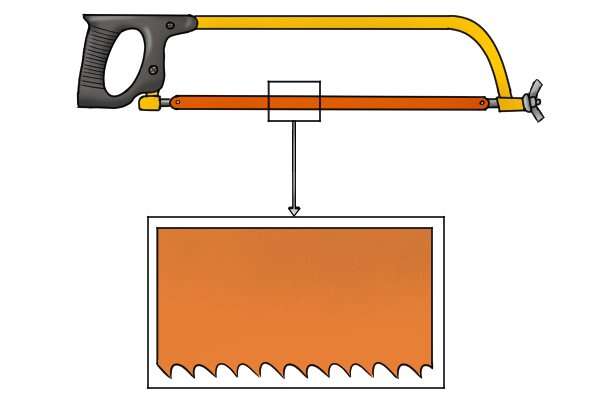
A bi-metal hacksaw blade is usually the best choice. It combines a flexible spring steel back with hardened high-speed steel teeth.
This design helps the blade bend without snapping while keeping the teeth sharp. It is more durable than a basic carbon steel blade.
A blade labeled for stainless steel, hardened steel, or tough metal is a strong choice. Avoid using a wood-cutting blade or a worn general-purpose blade.
Select the right tooth count
Tooth count is measured in teeth per inch, or TPI. Use the material thickness to select the blade.
• 18 TPI works well for thicker stainless steel sections
• 24 TPI is a useful all-purpose choice for many tubes and bars
• 32 TPI suits thin sheet, small tubing, and narrow stock
Try to keep at least three teeth in contact with the metal at all times. If too few teeth touch the work, the blade may catch or break. If too many teeth touch, chips can clog the blade.
For thin stainless sheet, a 32 TPI bi-metal blade is often the safest starting point. For a thick stainless rod, an 18 or 24 TPI blade may clear chips more effectively.
Check the blade direction
Most hacksaw blades cut on the forward stroke. Install the blade so the teeth point away from the handle.
A backward blade will not cut properly and may encourage you to force the tool. That can damage the teeth or cause the blade to twist.

How to cut stainless steel with a hacksaw
The answer to can a hacksaw cut stainless steel becomes practical when you use a controlled process. The following method works well for small workshop jobs.
1. Measure and mark the cut
Mark the cut line with a permanent marker, scribe, or fine-point marking tool. A clear line helps you stay accurate and prevents repeated passes over the same area.
For a tube or round bar, wrap a strip of paper around the material. Align the paper edges, mark along the edge, and use the line as a guide.
2. Secure the metal
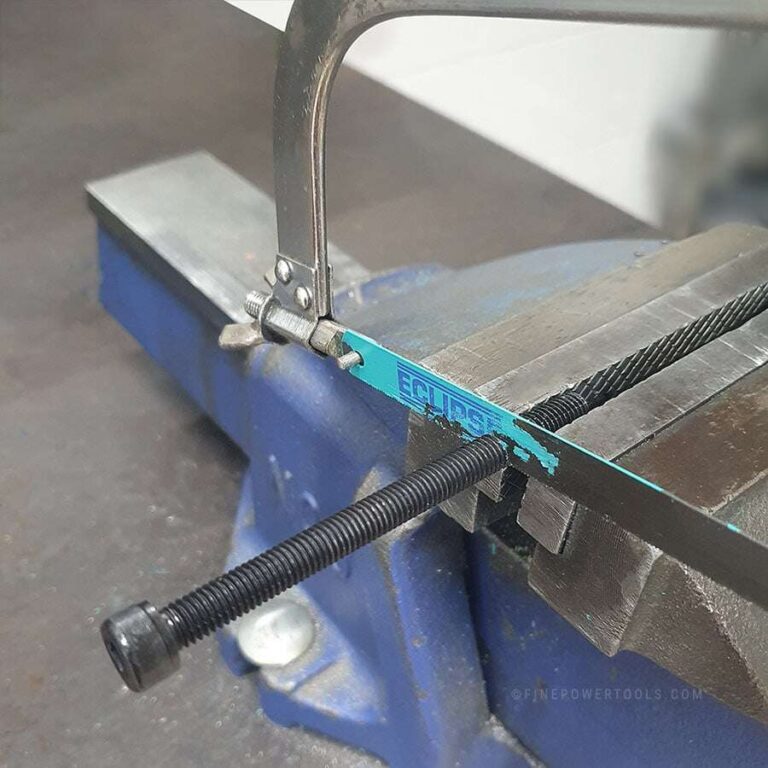
Clamp the stainless steel firmly in a bench vise. Place soft jaw covers, wood pieces, or thin cardboard between the vise and finished surfaces if scratches matter.
Keep the cut close to the vise jaws. Unsupported metal can vibrate, which makes cutting slower and can bend the blade.
Do not hold the work in your hand while sawing. A slipping workpiece can cause a serious cut injury.
3. Start with a shallow groove
Place the blade on the cut line and use short, gentle strokes to create a groove. This groove guides the blade and keeps it from wandering.
Once the groove is established, use longer strokes. Let most of the blade length pass through the metal. This spreads wear across more teeth.
4. Apply steady pressure
Push the blade forward with firm pressure. Reduce pressure during the return stroke so the teeth can reset.
Do not use a fast, frantic motion. A steady rhythm is better. Think of the blade as a row of tiny chisels, not a wire scraping across the surface.
5. Use cutting fluid
A small amount of cutting oil can reduce friction and heat. Apply it to the cut line or to the blade teeth with a brush or dropper.
Use only enough oil to improve cutting. Too much can make the handle slippery and collect metal chips.
For stainless steel, a suitable metal-cutting fluid is better than household oils. Follow the product label and keep fluids away from ignition sources.
6. Finish the cut carefully
As the blade nears the other side, support the offcut. This prevents the material from snapping or tearing at the final section.
Slow down for the last few strokes. A clean finish is easier when you do not force the blade through the final bit of metal.

Tips for faster and cleaner cuts
A hacksaw is simple, but small adjustments can make can a hacksaw cut stainless steel more easily and accurately.
• Keep the blade tight. A loose blade can bend, twist, or chatter.
• Use the full blade length. Long strokes reduce wear on one small area.
• Maintain a straight line. Twisting the frame can damage the teeth.
• Replace dull blades early. A dull blade creates heat and poor results.
• Clear chips from the cut. Stop and brush away chips when they build up.
• Use a guide block for repeated cuts. This improves consistency.
• Support thin sheet metal. Backing it with wood can reduce vibration.
• Mark both sides of thick stock. This helps prevent an angled cut.
• Keep the frame square to the work. A tilted blade produces a sloped edge.
For a smooth edge, remove burrs with a deburring tool, file, or fine abrasive pad after cutting. Move the file away from your body and wear eye protection.
In practical workshop work, the most common mistake is rushing the first few inches. A slow start creates a straight groove, and a straight groove makes the rest of the cut much easier.

Common mistakes to avoid
Many poor results come from technique rather than the hacksaw itself. These mistakes can answer can a hacksaw cut stainless steel with a frustrating “yes, but not easily.”
Using a dull blade
A dull blade may still appear intact, but its teeth no longer remove metal efficiently. It will skate, heat the work, and increase the risk of work hardening.
Replace the blade if cutting becomes unusually slow or if the teeth look rounded or missing.
Choosing the wrong TPI
A blade with too few teeth can grab thin material. A blade with too many teeth can clog when used on thick material.
Match the tooth count to the thickness of the workpiece, not just its total size.
Pressing too lightly
Light pressure can cause rubbing instead of cutting. This is especially harmful with stainless steel because rubbing may harden the surface.
Use controlled pressure on the forward stroke. Do not crush the blade into the work.
Pressing too hard
Excessive force can bend the blade, break teeth, or make the cut wander. It also increases heat and fatigue.
If you need extreme force, check the blade, TPI, tension, and work support before continuing.
Cutting without clamping
A moving workpiece wastes energy and makes a clean cut unlikely. It can also pinch the blade and cause it to snap.
Always secure the metal in a vise or with approved clamps.
Ignoring burrs
Freshly cut stainless steel can have sharp edges. Run a file or deburring tool along the edge before handling the part.

When to use a power tool instead
A hacksaw is suitable for occasional cuts, but it is not ideal for large quantities or thick stainless steel. Consider another tool when the job demands speed, repeatability, or a deeper cut.
Good alternatives include:
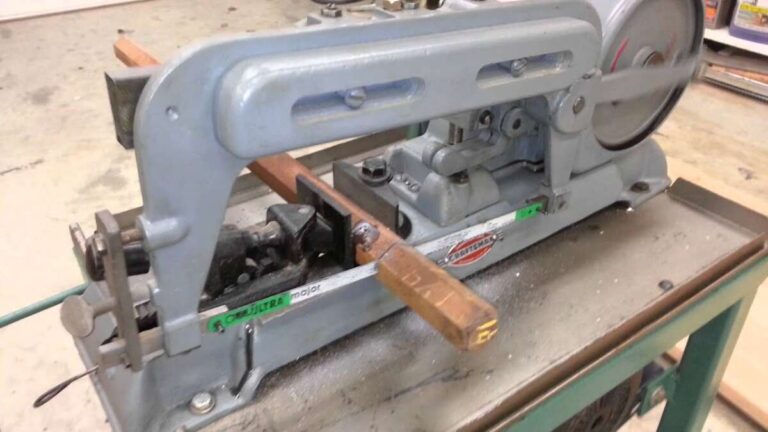
• A portable band saw for tubing, pipe, and repeated cuts
• An angle grinder with a thin metal cutoff wheel
• A reciprocating saw with a bi-metal stainless steel blade
• A metal-cutting circular saw for straight cuts in sheet or plate
• A cold saw for accurate production work
• A waterjet or laser cutter for complex shapes and thick material
Power tools require more safety control. Wear safety glasses or a face shield, hearing protection, suitable gloves, and protective clothing. Keep sparks away from flammable materials, and follow the tool maker’s instructions.
An angle grinder is fast, but it produces sparks and can discolor stainless steel through heat. A band saw often gives a cooler, cleaner cut for tubing and solid bar.
For one or two small cuts, a hacksaw may be safer and more economical. For dozens of cuts, a powered tool usually saves time and physical effort.
Safety when cutting stainless steel
Knowing can a hacksaw cut stainless steel is useful, but safe handling matters just as much as the cutting method.
Use these basic precautions:
• Wear safety glasses to protect against chips and broken teeth.
• Wear hearing protection when using power tools.
• Keep both hands on the hacksaw frame when possible.
• Clamp the work securely before starting.
• Do not touch the cut edge until you remove burrs.
• Keep loose clothing and hair away from powered equipment.
• Clean metal chips with a brush, not your bare hand.
• Use gloves when handling stock, but keep gloves away from rotating tools.
• Inspect the blade before use.
Cutting oil can make the work slippery, so wipe excess fluid from handles and nearby surfaces. Dispose of oily rags properly, since some oils can create a fire risk when stored carelessly.
If the blade breaks, stop immediately and inspect the work area. Replace the blade rather than trying to continue with damaged teeth.

Can a hacksaw cut stainless steel cleanly?
Yes, a hacksaw can cut stainless steel cleanly when the metal is properly supported and the blade is sharp. The final edge may still have small burrs, so plan to file or deburr it.
Thin sheet can be more difficult than solid bar because it may vibrate. Place it between sacrificial wood pieces or clamp it close to the cut line.
For visible work, make the cut slightly outside the final measurement. Then file the edge to the exact size. This approach gives you more control than trying to make a perfect finished cut in one pass.

Frequently Asked Questions About Can a Hacksaw Cut Stainless Steel
Can a regular hacksaw cut stainless steel pipe?
Yes, a regular hacksaw can cut thin stainless steel pipe and tubing. Use a sharp 24 or 32 TPI bi-metal blade, clamp the pipe firmly, and rotate it as needed to keep the cut square.
What is the best hacksaw blade for stainless steel?
A bi-metal blade designed for stainless steel or hardened metal is usually the best option. Choose 24 TPI for general tubing and 32 TPI for thin sheet or small pipe.
Can a hacksaw cut thick stainless steel?
A hacksaw can cut thick stainless steel, but the process may be slow and tiring. For thick plate, large bar, or repeated cuts, a band saw or another powered metal-cutting tool is more practical.
Should you use oil when cutting stainless steel with a hacksaw?
Cutting oil can reduce friction, control heat, and help the teeth last longer. Apply a small amount to the cut line, and wipe away excess oil before handling the workpiece.
Why does stainless steel become harder while cutting?
Stainless steel can work harden when the blade rubs instead of cutting. Use a sharp blade, steady forward pressure, and enough speed to remove metal without excessive heat.
How many teeth per inch should a hacksaw blade have for stainless steel?
Use about 18 TPI for thicker stock, 24 TPI for general work, and 32 TPI for thin material. Aim to keep at least three teeth engaged with the metal during each stroke.
Conclusion
A hacksaw can cut stainless steel, especially when the material is thin or the job involves only a few cuts. The best results come from a sharp bi-metal blade, the correct TPI, firm clamping, steady strokes, and light cutting oil.
Avoid rubbing, rushing, loose workpieces, and dull blades. For thick stock or repeated cuts, choose a band saw, reciprocating saw, or another tool built for faster metal cutting.
With the right method, even a basic hacksaw can handle stainless steel with surprising control. Try these steps on your next project, and share your cutting experience or questions in the comments.
Recent Tool Guides
 Hammer
How To Hammer Flowers Onto Paper: Easy Guide
Learn how to hammer flowers onto paper with simple steps, helpful tips, and beautiful results for...
Read Guide → Wrench
How To Use A Hex Wrench: Easy Step-By-Step Guide
Learn how to use a hex wrench correctly with simple steps, helpful tips, and common mistakes...
Read Guide → Hacksaw
How To Cut Curtain Pole With Hacksaw: Easy Guide
Learn how to cut curtain pole with hacksaw safely and neatly. Follow simple steps for accurate...
Read Guide → Wrench
How To Use A Husky Torque Wrench: Easy Guide
Learn how to use a Husky torque wrench correctly with simple steps, torque settings, and safety...
Read Guide → Hammer
How To Hold A Hammer: Safe Grip Guide
Learn how to hold a hammer with the right grip, stance, and technique for safer, more...
Read Guide → Hacksaw
How To Cut Flexible Metal Conduit With Hacksaw: Easy Guide
Learn how to cut flexible metal conduit with hacksaw safely and cleanly. Follow simple steps for...
Read Guide →