How To Use Shark Carpet Cleaner Hand Tool: Easy Guide
Attach the hand tool, add approved solution, spray lightly, scrub gently, and make slow passes to extract dirty water.
Learning how to use Shark carpet cleaner hand tool correctly can make stains on stairs, upholstery, car seats, and small carpet areas much easier to handle. The key is to use controlled spray, gentle agitation, and slow suction passes instead of soaking the fabric. This guide explains the full process, common mistakes, care tips, and safe methods for different surfaces.
What the Shark carpet cleaner hand tool does
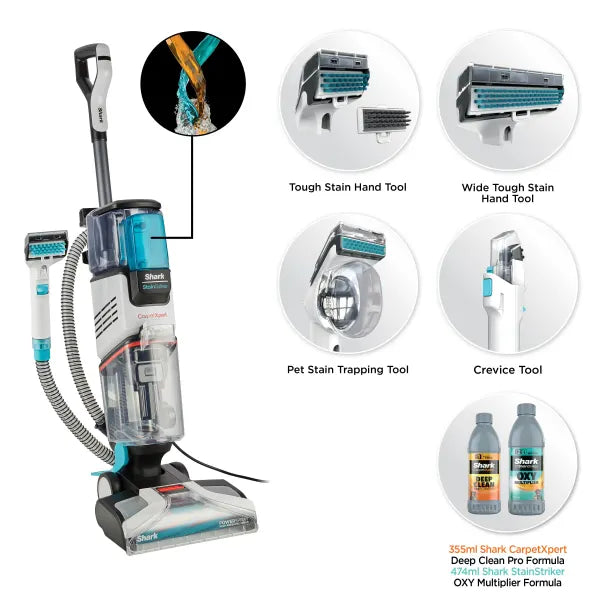
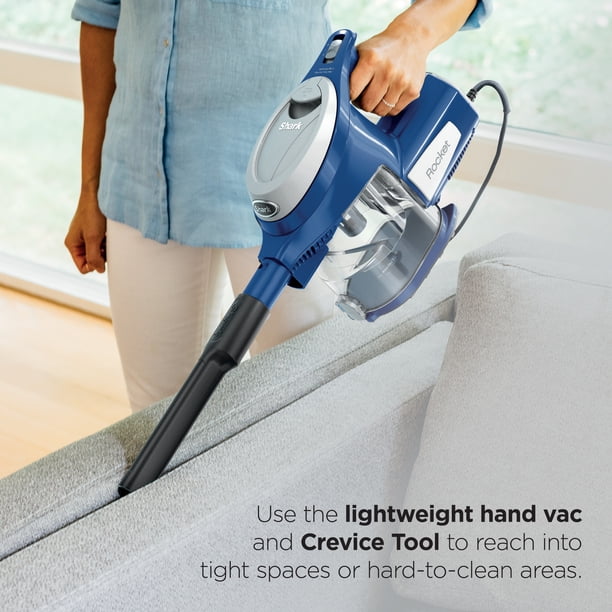
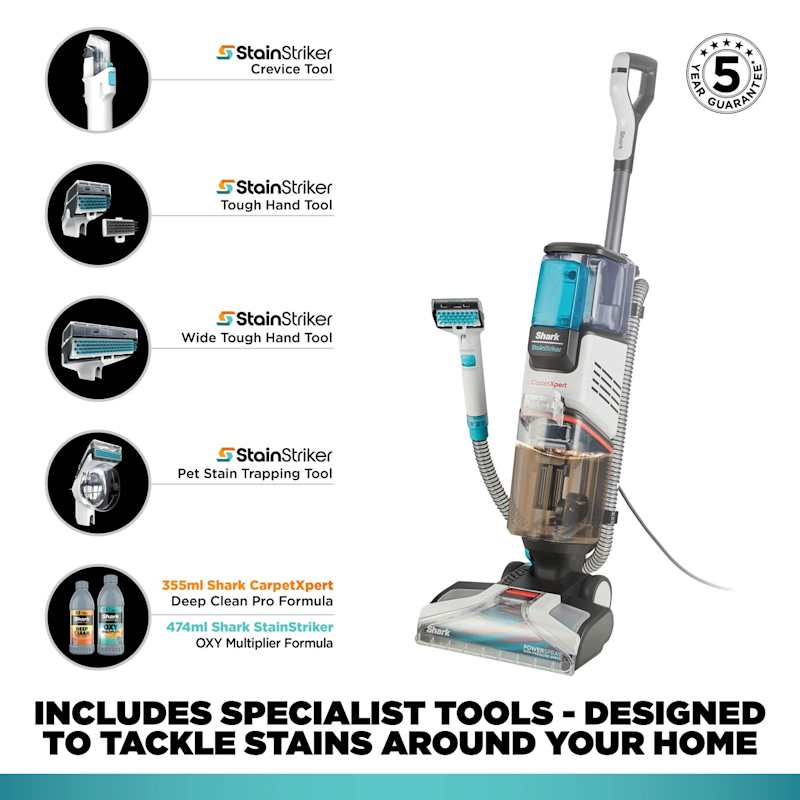
The Shark carpet cleaner hand tool is a small attachment made for spot cleaning. It connects to the cleaner’s hose and helps you reach areas that the main floor head cannot handle.
You can use the tool on many carpeted and fabric surfaces, such as:
• Carpet stairs
• Small stains and spills
• Car mats and fabric seats
• Upholstered furniture
• Pet accident areas
• Entryway rugs
• Tight spaces beside furniture
The hand tool usually has two key functions. It sprays a cleaning mix onto the surface, then removes the dirty liquid through suction. This process loosens soil and pulls moisture back into the machine.
A hand tool is not a dry vacuum. It uses water or cleaning solution, so correct drying matters. Too much liquid can leave carpet damp for many hours and may lead to musty odors or browning on some natural fibers.

What you need before using the hand tool
Good preparation makes the cleaning process faster and safer. Before learning how to use Shark carpet cleaner hand tool, gather the right supplies and inspect the surface.
You will need:
• Your Shark carpet cleaner
• The Shark hand tool and hose
• The approved carpet cleaning formula
• Warm water, if the manual allows it
• A dry white cloth
• A vacuum cleaner
• A small bowl for testing colorfastness
• Fans for faster drying
Do not add dish soap, bleach, laundry detergent, vinegar, or essential oils unless Shark specifically approves the product. Homemade mixtures may create too much foam, damage the pump, or leave a sticky film.
Read the instructions for your exact Shark model. Tank design, hose connection, solution ratio, and tool controls can differ between models. The manual is the final guide, especially for water temperature and cleaning formula.
Test the fabric first
Choose a hidden spot, such as a corner behind furniture. Apply a small amount of cleaning solution, blot it, and wait until the area dries.
Check for:
• Color transfer
• Fading
• Texture changes
• Water rings
• Stiffness
• Shrinkage
If the test area changes, do not use the hand tool on the full surface. Silk, velvet, jute, sisal, leather, and some antique rugs often need professional care.
How to use Shark carpet cleaner hand tool step by step
Follow these steps for most Shark carpet cleaner hand tools. Your model may use slightly different buttons or connections, so compare the steps with the owner’s manual.
1. Vacuum the area
Vacuum loose dirt, hair, crumbs, and pet fur before using water. Dry vacuuming prevents loose debris from turning into wet mud.
Move the vacuum slowly. Pay extra attention to carpet edges, stair corners, and under furniture. If you are cleaning a car seat, remove the seat cover or brush away loose debris first when possible.
2. Fill the clean water tank
Remove the clean water tank and fill it according to the marked line. Use the water temperature stated in the manual. Many carpet cleaners allow warm water, but very hot water can damage some parts or fabrics.
Add only the recommended amount of Shark cleaning formula. More solution does not mean better cleaning. Extra formula can leave residue that attracts new dirt.
3. Connect the hose and hand tool
Turn off and unplug the machine before attaching the hose. Push the hose firmly into the hose port, then connect the hand tool until it feels secure.
Check the connection before spraying. A loose hose can leak water or reduce suction. Keep the hose free from sharp bends, since a kink can slow water flow and extraction.
4. Prepare the stain
Blot fresh spills with a white towel. Press down instead of rubbing. Rubbing can push liquid deeper into carpet fibers and spread the stain.
For dried soil, gently loosen the top layer with a soft brush. Do not scrape hard. The goal is to lift surface dirt, not damage the fibers.
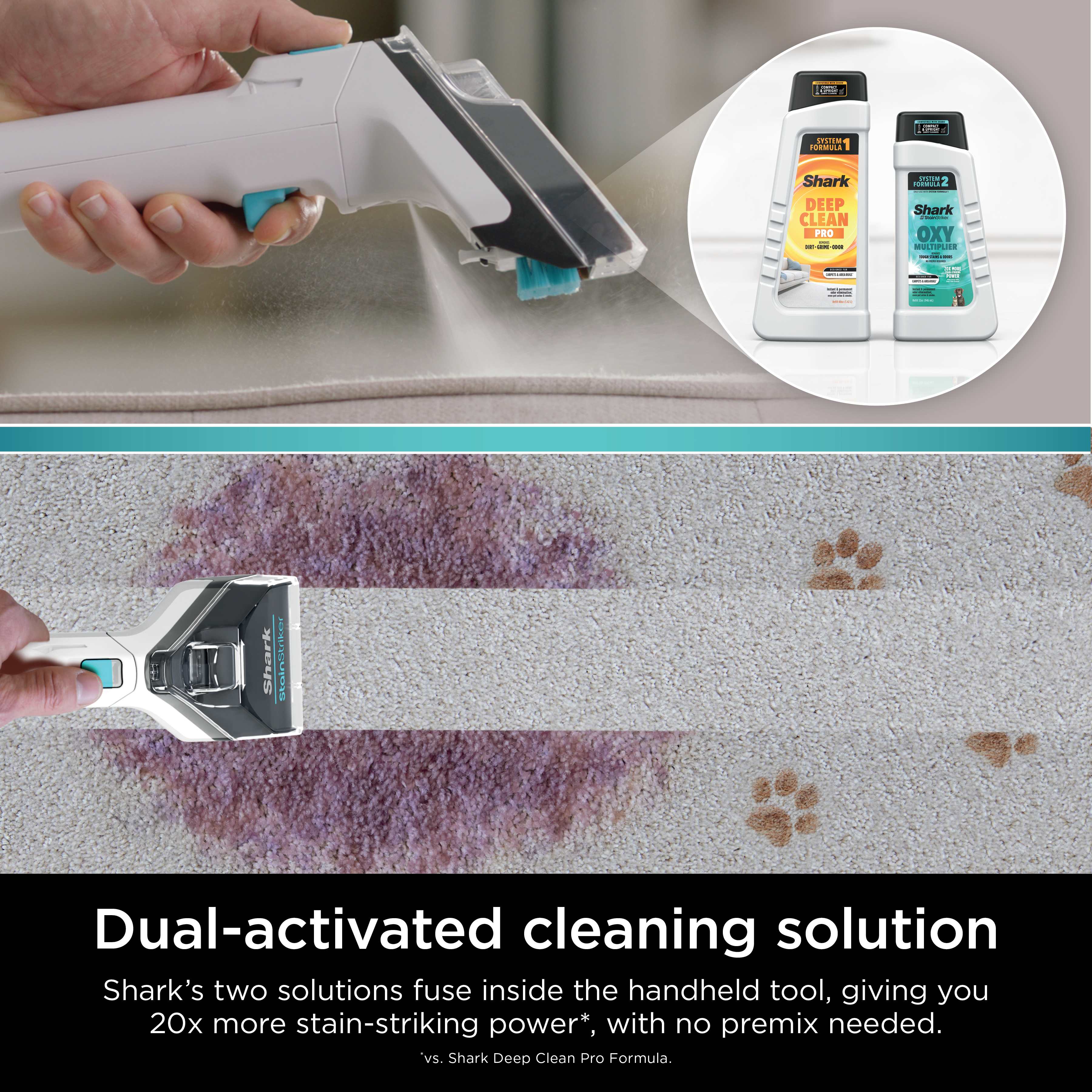
5. Spray a small amount of solution
Place the hand tool flat against the surface. Press the spray trigger for a short burst while moving the tool slowly.
Use a light spray. Work in small sections of about one to two square feet. A carpet should feel damp after cleaning, not soaked.
When learning how to use Shark carpet cleaner hand tool, many people hold the trigger too long. That is one of the fastest ways to over-wet carpet and upholstery.
6. Agitate gently
Move the tool back and forth over the damp area. Use light pressure and short strokes.
For most carpet, two or three gentle passes are enough. Upholstery needs less pressure because the fabric and padding may be delicate.
Avoid scrubbing aggressively. Strong scrubbing can fuzz carpet, flatten the nap, or spread a stain around the cleaning area.
7. Make slow suction passes
Release the spray trigger and pull the tool slowly toward you. Keep the tool flat so the suction opening stays in contact with the fabric.
Make several slow dry passes over the same area. These passes remove dirty water and reduce drying time.
A useful method is to clean each section in this order:
- Spray lightly.
- Agitate gently.
- Make one wet extraction pass.
- Make two or three dry extraction passes.
- Check the fabric before moving on.
Slow extraction is often more important than extra scrubbing. The cleaner needs time to lift and remove the dirty moisture.
8. Rinse when needed
If the surface feels sticky after cleaning, make a light pass with clean water only if your machine and manual allow it. Follow this with several suction passes.
Do not repeatedly rinse upholstery or delicate carpet. Too much water can push moisture into the padding.
9. Let the area dry fully
Open windows when weather allows. Turn on fans and keep people and pets away from the damp area.
Most small carpet spots may dry within several hours, but thick carpet, stairs, and furniture padding can take longer. Do not replace cushions or move furniture back until the cleaned area is dry.

How to clean different surfaces with the hand tool
The correct technique depends on the material. Carpet, upholstery, stairs, and car interiors do not all respond to water in the same way.
Carpet and area rugs
Use small sections and make extra suction passes. Avoid soaking the backing of an area rug, especially if it is placed on wood flooring.
Place a waterproof sheet or towel underneath a portable rug if the manufacturer allows wet cleaning. Never assume every rug is washable. Natural fibers and rugs with unstable dyes can be damaged by moisture.
Carpeted stairs
Start at the top and work downward. This keeps you from stepping on areas that are still wet.
Use short strokes and avoid pulling the hose across the stair edge. Keep the machine stable on a flat surface, and never place a heavy cleaner where it could fall down the stairs.
Upholstery
Check the furniture care label before using water. A label marked “W” may allow water-based cleaning, while “S” usually indicates solvent cleaning. “X” often means vacuuming only.
Use less solution on upholstery than on carpet. The cushion filling can hold water long after the surface feels dry.
Car seats and floor mats
Remove loose dirt first. Protect electrical controls, seat wiring, speakers, and leather trim from moisture.
Do not flood the seat. Use light spray, strong but slow extraction, and plenty of ventilation. Leave doors or windows open until the fabric is completely dry, when safe to do so.
Pet stains
Remove solid material first and blot fresh moisture. A carpet cleaner can remove liquid soil, but it may not remove every odor source if urine has reached the padding.
For serious pet odors, an enzyme product made for carpet may help, but check that it is safe for your machine and material. Avoid mixing cleaning chemicals.
Common mistakes to avoid
Even a good machine can give poor results when the technique is wrong. These mistakes are especially common when people first learn how to use Shark carpet cleaner hand tool.
• Using too much cleaning solution: Excess formula can leave residue and make carpet feel crunchy.
• Holding the spray trigger too long: This saturates the fabric and increases drying time.
• Moving too fast: Fast passes do not give the suction opening enough time to remove dirty water.
• Scrubbing too hard: Aggressive motion can damage carpet fibers and spread stains.
• Skipping the dry vacuum step: Loose dirt becomes harder to remove once wet.
• Cleaning without a color test: Some dyes bleed when exposed to water.
• Ignoring the furniture label: Upholstery codes help show whether water-based cleaning is safe.
• Walking on wet carpet: Shoes can press soil back into damp fibers.
• Leaving dirty water in the tank: Old moisture can create odors and allow bacteria to grow.
• Storing the tool while wet: Trapped moisture can cause a sour smell inside the hose or nozzle.
A common practical lesson is that patience beats pressure. The hand tool works best when you use a little solution and give the suction time to do its job.

How to clean and store the hand tool
Cleaning the tool after each use helps protect suction and prevent odors. It also keeps old stain residue from returning to the next job.
Follow this care routine:
- Turn off and unplug the cleaner.
- Remove the hand tool from the hose.
- Empty and rinse the dirty water tank.
- Rinse the tool with clean water if the manual permits it.
- Check the nozzle for hair, lint, and carpet fibers.
- Wipe the tool with a clean cloth.
- Allow the hose and tool to air-dry fully.
- Store the parts in a dry place.
Never store the machine with dirty water inside. Do not seal a damp tool in a plastic bag or closed container.
If suction drops, inspect the nozzle, hose, tank seal, and filter. A small blockage can reduce performance. Disconnect power before checking any part near the brush, nozzle, or internal opening.

How to get better cleaning results
The hand tool is most effective when you treat stains early. Fresh spills are usually easier to remove than old stains that have bonded with the fibers.
Use these methods for better results:
• Blot first: Remove as much liquid as possible before using the machine.
• Work from the outside inward: This helps stop a stain from spreading.
• Clean beyond the visible mark: A spill may spread below the surface.
• Use white towels: Colored towels can transfer dye.
• Repeat carefully: One light second treatment is safer than one soaking treatment.
• Dry quickly: Fans reduce drying time and help limit musty odors.
• Check the result after drying: Some stains look gone while wet but become visible again as the fibers dry.
Do not expect the hand tool to remove every stain. Rust, hair dye, bleach marks, permanent ink, and deep pet urine may need professional treatment. Some marks are not soil at all; they are permanent changes to the fiber color.
Safety and limits of the Shark hand tool
Use the tool only on materials approved by Shark and the fabric maker. Water extraction can damage surfaces that are not designed for moisture.
Keep electrical connections, plugs, and the main machine body away from standing water. Stop using the cleaner if you notice a burning smell, damaged cord, unusual noise, or leaking near electrical parts.
The hand tool also has practical limits. It is designed for small areas, not for pumping large amounts of water into heavily soiled carpet. For whole-room cleaning, the main floor tool is usually more efficient.
Professional help may be the better choice when:
• The stain covers a large area
• The carpet has deep water damage
• Mold or sewage is involved
• The material is antique or delicate
• The odor remains after careful cleaning
• The carpet has loose seams or damaged backing
Industry carpet care guidance commonly emphasizes fast spill removal, controlled moisture, and complete drying. Those principles apply to nearly every portable carpet cleaner.
Frequently Asked Questions
Can I use the Shark hand tool on a couch?
You can use it on upholstery only when the care label allows water-based cleaning. Test a hidden area first, spray lightly, and make several slow suction passes to avoid soaking the cushion.
How much solution should I use with the Shark hand tool?
Use the amount listed in your Shark model’s instructions or on the approved formula label. Using extra solution can leave residue, create foam, and increase drying time.
Why is my carpet still wet after using the hand tool?
The area may have received too much spray, or the extraction passes may have been too fast. Release the trigger and make several slow passes, then improve airflow with fans.
Can I use the Shark hand tool on car seats?
Yes, many fabric car seats can be cleaned with the tool, but use very little water. Protect electrical controls and wiring, and keep the doors or windows open for ventilation while the seats dry.
Should I vacuum before using the Shark hand tool?
Yes. Vacuuming first removes loose dirt, hair, and grit before they become wet. This improves cleaning and helps prevent muddy residue.
Can the hand tool remove pet urine odor?
It may remove surface moisture and soil, but deep urine can remain in padding below the carpet. An approved enzyme treatment or professional cleaning may be needed for persistent odor.
How long does carpet take to dry after using the hand tool?
Drying time varies with humidity, airflow, carpet thickness, and the amount of water used. A small area may dry in a few hours, while thick carpet or furniture padding can take much longer.
Conclusion
Learning how to use Shark carpet cleaner hand tool is mainly about control. Vacuum first, test the fabric, spray lightly, agitate gently, and use slow suction passes to remove as much moisture as possible. Clean the tool after each use and give the area plenty of airflow.
Use the hand tool for focused cleaning rather than flooding large surfaces. With the right formula and a patient technique, you can refresh stains on carpet, stairs, upholstery, and car interiors while reducing the risk of residue or damage. Try these steps on a small area first, then share your cleaning experience or explore your Shark model’s care guide for more tips.
Recent Tool Guides
 Hammer
How To Hammer Flowers Onto Paper: Easy Guide
Learn how to hammer flowers onto paper with simple steps, helpful tips, and beautiful results for...
Read Guide → Wrench
How To Use A Hex Wrench: Easy Step-By-Step Guide
Learn how to use a hex wrench correctly with simple steps, helpful tips, and common mistakes...
Read Guide → Hacksaw
How To Cut Curtain Pole With Hacksaw: Easy Guide
Learn how to cut curtain pole with hacksaw safely and neatly. Follow simple steps for accurate...
Read Guide → Wrench
How To Use A Husky Torque Wrench: Easy Guide
Learn how to use a Husky torque wrench correctly with simple steps, torque settings, and safety...
Read Guide → Hammer
How To Hold A Hammer: Safe Grip Guide
Learn how to hold a hammer with the right grip, stance, and technique for safer, more...
Read Guide → Hacksaw
How To Cut Flexible Metal Conduit With Hacksaw: Easy Guide
Learn how to cut flexible metal conduit with hacksaw safely and cleanly. Follow simple steps for...
Read Guide →