Where Are Snap On Hand Tools Made: Factory Origins
Introduction
Many Snap-on hand tools are made in the United States, but Snap-on does not make every tool in the USA. The company uses a mixed manufacturing model. It produces many core hand tools at U.S. plants and sources other products from facilities outside the United States.
The exact country of origin depends on the tool, product family, model, and production date. A Snap-on ratchet, wrench, screwdriver, plier, socket, or specialty tool may have a different manufacturing location from another tool sold under the same brand.
For the most reliable answer, check the tool itself, its packaging, the product page, or Snap-on customer support. Look for markings such as “USA,” “Made in USA,” “Made in USA with global components,” or another country-of-origin statement.
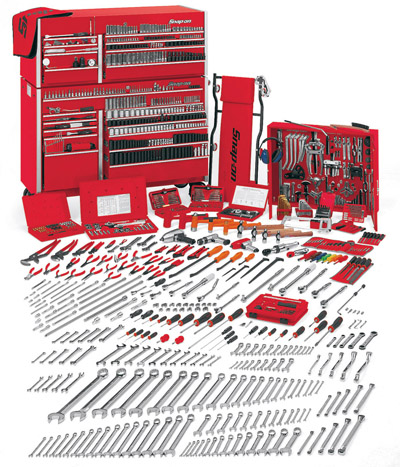
Where Snap-on hand tools are made in the USA
Snap-on makes many of its traditional hand tools in the United States. Its U.S. manufacturing network has included plants in several states, with each location focused on different products and production steps.
Commonly identified U.S. Snap-on manufacturing locations include:
| U.S. location | Products or operations associated with Snap-on |
|---|---|
| Algona, Iowa | Tool storage and related manufacturing operations |
| Elizabethton, Tennessee | Hand tools and tool components |
| Milwaukee, Wisconsin | Hand tools, including certain sockets and related products |
| Murphy, North Carolina | Hand tools and components |
| City of Industry, California | Tool storage and equipment-related production |
| Other U.S. facilities | Product-specific assembly, finishing, support, or manufacturing |
Snap-on’s facilities and product assignments can change over time. A plant may also make products for more than one Snap-on business unit. For that reason, a facility list does not prove that every tool in a product category comes from that plant.
The strongest evidence remains the country-of-origin marking for the specific model.
What “made in the USA” means for a Snap-on tool
A tool marked Made in USA generally means the product meets the applicable U.S. standard for an unqualified American-origin claim. The Federal Trade Commission says an unqualified “Made in USA” claim requires that the product be “all or virtually all” made in the United States.
That wording does not mean that every raw material or minor component must come from a U.S. supplier. Steel, coatings, packaging, electronic parts, or other inputs may come from global sources, depending on the product.
Some products may instead carry a qualified statement, such as:
- Made in USA with global components
- Assembled in USA
- imported
- Made in another named country
These statements are not interchangeable. “Assembled in USA” does not carry the same meaning as “Made in USA.”
Are all Snap-on tools made in the United States?
No. Snap-on sells both U.S.-made and internationally sourced tools.
Snap-on is a global company. Its product range includes hand tools, diagnostic equipment, tool storage, shop equipment, power tools, and products sold under related brands. Some of those products are manufactured in countries outside the United States.
For example, tools sold through Snap-on may be associated with manufacturing operations in:
- The United States
- Europe
- Asia
- Other regional production centers
The country depends on the exact product. A hand tool made in the United States and an imported diagnostic device can both carry the Snap-on name.
This is why broad statements such as “all Snap-on tools are American-made” are not accurate. The safer statement is:
Snap-on makes many of its core hand tools in the USA, while other tools and equipment come from global manufacturing sites.
Snap-on’s annual reports describe a global manufacturing and supply network. The company also operates or owns brands with different manufacturing histories. A brand name alone cannot establish where a product was made.
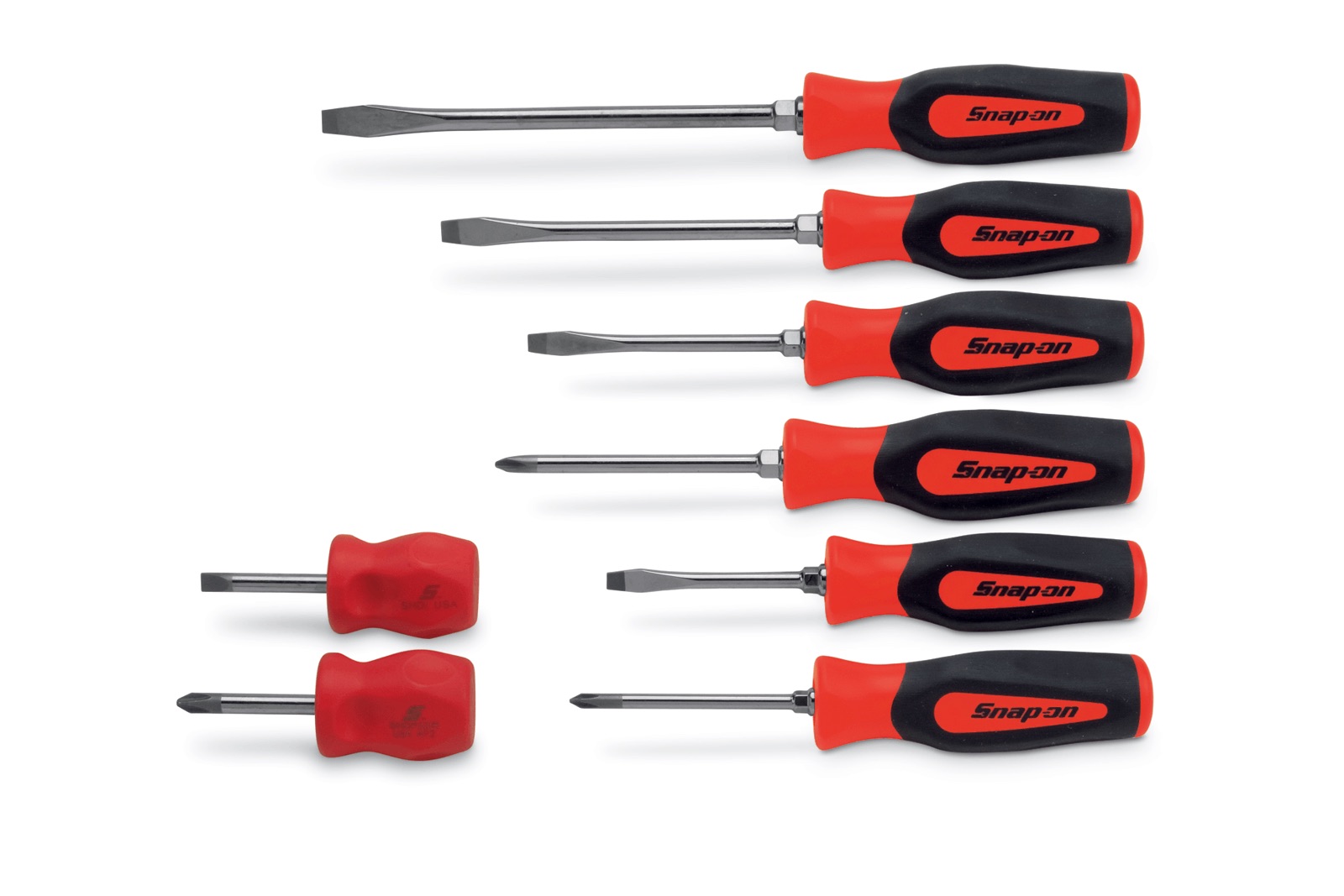
Which Snap-on hand tools are commonly made in the USA?
Many Snap-on users associate U.S. production with the company’s traditional metal hand tools. These may include certain:
- Combination wrenches
- Open-end and box-end wrenches
- Ratchets
- Sockets
- Screwdrivers
- Pliers
- Hex and specialty tools
- Torque tools
- Inspection and service tools
However, product categories are not absolute country-of-origin labels. Snap-on may offer several versions, sizes, finishes, or generations of a tool. One model may be made in the United States while another related item is imported.
Ratchets and sockets
Snap-on has long been associated with ratchets and sockets made in U.S. facilities. Many users look for a USA marking on the ratchet head, handle, socket, or package.
Do not assume that every socket accessory is made in the same country as the ratchet. Extensions, adapters, universal joints, bit sockets, and specialty attachments can have separate origins.
Check each item when country of origin matters.
Wrenches
Snap-on produces many of its well-known wrench lines in the United States. The marking may appear on the wrench itself or on the original package.
Wrench sets can create confusion. A set may contain tools made in different countries, or the set may have a country marking on the label rather than on every piece. If a complete set is important to you, inspect the set label and the individual tools.
Screwdrivers and pliers
Some Snap-on screwdrivers and pliers are made in the USA. Others may be sourced from a different facility or supplier.
Handles, inserts, insulation, coatings, and specialized tips can affect the final origin statement. A screwdriver with an imported bit or insert is not automatically “made in USA,” and the marking should control.
Torque tools and specialty tools
Torque wrenches, pullers, cutters, measuring tools, and specialty tools often involve more parts and more complex production steps. Their country of origin may differ from standard sockets and wrenches.
Calibration is also a separate issue. A tool can be made in one country, calibrated in another location, and sold through a U.S. distributor. Country of origin does not by itself prove calibration status or accuracy.
How to verify where a specific Snap-on tool was made
The fastest way to identify the origin of a Snap-on tool is to verify the exact model rather than rely on the brand or product category.
1. Inspect the tool
Look for a marking on:
- The handle
- The wrench shank
- The ratchet head
- The socket wall
- The plier body
- The laser-etched surface
- The identification label
Common markings include a country name, “USA,” or a qualified origin statement.
Some small tools have limited space. The absence of a visible marking does not prove that the tool is imported.
2. Check the packaging
The package may state the country of origin more clearly than the tool. Check:
- The barcode label
- The back of the card
- The set label
- The carton
- The hang tag
- The import or distributor label
Keep the packaging if origin is important for warranty records, resale, fleet purchasing, or domestic-content requirements.
3. Find the exact Snap-on part number
A part number is more useful than a general description such as “Snap-on 3/8-inch ratchet.” Ratchets can differ by drive size, tooth count, handle design, length, finish, and revision.
Use the complete number from the tool or package. Then compare it with:
- The official Snap-on product listing
- A Snap-on catalog
- An authorized Snap-on representative
- Snap-on customer service
Product pages can change. Save a copy of the product information if you need a record for a purchase or business file.
4. Ask Snap-on for written confirmation
If the marking is missing or unclear, contact Snap-on with:
- The complete part number
- A clear photo
- The tool’s date or purchase information
- The exact origin question
Ask whether the answer applies to the current production version. Older tools may have been made at a different location from current tools.
5. Check the tool’s age
Snap-on has produced tools across many decades. Manufacturing locations, suppliers, finishes, and product designs can change.
A used tool marked “USA” may not match the current version. Conversely, a current tool may have a different origin statement from an older tool with a similar model name.

How Snap-on compares with other tool brands
Snap-on is not unusual in using both U.S. and global manufacturing. Many major tool companies use a similar model.
The useful comparison is not simply “American-made” versus “imported.” Compare the exact product and the evidence behind its origin claim.
| What to compare | Why it matters |
|---|---|
| Exact model number | Similar-looking tools may have different origins |
| Country marking | It provides product-level evidence |
| Manufacturing date | Origin can change over time |
| Raw material statement | “Made in USA” and “global components” differ |
| Warranty and service | Support may matter more than origin for some buyers |
| Intended use | Professional, home, fleet, and industrial needs differ |
| Replacement availability | A tool’s long-term value depends on service access |
A U.S.-made tool may appeal to buyers who value domestic manufacturing. An imported tool may still meet the buyer’s required specifications and use case. Country of origin is one buying factor, not a complete measure of quality, durability, or safety.
Manufacturing location also does not replace proper tool selection. A wrench used on the wrong fastener, a socket used with an impact gun, or a damaged tool can fail regardless of where it was made.
Why the country of origin can vary within one brand
Snap-on offers a wide range of products. Different tools require different machinery, materials, labor, and production volumes.
Several factors can change a tool’s origin:
Product design
A forged wrench has different production needs from an electronic diagnostic device. A tool with sensors, displays, batteries, or software may use a more international supply chain.
Manufacturing capacity
Snap-on may produce a product at a plant with the right forging, machining, heat-treatment, coating, assembly, or testing equipment.
Product revision
A revised model can move to a different facility. Changes may include a new ratchet mechanism, handle, coating, drive profile, or packaging design.
Market and distribution region
A product made for the U.S. market may have different labeling from a similar product sold in another country. Import rules and labeling requirements can vary.
Brand ownership and sourcing
Snap-on’s portfolio includes products and brands with different histories. A tool sold through a Snap-on channel is not necessarily manufactured in a Snap-on-owned U.S. plant.
Does “Made in USA” mean the whole tool is American-made?
Not always. The wording on the product determines how the claim should be understood.
A plain “Made in USA” claim is subject to the FTC’s “all or virtually all” standard. That still allows limited foreign content. It does not necessarily mean that every bit of steel, chemical, package material, or subcomponent originated in the United States.
A qualified claim gives more detail. For example:
- Made in USA: A broad U.S.-origin claim under the applicable standard.
- Made in USA with global components: The tool has meaningful U.S. production but includes imported content.
- Assembled in USA: Final assembly occurs in the United States, but important parts may be imported.
- Imported: The product was made outside the United States.
If you are buying for a government contract, defense program, public project, or other domestic-content rule, do not rely on a general brand statement. Review the exact contract requirement and obtain written origin records.
Common mistakes when researching Snap-on tool origins
Mistake 1: Assuming every Snap-on tool is made in the USA
Snap-on is a U.S.-based company, but ownership and manufacturing location are different questions.
Better approach: Verify the exact model and marking.
Mistake 2: Treating a U.S. company as a U.S.-made product
A product can be designed, sold, or supported by a U.S. company and still be made elsewhere.
Better approach: Separate the company’s headquarters, design work, sales channel, and manufacturing site.
Mistake 3: Using a seller’s description as final proof
Online listings sometimes copy old specifications or confuse a product family with a specific model.
Better approach: Use the tool, package, official product information, or written confirmation from Snap-on.
Mistake 4: Confusing “assembled” with “made”
Assembly is only one part of production.
Better approach: Read the complete origin statement and note whether it is qualified.
Mistake 5: Assuming an older tool has the same origin as a new one
Manufacturing can change by model revision or production period.
Better approach: Check the actual item, especially when buying used tools.
Mistake 6: Treating country of origin as a safety approval
A country marking does not certify a tool for a particular task.
Use the correct tool for the load and application. Do not use hand sockets with an impact wrench unless they are rated for impact use. Replace tools with cracks, severe rounding, bent parts, damaged insulation, or failed mechanisms.
Frequently asked questions
Are Snap-on tools made in the USA?
Many Snap-on hand tools are made in the United States. However, Snap-on also sells tools made outside the USA. The exact answer depends on the model and production version.
Are Snap-on sockets made in America?
Many Snap-on sockets have been made in U.S. manufacturing facilities, but not every socket or socket accessory should be assumed to have the same origin. Check the individual socket, package, or model documentation.
Are Snap-on ratchets made in the USA?
Many Snap-on ratchets are made in the USA, but origin can vary by model and production date. Look for the marking on the ratchet or verify the part number with Snap-on.
Are Snap-on tools made in China?
Some products sold through Snap-on channels may be made outside the United States, including in Asia. The specific country depends on the product. Do not label a particular tool as Chinese-made without checking its marking or documentation.
Does Snap-on own its U.S. manufacturing plants?
Snap-on operates a range of manufacturing facilities and businesses, but ownership and facility assignments can change. A current annual report or official company information is the best source for corporate structure. It does not replace checking the origin of an individual tool.
How can I tell if a used Snap-on tool is American-made?
Inspect the tool and its original packaging for a country marking. Record the part number and compare it with official Snap-on information. If the marking is missing, ask Snap-on or an authorized representative for confirmation based on photos and the complete model number.
Conclusion
Snap-on makes many of its best-known hand tools in the United States, including products associated with U.S. facilities in states such as Wisconsin, Tennessee, North Carolina, and Iowa. But the brand also uses global manufacturing, so not every Snap-on tool is American-made.
The most dependable method is simple: identify the exact part number, inspect the tool and package, and verify the current origin statement. If the tool is used for a contract or domestic-content requirement, obtain written confirmation instead of relying on brand reputation or a seller’s description.
The next step is to check the marking on your specific Snap-on tool. If you share the complete model number with Snap-on customer service, you can usually get a more precise answer than a general brand-wide statement.
Recent Tool Guides
 Hammer
How To Hammer Flowers Onto Paper: Easy Guide
Learn how to hammer flowers onto paper with simple steps, helpful tips, and beautiful results for...
Read Guide → Wrench
How To Use A Hex Wrench: Easy Step-By-Step Guide
Learn how to use a hex wrench correctly with simple steps, helpful tips, and common mistakes...
Read Guide → Hacksaw
How To Cut Curtain Pole With Hacksaw: Easy Guide
Learn how to cut curtain pole with hacksaw safely and neatly. Follow simple steps for accurate...
Read Guide → Wrench
How To Use A Husky Torque Wrench: Easy Guide
Learn how to use a Husky torque wrench correctly with simple steps, torque settings, and safety...
Read Guide → Hammer
How To Hold A Hammer: Safe Grip Guide
Learn how to hold a hammer with the right grip, stance, and technique for safer, more...
Read Guide → Hacksaw
How To Cut Flexible Metal Conduit With Hacksaw: Easy Guide
Learn how to cut flexible metal conduit with hacksaw safely and cleanly. Follow simple steps for...
Read Guide →