How To Use Hoover Carpet Cleaner Hand Tool: Easy Guide
Attach the tool, spray a small amount of cleaner, scrub gently, and make slow passes to lift dirty water.
Learning how to use Hoover carpet cleaner hand tool correctly can make stairs, car seats, sofas, and small carpet stains much easier to clean. After using several Hoover-style hand attachments, I have found that the best results come from using less water, steady pressure, and enough dry passes to remove moisture. This guide explains the full process, common mistakes, safety tips, and simple ways to get cleaner results without soaking your carpet or upholstery.

What the Hoover Carpet Cleaner Hand Tool Does
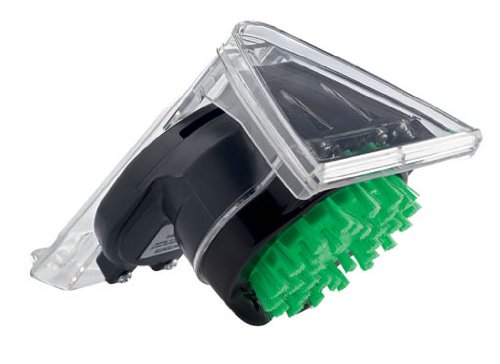
A Hoover carpet cleaner hand tool is a small attachment that connects to a carpet cleaning machine. It usually has a spray nozzle, a brush head, and a suction opening. The tool sprays cleaning solution, loosens dirt, and pulls dirty water into the machine.
It is useful for areas that are hard to clean with a full-size carpet cleaner, such as:
• Carpeted stairs
• Furniture and upholstery
• Car interiors
• Door mats
• Small spills and stains
• Tight corners and edges
• Pet accident spots
The tool does not work like a dry vacuum. It uses water and cleaning formula to wash the surface. Think of it as a small shower and vacuum in one. It wets the area, scrubs it, and then removes the used water.
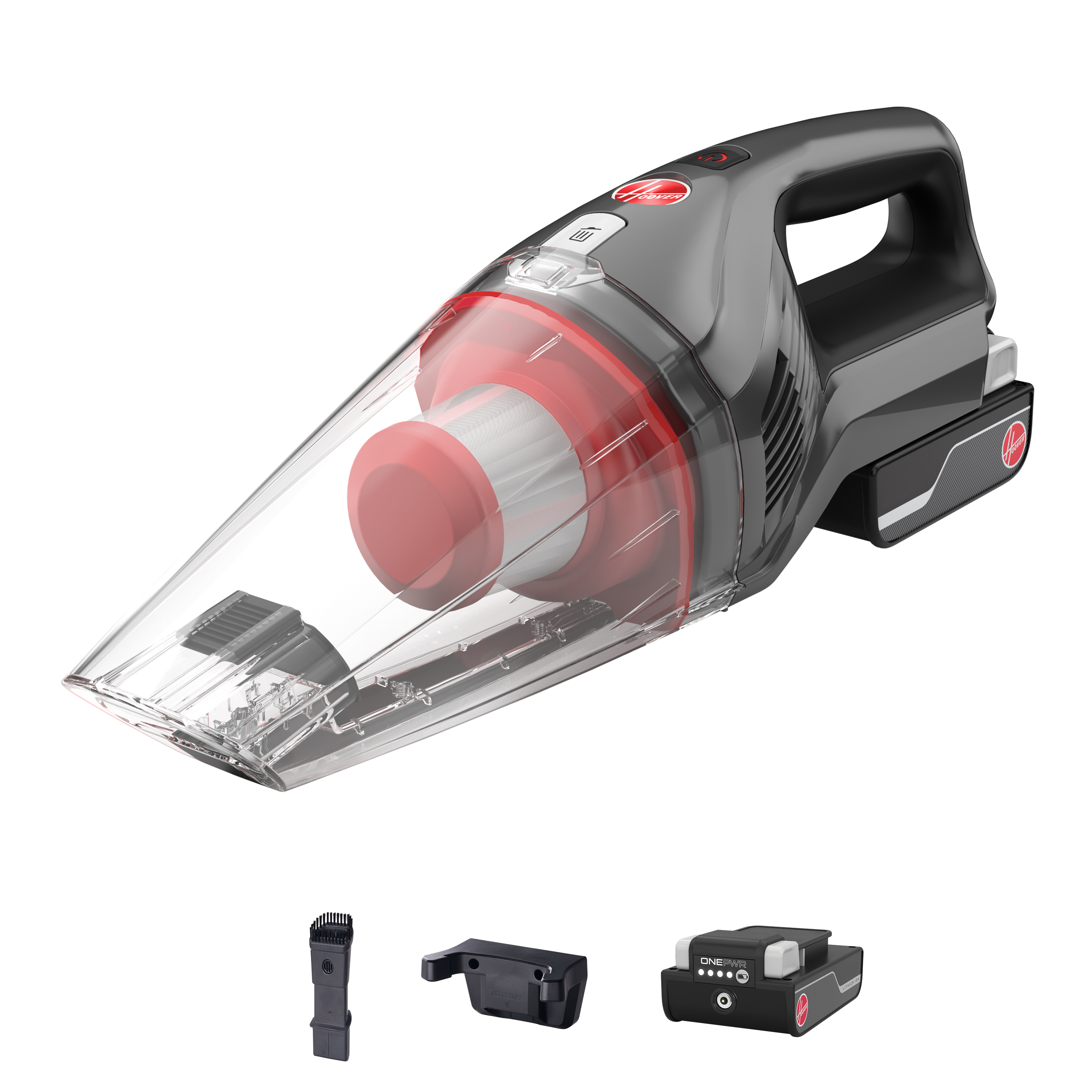
Different Hoover models may use different hand tools. Some have a clear plastic head, while others include a powered hand tool with a rotating brush. Always check your machine’s manual before using a new attachment or cleaning formula.
How to Use Hoover Carpet Cleaner Hand Tool Step by Step
The basic process is simple, but each step affects the final result. Follow these instructions for most Hoover carpet cleaners with a hand attachment.
1. Vacuum the area first
Use a regular vacuum to remove loose hair, dust, crumbs, and dry soil. This step matters because wet cleaning can turn loose dirt into mud.
Pay special attention to pet hair and the edges of stairs. A clean dry surface allows the Hoover hand tool to focus on deeper soil instead of surface debris.
2. Check the fabric or carpet label
Before cleaning upholstery, look for a care label. Codes such as W or W/S usually indicate that water-based cleaning may be suitable. An S code means the fabric may need a solvent-based cleaner instead.
Do not use a water-based Hoover carpet cleaner hand tool on fabric marked only with S or X. If no label exists, test a hidden area first. Stop if the color runs, the fabric puckers, or the area stays wet for too long.
3. Fill the clean water tank
Unplug the machine before filling the tank. Add warm tap water and the correct Hoover cleaning solution according to the instructions on the machine or formula bottle.
Avoid very hot or boiling water. Excess heat can damage some fibers, weaken adhesives, or harm upholstery. Do not add bleach, dish soap, vinegar, or homemade mixtures unless the manual specifically allows them.
4. Connect the hand tool
Find the hose connection on the machine. Push the hand tool hose into the opening until it locks firmly.
A loose connection can reduce suction or cause water to leak. Before cleaning a large area, turn on the machine for a few seconds and check that the hose pulls air and that the spray trigger works.
5. Pretreat heavy stains
Apply a small amount of Hoover-approved pretreatment to greasy marks, food stains, or pet spots. Let it sit for the time listed on the label.
Do not flood the stain with pretreatment. More product does not always mean better cleaning. Too much soap can leave a sticky film that attracts new dirt.
6. Spray and scrub slowly
Place the tool flat against the surface. Press the spray trigger while moving the tool slowly across the dirty area.
Use light pressure. Let the brush loosen the soil instead of grinding it into the fibers. On delicate upholstery, use short strokes and avoid aggressive scrubbing.
7. Make dry suction passes
Release the spray trigger and pull the tool slowly over the same area. These dry passes allow the machine to extract dirty water.
Make several passes until little or no water enters the recovery tank. This is one of the most important parts of learning how to use Hoover carpet cleaner hand tool. Spraying cleans the surface, but extraction controls drying time.
8. Rinse when needed
If the area feels soapy, use clean water for a light rinse. Then make more suction-only passes.
A rinse is especially helpful when you used pretreatment or cleaned a high-traffic area. Do not over-rinse upholstery, since excess moisture can move into cushions and padding.
9. Let the surface dry fully
Keep people and pets away until the area is dry. Open windows, run fans, or use air conditioning to improve airflow.
Drying may take a few hours. Thick upholstery, stairs, and padded carpet can take longer. Never judge the result while the fibers are still wet because colors may look darker until they dry.

How to Use Hoover Carpet Cleaner Hand Tool on Different Surfaces
The same tool can clean many materials, but your technique should change with each surface.
Carpeted stairs
Start at the top of the stairs and work downward. This keeps you from stepping on freshly cleaned areas.
Clean one stair at a time. Use short sprays and slow suction passes. Avoid soaking the carpet near stair edges because moisture can reach wood, nails, or adhesive beneath the carpet.
For stair risers, hold the tool at a slight angle. Keep the head flat enough to maintain suction, but do not press hard against the edge.
Upholstery and sofas
Remove cushions when possible. Clean the cushion covers separately only if the care label says they are washable.
Use less water than you would on carpet. Upholstery often has foam inside, and foam holds moisture. Work in small sections and make extra dry passes after each section.
Never assume a fabric is safe because it looks strong. Dark denim, velvet, silk, and some printed fabrics can bleed or become distorted when wet.
Car seats and floor mats
Vacuum the car first. Leave the doors open during cleaning so moisture can escape.
For fabric car seats, avoid saturating seams. Water can collect beneath the fabric and create odors. Use a narrow tool for tight spaces, and make slow extraction passes until the seat feels only slightly damp.
Rubber mats can usually be cleaned with more water, but remove them from the car before washing. Let them dry outside before returning them to the vehicle.
Pet stains
Remove solid waste first. Blot fresh liquid with paper towels before using the cleaner.
An enzymatic pet product may help with odor, but check that it is safe for your carpet and compatible with water-based cleaning. A carpet cleaner can remove soil and moisture, but it may not remove every odor source if urine has reached the pad or subfloor.
Small food and drink spills
Blot the spill instead of rubbing it. Rubbing can spread the stain and push it deeper.
Use the Hoover carpet cleaner hand tool in small sections. Begin around the outside of the mark and move toward the center. This helps prevent the stain from spreading.

Mistakes to Avoid When Using the Hand Tool
Even a good machine can produce poor results when the hand tool is used incorrectly. These are the errors I see most often.
Using too much cleaning solution
Extra formula can leave residue. Residue makes carpet feel stiff and may cause rapid resoiling.
Follow the measuring marks on the tank. If you are unsure, use the lower amount recommended for a light cleaning rather than guessing.
Moving too fast
Fast strokes may leave soil behind and remove less water. Slow movement gives the brush time to work and gives the suction system time to recover moisture.
A good rule is to spray slowly, then make at least one or two slow passes without spraying.
Pressing down too hard
Heavy pressure can flatten carpet fibers and reduce the tool’s ability to extract water. It may also damage delicate upholstery.
Let the machine create suction. Your hand should guide the attachment, not force it into the surface.
Skipping the dry passes
Many users spray, scrub, and stop. This leaves too much water behind.
Dry suction passes are essential when learning how to use Hoover carpet cleaner hand tool. They help reduce drying time and lower the chance of musty odors.
Cleaning without testing
Color bleeding can ruin upholstery or rugs. Always test a hidden area first, especially on dark, old, handmade, or brightly colored materials.
Wait for the test spot to dry before deciding that the surface is safe. Some problems appear only after evaporation.
Ignoring the recovery tank
A full recovery tank can reduce suction. It may also cause dirty water to spill back into the machine.
Check the tank during cleaning. Empty it when it reaches the marked limit or when suction becomes weaker.

How to Clean the Hoover Hand Tool After Use
Cleaning the attachment after every job helps prevent odor, clogs, and bacteria buildup.
-
Turn off and unplug the carpet cleaner.
-
Remove the hand tool from the hose.
-
Empty the dirty water tank.
-
Rinse the tool with clean, warm water.
-
Remove hair and lint from the brush and suction opening.
-
Check the hose for trapped debris.
-
Wipe the tool with a clean cloth.
-
Leave the tool, hose, and tanks open to air-dry.
Do not store the hand tool while it is wet and sealed in a bag or cabinet. A damp tool can develop a sour smell. If your model has a removable nozzle cover, take it off and rinse behind it.
Never place electrical parts under running water. Only rinse parts that the manual identifies as washable.
I once stored a hand tool too soon after cleaning a pet stain. The next time I used it, the hose smelled worse than the carpet. Since then, I let every part dry separately before putting the machine away. It takes a few extra minutes and prevents a very unpleasant surprise.
Tips for Better Cleaning and Faster Drying
Small changes can make the cleaning process more effective.
• Clean on a dry day when possible.
• Use fans to move air across the surface.
• Open windows if outdoor humidity is low.
• Work in sections no larger than you can extract well.
• Use a white cloth to check whether more soil is lifting.
• Avoid walking on wet carpet.
• Keep pets away from cleaning solution and wet surfaces.
• Empty and rinse the tanks after every use.
• Store the machine in a dry place.
For high-traffic carpet, clean from the farthest point toward the exit. This prevents you from walking through the area you just washed.
If you are cleaning a sofa, place a towel under the front edge. This protects the floor from small drips. Remove the towel once the furniture and floor are dry.
The goal is not to make the surface as wet as possible. The goal is to transfer soil into the water and remove that water quickly. More moisture is not the same as more cleaning.
Safety and Material Limits
A Hoover carpet cleaner hand tool is not right for every material. Use caution with:
• Silk and natural fibers
• Leather and suede
• Antique rugs
• Jute, sisal, and seagrass
• Unsealed wood
• Delicate vintage upholstery
• Fabrics marked S or X
• Carpet with loose backing
Water can cause shrinkage, color loss, browning, or adhesive failure. If the material is valuable or hard to replace, professional cleaning is safer.
Keep cleaning formula away from children and pets. Follow the product label if the solution contacts skin or eyes. Do not mix cleaning products, especially products containing bleach, ammonia, or strong acids.
Most manufacturers recommend using approved formulas because the wrong solution can create excess foam. Foam can travel into the machine and reduce performance.

How Often Should You Use the Hand Tool?
Use the Hoover carpet cleaner hand tool when stains appear or when a small area needs deep cleaning. For regular carpet, vacuuming several times per week is usually more important than frequent wet cleaning.
Many homes benefit from a deeper carpet cleaning every 6 to 12 months. Homes with pets, children, allergies, or heavy foot traffic may need more frequent cleaning.
Do not wet-clean the same spot repeatedly in a short period. If a stain returns, the source may be inside the carpet pad, beneath the furniture, or in the backing. Repeated surface cleaning may only add moisture without solving the problem.
For maintenance, clean spills quickly and vacuum often. Use the hand tool for targeted work rather than treating every small mark with a full wet wash.

Troubleshooting Common Problems
The hand tool does not spray
Check that the clean water tank is seated correctly. Make sure the tank has water and that the solution cap is closed.
Inspect the spray opening for dried formula. Unplug the machine before clearing any blockage.
The tool has weak suction
Confirm that the recovery tank is not full. Check that the lid is sealed and that the hose connection is secure.
Look for hair or lint blocking the suction channel. A clogged tool can still spray but remove very little water.
The carpet stays very wet
Make slower suction-only passes. Do not press the tool down too hard.
If the carpet remains soaked, stop spraying and focus on extraction. Check the machine filter and recovery tank as well.
The surface feels sticky after drying
Too much formula may have been used. Rinse the area lightly with clean water, then extract as much moisture as possible.
Allow the surface to dry fully before judging the result. Some fibers feel slightly stiff while damp but soften as they dry.
The stain comes back
A returning stain may be caused by wicking. Soil or liquid beneath the surface can move upward as the carpet dries.
Clean a slightly wider area, use controlled moisture, and make thorough dry passes. Persistent pet odor or deep staining may require professional treatment.

Frequently Asked Questions About How to Use Hoover Carpet Cleaner Hand Tool
Can I use the Hoover hand tool on a couch?
You can use it on many water-safe couches, but check the care label first. Test a hidden spot, use light sprays, and make extra suction passes to avoid soaking the cushions.
Do I need to vacuum before using the Hoover carpet cleaner hand tool?
Yes, vacuuming first removes loose dirt, hair, and crumbs. This helps the hand tool clean deeper soil and reduces the chance of creating muddy residue.
How much Hoover cleaning solution should I use?
Use the measuring instructions for your specific model and formula. Adding extra solution can cause foam, sticky residue, and faster resoiling.
How long does carpet take to dry after using the hand tool?
Drying time depends on airflow, humidity, carpet thickness, and how much water was used. Many small areas dry in a few hours, but thick carpet and upholstery may take longer.
Can I use the Hoover hand tool on pet urine?
You can use it to remove surface moisture and soil from water-safe carpet. Deep urine odor may remain if it has reached the padding or subfloor, so an enzyme product or professional treatment may be needed.
Why is my Hoover hand tool not picking up water?
Check the dirty water tank, lid seal, hose connection, and suction opening. Hair or lint may block the tool, while a full tank can also reduce extraction.
Can I use homemade cleaner in the hand tool?
It is safer to use the formula recommended for your machine. Homemade mixtures may create excess foam, leave residue, or damage internal parts.
Conclusion
Learning how to use Hoover carpet cleaner hand tool comes down to controlled moisture, gentle scrubbing, and strong extraction. Vacuum first, test the material, use the correct formula, clean in small sections, and make slow dry passes until the surface is only slightly damp.
Take time to rinse and air-dry the tool after each use. These simple habits improve cleaning results and help protect your machine, carpet, furniture, and car interior. Try the process on a small, low-risk area first, then use what you learn for larger jobs. Share your results or explore more carpet care guides to keep your home fresh and comfortable.
Recent Tool Guides
 Hammer
How To Hammer Flowers Onto Paper: Easy Guide
Learn how to hammer flowers onto paper with simple steps, helpful tips, and beautiful results for...
Read Guide → Wrench
How To Use A Hex Wrench: Easy Step-By-Step Guide
Learn how to use a hex wrench correctly with simple steps, helpful tips, and common mistakes...
Read Guide → Hacksaw
How To Cut Curtain Pole With Hacksaw: Easy Guide
Learn how to cut curtain pole with hacksaw safely and neatly. Follow simple steps for accurate...
Read Guide → Wrench
How To Use A Husky Torque Wrench: Easy Guide
Learn how to use a Husky torque wrench correctly with simple steps, torque settings, and safety...
Read Guide → Hammer
How To Hold A Hammer: Safe Grip Guide
Learn how to hold a hammer with the right grip, stance, and technique for safer, more...
Read Guide → Hacksaw
How To Cut Flexible Metal Conduit With Hacksaw: Easy Guide
Learn how to cut flexible metal conduit with hacksaw safely and cleanly. Follow simple steps for...
Read Guide →