Where To Buy Hand Tools: Best Places To Shop
The best place to buy hand tools in the United States depends on the job, tool type, budget, and support you need. Local hardware stores are useful for quick purchases and advice. Home improvement stores offer broad selection and easy returns. Industrial suppliers fit trade work. Manufacturer websites help with specialty tools and warranty support. Online marketplaces often have low prices, but seller checks matter.
Best Places to Buy Hand Tools in the USA
The right store is the one that gives you the correct tool, a fair price, and a safe way to return or replace it.
Local hardware stores
Independent hardware stores and regional chains can be a strong choice for common hand tools. Many carry pliers, screwdrivers, hammers, wrenches, tape measures, utility knives, and basic tool sets.
Local hardware stores work well when you:
- Need a tool today
- Want to compare tools in person
- Need help matching a fastener or part
- Prefer to support a local business
- Need a small repair item rather than a large tool kit
A local store may have fewer specialty tools than a large chain. However, staff may know local trades, common repairs, and the products that work well in the area.
Home improvement stores
Large U.S. home improvement chains, such as The Home Depot and Lowe’s, sell hand tools for home repairs, carpentry, plumbing, automotive work, and general maintenance. Their websites often show store stock and pickup options.
These stores are useful when you want:
- Several brands in one place
- In-store product comparison
- Store pickup
- A standard return process
- Tool sets for home projects
- Replacement parts or related supplies
Check the return policy before buying. Some tools have different rules for used, opened, clearance, or special-order items.
Industrial tool suppliers
Industrial distributors serve mechanics, electricians, manufacturers, maintenance teams, and professional contractors. Examples include Grainger, MSC Industrial Supply, Fastenal, and specialized regional distributors.
These suppliers are helpful when you need:
- A specific size or drive type
- Metric or SAE tools
- Professional-grade tools
- Torque tools
- Non-sparking or insulated tools
- Replacement parts
- Bulk orders
- Business account support
Industrial suppliers may cost more than general retail stores. The higher price may make sense when tool accuracy, repeat availability, documentation, or job-site support matters.
Manufacturer websites
Buying from a tool maker’s website can help you confirm that the seller is authorized and that the model is current. It also gives you access to product manuals, replacement parts, warranty terms, and service information.
Manufacturer-direct buying is often useful for:
- Specialty hand tools
- Tool repair parts
- Professional tool lines
- Tools with model-specific accessories
- Warranty claims
- Hard-to-find sizes
The maker’s website may not always offer the lowest price. Compare the final cost, shipping, tax, and return terms with an authorized retailer.
Online retailers and marketplaces
Online retailers offer a wide range of tools and make it easy to compare prices. A large retail site may sell its own inventory while also hosting independent sellers. Those are not always the same.
Before buying online, check:
- The seller’s name and location.
- Whether the item is new, used, refurbished, or open-box.
- The model number and size.
- The return period.
- The warranty provider.
- Shipping costs and delivery dates.
- Reviews for the exact model, not just the product family.
For expensive tools, buy from the manufacturer or an authorized dealer when possible. A very low price can signal a used item, a missing warranty, a wrong model, or a counterfeit product.
Used-tool stores, auctions, and estate sales
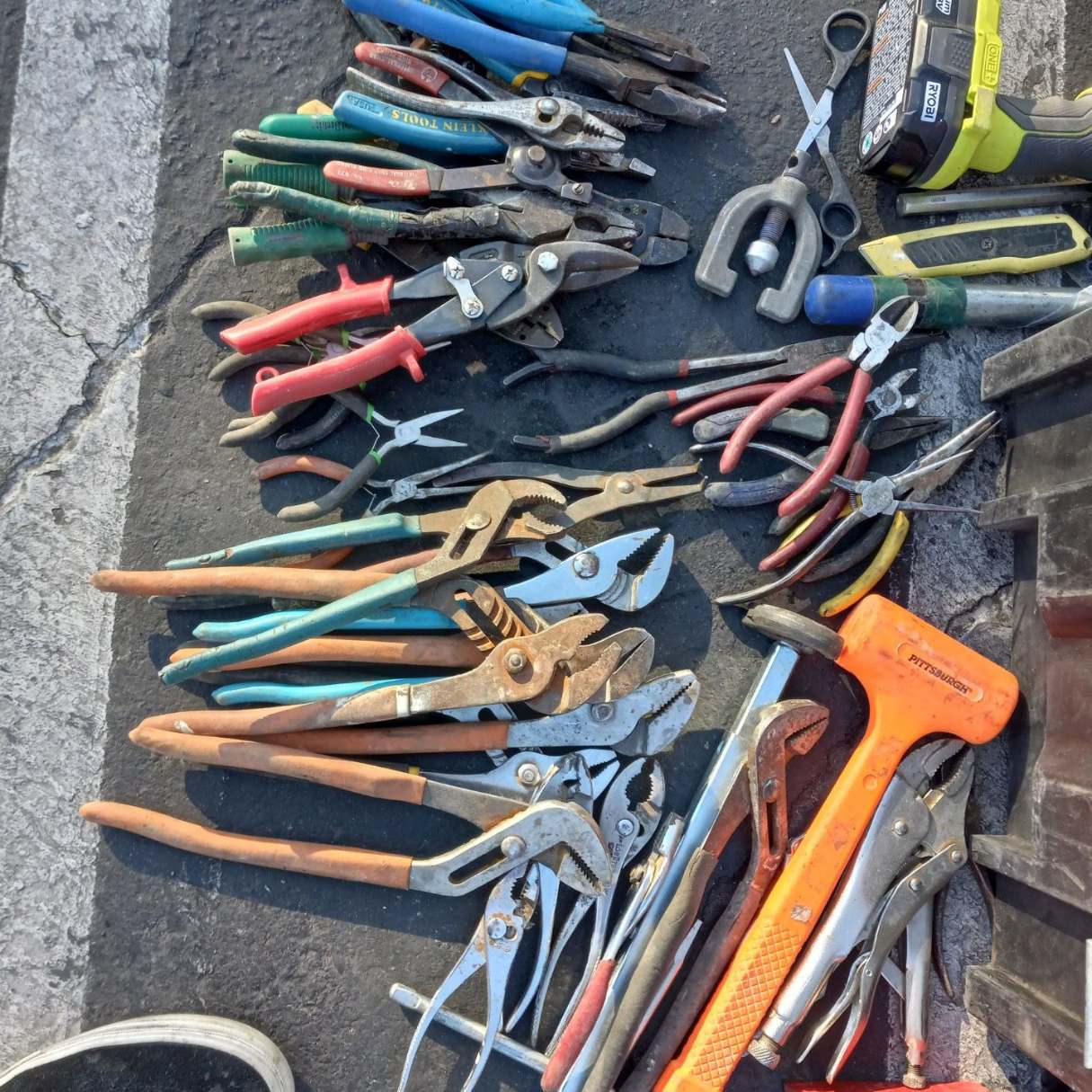
Used hand tools can offer good value. Older steel tools may still work well if they are in sound condition. Used buying is most suitable for simple tools such as hammers, clamps, wrenches, and screwdrivers.
Inspect used tools for:
- Cracks
- Bent shafts
- Mushroomed striking ends
- Loose handles
- Deep rust
- Damaged jaws
- Worn fastener surfaces
- Missing insulation
- Unknown calibration history
Avoid used tools with unclear safety condition when failure could cause injury. This includes damaged chisels, striking tools, insulated electrical tools, and torque wrenches with no known service history.

Where to Buy Hand Tools for Different Jobs
The best retailer changes with the work. A homeowner buying a screwdriver set has different needs from a mechanic who needs accurate torque tools.
| Need | Best buying channel | Why |
|---|---|---|
| Basic home repairs | Hardware store or home center | Easy access and broad choice |
| Emergency repair | Local store | You can buy the tool at once |
| Automotive work | Auto-parts store or tool supplier | Better vehicle-specific selection |
| Professional trade work | Industrial distributor or authorized dealer | Stronger support and repeat supply |
| Specialty tools | Manufacturer or industrial supplier | Better model and accessory information |
| Low-cost occasional use | Home center or discount tool retailer | Lower upfront cost |
| Used or vintage tools | Tool reseller, auction, or estate sale | Possible savings and older models |
| Accurate torque work | Authorized dealer or manufacturer | Better documentation and service |
| Electrical maintenance | Electrical supply house | Trade-specific options and safety data |
For basic home repair
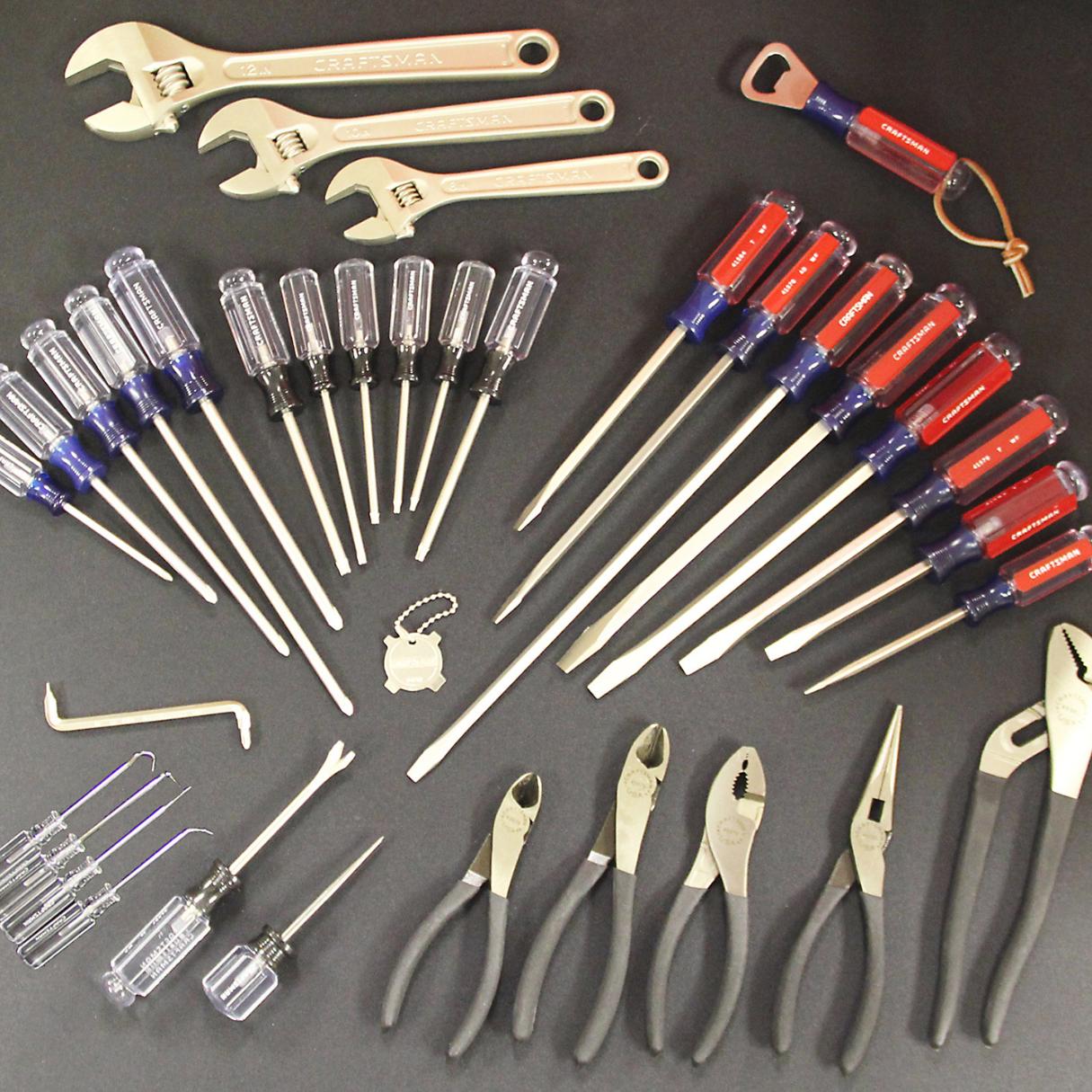
A home center or local hardware store is usually enough for small repairs. Look for a screwdriver set, adjustable wrench, pliers, tape measure, utility knife, level, hammer, and hex keys.
You do not need a large kit if you only handle light tasks. A small set of solid tools is often easier to use and store than a large kit filled with tools you never need.
For automotive work
Auto-parts stores, automotive tool suppliers, and industrial distributors often have better choices for vehicle repairs. Common needs include socket sets, ratchets, breaker bars, combination wrenches, pliers, trim tools, and torque wrenches.
Check whether the set uses SAE sizes, metric sizes, or both. Many modern vehicles use metric fasteners, but older American vehicles and some equipment may use SAE sizes.
For construction and carpentry
Home centers and contractor-focused tool dealers are convenient for framing hammers, nail sets, chisels, layout tools, clamps, utility knives, and measuring tools.
For daily work, grip comfort and balance matter. A tool that feels fine for five minutes may cause strain after hours of repeated use.
For electrical work
Buy electrical hand tools from an electrical supply house, established home center, or authorized tool dealer. Look for tools designed for the task, such as wire strippers, crimpers, cable cutters, and insulated tools where the work rules require them.
An insulated handle does not make every electrical task safe. OSHA requires hand tools and equipment to be maintained in safe condition, and electrical work may require specific training, procedures, and protective equipment. De-energize circuits and verify the condition of the work before starting.
For plumbing and maintenance
Hardware stores, plumbing suppliers, and industrial distributors are common choices. They can provide pipe wrenches, basin wrenches, strap wrenches, cutters, deburring tools, and specialty removal tools.
Match the tool to the material. Excess force on thin tubing, plated fittings, or plastic parts can cause damage.

How to Choose a Hand-Tool Store
Choose the store by comparing more than the shelf price. A tool is not a bargain if it fails during the job or cannot be returned.
Compare the total cost
The final price may include:
- Sales tax
- Shipping
- Delivery fees
- Membership costs
- Replacement parts
- Return shipping
- Calibration or service fees
For example, a $25 online tool with $12 shipping costs more than a $31 tool available for free store pickup. Use the full cost rather than the listed price alone.
Check the exact model
Tool names can sound alike while the tools differ in size, material, drive type, or intended use. Compare the manufacturer’s model number.
Check:
- Measurement system: metric, SAE, or both
- Size range
- Handle material
- Jaw shape
- Drive size
- Finish
- Working load or rated capacity
- Insulation rating, if relevant
- Included accessories
- Warranty terms
Do not assume that a larger tool is always stronger. Design, material, heat treatment, and proper use all affect performance.
Review the return and warranty terms
A store return policy and a manufacturer warranty are separate protections. The store may accept an unused tool while the maker handles defects after use.
Before purchase, ask:
- How long is the return period?
- Does the store require a receipt?
- Are opened packages accepted?
- Who pays return shipping?
- Does the warranty cover normal wear?
- Is proof of purchase required?
- Is service available in the United States?
Keep the receipt and packaging for costly tools until you know the tool works for your needs.
Look for product documentation
A dependable listing should identify the tool clearly. It should provide a model number, size, intended use, and care information.
For specialized tools, look for a manual or technical sheet. The manufacturer’s documentation is more useful than vague claims such as “professional quality” or “heavy duty.”
Confirm stock before driving
Online stock can change quickly. Call the store for high-demand items or specialty tools. Ask an employee to confirm the model number, not just the general product name.
This matters when two similar tools sit in nearby bins or when the website shows stock at a regional warehouse rather than the local store.

How Much Should You Spend on Hand Tools?
Spend based on use, failure risk, and replacement cost. The cheapest tool is not always the lowest-cost choice.
Occasional household use
For light use, a modest tool set can be reasonable. Choose tools with comfortable handles, clear size markings, and a return policy. Avoid buying a large set only because it contains many pieces.
Frequent DIY use
If you repair furniture, maintain a home, or work on vehicles often, buy individual tools when possible. Replace weak or uncomfortable tools as your needs become clear.
This approach costs more at first for some items but reduces duplicate tools and unused pieces.
Professional use
Professionals should consider:
- Daily comfort
- Tool balance
- Fastener fit
- Corrosion resistance
- Replacement availability
- Warranty service
- Calibration needs
- Downtime if a tool fails
A tool that saves a few minutes each day may pay for itself over time. That benefit depends on real use, not the marketing label.
When premium tools make sense
Higher-priced tools may be worthwhile when they offer a clear advantage, such as:
- Better fit on fasteners
- More precise adjustment
- Longer service support
- Replacement parts
- Documented calibration
- A design that reduces hand strain
A premium price alone does not prove better performance. Compare the features that affect your actual job.
How to Spot Poor-Quality or Counterfeit Hand Tools
Buy from a known retailer or authorized dealer when authenticity matters. The Federal Trade Commission warns consumers about counterfeit goods and advises checking sellers, prices, packaging, and return terms.
Warning signs include:
- A price far below normal market prices
- Spelling errors on packaging
- A missing or unclear model number
- Poor logos or uneven markings
- A seller with little history
- Stock photos that do not match the item
- A warranty that cannot be verified
- Packaging that appears opened or altered
- A tool that does not match the maker’s official specifications
A copied logo does not prove that a tool meets the original maker’s design or material standards. Counterfeit tools may also lack traceability and support.
For tools used near electrical systems, lifting equipment, high force, or safety-critical work, do not take chances with uncertain origin. Buy through a trusted channel and retain proof of purchase.
Hand-Tool Safety Checks Before You Buy
Choose a tool that matches the job and inspect it before use. The Occupational Safety and Health Administration requires hand tools and equipment to be maintained in safe condition in covered workplaces. The National Institute for Occupational Safety and Health also provides guidance on hand-tool design and ergonomic risk.
Before using a new or used tool:
- Check the handle for cracks, loose parts, or sharp edges.
- Check jaws, tips, and striking faces for damage.
- Confirm that the size fits the fastener or workpiece.
- Use a tool made for the task.
- Keep cutting edges sharp and protected.
- Wear eye protection when chips or fragments may fly.
- Keep your hand behind the cutting path.
- Do not use a wrench as a hammer unless it is designed for that purpose.
- Do not add a pipe for extra leverage unless the tool maker permits it.
- Remove damaged tools from service.
Do not use a hand tool as a substitute for training or required protective equipment. Stop when the tool slips, bends, cracks, or does not fit. For electrical, structural, gas, or high-risk work, follow applicable rules and use a qualified professional when you lack the training or equipment.

Common Mistakes When Buying Hand Tools
Many tool-buying problems come from choosing by appearance or price alone.
Buying a large set instead of the needed tools
A large set may contain duplicate sizes and tools you never use. Start with the job. Add tools as new tasks require them.
Ignoring metric and SAE sizes
A wrench or socket that nearly fits can round a fastener. Confirm the size system before you buy.
Choosing a tool that is too light for the work
Light tools may work for small repairs but fail under repeated high force. Match the tool to the manufacturer’s intended use.
Trusting reviews without checking the model
A review may describe a different size, generation, or seller. Confirm that the review applies to the exact product.
Forgetting replacement and service needs
A low-cost specialty tool may be difficult to replace. For daily work, check whether the maker sells parts or supports repairs.
Buying used safety-critical tools without records
Used torque wrenches, insulated tools, and damaged striking tools deserve special caution. If condition or service history is unknown, a new tool from a trusted seller may be the safer choice.

Frequently Asked Questions About Where to Buy Hand Tools
Is it better to buy hand tools online or in a store?
Buy in a store when you need the tool quickly, want to check its feel, or need help choosing a size. Buy online when you need a wider selection or a hard-to-find model. For expensive or safety-sensitive tools, use a manufacturer or authorized dealer when possible.
What is the best place to buy hand tools for beginners?
A local hardware store or home improvement store is usually the easiest starting point. You can compare sizes, ask basic questions, and return the tool locally if the fit is wrong. Buy a small set based on your projects rather than the biggest kit available.
Are discount hand tools worth buying?
They can be worthwhile for light, occasional work. Check the fit, handle comfort, return policy, and intended use. For repeated high-force work or safety-sensitive tasks, compare the tool’s specifications and support before choosing the lowest price.
Should I buy hand tools from Amazon or another online marketplace?
Online marketplaces can be useful, but check the actual seller, model number, condition, warranty, and return terms. Avoid unusually low prices and unclear listings. For important tools, an authorized seller offers stronger confidence about authenticity and support.
Where can I buy used hand tools?
Look at local tool resellers, estate sales, auctions, pawn shops, and online used-item marketplaces. Inspect the tool before buying. Do not buy a used tool with cracks, severe wear, unknown calibration, or damage that could cause injury.
Conclusion: Choose the Store That Fits the Job
For most U.S. shoppers, local hardware stores and home improvement centers are the simplest places to buy common hand tools. Industrial suppliers are better for professional, specialty, and trade-specific tools. Manufacturer websites and authorized dealers are strong choices when warranty support, authenticity, documentation, or replacement parts matter.
Before you buy, match the tool to the task, confirm the exact size and model, compare the full cost, and review the return policy. A careful purchase is less about finding the cheapest listing and more about getting a tool that fits, lasts, and can be supported when you need it.
Recent Tool Guides
 Hammer
How To Hammer Flowers Onto Paper: Easy Guide
Learn how to hammer flowers onto paper with simple steps, helpful tips, and beautiful results for...
Read Guide → Wrench
How To Use A Hex Wrench: Easy Step-By-Step Guide
Learn how to use a hex wrench correctly with simple steps, helpful tips, and common mistakes...
Read Guide → Hacksaw
How To Cut Curtain Pole With Hacksaw: Easy Guide
Learn how to cut curtain pole with hacksaw safely and neatly. Follow simple steps for accurate...
Read Guide → Wrench
How To Use A Husky Torque Wrench: Easy Guide
Learn how to use a Husky torque wrench correctly with simple steps, torque settings, and safety...
Read Guide → Hammer
How To Hold A Hammer: Safe Grip Guide
Learn how to hold a hammer with the right grip, stance, and technique for safer, more...
Read Guide → Hacksaw
How To Cut Flexible Metal Conduit With Hacksaw: Easy Guide
Learn how to cut flexible metal conduit with hacksaw safely and cleanly. Follow simple steps for...
Read Guide →