How To Cut CPVC Pipe With Hacksaw: Easy Guide
Cutting CPVC pipe with a hacksaw is simple when you make a straight, clean cut and remove the burrs afterward. In a U.S. home plumbing repair, shut off and drain the line first, mark the cut, support the pipe, use a fine-tooth blade, and finish the end before installing a fitting.
What You Need Before Cutting CPVC Pipe
Gather the tools before opening the pipe. A short, controlled cut is easier when the pipe is supported and the blade is sharp.
You will need:
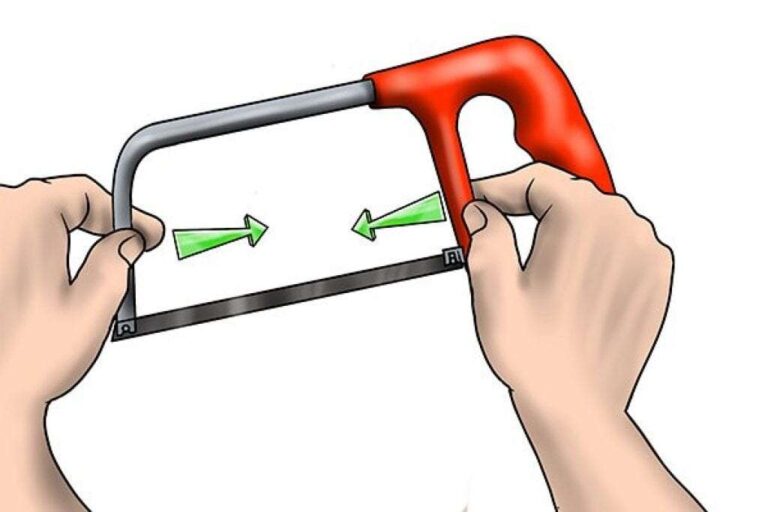
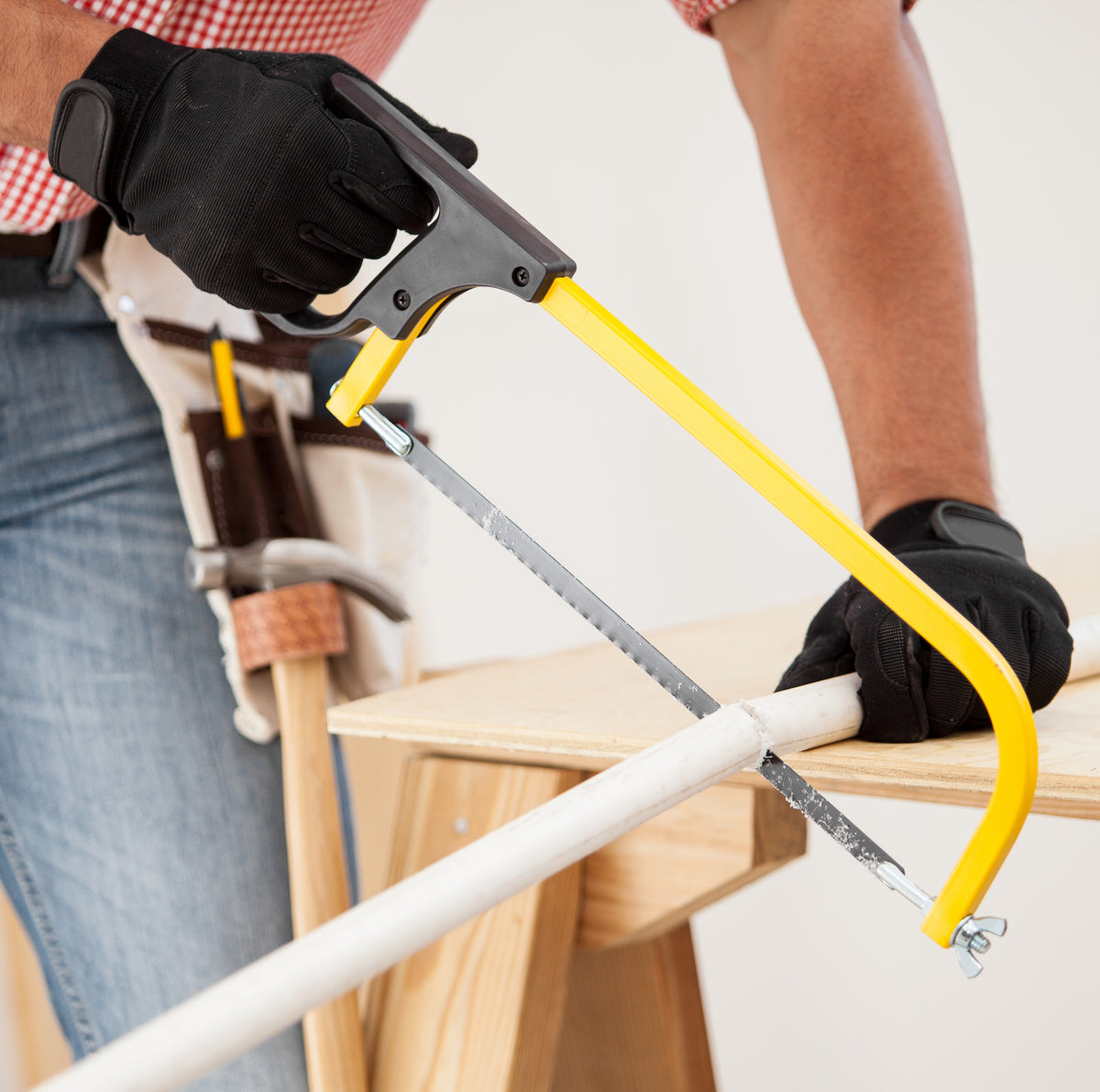
- A hacksaw with a firm frame
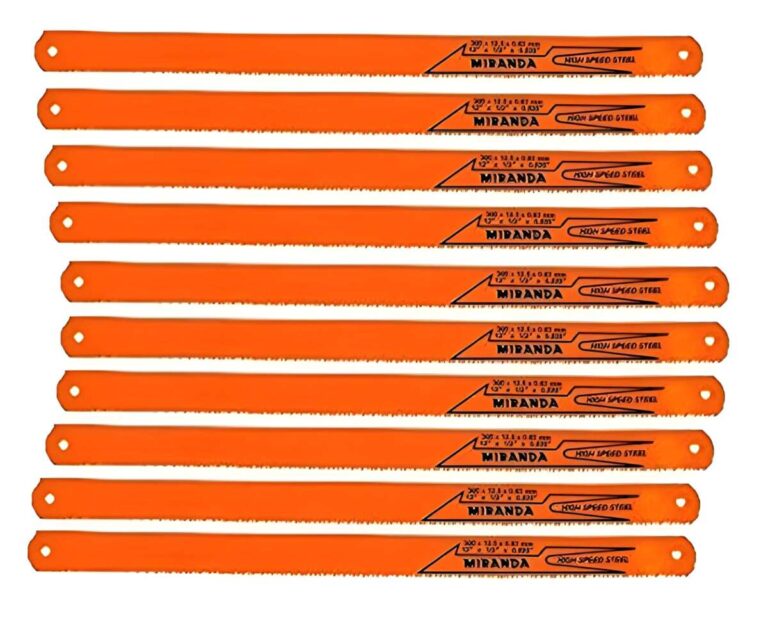
- A fine-tooth blade, such as an 18- to 32-teeth-per-inch blade
- A tape measure
- A pencil or fine marker
- A square, miter box, or straight guide
- A deburring tool, utility knife, or fine sandpaper
- Clean, dry cloths
- Safety glasses
- Work gloves
- A bucket or towel for leftover water
A standard hacksaw works well for most household CPVC pipe. A fine-tooth blade usually leaves a cleaner edge than a coarse blade. Replace a dull or bent blade. A dull blade can wander, heat the plastic, or crush the pipe.
If the pipe is part of a hot-water system, let it cool before you work on it. CPVC can carry hot water, and trapped water may still be hot after the supply is turned off.

Before You Cut: Shut Off Water and Check the Pipe
Turn off the water supply and release pressure before cutting. For a local repair, close the nearest shutoff valve. For work on a larger section, use the main water shutoff if needed.
Open a nearby faucet to drain the line. Then place a bucket under the planned cut. Do not assume the pipe is empty just because water stops flowing. A horizontal run can hold water, and a pressurized line can spray when opened.
Check the pipe for:
- Cracks
- Sun damage
- Deep scratches
- Flattened areas
- Heat damage
- White stress marks
- Movement at nearby joints
Do not cut a section that is badly damaged without planning how to support and replace it. CPVC becomes less reliable when it has been weakened by impact, extreme heat, or long-term exposure to sunlight.
If the pipe is inside a wall, near wiring, or in a hard-to-reach space, consider whether you can cut it without damaging nearby materials. Stop if you cannot see the blade path clearly.

How to Cut CPVC Pipe With a Hacksaw
Follow these steps for a square, usable cut.
1. Measure the replacement section
Measure from the correct reference points. If you are replacing a damaged section, account for the depth of each socket fitting. The pipe must slide fully into the fitting, but it should not bottom out with force.
Dry-fit the parts when possible. Mark the pipe only after confirming the needed length. A small measurement error can leave too little pipe for the joint.
2. Mark a straight cut line
Wrap a strip of paper around the pipe and align its edges. Trace along the paper with a pencil or fine marker. You can also use a square or miter box as a guide.
A straight line matters because a crooked cut can create a poor solvent-cement joint. The pipe may not enter the fitting evenly, and one side may have less bonding area.
Do not rely on a quick mark made freehand around the pipe. The line may spiral around the pipe and produce an angled end.
3. Support the pipe
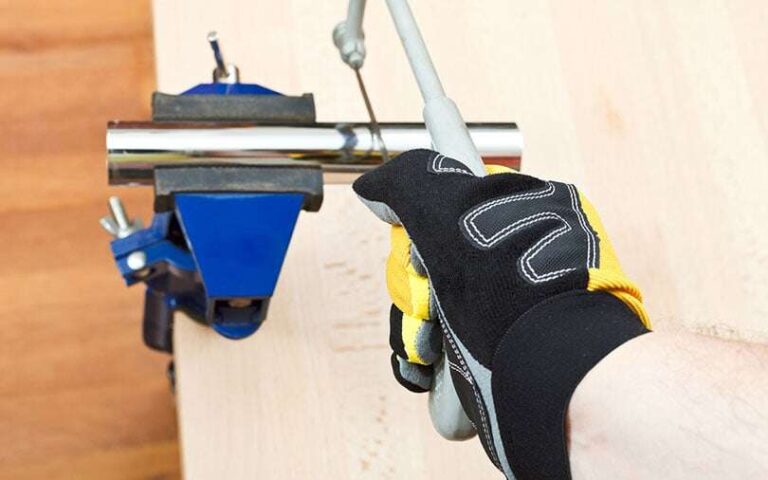
Hold the pipe close to the cut. If the pipe is loose, clamp it gently in a padded vise or support it with blocks.
Do not crush CPVC with a tight clamp. The pipe should stay round. A flattened end may not fit correctly into a socket fitting.
For pipe already installed in a home, support the section on both sides of the cut. This reduces movement and helps protect nearby joints from stress.
4. Start the cut with short strokes
Place the hacksaw on the marked line. Use short, light strokes at first to create a shallow groove. Once the groove guides the blade, use longer strokes with steady pressure.
Keep the blade square to the pipe. Let the teeth do the work. Excess force can bend the blade or make it jump out of the cut.
If the blade starts to wander, stop and reset it. Continuing may create an angled cut or remove more pipe than planned.
5. Finish the cut without forcing the blade
As the cut nears completion, support both sides of the pipe. Reduce pressure during the final strokes so the pipe does not crack or tear.
A clean cut should separate without crushing the end. If the pipe flexes too much, add support closer to the cut.
6. Remove burrs from the cut end
Cutting leaves small ridges, plastic chips, or a sharp outer edge. Remove them with a deburring tool, the back of a utility knife, or fine sandpaper.
Make a light bevel on the outside edge. Remove loose material from the inside edge as well. Do not carve deeply into the pipe wall.
The goal is a smooth end that enters the fitting without scraping off large pieces of plastic or pushing debris into the joint.
7. Clean and inspect the pipe
Wipe the pipe with a clean, dry cloth. Check that the end is:
- Square
- Round
- Smooth
- Free of loose chips
- Free of deep saw marks
- Long enough for the fitting
If the cut is badly angled, cracked, crushed, or too short, cut back to sound pipe and try again. Do not depend on solvent cement to fill a large gap or repair a damaged end.
8. Test the fit before applying cement
Push the pipe into the fitting without cement. It should enter smoothly and reach the intended depth. The fit may feel snug; that is normal.
Do not twist the pipe aggressively if it catches. Remove it and inspect both parts. A burr, dirt, damaged fitting, or incorrect fitting size may be the cause.
When you are ready to join the parts, use only products labeled for CPVC and follow the cement maker’s instructions. Primer requirements can vary by product and local plumbing rules. Observe the stated cure time before pressurizing the line.
How to Tell Whether the Cut Is Good
A good CPVC cut has a flat face that is close to 90 degrees from the pipe wall. The pipe remains round, and the end has no cracks or crushed areas.
Use this quick check:
| Check | Good result | Problem sign |
|---|---|---|
| Cut angle | End is square | End slopes sharply |
| Pipe shape | Round and unchanged | Flattened or oval |
| Surface | Smooth after deburring | Burrs, chips, or tears |
| Length | Enough material for fitting depth | Too short for a full insertion |
| Cleanliness | No loose plastic inside | Chips or dust remain |
| Fit | Enters smoothly | Stops early or binds |
A small amount of roughness can usually be removed with careful deburring. A cracked or badly crushed end should be cut off and replaced.

Common Problems When Cutting CPVC With a Hacksaw
The cut is crooked
A freehand mark, unsupported pipe, or bent blade often causes a crooked cut. Use a paper guide or square, support the pipe, and begin with short strokes.
The pipe cracks
Cracking can result from cold conditions, excessive force, a dull blade, or a pipe that was already damaged. Stop cutting if you see a crack. Remove the damaged section and inspect the remaining pipe.
The end is crushed
A tight clamp or heavy pressure can flatten CPVC. Support the pipe without squeezing it. If the end is no longer round, cut back to an undamaged section.
The pipe will not enter the fitting
First check for burrs and dirt. Then verify that the pipe and fitting have the same nominal size and are both made for CPVC. Do not force the parts together with a hammer.
The joint leaks after repair
A leak may come from an angled cut, incomplete insertion, dirty surfaces, the wrong cement, movement during cure, or insufficient cure time. Shut off the water and remake the joint according to the cement manufacturer’s instructions.
Do not simply add cement around the outside of a leaking joint. That does not reliably repair the internal bond.
Hacksaw Versus Other CPVC Cutting Tools
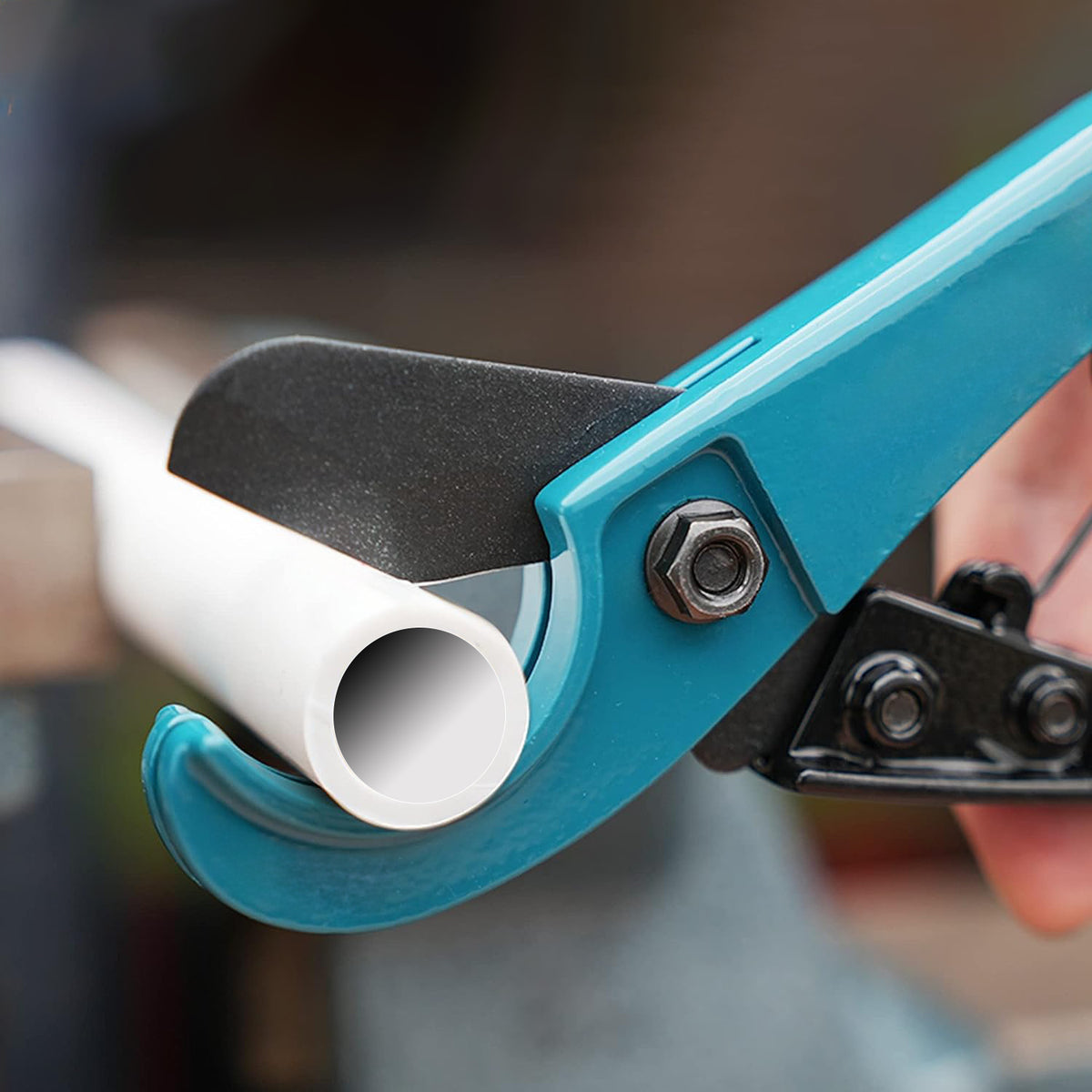
A hacksaw is useful because it is inexpensive and works in tight spaces. It is also more likely to leave burrs than a purpose-made plastic pipe cutter.
| Tool | Main benefit | Main limitation |
|---|---|---|
| Hacksaw | Low cost and widely available | Needs deburring and careful alignment |
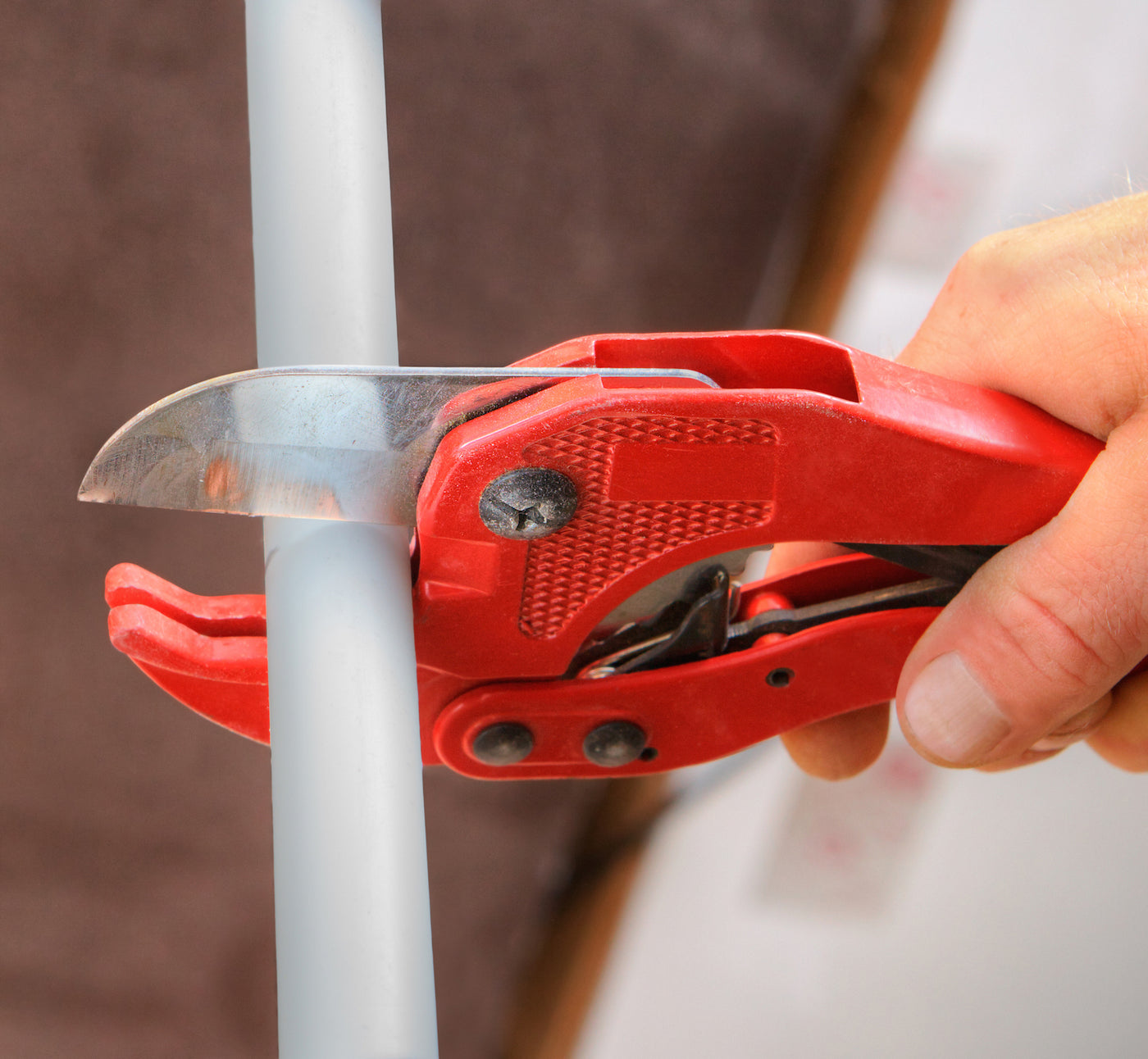
| Ratcheting plastic pipe cutter | Fast, often produces a square cut | Can crush or crack pipe if dull or used incorrectly |
| Fine-tooth backsaw | Good control and a straight cut | Less useful in very tight spaces |
| Tubing cutter | Clean operation on suitable tubing | Must be approved for the pipe type and size |
Choose the tool that gives you a square, undamaged end in the space available. A hacksaw is not automatically better than a cutter, and a cutter is not automatically safer. Inspect the result either way.
Avoid using heat to cut CPVC. Burning or melting the pipe can produce irritating fumes and may damage the pipe surface. Do not use a power saw unless you can control it securely and follow its safety instructions.

Safety Tips for Cutting CPVC Pipe
Wear safety glasses because the hacksaw can throw small plastic chips. Gloves can protect your hands from sharp edges, but keep them clear of the blade.
Use good lighting and keep your other hand away from the saw path. Secure loose pipe before cutting. Never cut a line that may still be pressurized.
Provide ventilation when using primer or solvent cement. Keep those products away from flames and follow the label instructions. Do not smoke while using them.
If the pipe carries drinking water, use materials approved for potable-water service. For gas piping, compressed-air systems, medical lines, or another specialized system, stop and use the correct material and procedure. CPVC plumbing pipe is not a universal substitute for other pipe types.
Local plumbing codes in the United States may set requirements for materials, joining methods, support, and cure times. Follow the product instructions and the rules adopted by your city, county, or state.

When You Should Call a Plumber
A simple exposed repair may be suitable for a careful do-it-yourself project. Professional help is wiser when:
- The pipe is inside a wall or ceiling
- The shutoff valve does not stop the water
- You cannot confirm that the line is depressurized
- The pipe has widespread damage
- The repair involves a water heater or concealed hot-water line
- A leak continues after the joint is remade
- The work must meet an inspection requirement
- You are unsure which pipe or cement system is approved
A plumber can also check for movement, poor support, freezing damage, or other causes that may make a new joint fail.

Frequently Asked Questions
Can I use any hacksaw blade to cut CPVC?
Use a sharp fine-tooth blade. A blade with roughly 18 to 32 teeth per inch is suitable for many CPVC plumbing cuts. A coarse blade may grab the plastic and leave a rough edge.
Do I need to sand CPVC after cutting it?
You should remove burrs and loose plastic. Light sanding can help smooth the edge, but do not sand away a large amount of material or thin the pipe wall.
Should I use primer before joining CPVC?
Use the primer required by the cement manufacturer and applicable plumbing rules. Some CPVC systems specify a particular primer or joining process. Read the label for the exact product rather than assuming that every PVC product is suitable.
How long should CPVC cement cure before turning on water?
The required cure time depends on the cement, pipe size, temperature, humidity, and system pressure. Follow the cement manufacturer’s instructions. Do not pressurize the line early just because the outside of the joint feels dry.
Can I cut CPVC while water is still in the pipe?
You should shut off the supply, drain the line, and confirm that pressure is released first. A small amount of trapped water can interfere with a solvent-cement joint, and pressurized water can cause injury or property damage.
Conclusion
To cut CPVC pipe with a hacksaw, shut off and drain the line, mark a square cut, support the pipe, and use steady strokes with a sharp fine-tooth blade. Deburr and clean the end before checking the fit and making the joint.
The cut is ready when the pipe is square, round, smooth, clean, and long enough to enter the fitting fully. If the pipe cracks, crushes, or remains too short, cut back to sound material instead of trying to hide the problem with extra cement.
Recent Tool Guides
 Hammer
How To Hammer Flowers Onto Paper: Easy Guide
Learn how to hammer flowers onto paper with simple steps, helpful tips, and beautiful results for...
Read Guide → Wrench
How To Use A Hex Wrench: Easy Step-By-Step Guide
Learn how to use a hex wrench correctly with simple steps, helpful tips, and common mistakes...
Read Guide → Hacksaw
How To Cut Curtain Pole With Hacksaw: Easy Guide
Learn how to cut curtain pole with hacksaw safely and neatly. Follow simple steps for accurate...
Read Guide → Wrench
How To Use A Husky Torque Wrench: Easy Guide
Learn how to use a Husky torque wrench correctly with simple steps, torque settings, and safety...
Read Guide → Hammer
How To Hold A Hammer: Safe Grip Guide
Learn how to hold a hammer with the right grip, stance, and technique for safer, more...
Read Guide → Hacksaw
How To Cut Flexible Metal Conduit With Hacksaw: Easy Guide
Learn how to cut flexible metal conduit with hacksaw safely and cleanly. Follow simple steps for...
Read Guide →