Can An Impact Driver Be Used As A Hammer Drill: The Truth
For most jobs in a U.S. home, garage, or worksite, an impact driver should not be used as a hammer drill. An impact driver delivers short bursts of rotational force to turn screws and drill bits. A hammer drill adds a fast forward-and-back striking action to help break through masonry.
An impact driver may drill a small hole in soft brick, mortar, or block when fitted with the right hex-shank masonry bit. However, it will not provide the same action, speed, control, or bit compatibility as a true hammer drill. For concrete, repeated masonry work, or larger holes, use a hammer drill or rotary hammer.

What Is the Difference Between an Impact Driver and a Hammer Drill?
An impact driver and a hammer drill both make holes, but they use different types of force.
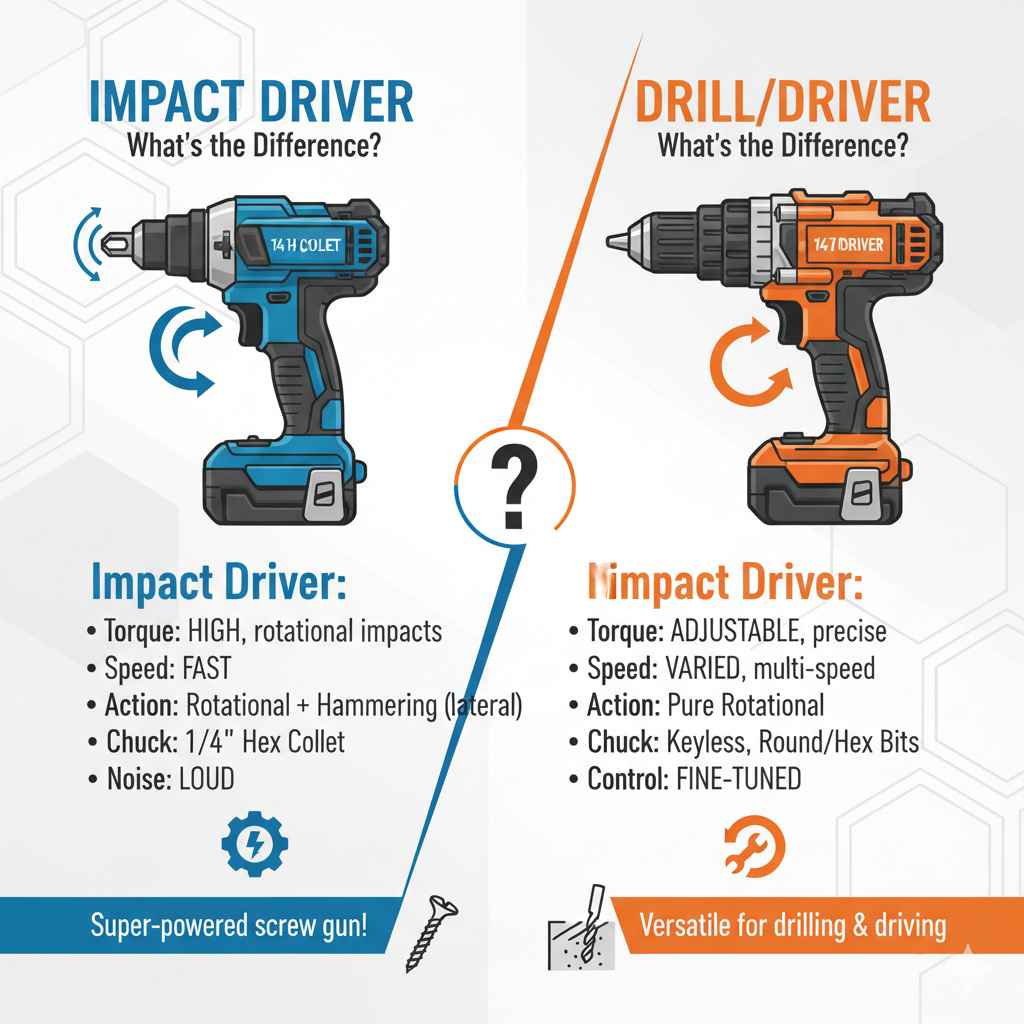
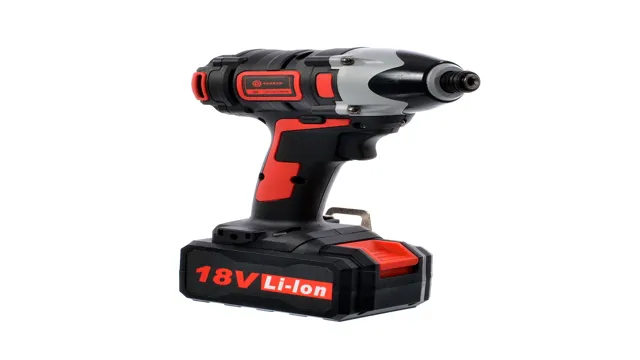
An impact driver combines motor power with a rotational impact mechanism. When the bit meets resistance, the tool applies short bursts of torque in the direction of rotation. This helps drive long screws and loosen tight fasteners without placing as much twisting stress on the user’s wrist.
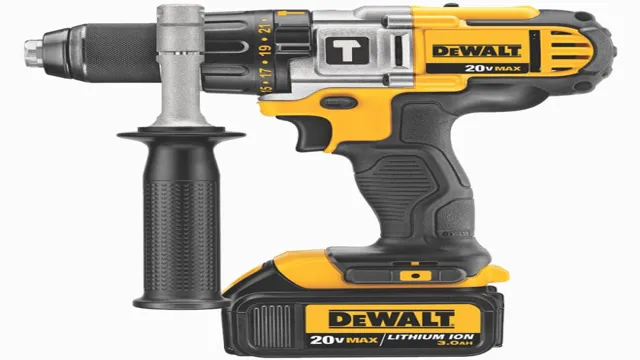
A hammer drill combines rotation with forward strikes. The chuck and bit move back and forth along the drilling axis. Those small impacts help chip and crush masonry as the bit turns.
Impact driver
An impact driver is mainly designed for:
- Driving wood, construction, and structural screws
- Removing stubborn bolts and fasteners
- Drilling with hex-shank bits
- Working where high rotational torque is useful
- Repeated fastening tasks
Most impact drivers sold in the United States use a 1/4-inch hex quick-release collet. This limits the tool to bits and accessories with compatible hex shanks.
Hammer drill
A hammer drill is mainly designed for:
- Drilling into brick
- Drilling into concrete block
- Drilling into mortar
- Drilling into stone
- Making holes for masonry anchors
Many hammer drills have a switch that lets the user choose between:
- Rotation only
- Hammering with rotation
- Sometimes hammering disabled for regular drilling
A hammer drill usually has a keyed or keyless chuck that accepts round-shank drill bits. Some models also accept hex-shank accessories with a suitable adapter, but the tool’s manual controls what is allowed.
Rotary hammer
A rotary hammer is a larger masonry tool. It uses a stronger piston-based hammering system and often accepts SDS-Plus or SDS-Max bits.
Use a rotary hammer when you need to:
- Drill many holes in concrete
- Drill large holes
- Install concrete anchors
- Chisel tile, mortar, or concrete
- Work in hard reinforced masonry
A rotary hammer is not simply a stronger impact driver. Its hammer action is axial, or in line with the bit, rather than rotational.

Why an Impact Driver Is Not a True Hammer Drill
An impact driver cannot replace a hammer drill because its impact action works in a different direction.
Inside an impact driver, the hammer-and-anvil system creates torque pulses around the tool’s spindle. These pulses help rotate a screw or bit. They do not push the bit forward into the wall.
A hammer drill creates a repeated axial motion. The bit moves toward and away from the masonry. This action helps fracture hard material at the hole’s cutting edge.
The difference is similar to using a wrench that taps around a bolt versus using a small chisel that strikes straight into a surface. Both involve impacts, but they solve different problems.
What happens if you use an impact driver on concrete?
An impact driver may:
- Drill slowly
- Overheat the bit
- Wear out the bit quickly
- Produce a rough or oversized hole
- Stall under heavy resistance
- Damage the tool or collet
- Fail to reach the required hole depth
The result depends on the material, bit, hole size, tool power, and the manufacturer’s instructions. Soft mortar may be manageable. Dense concrete is a poor match.
Can an Impact Driver Drill Into Masonry?
Yes, an impact driver can drill some small holes into masonry when used with a compatible impact-rated masonry bit. This does not turn the impact driver into a hammer drill.
This approach may work for:
- A small hole in soft brick
- A shallow hole in mortar
- Light-duty work in concrete block
- A temporary or occasional repair
- Small plastic anchors, if the bit and tool are approved
It is less suitable for:
- Dense poured concrete
- Reinforced concrete
- Large anchor holes
- Deep holes
- Many holes in a row
- Structural fastening
- Professional masonry work
The bit matters. Use a masonry bit made for the tool’s shank system and marked for impact use when the manufacturer requires it. Do not assume that every 1/4-inch hex masonry bit is safe for impact driving.
Why bit selection matters
A standard drill bit may not withstand repeated impact torque. It can:
- Twist
- Crack
- Break at the shank
- Slip in the collet
- Throw fragments
- Damage the workpiece
Look for clear information on the package or manufacturer’s product page. The accessory should state that it is compatible with impact drivers or impact-rated tools.
Also check the tool manual. Some manufacturers allow specific drilling accessories, while others restrict the tool to certain bit types.

How to Use an Impact Driver for a Small Masonry Hole
Use this method only for light work and only when the impact driver and bit manufacturer permit it.
What you need
- An impact driver in good condition
- A compatible impact-rated masonry bit
- Safety glasses
- Hearing protection
- A dust mask or respirator suitable for the material
- A tape measure or depth stop
- A vacuum or dust brush
- An anchor rated for the wall material
Before drilling, check for hidden electrical wires, plumbing, gas lines, and other services. In the United States, cable and pipe locations vary by building age and construction method. Use a suitable detector and avoid drilling where the location is uncertain.
Steps
- Read the tool and bit instructions. Confirm that the bit can be used in an impact driver and that the planned material is allowed.
- Mark the hole location. Check that the location will support the anchor and load.
- Choose the correct bit size. Match the hole to the anchor manufacturer’s specifications.
- Set the depth. Use tape on the bit as a basic guide, or use a built-in depth stop if available.
- Start at low speed. Keep the bit straight and use light pressure.
- Clear dust often. Pull the bit out from time to time and remove loose dust with a vacuum.
- Watch the tool and bit. Stop if the bit becomes very hot, bends, slips, or shows damage.
- Test the hole. The anchor should fit according to its instructions. Do not force an oversized or damaged anchor into the hole.
- Stop if progress is poor. Change to a hammer drill or rotary hammer instead of forcing the impact driver.
Do not push hard enough to make the tool bog down. Excess pressure does not create a true hammer-drill action. It mainly increases heat and wear.

Impact Driver vs. Hammer Drill: Quick Comparison
The table below shows which tool is better for common tasks.
| Task | Impact driver | Hammer drill | Rotary hammer |
|---|---|---|---|
| Drive wood screws | Excellent | Good | Poor |
| Drive long construction screws | Excellent | Fair | Poor |
| Remove tight fasteners | Excellent | Fair | Poor |
| Drill wood with hex bits | Good | Good | Poor |
| Drill metal with approved bits | Good | Good | Poor |
| Drill small holes in soft brick | Possible with the right bit | Good | Good |
| Drill concrete block | Limited | Good | Very good |
| Drill dense concrete | Poor choice | Limited to moderate | Excellent |
| Drill large masonry holes | Poor choice | Limited | Excellent |
| Chisel concrete or tile | No | No | Yes |
The main trade-off is simple: choose an impact driver for torque and fastening; choose a hammer drill for light masonry drilling; choose a rotary hammer for demanding concrete work.

What Happens If You Put a Masonry Bit in an Impact Driver?
Putting a masonry bit in an impact driver does not automatically create a hammer drill. The bit will rotate, and the driver may apply rotational impacts when resistance rises.
In soft masonry, the bit may make progress. In hard concrete, the bit may only rub against the surface. You may see dust without meaningful depth, or the bit may become hot and dull.
An impact driver can also make a hole that is less clean than one made with a hammer drill. That matters when installing expansion anchors, sleeve anchors, or other fasteners that require a specific hole diameter.
If the anchor manufacturer specifies a hammer-drilled hole, follow that instruction. A hole made with the wrong tool may not hold the rated load.
Can You Use a Hammer Drill as an Impact Driver?
Usually, no—not as a direct replacement.
A hammer drill can drive some screws when set to rotation-only mode and fitted with a screwdriver bit. However, it does not normally provide the same rotational impact mechanism as an impact driver.
A hammer drill may be acceptable for occasional screw driving, especially with a clutch and low-speed setting. It is less convenient for long structural screws or seized fasteners because:
- It may transfer more twisting force to your wrist
- The chuck may loosen
- The tool may be heavier
- The clutch may not be designed for the task
- The motor may run less efficiently under high fastening loads
A drill driver is often better than a hammer drill for ordinary screw driving. An impact driver is better when high torque and repeated fastening are the main needs.
Impact Driver Safety for Masonry Work
Masonry drilling creates dust and flying debris. Use basic protection even for a small hole.
Wear suitable protection
Use:
- Safety glasses or a face shield
- Hearing protection
- A properly fitted dust mask or respirator
- Work gloves that do not interfere with the tool
- Stable footwear
Silica-containing materials can create respirable crystalline silica dust. Concrete, mortar, brick, and many manufactured masonry products may contain silica. Use dust control methods recommended by the tool and material manufacturers. A vacuum rated for fine dust is safer than blowing dust into the room.
Check for hidden hazards
Before drilling, consider:
- Electrical wiring
- Water pipes
- Gas lines
- HVAC ducts
- Embedded reinforcement
- Post-tension cables
- Structural components
Do not drill into a structural member, concrete slab, or foundation when the work could affect building safety. Ask a qualified contractor or building professional when the location or load is uncertain.
Stop when the tool shows trouble
Stop work if:
- The bit wobbles
- The bit slips from the collet
- The tool overheats
- The housing becomes unusually hot
- The motor smells burnt
- The hole stops getting deeper
- The bit is cracked or bent
- The tool kicks back sharply
Remove the battery before changing bits or clearing a jam.

Common Mistakes to Avoid
Mistake 1: Confusing rotational impact with hammer action
Both tools may be called “impact” tools, but they do not strike in the same direction. An impact driver turns the bit with torque pulses. A hammer drill strikes along the drilling axis.
Mistake 2: Using a regular bit
A standard bit may not be made for impact loads. Use a bit that is specifically approved for the tool.
Mistake 3: Using an adapter to force compatibility
A chuck adapter can hold a round-shank bit, but it does not make the setup safe or approved for hammer drilling. The adapter may slip, loosen, or fail under impact.
Mistake 4: Forcing the tool
Heavy pressure will not duplicate the action of a hammer drill. It can overload the motor, heat the bit, and shorten tool life.
Mistake 5: Ignoring the anchor instructions
Wall anchors depend on hole diameter, depth, cleanliness, and material. If the anchor instructions call for a hammer drill, use one.
Mistake 6: Drilling large holes with a small tool
Large holes need more power and a suitable bit system. A rotary hammer is usually the correct tool for concrete holes beyond the light-duty range.
When Should You Buy or Rent a Hammer Drill?
Choose a hammer drill if you need more than one or two small holes in brick, block, or mortar. It is also the better choice when the hole must be accurate and the anchor must hold a known load.
Rent or use a rotary hammer when you need to:
- Drill into hard concrete
- Make deep holes
- Drill many holes
- Install large anchors
- Drill through concrete slabs
- Remove tile or mortar
- Use SDS-Plus or SDS-Max accessories
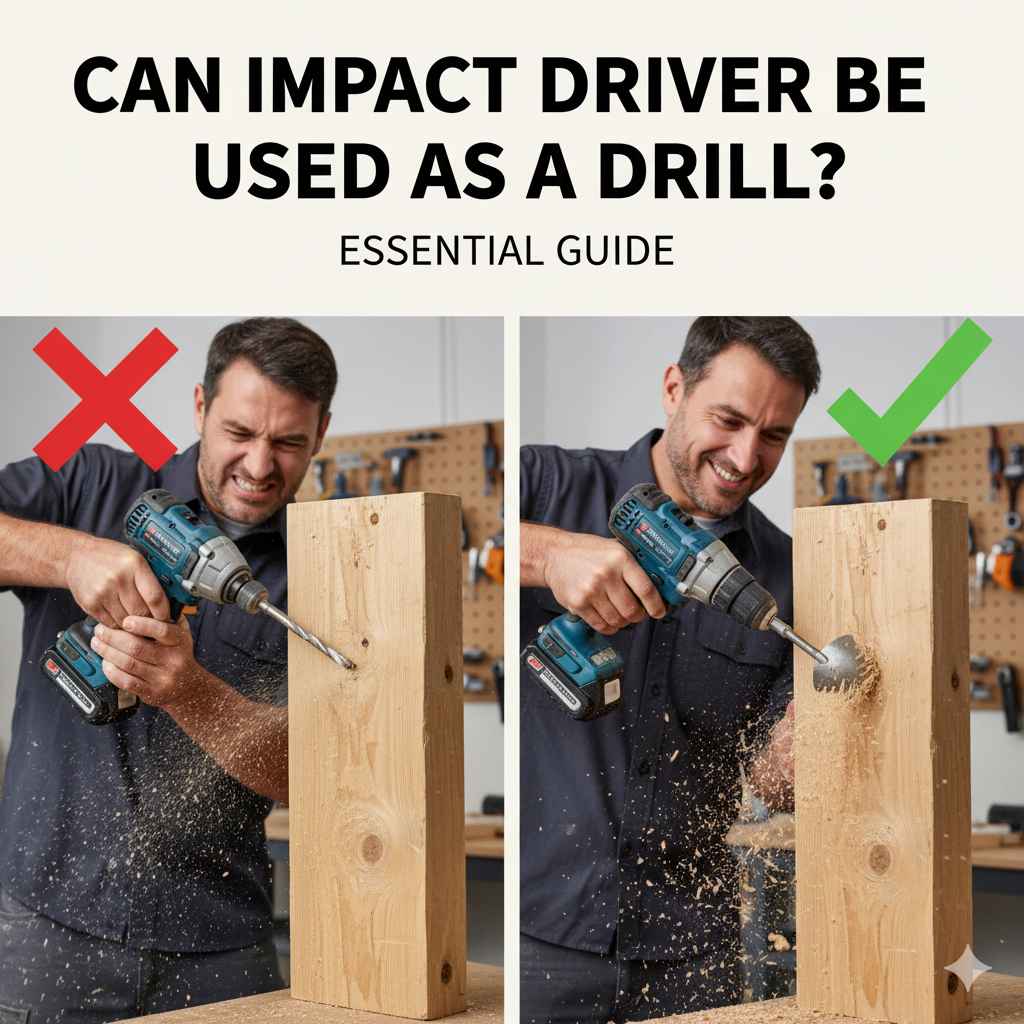
For a single small hole in soft masonry, an impact driver and approved hex-shank masonry bit may be enough. If the tool struggles, switch tools rather than increasing pressure.

Frequently Asked Questions
Can an impact driver drill into brick?
Yes, it may drill a small hole into soft brick with a compatible impact-rated masonry bit. A hammer drill will usually provide better speed, control, and hole quality.
Can an impact driver drill into concrete?
It can sometimes make a small hole in light concrete, but it is not the right tool for regular or deep concrete drilling. Use a hammer drill for light work and a rotary hammer for hard or heavy concrete work.
Can I use an SDS bit in an impact driver?
Usually, no. SDS bits are made for SDS chucks found on rotary hammers and some dedicated hammer tools. Do not use an SDS bit in a standard 1/4-inch hex impact driver unless the manufacturer specifically provides and approves that system.
Is an impact driver stronger than a hammer drill?
“Stronger” depends on the task. An impact driver often provides more useful rotational torque for screws and fasteners. A hammer drill provides the right axial impact for masonry. Torque ratings cannot be used as a direct measure of hammer-drilling ability.
Will an impact driver damage concrete?
The tool may not damage sound concrete by itself, but the bit can overheat, wear, or break. The hole may also be rough or inaccurate. Stop if the tool or bit shows excessive heat, vibration, or poor progress.
Bottom Line
An impact driver is not a substitute for a hammer drill. Its impacts rotate the bit, while a hammer drill drives the bit forward and backward to break masonry.
For one or two small holes in soft brick, mortar, or block, an impact-rated hex-shank masonry bit may work. For concrete, deep holes, large anchors, or repeated drilling, use a hammer drill or rotary hammer. Check the tool manual, use the correct bit, control dust, and stop when the tool struggles.
The safest next step is to match the tool to the material and hole size: impact driver for fastening, hammer drill for light masonry, and rotary hammer for demanding concrete work.
Recent Tool Guides
 Wrench
How To Store A Torque Wrench: Smart Storage Guide
Learn how to store a torque wrench correctly to protect its calibration, prevent damage, and extend...
Read Guide → Hammer
How To Hammer Flowers Onto Paper: Easy Guide
Learn how to hammer flowers onto paper with simple steps, helpful tips, and beautiful results for...
Read Guide → Wrench
How To Use A Hex Wrench: Easy Step-By-Step Guide
Learn how to use a hex wrench correctly with simple steps, helpful tips, and common mistakes...
Read Guide → Hacksaw
How To Cut Curtain Pole With Hacksaw: Easy Guide
Learn how to cut curtain pole with hacksaw safely and neatly. Follow simple steps for accurate...
Read Guide → Wrench
How To Use A Husky Torque Wrench: Easy Guide
Learn how to use a Husky torque wrench correctly with simple steps, torque settings, and safety...
Read Guide → Hammer
How To Hold A Hammer: Safe Grip Guide
Learn how to hold a hammer with the right grip, stance, and technique for safer, more...
Read Guide →