What Is A Mash Hammer: Uses And Guide
Introduction
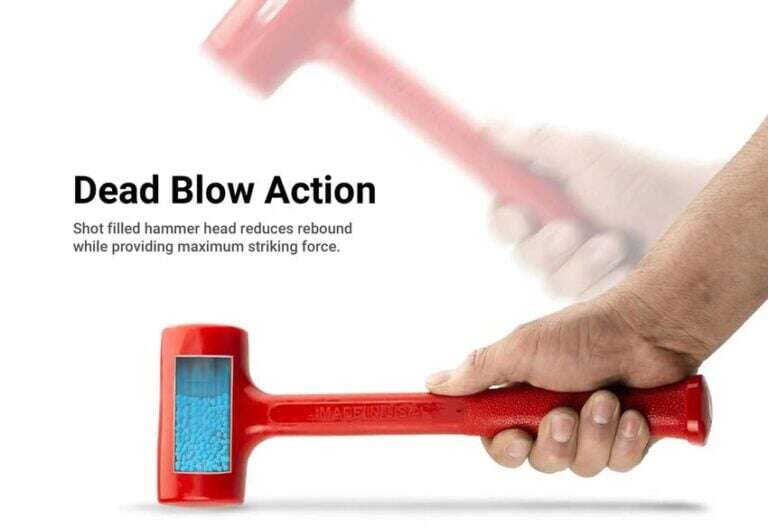
In the United States, a mash hammer is a short-handled, heavy hammer with two flat striking faces. It is used to break brick, stone, concrete, and other hard materials, and to strike cold chisels, masonry tools, and punches.
You may also see it called a club hammer, hand sledge, or double-faced hammer. Names vary by region and brand. The key feature is its compact head with a flat face at both ends.
A mash hammer gives you more force than a regular claw hammer but more control than a full-size sledgehammer. That makes it useful for repair work, masonry, metalwork, demolition, and home projects.

What is a mash hammer used for?
A mash hammer is mainly used for controlled, powerful blows. Common tasks include:
- Breaking small sections of brick or concrete
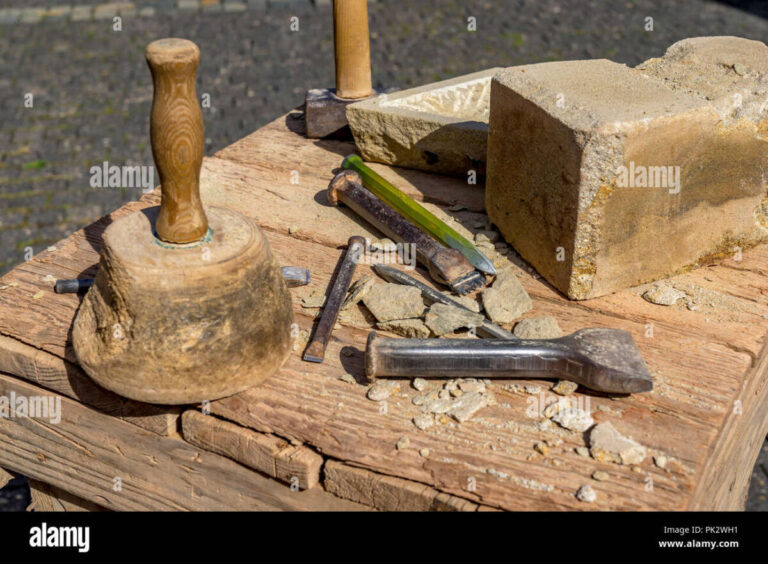
- Splitting or shaping stone
- Striking a cold chisel or masonry chisel
- Driving punches and star drills
- Removing mortar and tile
- Setting fence posts in some work settings
- Demolishing small structures
- Loosening stuck parts
- Driving stakes or wedges
- Light forging and metalwork
The hammer’s short handle helps you control each swing. Its heavy head supplies the impact. This balance is useful when accuracy matters but a regular hammer does not deliver enough force.
A mash hammer is not the same as a claw hammer. A claw hammer has a curved claw for pulling nails. A mash hammer has no claw and is built for impact on hard materials.
Mash hammer meaning and design
A typical mash hammer has three main parts:
- Head: The heavy steel body that delivers the blow.
- Striking faces: The flat ends that contact the work or tool.
- Handle: The grip that lets you guide the head and absorb some vibration.
Most mash hammers have two similar faces. Some models have one face that is slightly different in size or shape, but both ends are generally made for striking.
The faces may be smooth or textured. A smooth face is common for general work. A textured face can help reduce slipping on some surfaces, but it can also leave marks. For this reason, use a softer or sacrificial tool when the work surface must stay clean.
The head is often made from forged steel. The handle may be wood, fiberglass, or another impact-resistant material. A strong head is only part of the safety picture. The head must also stay tight on the handle.
Mash hammer vs. club hammer vs. hand sledge
These names often overlap. The differences are usually based on size, weight, handle length, and local trade language rather than one universal rule.
| Tool | Usual design | Main advantage | Typical use |
|---|---|---|---|
| Mash hammer | Short handle and two flat faces | Strong impact with good control | Masonry, chisels, small demolition |
| Club hammer | Short handle and compact head | Easy one- or two-hand use | Chisels, plugs, light demolition |
| Hand sledge | Short sledge-style handle and heavy head | More force than a standard hammer | Driving stakes, breaking masonry |
| Sledgehammer | Long handle and large head | Maximum impact | Heavy demolition and driving large objects |
| Mason’s hammer | One flat face and one pointed or wedge face | Cutting and shaping masonry | Brick and stone work |
| Claw hammer | Flat face and curved claw | Nailing and nail removal | Carpentry and general household work |
A product sold as a “club hammer” in one American store may be sold as a “mash hammer” elsewhere. Check the tool’s head weight, handle length, and intended use instead of relying only on the name.
A mash hammer is often the best middle ground when a claw hammer is too light and a sledgehammer is too large.

What size mash hammer should you use?
Choose the lightest mash hammer that can do the job without forcing you to take hard swings. A heavier head produces more impact, but it also increases fatigue and makes missed blows more dangerous.
Common choices include:
- Small heads: Useful for light chiseling, tile work, and small repairs
- Medium heads: Suitable for general masonry, brick removal, and driving punches
- Heavy heads: Better for dense concrete, large stone, and demanding demolition
Manufacturers may list the head weight in pounds. The total tool weight also depends on the handle and head shape.
Use this simple decision guide:
| Your task | Better starting point |
|---|---|
| Remove tile or light mortar | Small club-style hammer |
| Strike a masonry chisel | Small or medium mash hammer |
| Break a brick or small block | Medium mash hammer |
| Break thick concrete | Larger hand sledge or powered tool |
| Drive a large stake | Hand sledge or full sledgehammer |
| Cut brick cleanly | Mason’s hammer or chisel |
| Pull nails | Claw hammer |
A heavy hammer will not always work faster. If you cannot stop the head accurately, you may damage the workpiece, bend the chisel, or injure your hand.
How to use a mash hammer safely
Use a mash hammer only after checking the tool, the work area, and the striking tool. A short safety check can prevent many common injuries.
1. Inspect the hammer
Before use, check that:
- The head is tight on the handle.
- The handle has no cracks, deep cuts, or soft spots.
- The striking faces are not badly chipped.
- The face is not badly mushroomed around the edge.
- The grip is dry and free of oil.
- The handle is not bent or loose.
Do not use a hammer with a loose head. Do not try to repair a damaged striking face by grinding it unless the manufacturer permits that repair and you understand the risks.
2. Inspect the work area
Clear away loose objects and make sure your feet have stable support. Keep other people outside the swing path.
Check what may be behind the surface. Brick, concrete, and stone can hide pipes, wiring, or other materials. If you are opening a wall, slab, or foundation, confirm the location of utilities before striking.
3. Wear suitable protection
At a minimum, use safety glasses with side protection. When chips may travel, use a face shield over the safety glasses.
Depending on the task, you may also need:
- Work gloves with a secure grip
- Hearing protection
- Safety shoes or boots
- Long pants
- A dust mask or respirator selected for the specific dust hazard
The Occupational Safety and Health Administration provides requirements for eye and face protection in workplaces through 29 CFR 1910.133. A face shield does not replace safety glasses because a shield alone may not seal the eyes from small particles.
4. Hold the tool correctly
Hold the handle near the end for a full swing. Move your hand closer to the head when you need more control and less force.
Keep your other hand clear of the striking area. If you are holding a chisel, use a hand guard or a tool designed to protect your fingers. Do not place your hand near the head of the mash hammer.
5. Strike with control
Start with light blows. Let the hammer do the work rather than forcing the swing with your shoulder.
Strike the center of the chisel or target. A glancing blow can send chips sideways and may damage the tool. Stop if the hammer, chisel, or workpiece starts to move in an unsafe way.
6. Check your progress
After several blows, stop and inspect the work. Remove loose fragments before continuing. If the material does not break with controlled blows, use a better-suited tool rather than swinging harder.
A powered breaker, rotary hammer, or professional demolition tool may be safer and more efficient for large or thick sections.
How is a mash hammer different from a sledgehammer?
The main difference is size and control.
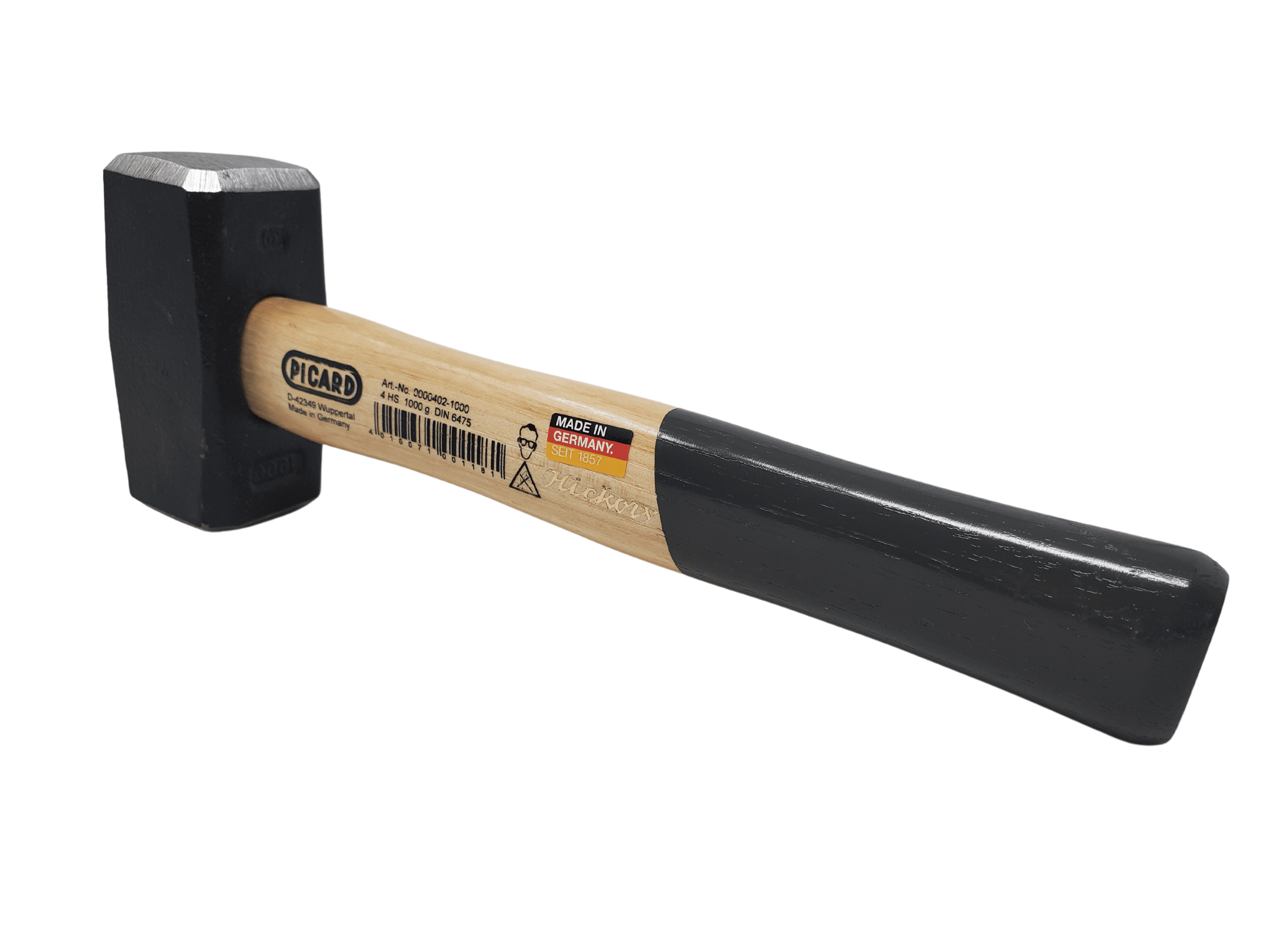
A mash hammer has a short handle and a relatively compact head. You can usually use it with one hand or two hands, depending on its size and the task.
A sledgehammer has a longer handle and a heavier head. The long handle lets you build more speed, which creates greater impact. It also creates a wider swing path and makes the tool harder to control in tight spaces.
Use a mash hammer when:
- You need accurate strikes.
- You are working in a small area.
- You are striking a chisel.
- You need moderate impact.
- You want less fatigue than a full sledgehammer may cause.
Use a sledgehammer when:
- You need to break large, thick material.
- You have enough room for a safe swing.
- The work requires repeated, high-impact blows.
- A mash hammer cannot produce enough force.
Do not use a mash hammer as a substitute for a sledgehammer in heavy structural demolition. The tool may not be strong enough for the task, and repeated overloading can damage the head or handle.
How is a mash hammer different from a masonry hammer?
A masonry hammer usually has a flat striking face on one end and a pointed, chisel-shaped, or wedge-shaped end on the other. It is made for cutting, trimming, and shaping brick or stone.
A mash hammer normally has two flat striking faces. It is made to hit another tool or break material through blunt impact.
For example, a mason may use a masonry hammer to trim a brick. The same worker may use a mash hammer to strike a cold chisel while removing mortar or breaking a block.
Use the tool that matches the task. Do not use the pointed end of a masonry hammer to strike another hardened tool unless the manufacturer says it is designed for that use.
What should you not hit with a mash hammer?
Do not strike materials or tools that may create dangerous chips, sparks, or unexpected movement.
Avoid these common mistakes:
- Do not strike hardened steel directly against hardened steel.
- Do not hit a damaged chisel or punch.
- Do not use a hammer with a chipped face.
- Do not strike near hidden electrical wires or pipes.
- Do not use the hammer as a pry bar.
- Do not use the handle to lever heavy objects.
- Do not hit a pressurized container.
- Do not use a steel hammer near flammable vapors when sparks may ignite them.
- Do not strike a workpiece that is not supported.
- Do not use a hammer that is too heavy for your control level.
When striking a chisel or punch, make sure the tool is intended for hammer blows. Some tools are designed only for hand pressure or rotary use.
How to care for a mash hammer
Good care helps the hammer remain safe and effective.
Wipe dirt and moisture from the head after use. Store the hammer in a dry place. Keep the striking faces free from deep dents, sharp chips, and raised metal.
Wood handles need special attention. Replace a handle that is cracked, split, badly worn, or loose. Do not rely on tape or glue as a permanent repair.
Fiberglass handles can also fail. Look for cracks, exposed fibers, swelling, or separation near the head. Follow the maker’s replacement guidance.
Do not modify the head by heating, welding, or reshaping it. Heat can change the steel’s properties. An altered hammer may break during impact.
The U.S. Occupational Safety and Health Administration’s hand and portable power tool guidance also stresses that tools should be maintained in safe condition. Workplace users can review OSHA’s hand and power tools guidance for broader requirements.

Common mash hammer mistakes
The most common mistake is choosing a tool that is too heavy. A larger hammer may seem faster, but poor control can cause more damage and more fatigue.
Another mistake is striking the edge of a chisel. The blow should land near the center of the striking surface. Repeated edge strikes can chip the tool or send fragments toward the user.
Some people also use a mash hammer on delicate surfaces. The flat face can crush tile, damage finished metal, or leave deep marks. Place a suitable block between the hammer and the work only when that setup is stable and approved for the task.
Never ignore a mushroomed chisel head. The raised metal around the top can break off under impact. Replace the chisel or have it serviced by a qualified tool professional.
Frequently asked questions
Is a mash hammer the same as a club hammer?
Often, yes. In American tool stores, “club hammer” is a common name for a short-handled hammer with a compact, heavy head. “Mash hammer” may describe a similar tool with two flat faces. Always check the actual design and weight.
Can you use a mash hammer to break concrete?
Yes, a mash hammer can break small areas of concrete, especially when used with a masonry chisel. It is not ideal for thick slabs, large foundations, or long demolition jobs. A rotary hammer, breaker, or other powered tool may be more suitable.
Can a mash hammer drive nails?
It can drive large nails, spikes, or stakes in some situations, but it is not a good general nail hammer. The head is heavy and may damage the work. Use a claw hammer or framing hammer for normal nails.
Should a mash hammer have a smooth face?
A smooth face is usually the most versatile choice. It gives predictable contact and is less likely to leave a patterned mark. A textured face may help with grip in some tasks, but it can mark the material.
How do you know when to replace a mash hammer?
Replace it when the head is loose, the handle is cracked, the striking face is badly chipped, or the tool shows damage that cannot be safely repaired. If you are unsure, stop using it and ask the manufacturer or a qualified tool professional.
Key takeaways
- A mash hammer is a short-handled hammer with two flat striking faces.
- It is used for masonry, chisels, punches, small demolition, and other heavy-impact work.
- It is usually smaller and easier to control than a sledgehammer.
- The names “mash hammer,” “club hammer,” and “hand sledge” may overlap.
- Choose the lightest hammer that can complete the task safely.
- Inspect the head, handle, chisel, and work area before every use.
- Wear safety glasses, and add face and hearing protection when the task calls for it.
- Do not strike damaged tools or hardened steel directly.
Conclusion
A mash hammer is a compact impact tool for jobs that need more force than a standard hammer can provide. Its short handle gives better control than a full-size sledgehammer, while its heavy, flat-faced head can drive chisels and break small sections of masonry.
For the safest result, match the hammer to the material and task. Inspect it before use, wear suitable protection, and stop when the job calls for a larger or powered tool.
Recent Tool Guides
 Hammer
How To Hammer Flowers Onto Paper: Easy Guide
Learn how to hammer flowers onto paper with simple steps, helpful tips, and beautiful results for...
Read Guide → Wrench
How To Use A Hex Wrench: Easy Step-By-Step Guide
Learn how to use a hex wrench correctly with simple steps, helpful tips, and common mistakes...
Read Guide → Hacksaw
How To Cut Curtain Pole With Hacksaw: Easy Guide
Learn how to cut curtain pole with hacksaw safely and neatly. Follow simple steps for accurate...
Read Guide → Wrench
How To Use A Husky Torque Wrench: Easy Guide
Learn how to use a Husky torque wrench correctly with simple steps, torque settings, and safety...
Read Guide → Hammer
How To Hold A Hammer: Safe Grip Guide
Learn how to hold a hammer with the right grip, stance, and technique for safer, more...
Read Guide → Hacksaw
How To Cut Flexible Metal Conduit With Hacksaw: Easy Guide
Learn how to cut flexible metal conduit with hacksaw safely and cleanly. Follow simple steps for...
Read Guide →