What Is A Masonry Hammer Used For: Uses And Tips
Introduction
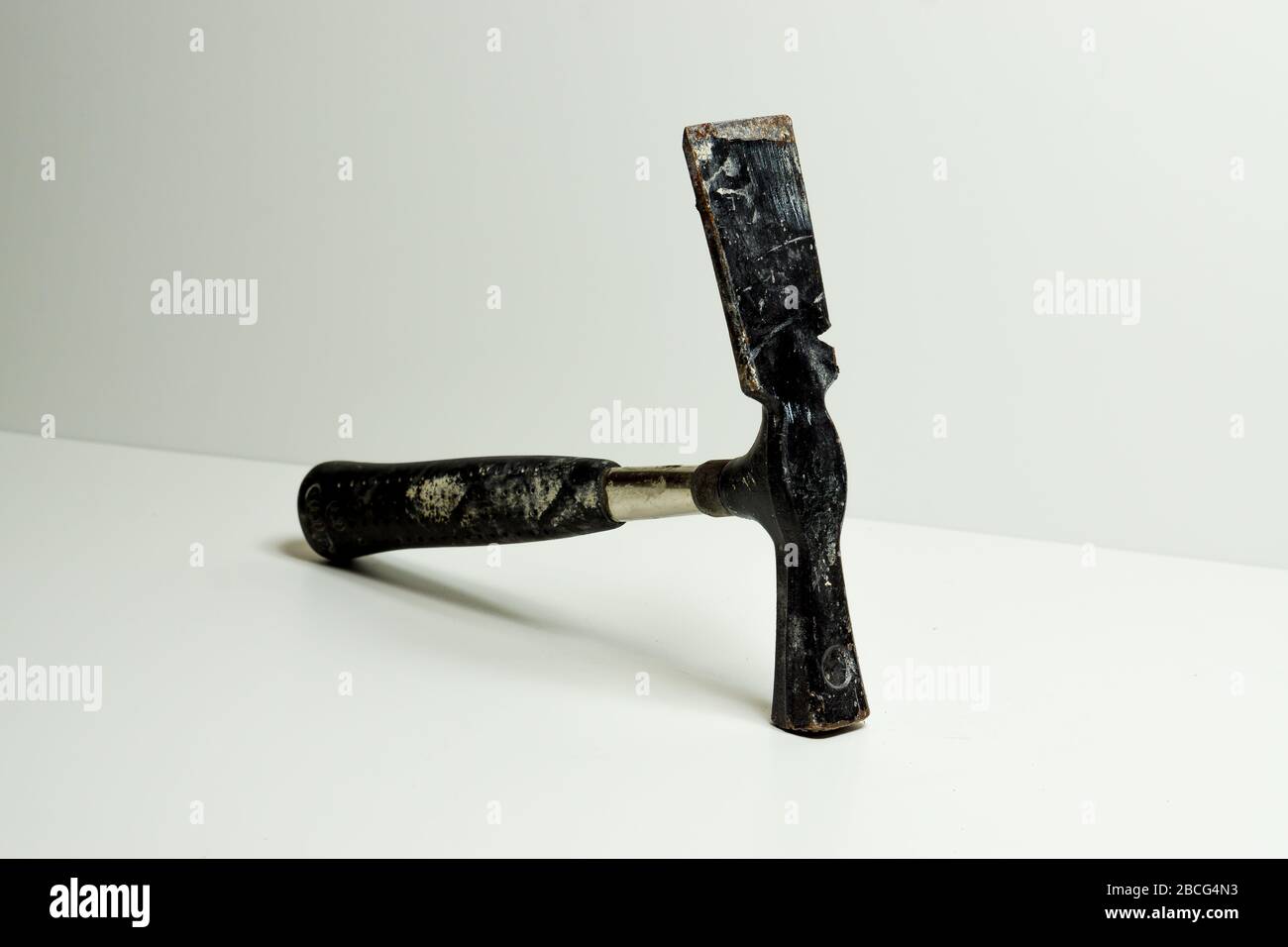
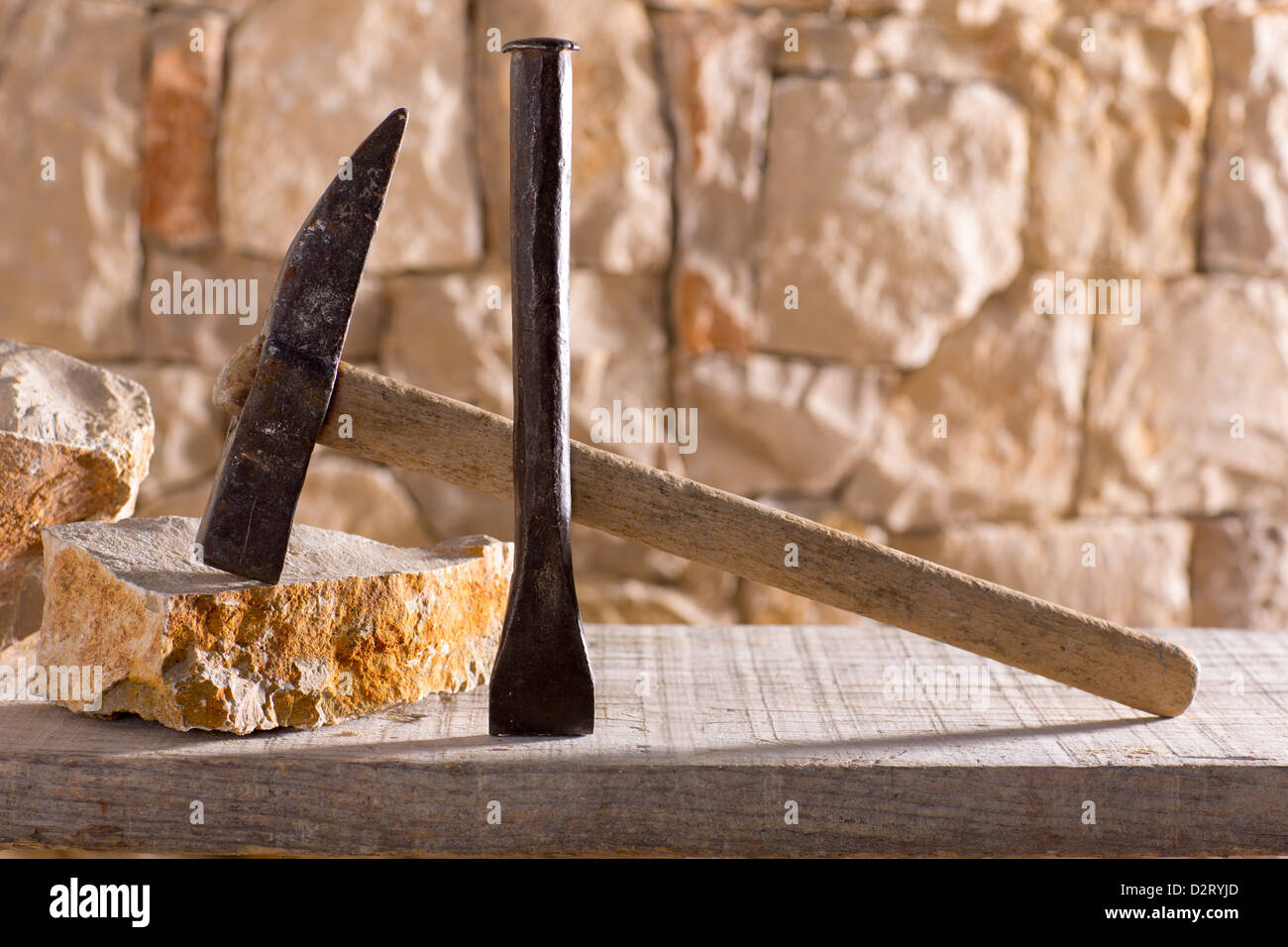
A masonry hammer is a hand tool used in the United States to break, shape, trim, and set brick, concrete block, stone, and other masonry materials. Its two-sided head usually has a flat striking face on one end and a narrow cutting or splitting blade on the other.
The flat face drives masonry chisels and taps bricks into place. The blade helps score, chip, split, and remove small pieces of brick or mortar. A masonry hammer gives better control than a general claw hammer, but it is not a replacement for a powered demolition tool or a heavy sledgehammer.
What Is a Masonry Hammer?
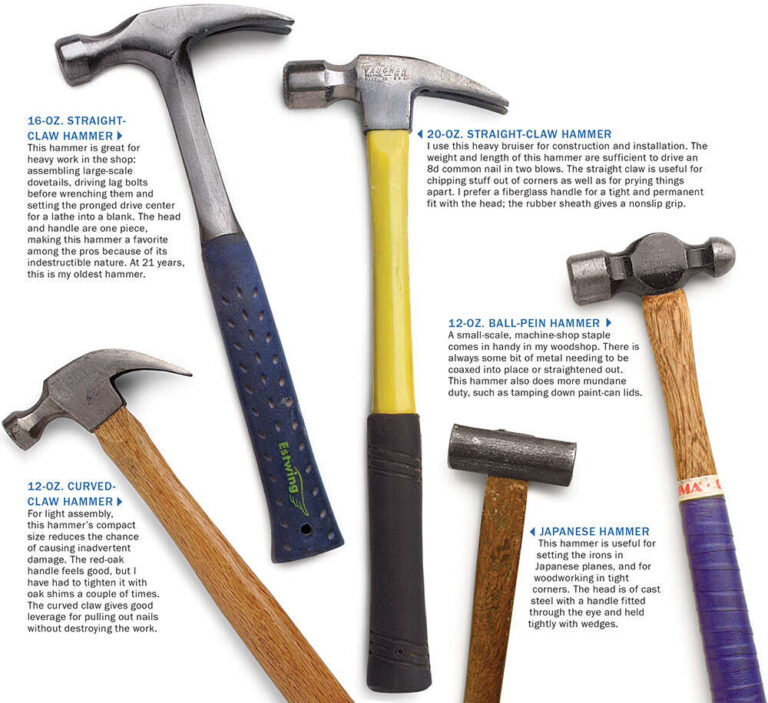
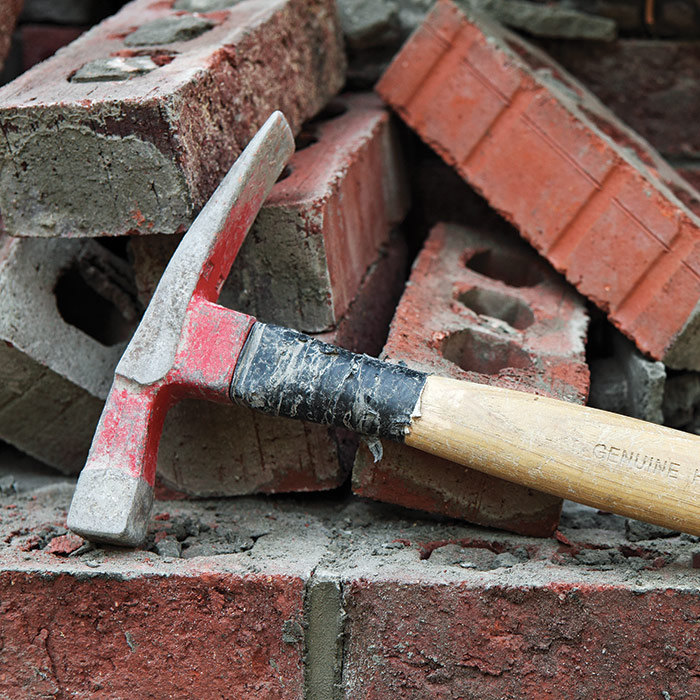
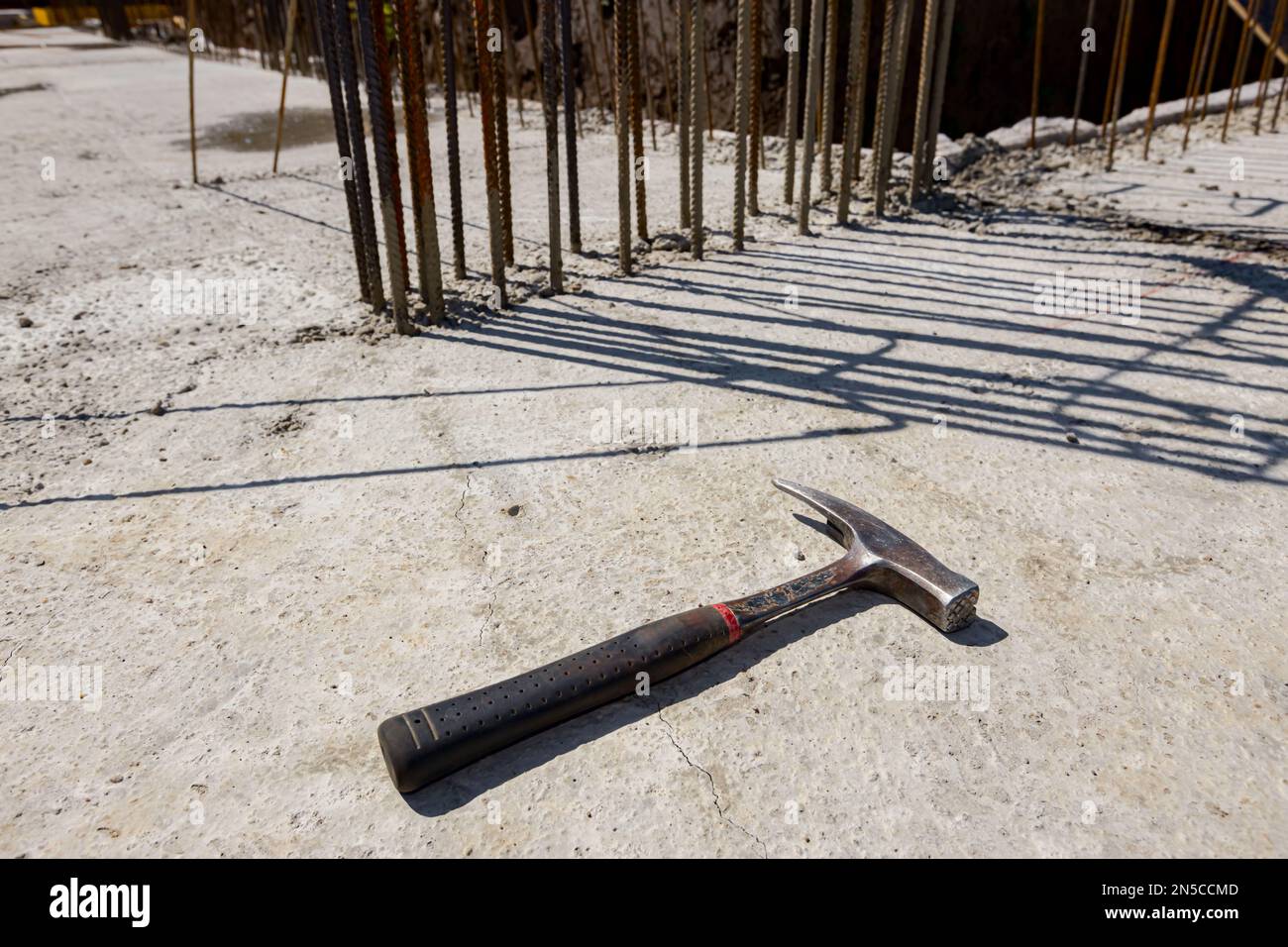
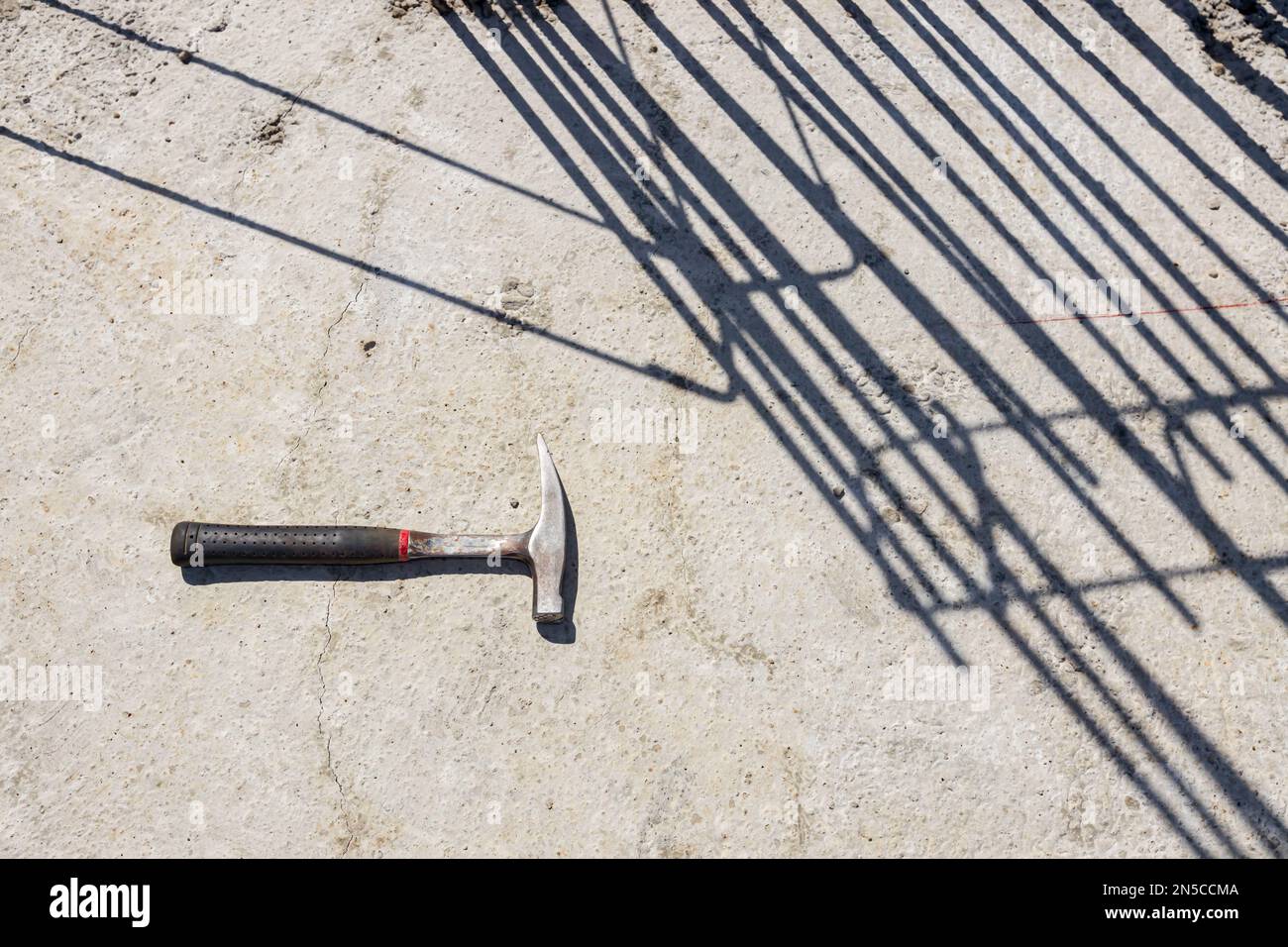
A masonry hammer, also called a brick hammer, is designed for controlled impact on hard mineral materials. It is different from a framing hammer, claw hammer, or geologist’s hammer because its head is shaped for masonry work rather than woodwork or general construction.
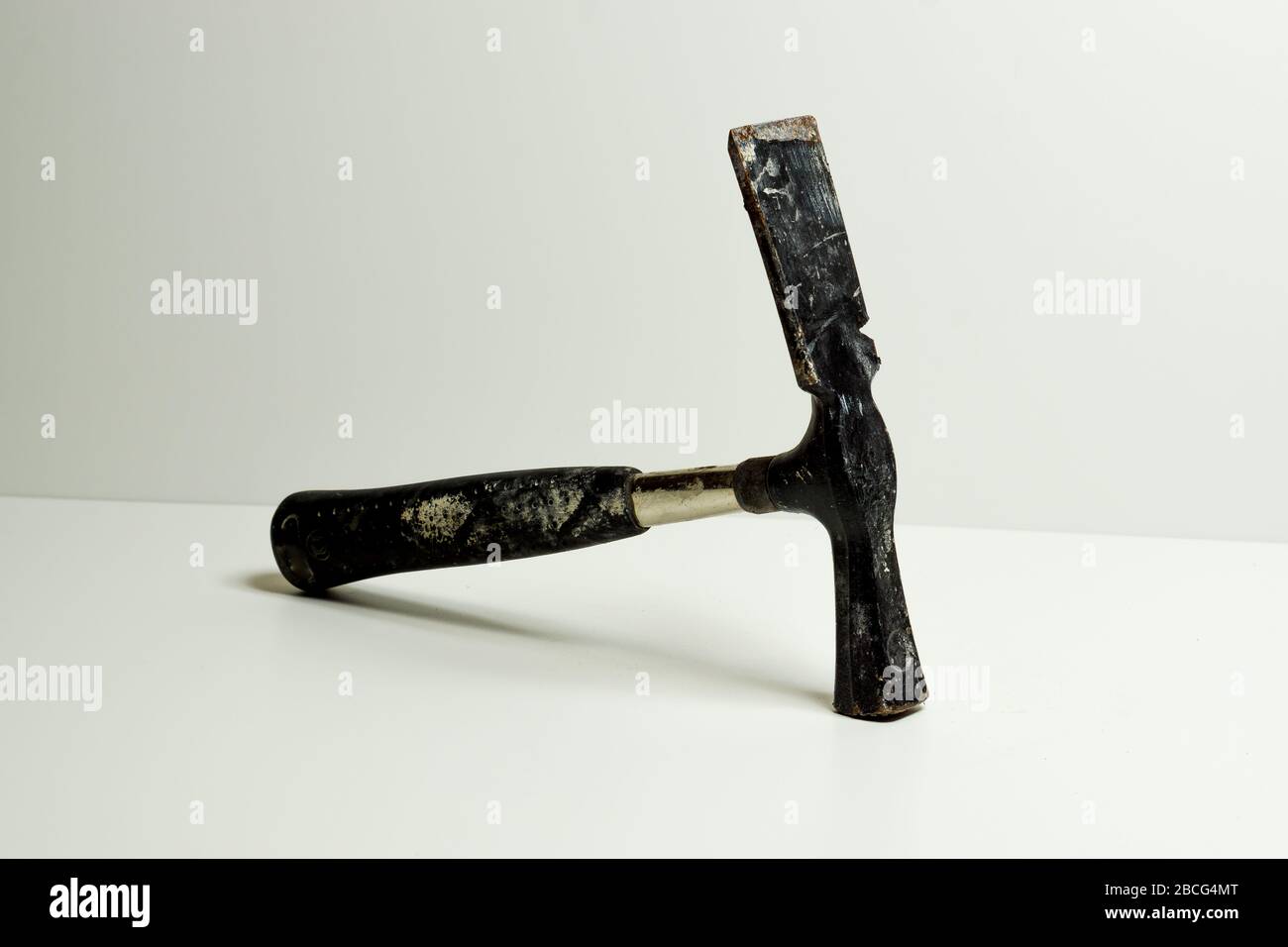
Most masonry hammers include these parts:
- Striking face: A flat end used to hit chisels, tap bricks, and make controlled blows.
- Blade or peen: A thin, wedge-shaped end used to score, chip, and split masonry.
- Head: The steel portion that delivers the impact.
- Handle: The grip, often made from wood, fiberglass, or another shock-reducing material.
The blade may look like a small chisel, but it is not always a substitute for a properly rated cold chisel. A masonry hammer is made for light to moderate shaping and breaking. The exact safe use depends on the hammer’s design and the manufacturer’s instructions.
Masonry hammer vs. brick hammer
In everyday U.S. tool language, masonry hammer and brick hammer often mean the same tool. A brick hammer usually has a broad square face and a narrow blade for splitting bricks. Some masonry hammers have a heavier head or a shape better suited to stone and block work.
Check the tool’s intended use before buying or using it. A light brick hammer may be useful for trimming bricks, while larger stone work may require a heavier stone hammer, club hammer, or chisel.
What Is a Masonry Hammer Used For?
A masonry hammer is mainly used to shape masonry, make small adjustments, and deliver controlled blows during brick and block work. It is most useful when the material must be changed by hand rather than cut with a saw.
1. Splitting and trimming bricks
The narrow blade can create a score line across a brick. A controlled blow along that line may split the brick into two pieces or remove a small section.
This works best when:
- The brick is supported on a firm, stable surface.
- The cut line is marked clearly.
- The brick is scored on more than one side when needed.
- The blows remain controlled rather than forceful.
A masonry hammer can produce a rougher edge than a brick saw. Use a saw when the finished edge must be clean, square, or highly visible.
2. Chipping concrete blocks
A masonry hammer can remove small corners, ridges, and projections from concrete masonry units. It can also help adjust a block that is slightly too large for a joint or opening.
Do not expect a hand hammer to quickly break a thick concrete slab. Large pieces require a suitable cold chisel, rotary hammer, demolition hammer, or concrete saw.
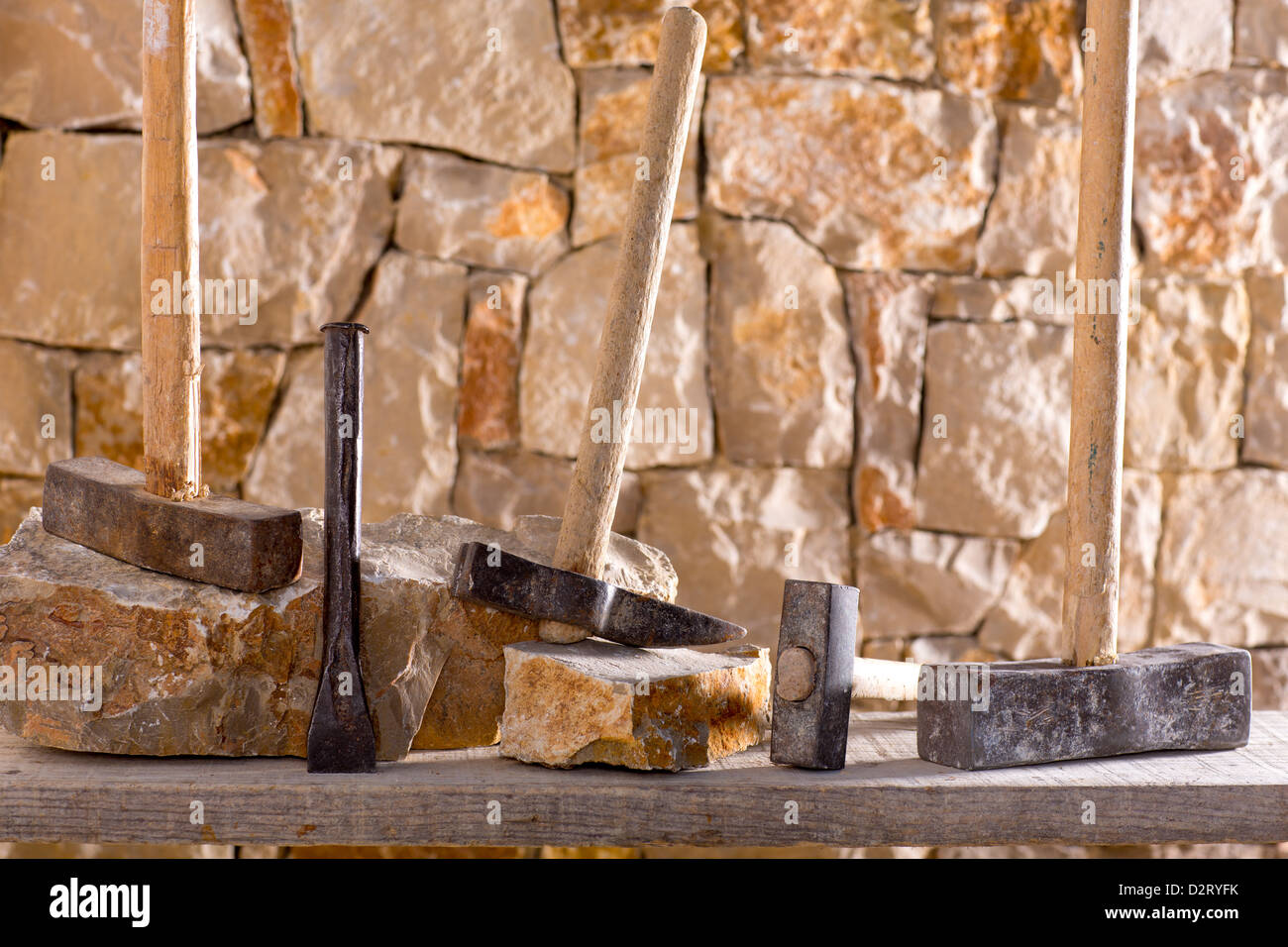
3. Shaping natural stone
Masons may use a masonry hammer to remove small flakes from soft or moderately hard stone. The blade can help create a rough shape before finer work with a chisel or specialized stone tool.
Stone varies widely in hardness and structure. Some stone can fracture unpredictably, so wear eye protection and keep other people away from flying chips.
4. Removing old mortar
A masonry hammer can help loosen small sections of damaged mortar during tuck-pointing or minor repair work. The blade may break out weak mortar joints without removing large amounts of surrounding brick.
Use care on older brick. Historic brick can be softer than modern fired brick, and aggressive hammering may damage its face or edges. For substantial repair, a qualified mason should assess the wall before work begins.
5. Tapping bricks and blocks into place
The flat face can make small adjustments while laying brick or block. Light taps can help align a unit without using a larger hammer that may crack the material.
Never strike a brick hard simply to force it into position. If the unit will not fit, remove it and correct the mortar bed or cut the unit properly.
6. Driving a masonry chisel
The flat end of the hammer can strike a cold chisel or masonry chisel when removing mortar, brick, or small areas of concrete. Use a chisel with a striking head designed for hammer blows.
Do not strike a tool that is not intended for impact. Mushroomed or damaged chisel heads can send metal fragments into the air.
How Do You Use a Masonry Hammer?
Use a masonry hammer with short, controlled blows and let the tool’s shape do the work. Excess force increases the risk of cracked masonry, flying fragments, and hand or wrist injuries.
To split or trim a brick
- Mark the cut. Use a pencil, crayon, or mason’s marker to draw the desired line.
- Support the brick. Place it on a solid surface that will not shift. Avoid unstable stacks or unsupported edges.
- Score the line. Use the blade to make a shallow groove along the mark. Work around the brick if a full split is needed.
- Tap along the groove. Use light, repeated blows rather than one heavy strike.
- Check the break. Stop if the brick begins to crack away from the line.
- Dress the edge. Use light taps or a masonry chisel to remove loose high spots.
A successful split follows the marked line with limited damage to the rest of the brick. If the brick crumbles, the material may be too weak, the score may be too shallow, or the blows may be too hard.
To remove a small section of mortar
- Identify the joint you need to open.
- Protect nearby surfaces from chips.
- Place the blade or masonry chisel into the mortar, not the brick face.
- Tap gently and work in short sections.
- Clear loose material before continuing.
- Stop if the brick starts to crack or loosen.
For structural walls, deep joints, large areas, or historic masonry, get advice from a qualified mason or building professional.
To drive a masonry chisel
Hold the chisel firmly but keep your hand behind the point where the hammer can strike. Use eye protection and make sure the chisel edge is sharp enough to work without excessive force.
Keep the chisel aligned with the material. Glancing blows can damage the surface or cause the tool to slip.
How Is a Masonry Hammer Different From Other Hammers?
The main difference is the head design. A masonry hammer combines a striking face with a narrow blade, while other hammers are built for different materials and tasks.
| Tool | Main use | Why it may or may not work for masonry |
|---|---|---|
| Masonry or brick hammer | Trim brick, chip mortar, adjust masonry | Designed for controlled masonry impact |
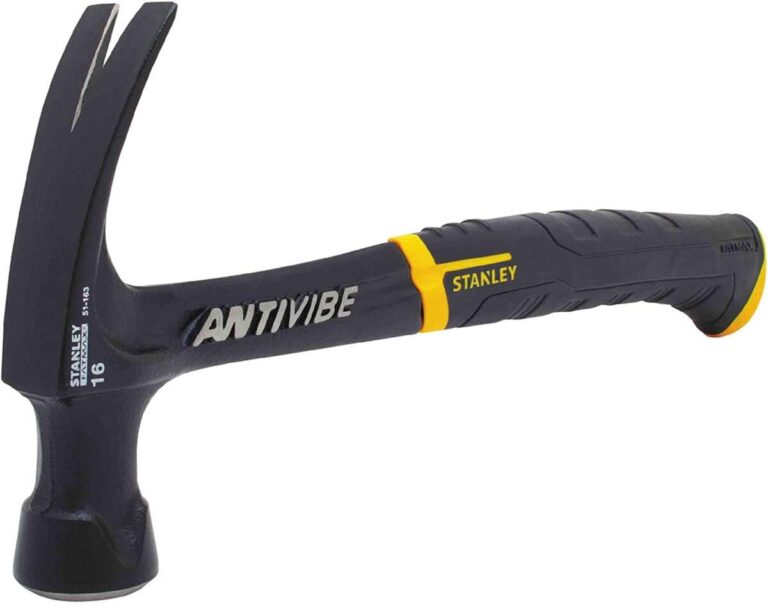
| Claw hammer | Drive and remove nails in wood | The claw is not designed for brick shaping |
| Framing hammer | Drive large nails and frame wood structures | Often too aggressive and poorly shaped for fine masonry work |
| Rubber mallet | Adjust tile or fragile parts | Less likely to chip surfaces, but cannot split brick well |
| Club hammer | Strike chisels and break small masonry sections | Heavier and useful with chisels, but less precise than a brick hammer |
| Sledgehammer | Break large, heavy materials | Powerful but difficult to control for trimming or setting brick |
| Rotary hammer | Drill and chip concrete or masonry | Faster for repeated work, but needs electricity or a battery and suitable bits |
| Masonry saw | Make accurate cuts | Cleaner and more precise, but creates dust and needs proper controls |
A masonry hammer is the right choice when you need hand control and a small amount of material removal. A powered tool becomes more practical when the material is thick, the work area is large, or the cut must be accurate.
How Do You Choose the Right Masonry Hammer?
Choose the hammer based on the material, the amount of material to remove, the required finish, and how much control you need.
For brick repairs
Choose a brick hammer with a comfortable handle and a blade suited to scoring and trimming. A moderate-weight tool is usually easier to control than a very heavy hammer for small repairs.
For concrete block
A heavier masonry hammer or club hammer may be more useful, especially when paired with a masonry chisel. Use a powered tool if you must remove a large section or work for a long period.
For stone
Match the hammer to the stone and the type of finish. A light hammer may suit delicate shaping. Hard stone may require a stoneworking hammer and dedicated chisels.
For setting brick
Use the flat face for light taps. A rubber mallet may be better when the masonry surface is fragile or when you want to reduce the chance of edge damage.
What to inspect before use
Look for:
- A head that is tight and secure.
- A handle without cracks, splits, or loose sections.
- A blade without severe damage.
- A face that is not dangerously deformed.
- A grip that remains secure when your hands are clean and dry.
- A weight you can control with one hand.
Do not use a hammer with a loose head. Do not grind or reshape the head unless the manufacturer provides instructions for doing so. Changes to the head can create weak spots or unsafe edges.
Masonry Hammer Safety
Masonry work can produce sharp fragments, dust, noise, and flying particles. The Occupational Safety and Health Administration advises employers to address hazards from struck-by objects, eye injuries, hand tools, and respirable crystalline silica during construction work. Home users should apply the same basic caution.
Wear:
- Safety glasses with side protection for light work.
- A face shield over safety glasses when chips may travel toward the face.
- Hearing protection during repeated hammering or powered cutting.
- Work gloves that improve grip without becoming loose around moving equipment.
- Sturdy footwear with protection from dropped tools and masonry pieces.
- A suitable respirator only when required by the dust hazard and used correctly.
Masonry dust can contain respirable crystalline silica, especially when cutting, grinding, or drilling materials such as brick, concrete, and stone. Do not dry sweep fine dust or use compressed air to blow it into the air. Use appropriate dust controls, such as wet methods or a properly equipped vacuum, when the task creates fine dust. Follow the product label and applicable OSHA requirements for workplace work.
Before striking:
- Clear bystanders from the work area.
- Check that the material is stable.
- Look for hidden electrical, plumbing, or gas lines before breaking into a wall or slab.
- Keep both feet balanced.
- Use controlled blows.
- Stop if the hammer, chisel, or material shows damage.
Never use a masonry hammer to strike tempered glass, pressurized containers, live electrical equipment, or unknown structural components.
Common Mistakes to Avoid
The most common errors involve using too much force, choosing the wrong tool, or ignoring the condition of the material.
Using a claw hammer
A claw hammer can chip masonry, but its claw and face are not designed for controlled brick shaping. It may also become damaged when used on hard mineral material.
Swinging too hard
A heavier blow does not always produce a better break. It can send fragments in the wrong direction and damage more material than planned.
Skipping the score line
Trying to split a brick without first scoring it often leads to an uneven break. A shallow groove gives the fracture a better path to follow.
Working on an unstable surface
A loose brick can move or bounce when struck. Support the material on a firm surface and keep your hands away from the impact area.
Ignoring old or weak masonry
Old brick and mortar may crumble instead of splitting cleanly. If a wall moves, cracks, or shows unexpected damage, stop work and have it assessed.
Assuming a masonry hammer makes clean cuts
The tool is best for rough trimming and small adjustments. Use a masonry saw when you need a straight, neat, or repeatable cut.
When Should You Use a Different Tool?
Use a different tool when the masonry hammer cannot provide enough control, speed, or accuracy.
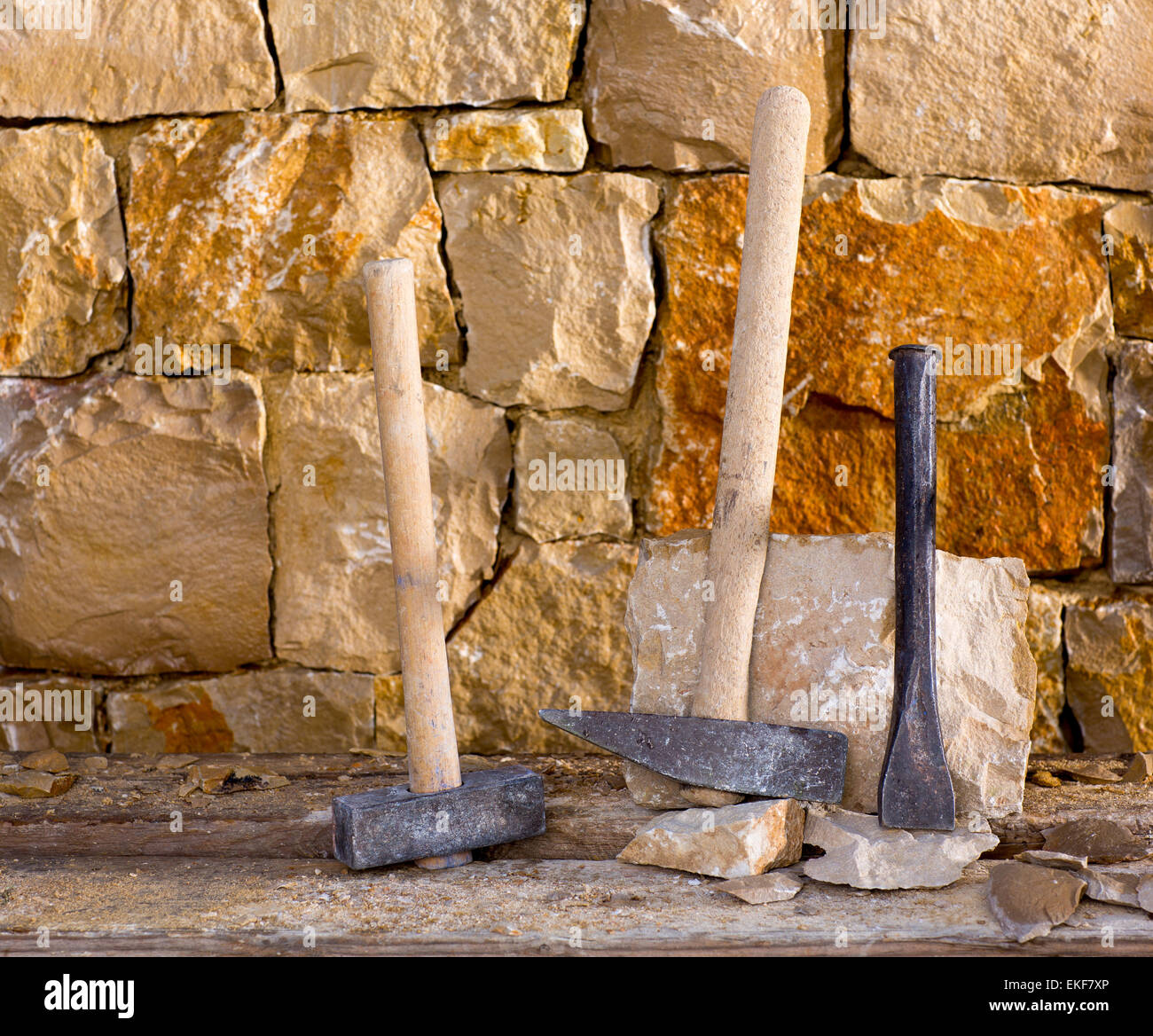
Choose a masonry chisel and club hammer for controlled removal of mortar or small areas of brick and block. Choose a rotary hammer or demolition hammer for repeated chipping in thick concrete. Choose a masonry saw for straight cuts, tight-fitting pieces, and visible finished edges.
For walls, foundations, chimneys, retaining walls, or other structures, the risk is not limited to tool injury. Removing masonry can affect stability, water control, fire separation, or utilities. Get professional guidance before altering a load-bearing or uncertain structure.

Frequently Asked Questions
Can a masonry hammer break concrete?
Yes, it can break or chip small amounts of concrete, especially when used with a masonry chisel. It is not efficient for large slabs, thick walls, or extended demolition. A powered breaker or rotary hammer is usually more suitable for that work.
Is a masonry hammer the same as a brick hammer?
Often, yes. In the United States, the terms are commonly used for a hammer with a flat face and a narrow blade for brick and masonry work. Designs vary, so check the manufacturer’s stated purpose.
Can you use a masonry hammer on stone?
Yes, for light shaping and small chips. Stone hardness and fracture pattern vary, so use eye protection and start with light blows. Specialized stone hammers and chisels may be safer and more effective for hard or valuable stone.
Can a masonry hammer remove mortar?
It can remove small sections of weak or damaged mortar. Use the blade or a masonry chisel carefully, and avoid striking the brick edges. Large repointing jobs may require a specialized tool and masonry experience.
How heavy should a masonry hammer be?
The best weight is one you can control without over-swinging. A lighter hammer suits trimming and setting. A heavier hammer can help with tougher material but increases fatigue and may cause more damage if used carelessly.
Should you wear gloves when using a masonry hammer?
Gloves can help protect your hands from sharp edges and improve grip. They do not replace eye protection, and loose gloves should not be used near powered tools. Keep your hands behind the striking area.
Bottom Line
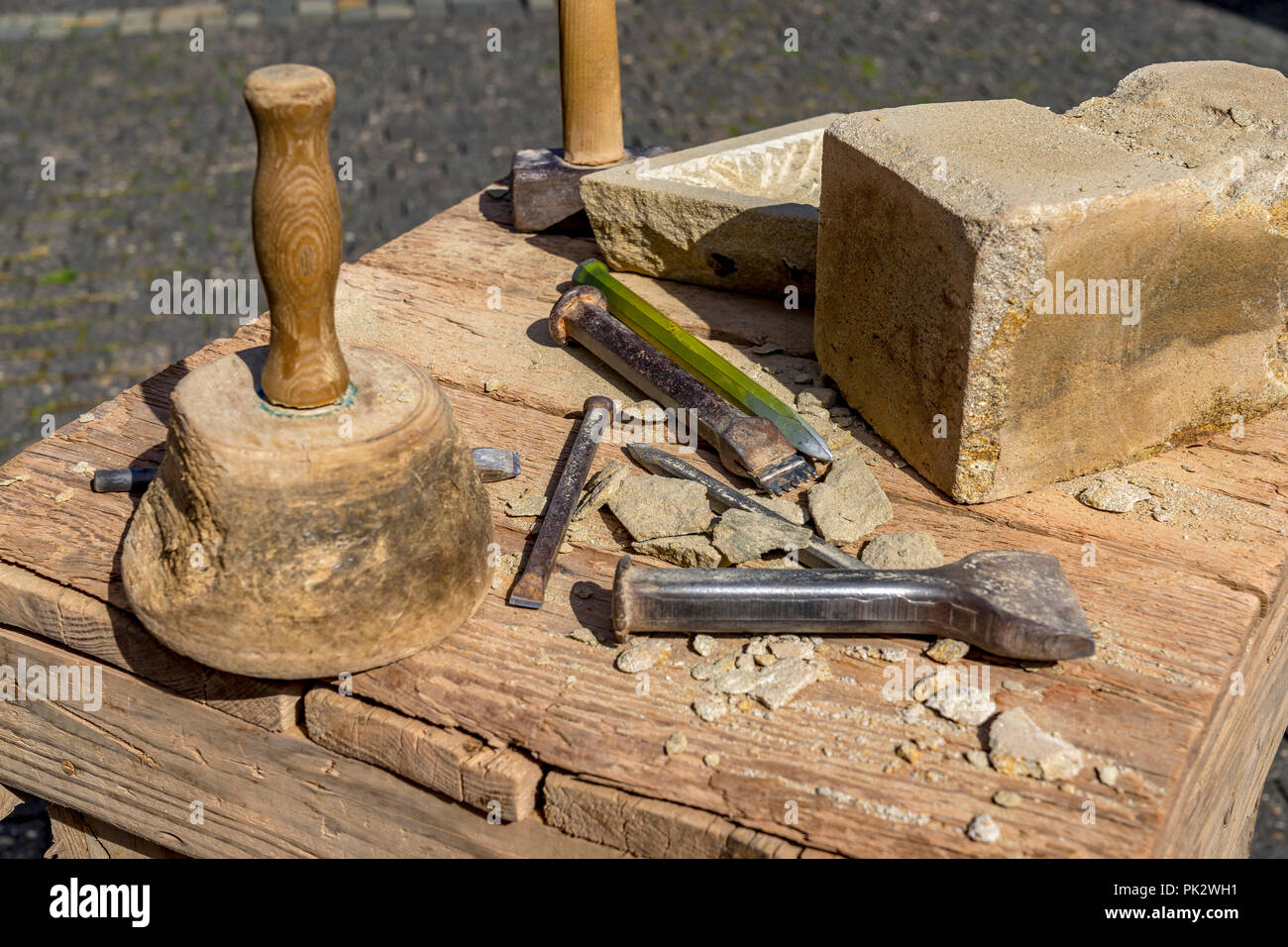
A masonry hammer is used to trim, split, chip, set, and lightly break brick, block, stone, and mortar. Its flat face handles controlled striking, while its narrow blade helps score and shape masonry.
Use it for small, precise handwork. Use a chisel, masonry saw, rotary hammer, or demolition tool when the material is thick, the area is large, or the cut must be clean. Always secure the workpiece, wear eye protection, control dust, and stop when the material behaves unpredictably.
Recent Tool Guides
 Hammer
How To Hammer Flowers Onto Paper: Easy Guide
Learn how to hammer flowers onto paper with simple steps, helpful tips, and beautiful results for...
Read Guide → Wrench
How To Use A Hex Wrench: Easy Step-By-Step Guide
Learn how to use a hex wrench correctly with simple steps, helpful tips, and common mistakes...
Read Guide → Hacksaw
How To Cut Curtain Pole With Hacksaw: Easy Guide
Learn how to cut curtain pole with hacksaw safely and neatly. Follow simple steps for accurate...
Read Guide → Wrench
How To Use A Husky Torque Wrench: Easy Guide
Learn how to use a Husky torque wrench correctly with simple steps, torque settings, and safety...
Read Guide → Hammer
How To Hold A Hammer: Safe Grip Guide
Learn how to hold a hammer with the right grip, stance, and technique for safer, more...
Read Guide → Hacksaw
How To Cut Flexible Metal Conduit With Hacksaw: Easy Guide
Learn how to cut flexible metal conduit with hacksaw safely and cleanly. Follow simple steps for...
Read Guide →