Who Has The Best Hand Tools: Best Brands Compared
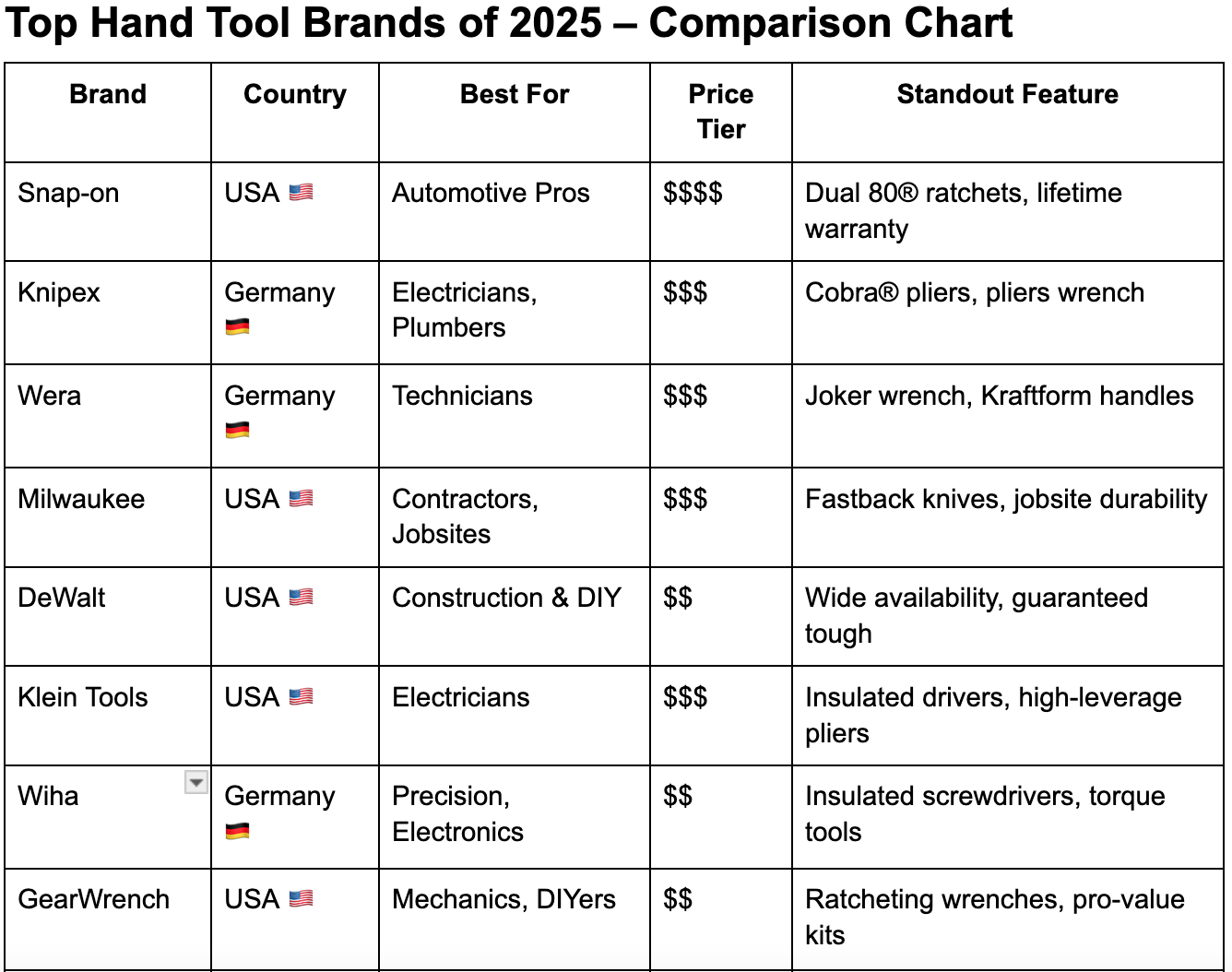
For most people in the United States, Snap-on makes the best premium hand tools, Knipex makes some of the best pliers, Klein Tools leads for electrical work, and Tekton offers the best balance of quality, warranty, and price. Milwaukee, DeWalt, Craftsman, and Stanley also make strong tools for specific jobs and budgets.
There is no single best hand-tool brand for every worker. A mechanic may value tight tolerances and a strong ratchet. An electrician may need insulated tools and cutters. A homeowner may want a useful set with a simple warranty at a fair price.
This guide compares leading hand-tool brands sold in the U.S. It focuses on design, materials, warranty support, job fit, and value—not on brand reputation alone.

Quick answer: Which hand-tool brand is best?
The best brand depends on your work, budget, and need for specialty tools.
| Best for | Recommended brand | Why |
|---|---|---|
| Premium professional mechanics | Snap-on | Excellent fit, finish, tool design, and specialty coverage |
| Best overall value | Tekton | Broad range, clear warranty policies, and strong value |
| Pliers and cutters | Knipex | Precise jaws, strong cutting performance, and smart designs |
| Electricians | Klein Tools | Deep electrical-tool range and trade-focused designs |
| Cordless-tool users adding hand tools | Milwaukee | Good trade-focused designs and broad jobsite ecosystem |
| General construction | DeWalt | Practical tools for construction and maintenance work |
| Homeowners and light repairs | Craftsman | Wide availability and accessible pricing |
| Basic hand-tool sets | Stanley | Easy to find and suitable for simple household tasks |
| Screwdrivers and specialty drivers | Wera | Strong ergonomics and useful driver designs |
The table is a starting point, not a lab ranking. A high-priced tool is not automatically the best tool for your work.
What makes a hand-tool brand “the best”?
A good hand tool should perform its main task well, fit the user’s hand, resist wear, and remain supported when something goes wrong. Brand choice matters, but the exact tool design matters more.
Here are the main factors to compare:
Fit and precision
A wrench or socket should fit the fastener with little unwanted movement. Poor fit can round bolt corners and make a job harder.
For ratchets, look at:
- Tooth count or arc swing
- Direction-switch design
- Head size
- Handle shape
- Repair or replacement support
A small arc swing helps in tight spaces. A slim head may reach areas where a bulky ratchet cannot.
Steel and heat treatment
Most quality hand tools use alloy steel, often described as chrome vanadium or chrome molybdenum steel. Those labels alone do not prove that one tool is better.
Heat treatment, machining, surface finish, and design also matter. Two tools can use similar steel but perform differently because one has better jaw alignment, stronger teeth, or tighter manufacturing control.
Ergonomics
A tool should let you apply force without sharp pressure points. Handles with good shape and texture can reduce hand fatigue.
Comfort matters most when you use a tool for hours. It matters less for a wrench used once a month.
Warranty and service
A lifetime warranty can be useful, but read the terms. Check whether the brand:
- Replaces broken tools directly
- Requires proof of purchase
- Covers normal use
- Excludes rust, misuse, or altered tools
- Handles claims online, by mail, or through a local store
A warranty does not make a poorly designed tool good. It does reduce the cost of an unexpected failure.
Availability
A tool that is easy to replace can be more useful than a slightly better tool that is hard to find. This is especially true for technicians who cannot afford long delays.
Availability varies by location. U.S. dealers, mobile tool trucks, hardware stores, and online retailers may carry different selections.
Best premium hand tools: Snap-on
Snap-on is the strongest choice for professional mechanics who want premium tool design and can justify the cost.
The brand is known for professional automotive tools, including ratchets, sockets, wrenches, diagnostic tools, and specialty service tools. Its designs often focus on access, balance, and efficient use in repair bays.
Snap-on’s main advantages include:
- Large professional automotive range
- Many specialty tools
- Strong finish and fit
- Mobile tool-truck support in many U.S. areas
- Professional-focused tool design
The main drawback is price. Snap-on tools can cost much more than comparable tools from Tekton, Craftsman, or other brands. The price may make sense for a technician who uses the tool every day. It is harder to justify for occasional home repairs.
Snap-on is best when time, access, and daily durability matter more than purchase price.
Best alternative to Snap-on
For buyers who want a lower entry price, Tekton is often the more practical choice. For pliers, Knipex is a strong alternative. For common automotive tools, several brands can provide good performance without premium pricing.

Best value hand tools: Tekton
Tekton is one of the best overall choices for people who want quality tools without paying premium professional prices.
Tekton sells ratchets, sockets, wrenches, pliers, screwdrivers, torque tools, and tool sets. Its appeal comes from a broad catalog and a direct warranty approach. The company’s official warranty pages should be checked before purchase because terms and claim processes can change.
Tekton fits:
- Home mechanics
- DIY users
- Apprentices
- Small repair shops
- Buyers building a tool collection over time
Its strengths are broad coverage, useful set options, and competitive pricing. The brand may not offer the same depth of specialty support or dealer service as Snap-on.
Tekton is a good answer to “who has the best hand tools?” when value means dependable function, fair cost, and simple support.
How to buy Tekton tools wisely
Start with the tools you use most. A small set of quality sockets, combination wrenches, pliers, screwdrivers, and hex keys is often more useful than a large set filled with sizes you rarely need.
Check:
- Drive size, such as 1/4-inch, 3/8-inch, or 1/2-inch.
- SAE and metric coverage.
- Six-point versus 12-point sockets.
- Whether the set includes deep sockets.
- Warranty terms for the exact product.

Best pliers: Knipex
Knipex is one of the best choices for pliers, cutters, gripping tools, and specialty hand tools.
The German manufacturer is widely used by mechanics, electricians, plumbers, and industrial workers. Its product range includes diagonal cutters, combination pliers, long-nose pliers, water-pump pliers, locking-style pliers, and pliers wrenches.
Knipex stands out through:
- Accurate jaw alignment
- Strong cutting edges
- Useful joint designs
- Good grip control
- Trade-specific models
A Knipex plier wrench, for example, serves a different purpose than a normal adjustable wrench. It can provide smooth parallel jaws and strong gripping action, but it should not be treated as a universal replacement for every wrench.
Knipex tools can cost more than basic pliers. That cost is easier to justify when a worker uses the tool every day or needs a specialized design.
For a general toolbox, you do not need every Knipex model. Choose the tool based on the job: cutting, gripping, turning, or reaching.

Best hand tools for electricians: Klein Tools
Klein Tools is the leading specialist choice for many electrical workers in the United States.
Klein makes lineman’s pliers, wire strippers, cable cutters, fish tapes, screwdrivers, nut drivers, testers, and other electrical tools. Its long focus on electrical work gives the brand strong trade relevance.
Klein is a good fit for:
- Residential electricians
- Commercial electricians
- Utility workers
- Low-voltage installers
- Maintenance technicians
Electrical work requires more than a sharp cutter or comfortable handle. The tool must match the voltage rating and task. Insulated tools are not the same as ordinary tools with a plastic grip. Follow the manufacturer’s instructions and workplace safety rules.
Do not use a hand tool as a voltage tester unless it is specifically designed and rated for that purpose. De-energize circuits when required, verify the condition of test equipment, and follow the National Electrical Code and local rules where applicable.
Klein is not always the best choice for automotive sockets or heavy mechanical specialty tools. Its advantage is electrical specialization, not universal dominance.

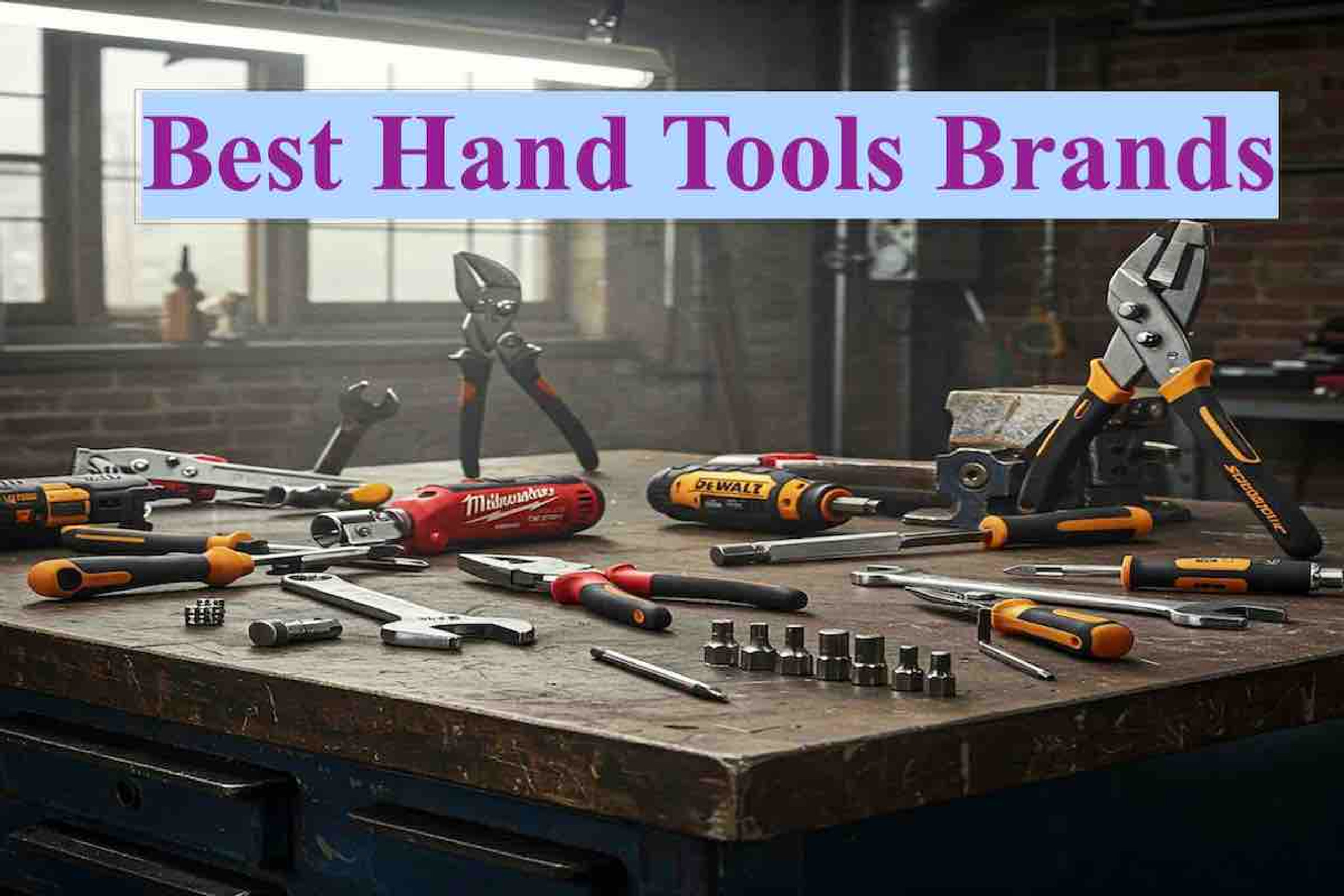
Best hand tools for construction and maintenance: Milwaukee and DeWalt
Milwaukee and DeWalt are strong choices for construction, maintenance, and jobsite work.
Both brands are well known for power tools, but their hand-tool lines also cover pliers, wrenches, screwdrivers, utility knives, levels, measuring tools, and storage systems.
Milwaukee
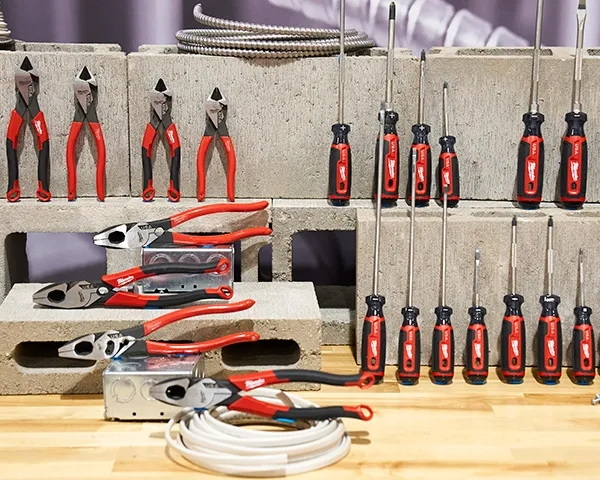
Milwaukee is a good fit for users who already work in its tool ecosystem. Its hand tools often target electricians, plumbers, HVAC workers, and general contractors.
Useful strengths include:
- Trade-focused designs
- Broad jobsite selection
- Strong focus on grip and access
- Easy pairing with Milwaukee storage and power-tool systems
DeWalt
DeWalt offers a broad range for construction and general maintenance. Its hand tools may suit contractors who want one recognizable system across tools, storage, and jobsite equipment.
The right choice between Milwaukee and DeWalt often comes down to the exact model, local price, and the tools already in your truck. Brand loyalty should not replace comparing jaw shape, handle design, warranty terms, and actual dimensions.
For demanding mechanic work, compare the specific tool with a mechanic-focused brand. For construction work, these brands may offer a more natural fit.

Best hand tools for homeowners: Craftsman and Stanley
Craftsman is usually the better homeowner choice when you want a broad tool set and recognizable warranty support. Stanley is suitable for basic household repairs and simple tool needs.
Craftsman offers socket sets, wrenches, screwdrivers, pliers, automotive tools, and storage products. It is widely recognized in the U.S. and is easy for many buyers to find.
Stanley makes many basic hand tools for household use, light maintenance, and simple projects. The best Stanley purchase depends heavily on the exact product line and set contents.
Before buying a large set, check:
- Whether the sockets are six-point or 12-point
- Whether metric sizes are included
- Whether the case holds the tools securely
- Whether the set includes a useful ratchet
- Whether replacement tools are easy to obtain
- Whether the warranty applies to the exact item
Large tool counts can be misleading. A 200-piece set may include many bits, adapters, and duplicate sizes while lacking the deep sockets or pliers you actually need.
For occasional repairs, a smaller set with common metric and SAE sizes may offer better value.
Best screwdriver and specialty-tool brand: Wera
Wera is a strong choice for screwdrivers, bit systems, hex keys, and specialty driver tools.
Its products often focus on handle comfort, bit control, compact storage, and access in tight spaces. Wera is especially popular with users who work on machinery, electronics, bicycles, appliances, and general maintenance.
Wera may cost more than basic screwdrivers, but a well-shaped handle and accurate tip can reduce slipping and fastener damage.
Choose the tip carefully:
- Phillips is not the same as Pozidriv.
- Torx and security Torx are different.
- Slotted tips vary in width and thickness.
- Hex keys must match the fastener size.
- A bit designed for impact use is not automatically suitable for every driver.
Wera is not necessarily the best value for a homeowner who uses a screwdriver a few times each year. It becomes more compelling for frequent users who care about access, control, and a wide specialty range.
Which hand-tool brand should you buy?
Use the following decision path:
-
Identify the main job.
Automotive, electrical, construction, plumbing, woodworking, electronics, and household repairs need different tools. -
List the tools you use most.
Spend more on tools that are used every day or could damage expensive parts if they slip. -
Choose the correct size system.
U.S. vehicles and equipment may use both metric and SAE fasteners. Do not assume one system will cover every job. -
Compare the exact model.
Brand reputation cannot tell you whether a ratchet head will fit into your work area. -
Read the warranty before purchase.
Save the receipt when the warranty requires it. -
Buy fewer, better tools first.
Add specialty tools as your work demands them.
A practical starting mix might include a 3/8-inch drive socket set, combination wrenches, screwdrivers, slip-joint pliers, diagonal cutters, long-nose pliers, hex keys, and a tape measure. Add torque tools, insulated tools, or specialty pullers only when the job requires them.
Common hand-tool buying mistakes
Choosing by piece count alone
Piece count does not measure usefulness. A smaller set with better size coverage may beat a larger set with duplicate bits and filler pieces.
Using the wrong tool as a substitute
Do not use pliers on a fastener when the correct wrench is available. Do not use a screwdriver as a pry bar unless the tool is specifically designed for that use.
The wrong tool can slip, damage the part, or injure the user.
Ignoring torque limits
A standard ratchet is not a torque wrench. If a repair requires a specific tightening value, use a calibrated torque wrench and follow the equipment maker’s instructions.
Mixing tool types without checking compatibility
Sockets, extensions, adapters, bits, and drivers must match their drive size and intended force. Do not use chrome hand-tool sockets with an impact wrench unless the manufacturer specifically permits it. Impact tools generally require impact-rated accessories.
Treating insulated handles as electrical protection
A colored grip does not make a tool safe for live electrical work. Use tools with the correct rating and follow safe electrical procedures.
Buying a lifetime warranty without checking service
A warranty is useful only if you understand how to make a claim. Check the process before you need it.
How to care for hand tools
Basic care can extend tool life:
- Wipe off dirt, water, and chemicals after use.
- Dry tools before placing them in a box.
- Keep cutting edges protected.
- Store tools away from standing moisture.
- Do not grind or heat a tool unless the manufacturer permits it.
- Replace tools with cracked handles, damaged jaws, bent shafts, or badly rounded drive parts.
- Keep precision tools, such as torque wrenches, within their required service schedule.
Surface rust may be removable, but deep pitting can weaken a tool and affect fit. A damaged tool is not worth risking a hand injury or a rounded fastener.

Frequently asked questions
Is Snap-on better than Craftsman?
Snap-on generally targets professional mechanics and offers more premium designs and specialty coverage. Craftsman is usually more accessible and affordable for homeowners and light-duty users. The better choice depends on use frequency, budget, and the exact tool.
Are expensive hand tools worth it?
They can be worth it when you use them often, need better access, rely on fast warranty service, or work on expensive equipment. For occasional repairs, a mid-priced brand may provide nearly all the practical value you need.
Is Tekton a professional tool brand?
Tekton makes tools suitable for many professional and serious DIY applications. It may not match every premium brand in specialty coverage, dealer support, or tool-truck service. Compare the exact tool and warranty for demanding work.
Are Knipex pliers worth the price?
Knipex pliers can be worth the price for frequent users who benefit from precise jaws, strong cutters, or a specialty design. Occasional users may be satisfied with a less expensive general-purpose set.
Should I buy a complete hand-tool set?
Buy a complete set when its sizes and tool types match your work. Otherwise, build a smaller collection piece by piece. A focused set often avoids paying for tools that remain unused.
Final recommendation
If you want one clear answer, Snap-on has the best premium hand tools for professional automotive work, while Tekton offers the best overall value for many U.S. buyers. Choose Knipex for pliers, Klein Tools for electrical work, Milwaukee or DeWalt for construction and maintenance, and Craftsman or Stanley for basic household repairs.
The best next step is to list your three most common jobs and buy the tools that support those jobs first. Compare the exact design, size range, warranty, and safe-use rating before choosing the brand.
Recent Tool Guides
 Hammer
How To Hammer Flowers Onto Paper: Easy Guide
Learn how to hammer flowers onto paper with simple steps, helpful tips, and beautiful results for...
Read Guide → Wrench
How To Use A Hex Wrench: Easy Step-By-Step Guide
Learn how to use a hex wrench correctly with simple steps, helpful tips, and common mistakes...
Read Guide → Hacksaw
How To Cut Curtain Pole With Hacksaw: Easy Guide
Learn how to cut curtain pole with hacksaw safely and neatly. Follow simple steps for accurate...
Read Guide → Wrench
How To Use A Husky Torque Wrench: Easy Guide
Learn how to use a Husky torque wrench correctly with simple steps, torque settings, and safety...
Read Guide → Hammer
How To Hold A Hammer: Safe Grip Guide
Learn how to hold a hammer with the right grip, stance, and technique for safer, more...
Read Guide → Hacksaw
How To Cut Flexible Metal Conduit With Hacksaw: Easy Guide
Learn how to cut flexible metal conduit with hacksaw safely and cleanly. Follow simple steps for...
Read Guide →