What Is The Peen Of A Hammer: Meaning And Uses
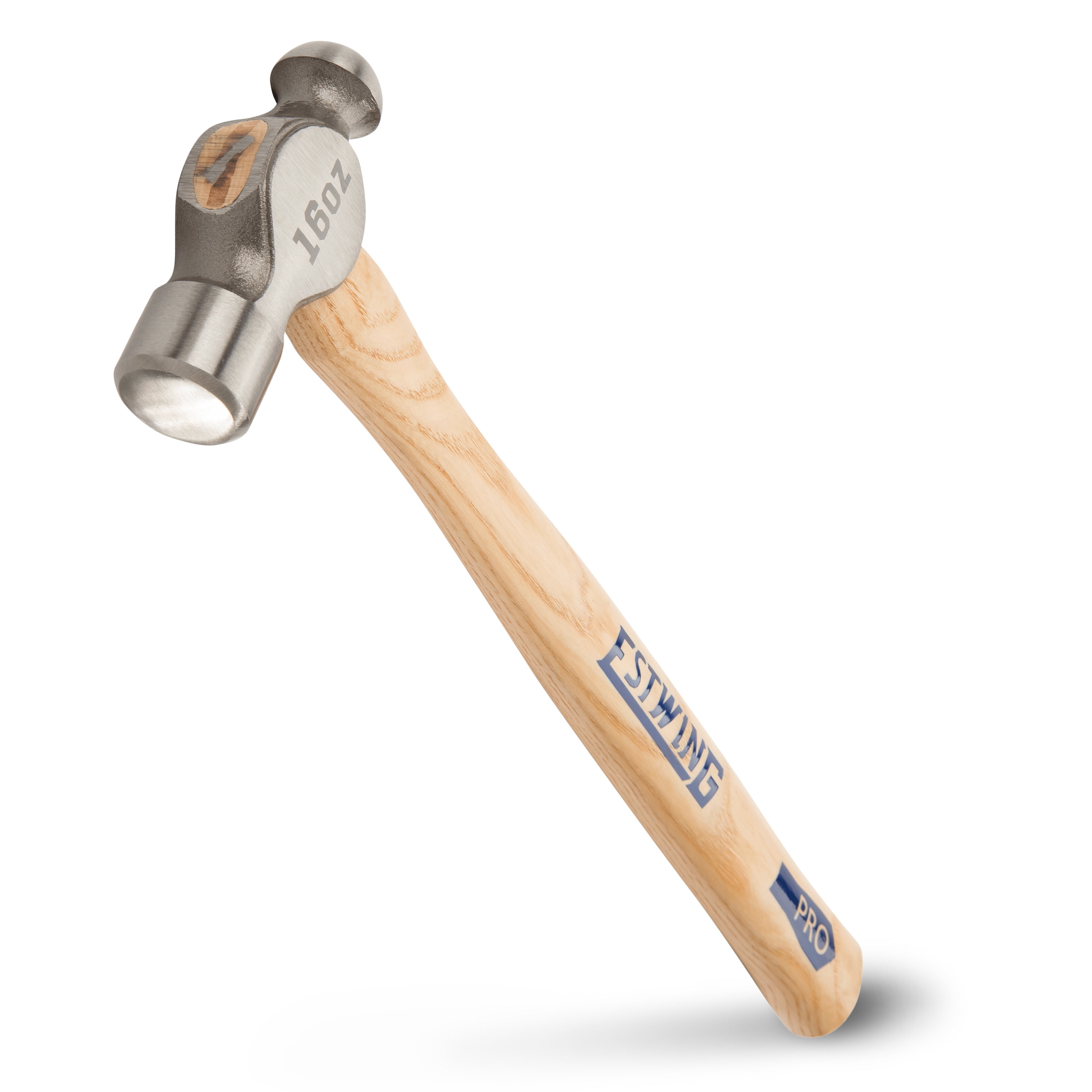
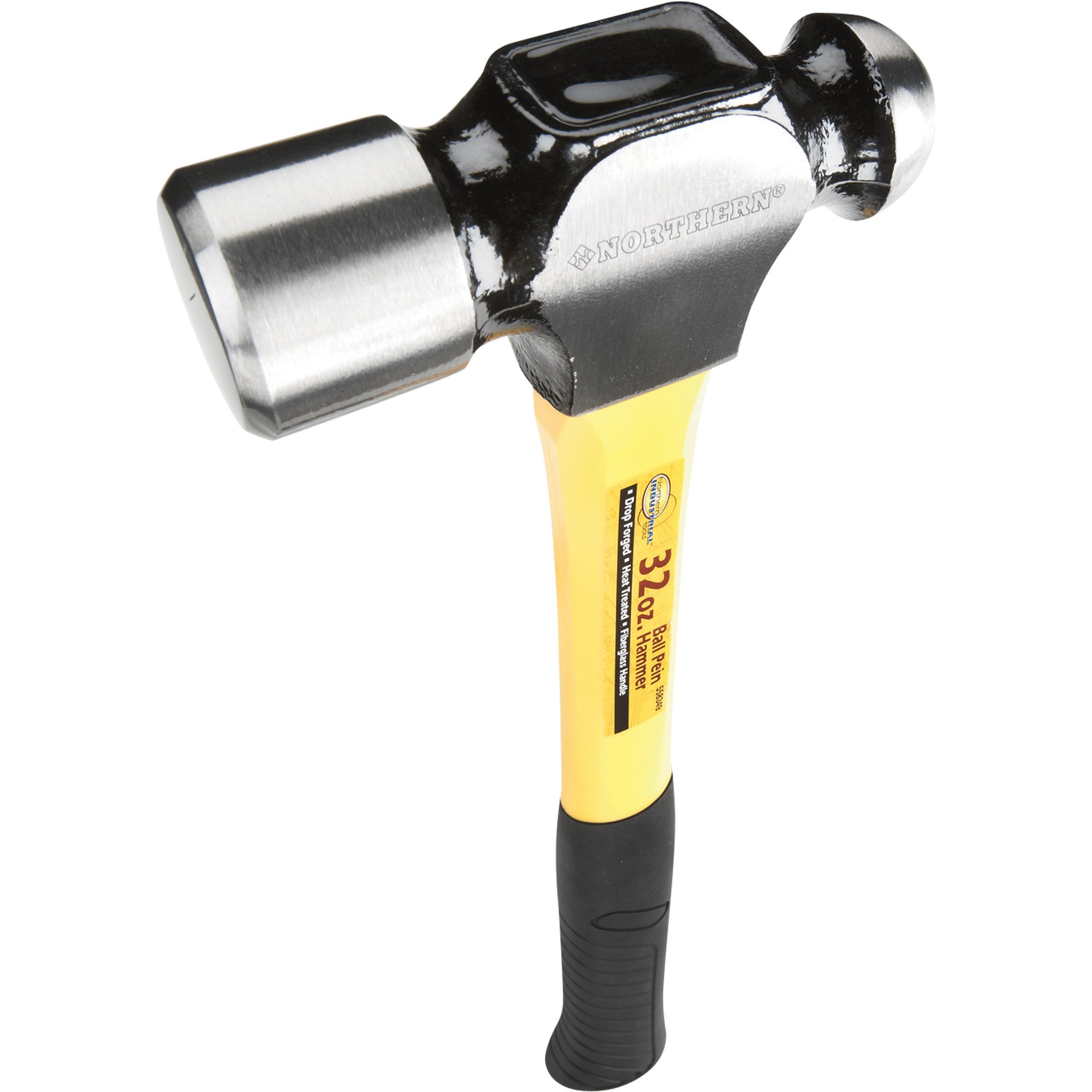
The peen of a hammer is the shaped end opposite the main striking face. It is used to shape, spread, round, or harden metal. The best-known example is the ball peen hammer, which has one flat face and one rounded, ball-shaped peen.
In the United States, mechanics, metalworkers, machinists, and home repair users often use peen hammers for jobs that need more control than a flat hammer face can provide. The peen is not meant for every task, though. Its shape helps with metalwork, but it can damage materials or create a safety risk when used the wrong way.
What does “peen” mean on a hammer?
A peen is the shaped end of a hammer head that is made for more than simple striking. It may be round, wedge-shaped, or tapered. Its form controls how force reaches the work.
The main face of a hammer spreads force over a wider area. A peen puts force into a smaller area. This helps a worker:
- Spread metal
- Shape a metal edge
- Start or finish a rivet
- Form a curve
- Move metal into a tight space
- Add a textured or work-hardened surface
The word peen can also be used as a verb. To peen metal means to strike it in a controlled way so the metal changes shape or becomes harder at the surface.
A peen is not the same as the hammer’s main face. It is also not the handle, claw, or neck. On a common ball peen hammer, the peen is the rounded end behind the flat face.
How the peen changes metal
When the peen hits metal, the force acts on a small contact area. The metal may spread away from that point. This is called plastic deformation. The metal changes shape instead of springing back to its original form.
Repeated peening can also cause work hardening. This means the surface becomes harder and less easy to bend. The result depends on the metal, its temperature, the hammer shape, and the force of each blow.
Do not assume that every metal responds in the same way. Aluminum, mild steel, stainless steel, copper, and hardened tool steel all behave differently.
What are the different types of peens?
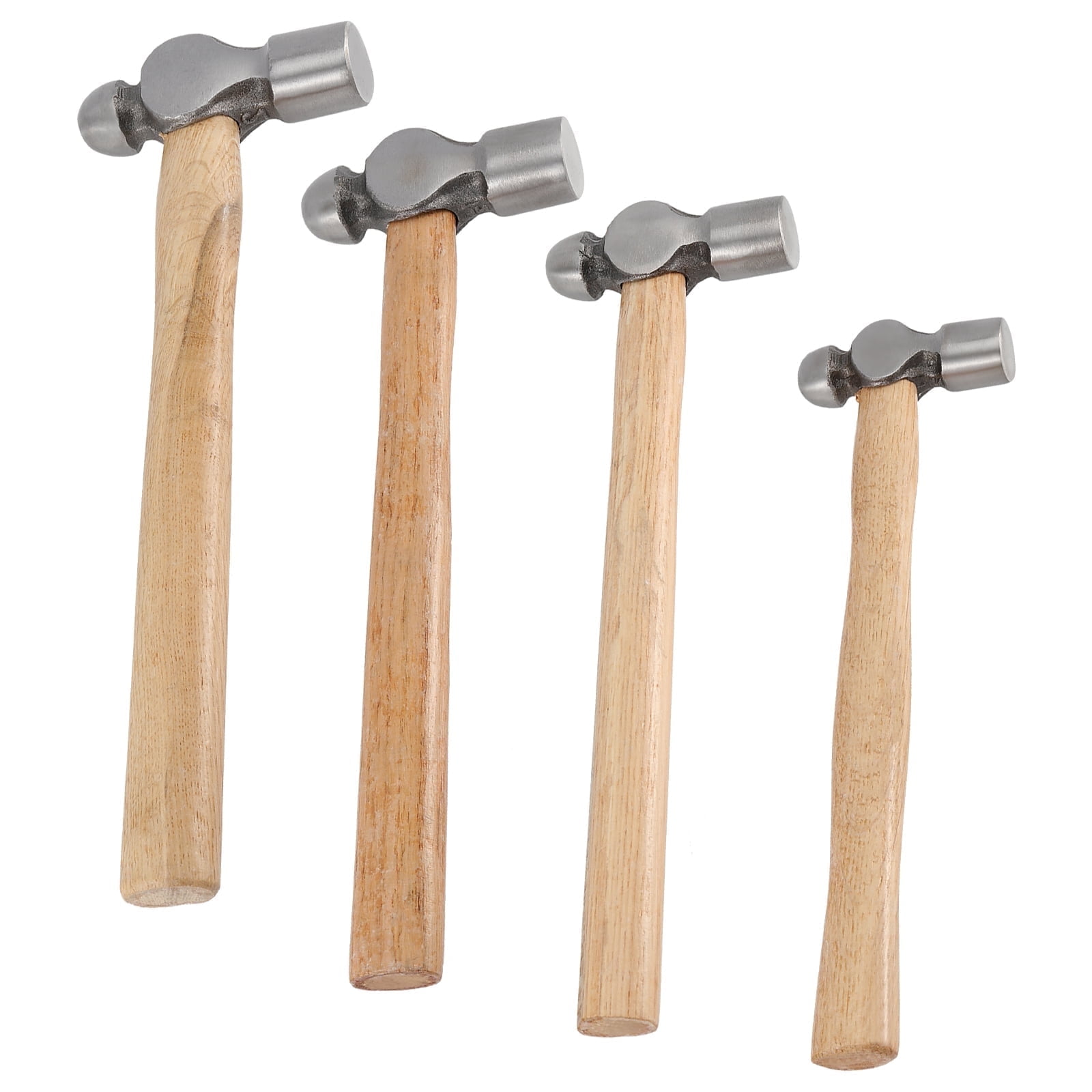
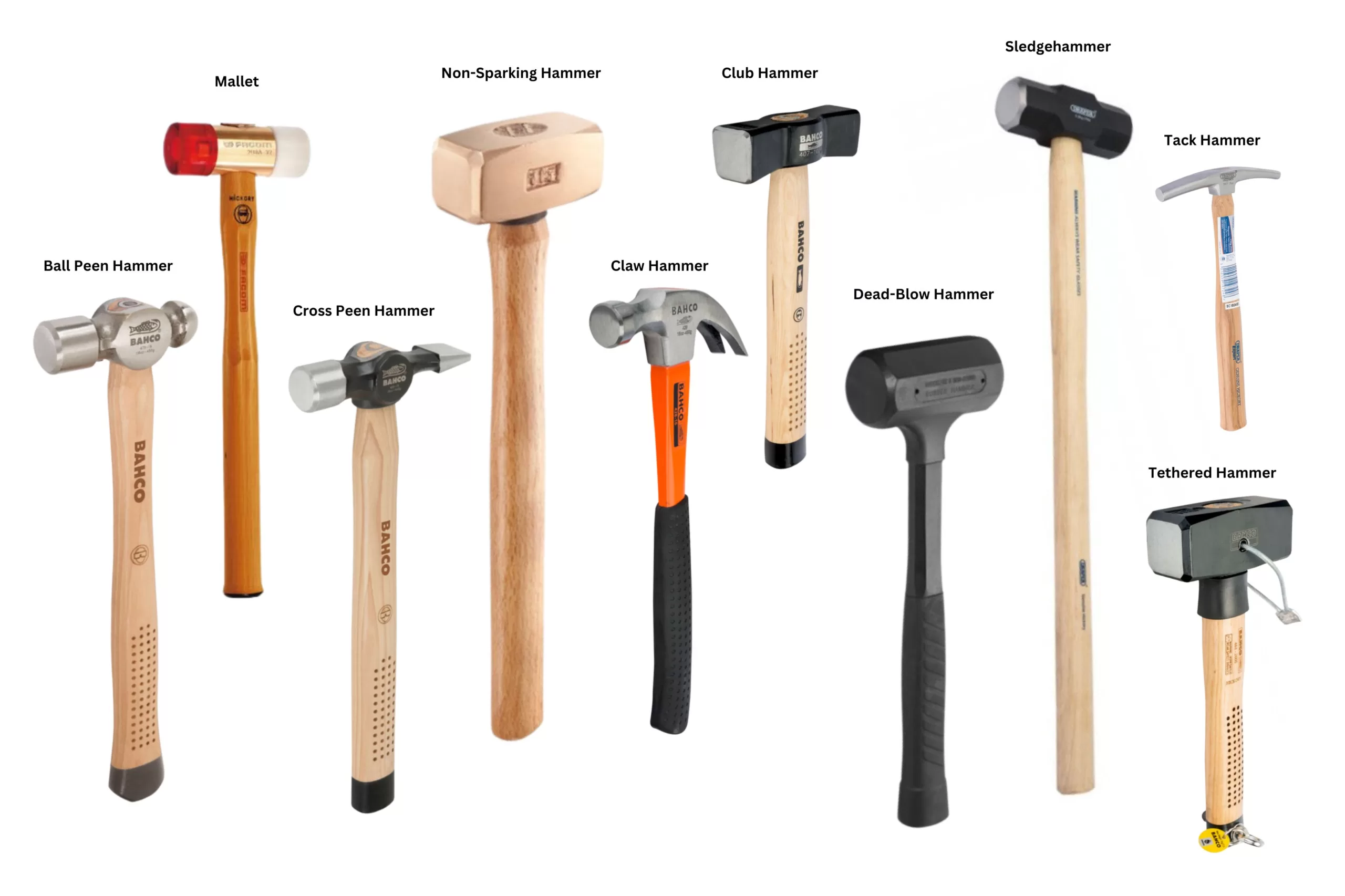
The main peen types are the ball peen, cross peen, and straight peen. Their shapes suit different forms of metalwork.
| Peen type | Shape | Common use |
|---|---|---|
| Ball peen | Rounded ball | Rivets, shaping, and general metalwork |
| Cross peen | Wedge set across the handle | Starting work in narrow areas |
| Straight peen | Wedge set in line with the handle | Drawing out or shaping metal along the handle direction |
| Point or tapered peen | Narrow, pointed, or tapered end | Specialized forming and access |
Ball peen
A ball peen hammer has a flat striking face on one end and a rounded ball on the other. The ball can spread rivet ends, shape sheet metal, and create small curves.
The ball peen is common in machine shops and automotive repair. It is also useful for general metal shaping. It is not the best choice for driving finish nails or framing nails.
Cross peen
A cross peen has a wedge-shaped end that runs across the handle. Its narrow edge can reach small spaces. It can also help start a bend or move metal in one direction.
Some cross-peen hammers are made for blacksmithing. Others are small hand hammers used for light metalwork.
Straight peen
A straight peen has a wedge-shaped end that runs in the same direction as the handle. It can help draw out metal and form a line or edge.
The names can vary by maker and trade. A hammer sold as a cross peen in one setting may have a slightly different shape from one sold under the same name elsewhere. Check the tool’s actual head shape, not just its label.

What is a peen used for?
A peen is used to shape metal, work rivets, and reach areas where a broad hammer face would not work well. The correct use depends on the peen shape and the material.
Setting rivets
A ball peen can spread the end of a rivet. The rounded end helps form the rivet head without cutting sharply into the metal.
To set a rivet by hand:
- Place the rivet through the parts being joined.
- Support the factory rivet head on a solid surface.
- Tap the exposed end with the flat hammer face.
- Use light, controlled blows to spread the end.
- Finish with the ball peen to form a rounded head.
The exact method depends on the rivet type and the workpiece. Large structural rivets may require specialized equipment and training.
Shaping sheet metal
A peen can move small amounts of metal at a time. This makes it useful for small dents, curves, flanges, and raised areas.
Use light blows and check the shape often. Heavy blows can stretch the sheet too much. Once thin metal stretches, it may be hard to return it to its original shape.
Drawing out metal
In blacksmithing, a wedge-shaped peen can lengthen and thin hot metal. This process is called drawing out.
Hot metal is easier to shape than cold metal. However, forging work has serious burn, eye, fire, and fume hazards. Use proper training, tools, ventilation, and protective equipment.
Creating a texture
A ball peen can leave a pattern of small dimples. Some metalworkers use this look for decoration. Others use peening to alter a surface or reduce sharp edges.
The result is not the same as grinding or polishing. Peening moves metal rather than removing it.

How is a peen different from a hammer face?
The hammer face is broad and usually flat. The peen is narrower or specially shaped. The face is better for general striking, while the peen gives more focused control.
A flat face can drive a nail or tap a part into place. A peen can spread a rivet or shape a small section of metal. Using the peen for a task meant for the flat face may leave dents or marks.
A carpenter’s claw hammer usually has a flat face and a claw. The claw is not a peen. It pulls nails and can sometimes help with light prying, but it is not designed for metal shaping.
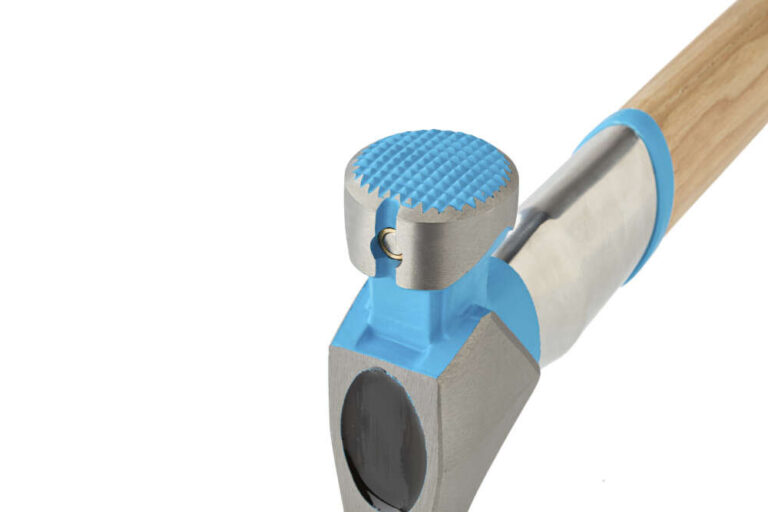
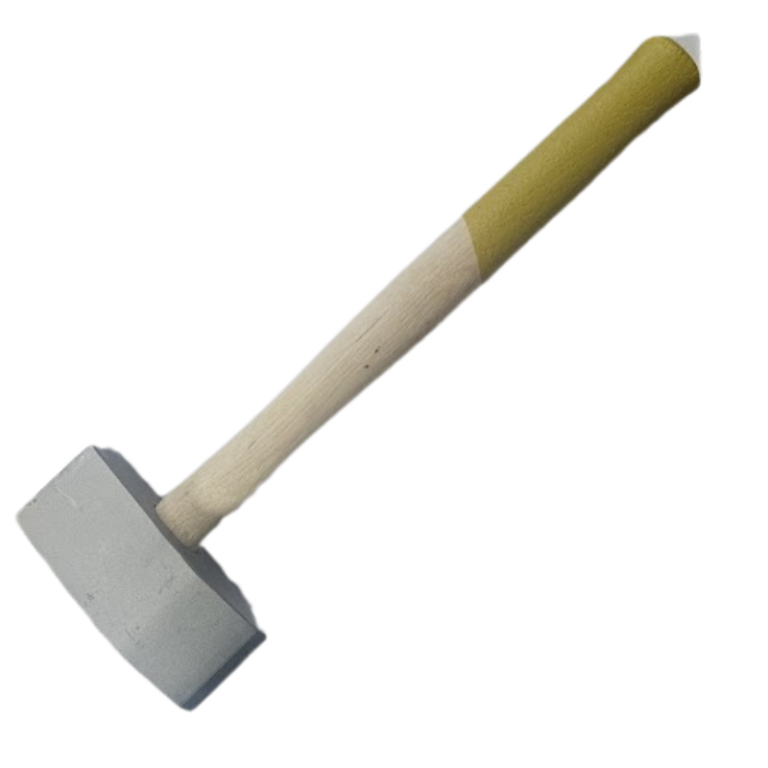
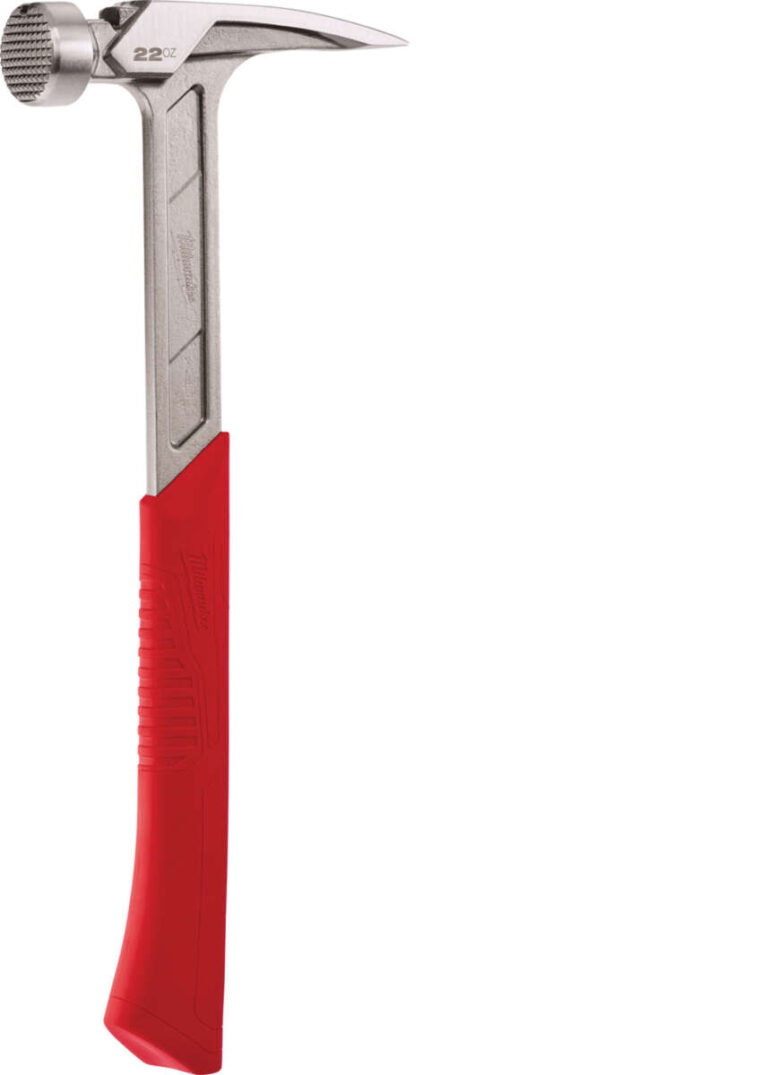
A sledgehammer may have two broad faces and no peen. A framing hammer may have a milled face for grip, but that surface is still a striking face, not a peen.
The key difference is simple: the face delivers broad impact; the peen delivers focused impact.

How do you choose the right peen hammer?
Choose a peen hammer based on the material, task, space, and amount of force needed. A small, light hammer gives better control. A larger hammer delivers more energy but can cause more damage.
Use this basic guide:
- Choose a ball peen for rivets and general metal shaping.
- Choose a cross peen for narrow spaces and controlled starting blows.
- Choose a straight peen for drawing out and shaping along the handle line.
- Choose a small hammer for thin sheet metal and delicate work.
- Choose a larger hammer only when the work safely needs more force.
- Choose a soft-faced hammer when you need to avoid marks on finished parts.
The peen should match the job. A sharp, narrow peen can mark soft metal quickly. A rounded peen spreads force more gently, but it can still dent a thin surface.
Peen shape and metal thickness
Thin sheet metal usually needs small blows and a smooth, polished peen. Thick stock can accept more force, but the hammer still needs to match the size of the work.
A simple rule helps: use the lightest hammer that can complete the task without excessive effort. This improves control and reduces the chance of a missed blow.
What safety rules apply when using a peen?
Wear eye protection, inspect the hammer, secure the work, and keep your hand away from the strike path. Peening can send off metal chips, especially when the workpiece or hammer is damaged.
Before use, check the following:
- The hammer head is tight on the handle.
- The peen has no cracks, deep chips, or severe dents.
- The striking face is not badly mushroomed.
- The handle has no cracks or loose sections.
- The workpiece rests on a stable support.
- Other people are outside the swing and chip area.
Wear safety glasses with side protection. Add face protection when the work may produce flying fragments. Gloves may help with sharp stock, but they do not replace safe hand placement or eye protection.
Do not strike a hardened steel surface with a damaged hammer. A chip can break away at high speed. Do not use a hammer as a pry bar, wedge, or substitute for a tool made for cutting or driving.
Do not hit a peen with another hammer unless the tool maker specifically allows that use. Some tools are designed for striking; others are not. Follow the tool maker’s instructions when they are available.
If the peen becomes mushroomed, cracked, or badly deformed, stop using the hammer. Do not keep grinding away material without knowing the tool’s required shape and hardness. Replace the hammer or have it checked by a qualified tool professional.
These precautions align with general hand-tool safety guidance from the Occupational Safety and Health Administration and the National Institute for Occupational Safety and Health.
Common mistakes when using a peen
The most common mistake is using the peen as if it were a normal flat hammer face. This can damage both the workpiece and the tool.
Other mistakes include:
- Using too much force too soon
- Striking at an angle instead of squarely
- Working on an unstable surface
- Using a peen with a sharp burr or crack
- Trying to repair a hardened part without knowing its hardness
- Peening thin metal without checking for stretch
- Hitting near the edge of a brittle part
- Ignoring flying chips and wearing no eye protection
Start with light blows. Watch how the metal moves. Turn or reposition the work instead of forcing the hammer into an awkward angle.
If the metal does not move, first check the material, temperature, support, and hammer size. More force is not always the answer. The wrong tool or an unsuitable metal may be the real problem.

Frequently asked questions
Is a ball peen hammer the same as a peen hammer?
Not always. A ball peen hammer is one type of peen hammer. It has a rounded ball on one end. Other peen hammers have cross-peen, straight-peen, or tapered ends.
Can you use the peen to drive nails?
You can strike a nail with it, but you generally should not. The narrow shape can slip, bend the nail, or damage the surface. Use the flat face of a nail hammer instead.
Can a peen sharpen a blade?
A peen can move and shape some metals, but it is not a normal sharpening tool. Blade sharpening usually needs a file, stone, grinder, or another tool made for that edge and material.
Why does a peen have a rounded end?
A rounded peen spreads metal outward in a controlled way. This makes it useful for forming rivets and creating smooth curves without a sharp cutting edge.
What should you do if the peen is mushroomed?
Stop using the hammer and inspect it. A badly mushroomed or cracked peen can shed chips. Replace the hammer or ask a qualified tool professional whether it can be safely repaired.
Conclusion
The peen of a hammer is the shaped end used for focused metalwork. It may be round, cross-shaped, straight, or tapered. Its main jobs include spreading rivets, shaping metal, drawing out hot stock, and reaching small areas.
For general use, match the peen to the material and task. Use light, controlled blows, support the work well, wear eye protection, and remove any hammer with cracks or severe damage from service.
Recent Tool Guides
 Hammer
How To Hammer Flowers Onto Paper: Easy Guide
Learn how to hammer flowers onto paper with simple steps, helpful tips, and beautiful results for...
Read Guide → Wrench
How To Use A Hex Wrench: Easy Step-By-Step Guide
Learn how to use a hex wrench correctly with simple steps, helpful tips, and common mistakes...
Read Guide → Hacksaw
How To Cut Curtain Pole With Hacksaw: Easy Guide
Learn how to cut curtain pole with hacksaw safely and neatly. Follow simple steps for accurate...
Read Guide → Wrench
How To Use A Husky Torque Wrench: Easy Guide
Learn how to use a Husky torque wrench correctly with simple steps, torque settings, and safety...
Read Guide → Hammer
How To Hold A Hammer: Safe Grip Guide
Learn how to hold a hammer with the right grip, stance, and technique for safer, more...
Read Guide → Hacksaw
How To Cut Flexible Metal Conduit With Hacksaw: Easy Guide
Learn how to cut flexible metal conduit with hacksaw safely and cleanly. Follow simple steps for...
Read Guide →