What Does A Ball Peen Hammer Look Like: Visual Guide
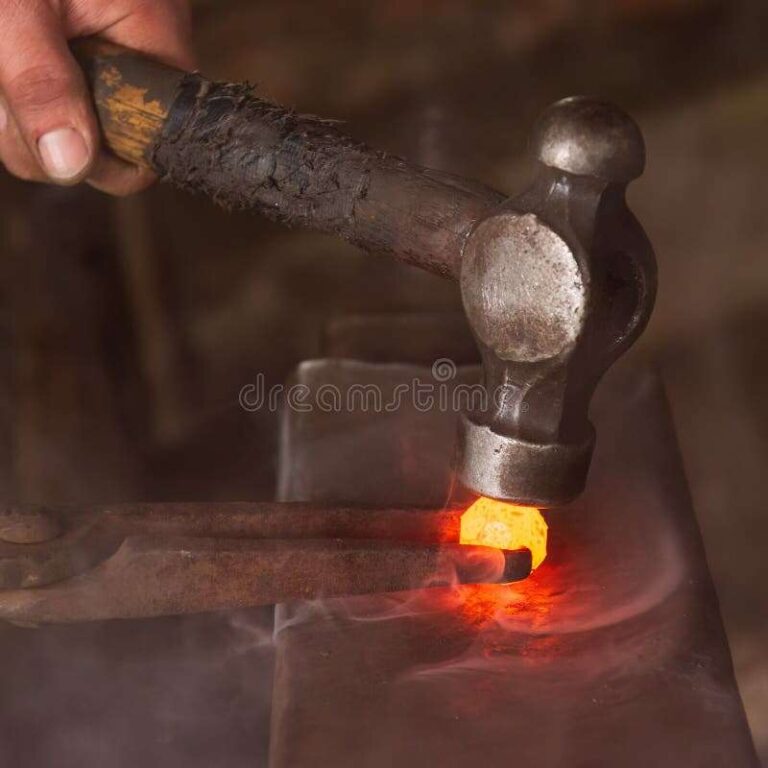
In the United States, a ball peen hammer is a small hand tool with a metal head and a handle. One end of the head is flat. The other end is shaped like a rounded ball. That round end gives the tool its name.
The flat face drives small nails, pins, and punches. The ball-shaped end helps shape metal, spread rivets, and make small dents or curves in soft metal. Most ball peen hammers have a steel head and a wood, fiberglass, or composite handle.
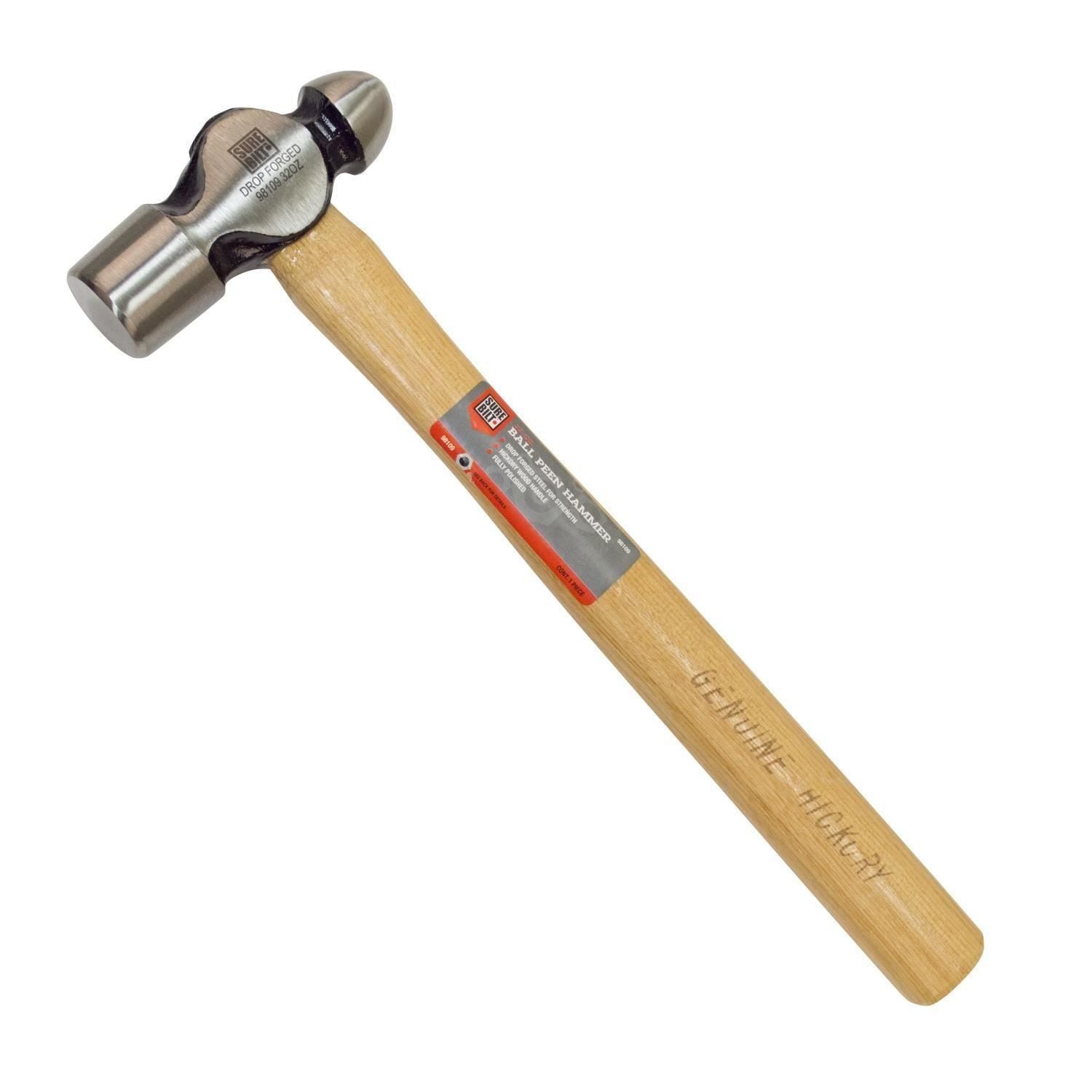
What a Ball Peen Hammer Looks Like
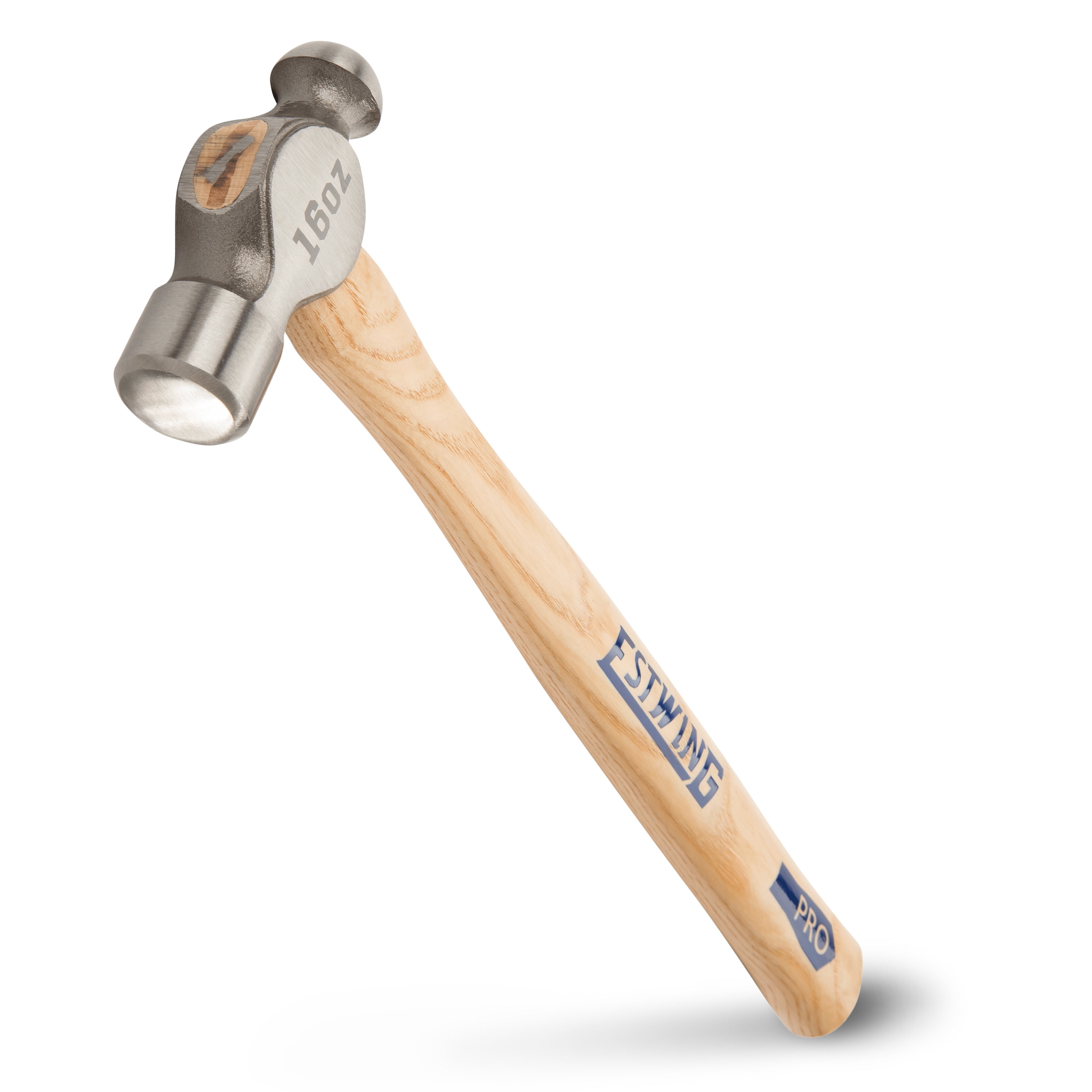
A ball peen hammer looks like a regular hammer at first glance, but its back end is round instead of flat or claw-shaped.
Its main features are:
- A flat striking face on one end
- A rounded ball-shaped peen on the other end
- A narrow metal eye between the two ends
- A handle that runs through the head
- A compact size made for controlled strikes
The hammer head is usually made from forged steel. The striking face often has a slightly curved surface rather than a perfectly flat one. This shape helps reduce sharp edge marks when the hammer hits a small part.
The ball peen end is smooth and rounded. It is not a cutting blade. It is used to move and shape metal through repeated, controlled blows.
A typical ball peen hammer may look like this:
[ Flat striking face ]====[ Steel head ]====( Round ball )
                                |
                              Handle
The ball is usually smaller than the flat face. On a standard hammer, the two ends line up along one central axis. This gives the tool balance and helps the user aim each blow.

The Main Parts of a Ball Peen Hammer
A ball peen hammer has four main parts: the face, peen, eye, and handle.
Flat face
The flat face is the end used for striking. It is often round and slightly crowned. This face can drive small fasteners and strike punches or chisels that are suitable for hammer use.
A crowned face is safer for general metalwork than a face with sharp outer edges. The curve helps keep the edge of the hammer from digging into the work.
Ball peen
The ball peen is the rounded end. It is used to:
- Spread the end of a rivet
- Shape thin metal
- Make small dimples
- Form curves in sheet metal
- Work metal around a joint
The ball does not have a sharp point. It creates a smaller contact area than the flat face, so the force is focused on a smaller spot.
Eye
The eye is the opening in the steel head where the handle fits. You may not see it when the hammer is assembled, but it is important to the tool’s safety.
A loose head can slip, fly off, or strike the user or another person. The head should stay firmly attached during normal use.
Handle
The handle may be made from:
- Hickory or another hardwood
- Fiberglass
- Reinforced composite material
- Steel, in some specialty designs
Wood handles can absorb some vibration and are easy to replace. Fiberglass handles often resist splitting and can include a grip made from rubber or another soft material.
The handle should be straight, secure, and free from major cracks, deep cuts, or loose sections.
How a Ball Peen Hammer Differs From Other Hammers
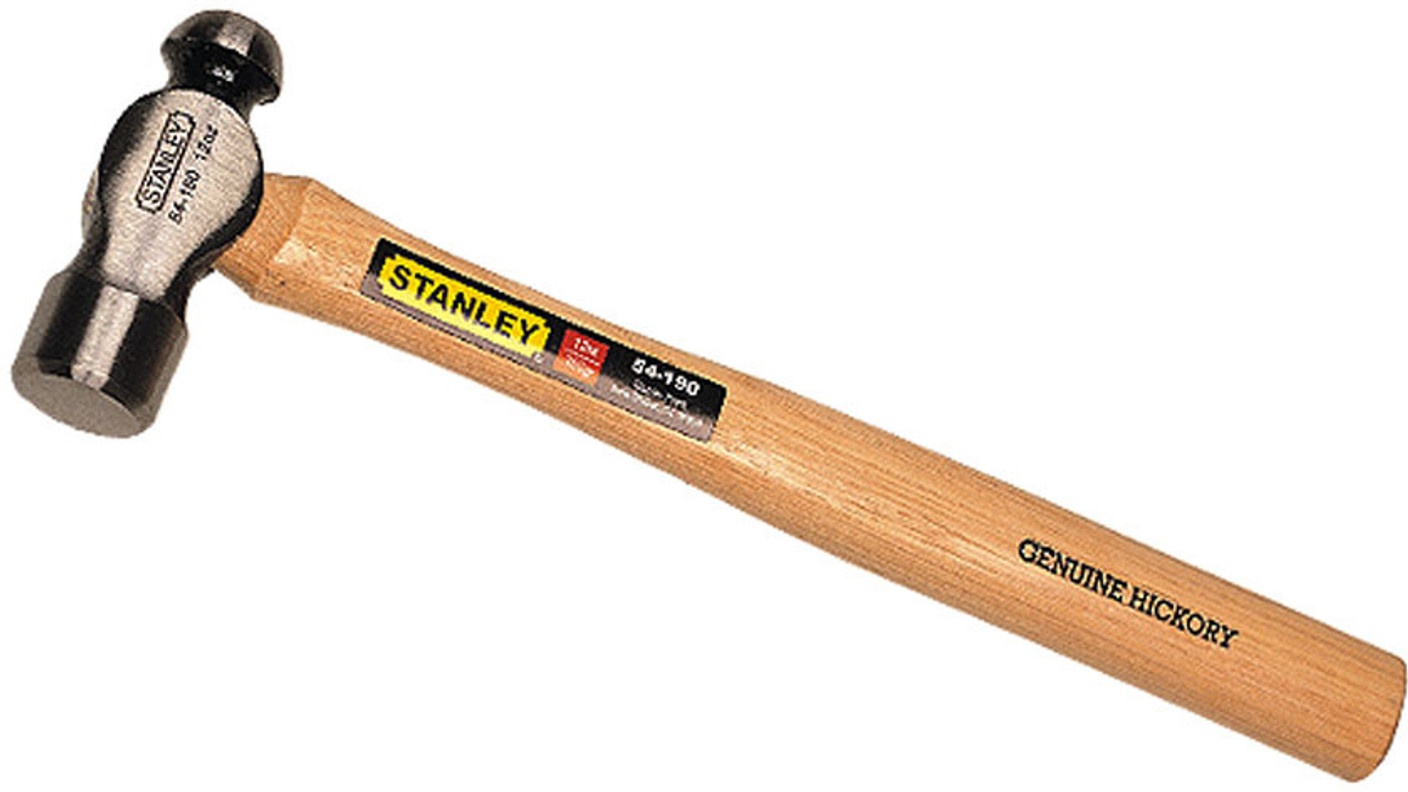
The shape of the back end is the quickest way to tell a ball peen hammer from other common hammers.
| Hammer type | Back end | Common use |
|---|---|---|
| Ball peen hammer | Round ball | Metal shaping and riveting |
| Claw hammer | Curved split claw | Driving and removing nails |
| Cross peen hammer | Narrow wedge | Starting small nails and shaping metal |
| Sledgehammer | Large flat face | Heavy demolition or driving work |
| Dead blow hammer | Soft or filled head | Reducing bounce and surface damage |
| Tack hammer | Small face, often magnetized | Light upholstery and tack work |
A ball peen hammer is not the same as a claw hammer. A claw hammer is made mainly for nails and often has a claw for pulling them out. A ball peen hammer has no nail-pulling claw.
It is also different from a cross peen hammer. A cross peen has a wedge-shaped end. A ball peen has a rounded end.
The rounded end makes a ball peen useful for moving metal without leaving the long, narrow mark that a wedge-shaped peen may create.

What Is the Ball-Shaped End Used For?
The ball-shaped end is mainly used for metalwork. It can spread metal, form curves, and enlarge the end of a rivet.
For example, when a rivet passes through two pieces of metal, the ball peen can help flatten and spread the exposed end. This creates a wider head that helps hold the pieces together.
The ball end is also useful for light shaping work. A user can strike around the edge of a metal part to bend or form it. This takes practice because a hard blow can leave a deep mark or deform the part too much.
Do not use the ball peen as if it were a precision forming tool for every metal. The correct hammer depends on the metal, its thickness, the desired finish, and the support beneath the work.
A steel workbench can also affect the result. Hard surfaces can leave marks on the metal. A softer support, such as a suitable forming block, may help protect the workpiece.

Common Ball Peen Hammer Sizes
Ball peen hammers are sold by head weight. Common sizes include 4, 8, 12, and 16 ounces. Larger models are also available for heavier metalwork.
The best size depends on the work:
| Approximate head weight | Typical fit |
|---|---|
| 4 ounces | Small parts and light bench work |
| 8 ounces | General light metalwork |
| 12 ounces | More force for shop tasks |
| 16 ounces | Heavier shaping and riveting |
These are general examples, not fixed rules. A heavier head can deliver more force, but it may be harder to control. A lighter hammer gives better control for small parts but may require more blows.
For delicate work, start with the lightest hammer that can complete the task. This reduces the chance of overstriking the part.

How to Identify a Ball Peen Hammer at a Glance
Use this quick check:
- Look for a flat striking face.
- Check the opposite end of the head.
- If that end is a smooth ball, it is a ball peen hammer.
- If it is a wedge, it is likely a cross peen hammer.
- If it has a claw, it is a claw hammer.
- Check the handle and head for damage before use.
A ball peen hammer may have markings on the head that show its weight or maker. Those markings can help identify the tool, but the shape is the main clue.
Some hammers have a polished ball. Others have a darker, forged finish. Color alone does not identify the tool.

Ball Peen Hammer Safety
Use eye protection whenever you strike metal. Small chips can break away from the workpiece, hammer face, punch, or rivet.
The Occupational Safety and Health Administration requires hand tools to be maintained in safe condition in covered workplaces. OSHA’s general hand-tool rule appears in 29 CFR 1910.242(a). Employers may also have more specific rules for a shop or worksite.
Before use:
- Inspect the head for cracks, deep chips, or severe mushrooming.
- Check that the head is tight on the handle.
- Replace a split, badly worn, or loose handle.
- Keep bystanders away from the striking area.
- Use the hammer only on work that can safely absorb the blow.
- Wear safety glasses with side protection.
- Keep your fingers away from the impact point.
Do not strike a hardened steel surface unless the tool and procedure are designed for that use. Hard materials can chip and send fragments into the air. Do not use a damaged hammer, and do not strike the hammer with another hammer unless the manufacturer specifically allows that method.
Hold the handle near its end for a stronger swing. Hold it closer to the head when you need more control for light work. Let the hammer do the work rather than using excessive force.
What to Look for When Choosing One
Choose a ball peen hammer based on the work, head weight, handle, and condition.
For small repairs and light bench work, an 8-ounce model may be easier to control than a larger hammer. For larger rivets or thicker metal, a 12- or 16-ounce model may provide more useful force.
Look for:
- A securely fitted head
- A smooth, undamaged striking face
- A round, even peen
- A straight handle
- A grip that does not slip easily
- Clear weight markings
- A design suited to your work
The ball should be evenly formed. A badly damaged or uneven peen may mark the work in unexpected ways.
A hammer with a fiberglass handle is not automatically safer than one with a wood handle. Safe use depends on the complete tool, its condition, the task, and the user’s technique.

Common Mistakes to Avoid
The most common mistake is using the ball peen on a surface that is too hard or too brittle. This can damage the hammer or produce flying chips.
Other mistakes include:
- Using a ball peen to pull nails
- Hitting a punch with a damaged hammer face
- Choosing a heavy hammer for delicate work
- Striking without eye protection
- Ignoring a loose head
- Using the rounded peen when a flat face is needed
- Hitting too hard and deforming the workpiece
A ball peen hammer is not a universal replacement for every hammer. Its shape gives it a special role in metalwork. Match the hammer to the material and task.
Frequently Asked Questions
Is a ball peen hammer the same as a machinist hammer?
In the United States, the terms are often used for similar hammers. A machinist’s hammer commonly has one flat face and one ball peen. The exact name may vary by manufacturer and tool catalog.
Can you use a ball peen hammer on wood?
You can use it for some rough tasks, but it is not the best choice for most woodworking. The steel face can dent wood, and the ball end can leave deep marks. A woodworking mallet or finish hammer is usually better for wood.
Why is it called a ball peen hammer?
It is called a ball peen hammer because one end of the head is shaped like a ball. “Peen” refers to the end of a hammer used to shape or spread metal.
What is the difference between a ball peen and a round-face hammer?
A ball peen has a ball-shaped end on the back of the head. A round-face hammer may have a rounded striking face but may not have a ball peen. The names can vary, so inspect both ends of the head.
Can a ball peen hammer be used on a punch?
Yes, a ball peen hammer is often used with suitable punches. Keep the punch aligned, wear eye protection, and stop using it if the punch head begins to mushroom or chip.
Conclusion
A ball peen hammer has a flat steel striking face on one end and a smooth, rounded ball on the other. Its handle is usually made from wood, fiberglass, or composite material.
The flat face handles ordinary striking. The ball-shaped peen helps shape metal and spread rivets. To identify one, look for that clear combination: flat face plus rounded ball.
Before using it, inspect the head, handle, and workpiece. Wear eye protection and choose a hammer weight that gives you control.
Recent Tool Guides
 Hammer
How To Hammer Flowers Onto Paper: Easy Guide
Learn how to hammer flowers onto paper with simple steps, helpful tips, and beautiful results for...
Read Guide → Wrench
How To Use A Hex Wrench: Easy Step-By-Step Guide
Learn how to use a hex wrench correctly with simple steps, helpful tips, and common mistakes...
Read Guide → Hacksaw
How To Cut Curtain Pole With Hacksaw: Easy Guide
Learn how to cut curtain pole with hacksaw safely and neatly. Follow simple steps for accurate...
Read Guide → Wrench
How To Use A Husky Torque Wrench: Easy Guide
Learn how to use a Husky torque wrench correctly with simple steps, torque settings, and safety...
Read Guide → Hammer
How To Hold A Hammer: Safe Grip Guide
Learn how to hold a hammer with the right grip, stance, and technique for safer, more...
Read Guide → Hacksaw
How To Cut Flexible Metal Conduit With Hacksaw: Easy Guide
Learn how to cut flexible metal conduit with hacksaw safely and cleanly. Follow simple steps for...
Read Guide →