What Hacksaw Blade For Aluminum: Best Blade Guide
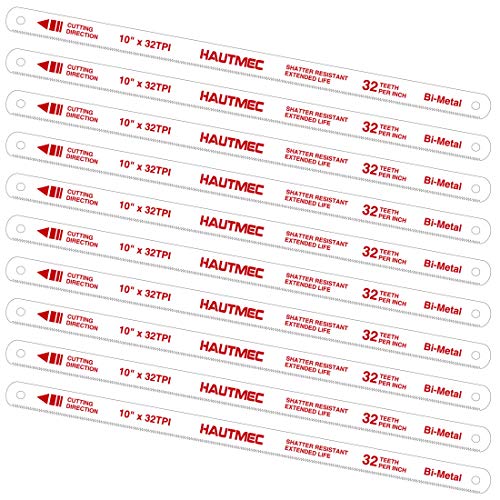
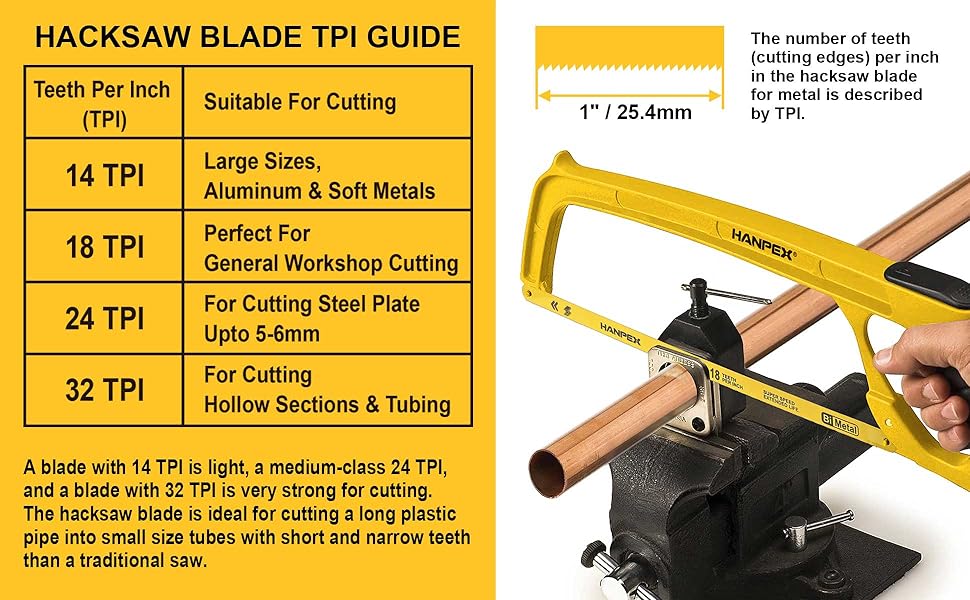
For most aluminum cutting jobs in the United States, use a bi-metal hacksaw blade with 18 to 24 teeth per inch (TPI). Choose 18 TPI for thicker aluminum, 24 TPI for general work, and 32 TPI for thin sheet, tubing, or small parts.
Use light pressure, keep the blade straight, and apply a small amount of cutting lubricant. Aluminum is soft, but it can clog a blade when the teeth are too fine, the cut is too slow, or the blade gets hot.

The best hacksaw blade for aluminum
The best all-purpose choice is a 12-inch bi-metal blade rated at 24 TPI. This size fits most standard hacksaw frames sold in the U.S. and gives a useful balance between cutting speed and control.
Choose the blade by the thickness of the aluminum:
| Aluminum thickness | Recommended blade | Best use |
|---|---|---|
| Less than 1/8 inch | 32 TPI | Thin sheet, narrow tubing, small parts |
| 1/8 to 1/2 inch | 24 TPI | General repairs and fabrication |
| More than 1/2 inch | 18 TPI | Thick bar, plate, and heavy tubing |
| Very thick stock | 14 to 18 TPI | Large cuts where chip clearance matters |
These ranges are practical starting points, not strict rules. The key is to keep at least three teeth engaged in the material during the cut. If too few teeth touch the work, the blade may catch and chip. If too many teeth touch it, the gullets can fill with aluminum chips.
Why bi-metal is usually the right choice
A bi-metal blade combines two types of steel:
- A flexible alloy-steel backing
- Hardened high-speed steel teeth
This construction lets the blade bend slightly without breaking while keeping teeth that resist wear. It is usually a better choice than a basic carbon-steel blade for aluminum, especially when you expect to make several cuts.
A carbon-steel blade can work for a single light cut. However, it often dulls sooner and is less tolerant of twisting or excess pressure.
What tooth pattern should you choose?
A standard, evenly spaced tooth pattern works well for most aluminum. A variable-pitch blade can also reduce vibration and help prevent tooth grabbing, especially when cutting aluminum tubing or irregular shapes.
For hand hacksaws, look for:
- 18 TPI for thick, solid aluminum
- 24 TPI for common cuts
- 32 TPI for thin aluminum
- Bi-metal construction for longer blade life
- A blade length that fits your frame, often 12 inches in the U.S.
Avoid choosing a blade only because it has the highest TPI. More teeth do not always mean a faster or cleaner cut.

How to choose TPI for aluminum
Choose TPI according to the thickness of the material, not just its overall size. A thin aluminum wall needs a fine blade because a coarse blade can snag the edge. A thick aluminum bar needs larger gullets so chips can leave the cut.
Use 18 TPI for thick aluminum
An 18 TPI blade is a strong choice for:
- Aluminum bar stock
- Thick angle
- Heavy-wall tubing
- Thick plate
- Large structural pieces
The wider spaces between the teeth help clear chips. This lowers the chance of aluminum packing between the teeth.
Use steady pressure, but do not force the blade. A coarse blade can remove material quickly when it stays cool and clear.
Use 24 TPI for general-purpose work
A 24 TPI blade is the best starting point if you are unsure which blade to buy. It works well on many common materials, such as:
- Aluminum flat bar
- Small angle stock
- Medium-wall tube
- Extrusions
- Brackets and hardware
For many home, garage, and light fabrication jobs, a 24 TPI bi-metal blade offers the most useful balance of speed and finish.
Use 32 TPI for thin aluminum
Use a 32 TPI blade for thin stock, including:
- Sheet aluminum
- Thin-wall tubing
- Small conduit-like sections
- Narrow strips
- Small precision parts
A fine blade keeps more teeth in contact with the metal. This helps prevent the teeth from grabbing and bending the material.
There is a limit, though. A very fine blade can clog more easily in soft aluminum. Clear the teeth often and use light pressure.
A simple TPI calculation
A helpful rule is to keep three or more teeth in the cut.
For example, suppose an aluminum tube wall is 1/8 inch thick. A 24 TPI blade has one tooth about every 0.042 inch. Several teeth will contact the wall at once, which helps control the cut.
This is only a guide. Tubing, angle, and channels do not behave like solid bar because the blade may pass through empty space. When cutting hollow material, select a blade that gives several teeth across the thinnest wall.

How to cut aluminum with a hacksaw
A good blade will still cut poorly if the work moves or the blade is loose. Set up the cut before you start.
What you need
Gather:
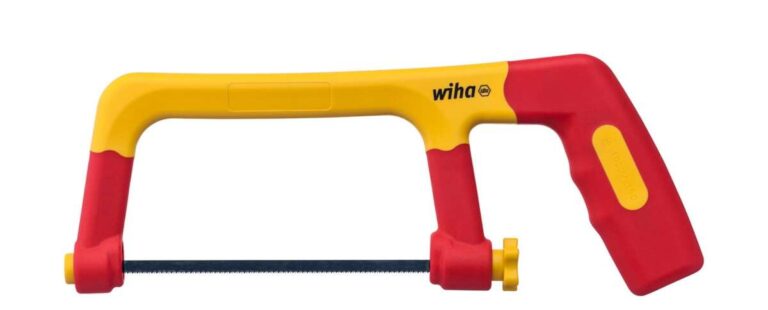
- A hacksaw with a sound frame
- An 18, 24, or 32 TPI bi-metal blade
- A vise or firm clamp
- A marker or scribe
- A file or deburring tool
- Eye protection
- Light cutting oil or wax made for metal cutting
- A brush for removing chips
Do not hold the aluminum in your hand while cutting. Small pieces can move without warning, and the blade can slip toward your fingers.
Step 1: Mark the cut
Mark the line with a fine marker, scribe, or layout dye. If the cut must be accurate, mark all visible sides of the piece.
For a square cut, wrap a strip of paper around round tubing. Align the paper edges, then trace the edge as a guide. Check the line before cutting.
Step 2: Clamp the aluminum
Secure the work in a vise. Place the jaws close to the cut, but do not cover the cut line.
Use soft jaw covers or thin pieces of wood if the aluminum surface must remain clean. Do not crush thin tubing with excessive vise pressure.
Support long stock so it does not vibrate or drop as the cut finishes.
Step 3: Install the blade correctly
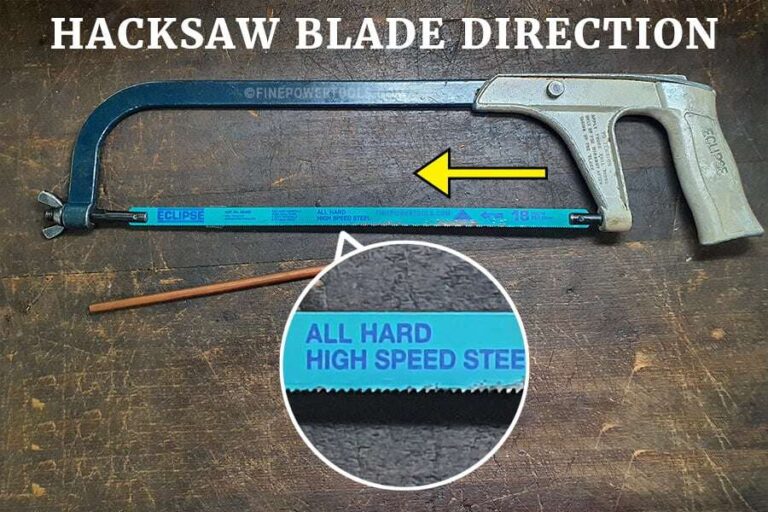
Most hacksaw blades have teeth that point away from the handle. This means the saw cuts on the forward stroke.
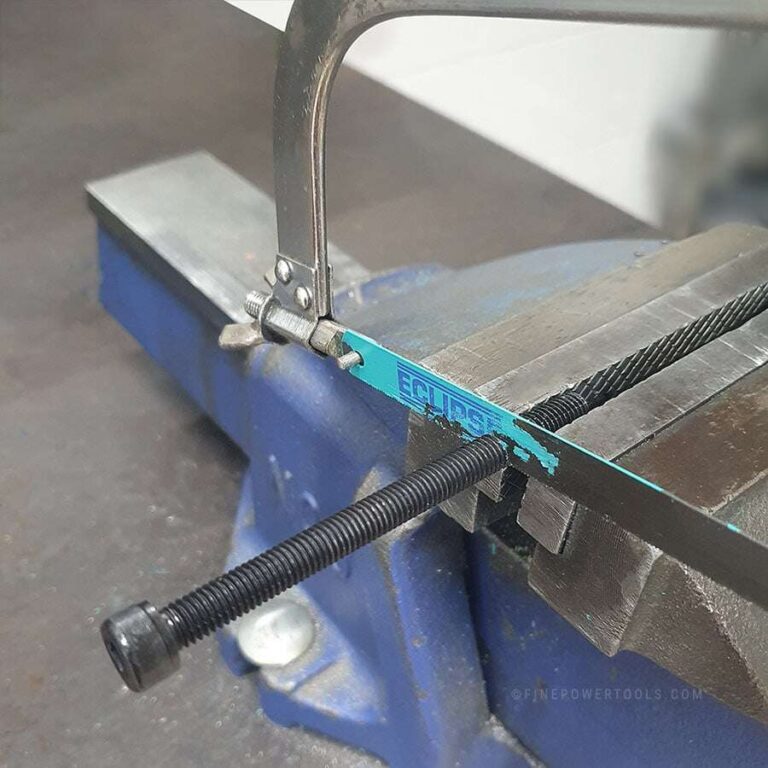
Tighten the blade until it is firm and straight. It should not bow or twist when you press it lightly with a finger. Do not overtighten a lightweight frame, because excess tension can damage the frame or blade.
Step 4: Start with short strokes
Place the blade on the waste side of the line. Start with short, slow strokes to create a shallow groove.
Once the groove guides the blade, use longer strokes. Try to use most of the blade length. Long strokes spread wear across more teeth and reduce heat in one small area.
Step 5: Use light, steady pressure
Press during the forward cutting stroke. Reduce pressure as you pull the blade back.
Let the teeth cut the aluminum. Heavy force can:
- Bend the blade
- Strip or break teeth
- Widen the cut
- Make the aluminum grab
- Create a rough edge
If the blade squeals, skips, or polishes the metal instead of producing chips, stop and inspect the setup.
Step 6: Use lubricant when needed
A small amount of cutting fluid can reduce friction and help chips leave the teeth. For occasional hand work, a light metal-cutting oil or suitable cutting wax may help.
Apply only a thin film. Too much oil can make the handle slippery and collect chips.
Do not use a lubricant unless it is suitable for the material and your work area. Follow the product label and keep fluids away from sparks, flames, and hot surfaces.
Step 7: Finish the cut carefully
Support the waste piece near the end of the cut. As the remaining metal becomes thin, reduce pressure and shorten the stroke.
This prevents the piece from snapping and tearing the final edge.
After the cut, remove sharp burrs with a fine file. Aluminum burrs can be sharp enough to cut skin.

How to stop aluminum from clogging a hacksaw blade
Aluminum clogs a blade when soft chips stick between the teeth. This is sometimes called loading. A loaded blade cuts slowly and may rub instead of cut.
Use these fixes in order:
- Stop cutting and inspect the teeth. Remove packed chips with a stiff brush. Do not wipe chips away with your bare hand.
- Check the TPI. A blade that is too fine may fill quickly. Try 18 or 24 TPI for thicker material.
- Reduce pressure. Heavy pressure can flatten chips into the gullets.
- Improve the stroke. Use longer strokes and keep the blade moving straight.
- Add a small amount of cutting lubricant.
- Replace a dull blade. Dull teeth create heat and friction, which increases loading.
A blade that looks shiny on the sides but has rounded or missing teeth is near the end of its useful life.
Should you use a wood blade for aluminum?
No. A wood-cutting blade is not the right tool for a hand hacksaw because its tooth shape and spacing are designed for wood fibers, not metal chips.
A hacksaw blade made for metal is safer and more predictable. For powered tools, use a blade specifically marked for nonferrous metals, such as aluminum. Do not assume that any blade labeled “metal” is suitable for every tool or material.
Can you use a stainless-steel blade on aluminum?
Yes, a high-quality bi-metal blade may be labeled for stainless steel and still cut aluminum. However, the blade must have a suitable TPI and tooth shape.
A blade designed mainly for thick stainless steel may cut more slowly than needed. For aluminum, chip clearance and proper tooth spacing often matter more than maximum tooth hardness.
Is a carbide-grit blade useful for aluminum?
Carbide-grit blades can cut some nonferrous materials, but they are not usually the first choice for a standard hand hacksaw. They may be useful for special materials or abrasive composites, but a normal bi-metal blade is simpler and more widely available for ordinary aluminum stock.

Hacksaw blade mistakes to avoid
Most poor cuts come from a mismatch between the blade, the material, and the technique.
Choosing too many teeth
A very fine blade may seem like the best way to get a smooth edge. On thick aluminum, however, its small gullets can fill with chips.
The result is heat, slow cutting, and blade loading. Use a coarser blade when the material is thick.
Choosing too few teeth
A coarse blade on thin sheet can catch the edge. It may bend the sheet, break teeth, or produce a jagged cut.
Move to 24 or 32 TPI when the wall or sheet is thin.
Cutting with a loose blade
A loose blade can wander and twist. It also makes the cut wider than expected.
Tension the blade before cutting and check it again if the frame begins to flex.
Twisting at the end of the cut
Do not turn the hacksaw to widen the cut. This side-loads the teeth and can snap the blade.
If the cut is off line, stop and correct the blade path. Do not force the frame sideways.
Ignoring workpiece movement
A moving workpiece wastes effort and can cause a sudden blade slip. Clamp the aluminum near the cut and support long pieces.
Cutting without eye protection
Aluminum chips and broken teeth can travel toward the face. Wear safety glasses with side protection. Use hearing protection if you are also working near powered tools.
Wash your hands after cutting, especially before eating or touching your face. Clean the work area with a brush or vacuum approved for the debris. Do not blow chips into the air with compressed air.
Best hacksaw blade choice by aluminum project
Use this quick guide when the material and task are known:
- Aluminum sheet: 32 TPI
- Thin aluminum tube: 24 to 32 TPI
- Aluminum angle: 18 to 24 TPI
- Aluminum flat bar: 18 to 24 TPI
- Thick aluminum plate: 14 to 18 TPI
- Small aluminum hardware: 24 to 32 TPI
- Unknown general-purpose job: 24 TPI bi-metal
If the cut feels slow but the teeth are clear, you may need a coarser blade. If the blade catches the edge or leaves a rough, torn cut, you may need a finer blade or a more secure setup.
Hand hacksaw versus powered saw
A hand hacksaw is useful for short cuts, repair work, and situations where control matters more than speed. It creates little heat when used correctly and does not require a power source.
For repeated cuts, a powered tool may be more efficient. Use only a blade approved for the tool and aluminum. Follow the tool maker’s guard, speed, clamping, and personal protection instructions.
Do not use a standard abrasive cut-off wheel on aluminum unless the wheel maker specifically permits it. Aluminum can load some abrasive wheels and create hazardous operating conditions.
Key takeaways
- Start with a 24 TPI bi-metal hacksaw blade for general aluminum work.
- Use 18 TPI for thick stock and 32 TPI for thin sheet or tubing.
- Keep at least three teeth engaged in the cut.
- Clamp the work, use light pressure, and keep the blade straight.
- Clean loaded teeth and replace blades that are dull, damaged, or missing teeth.
Frequently asked questions
What is the best TPI for cutting aluminum?
For most jobs, 24 TPI is the best starting point. Use 18 TPI for thick aluminum and 32 TPI for thin sheet or thin-wall tubing.
Do I need cutting oil when sawing aluminum?
Not always. A clean, sharp blade can cut dry aluminum. A small amount of suitable cutting lubricant can reduce friction and help prevent chip loading, especially during long cuts.
Should hacksaw teeth face forward or backward?
On a standard hacksaw, the teeth usually face forward, away from the handle. The saw cuts on the forward stroke.
Why does my hacksaw blade keep clogging with aluminum?
The blade may be too fine, dull, dirty, or forced too hard. Stop, brush out the teeth, reduce pressure, and try a blade with larger tooth spacing if the aluminum is thick.
Can a hacksaw cut anodized aluminum?
Yes. A sharp metal-cutting blade can cut anodized aluminum. The coating may make the first strokes feel slightly different, so start gently and keep the blade on the marked line.
Final recommendation
For a typical aluminum repair or fabrication job in the United States, buy a 12-inch, 24 TPI bi-metal hacksaw blade. Move to 18 TPI for thick aluminum or 32 TPI for thin material. Clamp the work firmly, use light forward pressure, and clear chips before they pack between the teeth.
For blade selection and safe tool use, consult the guidance from LENOX, Bahco, and the Occupational Safety and Health Administration before beginning work.
Recent Tool Guides
 Hammer
How To Hammer Flowers Onto Paper: Easy Guide
Learn how to hammer flowers onto paper with simple steps, helpful tips, and beautiful results for...
Read Guide → Wrench
How To Use A Hex Wrench: Easy Step-By-Step Guide
Learn how to use a hex wrench correctly with simple steps, helpful tips, and common mistakes...
Read Guide → Hacksaw
How To Cut Curtain Pole With Hacksaw: Easy Guide
Learn how to cut curtain pole with hacksaw safely and neatly. Follow simple steps for accurate...
Read Guide → Wrench
How To Use A Husky Torque Wrench: Easy Guide
Learn how to use a Husky torque wrench correctly with simple steps, torque settings, and safety...
Read Guide → Hammer
How To Hold A Hammer: Safe Grip Guide
Learn how to hold a hammer with the right grip, stance, and technique for safer, more...
Read Guide → Hacksaw
How To Cut Flexible Metal Conduit With Hacksaw: Easy Guide
Learn how to cut flexible metal conduit with hacksaw safely and cleanly. Follow simple steps for...
Read Guide →