How To Remove A Hacksaw Blade: Easy Safe Guide
Release the hacksaw’s tension, protect your hands, and slide the blade out of its frame carefully.
Knowing how to remove a hacksaw blade makes a simple tool safer to use and easier to maintain. The process is quick when you understand the tension screw, blade pins, and frame design. This guide explains each step, including how to remove a stuck hacksaw blade without bending the frame or injuring your hands.

What You Need Before Removing a Hacksaw Blade
Removing a hacksaw blade needs only a few basic items. Most jobs take less than five minutes, but rushing can lead to cuts or a damaged frame.
Gather these supplies:
- Safety glasses
- Cut resistant work gloves
- A clean workbench or flat surface
- Adjustable pliers, if the blade is stuck
- A small brush or cloth
- A replacement blade, if you plan to install one
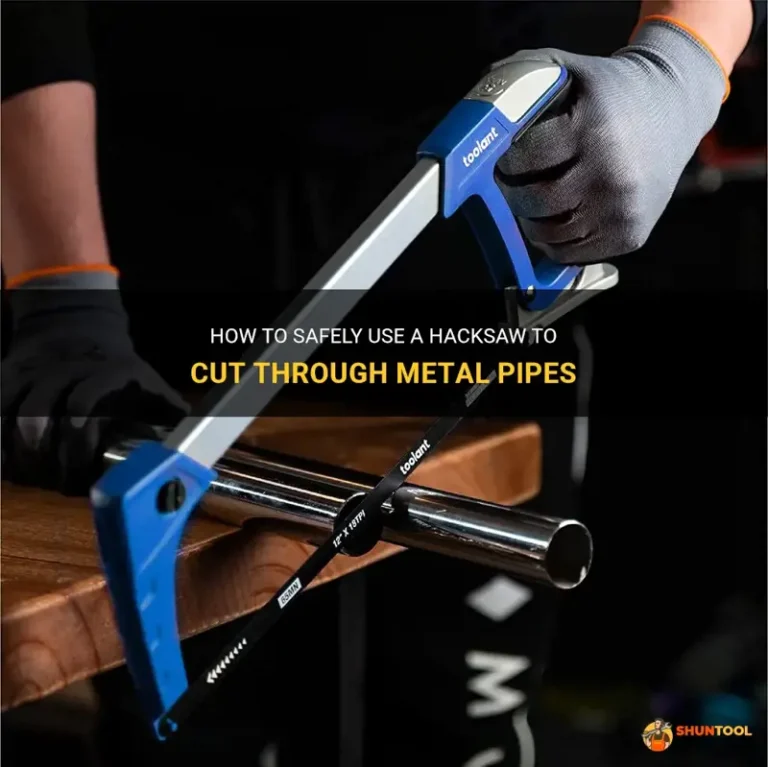
Place the hacksaw on a stable surface before you begin. Avoid holding the frame in the air while loosening the blade. A steady surface gives you better control and keeps the blade from snapping toward your hand.
A hacksaw blade has sharp teeth along one edge. Even a worn blade can cut skin, so treat it like a small strip of sheet metal. The teeth may face away from the handle or toward it, depending on the saw design.

How to Remove a Hacksaw Blade Step by Step
The basic method works for most full-size and mini hacksaws. Always check the tool’s design first, since some models use a lever instead of a tension screw.
1. Put on safety gear
Wear safety glasses to protect your eyes from metal dust or a broken blade. Gloves can protect your hands, but they do not make the blade harmless.
Keep your fingers away from the teeth. Hold the blade only by its dull back edge when possible.
2. Inspect the hacksaw frame
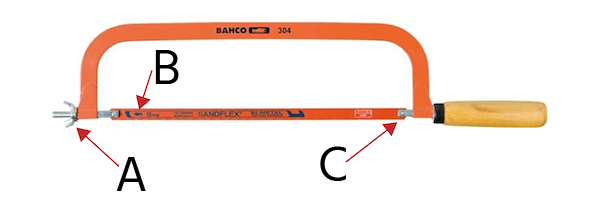
Look at both ends of the frame. One end often has a fixed pin, while the other end connects to a tension screw or sliding arm.
Check how the blade sits on the pins. This quick inspection helps you understand which side will loosen first.
3. Find the tension mechanism
Most hacksaws use a threaded tension screw with a wing nut, knob, or lever. Turning the knob counterclockwise usually reduces tension.
Some modern hacksaws use a quick release lever. If your model has one, move the lever to the open position instead of forcing the tension screw.
4. Release the blade tension
Turn the tension knob slowly counterclockwise. Keep one hand on the frame and keep your face away from the blade.
Continue until the blade feels loose. Do not remove the tension screw unless the tool manual tells you to do so. Removing it can make small parts fall out.
5. Lift the blade from the pins
Once the tension is gone, move the blade away from the frame. Lift one end off its pin, then remove the other end.
If the blade does not move, wiggle it gently from the dull back edge. Never pull hard on the toothed edge.
6. Wrap and dispose of the old blade
Wrap the used blade in thick paper, cardboard, or a small container. Mark the package as sharp before placing it in the trash.
Do not leave a loose hacksaw blade in a toolbox. It can cut your hand the next time you reach for a tool.
This is the safest general method for how to remove a hacksaw blade. It works because the blade cannot come free until the frame tension is released.
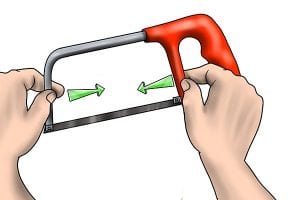
How Different Hacksaw Designs Release the Blade
Not every hacksaw uses the same release system. Understanding the design prevents you from applying force in the wrong place.
Standard fixed frame hacksaw
A standard hacksaw has a rigid metal or composite frame. One end holds the blade in place, and the other end uses a tension screw.
To remove this type, turn the tension knob counterclockwise until the blade becomes slack. Then lift the blade from the pins.
Adjustable frame hacksaw
An adjustable frame has a sliding section that changes the blade length. The blade may still use pins, but the frame can look more complex.
Release the tension first. If the frame remains tight, loosen the adjustment mechanism slightly and remove the blade without forcing the sliding section.
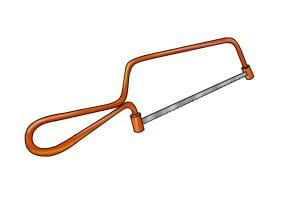
Junior or mini hacksaw
A mini hacksaw often uses a small tension screw or a spring clip. The blade may be shorter and more flexible than a full-size blade.
Hold the frame close to the blade ends. Small blades can spring out when released, especially if the frame uses a spring style holder.
Quick release hacksaw
A quick release model may have a lever near the handle or front end. Move the lever as the manufacturer intended, then remove the blade from the mounting pins.
Do not use pliers on a quick release lever. If it will not move, dirt, rust, or a damaged spring may be blocking it.

How to Remove a Stuck Hacksaw Blade
A hacksaw blade can stick because of rust, metal dust, paint, or excessive tension. A bent blade may also press against the frame and refuse to slide free.
Use this method when the blade will not come out:
- Place the hacksaw flat on a workbench.
- Put on safety glasses and gloves.
- Turn the tension knob counterclockwise several times.
- Check whether the blade has become loose.
- Brush away dirt around the pins and tension screw.
- Apply a small amount of penetrating oil to a rusty joint.
- Wait a few minutes, then try again.
- Grip only the dull back edge with pliers.
- Move the blade gently from side to side.
- Remove the blade once it clears the pins.
Do not twist the frame to free the blade. A bent frame may not hold a new blade straight, and it can make future cuts unsafe.
If the blade is broken, cover the broken section with cloth before touching it. Remove each piece separately and check the work area for small metal fragments.
In my experience, the most common mistake is trying to pull a stuck blade before releasing all the tension. It feels faster, but it can bend the frame or make the blade snap. Slow pressure works better than brute force.
Common Mistakes to Avoid
Learning how to remove a hacksaw blade also means knowing what not to do. Most injuries happen when a user rushes or holds the blade in the wrong place.
Avoid these mistakes:
- Holding the blade by its teeth
- Pointing the blade toward your face
- Pulling before releasing the tension
- Using a torch to loosen a stuck blade
- Hammering the frame
- Clamping the toothed section in a vise
- Leaving the old blade loose in a drawer
- Installing a blade that is cracked or badly bent
- Using excessive force on a plastic tension knob
Heat is especially risky. It can damage a plastic frame, weaken a spring, or change the temper of the blade. Penetrating oil and careful cleaning are safer choices for most stuck parts.
A hacksaw frame should remain straight after blade removal. If the frame is bent, cracked, or loose at the handle, replace the tool or have it inspected before using it again.

How to Install a New Hacksaw Blade After Removal
After you learn how to remove a hacksaw blade, installing a new one is simple. Choose a blade that matches the material and fits the frame length.
Follow these steps:
- Check the new blade for cracks or bent ends.
- Identify the tooth direction.
- Place one blade hole over the fixed mounting pin.
- Fit the other hole over the adjustable pin.
- Turn the tension knob clockwise.
- Tighten until the blade is firm.
- Test the blade with light finger pressure on the dull back edge.
- Stop tightening when the blade is secure and straight.
Most full-size hacksaws use blades with teeth pointing away from the handle. This setup lets the blade cut during the forward stroke. Some compact saws use a different design, so follow the markings on the frame or the tool instructions.
Do not over tighten the blade. Excess tension can damage the frame and may cause the blade to break during use. The blade should feel firm, not stretched like a guitar string.
Choosing the Right Replacement Blade
A replacement blade should match the hacksaw frame and the material you plan to cut. Blade pitch is often measured in teeth per inch, or TPI.
Use these general guidelines:
- 14 to 18 TPI works well for thick metal and heavy stock.
- 24 TPI suits common pipes, brackets, and general metal work.
- 32 TPI works well for thin sheet metal and small tubing.
- Coarse teeth cut faster but may catch on thin material.
- Fine teeth make smoother cuts but can clog in thick material.
Bi-metal blades are a useful choice for many home and workshop tasks. They combine a flexible backing with harder teeth, which helps resist breakage. Carbon steel blades can cost less, but they may wear faster in tough materials.
Check the blade length before buying. A blade that is too short may not reach both mounting pins. A blade that is too long may leave too little room for proper tension.

Maintenance Tips for a Hacksaw Frame
Good maintenance makes blade removal easier next time. Wipe the frame after use and remove metal dust from the tension screw.
Apply a small amount of light machine oil to the threads when they begin to feel rough. Do not soak the blade or coat the handle with oil, since a slippery grip can reduce control.
Store the hacksaw in a dry place. Moisture can cause rust around the blade pins and tension mechanism. If you work near water or outdoors, dry the tool before placing it in a toolbox.
Replace the frame if it has a deep crack, a badly bent arm, or a loose blade mount. A new blade cannot correct a damaged frame.

When to Replace the Entire Hacksaw
Blade removal is normally a routine task, but some tools are no longer safe to use. Consider replacing the hacksaw when:
- The frame is cracked
- The mounting pins are missing
- The tension screw is stripped
- The handle is loose
- The frame bends during normal tensioning
- The blade will not stay straight
- Rust has weakened key parts
A basic hacksaw is inexpensive compared with the cost of a hand injury or damaged workpiece. If the tool feels unreliable, replacement is often the best choice.
For professional work, follow your workplace safety rules and inspect hand tools before use. General workplace guidance consistently recommends removing damaged tools from service rather than attempting unsafe repairs.
Frequently Asked Questions About How to Remove a Hacksaw Blade
Do I need a tool to remove a hacksaw blade?
Usually, you do not need an extra tool. Turn the tension knob or open the release lever by hand, then lift the blade from the mounting pins.
Which way do I turn the hacksaw tension knob?
In most designs, turn the tension knob counterclockwise to loosen the blade. If the knob does not move, check the tool instructions instead of forcing it.
How do I remove a broken hacksaw blade?
Release all blade tension before touching the broken pieces. Wear gloves and eye protection, then remove each piece from the dull edge with pliers if needed.
Can I reuse a hacksaw blade after removing it?
You can reuse a blade if it is straight, secure, and has no cracks or missing teeth. A dull, bent, or rusted blade should be replaced.
Why will my hacksaw blade not come out?
The blade may still have tension, or rust and debris may be blocking the mounting pins. Loosen the tension fully, clean the area, and use gentle side to side movement.
How tight should a new hacksaw blade be?
The blade should be firm, straight, and free from side movement. Avoid excessive tension because it can damage the frame or cause the blade to break.
Conclusion
Removing a hacksaw blade is simple when you release the tension before touching the blade. Wear eye protection, keep your fingers away from the teeth, use a stable work surface, and remove the blade from the dull edge.
If the blade is stuck, clean the pins and use gentle pressure instead of twisting or hammering the frame. Check the condition of the tool before installing a new blade, then tension the replacement until it is firm but not overstretched.
Use these steps the next time you need to remove a hacksaw blade, and share your own workshop tips or questions in the comments.
Recent Tool Guides
 Hammer
How To Hammer Flowers Onto Paper: Easy Guide
Learn how to hammer flowers onto paper with simple steps, helpful tips, and beautiful results for...
Read Guide → Wrench
How To Use A Hex Wrench: Easy Step-By-Step Guide
Learn how to use a hex wrench correctly with simple steps, helpful tips, and common mistakes...
Read Guide → Hacksaw
How To Cut Curtain Pole With Hacksaw: Easy Guide
Learn how to cut curtain pole with hacksaw safely and neatly. Follow simple steps for accurate...
Read Guide → Wrench
How To Use A Husky Torque Wrench: Easy Guide
Learn how to use a Husky torque wrench correctly with simple steps, torque settings, and safety...
Read Guide → Hammer
How To Hold A Hammer: Safe Grip Guide
Learn how to hold a hammer with the right grip, stance, and technique for safer, more...
Read Guide → Hacksaw
How To Cut Flexible Metal Conduit With Hacksaw: Easy Guide
Learn how to cut flexible metal conduit with hacksaw safely and cleanly. Follow simple steps for...
Read Guide →