

Hand held tools are portable tools powered by your hands, not by motors, batteries, or electricity.
Understanding what are hand held tools helps you choose the right tool, use it safely, and get better results. From a simple screwdriver to a precision measuring tool, each design serves a clear purpose. This guide explains the main types, benefits, limits, safety rules, and practical tips for using hand held tools at home, on a job site, or in a workshop.
What Are Hand Held Tools?
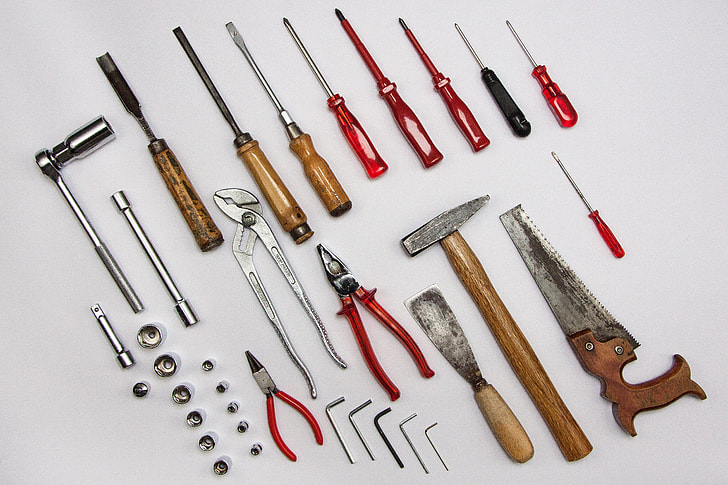
Hand held tools are tools that a person can hold and control while working. They do not need a motor or an external power source to perform their main task. Common examples include hammers, pliers, wrenches, screwdrivers, chisels, handsaws, and utility knives.
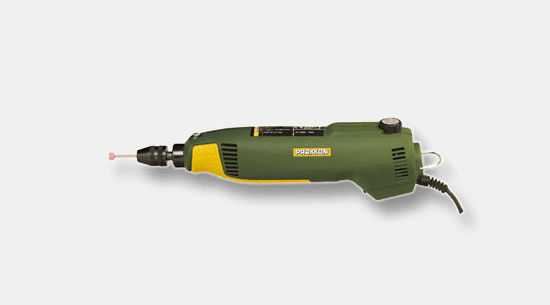
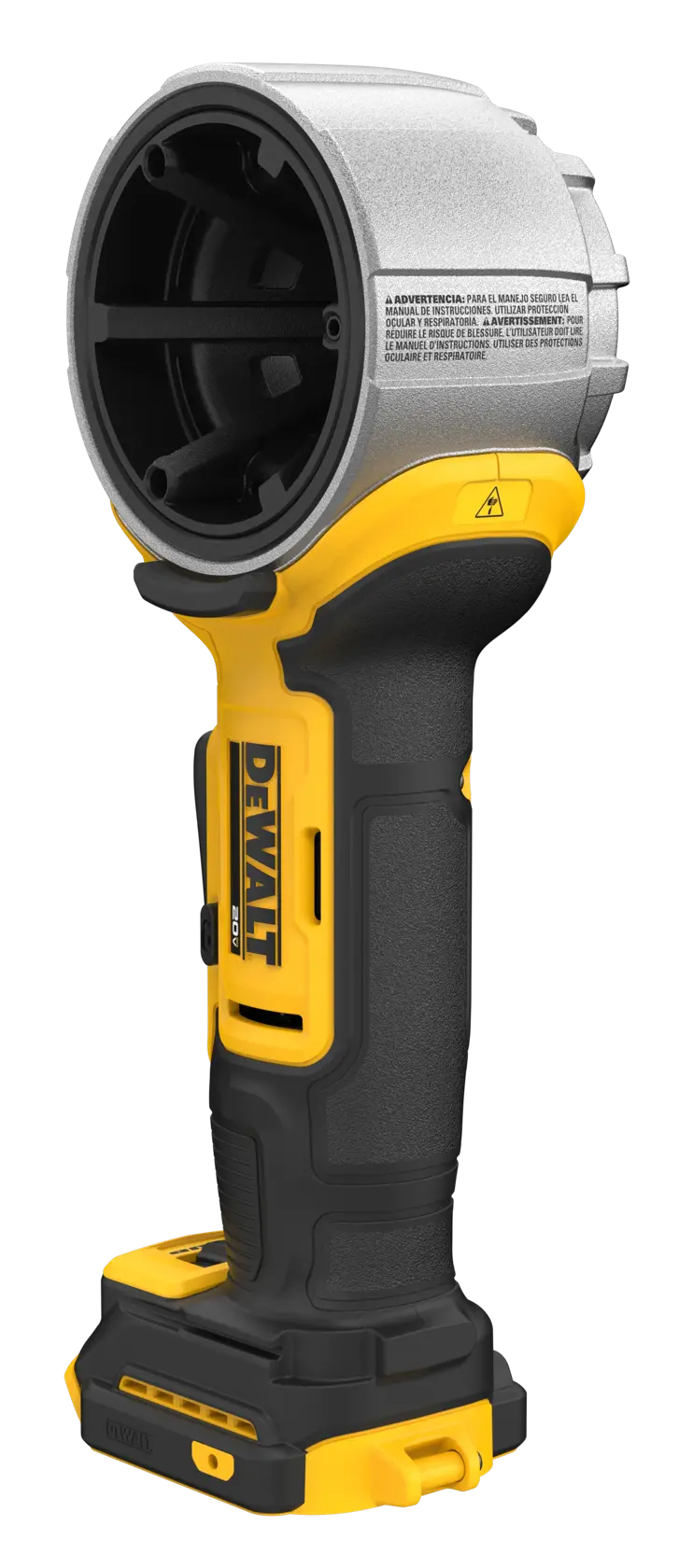
The term can also include some battery-powered tools, such as cordless drills, because they are portable and controlled by hand. However, many people use “hand tools” to mean non-powered tools and “handheld power tools” to mean electric, pneumatic, or battery-operated tools.
In simple terms, hand held tools are extensions of your hands. They help you grip, cut, shape, measure, fasten, loosen, or move materials with more force and control.
Main Types of Hand Held Tools
Hand held tools come in many forms. Each type is shaped around a specific job. Using the right tool reduces effort and helps prevent damage to both the tool and the material.
Cutting Tools
Cutting tools remove or divide material. They may cut wood, metal, plastic, fabric, or other materials.
Examples include:
• Handsaws for cutting wood or plastic
• Utility knives for cardboard, flooring, and thin sheet materials
• Tin snips for cutting sheet metal
• Scissors for paper, fabric, and light materials
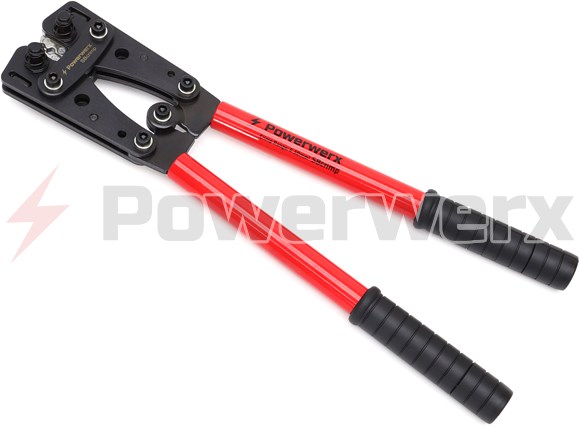
• Bolt cutters for cutting rods, chains, and bolts
• Wire cutters for electrical and craft work
Always match the blade to the material. A wood saw will not cut metal well, and using a dull blade can require extra force.
Gripping and Holding Tools
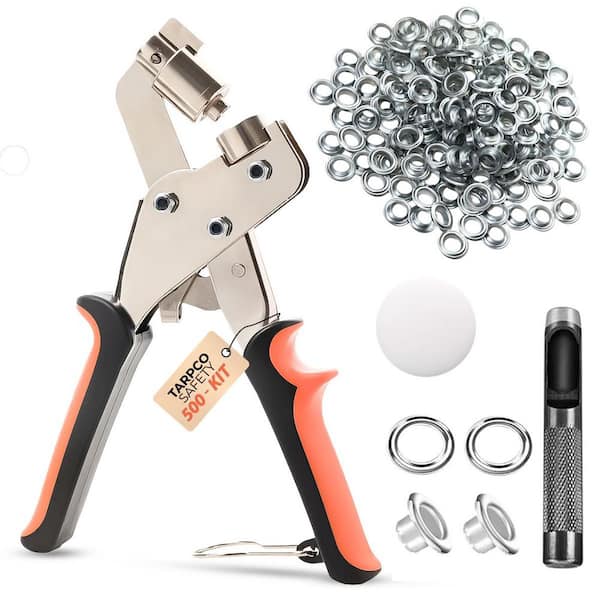
These tools hold, bend, twist, or pull objects. Pliers are among the most common hand held tools in this group.
Examples include:
• Slip-joint pliers for general gripping
• Needle-nose pliers for narrow spaces
• Locking pliers for strong temporary clamping
• Tongue-and-groove pliers for pipes and large fittings
• Clamps for holding parts during cutting, gluing, or drilling
• Vises for securing work on a bench
A gripping tool should fit the object. If the jaws are too small, they may slip or damage the surface.
Fastening Tools
Fastening tools install or remove screws, bolts, nuts, nails, and other fasteners.
Examples include:
• Flat-head and Phillips screwdrivers
• Torx and hex keys
• Combination wrenches
• Socket wrenches
• Adjustable wrenches
• Nut drivers
• Hammers and mallets
A screwdriver should match the screw head. The wrong tip can strip the screw and make removal much harder.
Striking Tools
Striking tools deliver controlled impact. They are used to drive nails, shape metal, break material, or fit parts together.
Common examples include:
• Claw hammers
• Ball-peen hammers
• Sledgehammers
• Rubber mallets
• Dead-blow hammers
• Brass or plastic hammers
The weight and head material matter. A rubber mallet is safer for delicate surfaces, while a sledgehammer is made for heavy demolition.
Measuring and Marking Tools
Accurate work often begins with accurate measurement. Measuring tools help you plan, check, and repeat a task.
Examples include:
• Tape measures
• Rulers and straightedges
• Combination squares
• Levels
• Calipers
• Marking gauges
• Chalk lines
A small measurement error can grow into a large fitting problem. This is why skilled workers often measure twice before cutting once.
Shaping and Finishing Tools
These tools remove small amounts of material or improve a surface.
Examples include:
• Files
• Rasps
• Chisels
• Sanding blocks
• Scrapers
• Deburring tools
• Hand planes
Use light, steady pressure. Forcing a file or chisel can damage the workpiece and cause the tool to slip.
Hand Tools vs. Handheld Power Tools
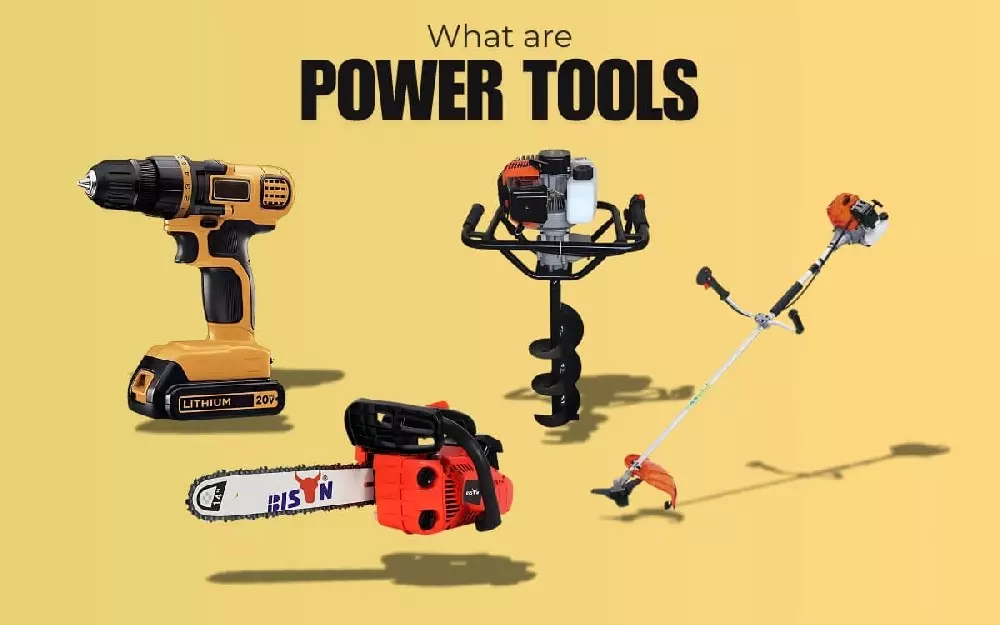
The difference between hand tools and handheld power tools is the source of energy.
Hand tools rely mainly on human strength and movement. A handsaw, wrench, or screwdriver is a classic example. Handheld power tools use electricity, compressed air, or a battery to produce motion.
Hand tools usually offer:
• Better control for small jobs
• Lower purchase and maintenance costs
• Less noise
• No charging or electrical connection
• Easier use in tight or remote spaces
Handheld power tools usually offer:
• Faster cutting, drilling, or sanding
• Less physical effort
• Better output for repeated work
• More power for hard materials
Power tools are not always the better choice. A screwdriver gives more control than a drill when you are working with a small or delicate screw. A hand plane may also give a woodworker a better feel than a powered planer during fine finishing.
Benefits of Using Hand Held Tools
Hand held tools remain popular because they are simple, flexible, and reliable. Many can work for decades when cared for properly.
Portability
Most hand held tools fit in a toolbox or work pouch. You can carry them to a job site, use them outdoors, or keep them in a kitchen drawer for small repairs.
Control and Precision
Hand held tools let you feel resistance as you work. This feedback helps you avoid overcutting, overtightening, or removing too much material.
Low Cost
Basic hand tools often cost less than powered equipment. A quality screwdriver, wrench, or hammer can handle many household tasks without a large investment.
Easy Maintenance
Many hand tools need only cleaning, drying, sharpening, lubrication, or occasional adjustment. They do not have motors, cords, switches, or complex internal parts.
Quiet Operation
Hand tools create little noise compared with drills, saws, and grinders. This makes them useful in occupied homes, offices, classrooms, and shared workspaces.
Dependability
A hand tool does not need a battery or outlet. It can work during a power outage or in a location far from electricity.
Limitations of Hand Held Tools
Hand held tools are useful, but they are not perfect for every job. Knowing their limits improves safety and efficiency.
Manual tools can take more time than powered tools, especially when cutting thick wood, drilling many holes, or removing many fasteners. They can also cause fatigue when used for long periods.
Poor technique may lead to:
• Sore hands or wrists
• Blisters and calluses
• Muscle strain
• Repetitive motion injuries
• Slips and accidental cuts
• Damaged fasteners or materials
Tool size also matters. A small wrench may not provide enough leverage, while an oversized tool may be difficult to control. Never extend a wrench with a pipe unless the tool is designed for that use. Extra leverage can bend the tool or break the fastener.
How to Choose the Right Hand Held Tool
Choosing the right tool starts with the task. Avoid selecting a tool only because it is nearby or familiar.
Use this process:
- Identify the material. Decide whether you are working with wood, metal, plastic, masonry, or another material.
- Define the task. Are you cutting, gripping, measuring, fastening, striking, or finishing?
- Choose the correct size. The tool should fit the fastener or workpiece without excessive force.
- Check the handle. Look for a firm grip, smooth edges, and a shape that feels stable.
- Inspect the condition. Avoid cracked handles, loose heads, bent jaws, dull blades, or damaged insulation.
- Consider the work area. A short tool may work better in a tight space, while a long handle may provide useful leverage.
- Use protective equipment. Select gloves, eye protection, hearing protection, or respiratory protection when needed.
For professional work, consider tools that meet recognized safety and quality standards. Labels from established testing organizations can provide useful information, but a certification does not replace correct use.

Safe Use of Hand Held Tools
Safe work begins before the first cut or strike. Inspect the tool and prepare the work area.
Keep these rules in mind:
• Use each tool only for its intended purpose.
• Wear safety glasses when cutting, striking, scraping, or driving fasteners.
• Keep cutting edges sharp and protected when stored.
• Secure the workpiece with a clamp or vise when possible.
• Keep handles clean, dry, and free from oil.
• Cut away from your body.
• Keep your free hand out of the cutting path.
• Do not carry sharp tools in a pocket with the point exposed.
• Replace tools with damaged handles or loose heads.
• Store tools where children and untrained users cannot reach them.
The Occupational Safety and Health Administration advises employers to keep hand and power tools in safe condition and to train workers in their proper use. This basic rule applies at home too.
A common mistake is using a screwdriver as a chisel or a knife as a scraper. The tool may slip, break, or send a sharp fragment toward you. The few seconds saved are not worth the injury risk.
Maintenance and Storage Tips
Good maintenance extends tool life and improves performance. It also makes problems easier to spot.
After use, wipe dirt and moisture from each tool. Dry metal surfaces before storage, especially in humid areas. A light coat of suitable oil can help protect some steel tools from rust.
Follow these habits:
• Sharpen blades and chisels with the correct method.
• Clean pliers and moving joints before adding light lubricant.
• Tighten loose screws and replace worn parts.
• Keep tools in a box, cabinet, rack, or pouch.
• Store blades with covers or guards.
• Keep measuring tools away from heat and impact.
• Do not stack heavy items on delicate tools.
Do not ignore rust. Light surface rust may come off with a brush or fine abrasive, but deep rust can weaken the tool. If a hammerhead, blade, or pry bar has serious damage, replacement is safer than repair.
Common Mistakes to Avoid
Even experienced users make mistakes when they rush. A calm, planned approach is often faster than correcting damage later.
One common error is choosing the wrong size. A loose wrench can round a bolt, and a small screwdriver can damage a screw head. Another mistake is applying force before checking alignment. The tool should sit squarely on the fastener or workpiece.
Avoid these habits:
• Striking a hardened tool with a hammer unless it is made for impact
• Using pliers in place of a wrench
• Leaving tools in rain or damp sawdust
• Carrying tools with sharp points facing upward
• Ignoring hand pain or numbness
• Working with a dull blade
• Holding small pieces in your hand while cutting
• Using damaged tools because the job seems quick
In hands-on shop work, one lesson becomes clear: control matters more than force. If a job feels too hard, stop and ask whether the tool, size, angle, or method is wrong.

Hand Held Tools for Homeowners and Professionals
Homeowners often need a small set of versatile tools. A useful starter kit may include:
• Claw hammer
• Tape measure
• Multi-bit screwdriver
• Adjustable wrench
• Slip-joint pliers
• Utility knife
• Level
• Hex key set
• Handsaw
• Safety glasses
Professionals usually need tools matched to their trade. A plumber may rely on pipe wrenches, basin wrenches, and tubing cutters. An electrician may use insulated screwdrivers, wire strippers, and voltage testers. A carpenter may use chisels, squares, planes, and layout tools.
The best tool kit is not the largest one. It is the one that contains reliable tools for the work you actually do.
Environmental and Ergonomic Considerations
Hand held tools can reduce electricity use, but manual work still affects the body. Repeated gripping, twisting, and striking can place stress on the hands, wrists, shoulders, and back.
Choose handles that fit your hand. Keep your wrist as straight as possible and change position during long tasks. Take short breaks before pain begins. The National Institute for Occupational Safety and Health highlights neutral posture, reduced force, and task variation as important ways to lower ergonomic risk.
Tool makers also use recycled steel, wood from managed forests, and durable plastics in some products. A long-lasting tool can create less waste than a cheap tool that breaks after a few uses. Repair and replacement parts can improve sustainability even more.
Frequently Asked Questions About Hand Held Tools
What are hand held tools used for?
Hand held tools are used for tasks such as cutting, gripping, measuring, fastening, striking, shaping, and finishing. They give users direct control without needing a motor or electrical supply.
Are hand held tools and hand tools the same thing?
People often use the terms in the same way. In many technical settings, hand tools mean manually powered tools, while handheld power tools include cordless, electric, and pneumatic tools.
What are the most common hand held tools?
Common examples include hammers, screwdrivers, pliers, wrenches, tape measures, utility knives, handsaws, chisels, files, and levels. A basic tool kit usually contains several of these items.
How should hand held tools be stored?
Clean and dry tools before placing them in a toolbox, cabinet, rack, or pouch. Protect sharp edges, keep tools away from moisture, and store damaged tools separately until they are repaired or replaced.
How can I use hand held tools safely?
Choose the correct tool, inspect it before use, secure the workpiece, and wear suitable protective equipment. Keep your hands away from cutting paths and never use a tool for a purpose it was not designed to perform.
How long do hand held tools last?
Quality hand held tools can last for many years or even decades with proper care. Their service life depends on material quality, frequency of use, storage, cleaning, and whether the tool is used correctly.
Conclusion
Hand held tools are portable, practical devices that help people cut, grip, measure, fasten, strike, shape, and repair materials. They offer control, low cost, easy maintenance, and dependable use without a power source. Their limits are just as important: the wrong tool, poor technique, or damaged equipment can cause injury and wasted work.
Start with a small set of quality tools, learn what each one is designed to do, and inspect it before every job. With safe habits and regular care, your hand held tools can serve you for years. Explore more tool guides, build your kit with purpose, and share your favorite hand tool tips in the comments.
