What Do You Use A Hacksaw For: Uses, Tips, And Cuts
A hacksaw cuts metal, plastic pipe, bolts, and other tough materials with a fine-tooth blade.
If you have ever wondered what do you use a hacksaw for, the answer goes far beyond cutting an old pipe. This simple hand tool gives you control for small repairs, careful cuts, and jobs where a power saw would be too large or risky. In this guide, you will learn how a hacksaw works, what it can cut, how to use it safely, and when another tool is a better choice.
What Is a Hacksaw?
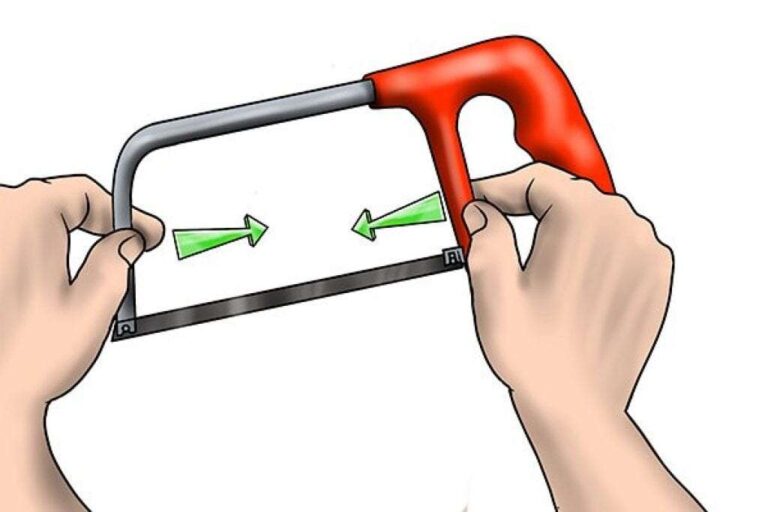
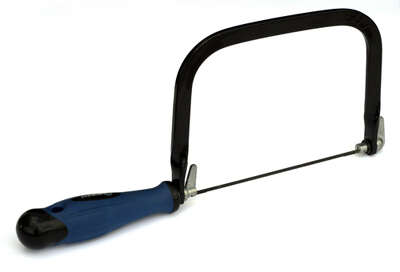
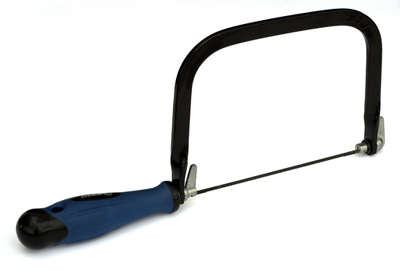
A hacksaw is a hand saw made for cutting hard materials. It has a narrow, fine-tooth blade held under tension in a metal frame. Most models have a handle at one end and a tension screw or lever that keeps the blade tight.
The standard hacksaw has a blade length of about 10 to 12 inches. Some compact models use shorter blades for tight spaces. Adjustable frames can also hold different blade lengths.
The blade is the heart of the tool. Its teeth are much smaller than the teeth on a wood saw. Common hacksaw blades have:
• 14 teeth per inch for thick metal and fast cutting
• 18 teeth per inch for general-purpose work
• 24 teeth per inch for thin metal and tubing
• 32 teeth per inch for very thin sheet metal
A good rule is to keep at least three teeth in contact with the material during each stroke. This helps prevent snagging and protects the blade.

What Do You Use a Hacksaw For?
So, what do you use a hacksaw for in daily repair work? You use it for controlled cuts through metal, plastic, pipe, threaded rod, and similar materials.
Common uses include:
Cutting metal pipe
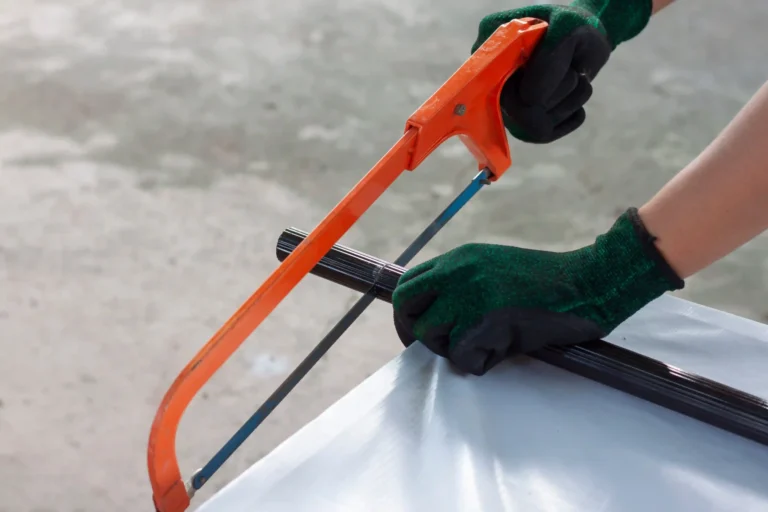
A hacksaw can cut copper pipe, steel pipe, aluminum tubing, and thin wall conduit. Plumbers and electricians often use one when a pipe must be cut in place or when there is little room for a power tool.
After cutting pipe, remove the sharp inner edge with a file or deburring tool. This matters because rough edges can damage seals, restrict flow, or cause cuts.
Cutting bolts and threaded rod
A hacksaw is useful when a bolt is too long or when threaded rod must be cut to size. Wrap the area with masking tape and mark the cut line. After cutting, smooth the end so the nut can start without catching.
A useful trick is to thread a nut onto the bolt before cutting. Once the cut is done, remove the nut. It can help restore damaged threads near the cut.
Cutting plastic pipe
You can use a hacksaw to cut PVC, CPVC, ABS, and some other plastic pipes. The fine teeth make a fairly clean cut, but the blade may leave small burrs.
Keep the pipe steady and let the blade do the work. Then clean the edge with a utility knife, sandpaper, or a deburring tool.
Cutting sheet metal
A hacksaw can cut thin sheet metal, flashing, brackets, and metal strips. It is best for short, straight cuts rather than long cuts across wide sheets.
Secure the sheet well. Thin metal can bend and vibrate, which may grab the blade or create a jagged edge.
Cutting metal hardware
Many home repair jobs involve cutting:
• Metal brackets
• Chain and wire
• Nails and screws
• Small angle iron
• Cable tray
• Lattice and screen frames
• Appliance parts
• Metal shelving
What do you use a hacksaw for when a part is stuck? You can cut through the unwanted part, but first check for hidden wires, gas lines, water lines, and stored tension.
Cutting through rusted parts
A hacksaw can remove rusted bolts, clamps, and fasteners. It is often safer than forcing a wrench until the part breaks.
Use penetrating oil when appropriate, but keep oil away from areas where sparks or heat may occur. If the part is under spring tension, release that force before cutting.

Materials a Hacksaw Can Cut
The best answer to what do you use a hacksaw for depends on the blade and the material. A hacksaw is not limited to one type of metal.
Metal
A standard blade can cut many common metals, including:
• Mild steel
• Stainless steel
• Aluminum
• Brass
• Copper
• Cast iron
• Galvanized steel
Hard metals may require more time and a high-quality blade. Stainless steel, for example, can become harder if you press too hard or let the blade rub without cutting.
Plastic
A hacksaw can cut rigid plastic pipe and plastic trim. It can also cut some fiberglass and composite parts, though the dust may irritate your eyes and lungs.
For plastic, a blade with more teeth per inch usually gives better control. Move the blade at a steady pace to reduce melting and rough edges.
Wood
A hacksaw is not the right tool for normal wood cutting. Its fine teeth may cut a thin piece of wood in an emergency, but the process is slow and the blade can clog.
Use a wood saw, handsaw, jigsaw, or circular saw for wood. Each tool has teeth designed for wood fibers.
Hardened materials
A normal hacksaw may struggle with hardened tool steel, thick hardened bolts, or heavy cast parts. A bi-metal blade can help, but some jobs need an abrasive wheel, reciprocating saw, or cutting torch handled by a trained person.
Knowing what do you use a hacksaw for also means knowing what not to cut. Using the wrong tool wastes time and can cause the blade to break.

How to Choose the Right Hacksaw Blade
Blade choice affects speed, finish, and safety. The most important feature is tooth count, measured in teeth per inch, or TPI.
Use these general guidelines:
• 14 TPI: Thick metal, heavy pipe, and fast rough cuts
• 18 TPI: General metal work and medium stock
• 24 TPI: Thin wall pipe, sheet metal, and most household repairs
• 32 TPI: Very thin metal, small tubing, and delicate cuts
Choose a blade that is long enough to pass fully through the material during each stroke. A full stroke spreads wear across more teeth and helps the blade cut faster.
Bi-metal blades are a strong choice for many home workshops. They combine a flexible steel body with harder teeth. This design helps the blade resist snapping while keeping its edge.
Carbon steel blades cost less but may wear faster. They can work well for light jobs and soft materials.
Check the blade before use. Do not use one with missing teeth, deep rust, bends, or cracks. A damaged blade can break under tension and send sharp pieces outward.

How to Use a Hacksaw Correctly
What do you use a hacksaw for if you want a clean, controlled cut? You use it with a firm setup, the right blade, and steady strokes.
Follow these steps:
-
Mark the cut line clearly. Use a marker, pencil, or scribe that fits the material.
-
Select the correct blade. Use more teeth per inch for thin material and fewer teeth per inch for thick material.
-
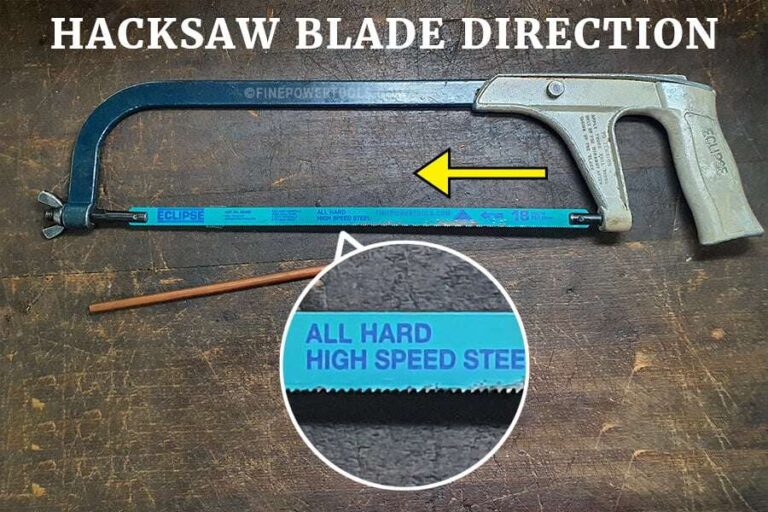
Install the blade with the teeth pointing forward. Most hacksaw blades cut on the forward stroke.
-
Tighten the blade until it feels firm. It should not twist easily from side to side.
-
Secure the workpiece in a vise or clamp. Keep the cut close to the vise jaws to reduce vibration.
-
Start with short, gentle strokes. This creates a small groove that guides the blade.
-
Use long, even strokes once the groove forms. Apply light pressure on the forward stroke and ease pressure on the return stroke.
-
Keep the frame straight. A tilted blade can bind, wander, or break.
-
Slow down near the end of the cut. The final section can break suddenly and leave a rough edge.
-
Remove burrs with a file, deburring tool, or fine sandpaper.
Do not push hard. Excess pressure does not always make the saw cut faster. It can strip teeth, bend the blade, and make the cut wander.
One lesson many people learn after their first few cuts is that work holding matters more than arm strength. A shaky pipe turns a simple cut into a rough one. A solid vise makes the same job feel easy.

Hacksaw Safety Tips
A hacksaw is simple, but it can still cause cuts, eye injuries, and hand strain. Treat it as a real cutting tool, not a harmless household gadget.
Use these safety habits:
• Wear safety glasses when cutting metal or brittle plastic.
• Wear work gloves when handling sharp edges, but keep loose material away from the blade.
• Clamp the workpiece securely before cutting.
• Keep both hands behind the cutting edge.
• Inspect the frame and blade before each job.
• Keep the blade tight and properly seated.
• Cut away from your body when the work allows it.
• Remove burrs before handling the cut part.
• Keep children and bystanders away from the work area.
• Clean metal filings with a brush, not your bare hand.
Be careful with galvanized metal, painted surfaces, and unknown coatings. Cutting or heating some coatings can release harmful fumes. Work in a well-ventilated area and follow the product safety information.
Do not use a hacksaw on a live electrical part. Turn off power, verify that the circuit is dead, and use safe electrical practices. A hacksaw blade can conduct electricity.
If the blade binds, stop and inspect the setup. Do not pull harder. The workpiece may be moving, the blade may be dull, or the cut may be closing around the blade.
Hacksaw Benefits and Limitations
The main benefit of a hacksaw is control. It does not need electricity, batteries, or compressed air. You can use it in a small space, on a ladder, or during a power outage.
Other benefits include:
• Low purchase cost
• Simple operation
• Easy blade replacement
• Quiet cutting
• Good control on small parts
• Useful access in tight areas
• No motor sparks from the tool itself
A hacksaw also has clear limits. It is slow on thick material. Long cuts can become tiring. The cut may not be perfectly square without careful marking and control.
A hacksaw is also a poor choice when:
• The material is very thick
• You need many repeated cuts
• The cut must be extremely precise
• The workpiece cannot be clamped safely
• The material is hardened beyond the blade’s rating
• You need to cut a wide sheet quickly
What do you use a hacksaw for when speed matters? You may choose a reciprocating saw, angle grinder, band saw, or metal-cutting saw. Each power tool brings more speed but also more noise, heat, sparks, and risk.

Hacksaw vs. Other Cutting Tools
Choosing the right tool saves effort and improves the result.
Hacksaw vs. reciprocating saw
A reciprocating saw cuts much faster and works well for demolition. It is useful for thick pipe, framing, and difficult access. However, it has more vibration and offers less control for small, neat cuts.
Hacksaw vs. angle grinder
An angle grinder can cut thick metal quickly and may also grind welds or smooth edges. It creates sparks, heat, dust, and noise, so it needs more protective equipment and careful handling.
Hacksaw vs. bolt cutters
Bolt cutters are faster for chain, soft bolts, and some wire. They are not suitable for every type of hardened steel. They also crush or deform the material rather than making a narrow saw cut.
Hacksaw vs. pipe cutter
A pipe cutter gives a cleaner, more even cut on certain copper, plastic, or thin metal pipes. It may not fit around a pipe in a tight space, while a hacksaw can often reach the area.
Hacksaw vs. jigsaw
A jigsaw is useful for curved cuts and sheet material. With the correct blade, it can cut metal, but a hacksaw may offer better control for small parts and short cuts.

Common Hacksaw Mistakes to Avoid
Many poor cuts come from setup errors rather than a bad tool. Avoid these common mistakes:
Using the wrong blade direction
Most hacksaw blades cut when pushed forward. If the teeth face backward, the saw may rub instead of cut. Check the blade before tightening it.
Choosing too few teeth
Large teeth can catch on thin sheet metal and tear it. Use a higher TPI blade when the material is thin.
Using a dull blade
A dull blade creates heat and requires too much force. Replace it when the teeth look worn or the saw stops producing chips.
Failing to support the material
A loose pipe can bounce and bend. Clamp it close to the cut line, but avoid crushing soft tubing.
Starting with heavy pressure
Heavy pressure can make the blade jump out of the mark. Begin with light strokes and build the groove slowly.
Ignoring the cut edge
Freshly cut metal often has a razor-sharp burr. Always file or deburr the edge before installation or handling.
Cutting without checking the other side
Before cutting into a wall, floor, appliance, or vehicle part, check what lies behind it. A hacksaw can damage wires, pipes, and hidden components quickly.

How to Maintain a Hacksaw
Good maintenance keeps the tool safe and ready.
Wipe the frame after use. Remove metal dust and moisture, especially if the frame is steel. A small amount of light oil on the tension screw can help prevent rust and keep adjustment smooth.
Store blades in a dry place. Keep new blades in their packaging until needed. Do not toss loose blades into a drawer where the teeth can damage other tools or your hands.
Release blade tension if the manufacturer recommends it for long-term storage. Before the next use, inspect the frame for bends and check that the blade mounts are not damaged.
Replace the blade when:
• Teeth are missing
• The blade has a visible bend
• Cutting becomes unusually slow
• The blade slips from the frame
• The cut wanders even with a steady setup
A fresh blade often makes a greater difference than extra force. This is one of the simplest lessons in hand tool work.
Frequently Asked Questions About What Do You Use a Hacksaw For
What do you use a hacksaw for at home?
You can use a hacksaw to cut metal pipe, bolts, threaded rod, plastic pipe, brackets, chain, and thin sheet metal. It is especially useful for small repair jobs that need control.
Can a hacksaw cut steel?
Yes, a hacksaw can cut mild steel, stainless steel, steel pipe, bolts, and other steel parts when fitted with a suitable blade. Use a bi-metal blade for better durability and avoid forcing the cut.
Can you use a hacksaw to cut PVC pipe?
Yes, a hacksaw can cut PVC, CPVC, and ABS pipe. After cutting, remove burrs and clean the edge so the pipe can fit properly.
Why does my hacksaw blade keep breaking?
A blade may break because it is too loose, too tight, dull, twisted, or used with excessive pressure. The workpiece may also be moving or pinching the blade during the cut.
Should hacksaw teeth face forward or backward?
In most cases, hacksaw teeth should face forward because the tool cuts on the push stroke. Check the blade and frame instructions if you use an unusual model.
How many teeth per inch should a hacksaw blade have?
Use 14 to 18 TPI for thick material, 24 TPI for general household work and thin tubing, and 32 TPI for very thin metal. Keep at least three teeth in contact with the material.
Is a hacksaw safe for cutting electrical conduit?
A hacksaw can cut metal or plastic electrical conduit after power is turned off and the area is checked. Never cut a live conduit or any part that may contain energized wires.
Conclusion
A hacksaw is a practical hand tool for cutting metal, plastic pipe, bolts, threaded rod, brackets, chain, and thin sheet material. Its strengths are control, low cost, quiet operation, and access in tight spaces.
The best results come from choosing the right blade, securing the workpiece, using steady strokes, and removing sharp burrs. Now that you know what do you use a hacksaw for, select a suitable blade and practice on a safe scrap piece before starting an important repair. Explore more hand tool guides, and share your own hacksaw tips in the comments.
Recent Tool Guides
 Hammer
How To Hammer Flowers Onto Paper: Easy Guide
Learn how to hammer flowers onto paper with simple steps, helpful tips, and beautiful results for...
Read Guide → Wrench
How To Use A Hex Wrench: Easy Step-By-Step Guide
Learn how to use a hex wrench correctly with simple steps, helpful tips, and common mistakes...
Read Guide → Hacksaw
How To Cut Curtain Pole With Hacksaw: Easy Guide
Learn how to cut curtain pole with hacksaw safely and neatly. Follow simple steps for accurate...
Read Guide → Wrench
How To Use A Husky Torque Wrench: Easy Guide
Learn how to use a Husky torque wrench correctly with simple steps, torque settings, and safety...
Read Guide → Hammer
How To Hold A Hammer: Safe Grip Guide
Learn how to hold a hammer with the right grip, stance, and technique for safer, more...
Read Guide → Hacksaw
How To Cut Flexible Metal Conduit With Hacksaw: Easy Guide
Learn how to cut flexible metal conduit with hacksaw safely and cleanly. Follow simple steps for...
Read Guide →